With the GM8 luxury MPV, GAC took a big risk in trying to match the mighty Toyota Alphard—considered by many the ultimate luxury MPV. But while the GM8 boasted great luxury, its styling was a bit too generic for a target market where being seen is part of the appeal.
But with exotic new looks and even more luxurious “Master” trims, can the GM8’s successor—the M8—finally take the fight to the Alphard?
Let’s find out.
OTHER REVIEWS YOU MIGHT WANT TO CHECK OUT:
Review: 2024 GAC GS8 GT 4WD AT
Review: 2024 Ford Explorer Limited 4WD
Styling
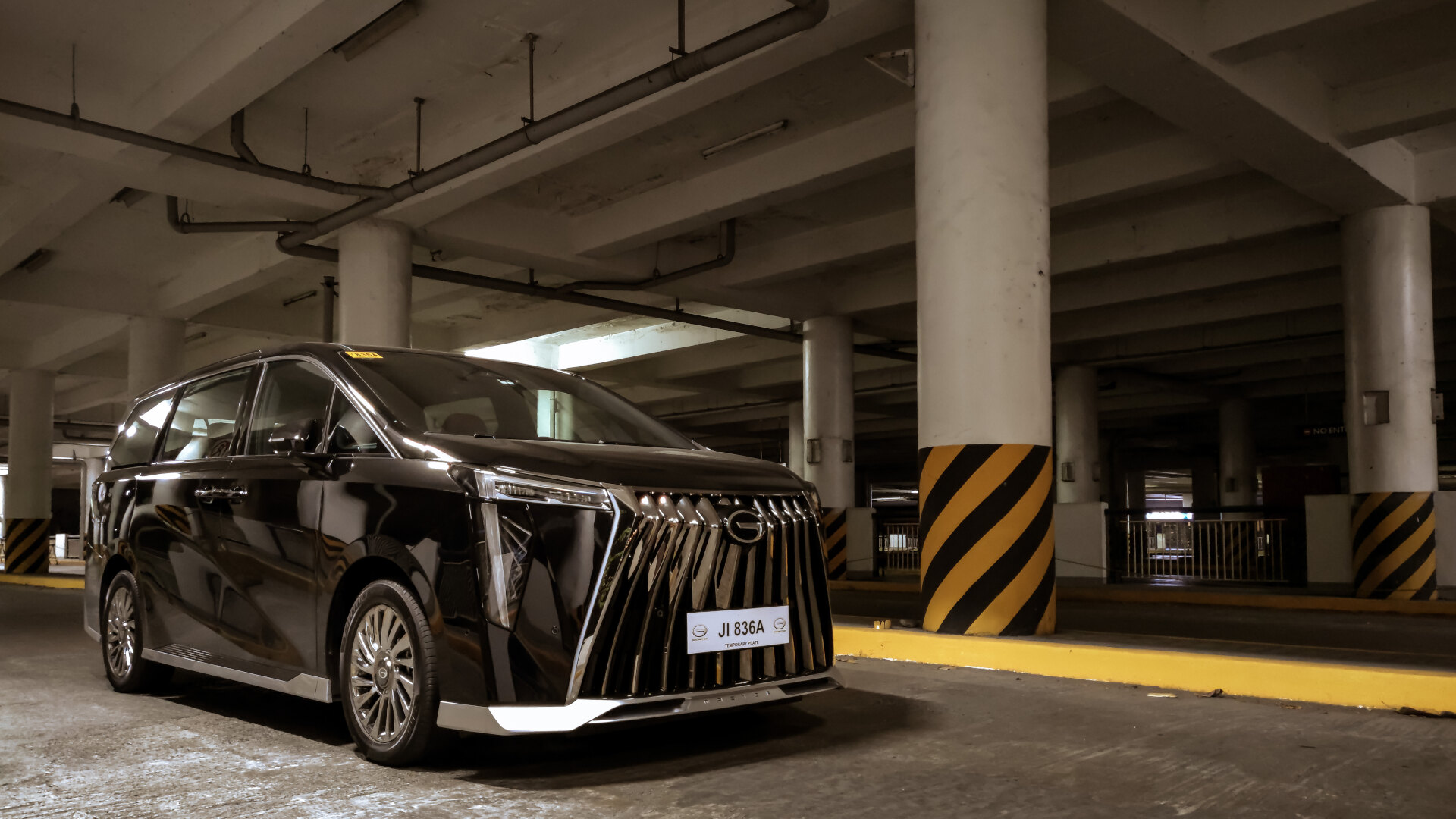
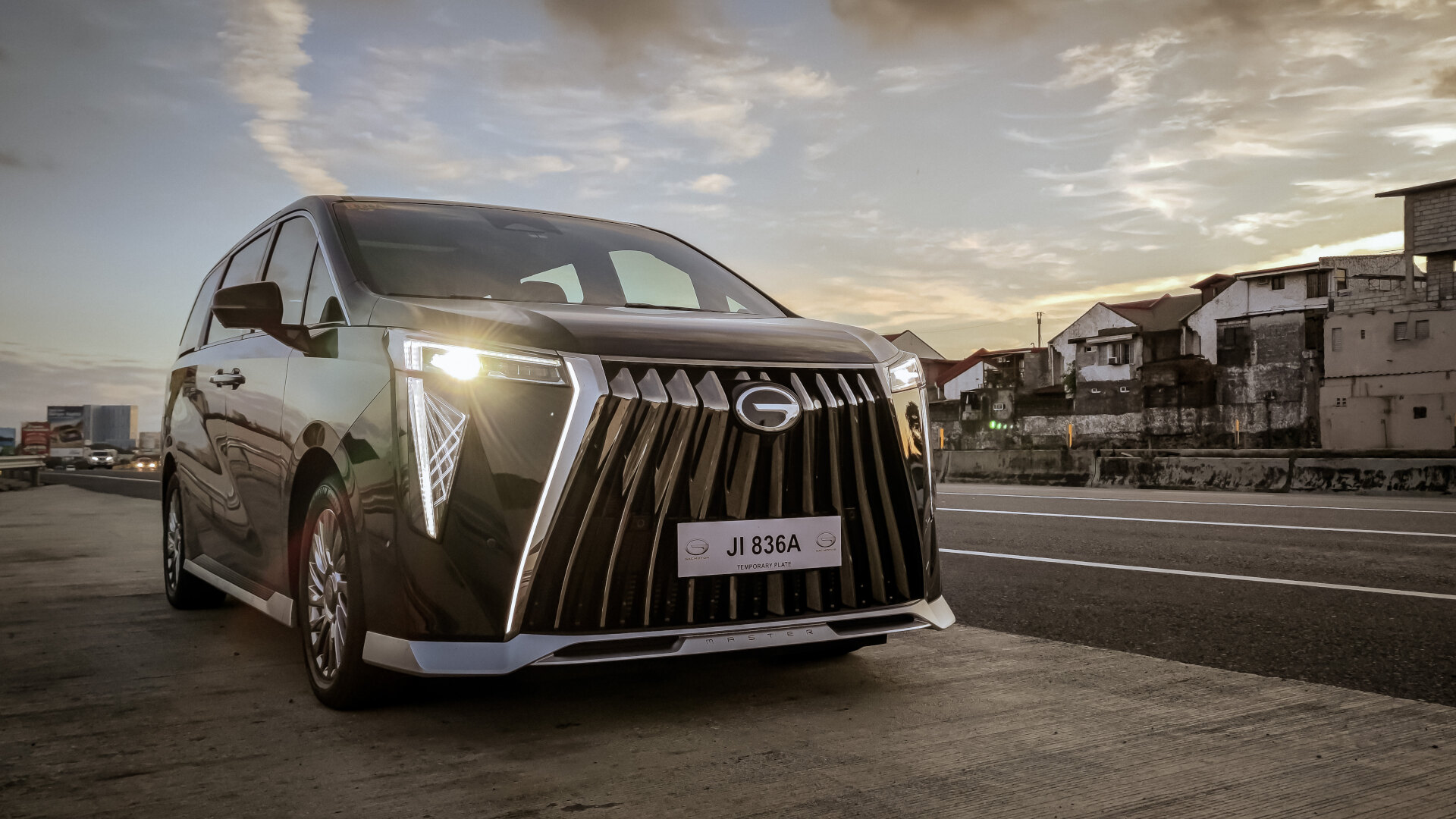
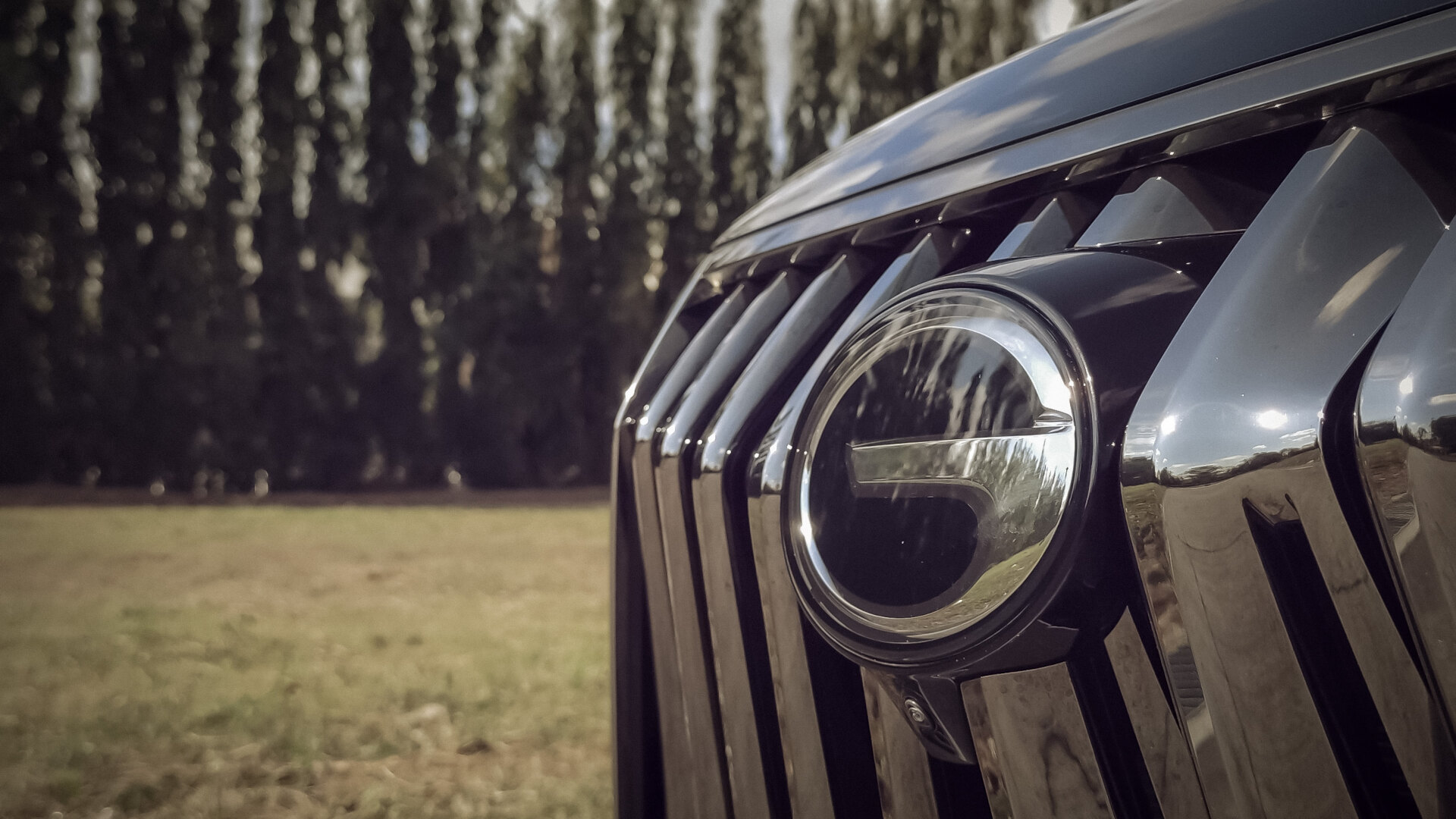
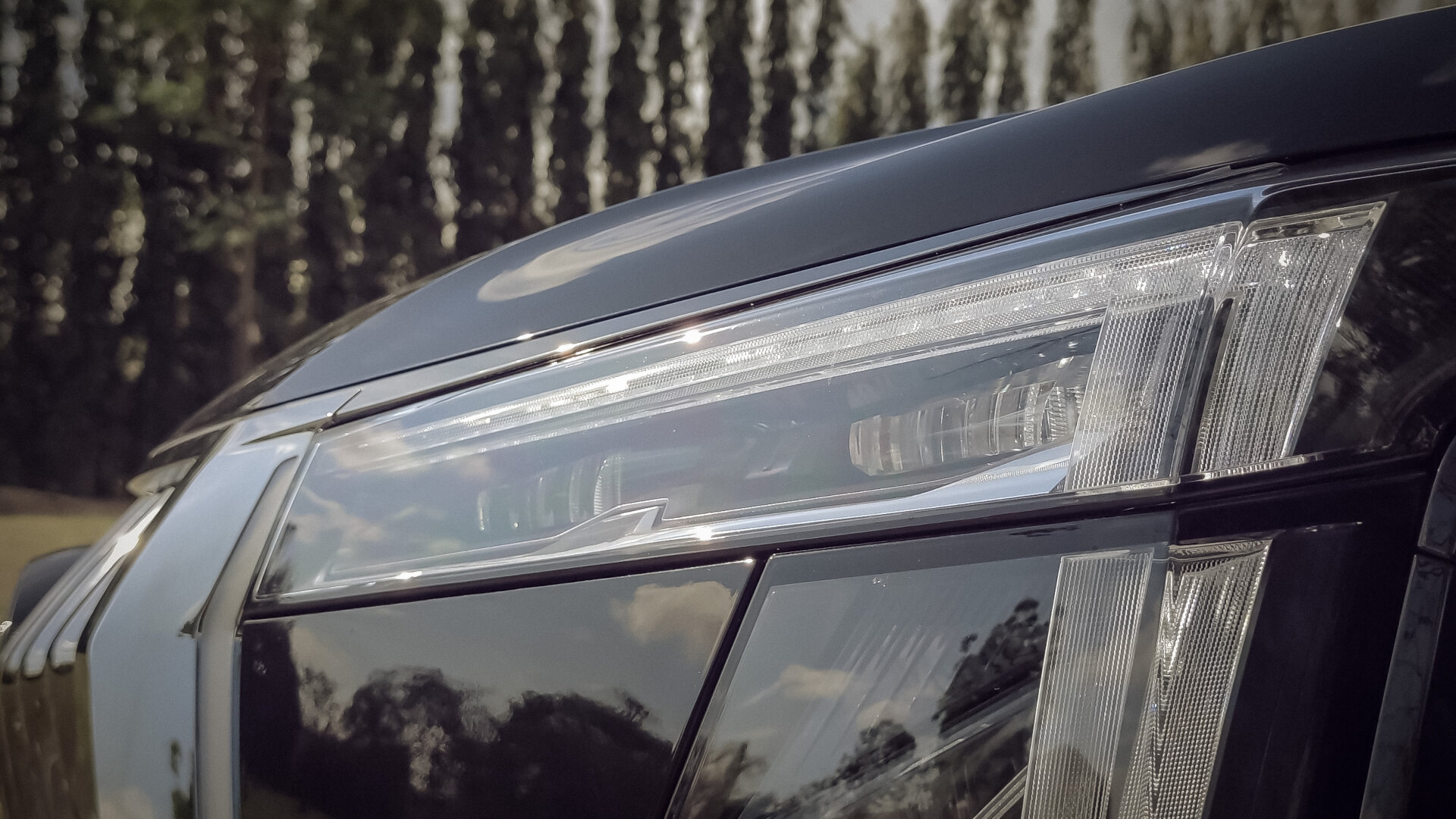
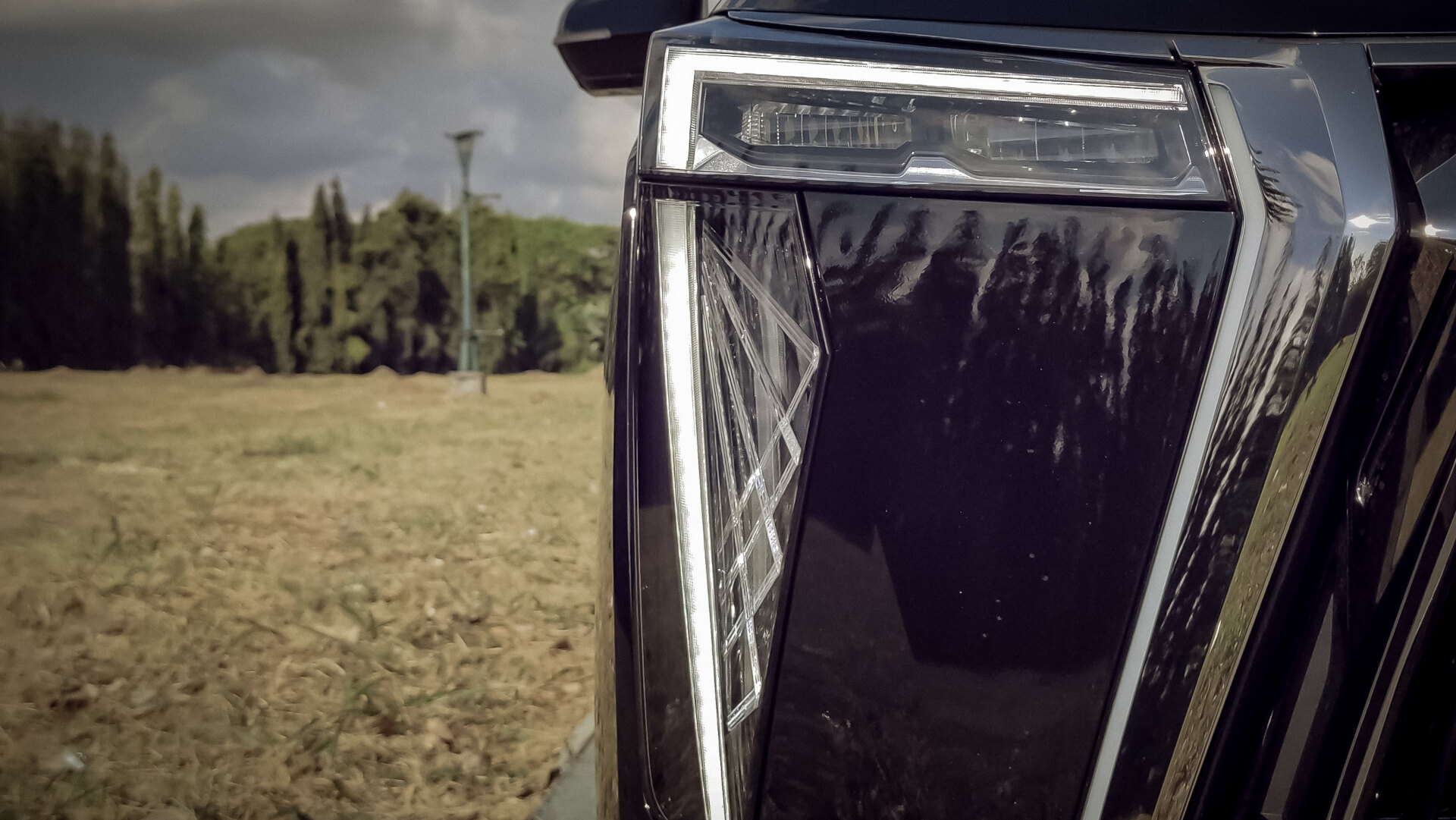
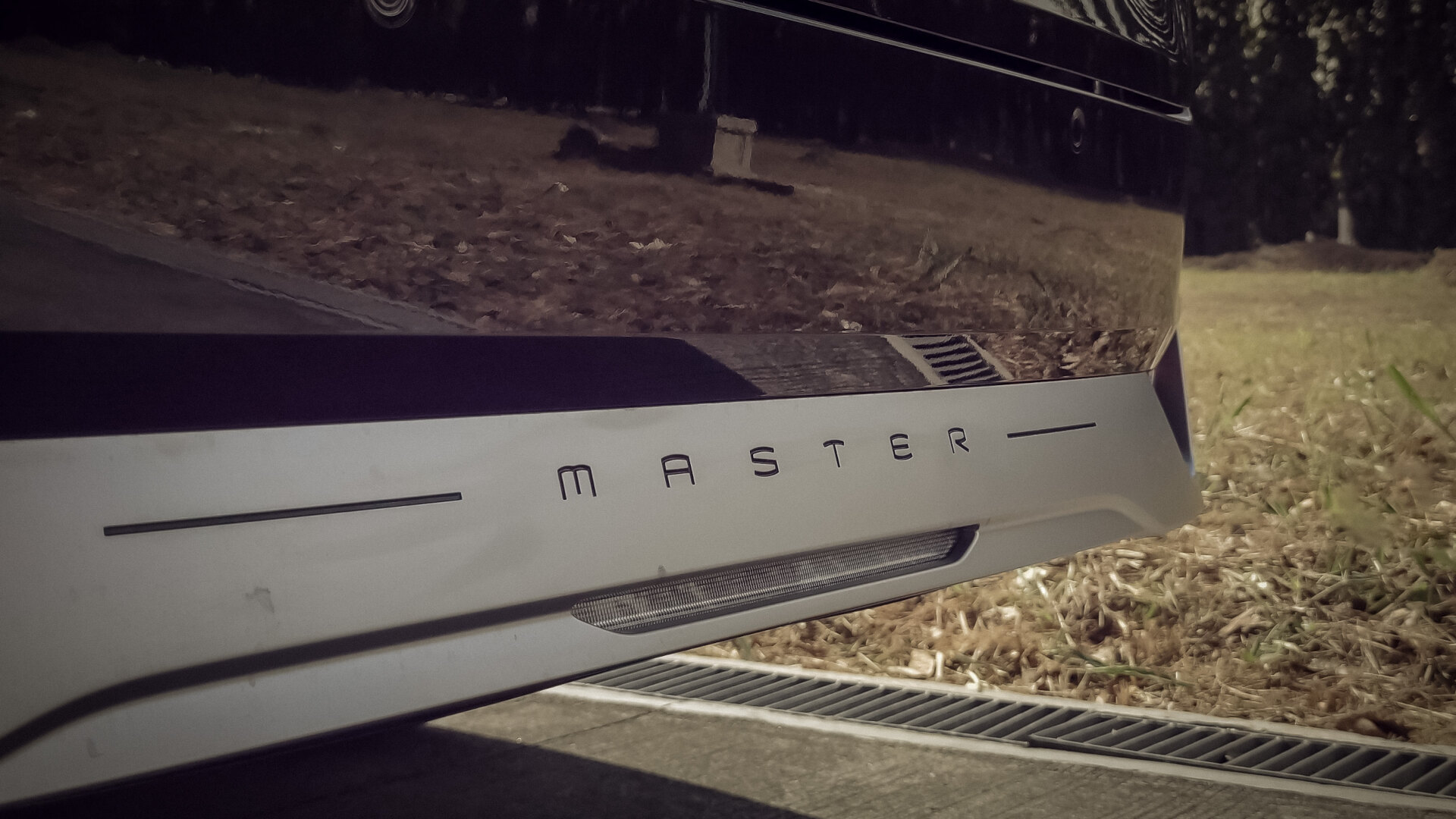
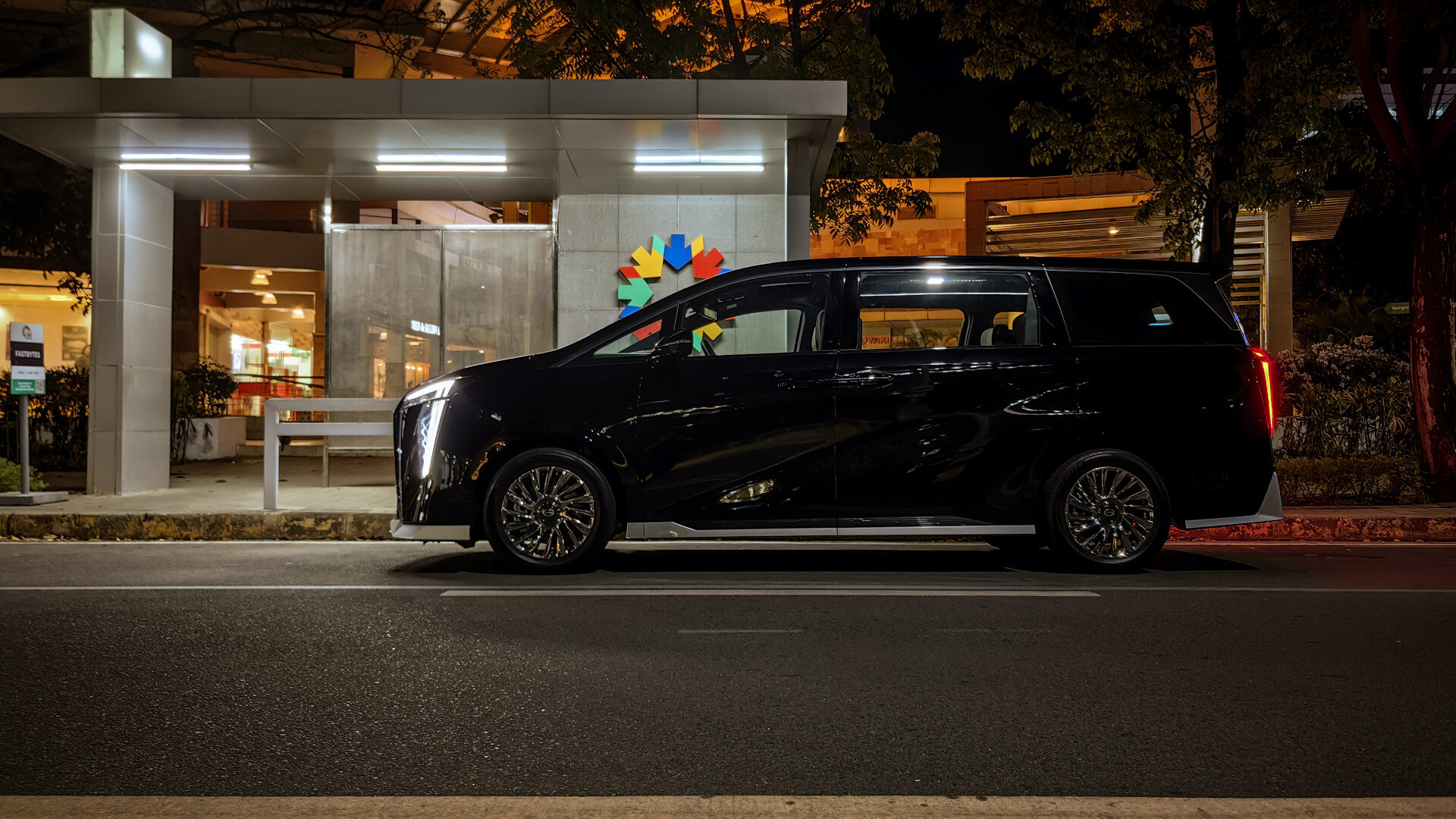
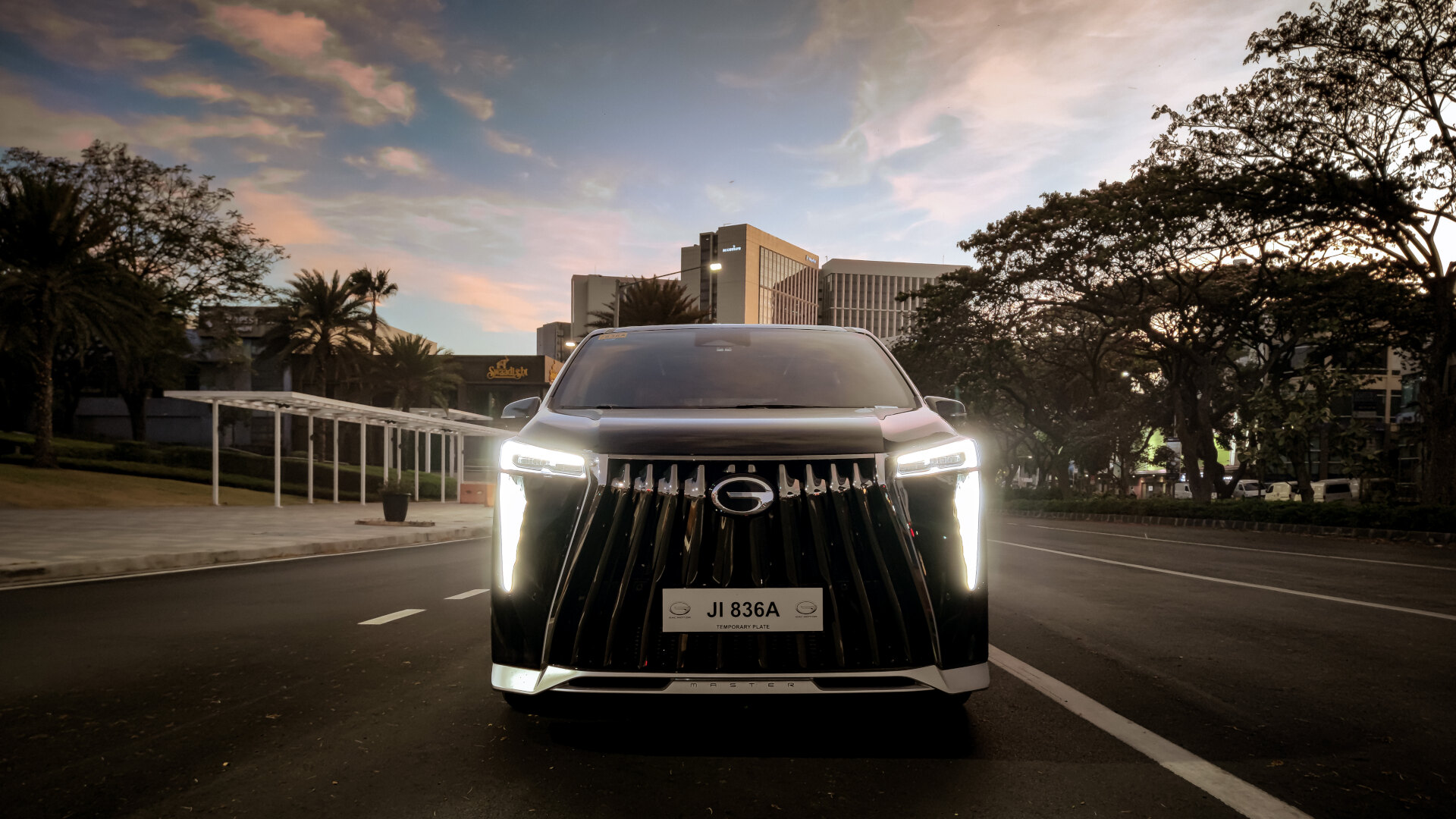
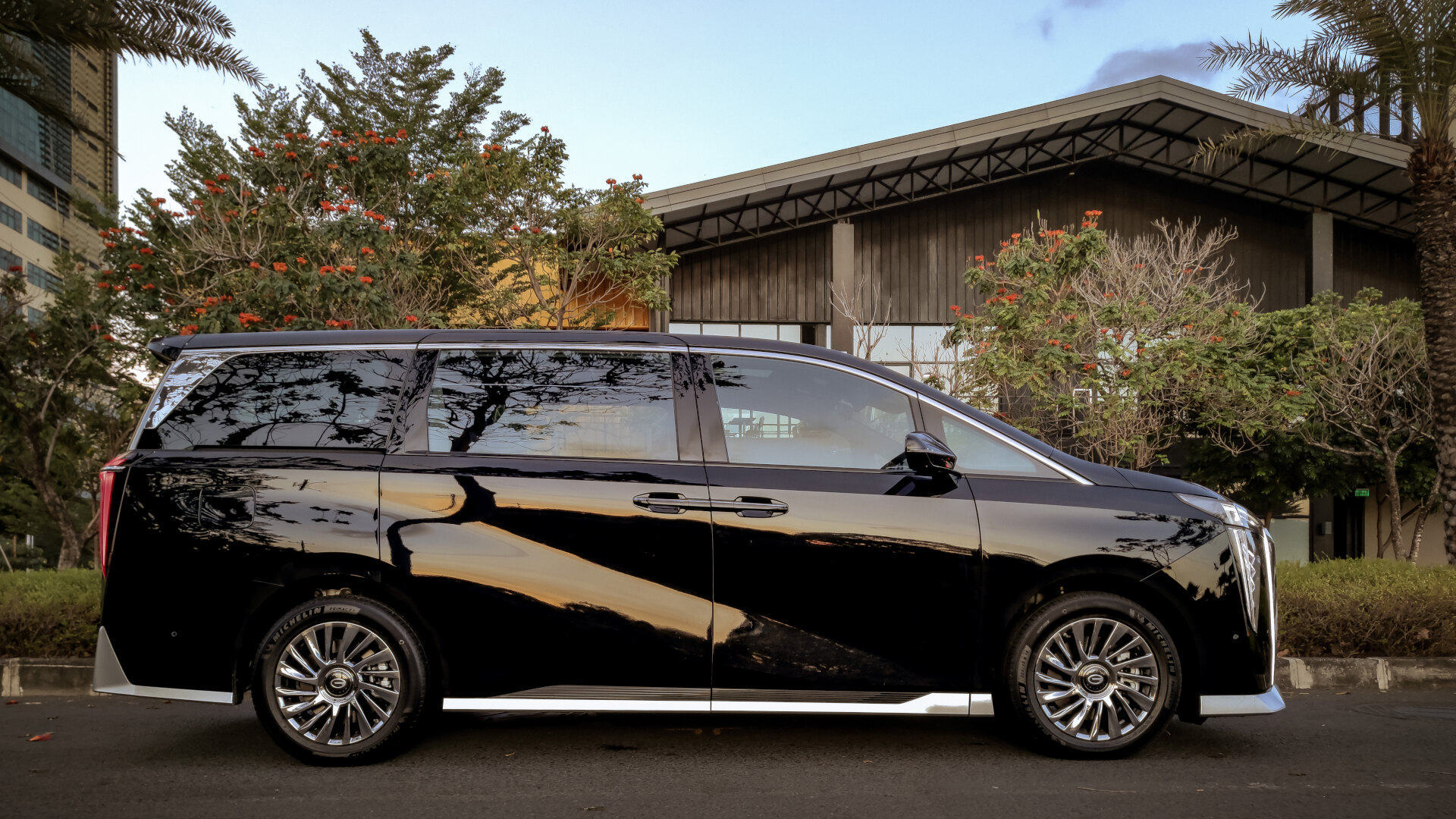
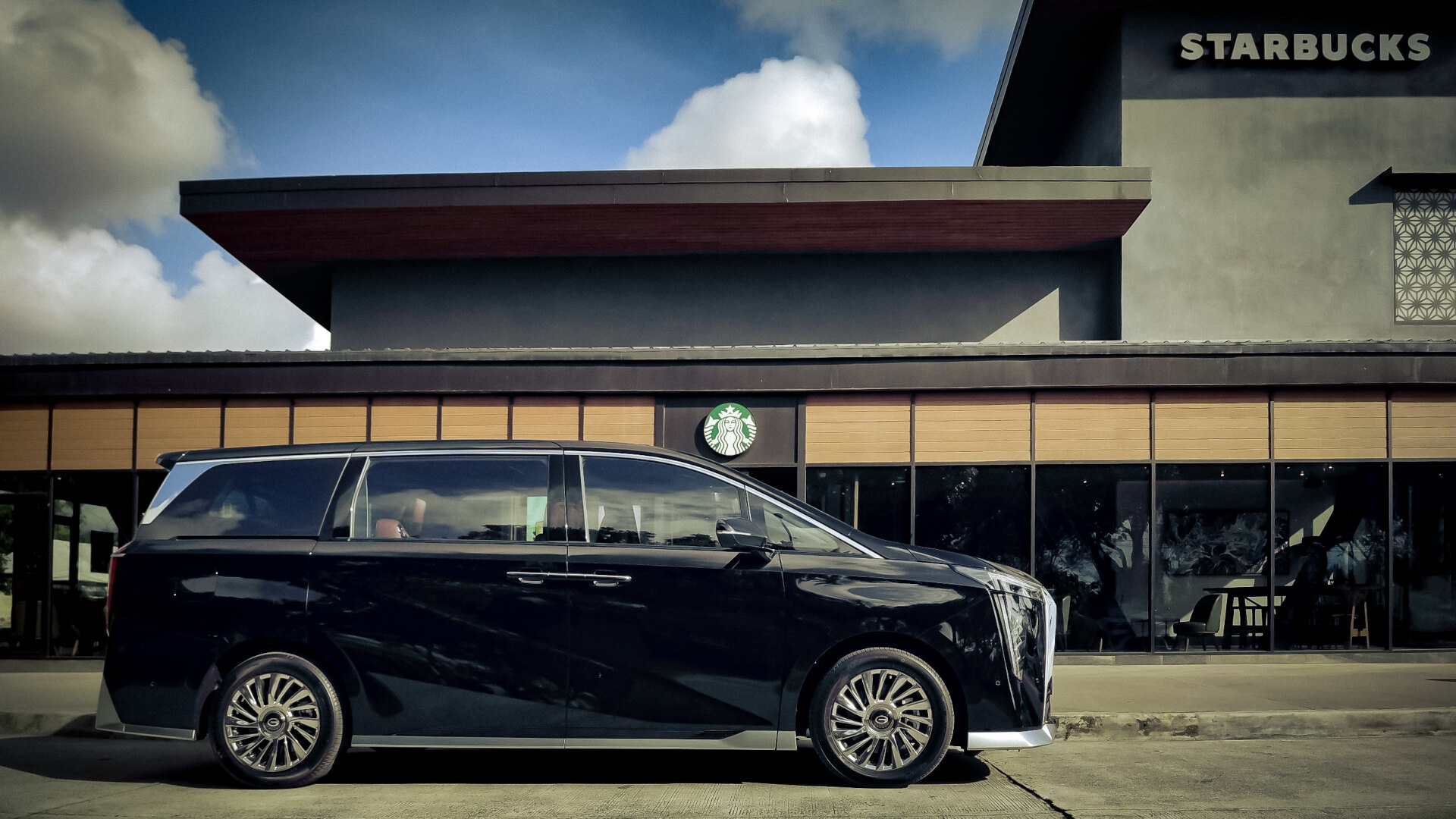
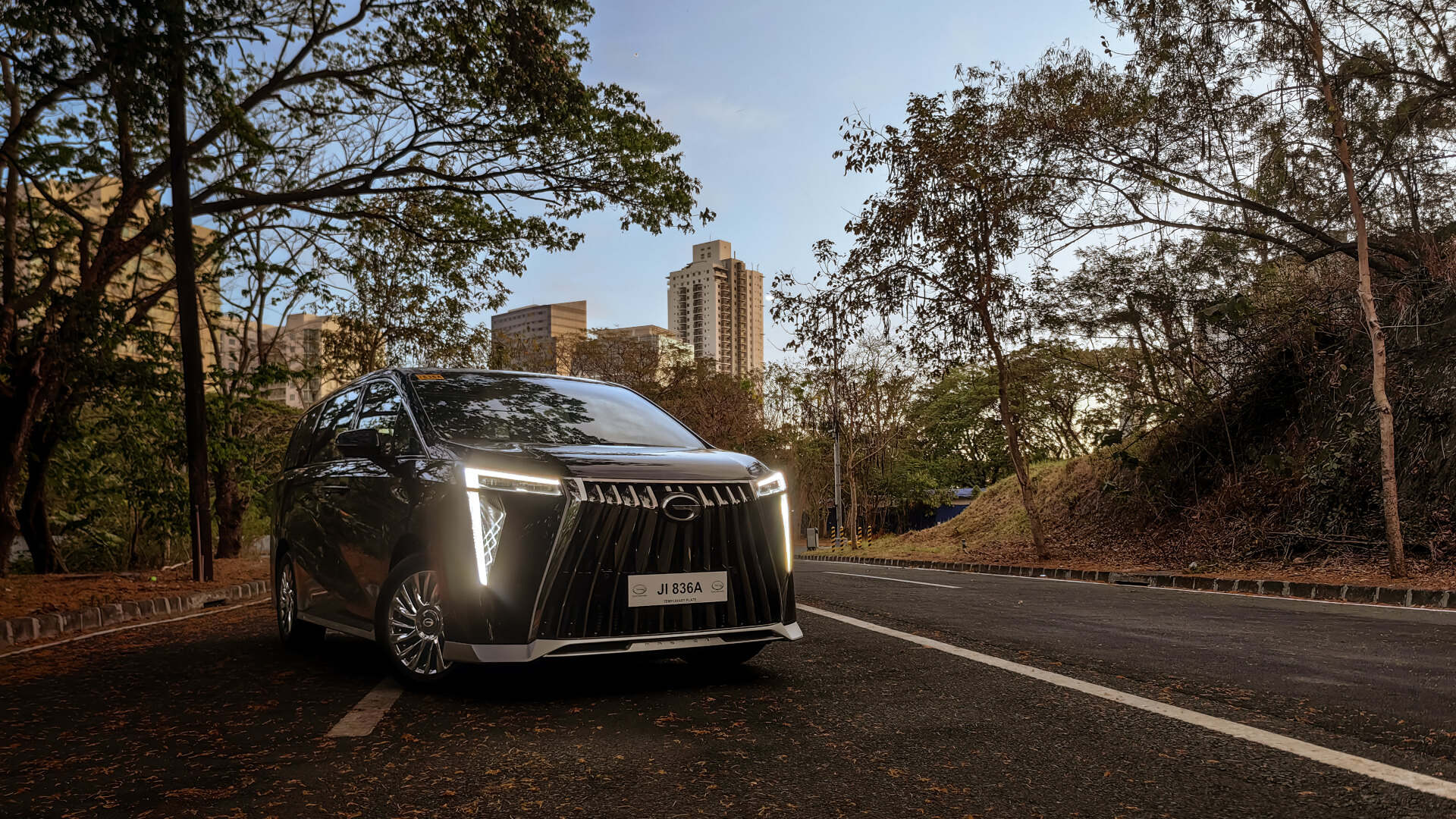
The M8’s exuberant new looks start with a Lexus-level front grille framed by LED headlights and ornate Art Deco running lights. A slim silver lip frames the bumper, embossed with the word “Master” in a bold typeface. A badge once reserved for extended length GM8s, but at nearly 5.2 meters long and 1.9 meters tall, the M8 is more massive than the old Master. Despite the slashing character lines and subtly bulging fender flares, there’s no hiding the sheer amount of sheetmetal here.
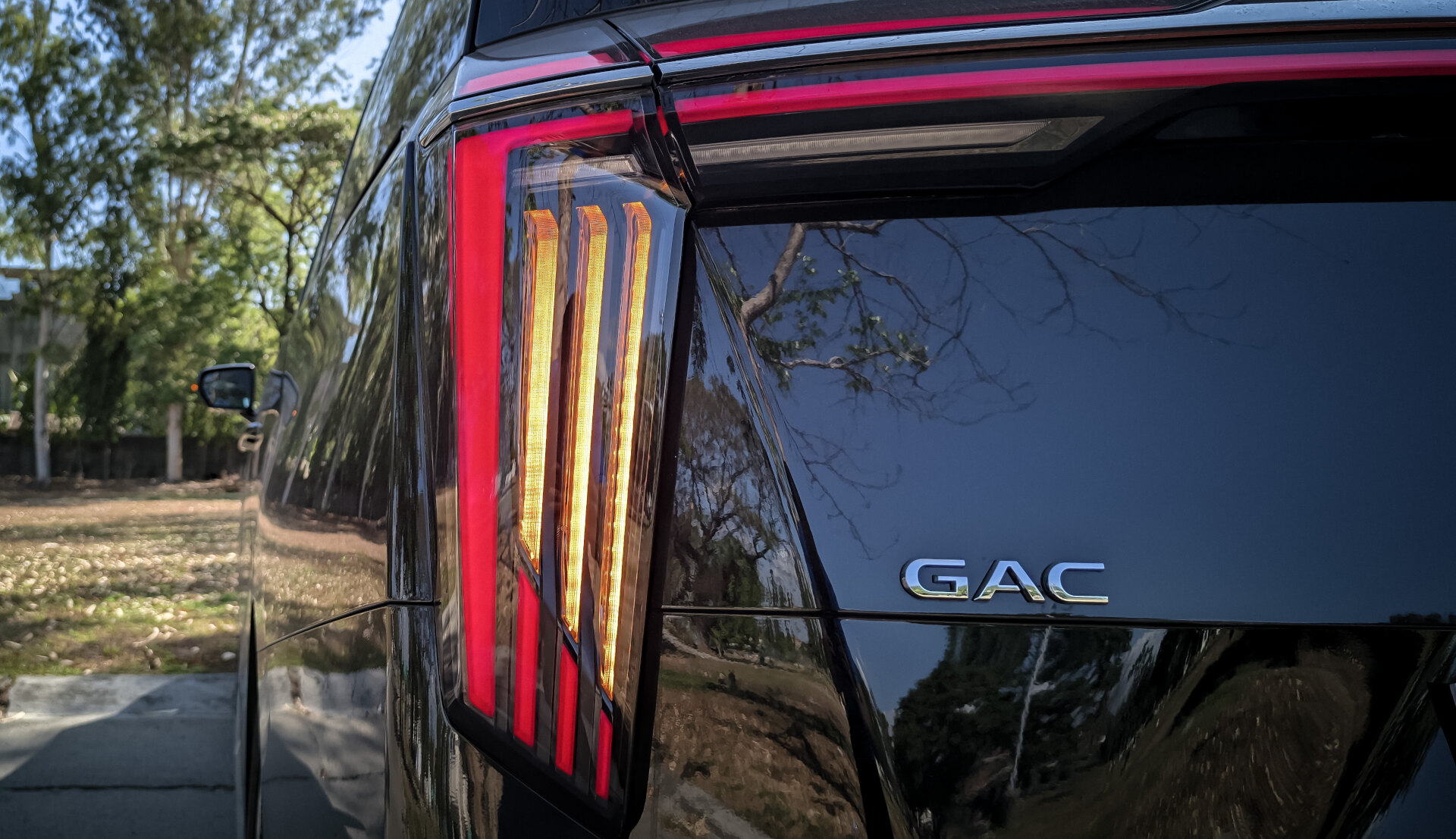
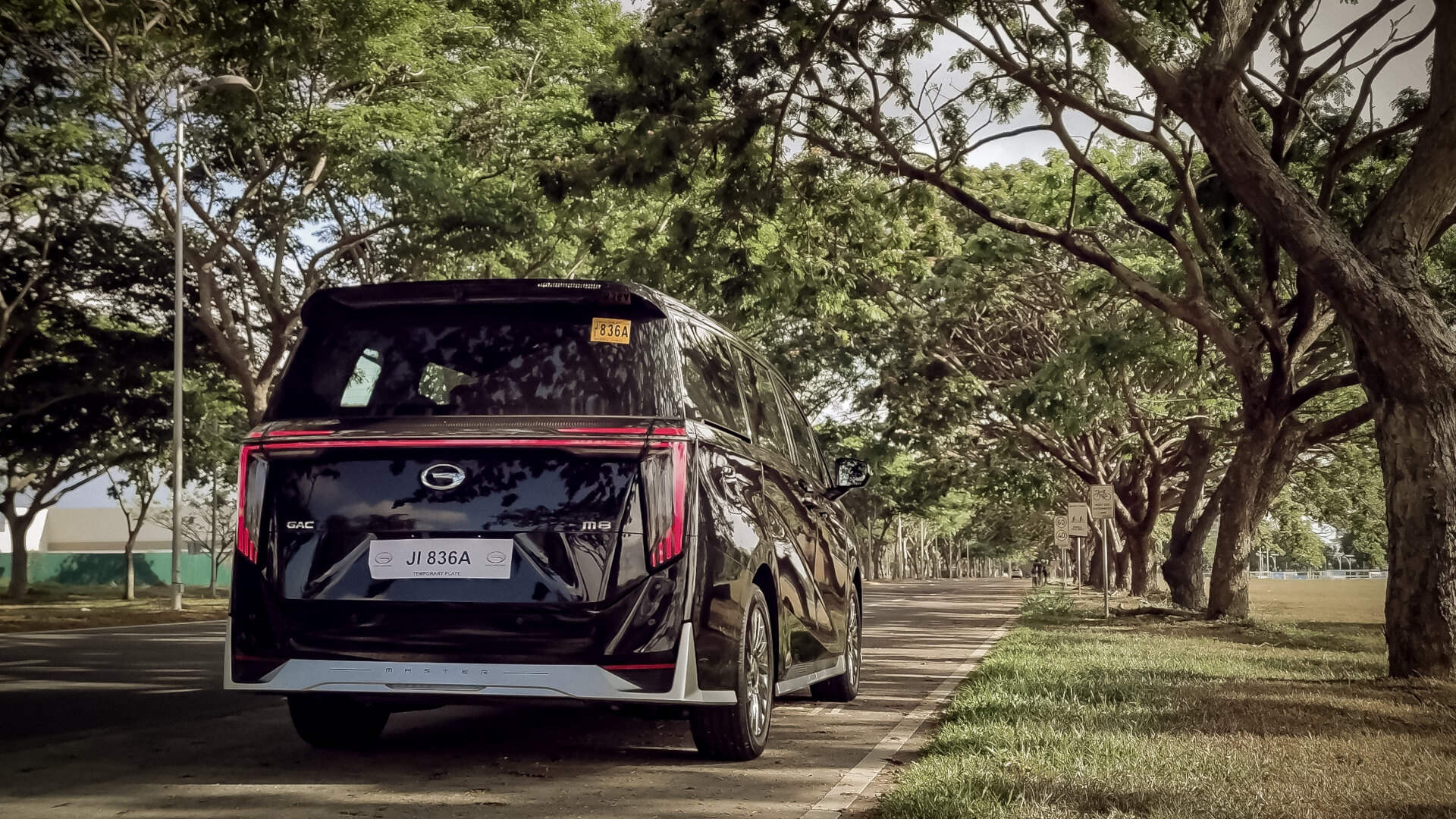
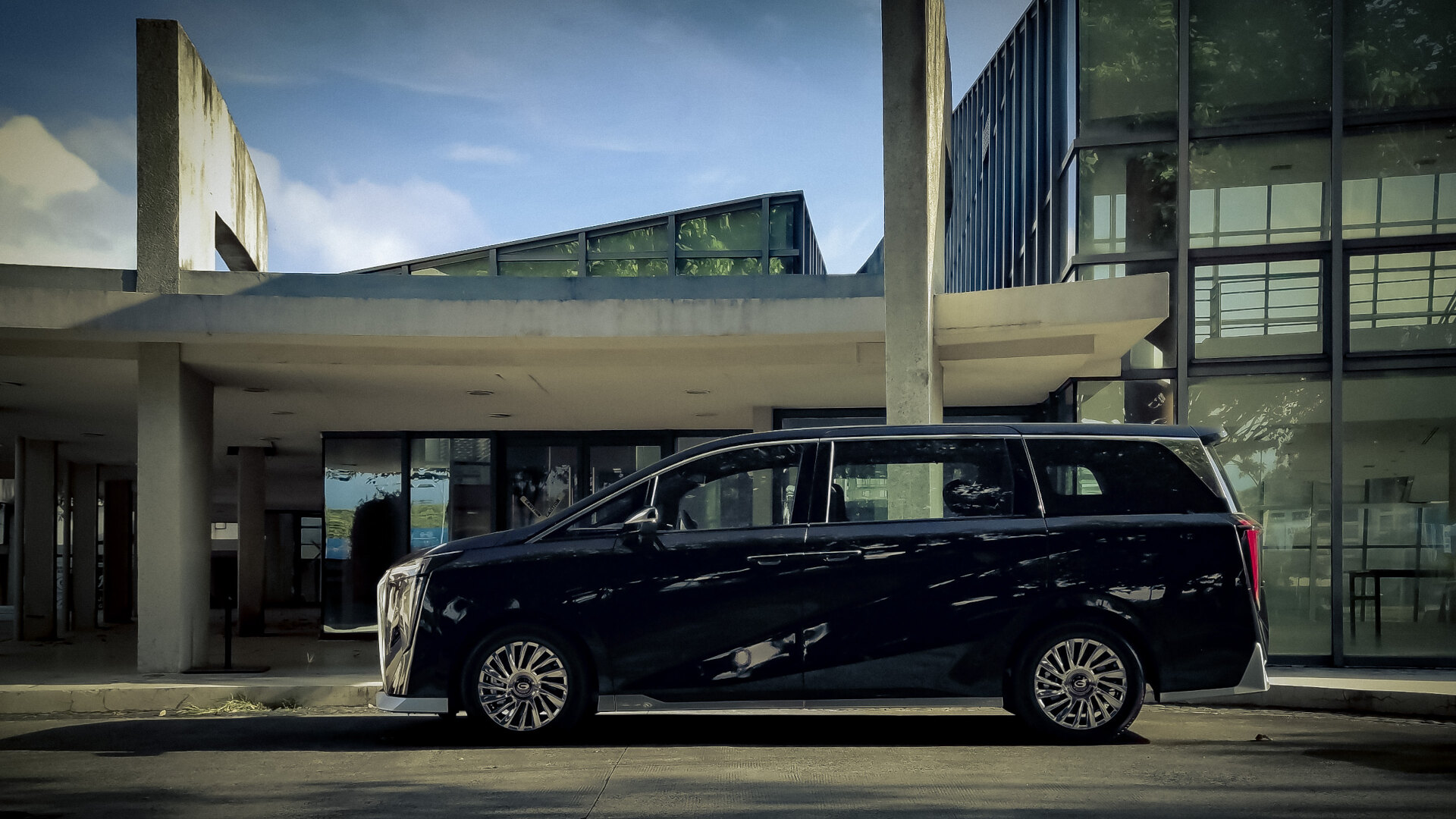
Still, it does have that businesslike look, a square greenhouse and tastefully subdued silver trim giving it a dignified profile. This is bookended by a rear dominated by a dazzling rear light bar with cascading turn signals, as you will.
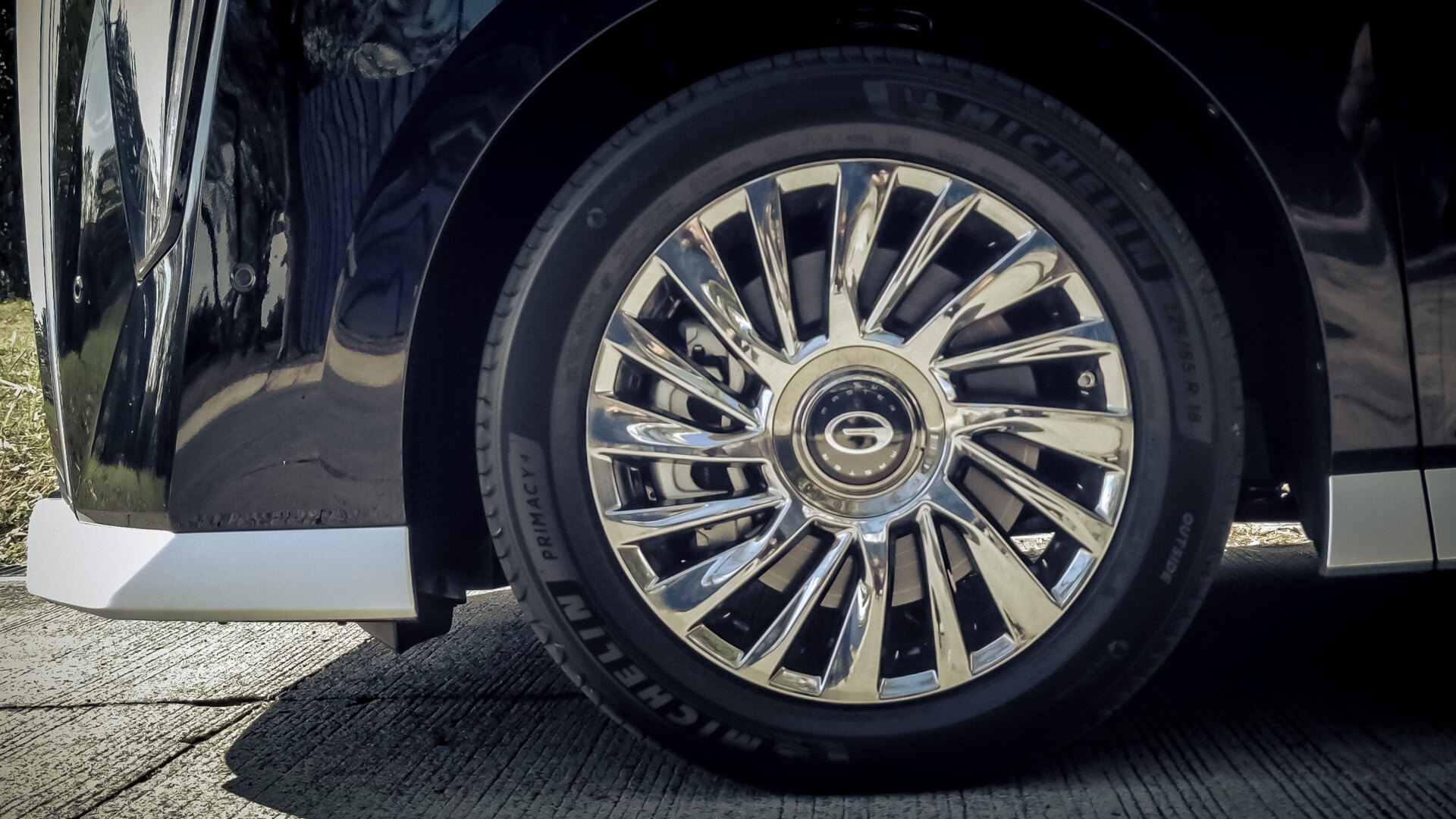
18-inch chrome-alloy wheels capped with Rolls Royce style floating hubcaps add a touch of luxury you don’t expect of a premium MPV.
Interior
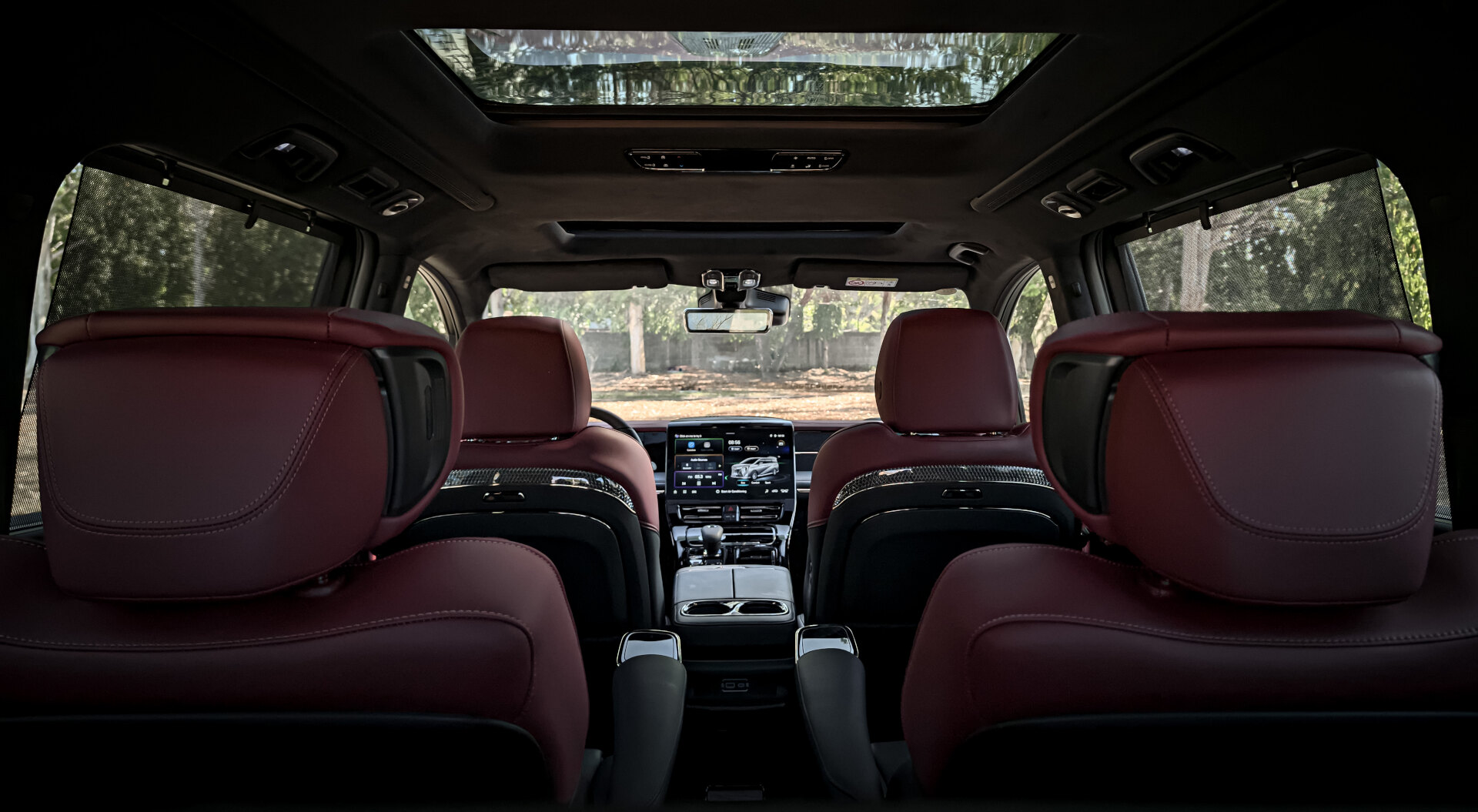
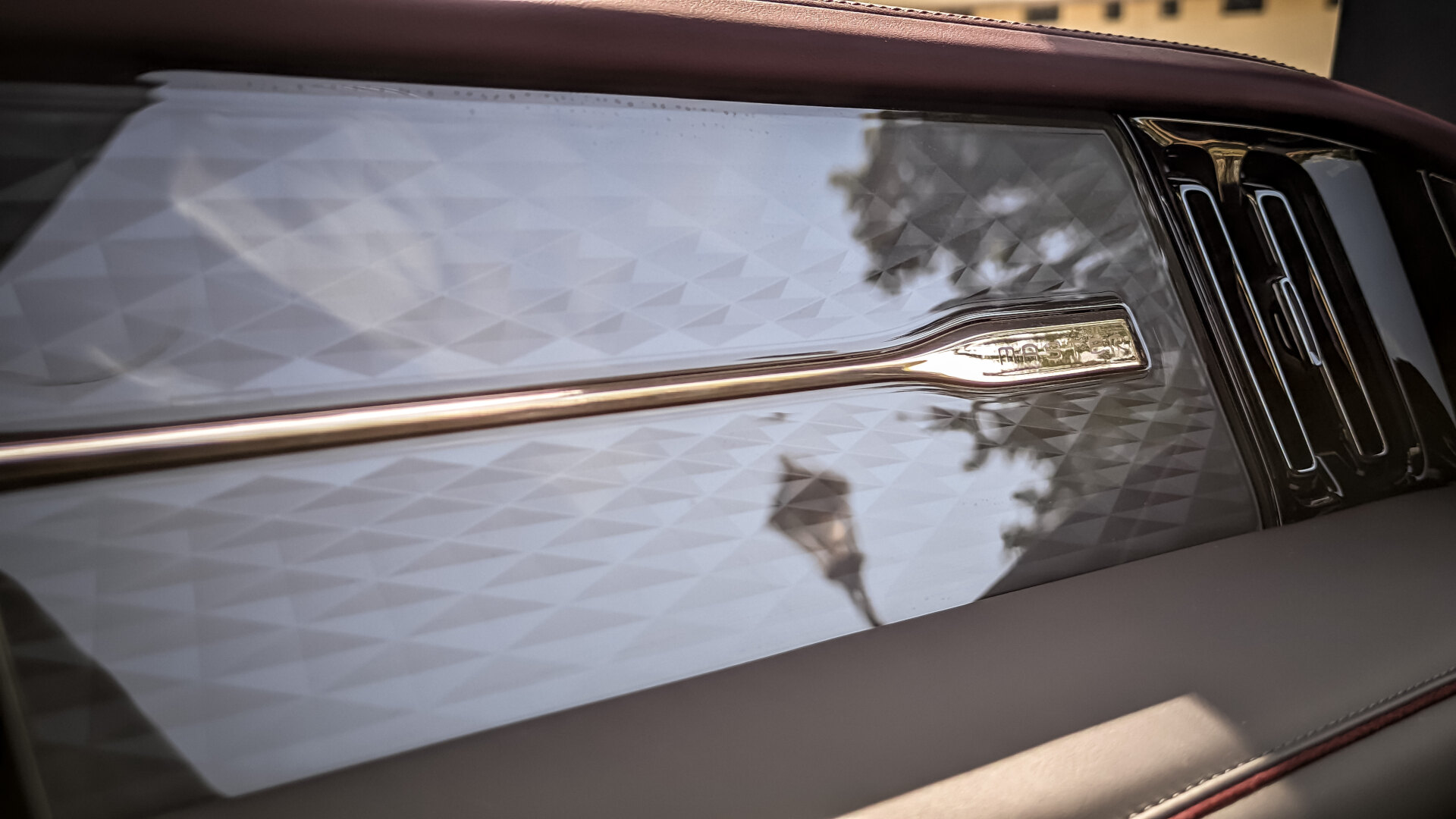
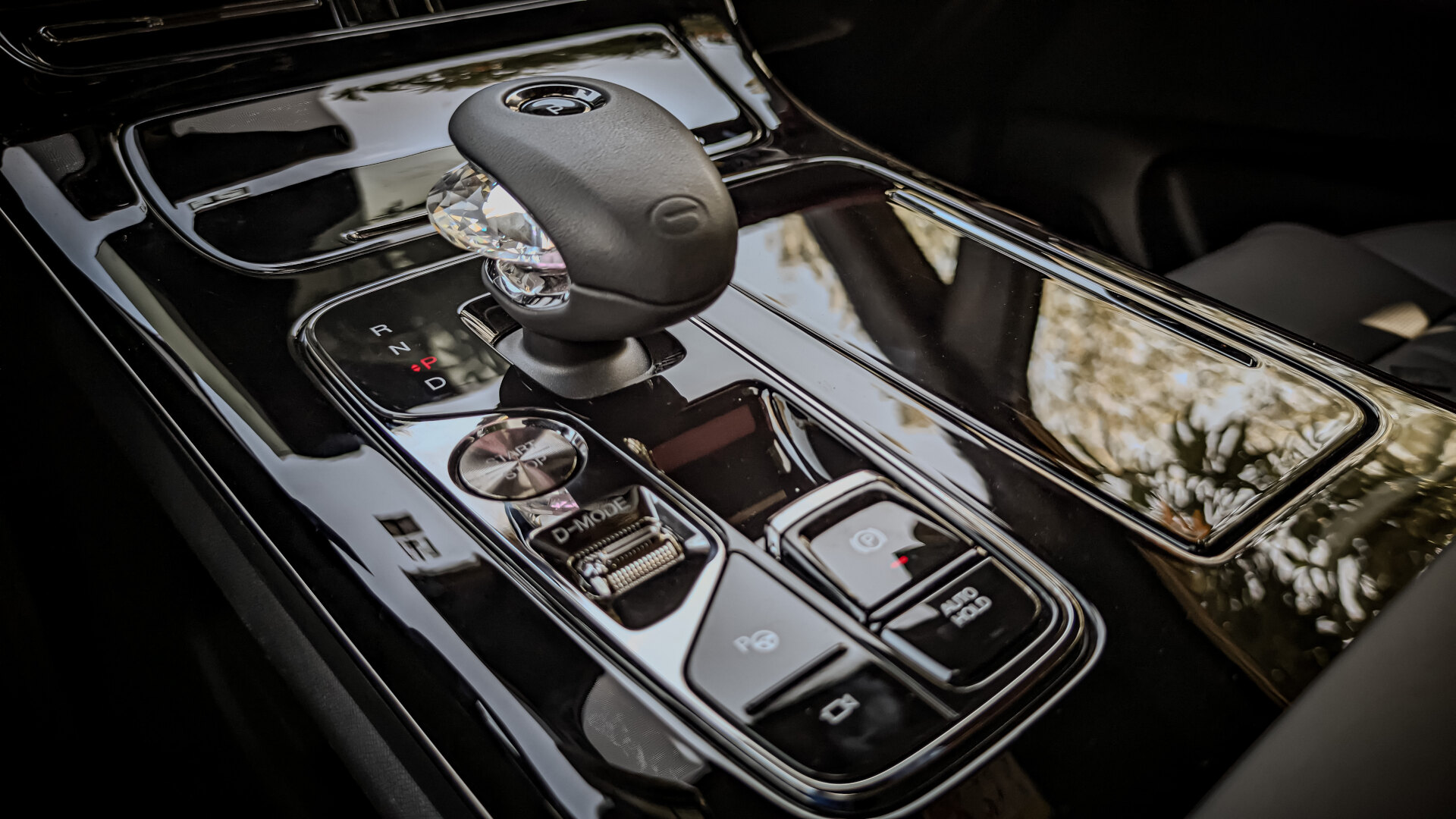
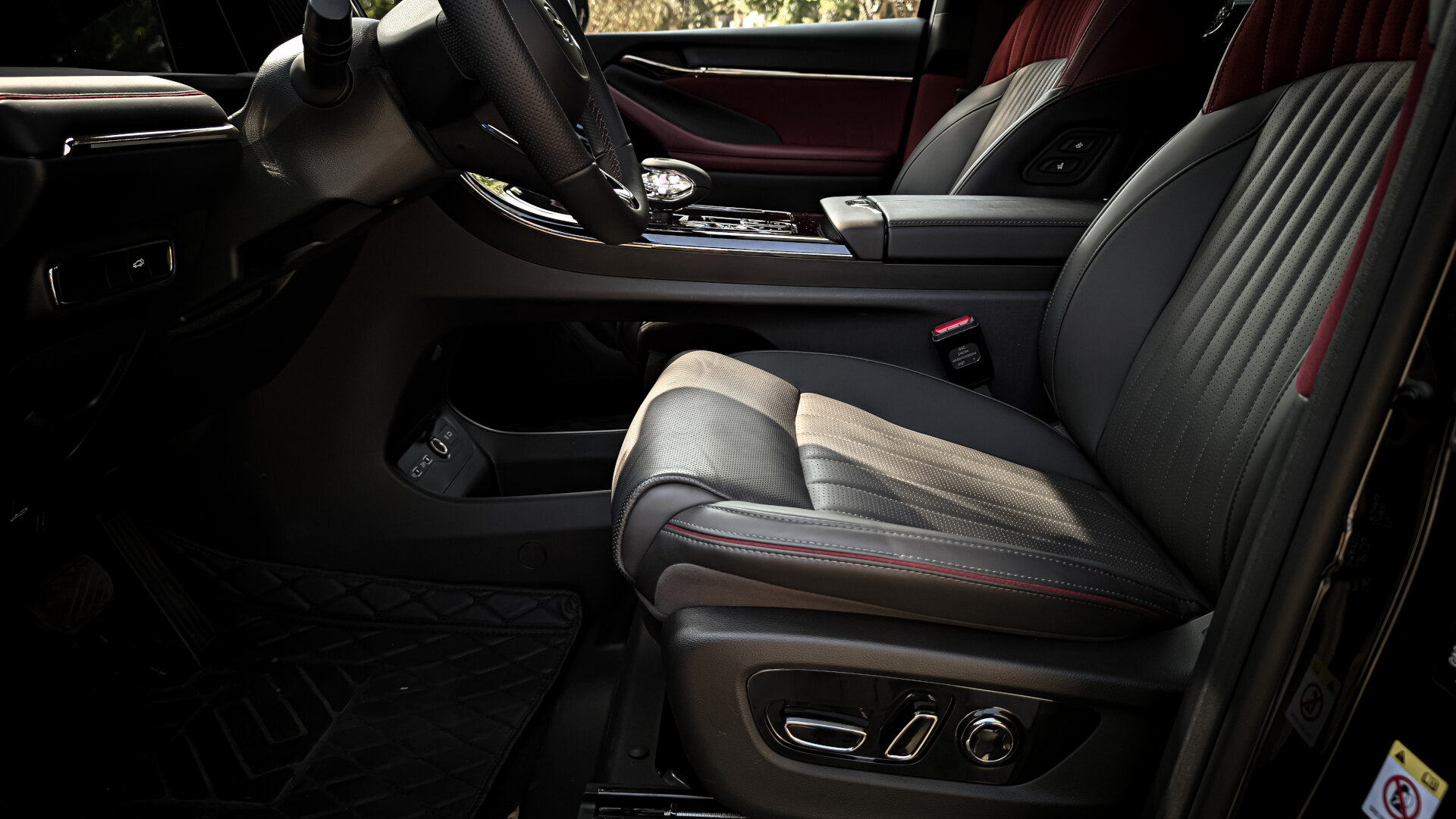
The interior reinforces that impression with yards of dark leather and suede, even on the headliner, a delight to both eyes and fingertips. Compared to the corporate gray Alphard, the M8 feels more like a posh speakeasy, complete with touches of chrome, crystal—plastic crystal, but still—quilted leatherette floor mats, and LED mood lighting. There’s a bit too much piano black plastic for my taste, but the material quality and finish are quite good, overall.
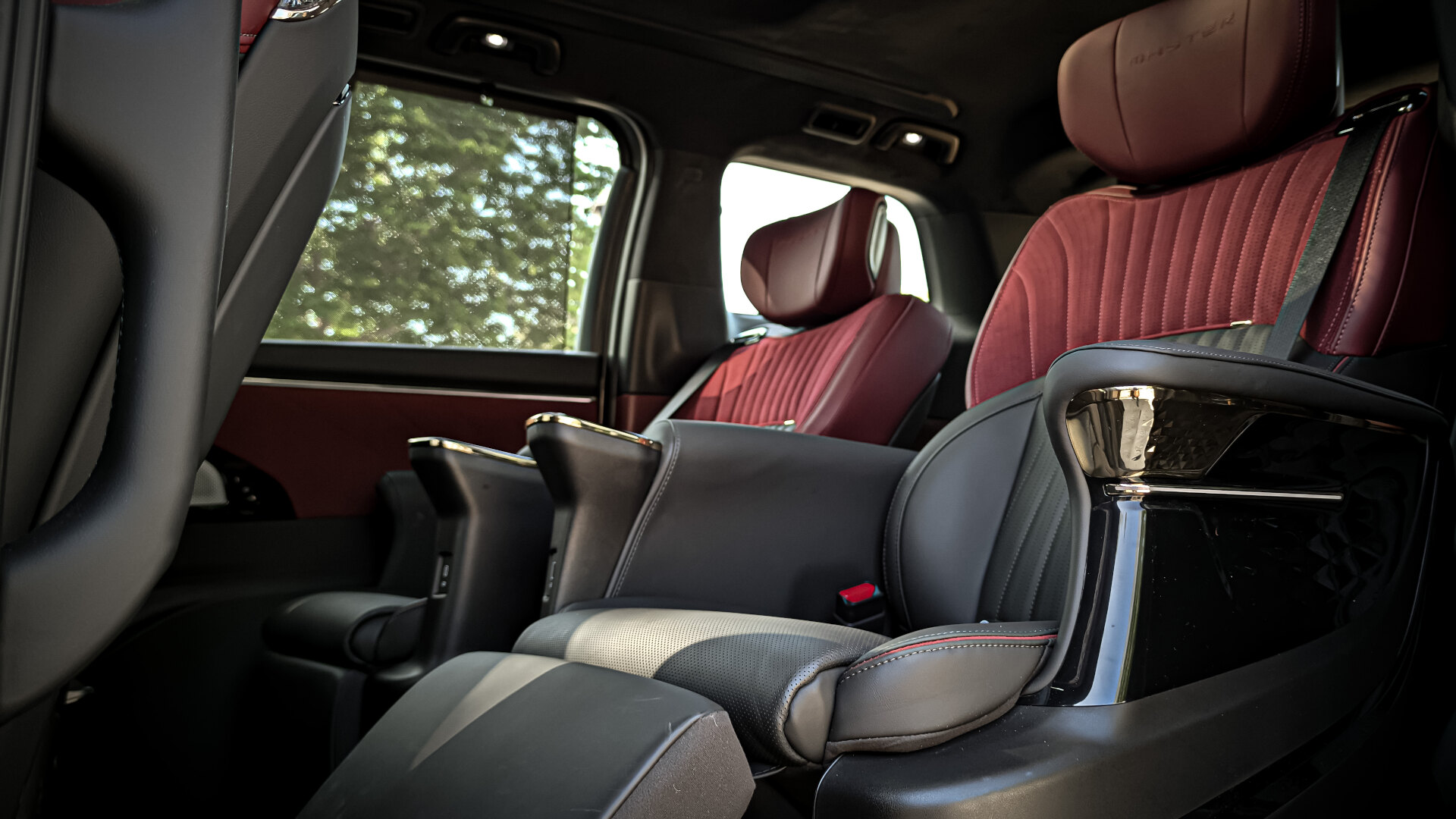
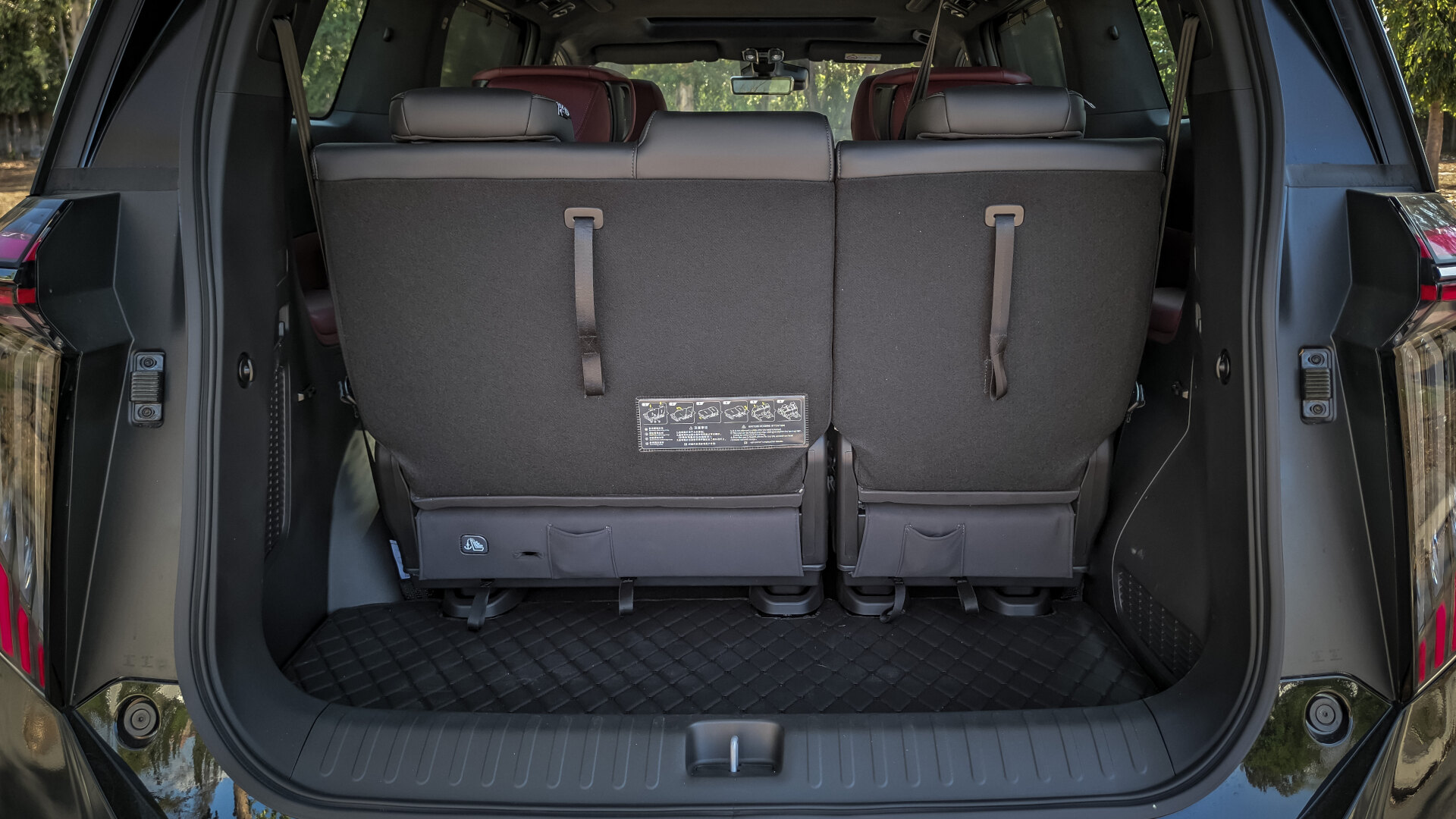
The seats are trimmed in gray and scarlet, with power-adjustable cushions and leg rests. There’s space to squeeze between the middle captain’s seats into the third row without much trouble. The third row is wide enough for three, but more acceptable for two. The trunk is roomy, and the third row tumbles forward to give you even more space.
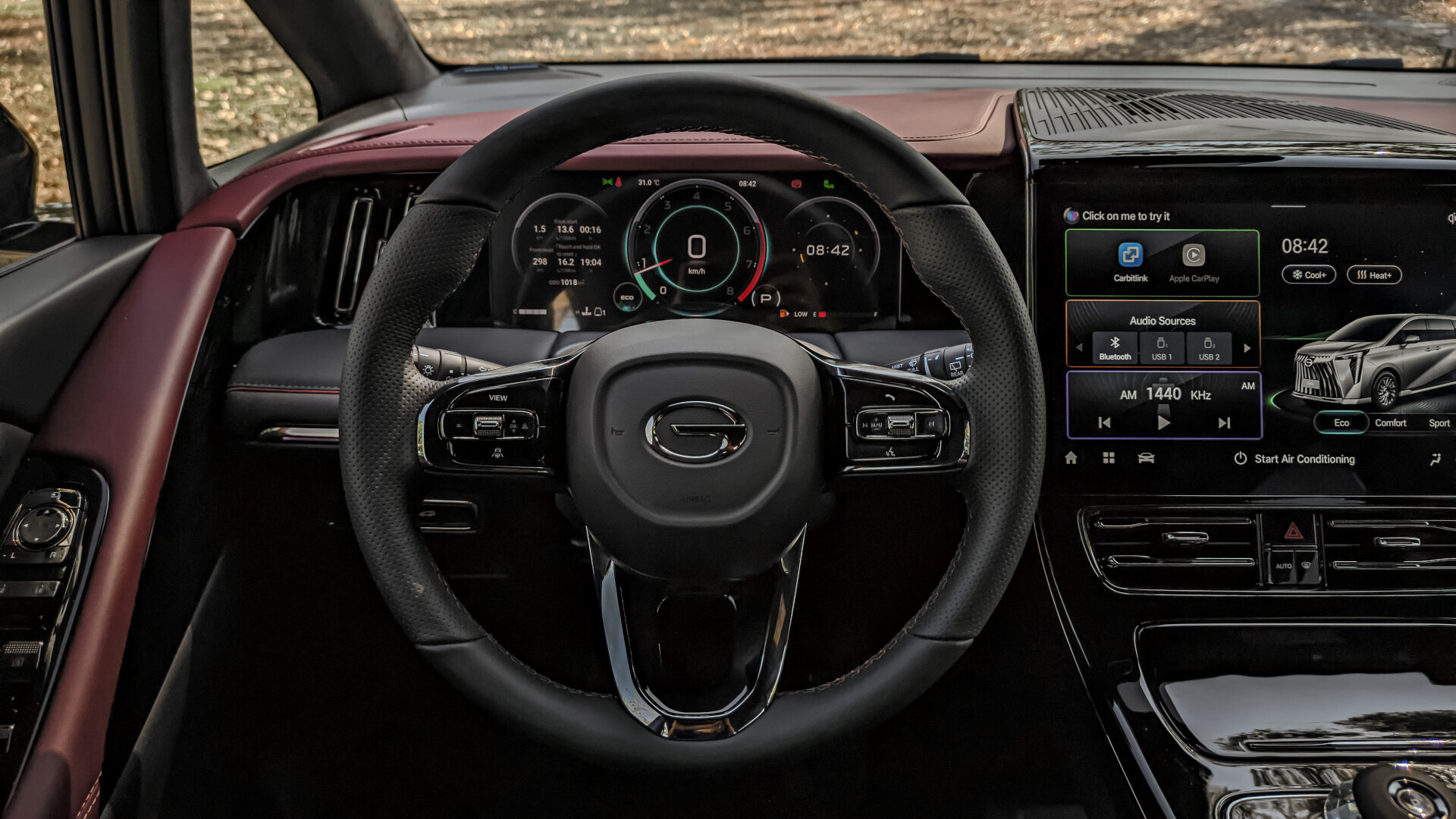
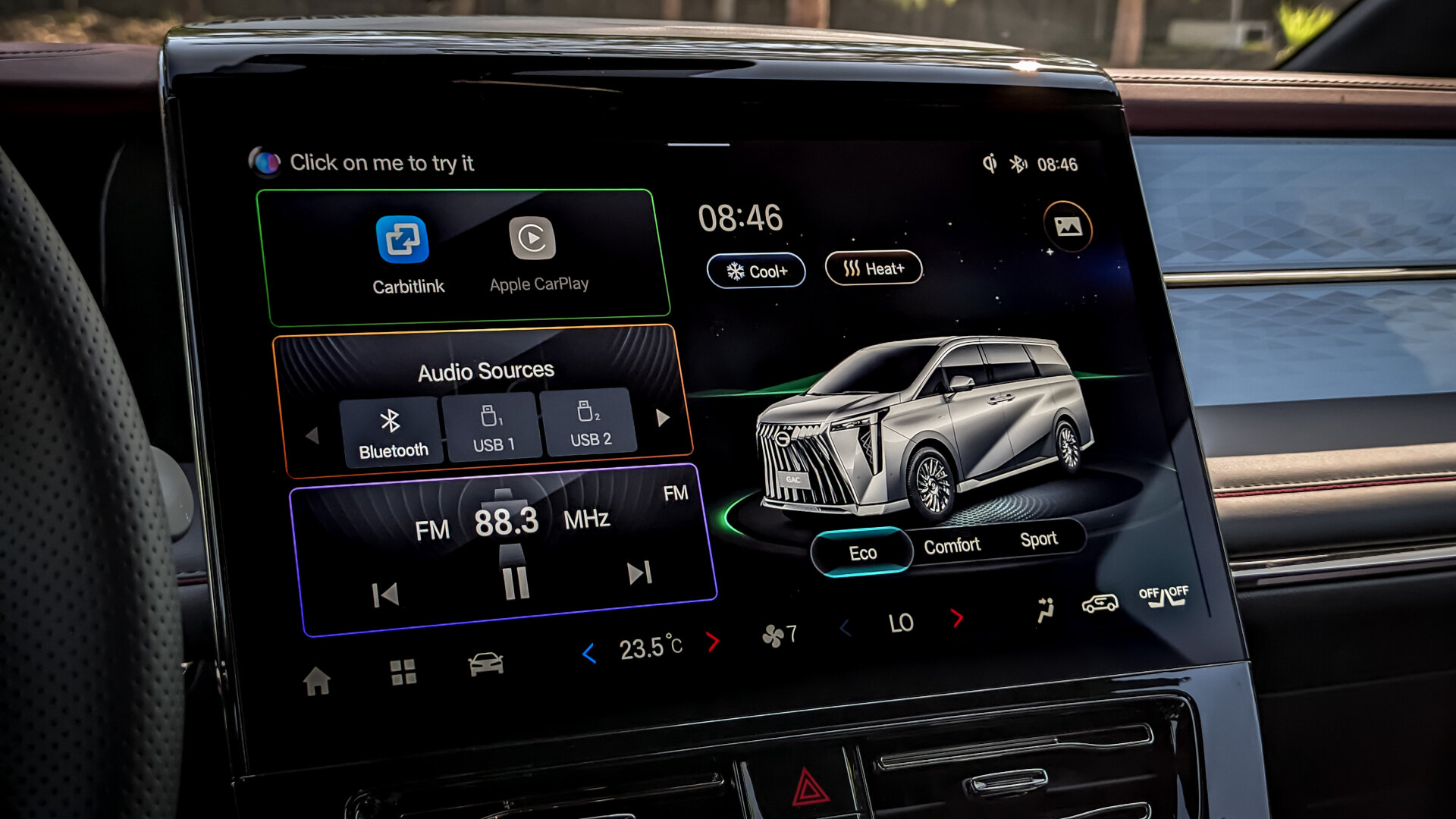
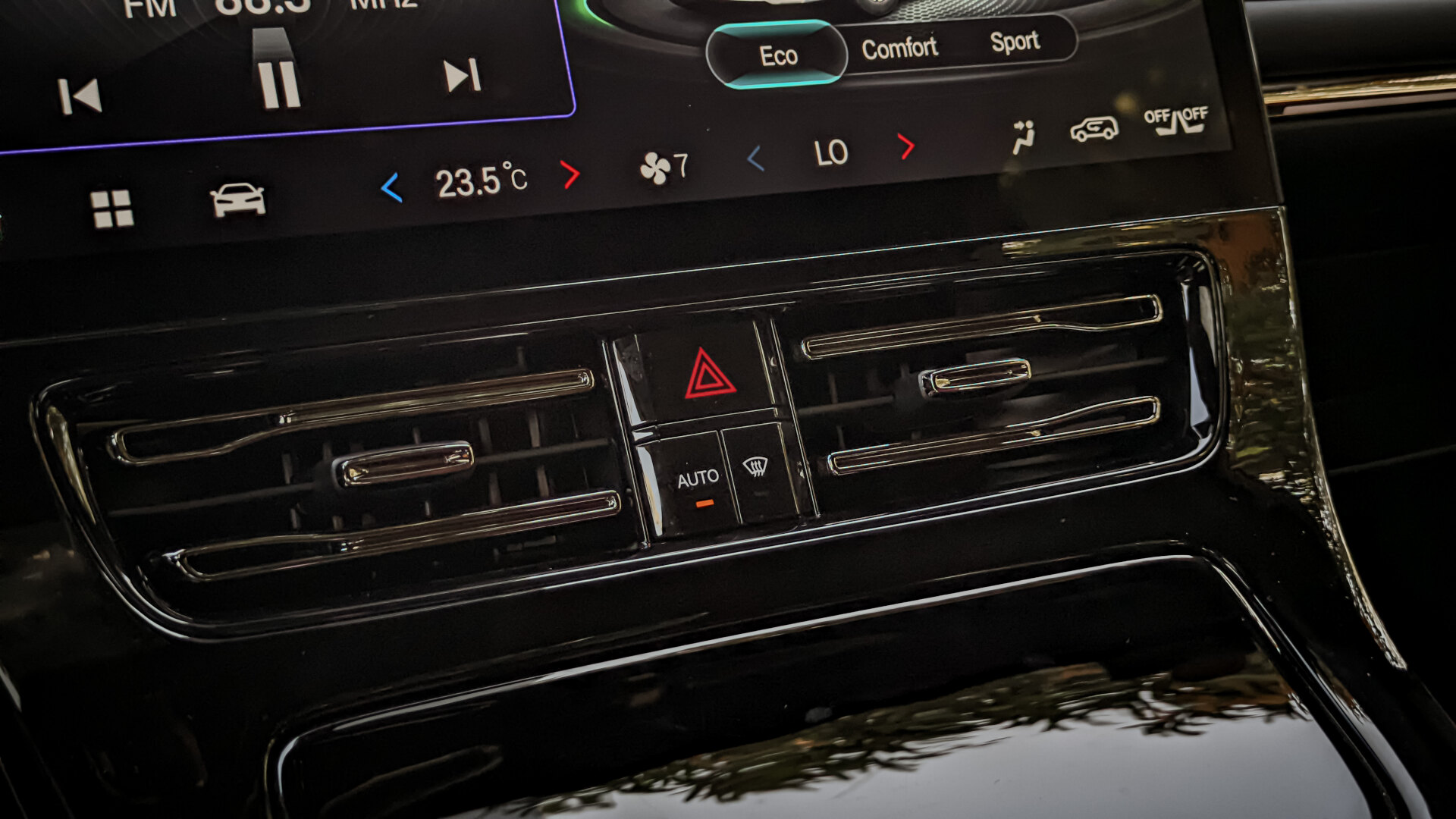
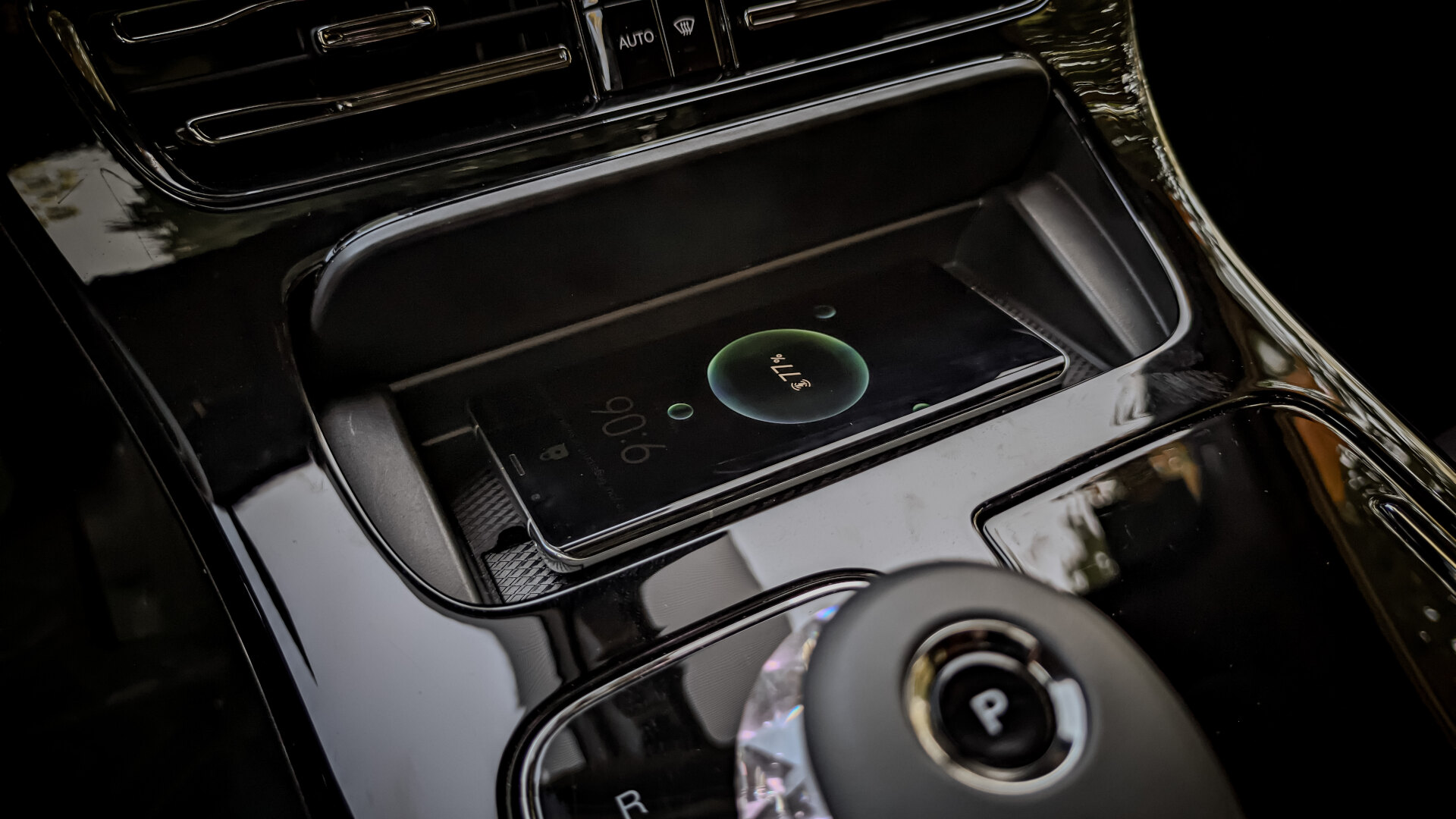
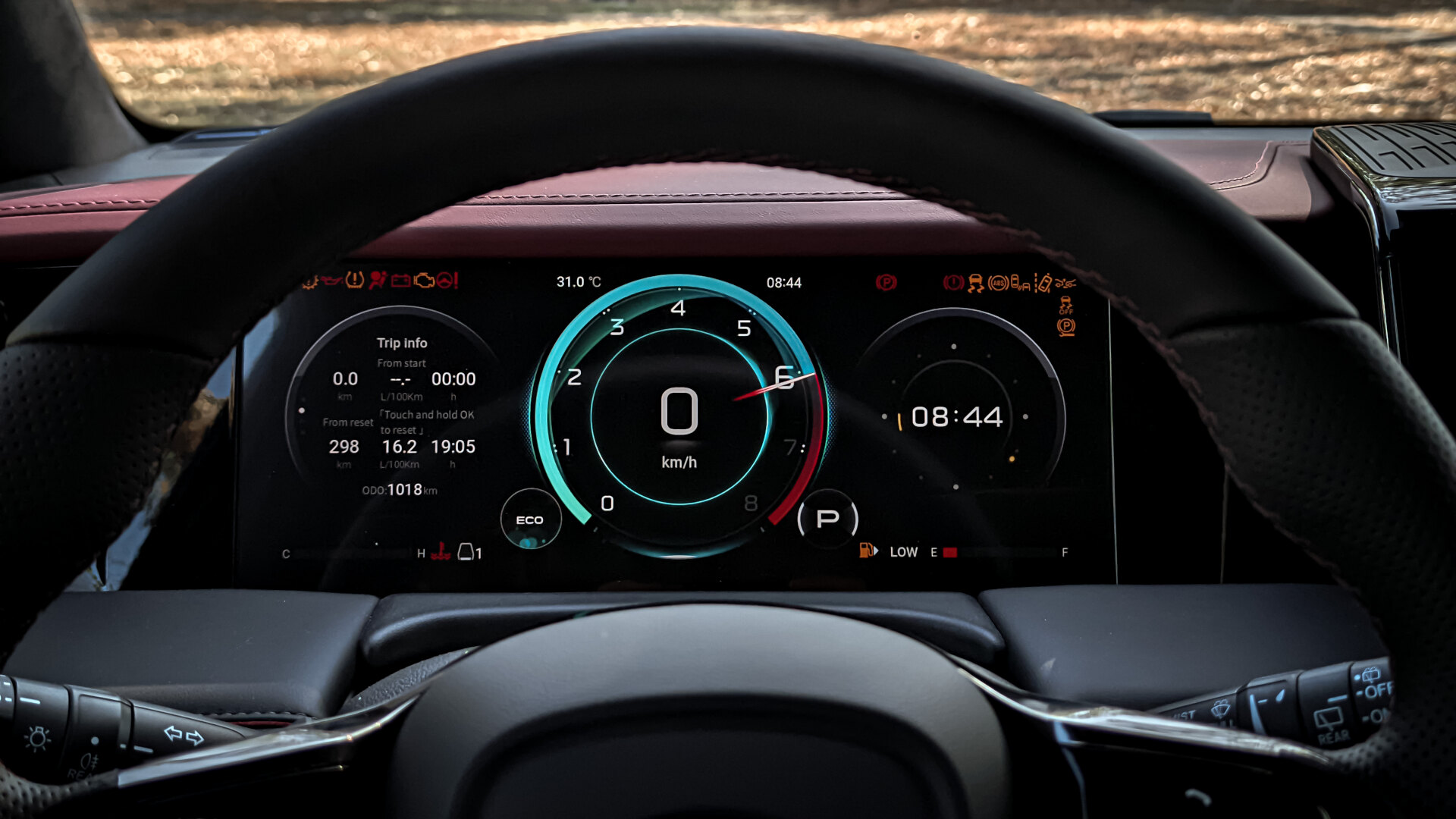
Similar to the Alphard, the M8 boasts a 12.3”digital instrument display and a 14.6” infotainment screen. Both feature a center console with a wireless charging pad, side-mounted cupholders, a split-lid center box and a lower rear bin accessible from the second row. Only the M8’s bin is bigger, and it has a parcel shelf big enough to hide small children. Oh, and the covered wireless pad can close on your cellphone. I accidentally left one in there once or twice. Both have dual sunroofs, though the Alphard’s split rear feels fancier.
What makes these similarities funny is that the M8 debuted before the updated Alphard. We’ll chalk that up to both cars taking inspiration from the original Alphard formula.
Engine performance
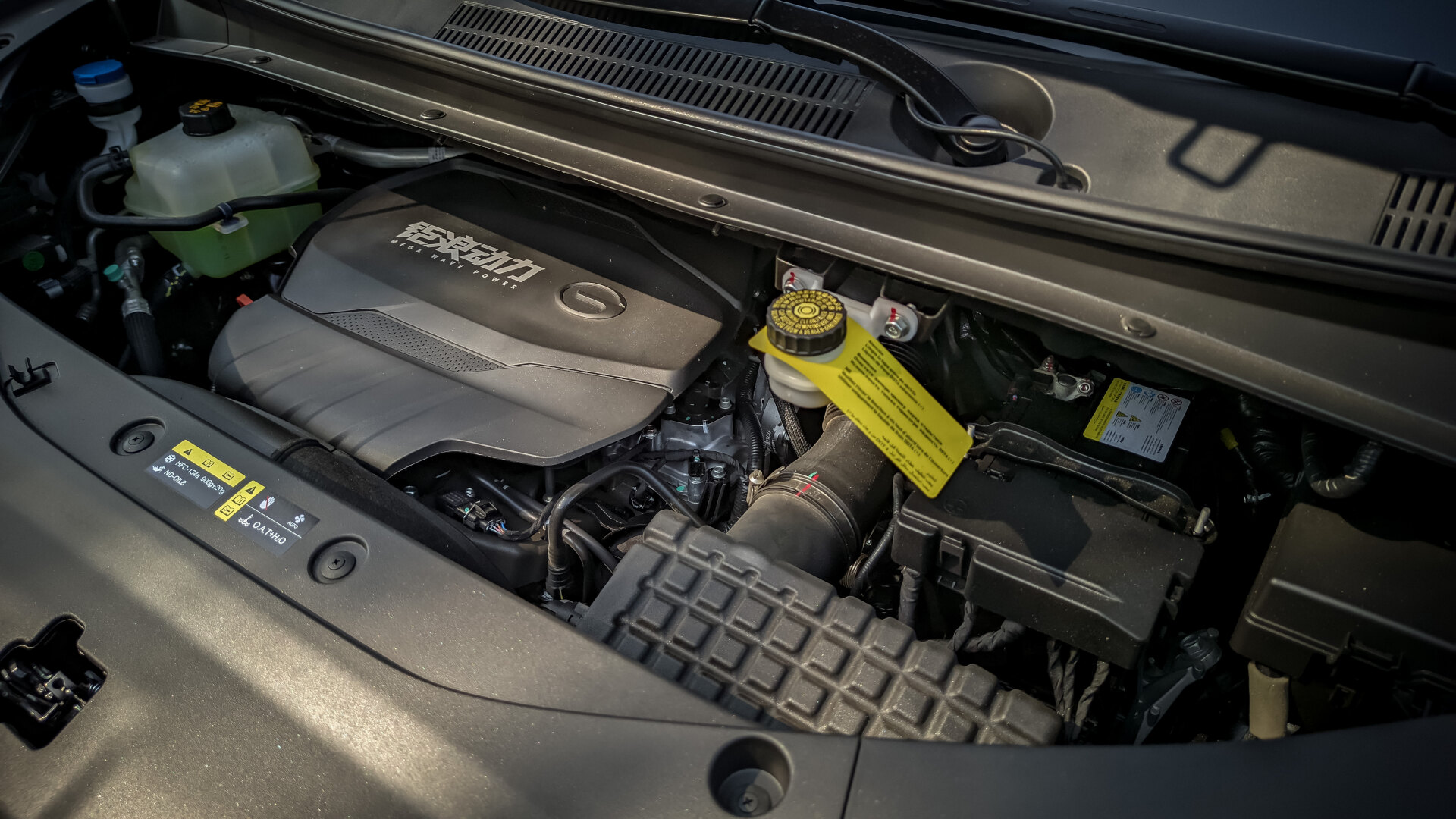
Both the M8 and Alphard feature four-cylinder gasoline engines boasting 248hp, but where the Alphard utliizes a hybrid assist system, the M8 features a turbocharged 2.0 liter motor. Forced induction gives the M8 400 Nm of torque, making it feel much livelier. GAC gives you the usual Eco—Comfort—Sport drive modes to adjust response, as well as an accelerator sensitivity controller, to further fine tune it. The 8-speed torque converter automatic is a smooth operator compared to the dual-clutch transmissions in other Chinese models. No lurching or heaving here. No paddle shifters, either, sadly, but with all this torque, that’s not much of a bother. What is a bother is the fuel economy. You will be getting 4-5km/L in traffic, and something like 7-9 in mixed running in the hellishly hot weather we’ve been having. Long highway runs netted 14-15 km/l, but given the test unit has under 1,000km on the odometer, that engine should loosen up and get better over time.
These performance figures are not much different from the old V6 Alphard, but nowhere near as good as the new hybrid. Still, given the price and power differential, that’s a fair trade-off.
Ride and handling
To deal with that power, the M8 features independent suspension, powerful disc brakes, sticky 225/55R18 Michelin Primacy 4 tires and a fully updated chassis. Uneven roads and fast sweepers reveal a car that’s taut and solid, despite the big door openings and dual glass roofs. The default steering setting is too light, but you can remap it to Sport steering for all drive modes in the menus. This gives you perfectly weighted steering that’s rock steady on the highway, but still easy to park with.
Whatever mode you're in, the M8 proves competent and true. The brakes are strong without feeling harsh, there’s very little body roll, and the suspension is supple. There is some minor hobby-horsing over expansion joints at low speeds with a full passenger load, similar to the Alphard, but with just three or four on board, no issues.
Single-wheel hits feel a bit stiff, thanks to aggressive anti-roll bars, but they’re not jarring. Those wheels may be an inch down on the Alphard, but they provide a quiet and comfortable ride. Noise suppression is suitably impressive. No squeaks or rattles, and wind noise around the extra-wide windscreen is imperceptible at triple-digit speeds.
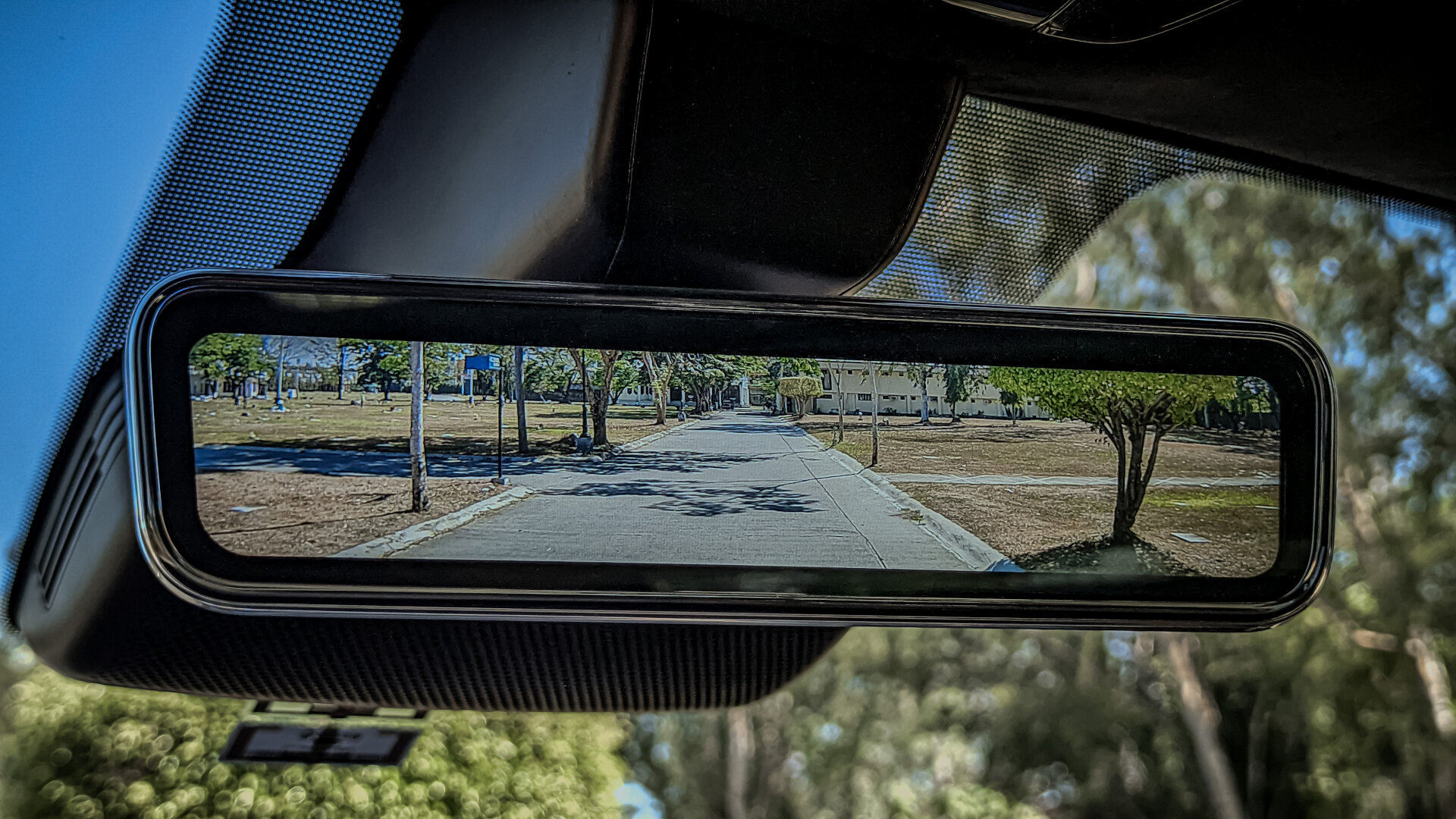
Around town, that panoramic front glass gives you a great view, but the tall and long front end is awkward in tight spaces, obstructing your view and scraping over the odd parking ramp. Big side mirrors give great coverage, and a digital rear view mirror gives you an unimpeded view even with a full load of passengers. It’s a bit rubbish for parking, as it doesn’t accurately reflect distances or angles, but it’s impressively bright and has excellent night vision.
Comprehensive proximity sensors and 360-degree parking cameras feed a display with helpful distance overlays showing clearance to nearby obstacles, and the side mirrors can be set to automatically dip when backing up. But for those intimidated by parking something this long, fully automated parking is also available.
Extra features
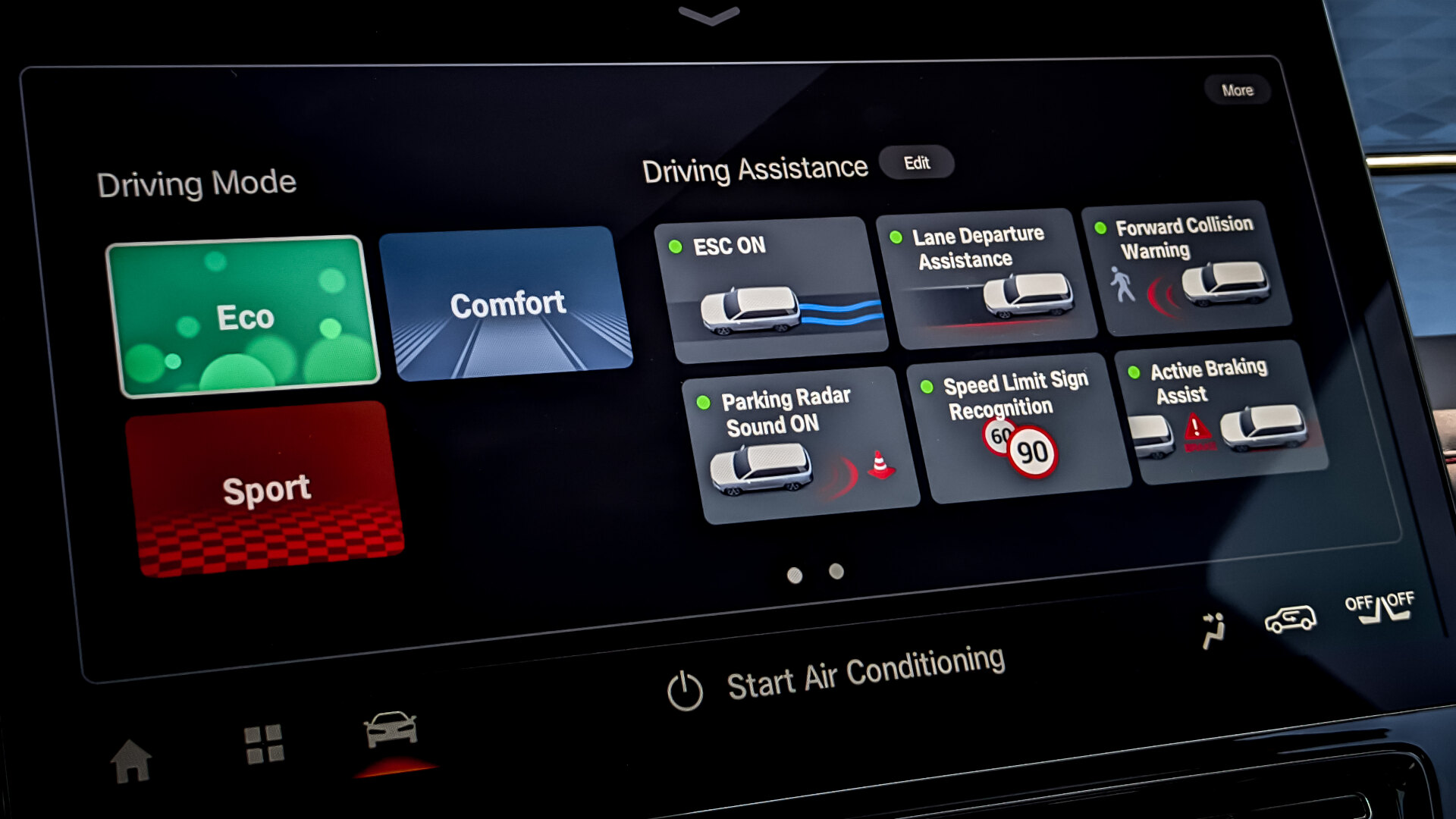
Aside from the parking assists—you also get lane-keeping assist and adaptive cruise control. Lane-keeping can be set to slient, sending a buzz up your butt-cheeks if you wander over the line. A great way to keep awake on long drives. The forward cameras distinguish between cars, motorcycles, and trucks, though, typically, tricycles and e-bikes can confuse it. There’s automatic braking available, though it can get annoying, as parking attendants guiding you out tend to trigger it prematurely.
The 14.6-inch infotainment screen runs on a Snapdragon 8155 chip, an octa-core ARM chip with the raw power to run multiple 4k video feeds—which helps make the 360 camera system quite crisp and snappy. You have a choice of Apple CarPlay or CarBitLink for Android, which allows video streaming when parked. Wireless pairing is available, but not as responsive as wired sync. Either way, sync allows you to blast your music through the eight-speaker setup at an impressive volume. There’s a good amount of bass and high-end available, though overall clarity is likely not quite as good as Toyota’s fifteen-speaker JBL setup.
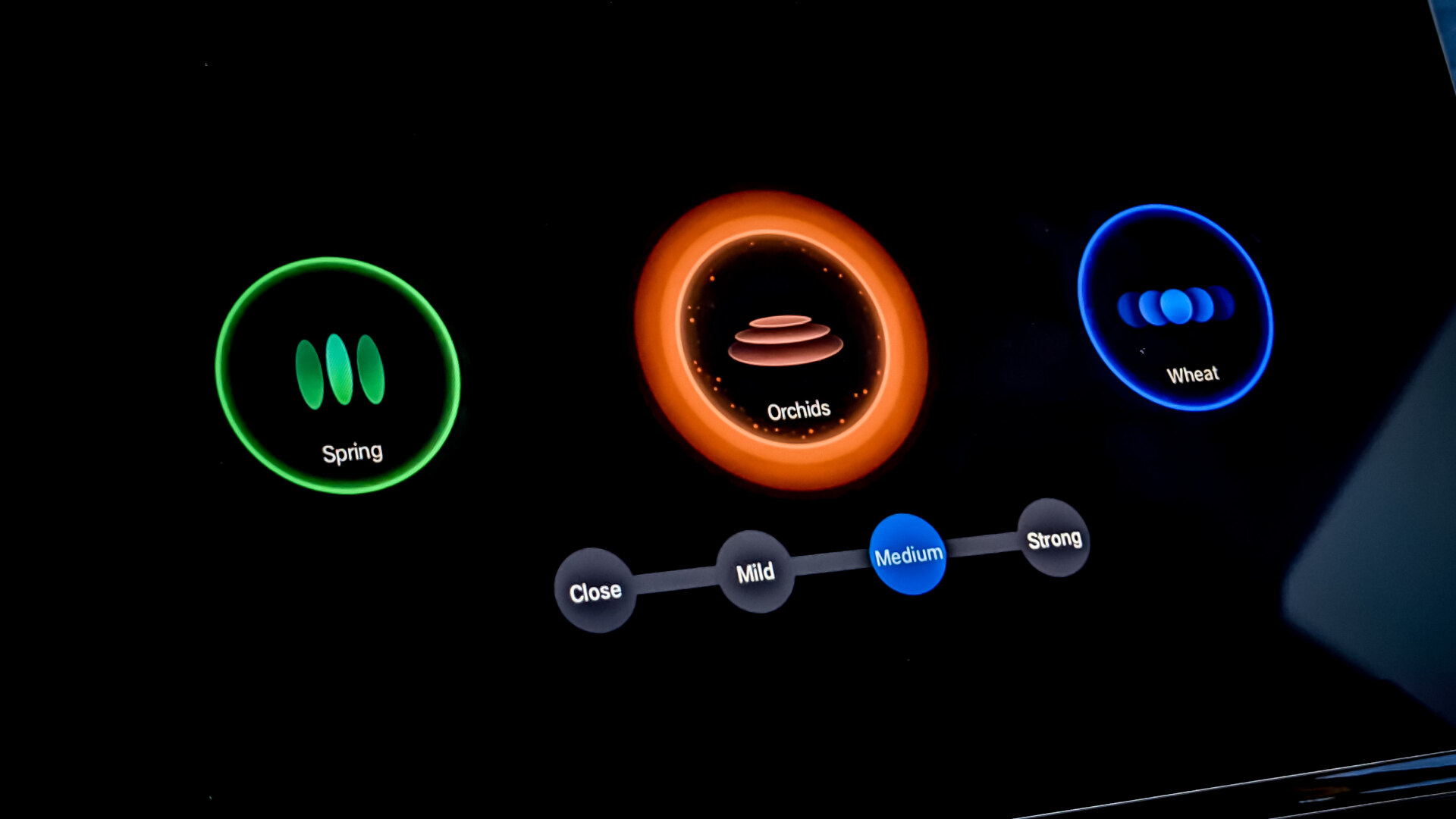
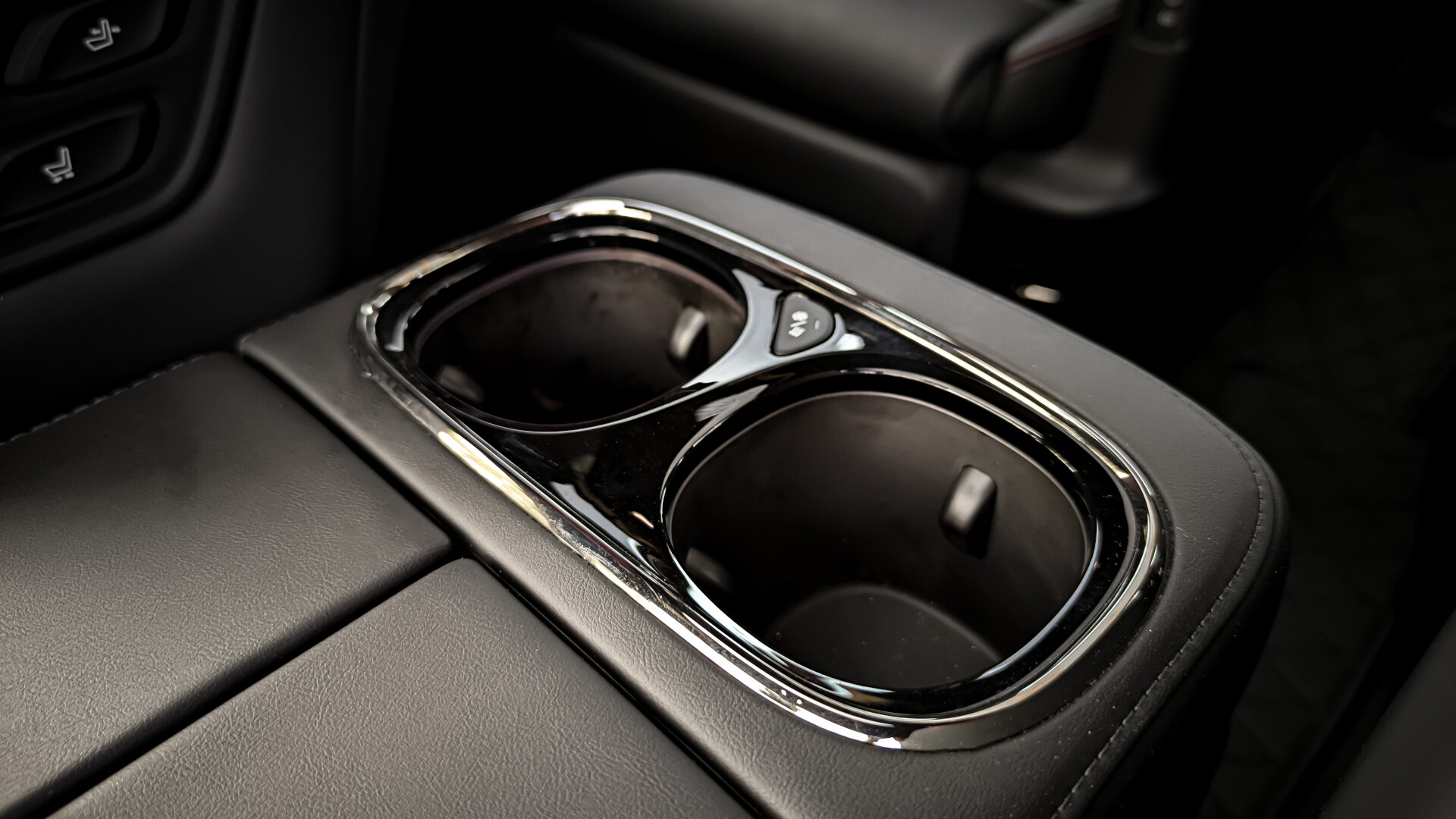
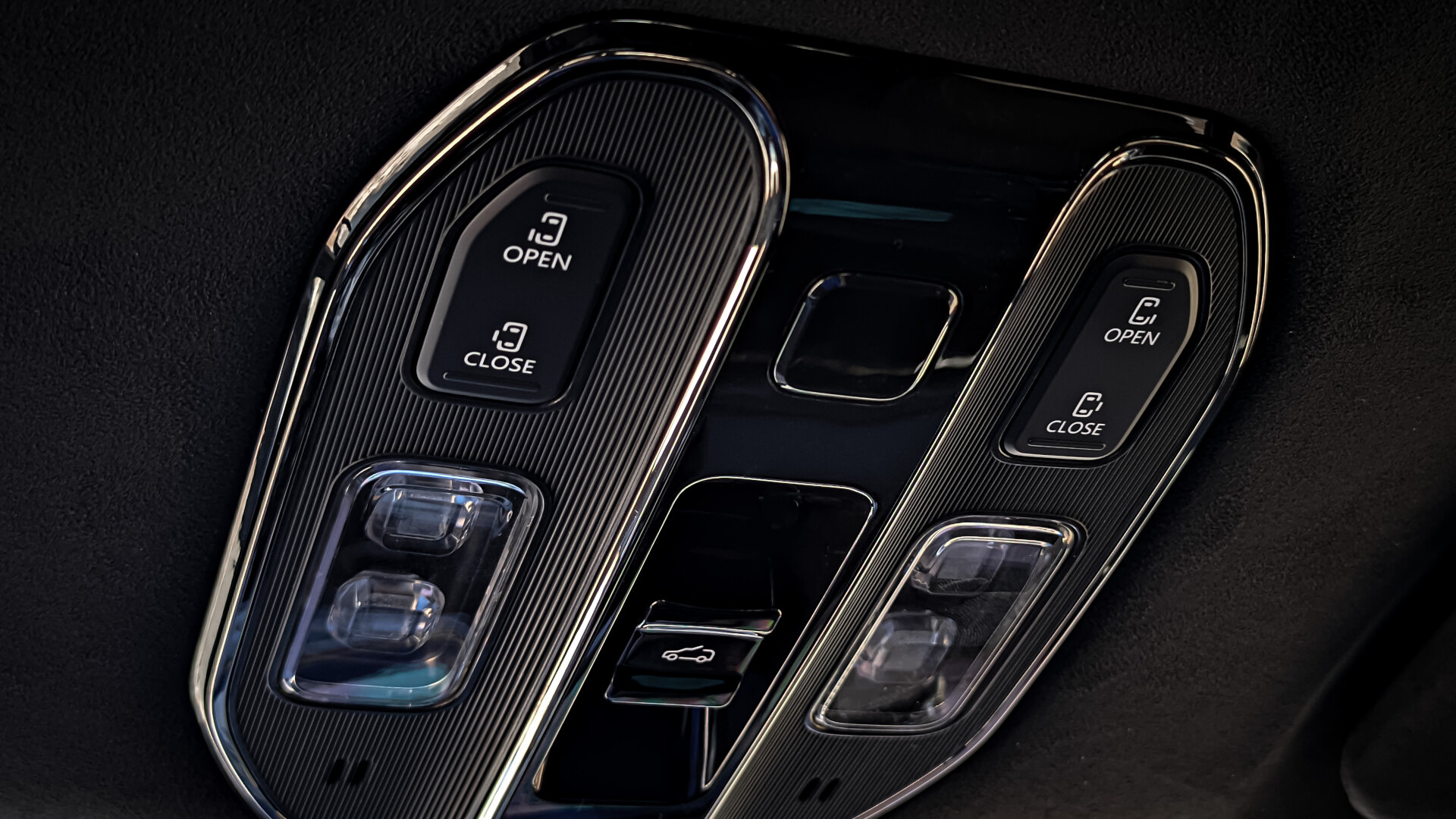
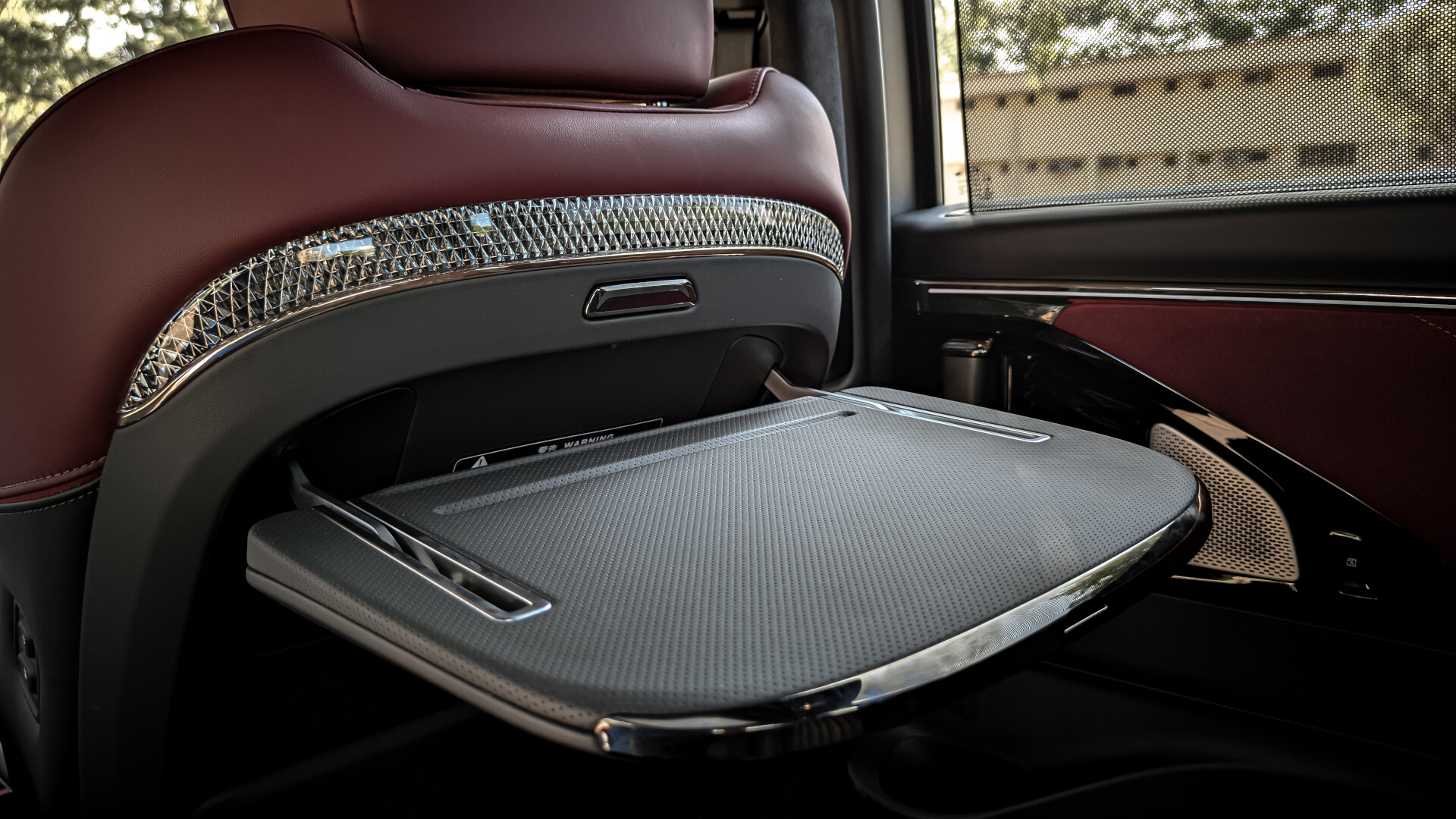
As for other niceties, while the rear sunshades aren’t powered like the Toyota’s, you do get powered sliding doors and tailgate, in-seat ventilation in the first two rows, and a built-in massage function for middle-row passengers. The M8 adds a fragrance system, for a more comprehensive spa vibe, and tray tables in the front seatbacks—rather than hung between the middle seats—for extra convenience. Middle row passengers even get cooled cupholders, in case they want a tall glass of iced tea with their massage.
The control panels on those middle-row seats feel a bit clunky compared to the remote tablets on the Toyota. The whole panel “clicks” when you press down on it and can feel fiddly. But the driver can activate Spa mode from a swipe-down menu up front, leaving the boss nothing to do but relax and snooze.
As with many Chinese cars, you have a wealth of functions available through that menu. But they can be confusing and contradictory. There are three separate menus for drive modes, but it takes forever to find the hidden submenu that allows mode customization. Spa mode is not accessible through the seat control menu but through a toggle switch in the pull-down widget menu. And the HVAC controls are spread out over three different screens. The HVAC shortcuts on the home screen are scattered and mix menu callouts and actual control buttons randomly. One hopes that future iterations of this UI will be more user-friendly.
Verdict
That said, once you get used to them, the M8’s menus are mostly set and forget. And it’s a wonderful car to drive around or to be driven around in. A lot of passengers were astonished by how good the M8 was, and doubly astonished by the price. Four million pesos is a bit much for a Chinese car. Never mind that the Alphard now sits at an eye-watering five million pesos, that’s still a lot of cash for a van. Still, while the Master isn’t the “ultimate” luxury van, it’s close enough to the Alphard to command similar money. And if you want to save a little, you can give up a few of those conveniences to bring the price closer to the premium Koreans sitting around three million pesos.
A decade ago, it would have seemed weird for a Chinese car to command Japanese or Korean money, but the GAC brand has pushed the game far enough to justify that. The only question now is whether the buying public—already sold on GAC’s mid-priced crossovers—is ready to make that jump, themselves.
SPECS: 2024 GAC M8 2.0L GX Master
Price: P3,948,000
Engine: 2.0-liter turbopetrol
Power: 248hp @ 5,250rpm
Torque: 400Nm @ 1,750-4,000rpm
Transmission: 8-speed automatic
Layout: Front-wheel drive
Seating: 7
Score: 8.5/10
More photos of the 2024 GAC M8 2.0L GX Master: