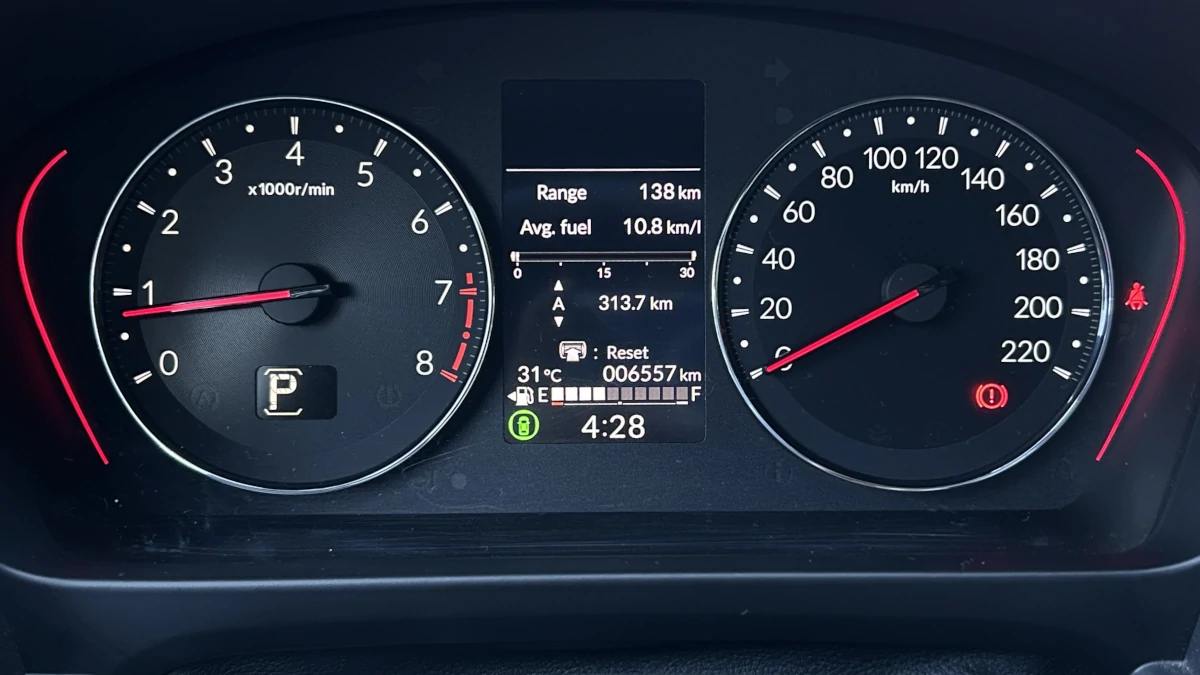
Fuel-economy standards are the norm in most major car-producing nations. In the US, it’s measured by the EPA. Europe and other parts of the world use WLTP (Worldwide Harmonized Light Vehicles Test Procedure), while Japan has the JC08 Cycle.
Locally, however, we don’t really get those. Yes, there’s the Department of Energy (DOE) fuel-economy run, but the testing procedure is done in largely ideal situations. For the most part, real-world economy is observed by consumers or tested by people like us in the motoring publications.
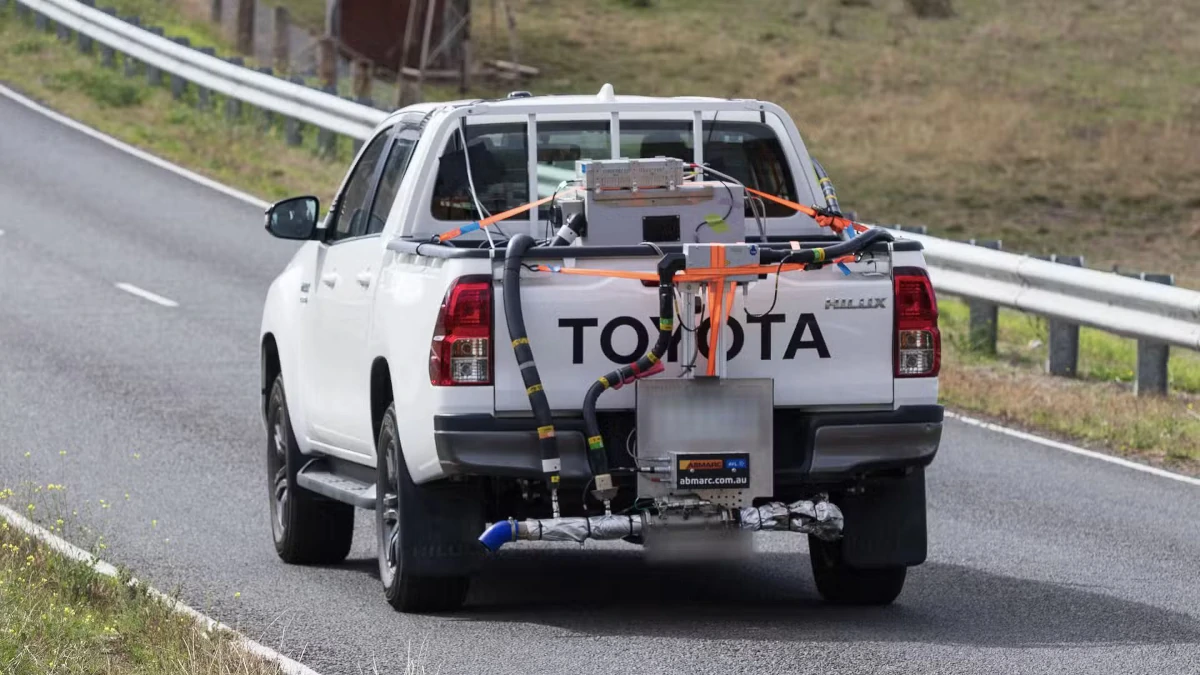
That said, the agency is taking the initiative to make the public more aware of their prospective vehicle’s fuel efficiency. The DOE has announced that under the new Vehicle Fuel Economy Labeling Program (VFELP), it aims to have official fuel-economy figures displayed on cars by the end of the first quarter of 2025. This will be a mandatory requirement for all new cars for sale.
OTHER STORIES YOU MIGHT HAVE MISSED:
Review: 2025 Kia Sonet 1.5 SX AT
Check out these custom Mitsubishi Triton trucks for TAS 2025
‘Fuel economy labels’ to be affixed on cars for sale
DOE director Patrick Aquino explained the information on the fuel economy label (FELs) and the fuel economy sticker (FES) that will be affixed on brand-new cars for sale follows a similar principle to energy ratings posted on appliances. The image above shows the prescribed format for the FEL under the VFELP’s implementing guidelines.
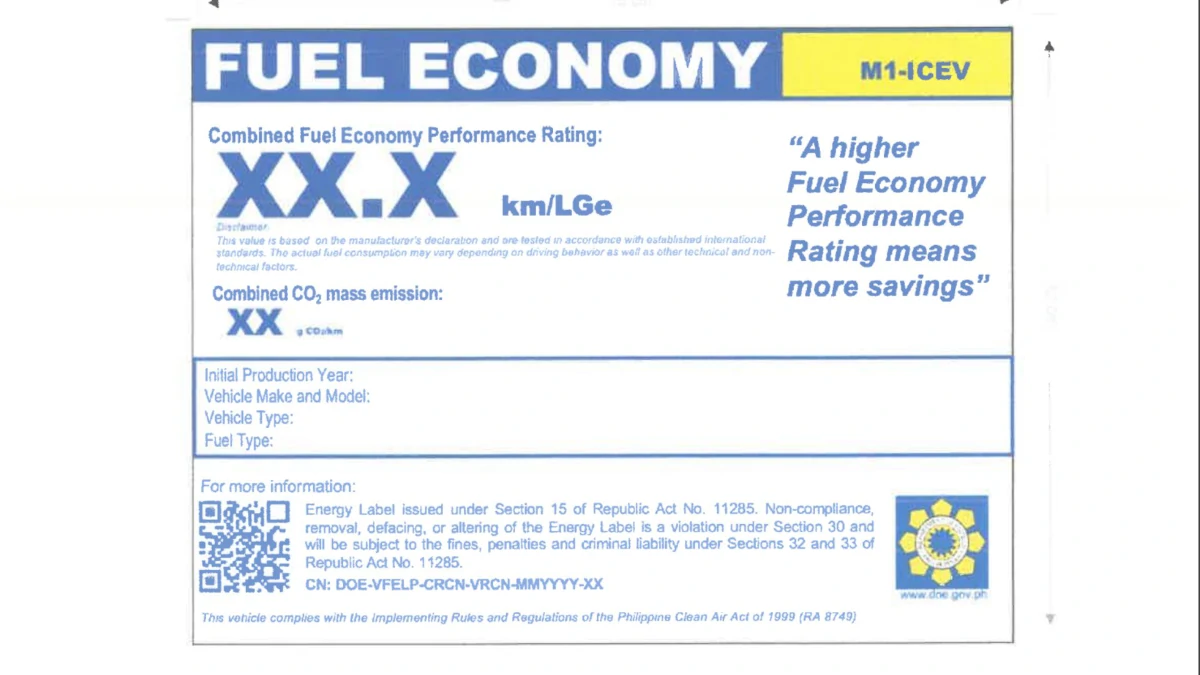
In the same way, US EPA ratings are ‘pasted’ on cars at the point of sale, with point of sale being the dealership or the showroom. Under the VFELP, units displayed in dealerships will be required to have FELs, and the fuel-economy information will also be required on digital marking materials.
‘km/Lge’ to be the standard unit of measurement
At least for gasoline-powered vehicles, fuel economy will be measured in kilometers per liter or km/L, at least for gas-fed models.
Curiously, the DOE won’t use the same unit of measurement for diesel engines. Instead, it will use kilometers per liter of gas equivalent or km/Lge, wherein, one liter of diesel is equivalent to 1.077Lge (1L diesel = 1.077Lge). Perhaps it’s best to bring a calculator when looking at the window sticker.

But aside from fuel-fed vehicles, these fuel-efficiency ratings will also be applied to electric vehicles. In this case, 1Lge is equivalent to 8.89kWh (1Lge = 8.89kWh). As an example, an EV that can run 1km per 1kWh will show a fuel-economy rating of 8.89km/Lge on its FEL.
Finally, hybrids, plug-in hybrids, and range-extended electric vehicles, which have combustion engines as part of their powertrains, are required to have two fuel-economy figures: one for electric-only consumption, and one for the actual fuel consumption of the system.
New fuel-economy testing methods to be introduced
That brings us neatly to the testing methods. There’s Urban and Extra Urban, just like in European testing cycles. The Urban cycle consists of 15 phases of idling, acceleration, cruising or steady speed, and deceleration.
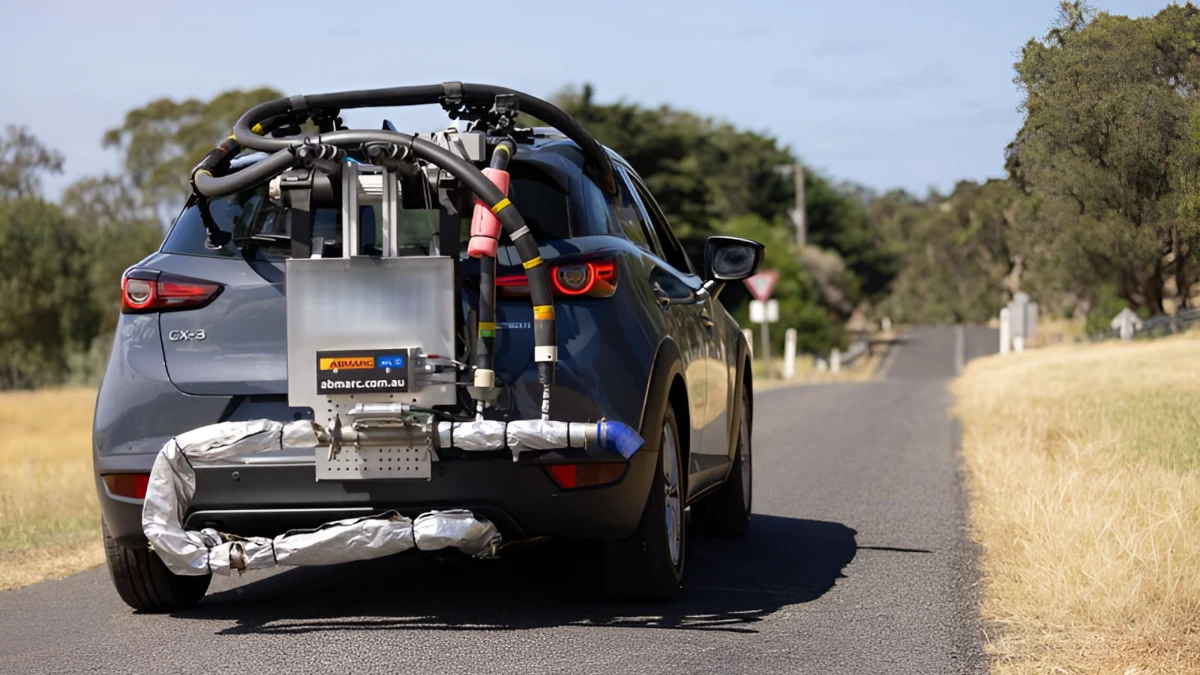
The Extra Urban test is similar to the Urban cycle, but done in 13 phases. That way, there’s a more ‘real world’ result instead of the usual economy run that measures efficiency at 80kph. On top of that, testing shall be performed at an in-house facility for consistency. Vehicle emissions will also be tested with results shown in grams of carbon dioxide per kilometer or gCO/km.
A carmaker, importer, distributor, or dealer must register the vehicles in its local lineup with the DOE. Upon approving applications for registration, the DOE will then issue FELs and FESs to be attached to the units for sale. With that, we’ll soon be able to compare fuel economy against government ratings like in other countries. Once this mandate is in place, we’ll soon find out just how close or far the disparity is in real-world and lab testing.