
The use of carbon fiber in cars could be restricted or even banned if European Union legislators have their way.
The end-of-life (ELV) directive is currently undergoing revisions, as lawmakers aren’t happy about the way carbon fiber doesn’t fit into the regulations that require new cars to be made with a minimum of 85% reusable or recoverable materials.
OTHER STORIES YOU MIGHT HAVE MISSED:
Project Safari: Turning the Lotus Elise S1 into a rally-ready machine
This 1980s-inspired Mercedes-Benz G-Wagen will cost you P11.452-M
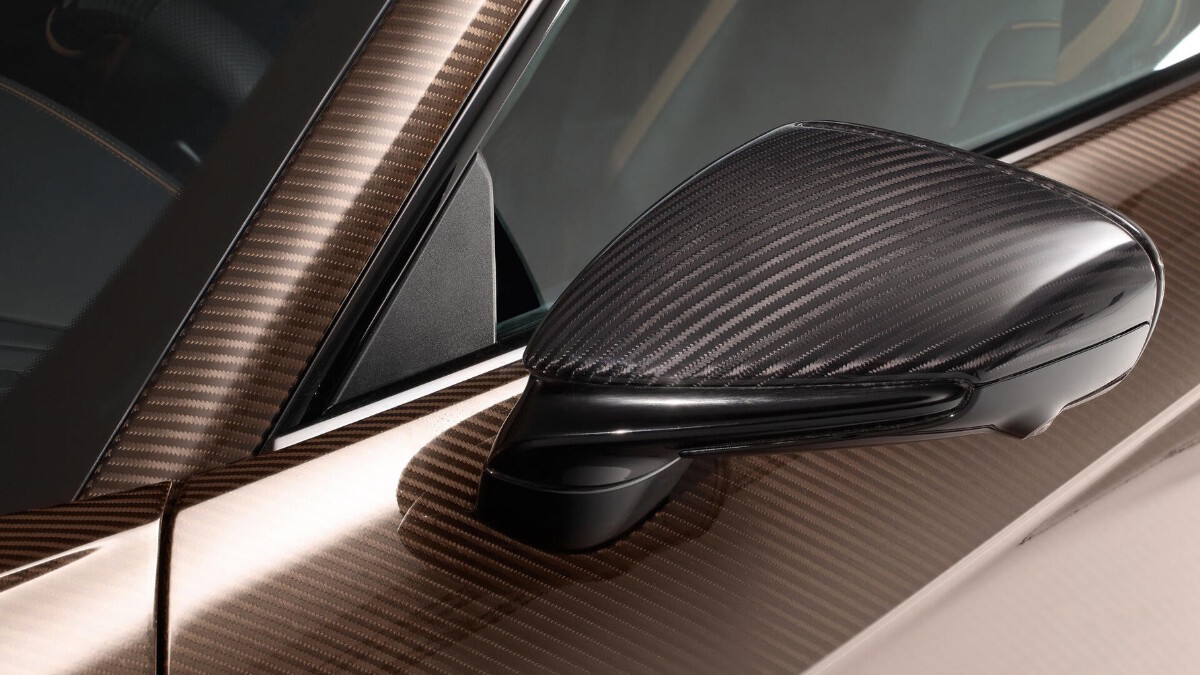
Carbon fiber has long been used because it’s lightweight, highly durable, and strong, perfect for high-performance sports cars and motorsport bodywork and components. Although it’s been considered environmentally friendly thanks to a longer life span than metal vehicles, it takes 14 times more energy to make compared with steel, according to researchers at the Centre for Corrosion Research in Malaysia. Also, recycling or recovering the material is problematic, to say the least.
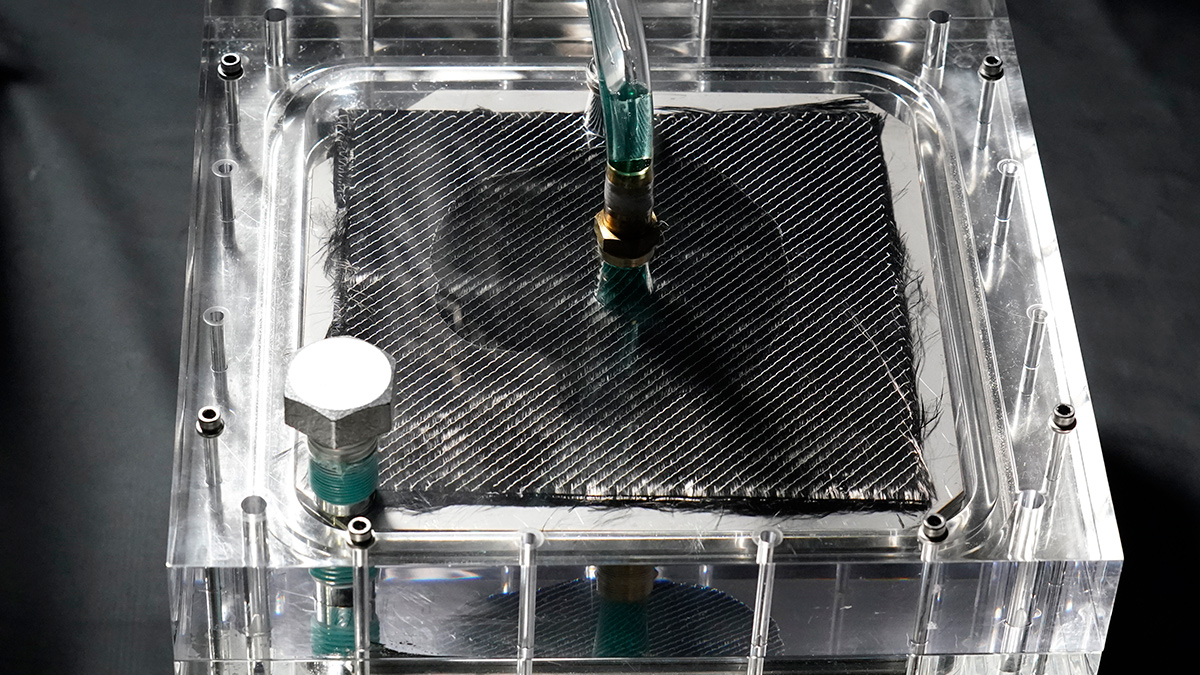
Scrap carbon fiber can’t be melted down and reformed like metals. Composite carbon fiber is most widely recycled via thermal pyrolysis (heating it up to 700-degrees), but this recovers only 93% of the material, and releases several hazardous gases at the same time. Oh dear.
Carbon fiber can be mechanically shredded, a process which doesn’t release said gases, but only virgin offcuts and other uncontaminated bits can be recycled this way. Chemically? Guess how planet-friendly that approach is. Long story short, carbon fiber is recovered and reused in far smaller quantities, and it’s that which has the EU all twitchy.
Carbon fiber isn’t the only material being excluded in the directive revisions. Cadium, hexavalent chromium (yeah, the poisonous stuff in Erin Brocovich), lead, and mercury are on the naughty list, too. Carbon fiber will likely have the most impact on the car industry, though.
If the draft legislation makes it into the final revisions of the directive, a ban or restriction on carbon fiber would put a pretty serious dent in carmakers’ and suppliers’ future plans. And while saying goodbye to those garish aftermarket body kits isn’t a totally horrible vision, there are folks’ jobs to consider.
The directive states there would be exemptions, though it’s not clear how these would be applied, and according to its own rules, carmakers will get an 18-month head-up if the rules do change. It’s also worth noting that even if the EU changes the rules, there’s nothing to say that the UK will follow suit. More as we get it.

NOTE: This story first appeared on TopGear.com. Minor edits have been made.