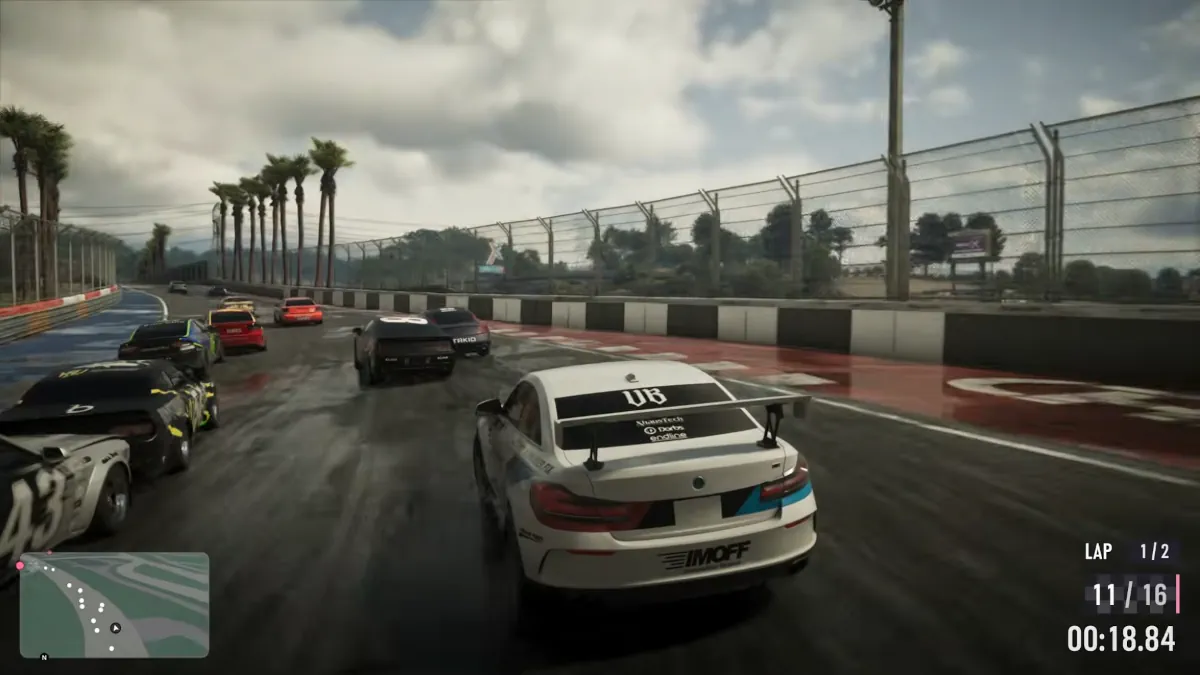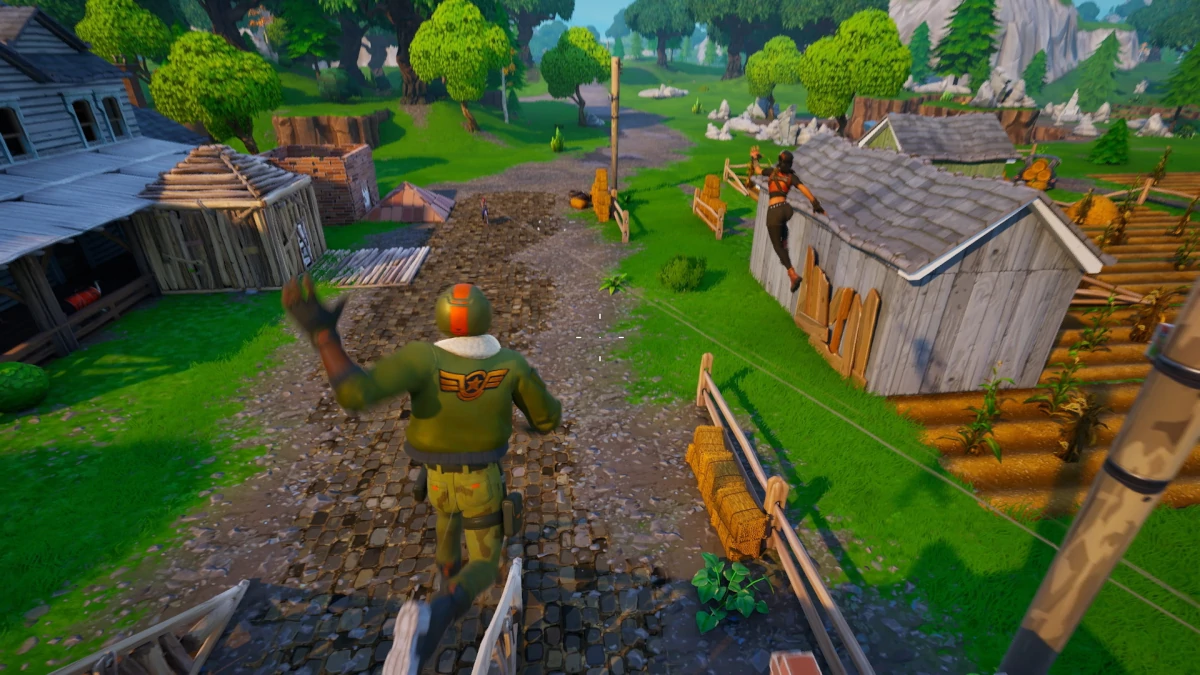
It won’t have escaped anyone’s attention that the games industry is struggling. Analysts will theorise the reasons for years afterwards, but the more obvious factors have been the COVID-19 pandemic, the financial crisis caused by the COVID-19 pandemic, and the huge and unsustainable surge in gaming interest during the COVID-19 pandemic, which the money men responded to by upscaling all their operations and agreeing private equity buyouts under the assumption that everybody would be playing and consuming gaming media as much as they did in 2020 forevermore.
They didn’t. In tandem with that downturn in engagement, a bunch of those private equity deals went bad when it transpired that the money used to buy and gut game development studios, er, didn’t actually exist.
Microsoft made a huge $80 billion bet that if it bought up all the studios people cared about to secure their titles for Game Pass, it would generate enough revenue to offset the studio acquisition costs and the lost revenue from direct sales one day. It was a losing bet. On paper, Game Pass became profitable, but not by nearly as much as the company needed in order to continue with that strategy.
OTHER STORIES YOU MIGHT HAVE MISSED:
7 Massive video games still to come in 2026
Nissan exec says the Patrol won't get an EV or hybrid option any time soon
Then the global economy took a hit after several major wars broke out, supply lines were disrupted, and… this is starting to sound like the scrolling intro text in a Fallout game. Long story short: it’s really hard to make games now.
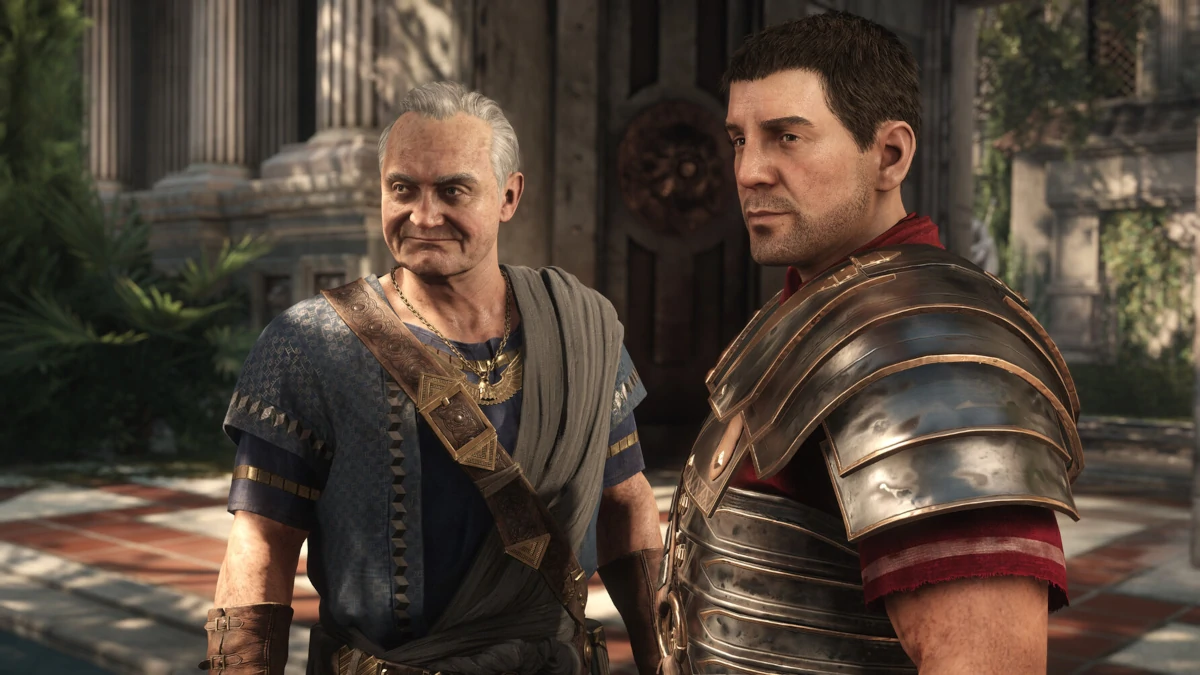
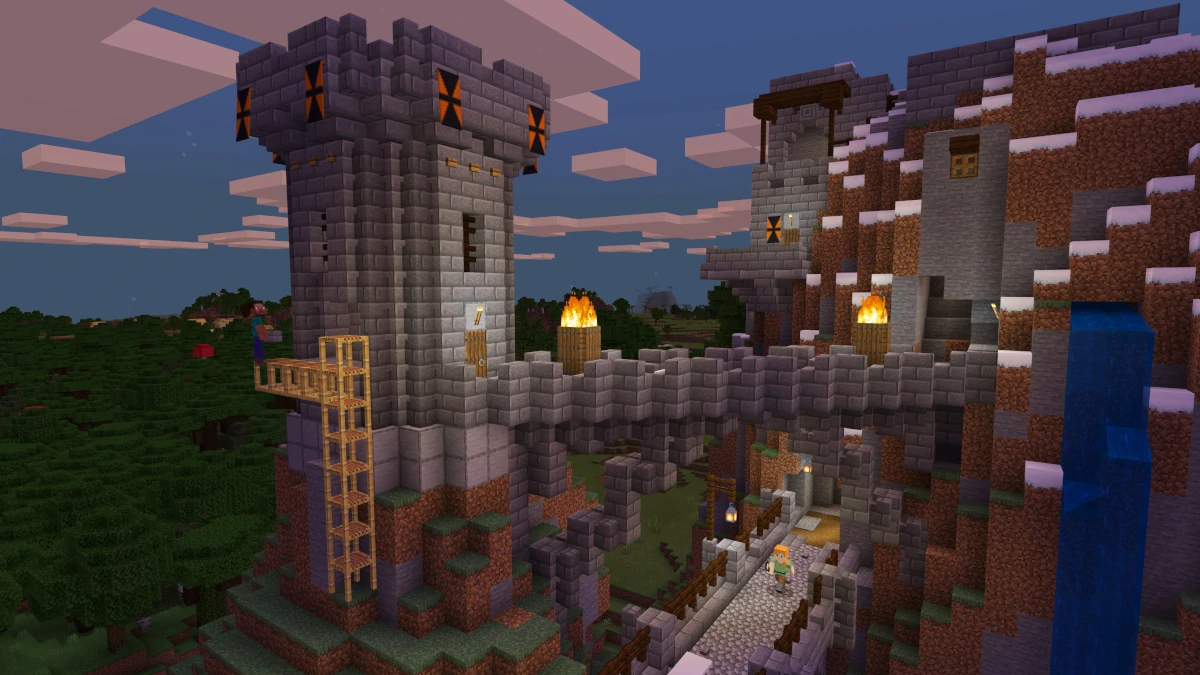
It’s hard not just because the global economy is so brutal or because gaming bosses made so many monumental miscalculations since COVID-19, but because making games has become an increasingly multidisciplinary task.
You need to pay a lot of people for a wide range of skills, in Unreal Engine and numerous programs that plug into it. And you need to pay them more than you did five years ago, because it costs them more to feed themselves, to fill their car to drive to work, and to shelter themselves when they’re not writing lines of code or building wireframes for you.
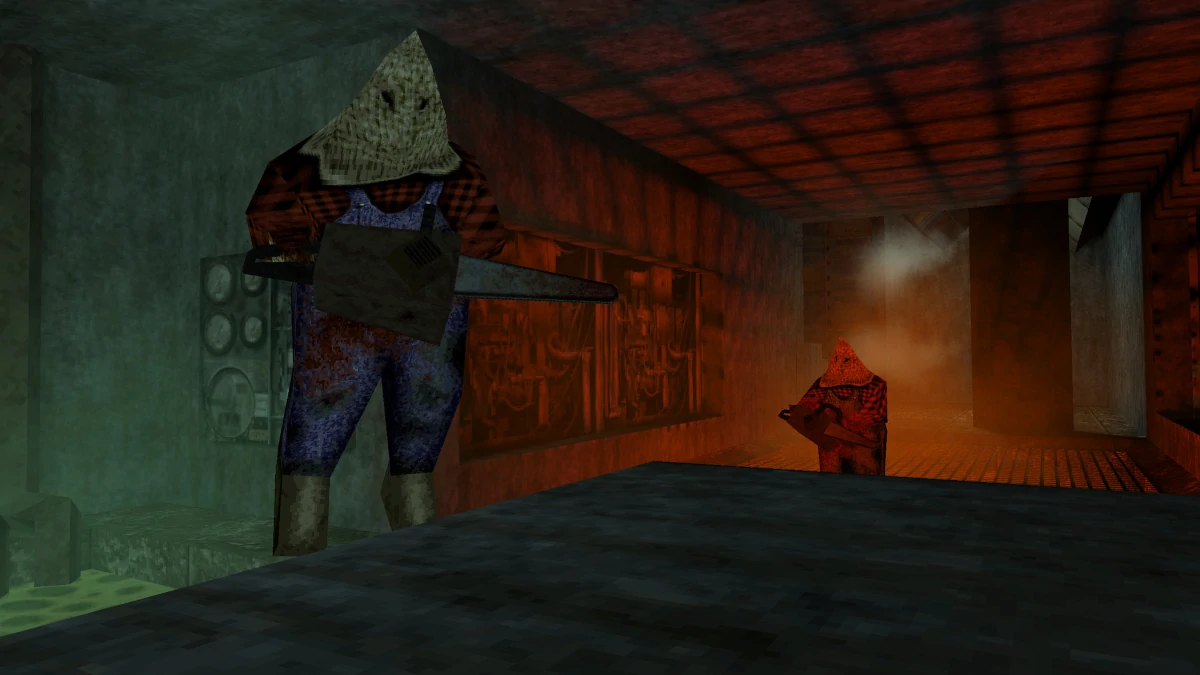
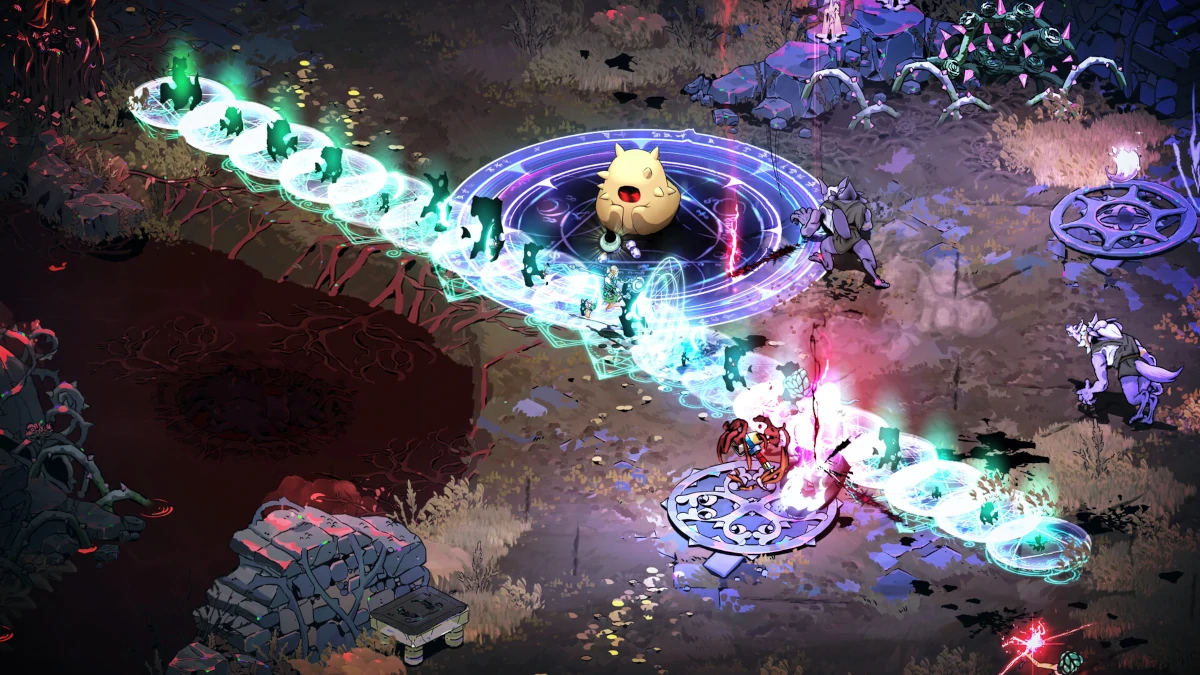
But here’s the thing: the costs are becoming untenable for just one specific type of game development. Bells-and-whistles games like The Witcher IV and Grand Theft Auto 6, the blockbusters that we all look towards to set new standards in visual fidelity and interactivity. It’s true only of triple-A.
Making a triple-A game is a fool’s errand in 2026. It takes so much time and money to reach the standard people expect that it’s very unlikely you’ll turn a profit when you finally release it. The solution, clearly—clearly—is to stop chasing higher benchmarks for visual realism.
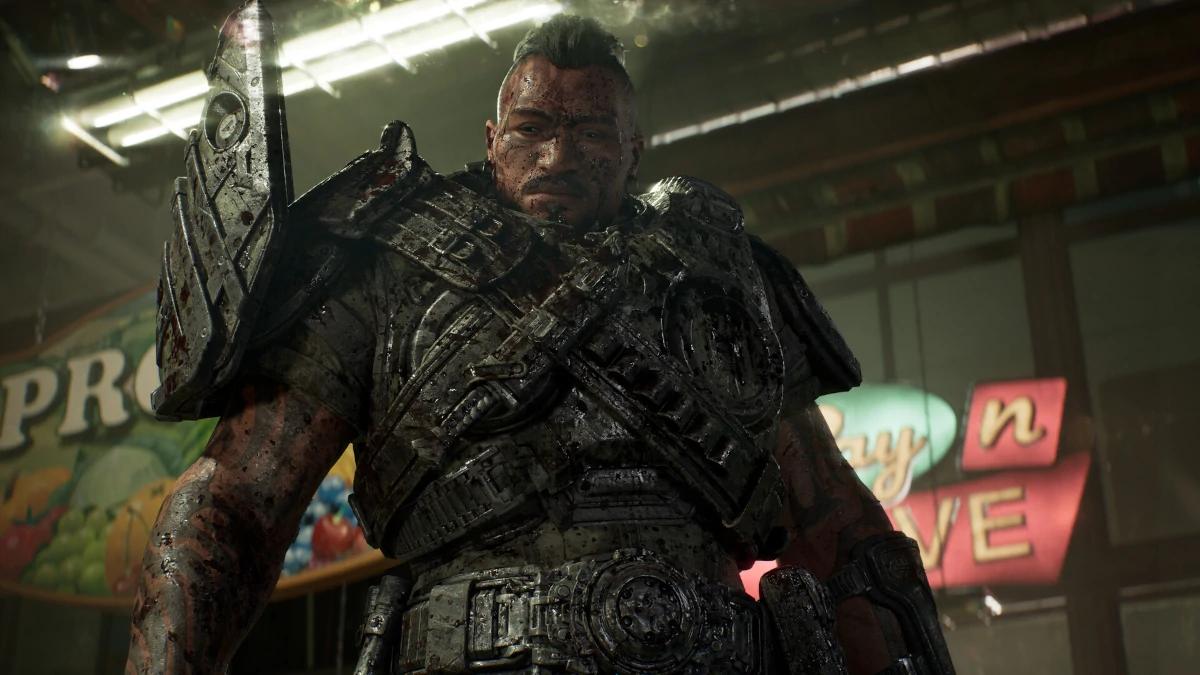
This isn’t the ’90s anymore. Game visuals haven’t changed much in a decade. Console manufacturers aren’t selling units off the back of how the new Gears of War looks, because it looks the same as the last one. Because Moore’s Law broke a while ago, and gaming hardware isn’t advancing at the same rate it once was. Ergo, game graphics just aren’t the marketing tool they once were either. Without massive innovations on the circuit board and a constant stream of new hardware standards, developers are having to work harder than ever to squeeze marginal gains out of engine tools and APIs.
Imagine if this was true of game audio instead. Imagine if game development costs were spiraling out of control because studios were breaking themselves to find better ways to compress lossless audio, running an unsustainable amount of recording sessions, and buying eye-wateringly expensive studio mics. You’d tell them to stop being so silly and focus on the bits that matter most.
NOTE: This article first appeared on TopGear.com. Minor edits have been made.