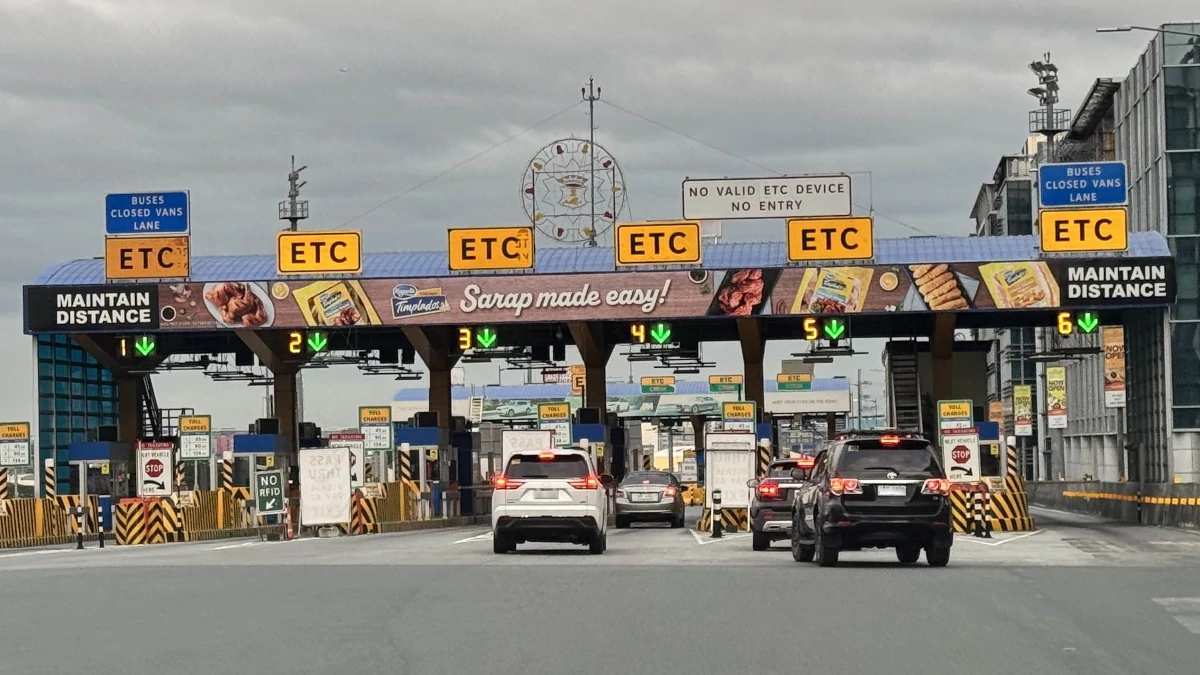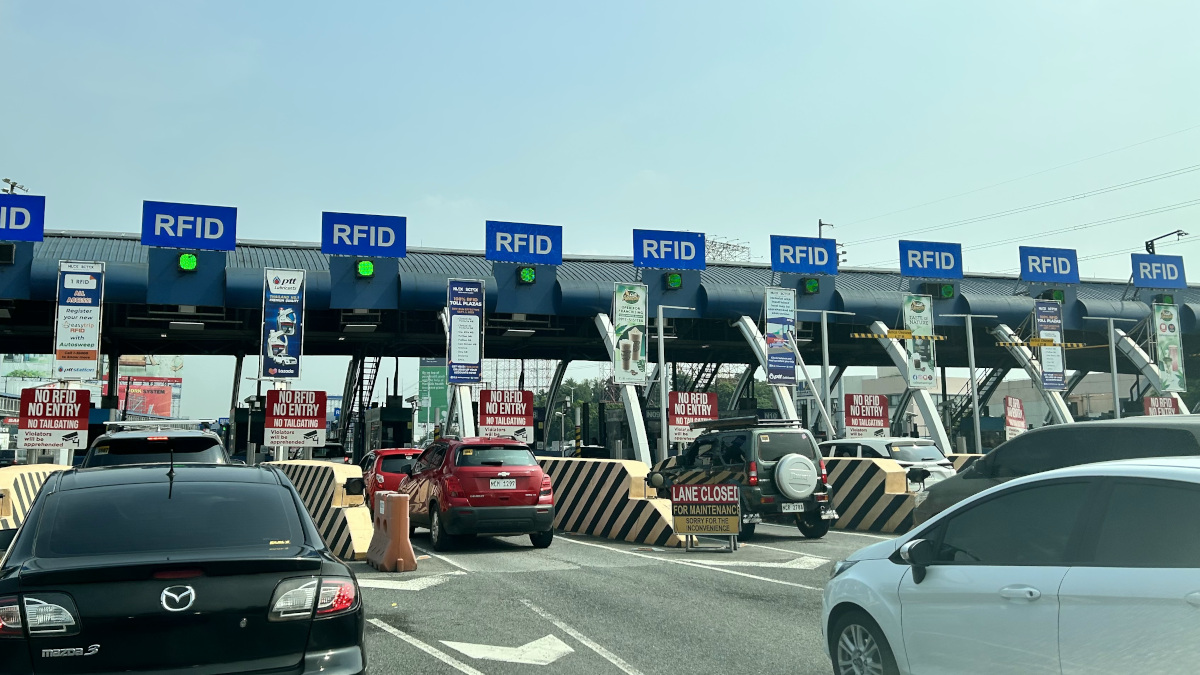
The entire 84km stretch of the North Luzon Expressway (NLEX) is getting a slew of tech upgrades after a P1.4 billion investment in new Automatic License Plate Recognition (ALPR) cameras and more accurate RFID scanners.
With news of expressways going completely cashless in the near future, these upgrades should also make motoring on NLEX safer, and more seamless. The new RFID scanners should make entering and exiting faster, while more ALPR cameras will help NLEX security monitor the expressway to further enforce its rules and regulations.
OTHER STORIES YOU MIGHT HAVE MISSED:
Privatizing EDSA Busway “is the way to go” according to new DOTr secretary
Toyota is recalling 28,828 units Raize units due to ‘improper ECU programming’
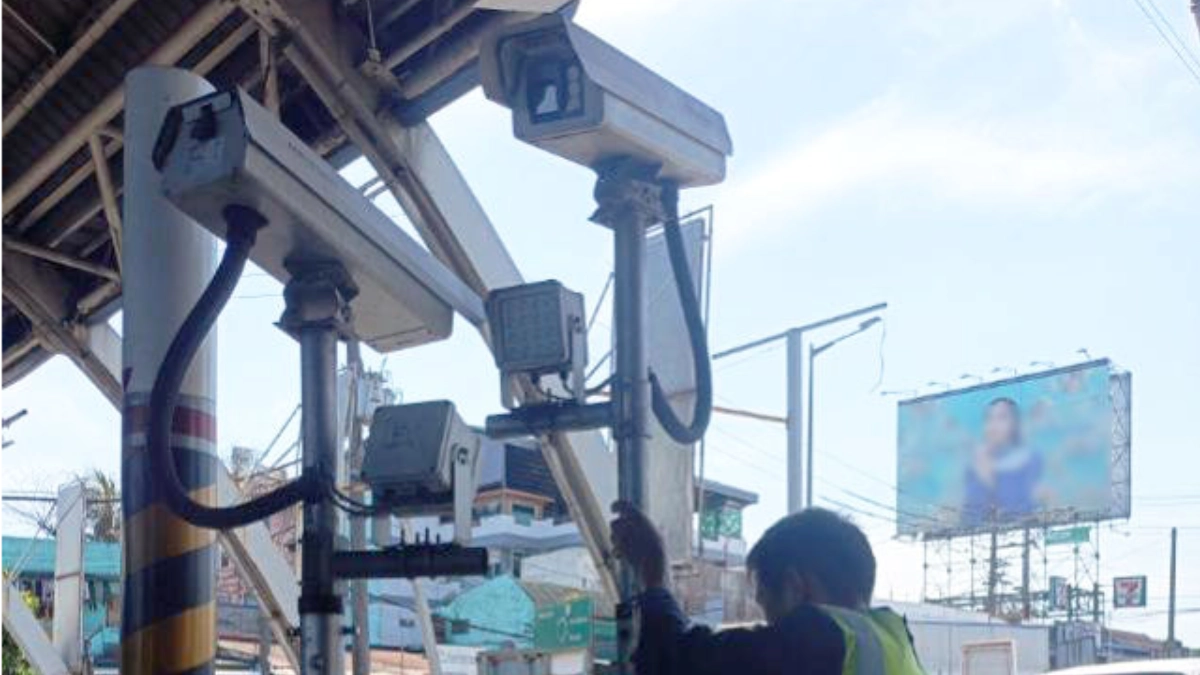
At the time of writing, 77 of the 315 lanes on NLEX are already equipped with ALPR cameras. The investment would ensure cameras for the remaining lanes, ensuring complete coverage and tracking.
The money will also be going toward the remaining 127 RFID antennas that need to be converted to high-frequency variants for wider and more accurate scanning. Vehicle detection and classification should all be processed within a second, according to NLEX. The increased range on the new antennas should also be able to read up to three succeeding vehicles, which should lessen the overall time spent at toll plazas.
The NLEX Corporation has an overarching goal to achieve a 98% readability rate for its RFID scanners, which should be within reach with these new conversions.
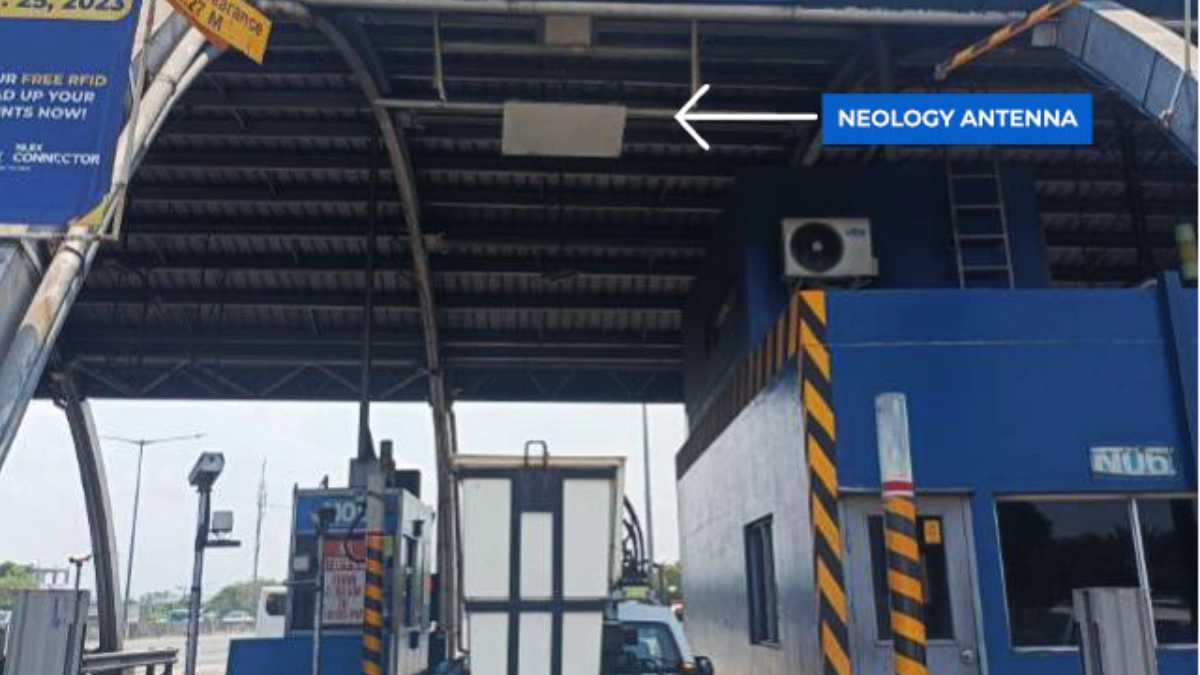
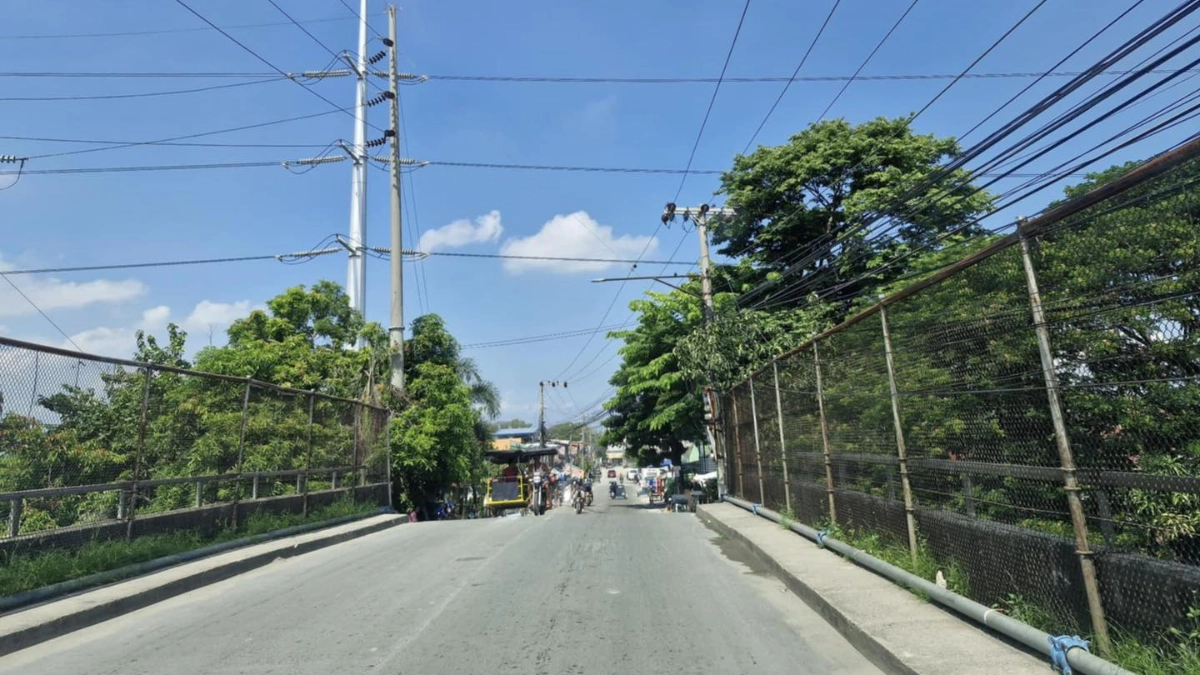
As these new scanners are being mounted, NLEX will also be doing some road work in San Simon, Pampanga. The Tualoc Overpass Bridge will be raised due to its history of flooding in previous typhoons and storms. After being raised by 0.7m in 2023, it will be elevated by another 1.5m. The additional height should allow trucks and other large vehicles to pass under it with no issues.
Construction on the overpass will start on Monday, February 24, 2025. The Department of Public Works and Highways (DPWH) has advised motorists to take alternate routes as the construction may result in road closures and heavier traffic build-up.