Of all the events we motoring journalists look forward to during the year, we dread the Manila International Auto Show (MIAS) the most. What used to be a celebration of the industry’s best and shiniest has become an ordeal.
It wasn’t always this way. In the beginning, about two decades ago, doing coverage was relatively easy—fun even. I remember in the mornings the crowds were not that thick, and we could still position ourselves properly and watch the presentations of the automotive brands.
Then there would be a lunch break where there were no presentations, and we would eat, recharge, and chat with executives about the latest industry news. After lunch we would go back down with our cameras and cover the rest of the MIAS.
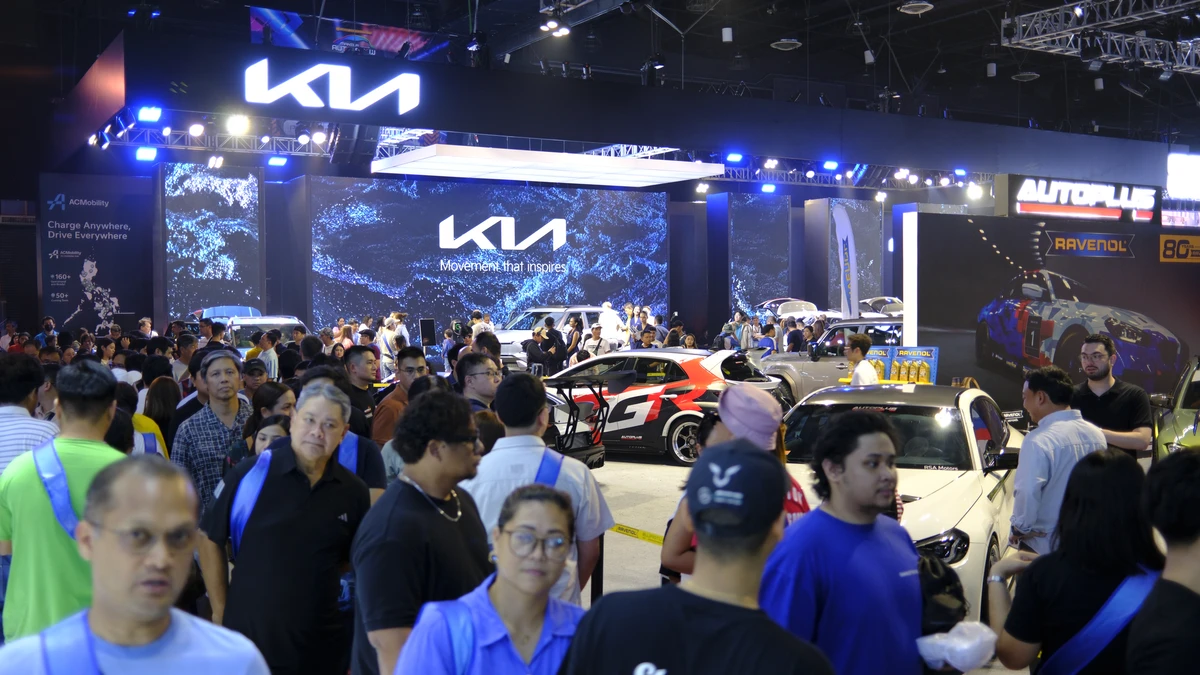
Somewhere along the way, the show became harder to cover. The number of visitors grew (perhaps after reading and watching all the content we put out over the years?), the crowds swelled, and somehow the show itself became disorganized. Names of journalists started missing from lists that we were asked to pre-register for. The press boxes (my colleague’s column reminded me that we had those) disappeared and left us jostling to get clean videos and images.
Perhaps no singular development was as disruptive and idiotic as shutting off the lights on Day 1. For MIAS, the first day is presentation day, where all the brands/exhibitors are given 15 minutes each to present—speeches, dance numbers, car reveal, etc. The lights would be on for the brand presenting, and the rest of the World Trade Center main hall would be in the dark. Problem was, they would remain dark for the day until all the exhibitors were done presenting. There would be lights left on, but just enough to move around. Certainly not enough to take photos or videos.
Walkaround: 2026 Manila International Auto Show
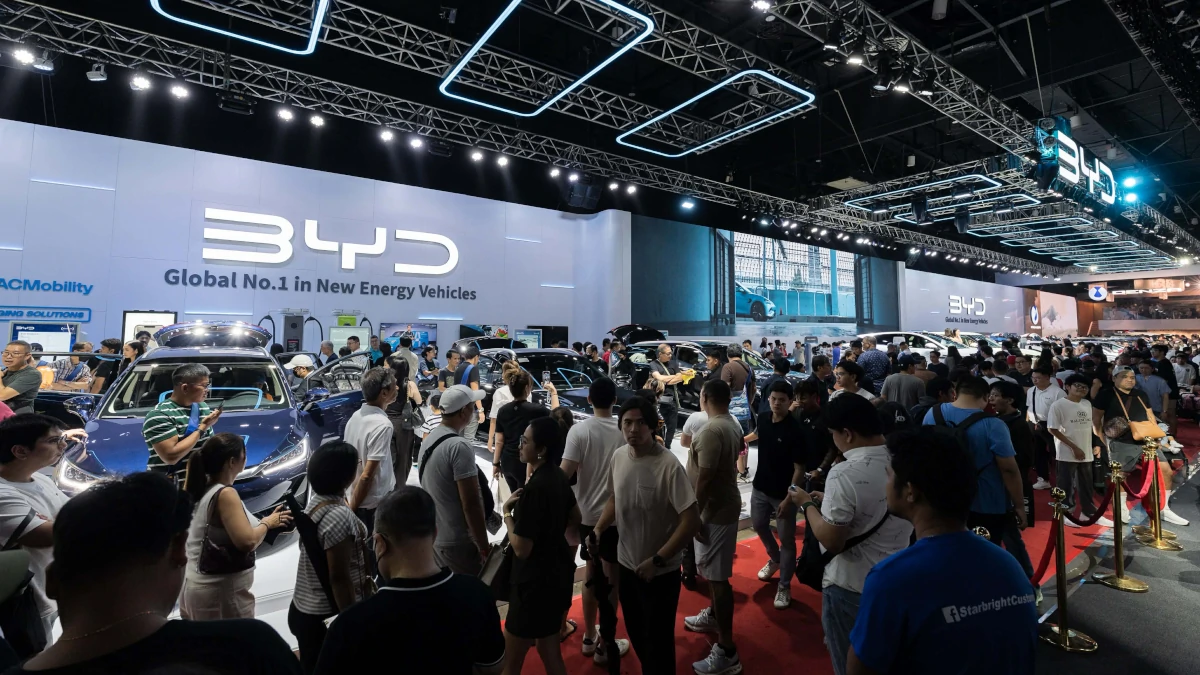
So we were literally in the dark. We got some content from the booths actively presenting, but the images were chaotic and distracting. If we wanted to backtrack to take clean shots of the cars already unveiled, and this was the best time because the crowds had cleared a bit, tough luck—there was not enough light.
But as I told some PR representatives from the exhibitors, forget the media. I felt bad for the visitors who lined up in the heat outside (some for almost an hour) to buy a ticket, only to enter a darkened hall. A teammate saw some gentlemen using the light from their smartphones to illuminate the car models they were interested in. I was worried about the seniors I saw milling about; I know motor show floors are full of makeshift surfaces and wires covered in masking tape. I already tripped once.
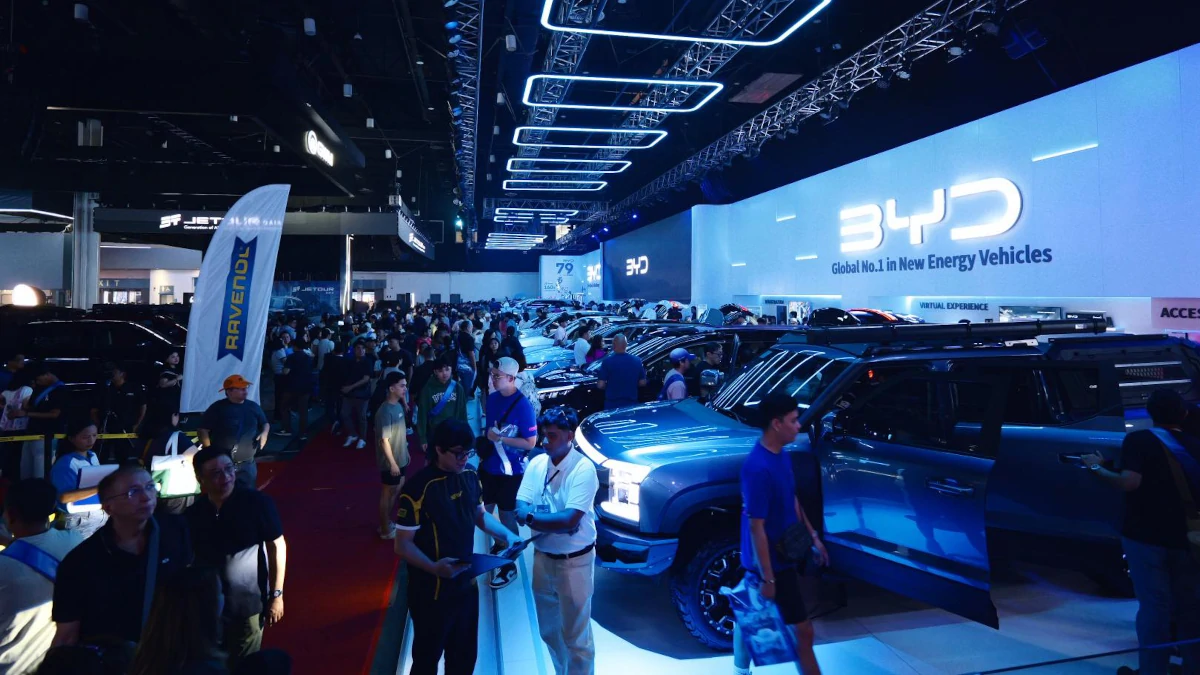
We also heard complaints about the heat inside the venue. And this would have been easily addressed if there were refreshment stands nearby. But as we found out when we ventured out to buy water for the team (because the “media room” had no drinking water), the food hall was at the farthest end of the show. We met a befuddled man along the way who was also looking for food and water.
I don’t want this piece to sound like the rant of an entitled editor who didn’t get his latte and buffet lunch. As a matter of fact, I was able to eat a hearty lunch at the dining hall care of the organizers (although not without some confusion about lunch stubs).
Did I enjoy the motor show in the end? Yes, because of the people. I was able to catch up and say hello to industry friends in the main hall. I chatted with Ryan Isana about his new position, had my usual verbal repartee with BYD’s Isa Suarez-Paras, had an interesting talk about sales with VinFast’s Nora Liquido, and even bumped into retired executive Bob Shaw. I got to talk with Fons Timbancaya of Autoplus about their delightfully retro Land Rover Defender.
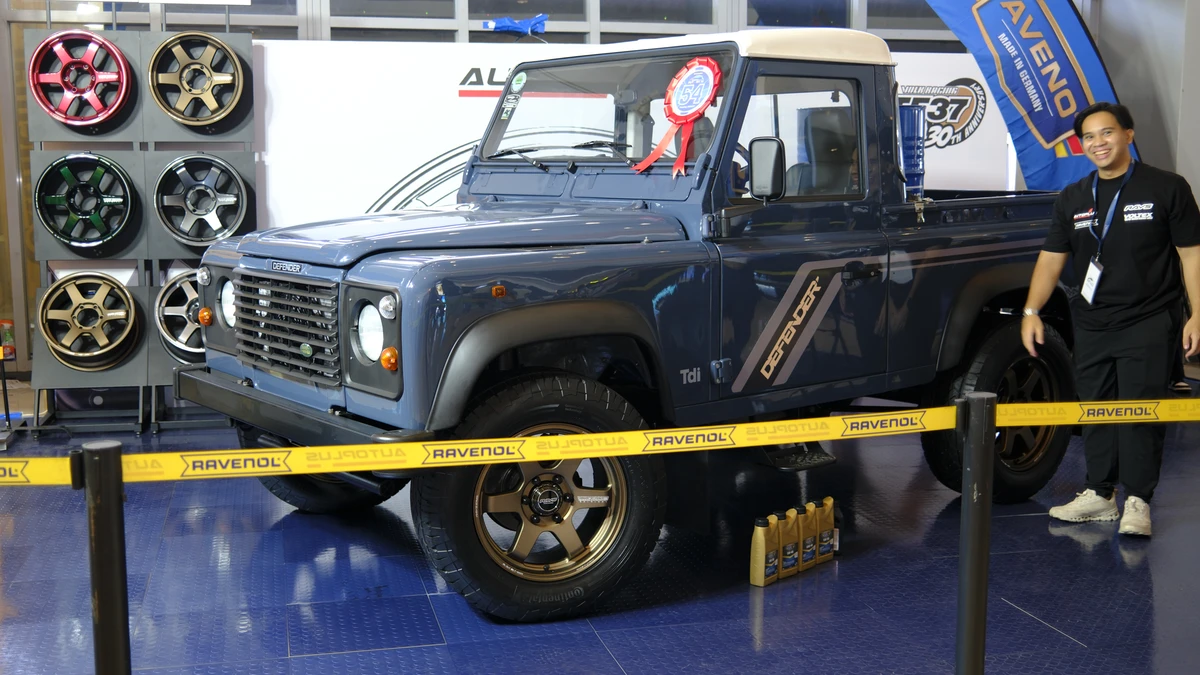
I even saw our former managing editor, Stephanie de Castro, whose husband was browsing EVs. As for my media colleagues who covered, we just laughed at our shared coverage trauma. (Thank you to Carguide.ph for the donuts, by the way.)
Look, there is no comfortable motor show. I’ve covered similar events in Japan, Indonesia, China and Bangkok. All of them entail walking, standing, and lugging equipment while jostling for position. The very act of automotive coverage is to physically move around large boxes of metal, hoping to get a nice photo or video. But at the very least, in foreign motor shows, they gave us proper access and opportunities to shoot. Because to give our readers good content is all we really want.
Walkaround: 2026 Bangkok International Motor Show
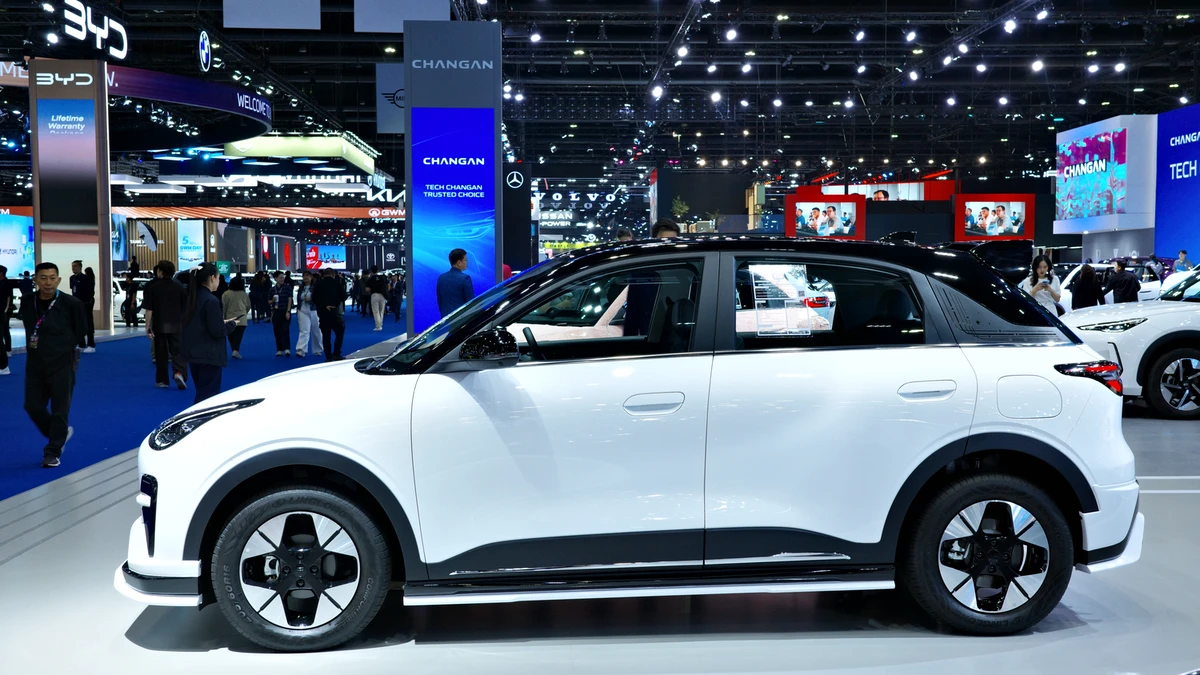
And Filipino motorists deserve better. I hope they experience a motor show with bright and even lighting that will highlight the cars’ shapes (see photo above from the Bangkok Motor Show). I hope they experience it in a venue with proper access to parking, and with refreshments easily available; MIAS is always held at the height of summer.
And I hope they get to look at the latest in automotive technology and features without their eardrums being assaulted. At the risk of sounding like an irate tito, why is the music so loud? Is it to drown out the doubts in the head? Does loud music help in the purchase decision?
I admit, all this might be personal to me. Back in 1999, I was able to attend the Tokyo Motor Show, courtesy of some complimentary tickets. I boarded a train to Makuhari Messe, a massive convention center just outside Tokyo. That year I saw the prototype that would become the Bugatti Veyron, I sat inside a Toyota Century, and I saw my very first Lamborghini Diablo. It blew my mind, and automobiles became a passion that never left.
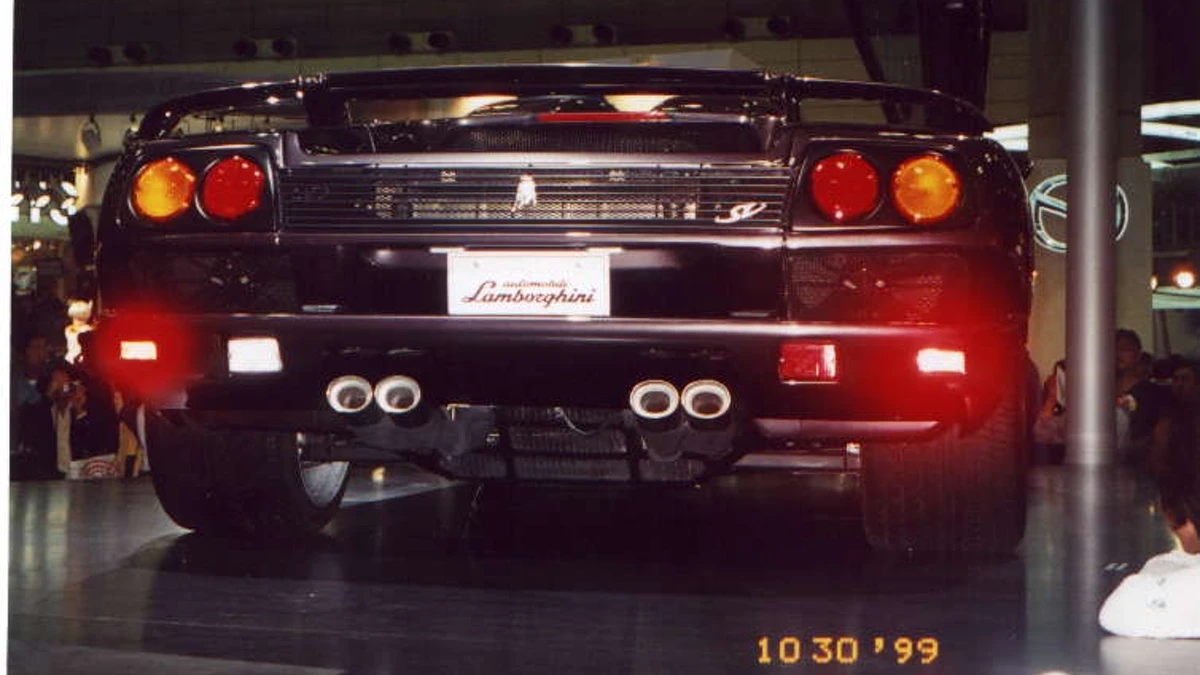
I couldn’t contain my excitement, so I set up a free website on Geocities, bought a secondhand scanner in Akihabara, and posted my photos with some text. A few years later, in my job application for Top Gear Philippines, I lifted from my own website and used my description of the E53 BMW X5 introduced back at the Tokyo Motor Show for my sample article. I got accepted as staff writer, and 22 years later I’m still here. My journey would not have happened were it not for motor shows.
My journey has already been mirrored by one of our newest writers, Elijah Martin. I accompanied him and his mom (a dear friend from college) to the 2006 (or 2007) MIAS when he was seven years old. In 2018, he was our intern at the Philippine International Motor Show (a show that allots three hours for the media to shoot, incidentally). And this year, he's a full-time member of the team, writing stories and hosting for MIAS 2026.
Anyway, congratulations to the organizers of MIAS 2026. I was told 180,600 visitors attended, exceeding 2025’s 170,000 attendees. We will be back to cover the show, whatever happens. Hiccups aside, it’s always interesting to see the state of the industry, and a motor show is still the best place to see it all in one area. At least there’s hope for a better venue nearby, so we don’t have to deal with the limitations of the World Trade Center.
Maybe we will have a show that’s more quiet, less circus-like, and most of all, with better lighting. Maybe one of the attendees will be inspired, like me and Lije, to work in the automotive industry. But that’s not going to happen if we stick to our old ways. Because as we know from our politics, it’s so hard to dream when you’re in the dark.