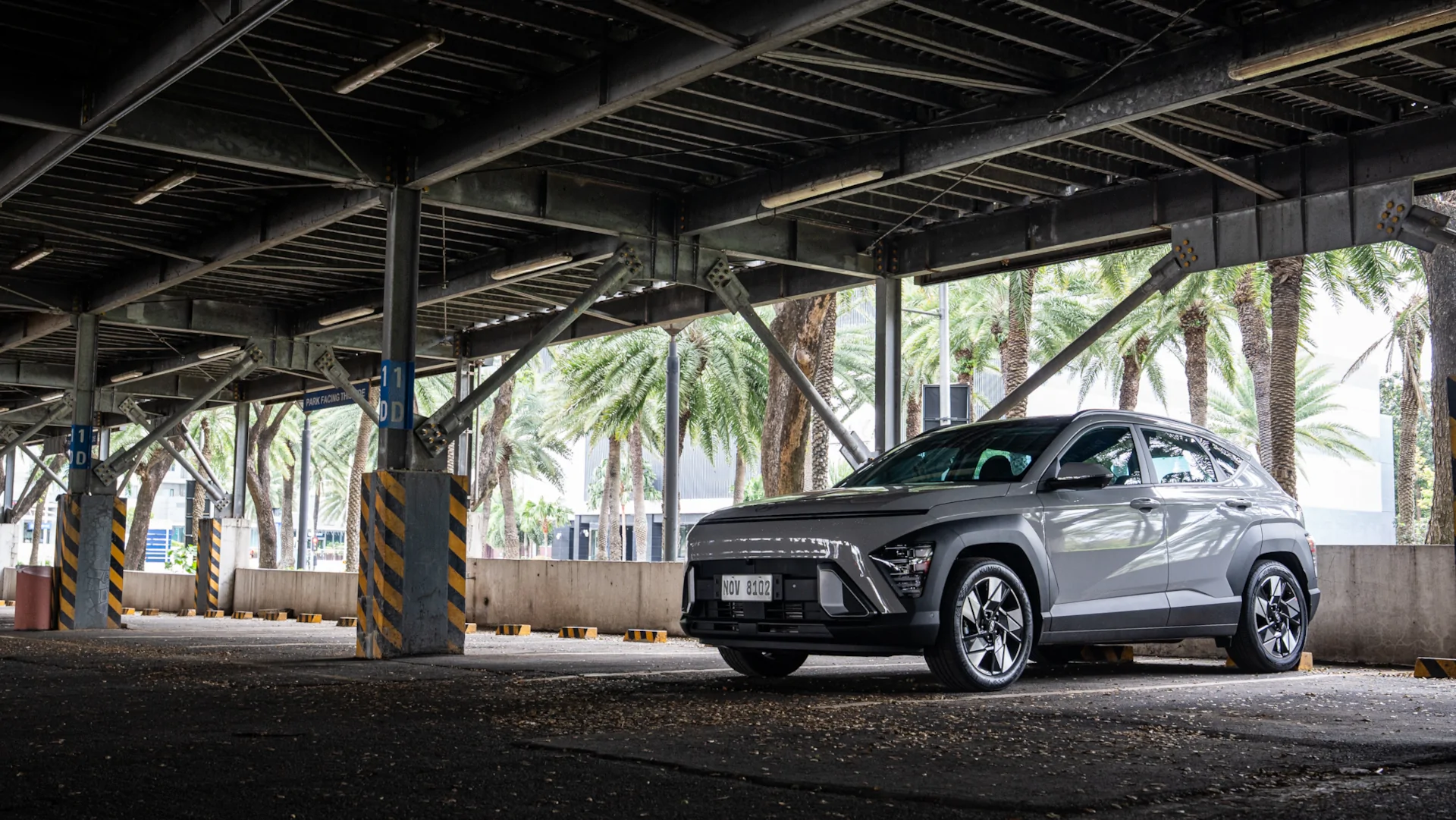

When the first-generation Hyundai Kona made its local debut, the Philippines hadn’t gone crossover-crazy yet. In my opinion, it was ahead of its time. That, or I’m just biased, because I’ve always been a fan of the stylish, sporty-looking Hyundai.
Unsurprisingly, it didn’t fly quite like the more affordable Reina or the ever-popular Starex back then. It was eventually dropped from the Korean carmaker’s local lineup to make way for the Creta, a more sensible option with modern tech at that.
What was surprising, however, was the Kona’s comeback in 2025. Hyundai Motor Philippines has bet big on electrification, and it appears the Kona Hybrid was part of its strategy all along. But while the first-gen model was ahead of its time, this new one felt like it was a bit too late. Crossovers have been booming for years, and Japanese and Chinese hybrid offerings have already established a foothold in the market. With the non-hybrid Creta already doing well, was it still a good move on Hyundai’s part to bring the Kona here?
There was only one way to find out, and that was exactly what I did—I borrowed the Kona for a proper test drive. Not to spoil too much, but boy, was I thoroughly impressed after driving it for a week.
ALSO READ:
Review: 2025 Toyota Corolla Cross GR-S HEV
Review: 2025 Honda HR-V RS e:HEV
Styling
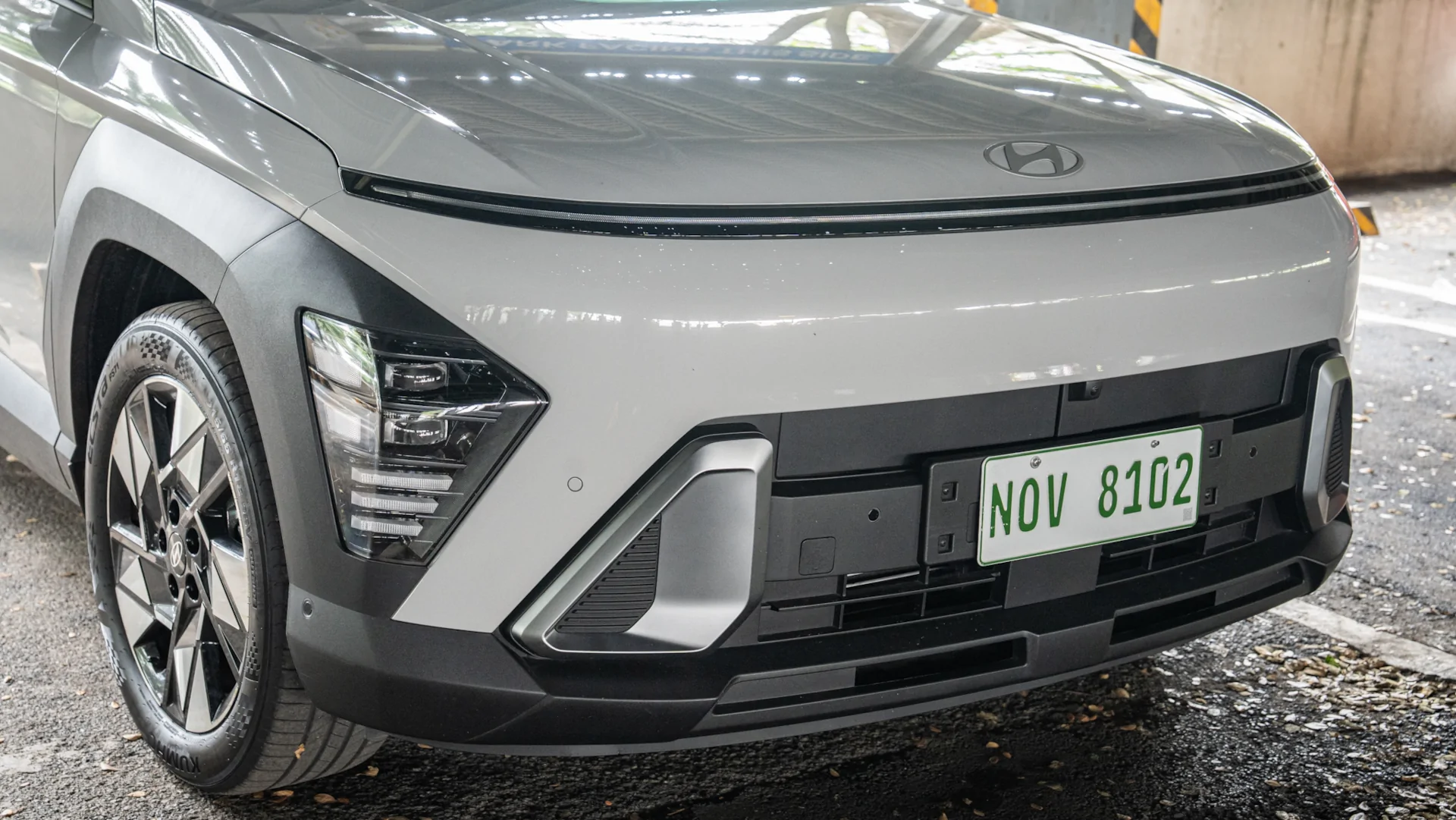
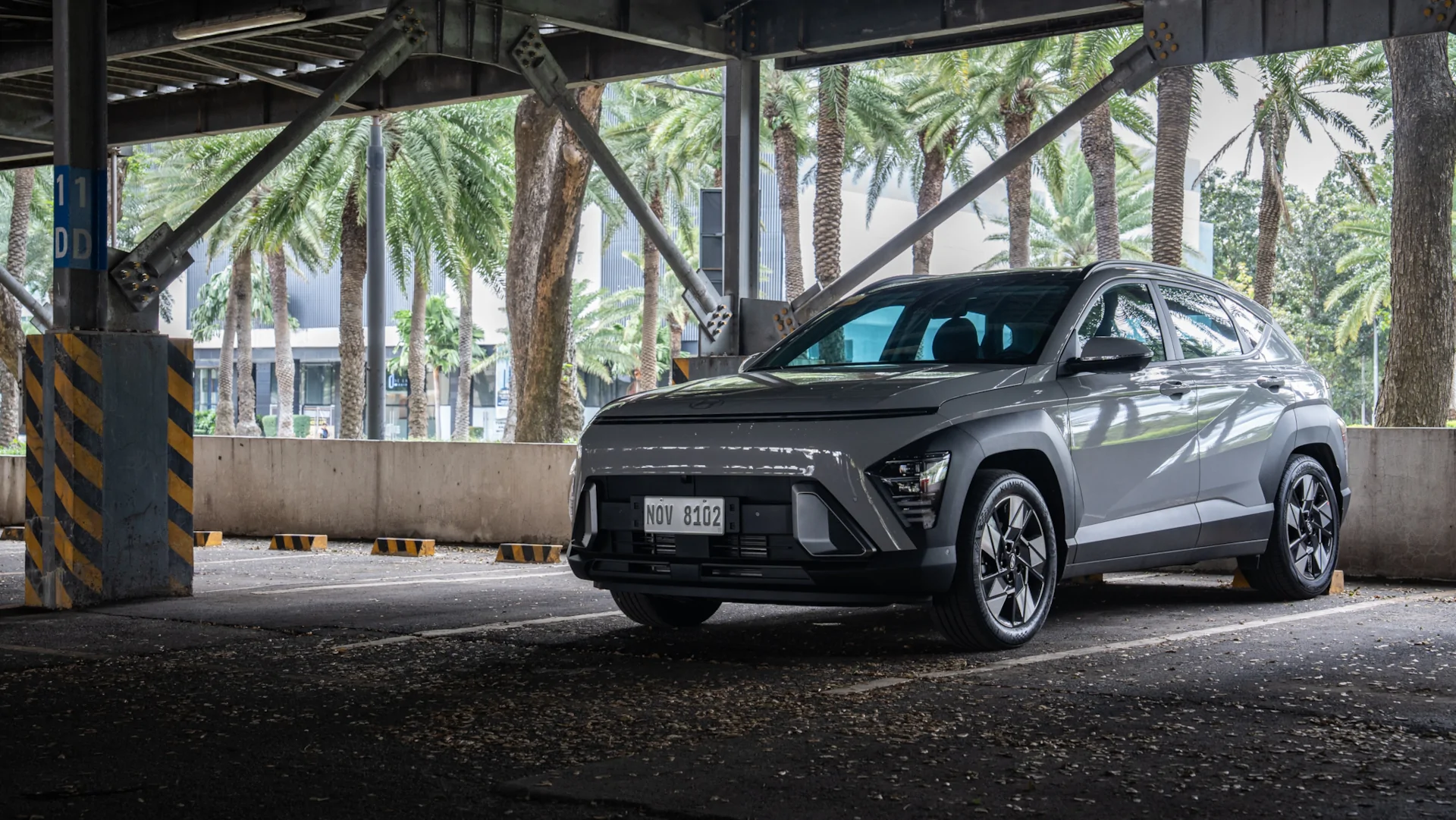
What really struck me with the first-gen Kona was the design with its rugged and sporty aesthetic. For this all-new model, Hyundai toned it down a notch to make way for a cleaner, more futuristic look.
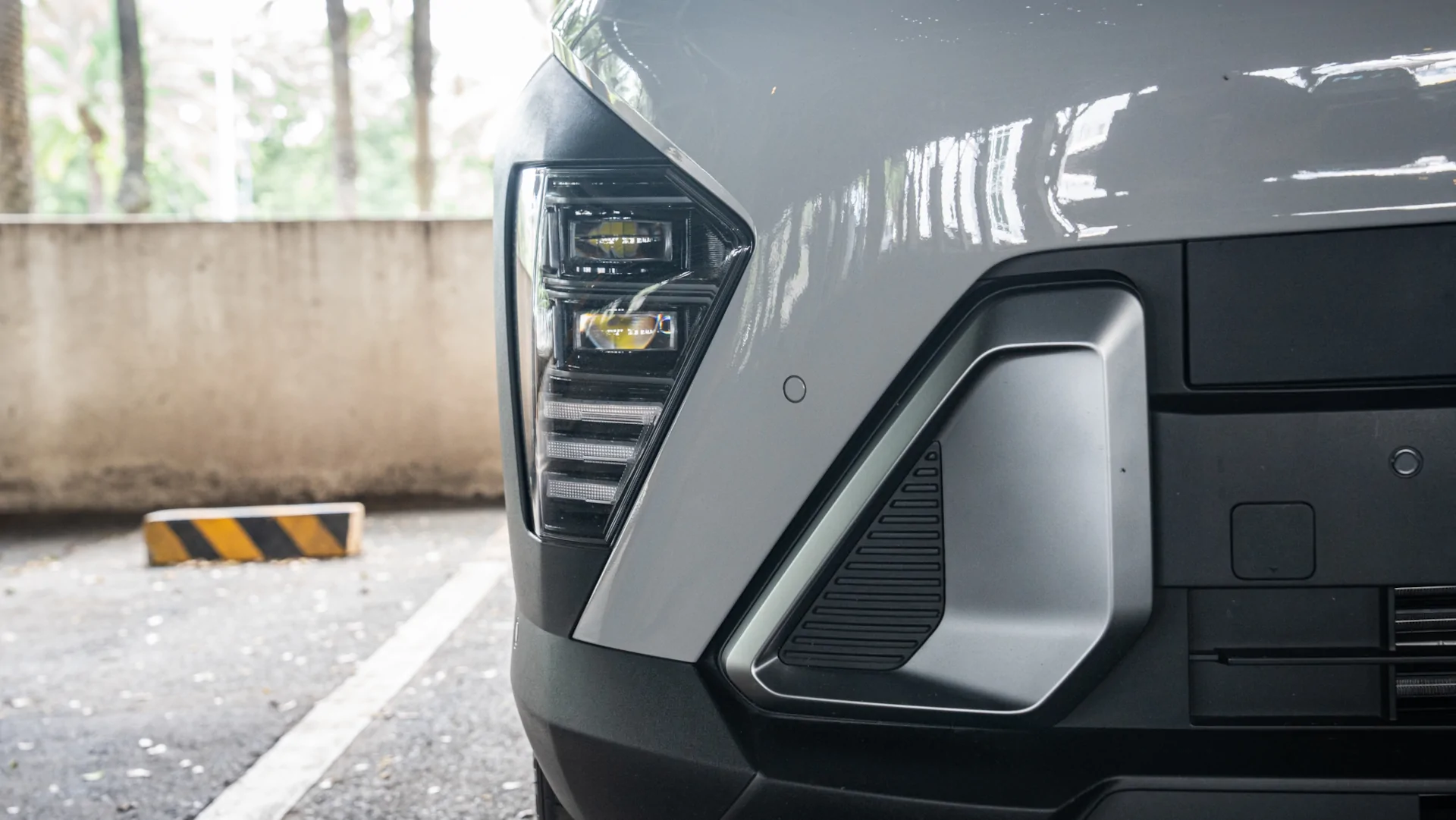
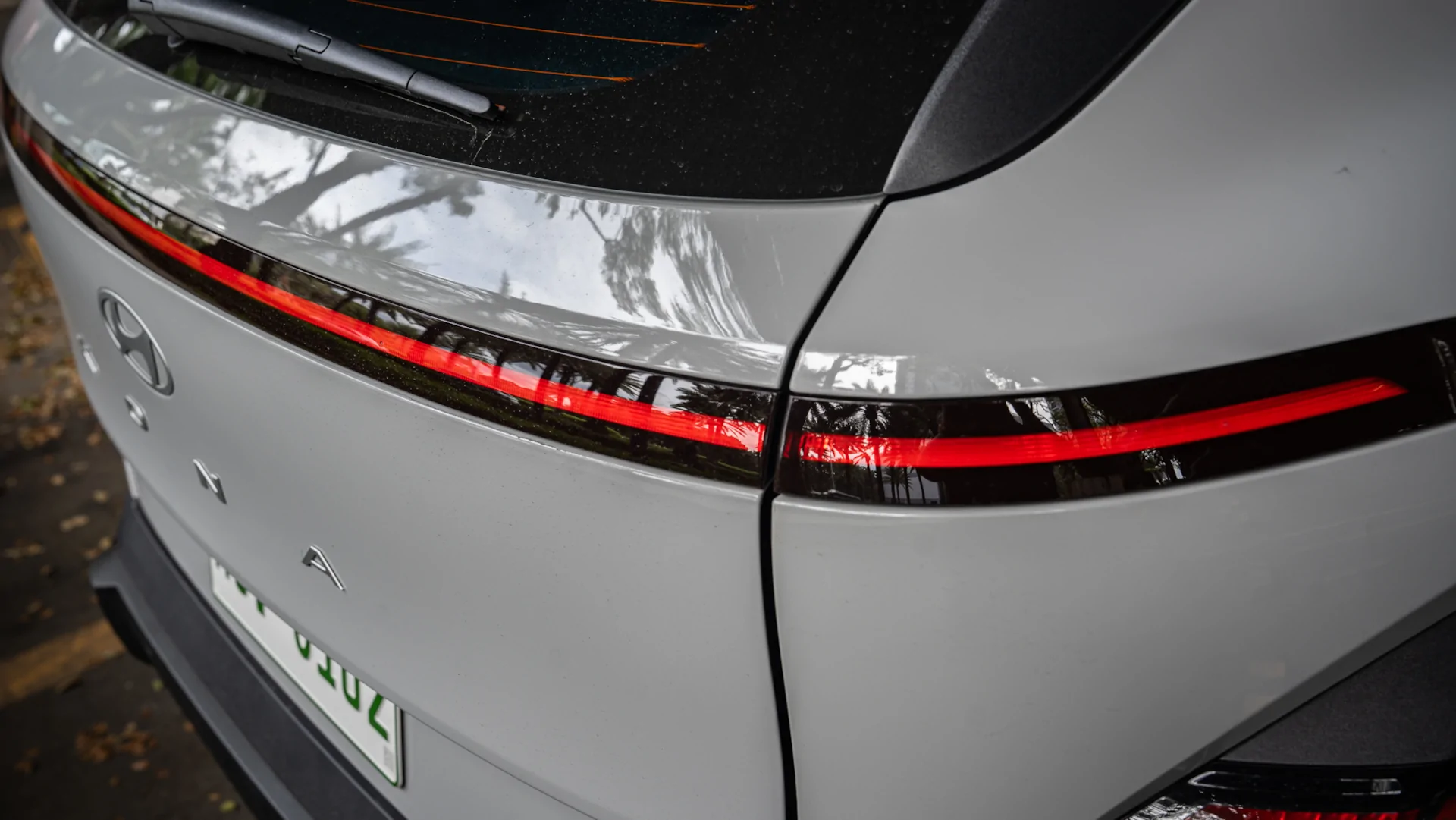
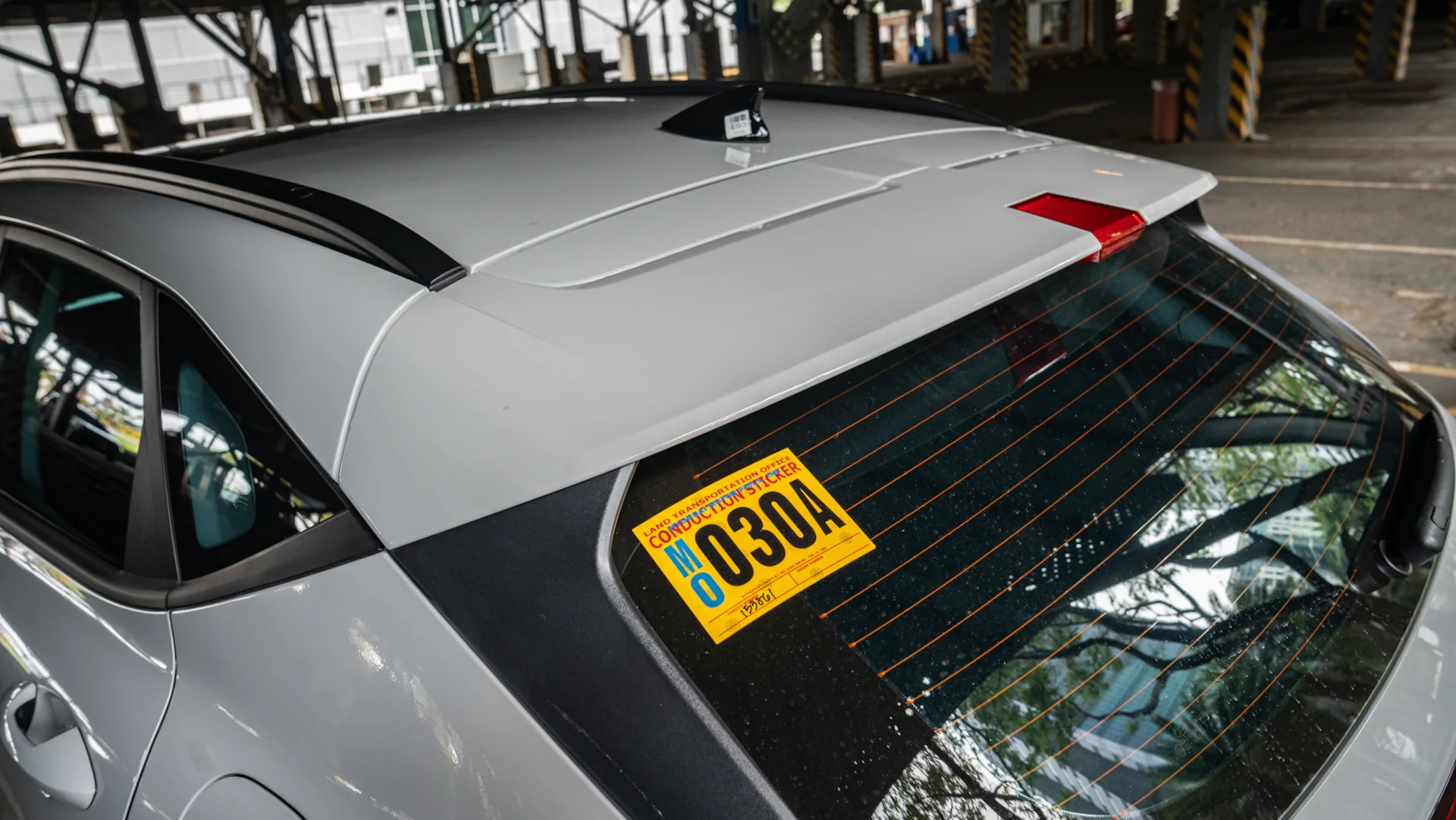
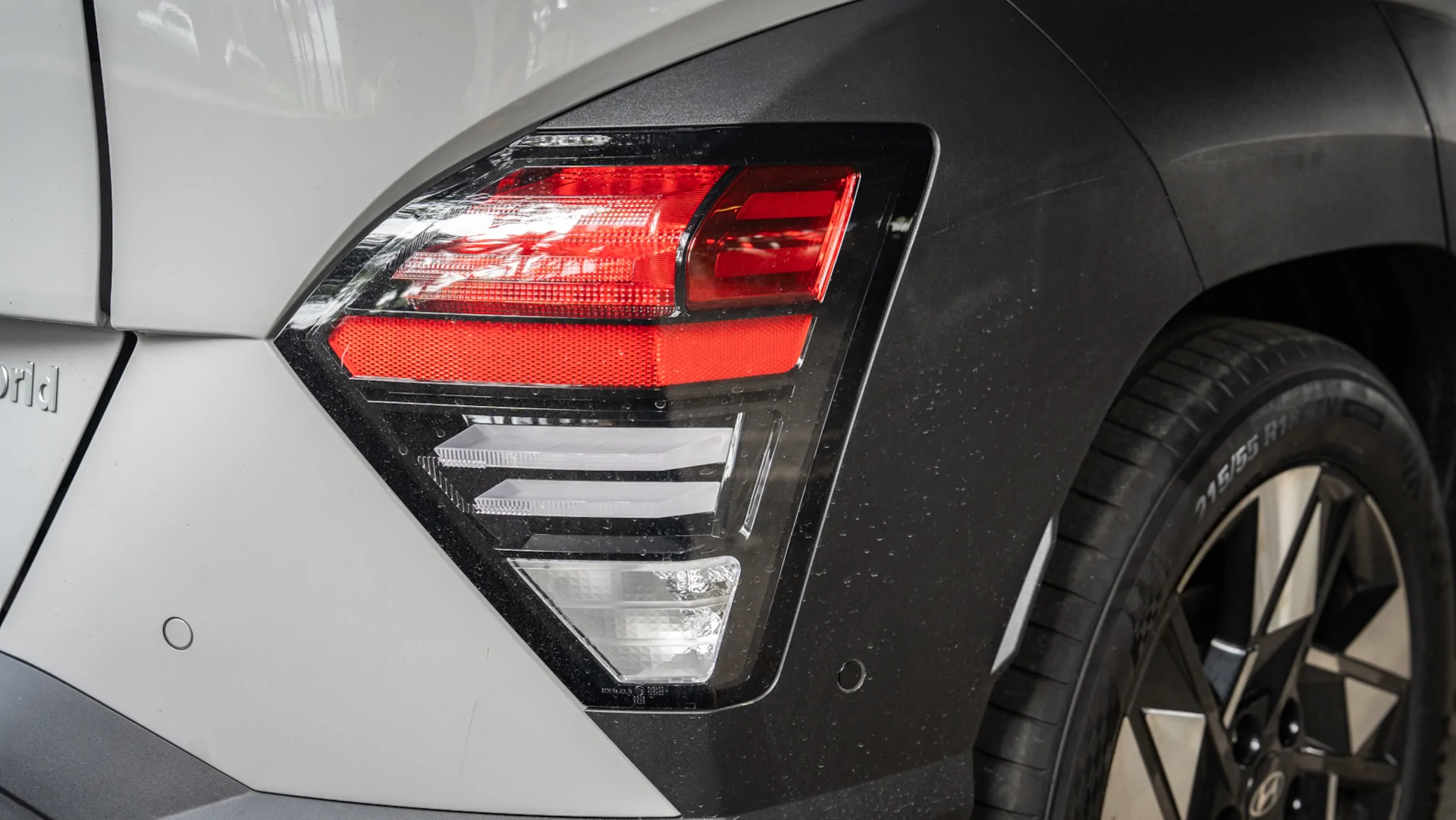
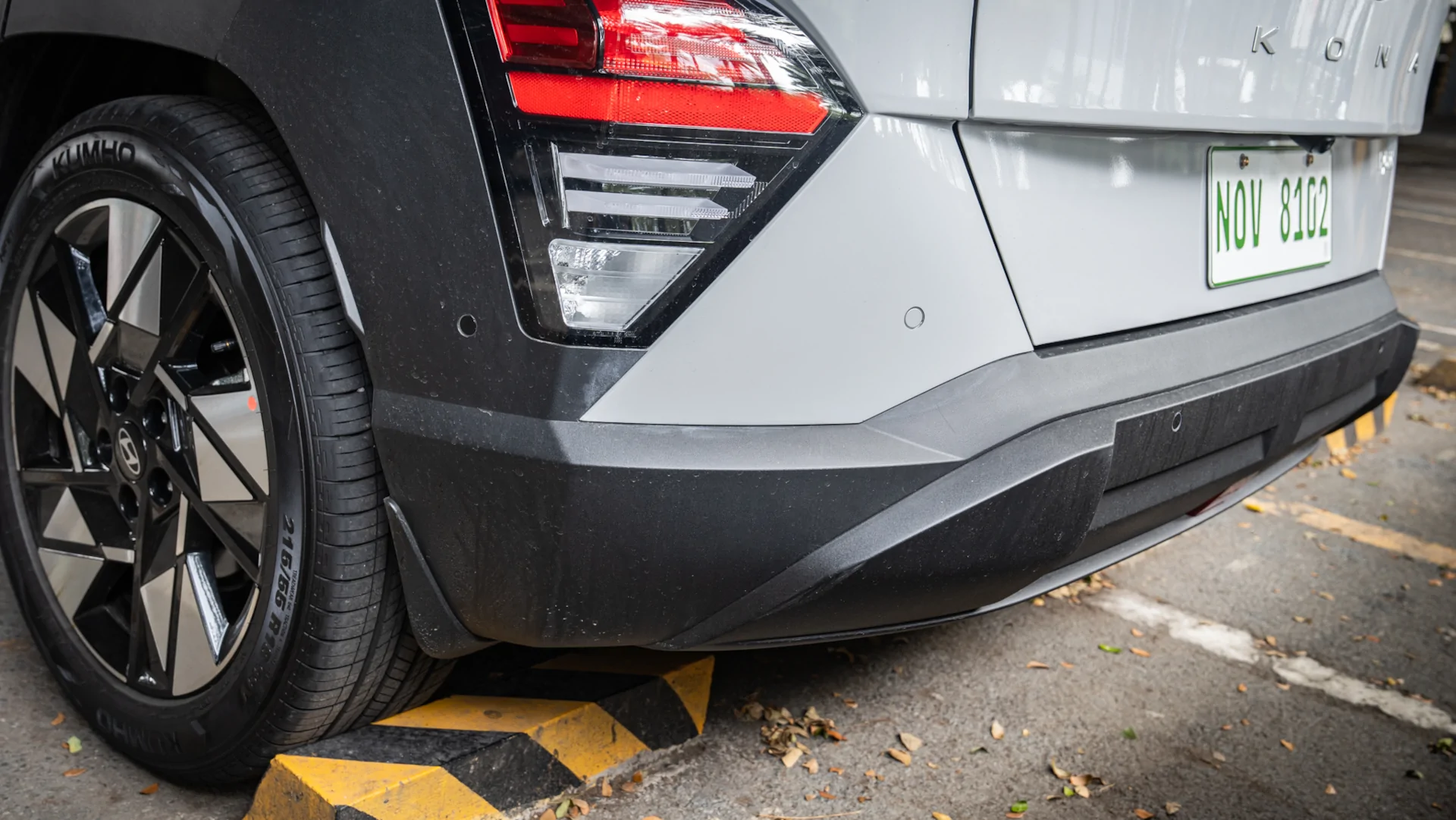
It still borrows cues from its predecessor, though. The plastic claddings underneath and the shapes of the headlights and the taillight housings all look familiar. What’s completely new here is the lightbar on the front end matched with a similar lightbar at the rear. These give the Kona a very classy and modern look, indicating that it is, in fact, all grown up.
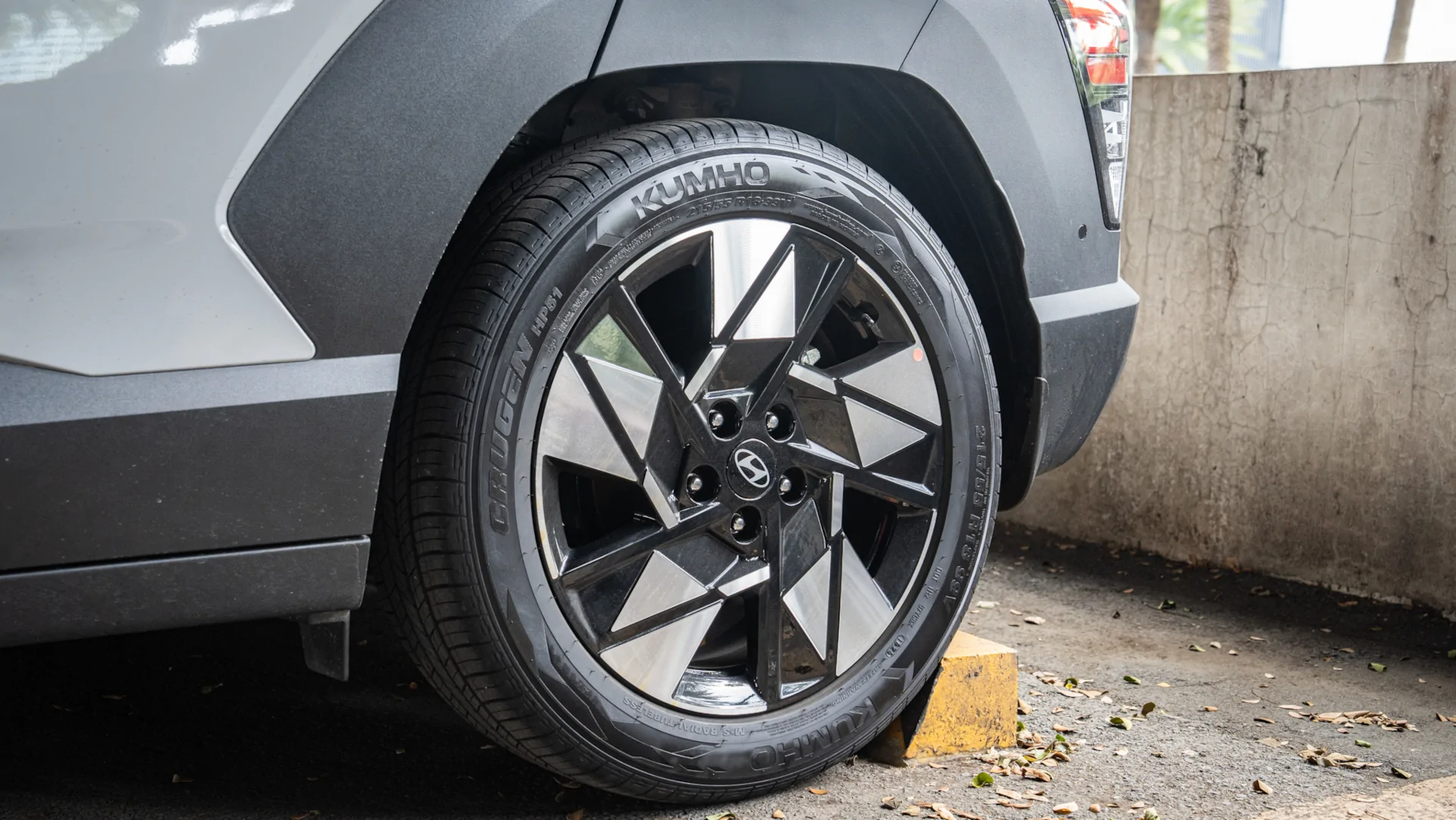
Oh, and those wheels? I love ’em.
Interior
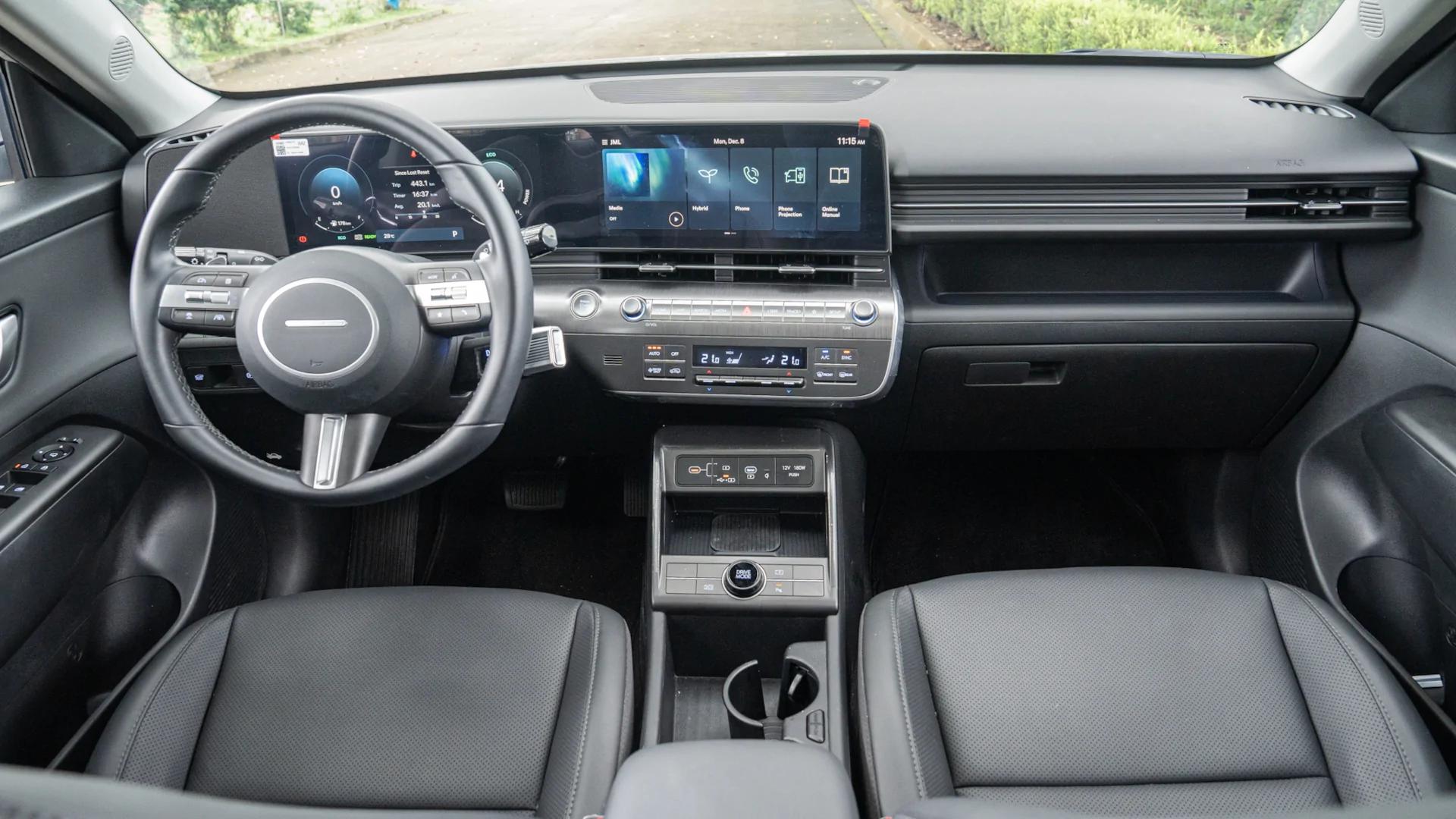
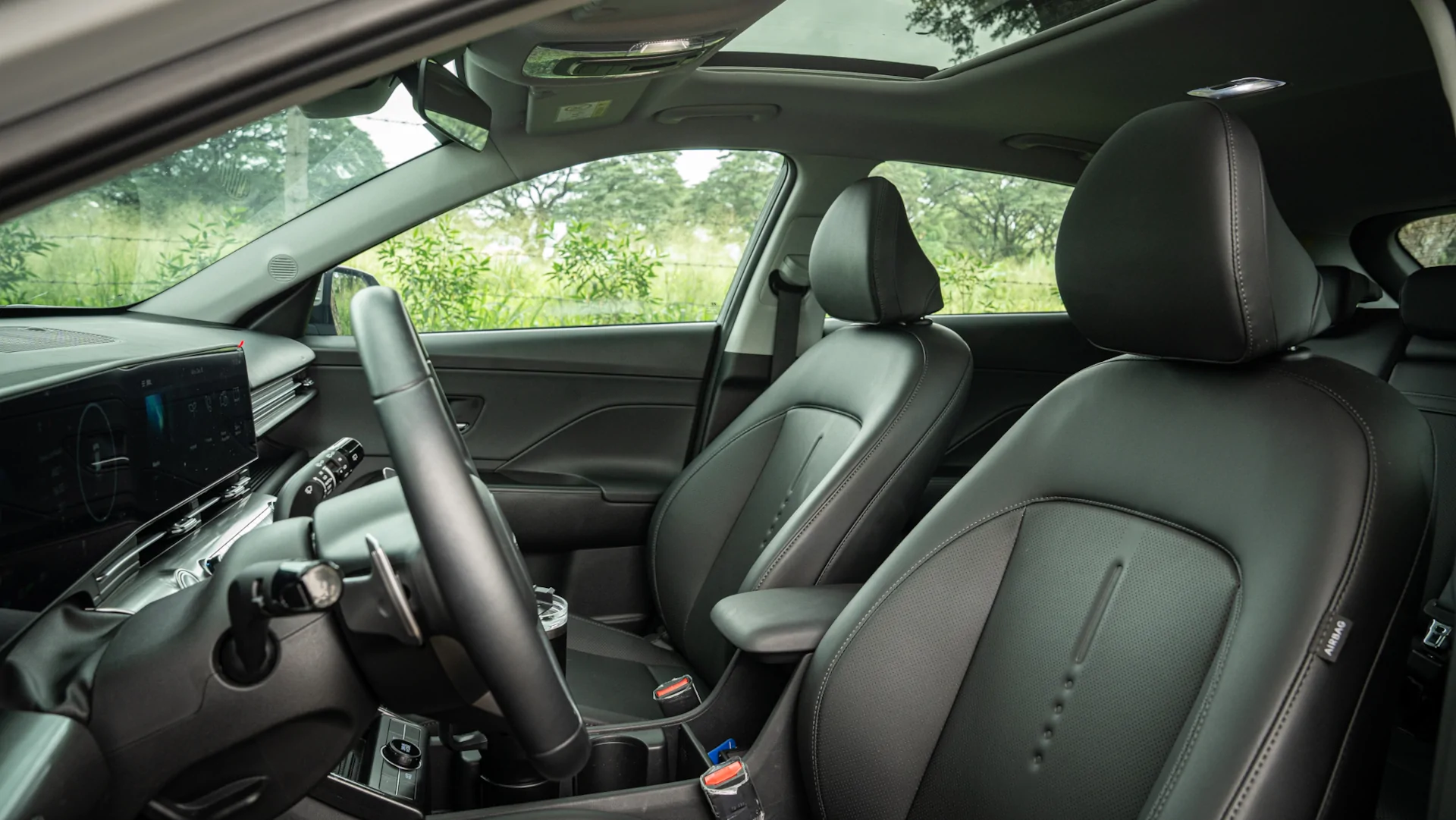
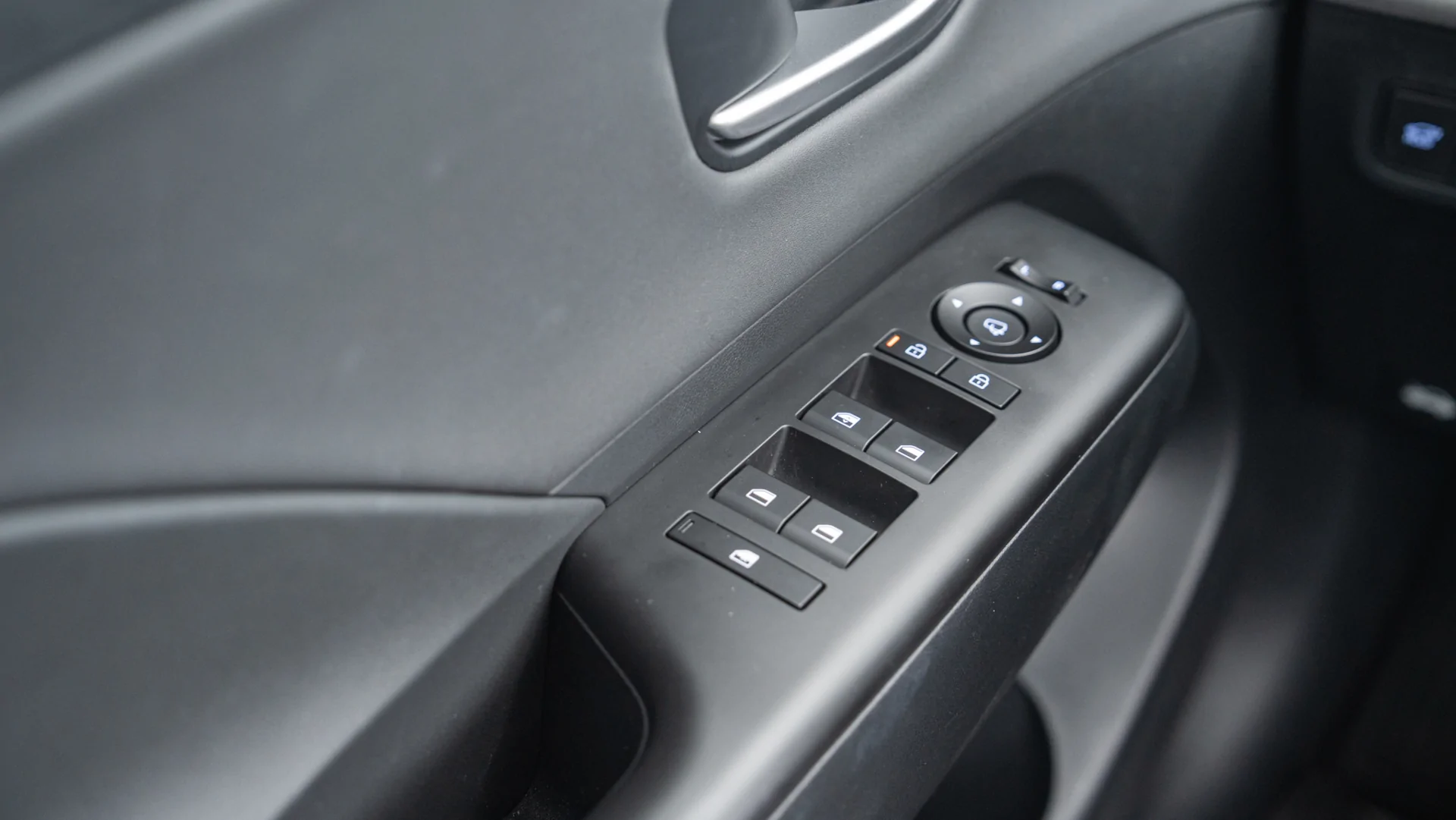
Now, if you thought that exterior already looked fresh, check out the interior—it’s arguably the most premium one I’ve seen in this segment and price point. Granted, in true Hyundai fashion, there are hard plastics here and there that cheapen it a bit, but you’ll notice that it’s more upmarket than it is pang-masa.
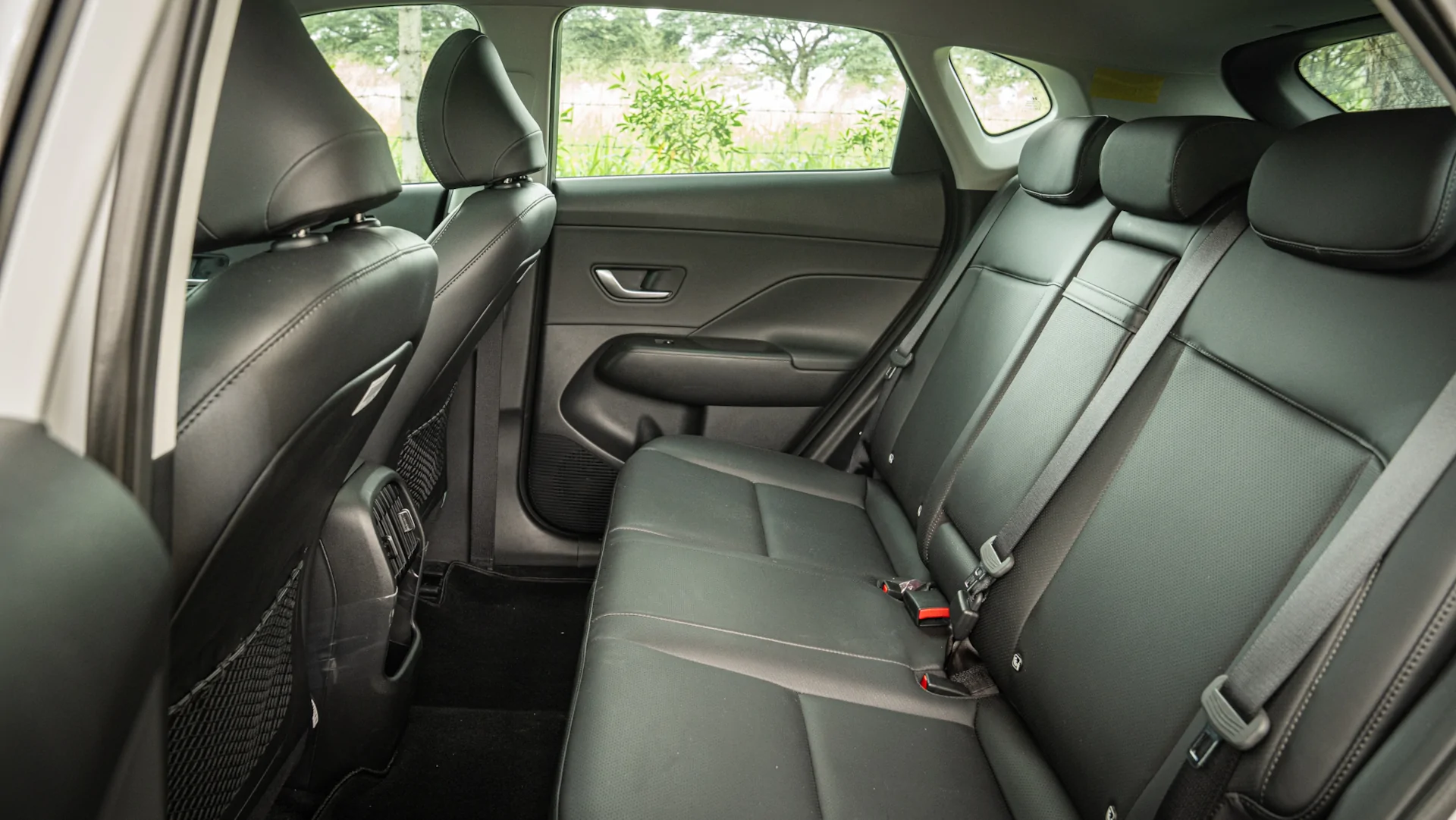
You would think the cabin would look more like those of the Creta or Stargazer, but it’s actually more Santa Fe- and Tucson-like. That meant a better-looking dashboard, loads more room for all passengers, and just a more premium feel overall. There’s a handful of cubbies and compartments for storage up front, too. It actually feels very spacious in the cockpit, and I’m crediting that to the interior layout. It reminds me a lot of the Ioniq 5, where there’s an excellent use of space inside the vehicle.
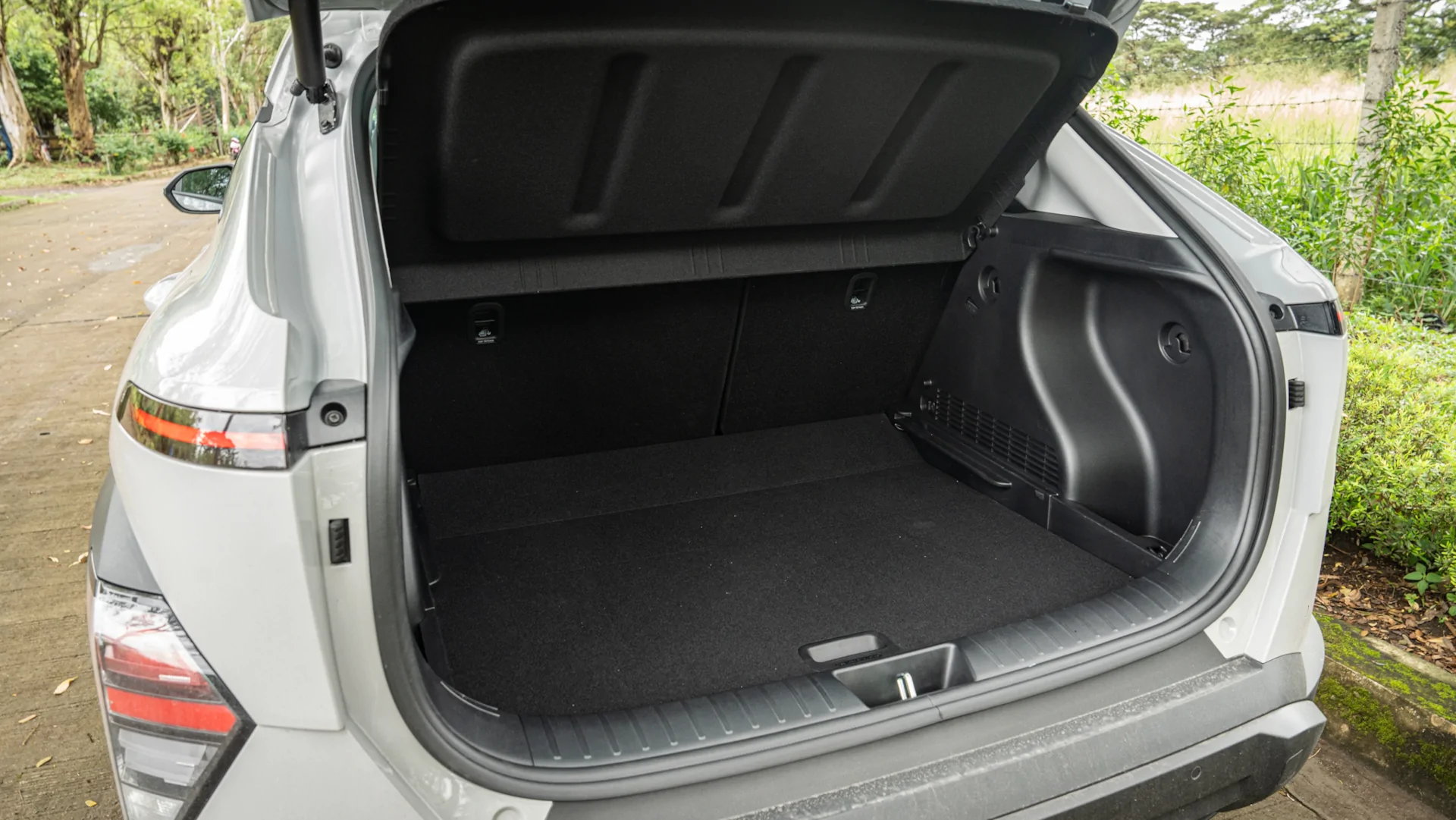
There’s also space for a few pieces of luggage in the trunk, and the second-row seats can fold flat to expand the cargo area. Loading stuff in the back, from small grocery bags to larger items, is also made easy with the power tailgate.
Engine performance
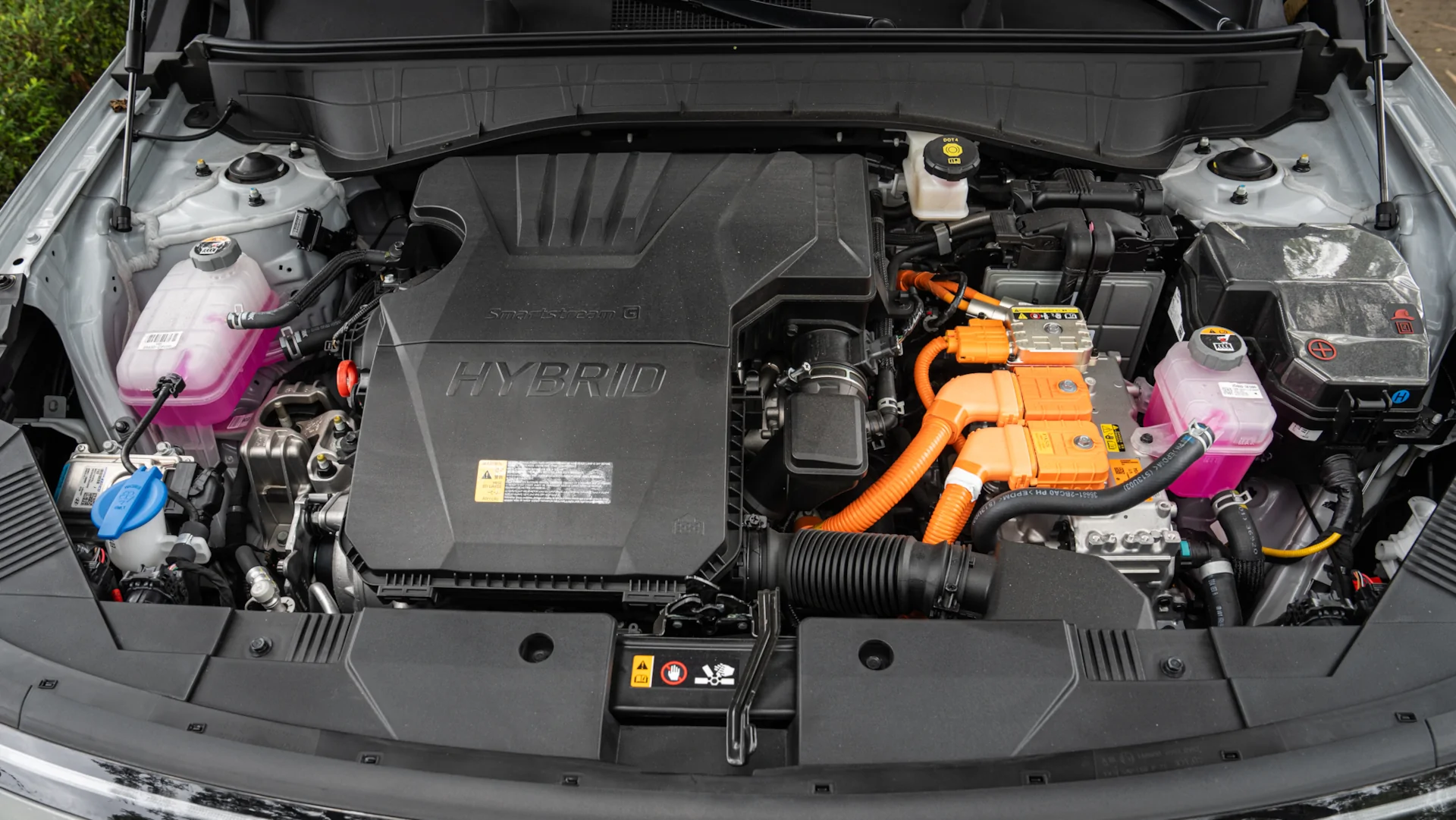
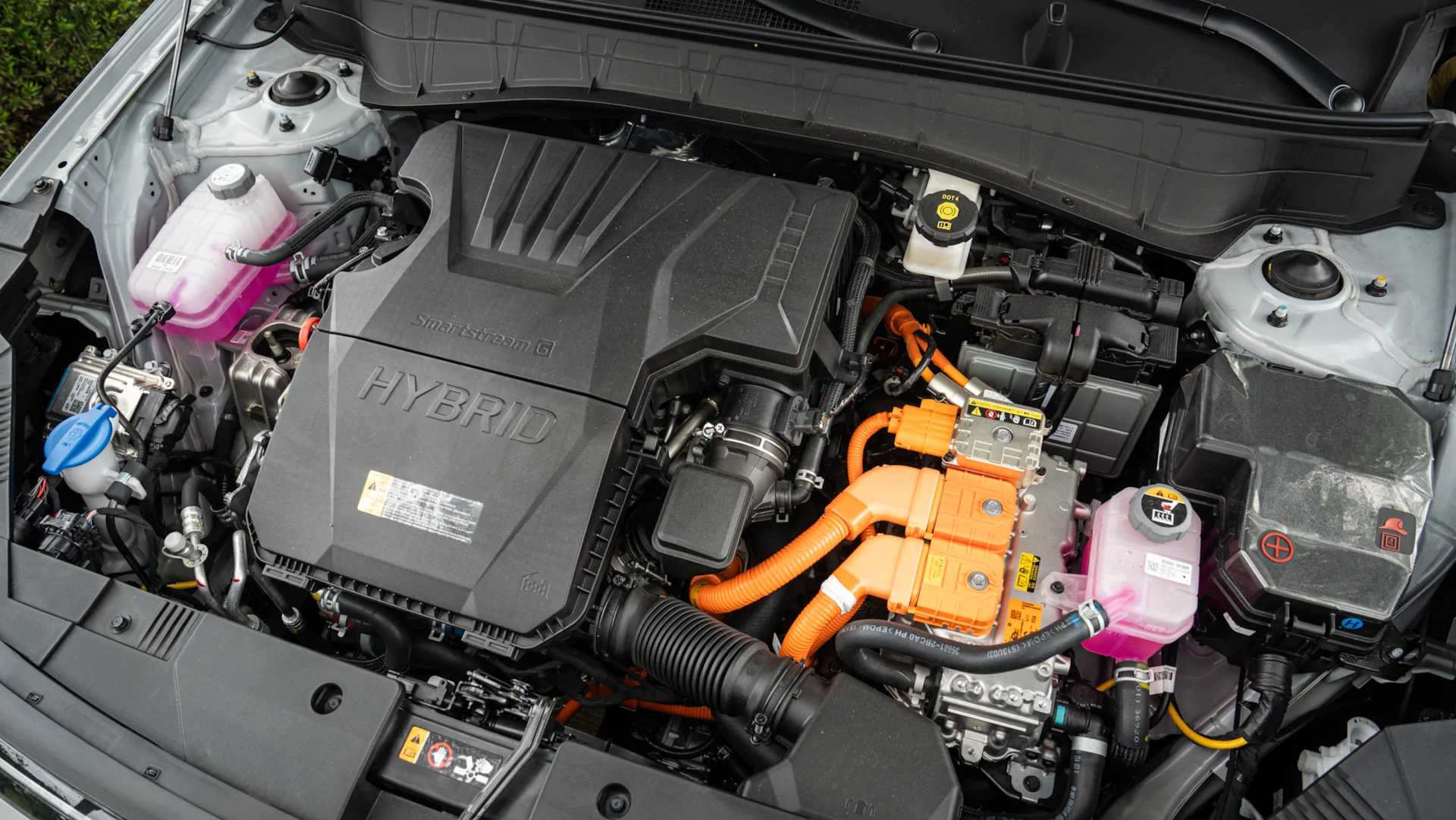
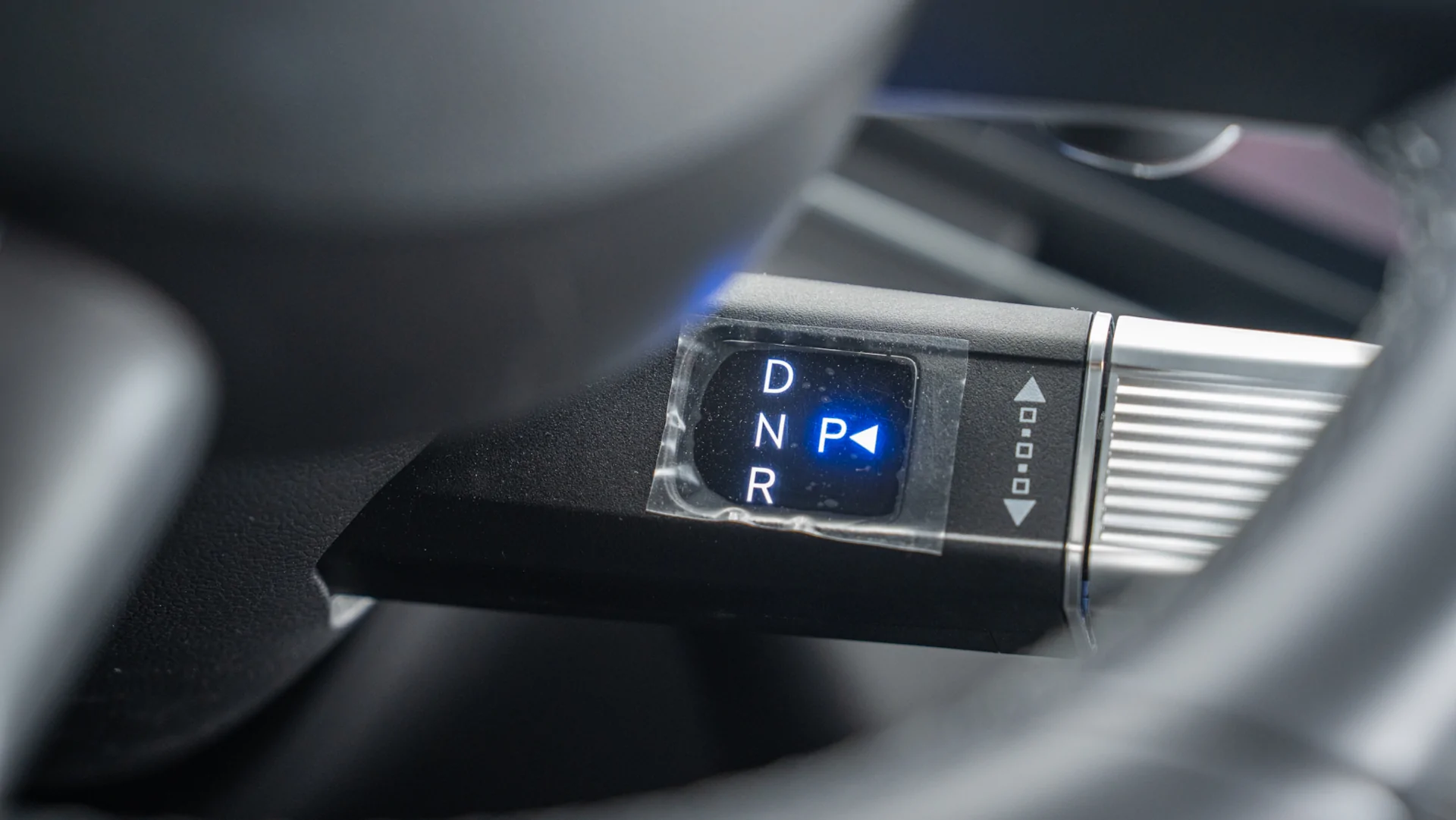
Under the hood of the Kona Hybrid is a seemingly measly 1.6-liter naturally aspirated gasoline engine paired with a single electric motor that together put out 139hp. Hyundai doesn’t provide total torque figures, but it should be 265Nm. Unlike other hybrids with E-CVTs and the like, the Kona Hybrid gets a six-speed dual-clutch transmission.
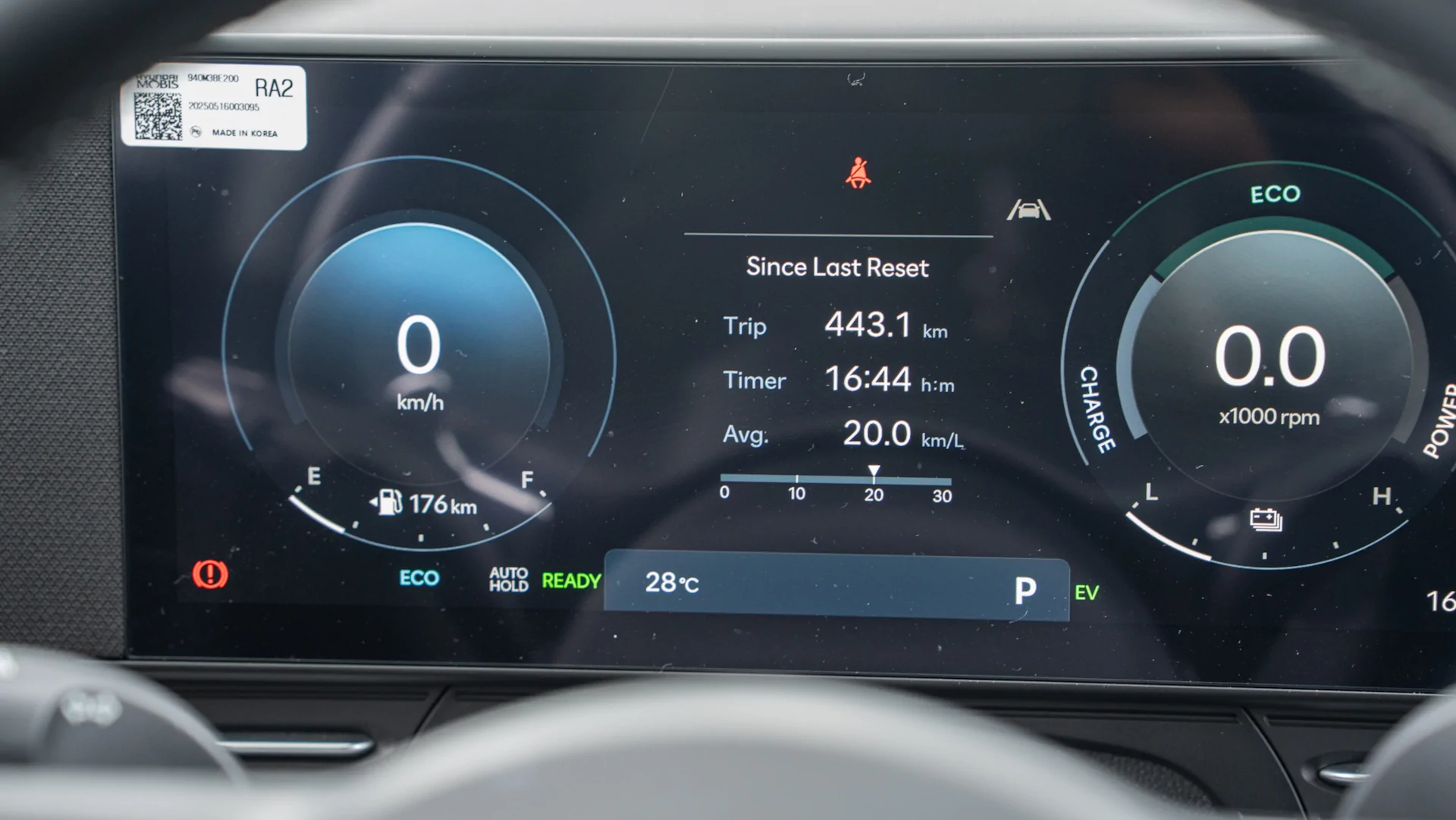
The gearbox isn’t jerky, unlike in the N Line variants of the Elantra and Creta. It’s smooth to operate even in heavy traffic, and that’s because it’s the electric motor doing the pulling when at city speeds. This makes it an ideal daily driver in the metro, especially since it can easily do a consistent 20km/L with a mix of heavy city traffic, highway driving, and some idling here and there without breaking a sweat. I’m sure you can get better figures than that, but I reckon I went through the most realistic driving conditions possible. No anomalous, inconsistent driving with a good balance of open roads and gridlocks.
Speaking of open roads, though, this crossover will have no problems whatsoever cruising on the expressway, even with a full load of four people plus some cargo. There’s just plenty of power on tap, and in case you want a more spirited drive, you can push the Kona Hybrid hard, and you won’t have any complaints.
Ride and handling
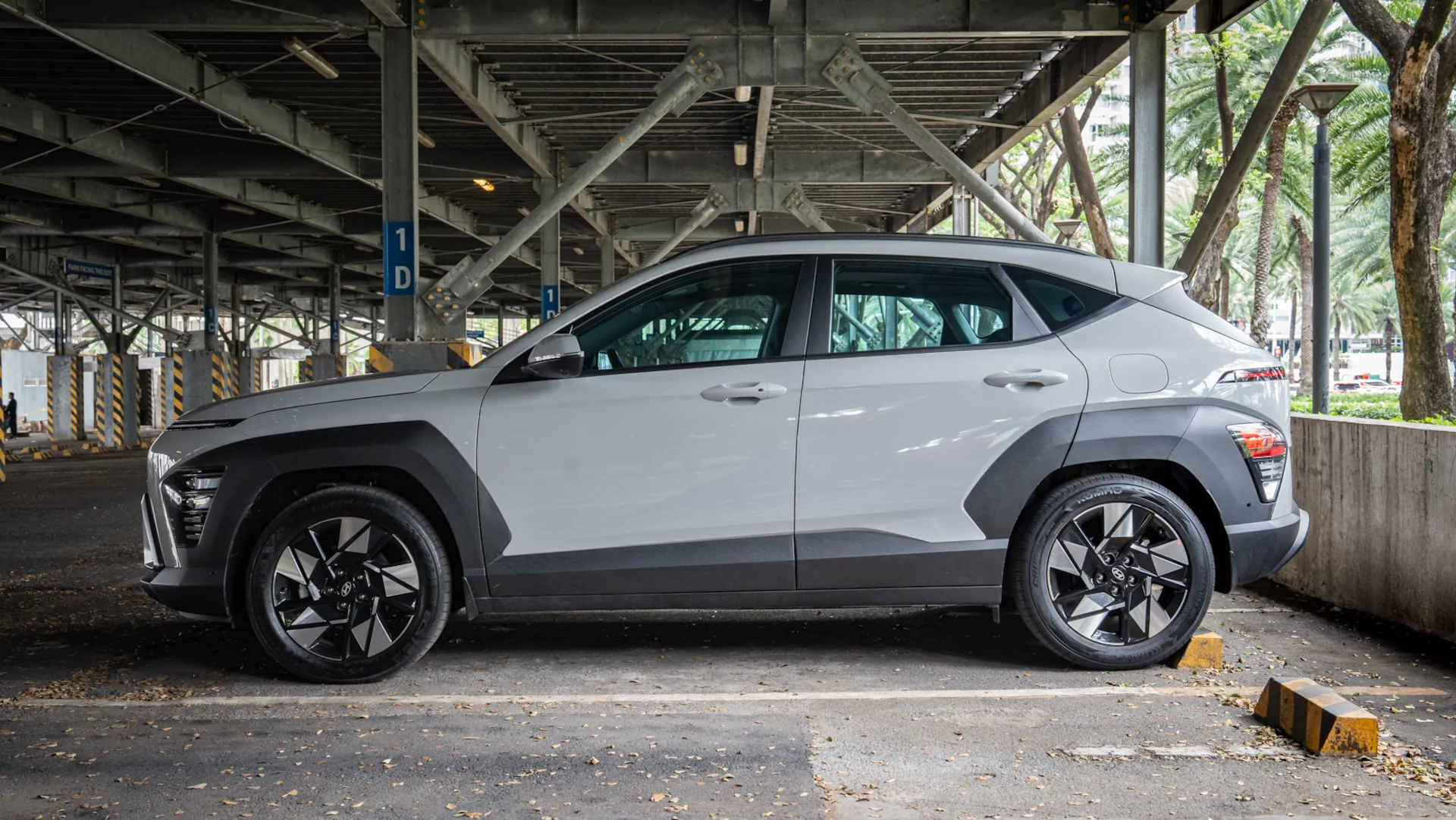
If you do decide to push it hard, you’ll find that this sporty-looking crossover isn’t all about looks. It handles exceptionally well, much better than most of its competitors. It can attack corners almost as well as the Elantra. Granted, there’s more body roll in the Kona, but it has excellent road-holding. The Kona doesn’t sit on Michelin Pilot Sports or anything—it gets the usual Kumho rubber that the typical Hyundais get—but grip is ever-present.
Ride comfort is there, too. Not only is it quiet inside the cabin, but overall NVH levels are kept to a minimum. The seats are soft and plush, and they don’t just keep you in place through twisties but also keep you from feeling every bit of bump on the road. Speaking of which, imperfections on the pavement are also absorbed easily by the suspension. When you combine the ride with the interior quality of the Kona Hybrid, you’ll realize that it really does feel like a baby Santa Fe or Palisade.
ALSO READ:
Review: 2026 Chery Tiggo rEV Luxury Edition C-DM
Review: 2026 MG HS Hybrid+
Extra features
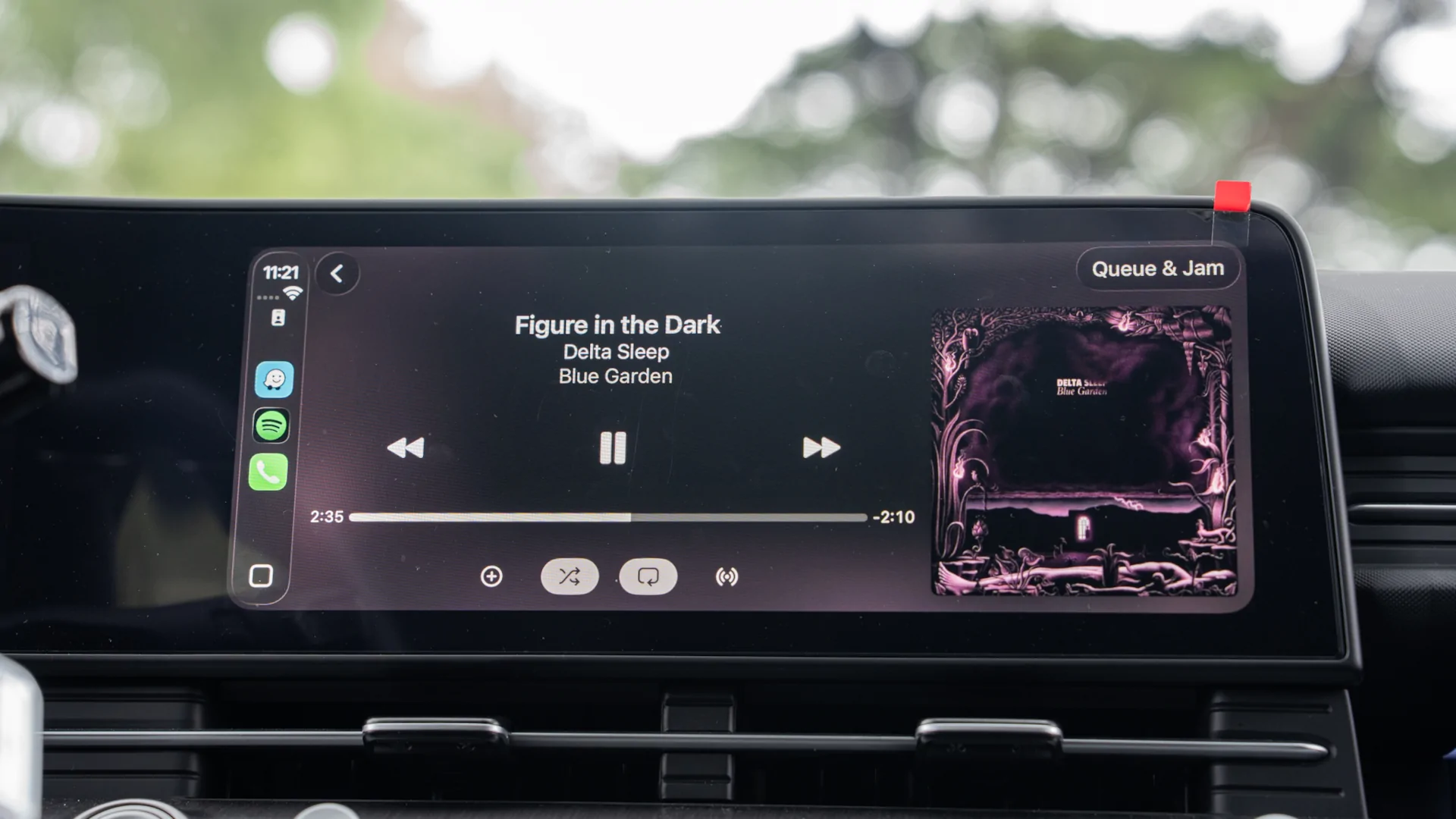
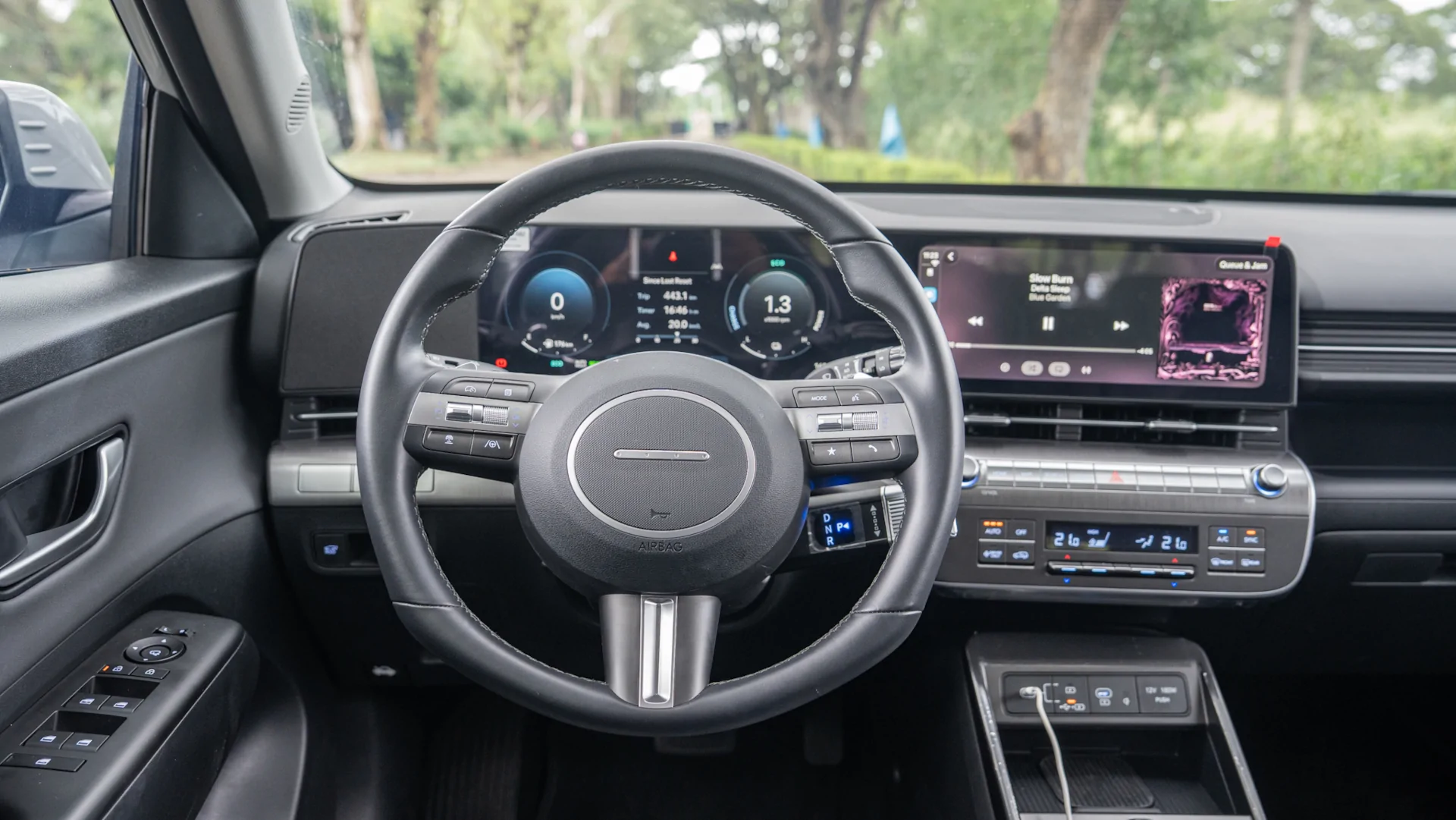
‘Loaded’ is the correct term to describe the Kona’s arsenal of tech. For starters, there’s the sizeable 12.3-inch infotainment system that has wireless Apple CarPlay and Android Auto. Thankfully, though, it also has a wired connection, which solves one of my biggest gripes with these Hyundai systems.
This touchscreen is paired with a decent six-speaker setup. It’s also complemented by the other 12.3-inch digital instrument cluster. It has different themes available, and it has all the important information laid out in a way that isn’t cluttered, unlike in most Chinese cars, for example.
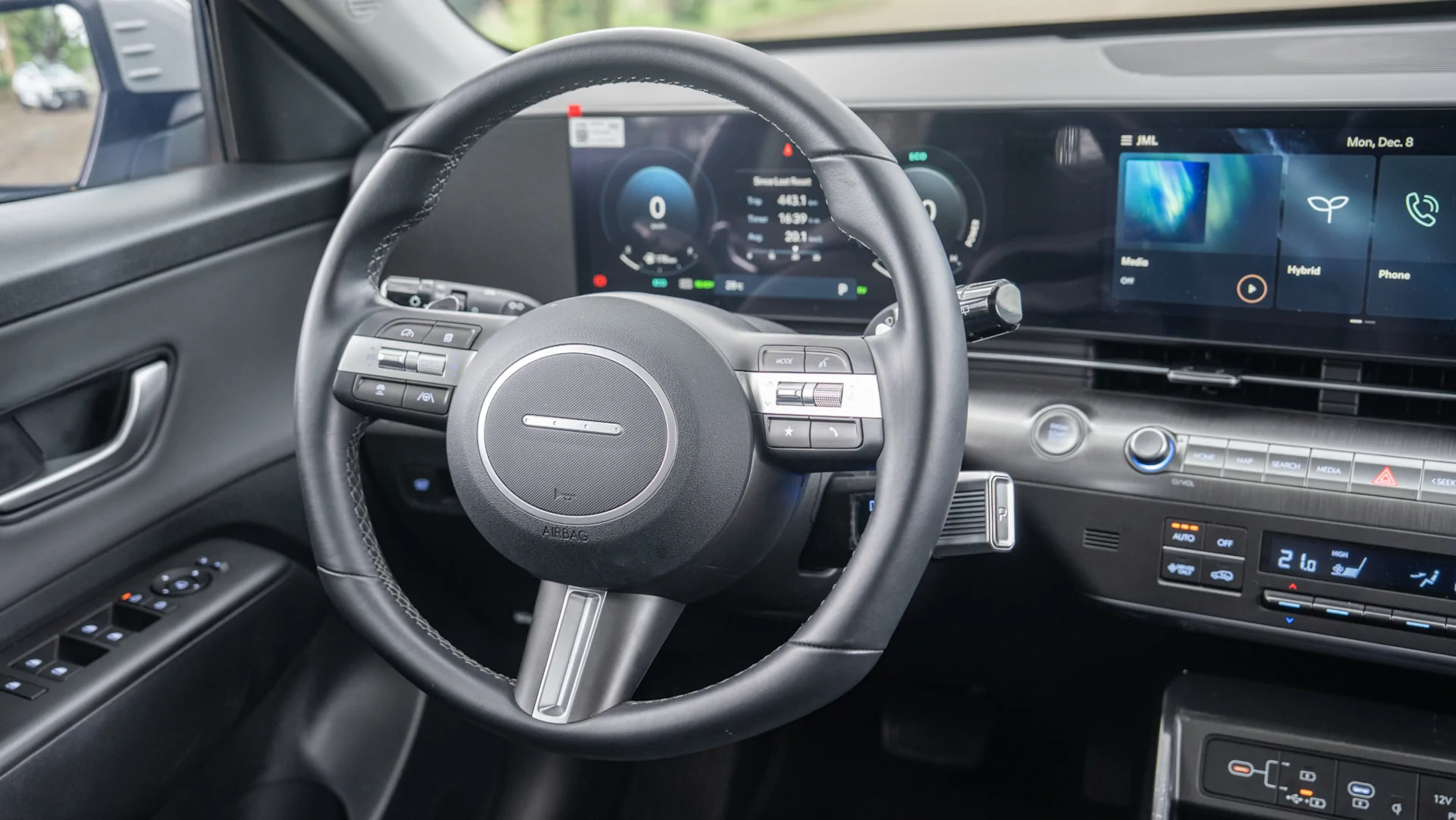
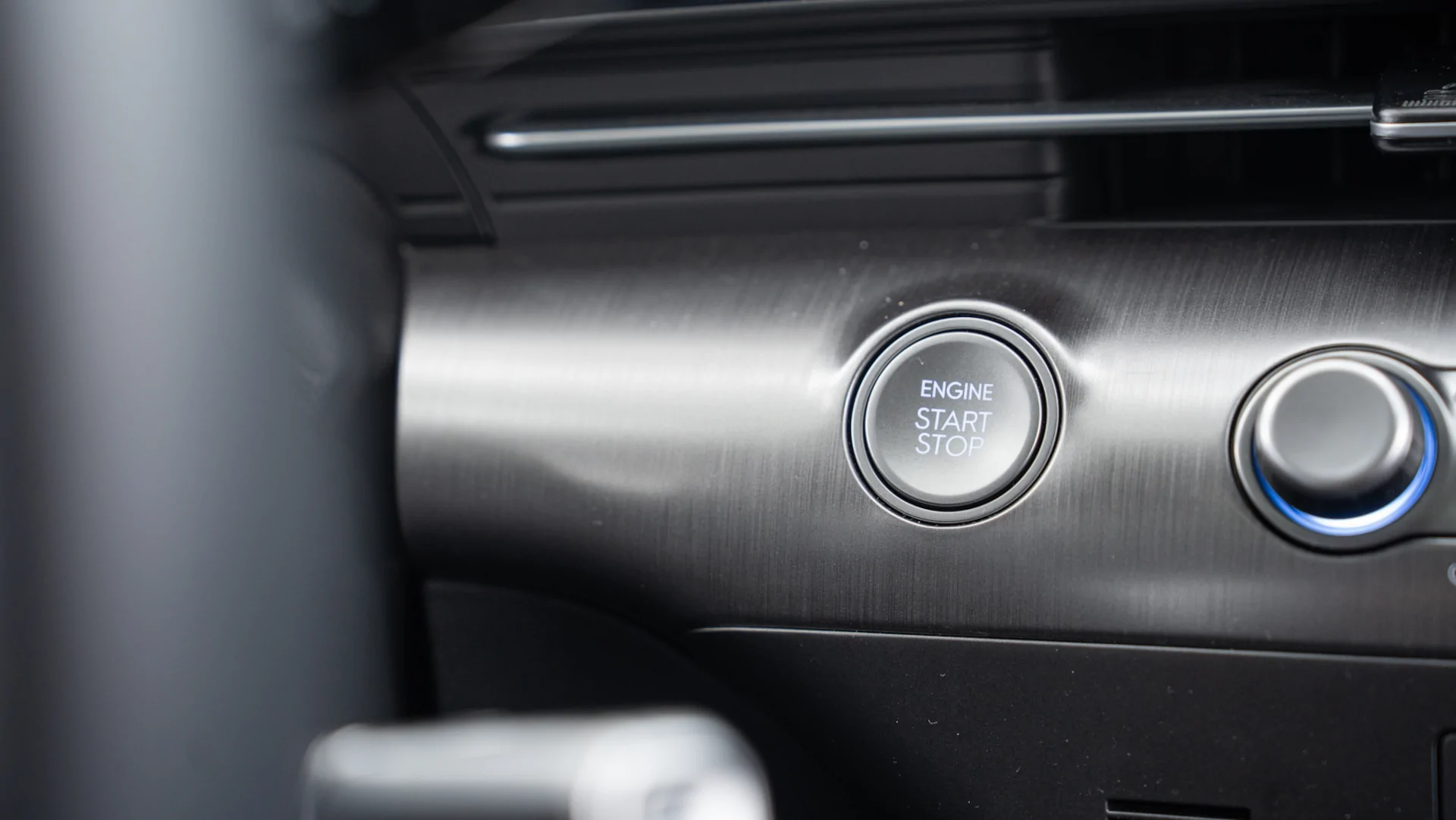
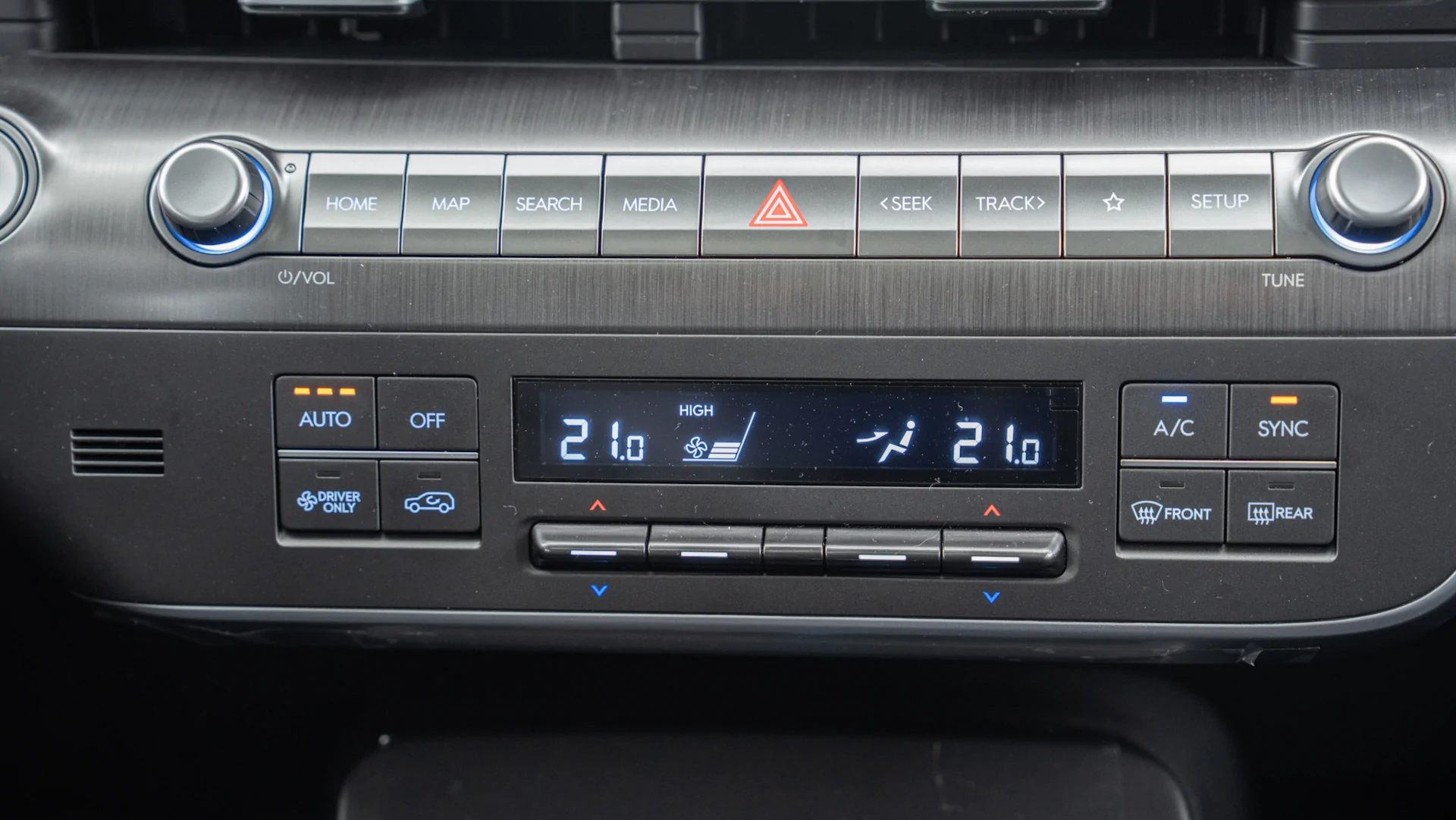
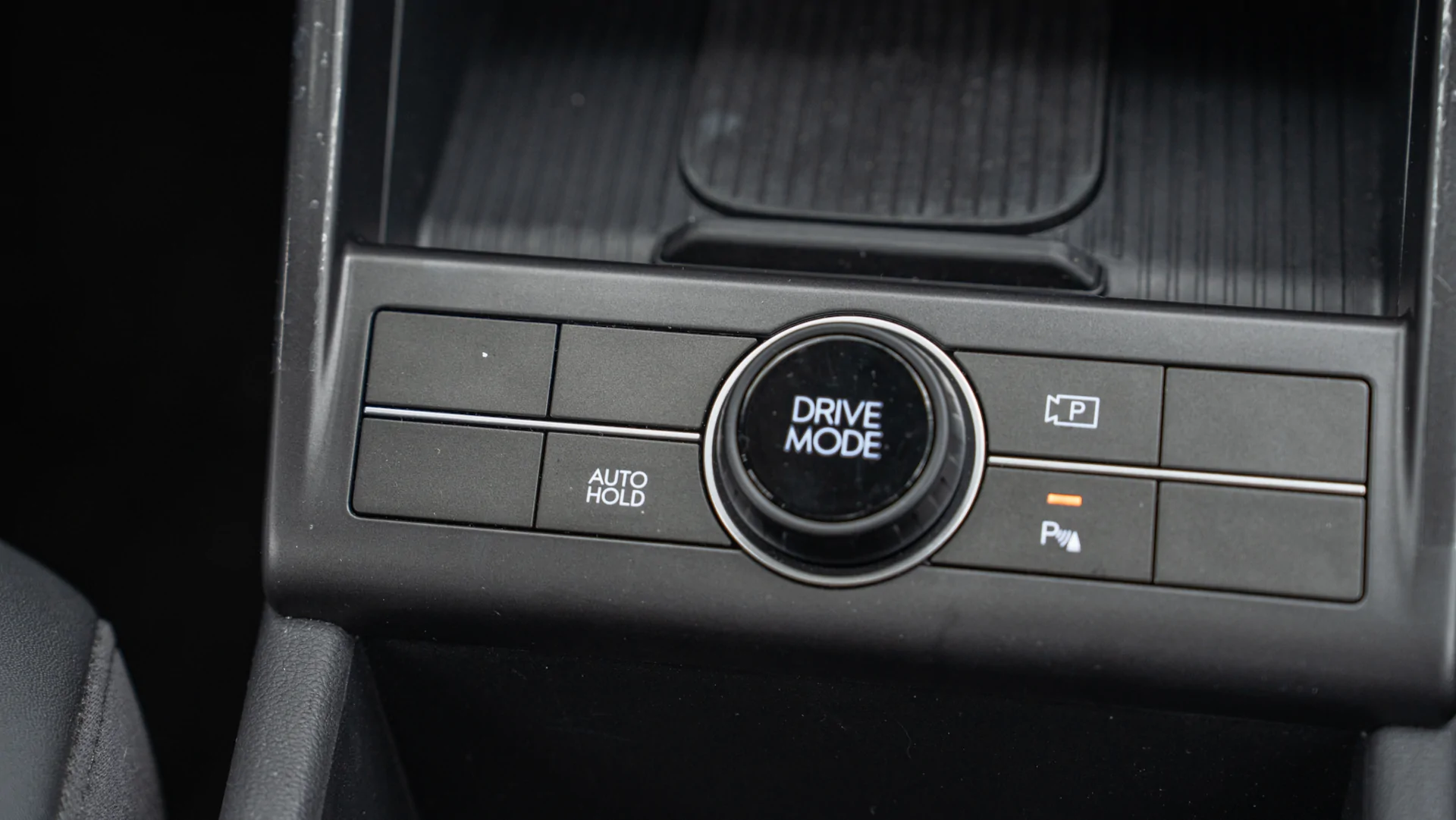
Despite the abundance of screens, though, the Kona still gets a good amount of buttons and knobs on the center console. It’s a huge plus, and I hope Hyundai keeps doing this for its future models. Both the head unit and the A/C have tactile controls, and they’re all within reach from behind the wheel. There’s dual-zone climate control along with seat ventilation, which is never a bad thing here in the Philippines.
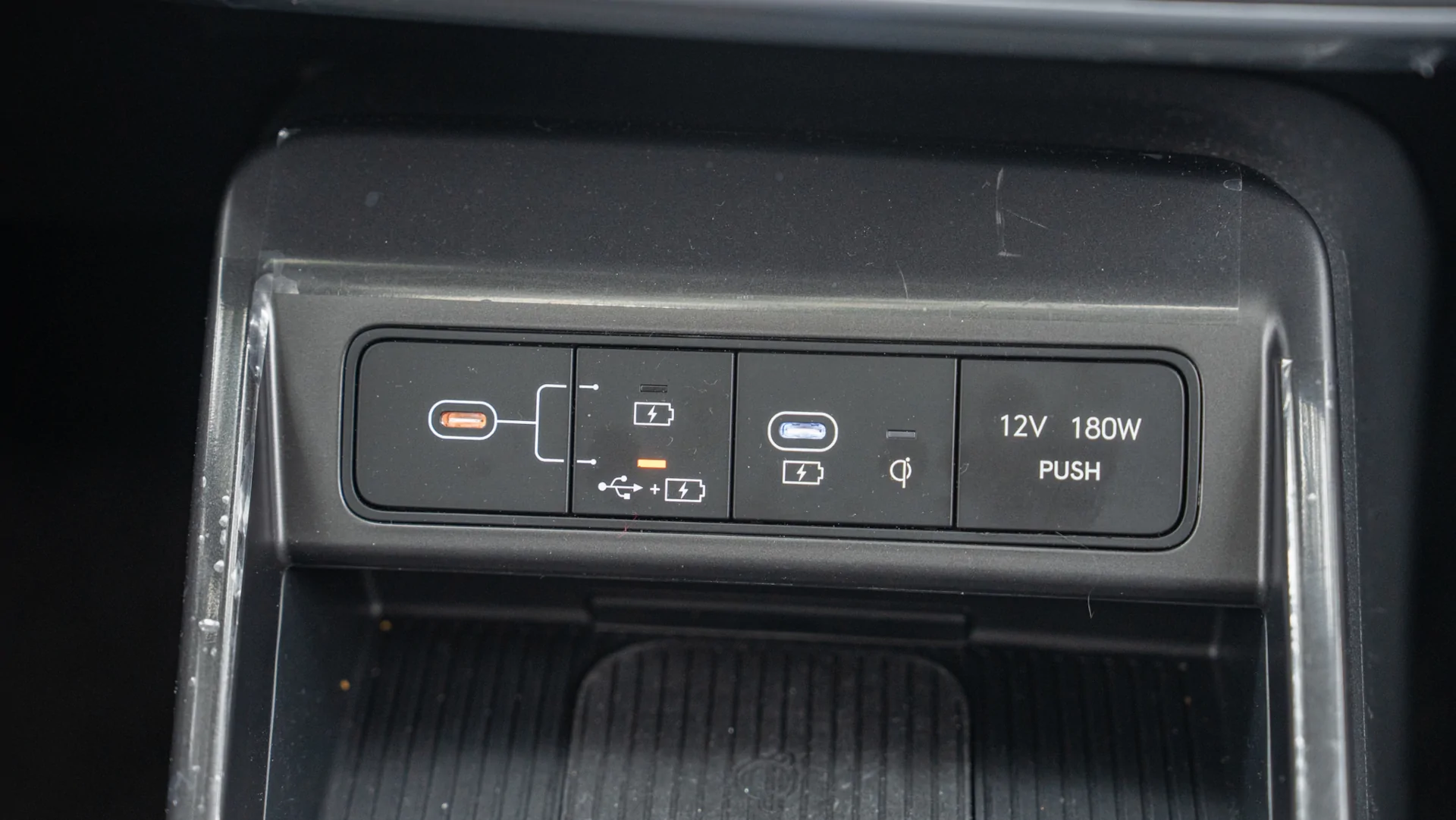
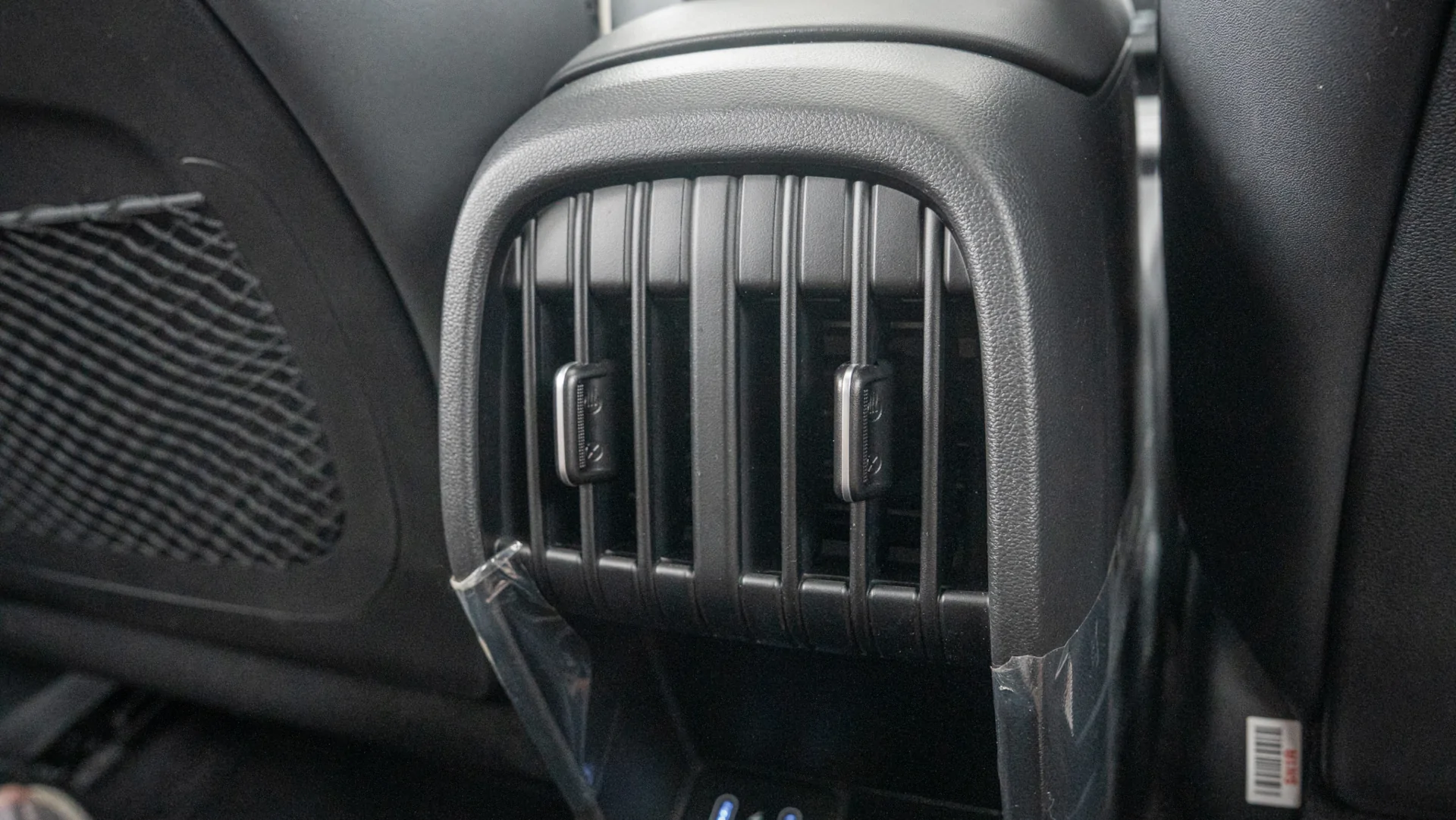
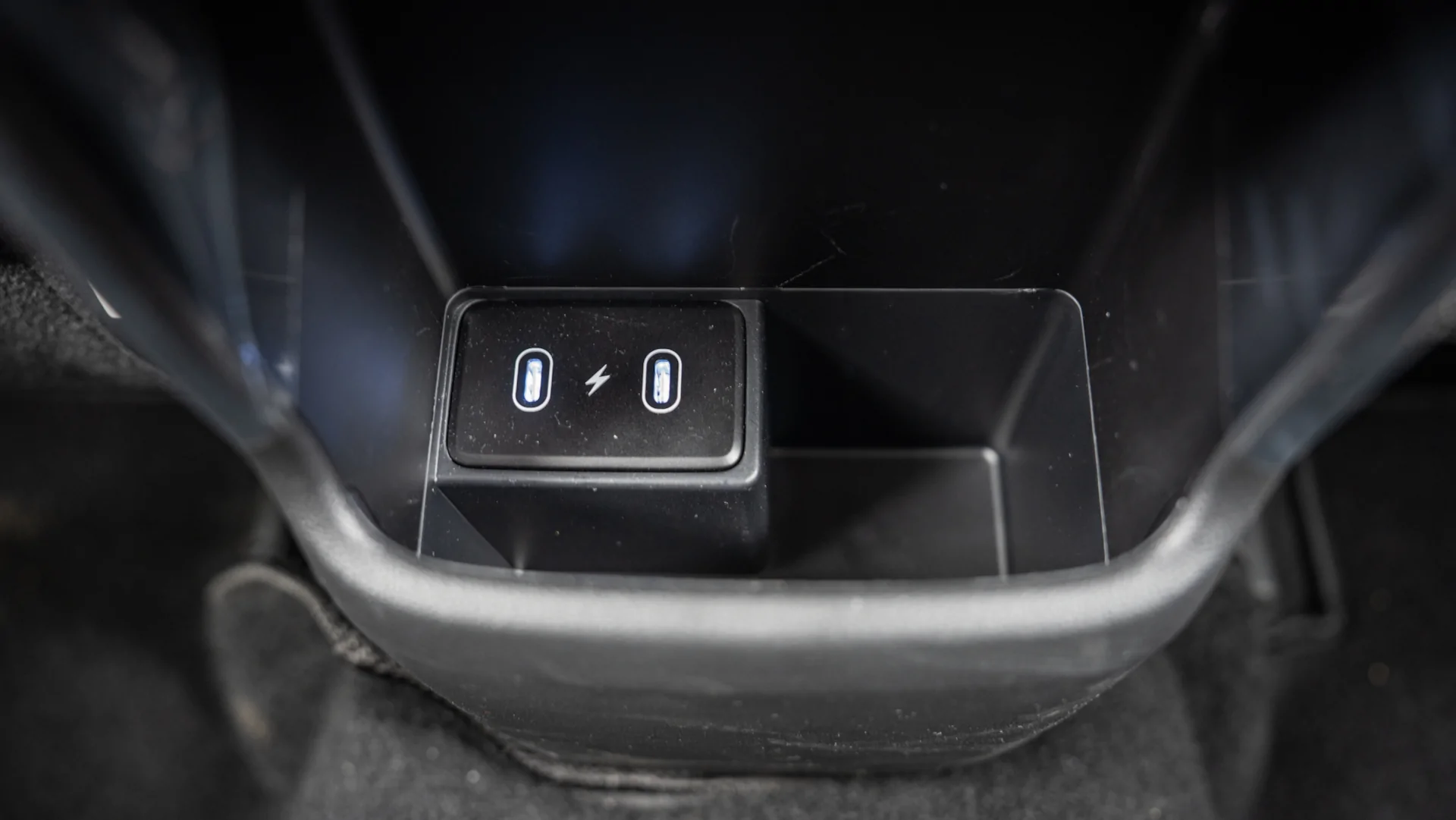
In Ioniq- and Palisade-like fashion, there are USB-C ports and a charging pad up front, with two more USB-C ports in the back. The only setback here is that you won’t be able to use USB-A cables to charge, but then again, who still does, anyway?
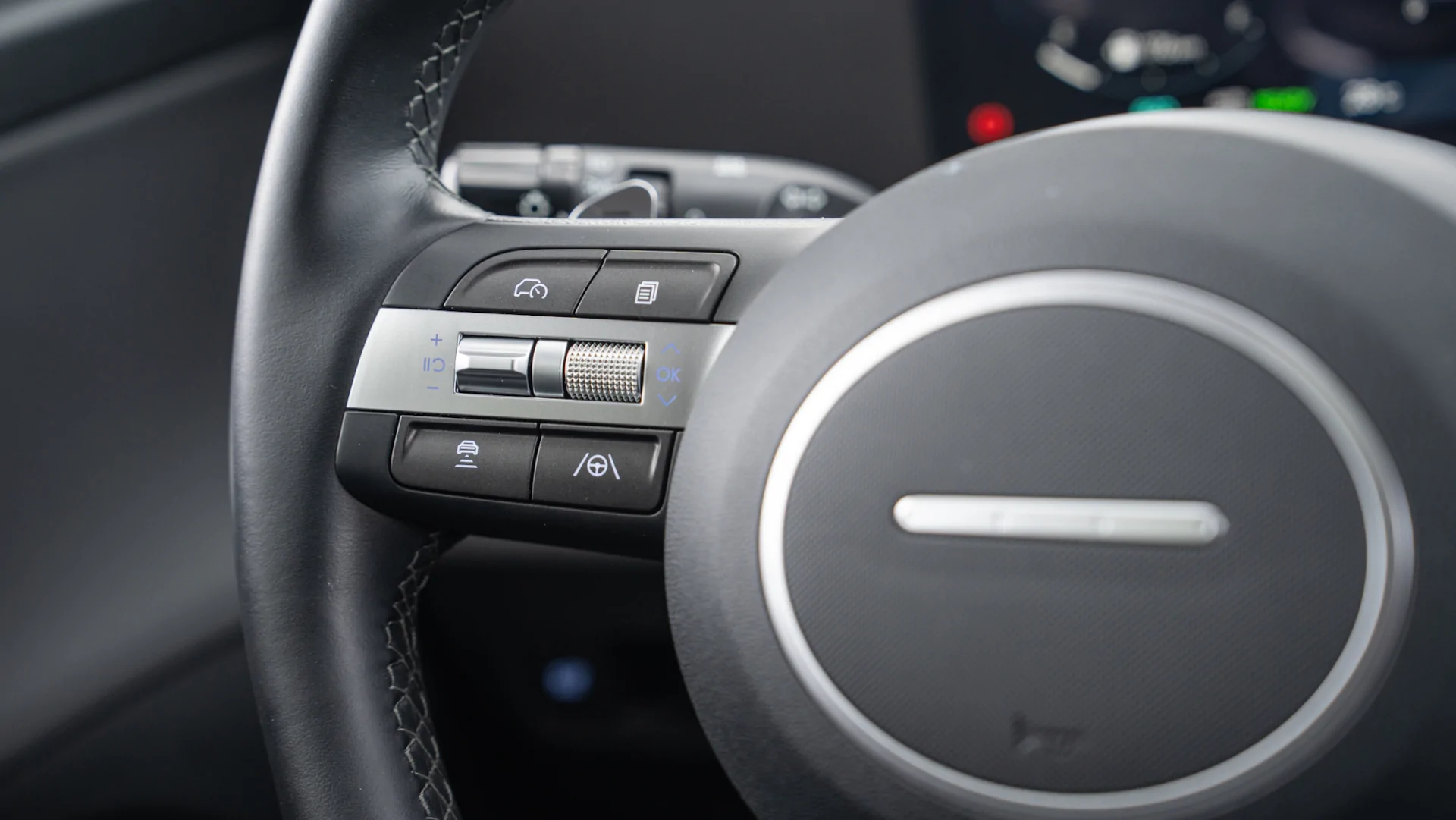
The full Hyundai SmartSense suite is also available here, which means you get lane-keep and lane-following assist, forward-collision warning with autonomous emergency braking, and adaptive cruise control with stop-and-go function. The last one mentioned, I found using a little too often given I drove this crossover through heavy traffic often.
Verdict
Honestly, I have no complaints whatsoever about this crossover. I feel like it’s also a bit underrated in its segment, especially since this top-of-the-line variant is significantly more affordable than its biggest rivals in the Toyota Corolla Cross and Honda HR-V. It also feels better to drive and ride in than the BYD Sealion 5 or Sealion 6. Overall, it really is just a better car, and because of the competitive price point, I can’t help but give it a perfect score.
The question of whether or not it makes sense in Hyundai’s local lineup has already been answered at this point. Seeing as this is a much pricier option compared to the Creta, you can see how the brand really positioned its crossovers despite the seeming redundancy in the lineup. If you’re still not keen on electrification or are simply running on a stricter or tighter budget, then there’s the Creta. But if you’re looking to get a hybrid around this price point, you’ll be hard-pressed to find a better alternative to this top-spec Kona Hybrid.
SPECS: 2026 Hyundai Kona 1.6 HEV Premium 6DCT
Price: P1,688,000
Powertrain: 1.6-liter gasoline I4 + single electric motor
Transmission: Six-speed dual-clutch
Power: 139hp (combined power)
Torque: 265Nm (combined torque)
Layout: FWD
Seating: 5
Score: 10/10
More photos of the Hyundai Kona Hybrid 2026 1.6 HEV Premium 6DCT: