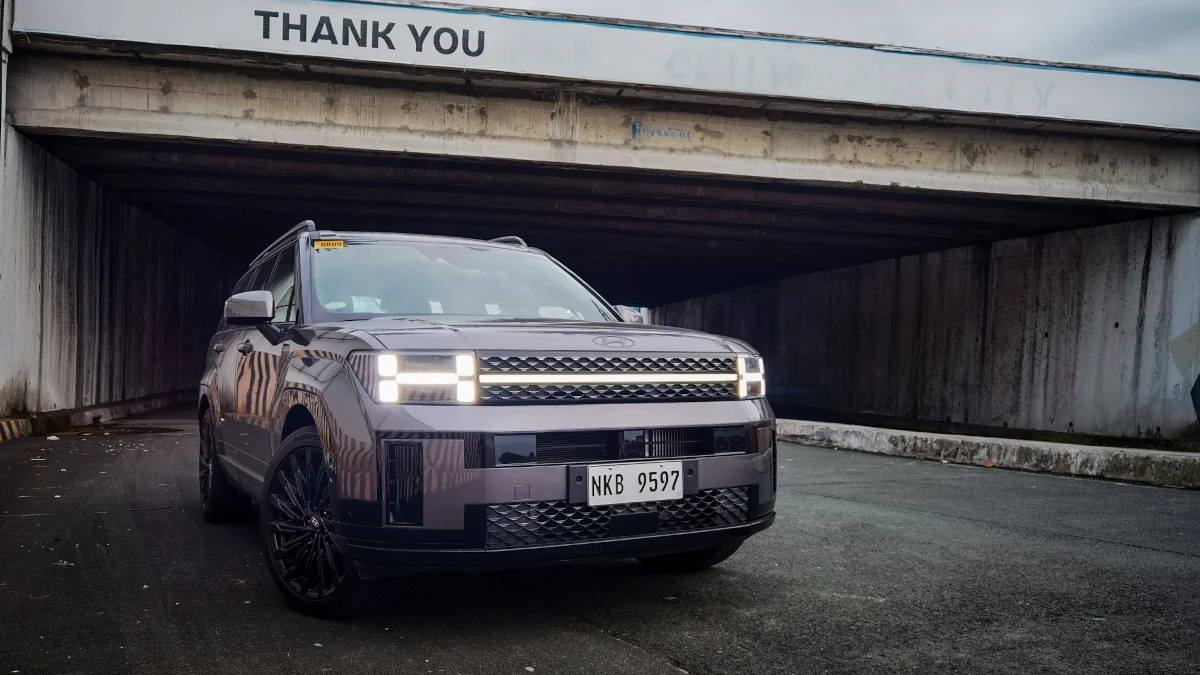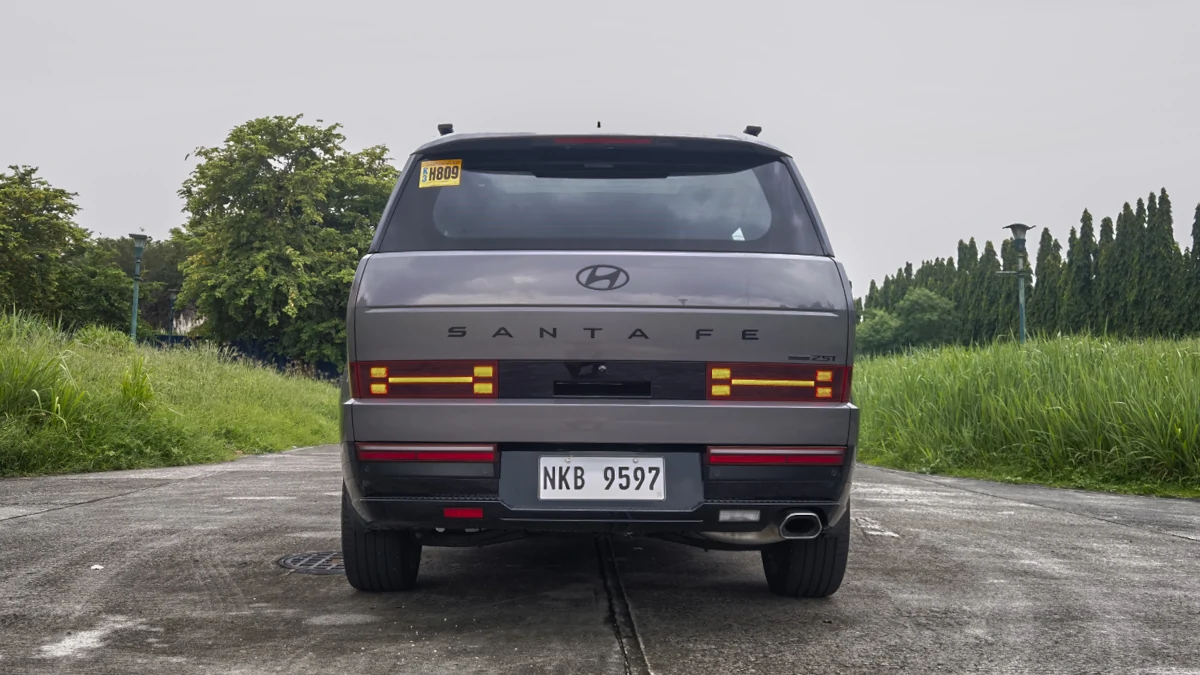


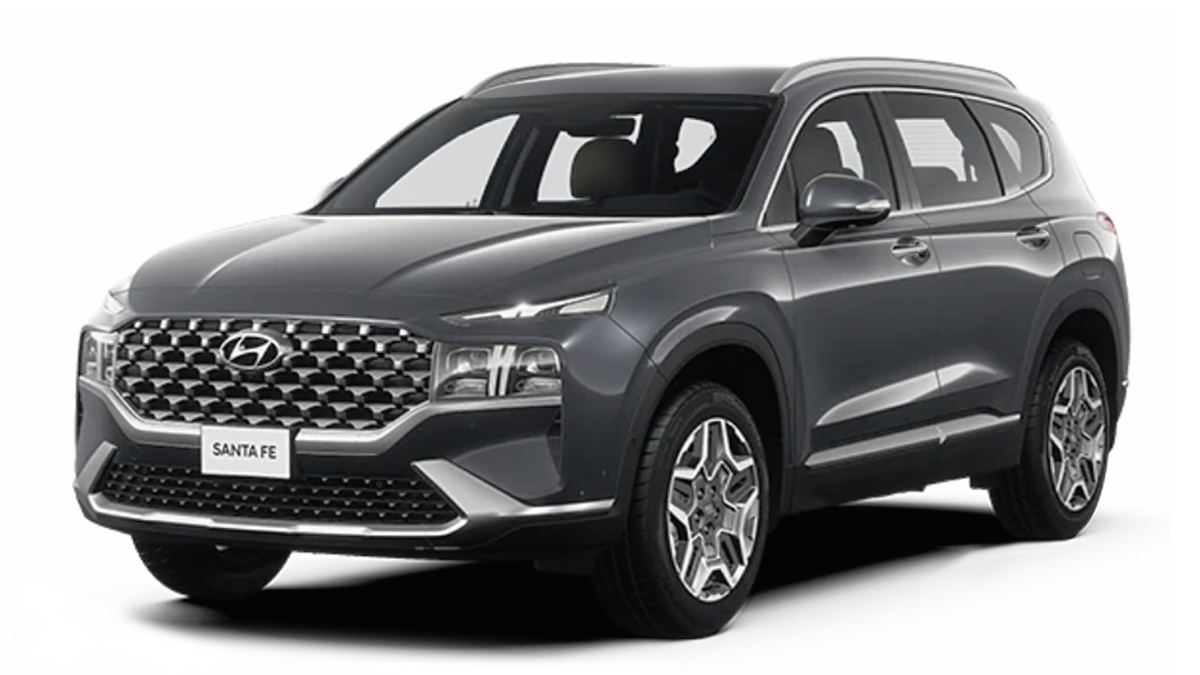
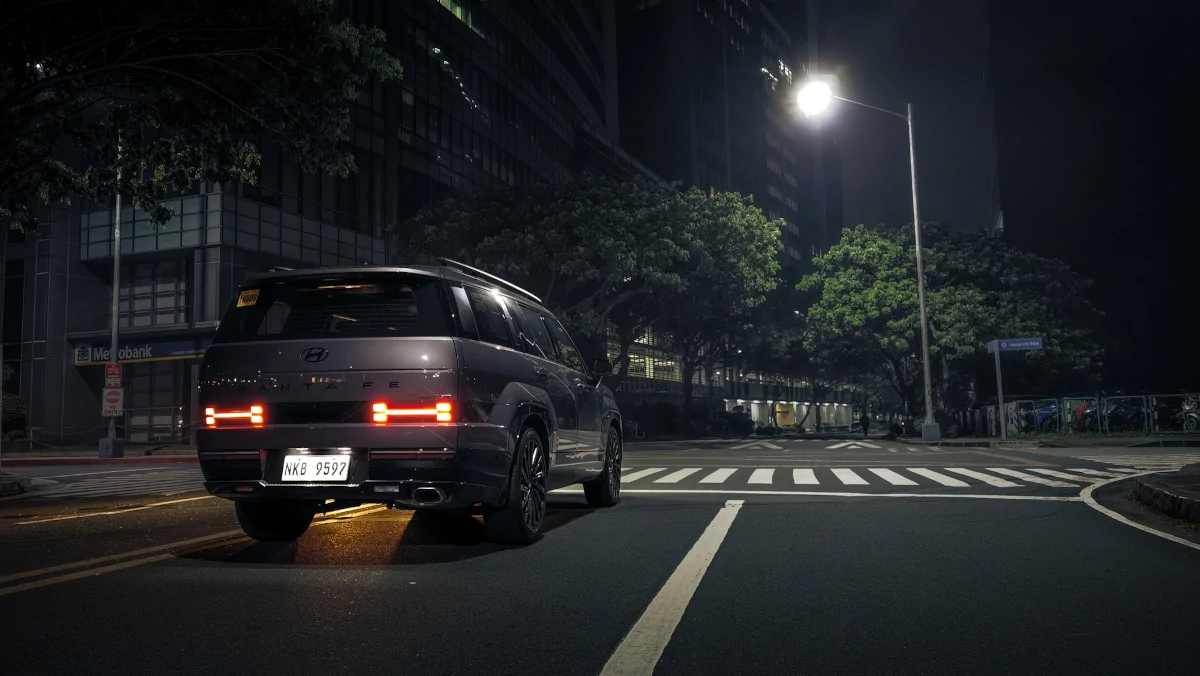
Over the decades, the Hyundai Santa Fe has evolved from an anonymously amorphous blob, into a sleek and sporty family crossover. Thus becoming one of Hyundai’s best-selling nameplates in the process. Given this proven formula, it came as quite a shock when the Korean giant abruptly relaunched it last year as a brutally boxy SUV with a meme-worthy Nicki Minaj rear.
Whatever you might think of that design decision, there’s no denying that it has people excited about the Santa Fe again. But with the phase-out of the evergreen 2.2-liter diesel and a price tag in the three million peso range, will the new looks help drive sales?
ALSO READ:
The Hyundai Ioniq 5 N is Top Gear PH’s 2024 Car of the Year
Hyundai combines Ioniq 5 N guts with rally experience to product the RN24
Styling
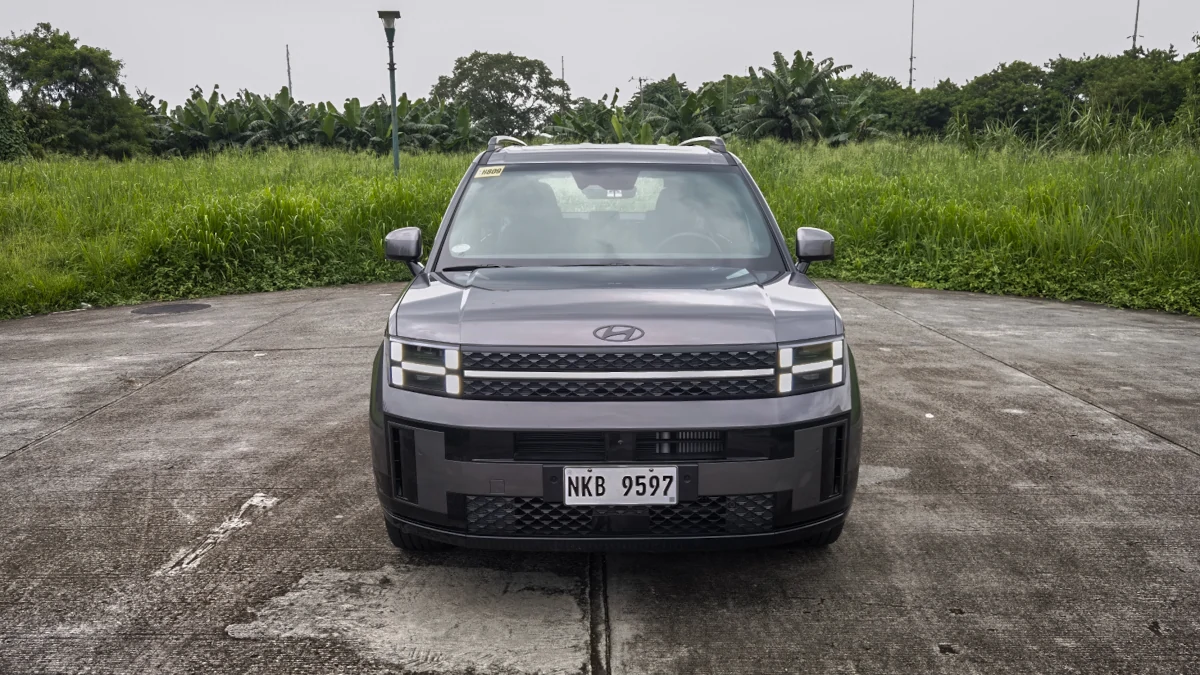
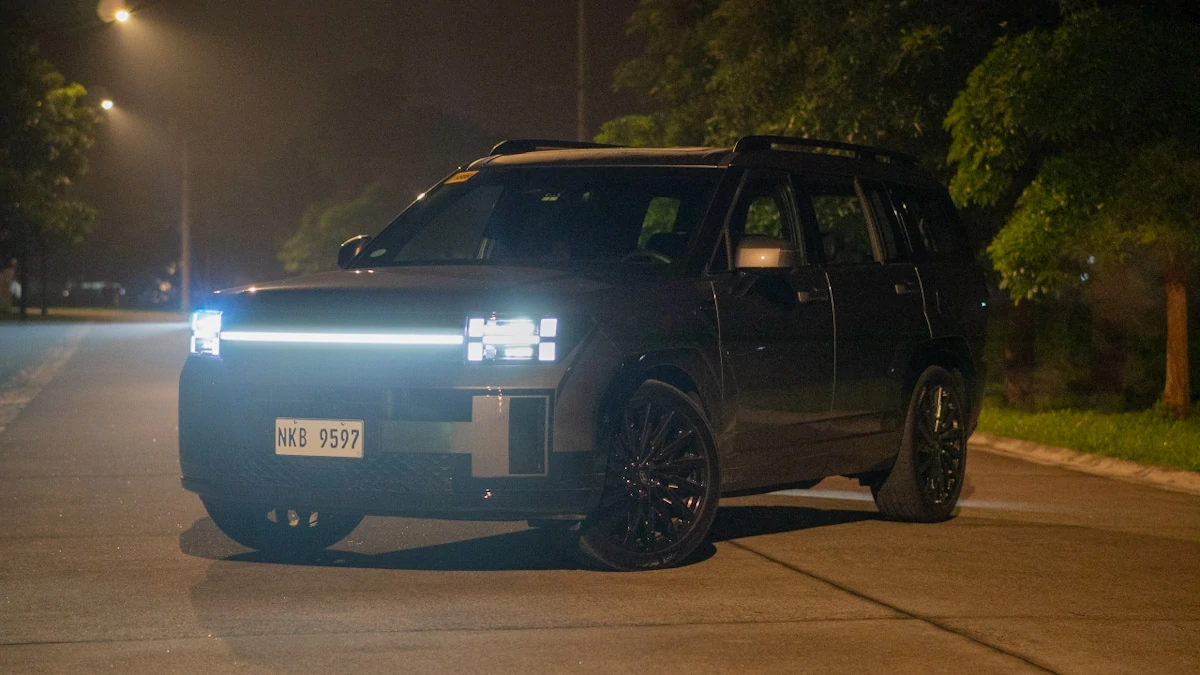
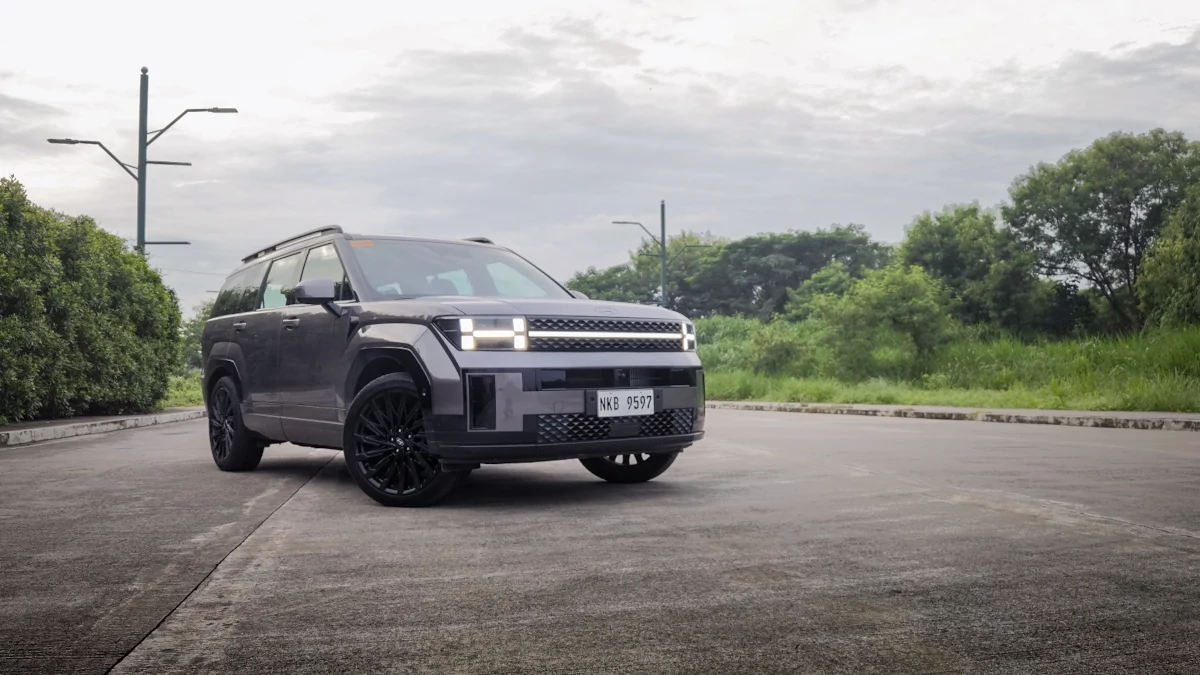
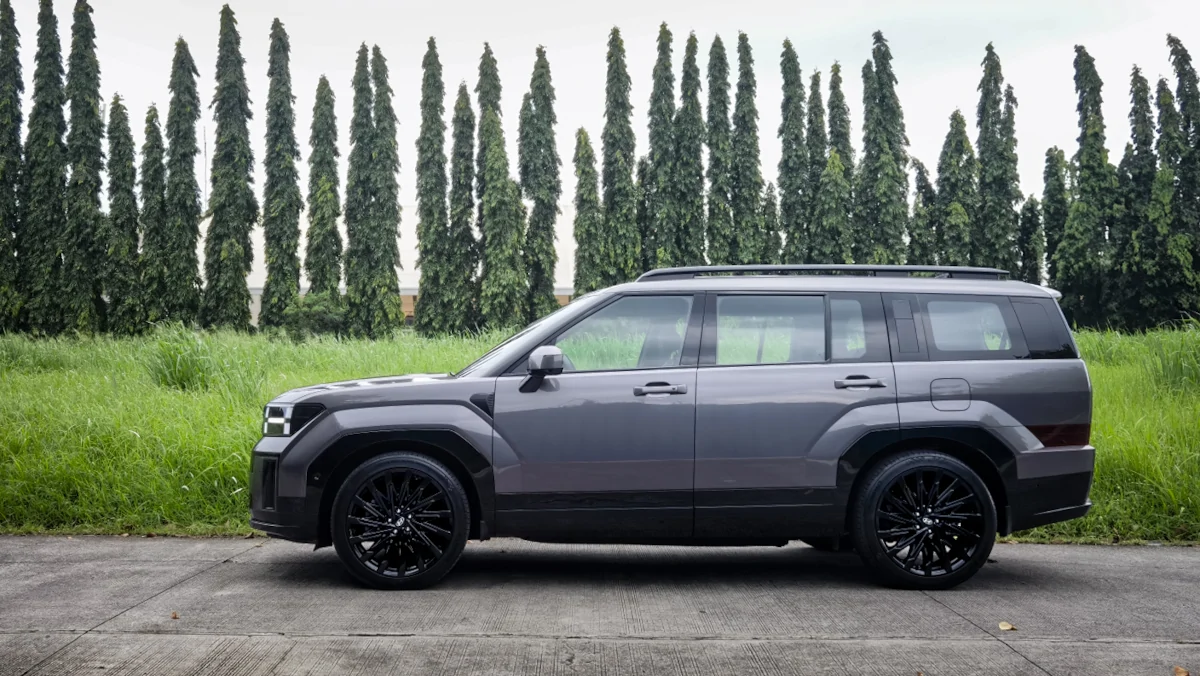
Size-wise, the Santa Fe straddles the line between the previous long-wheelbase variant and the Veracruz—albeit with more sex appeal than the old barge. It looks nothing like other Hyundai SUVs, instead following in the bold retrofuturistic style of the N Vision and Ioniq 5. It isn’t quite the styling home run the Ioniq is, but it comes very close.
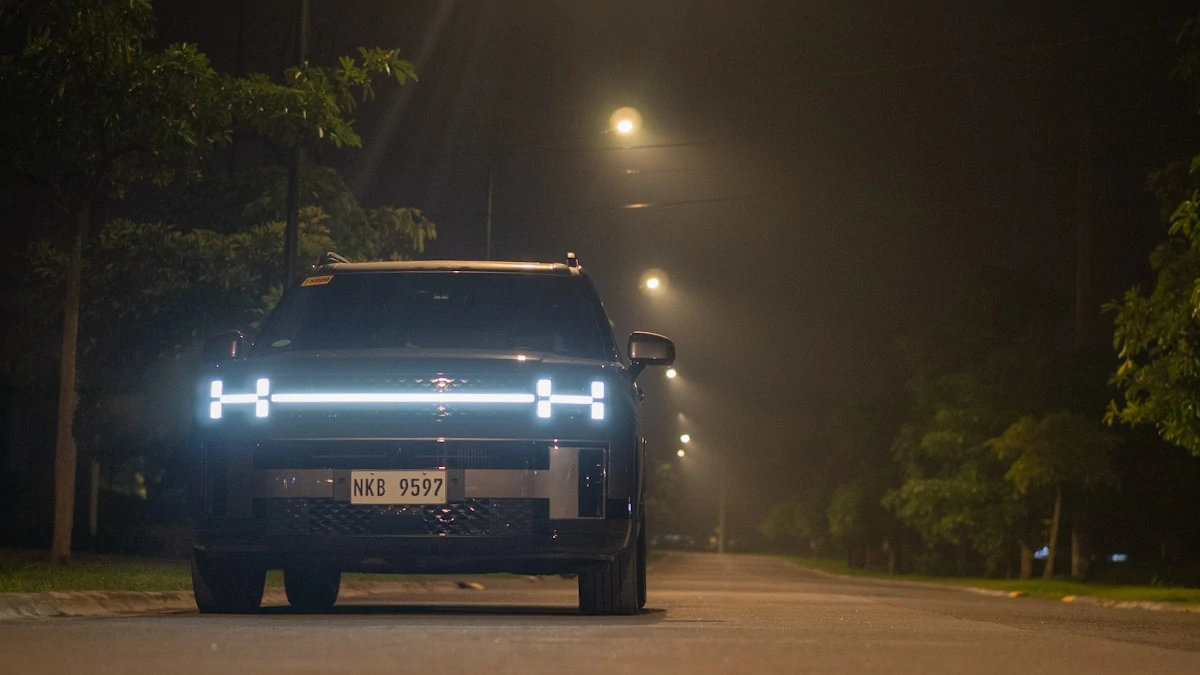
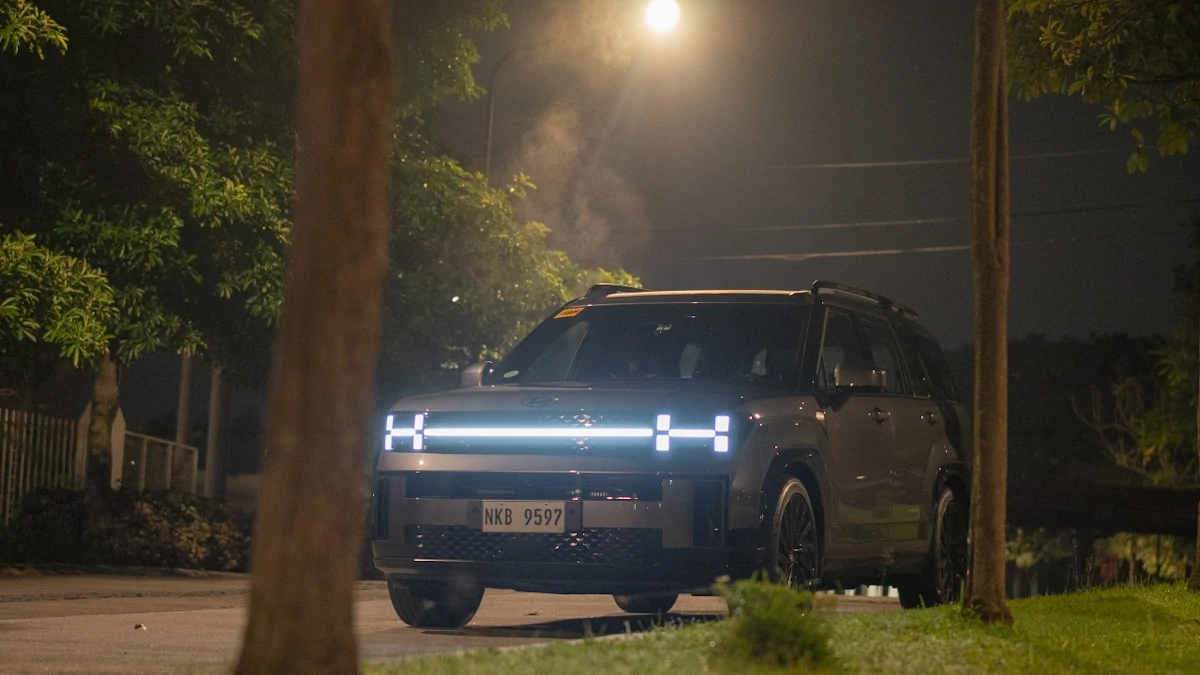
Bold H-shaped headlamps frame the upper grille, while an H-shaped frame borders the lower grille. Sandwiched between them is a third grille, hidden behind active shutters. Yes, that fire-breathing 2.5-turbo under the hood needs extra nostrils to, uh, breathe.
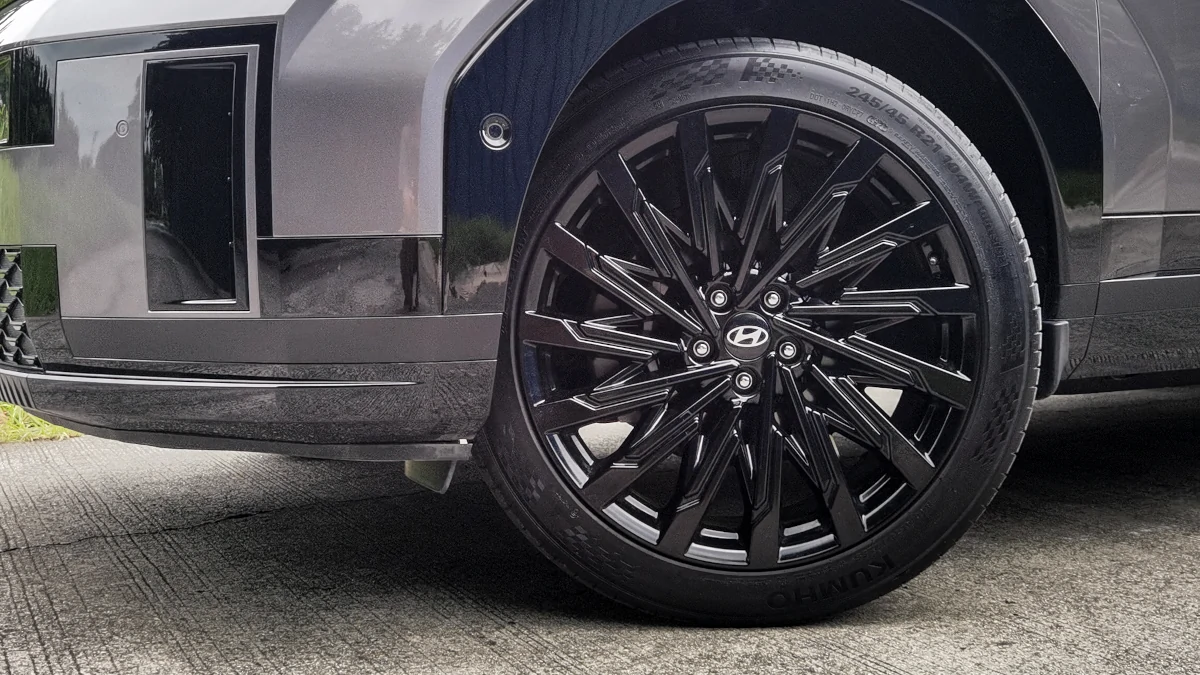
A long hood and swept back windshield help reinforce this impression of power. The fake fender vents, not so much. Enormous hexagonal fender flares frame massive 21-inch alloy wheels., promising off-road prowess that the modest 177mm of ground clearance can’t deliver.
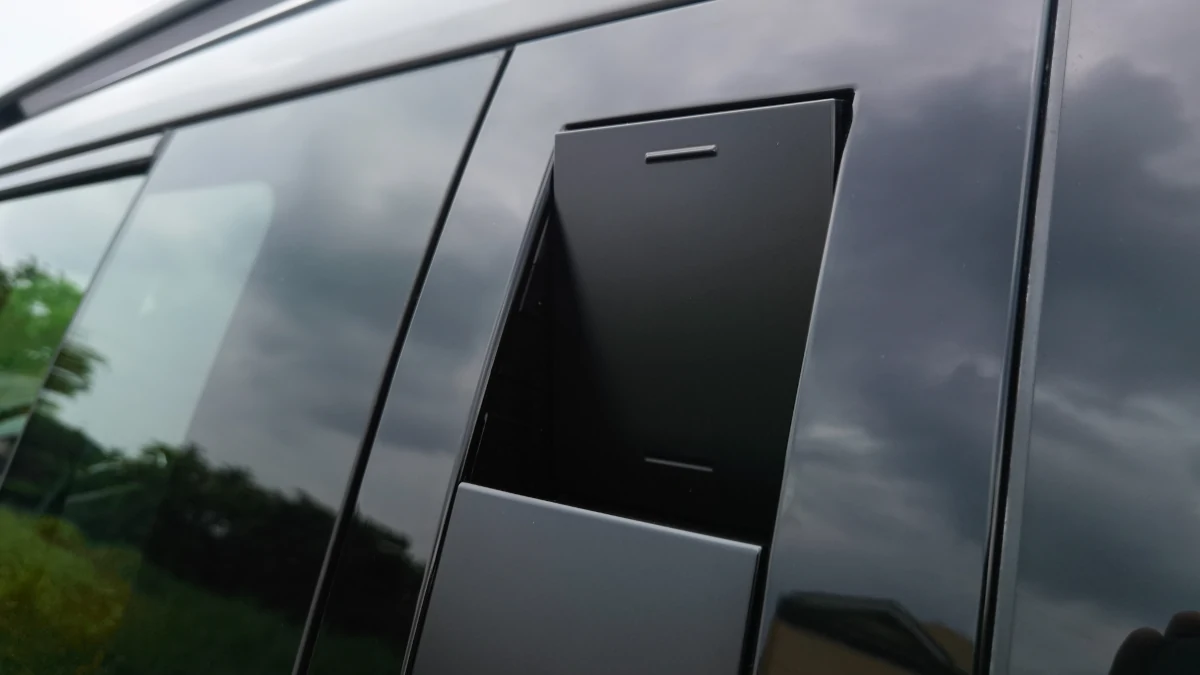
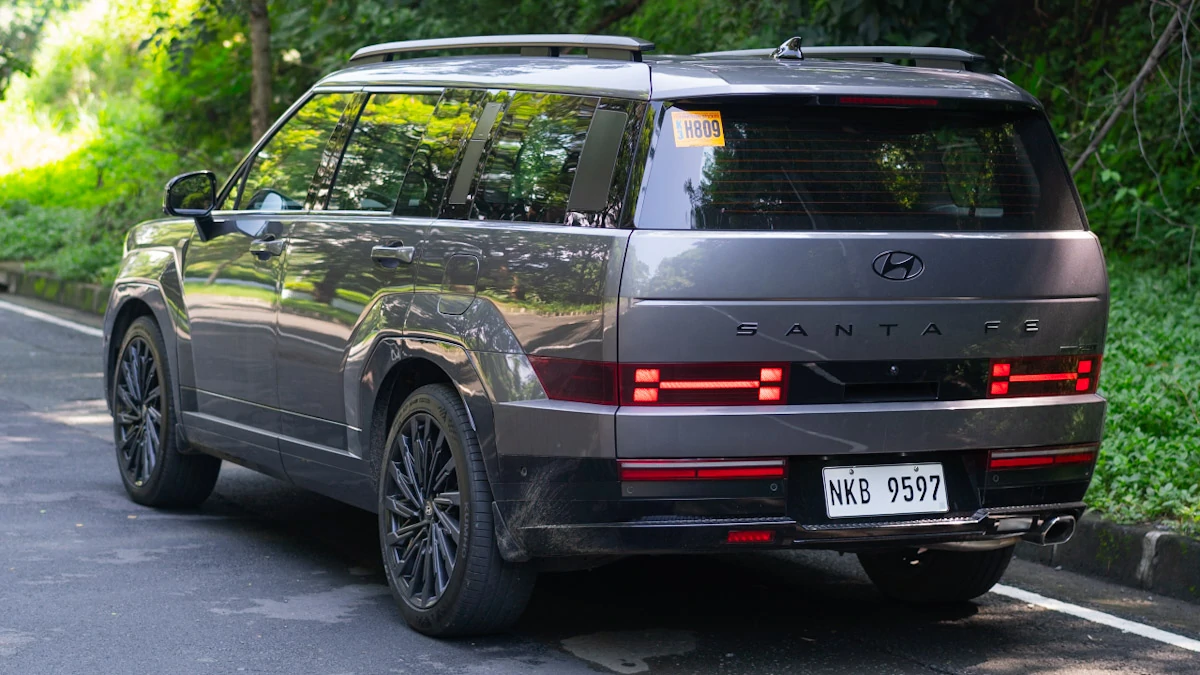
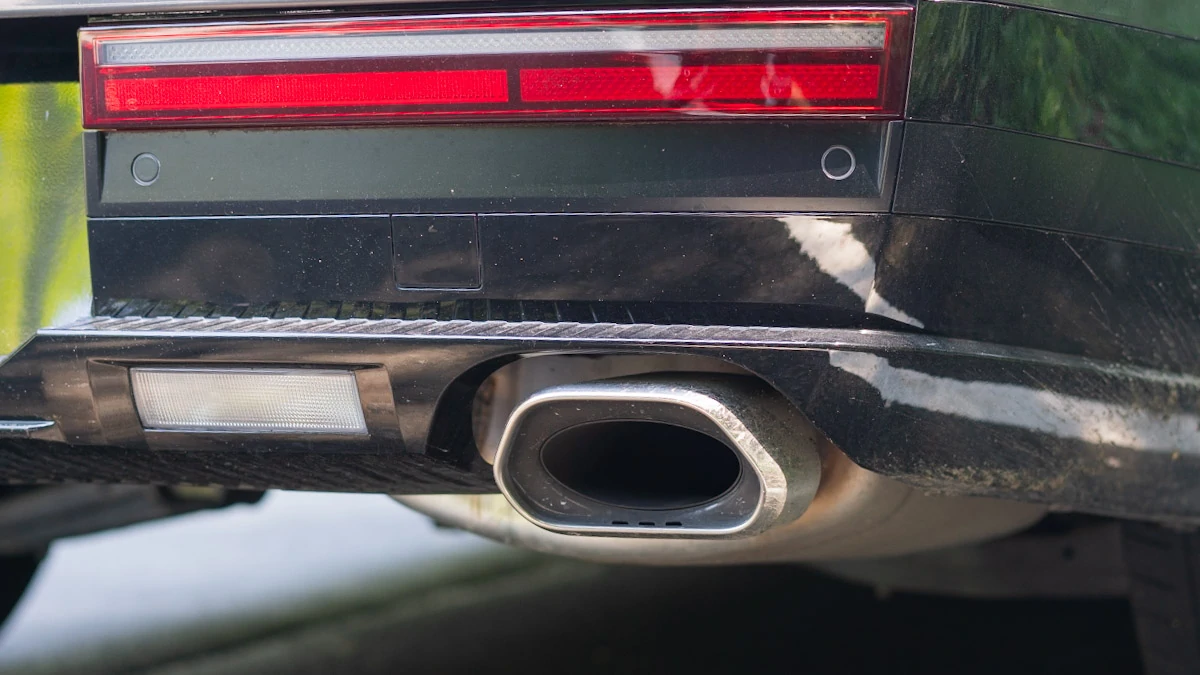
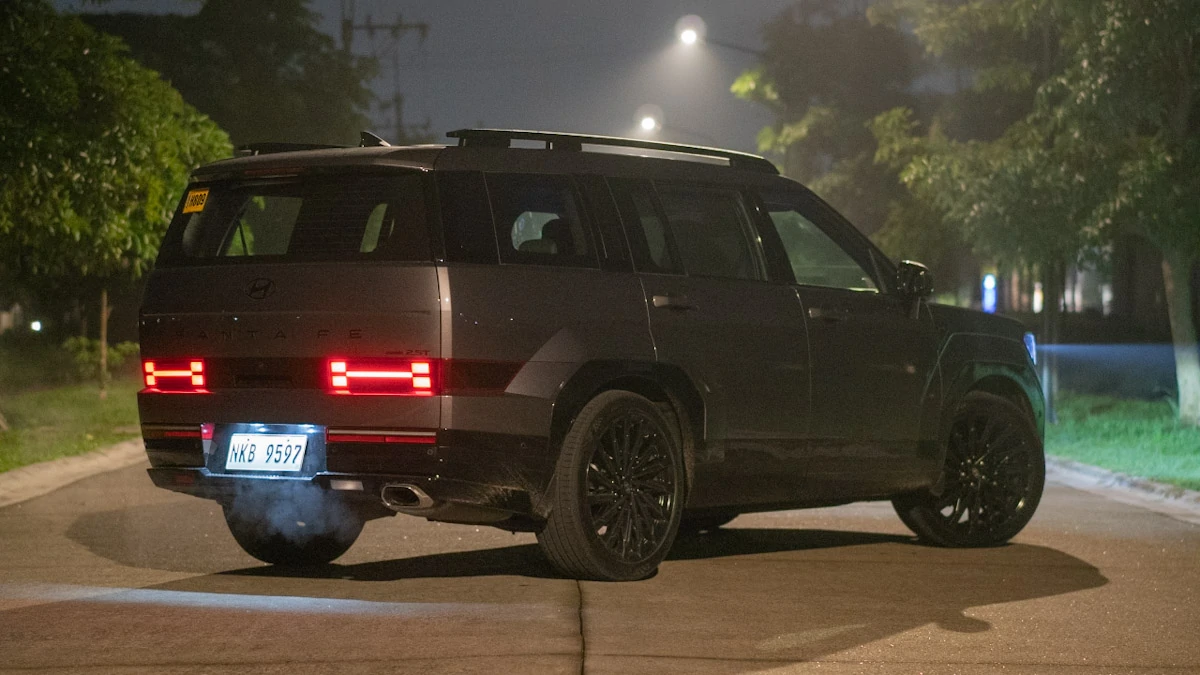
Wide C-pillars house hidden hand-holds that allow you to climb on the rear wheel to reach baggage on the roof. Clever. The rear hatch is perhaps the weakest aspect of the design. It is shaped to have the biggest opening possible, but this leaves a lot of bare metal above the low set taillights.
Despite their low set, those H-shaped tail lights are quite lovely. And considering the previous car had its turn signals built into the bottom of the bumper, this counts as an improvement in utility over the previous design.
Interior
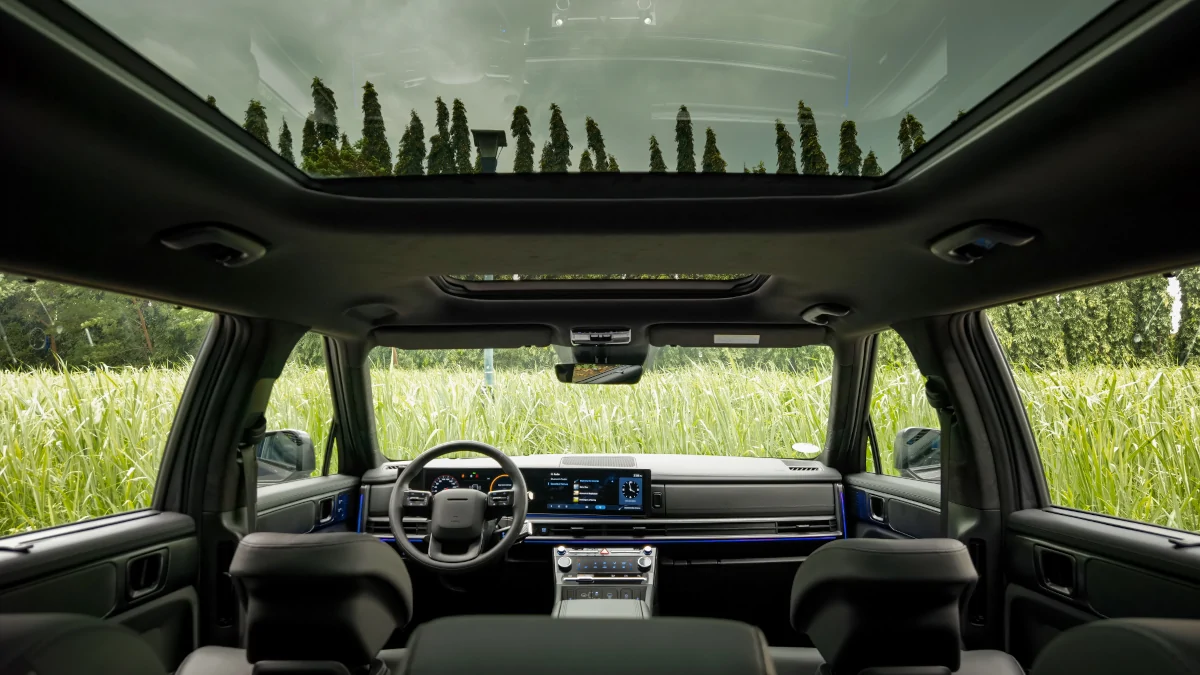
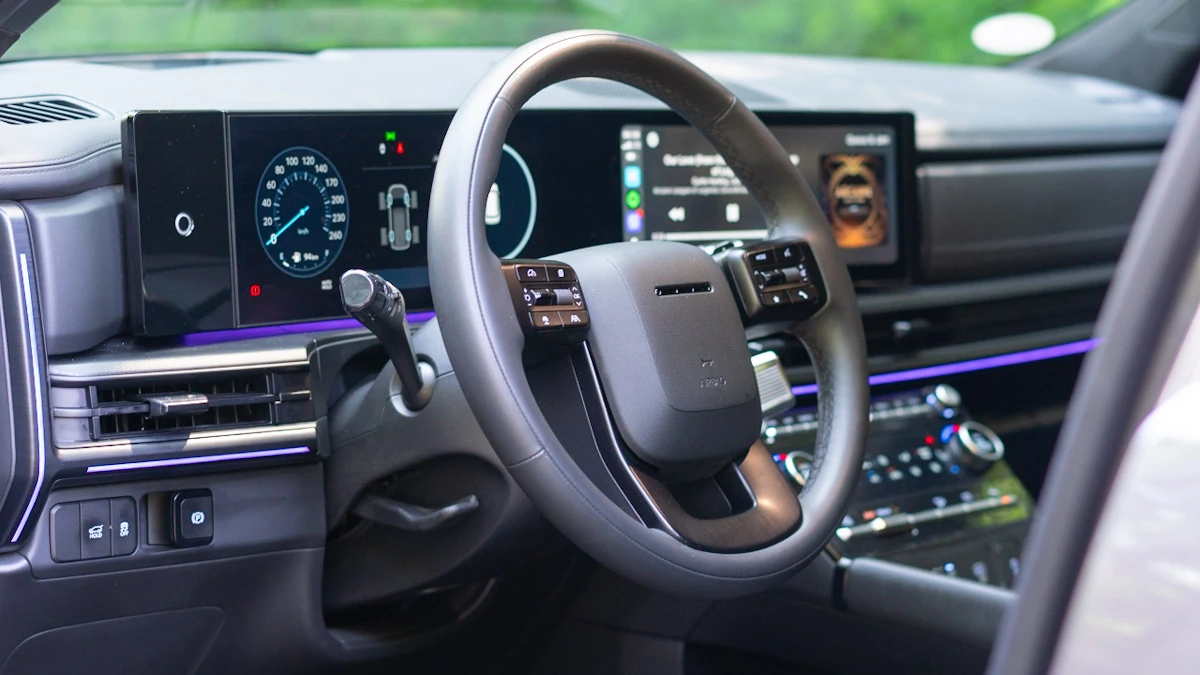
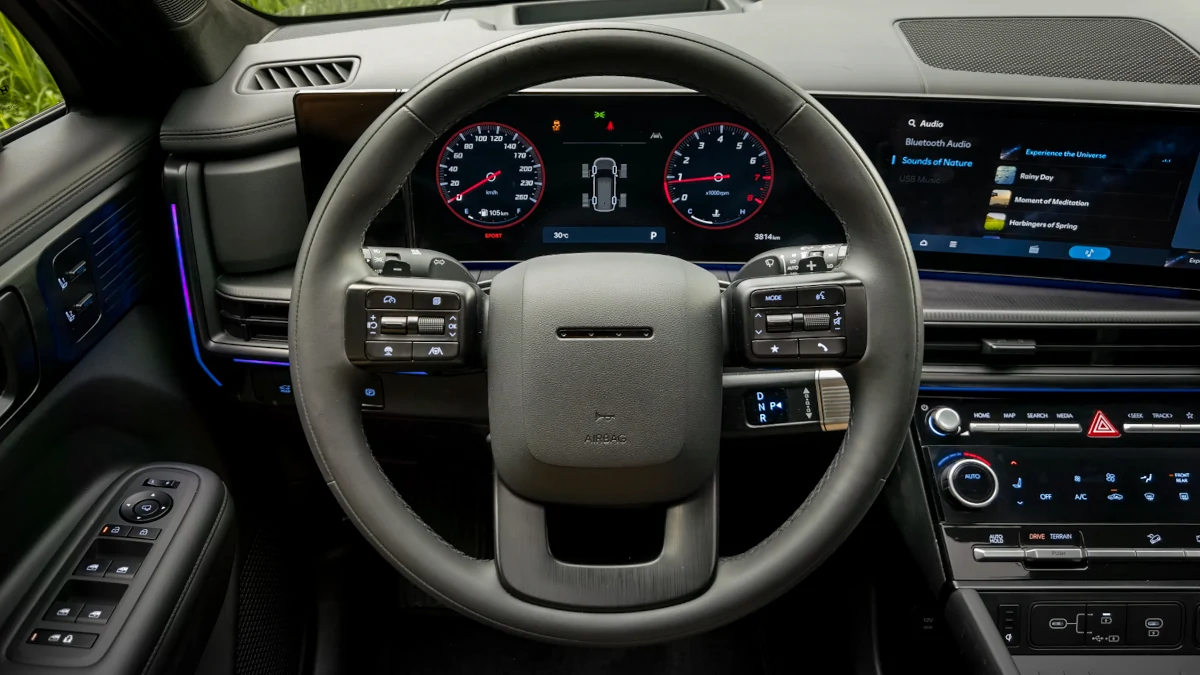
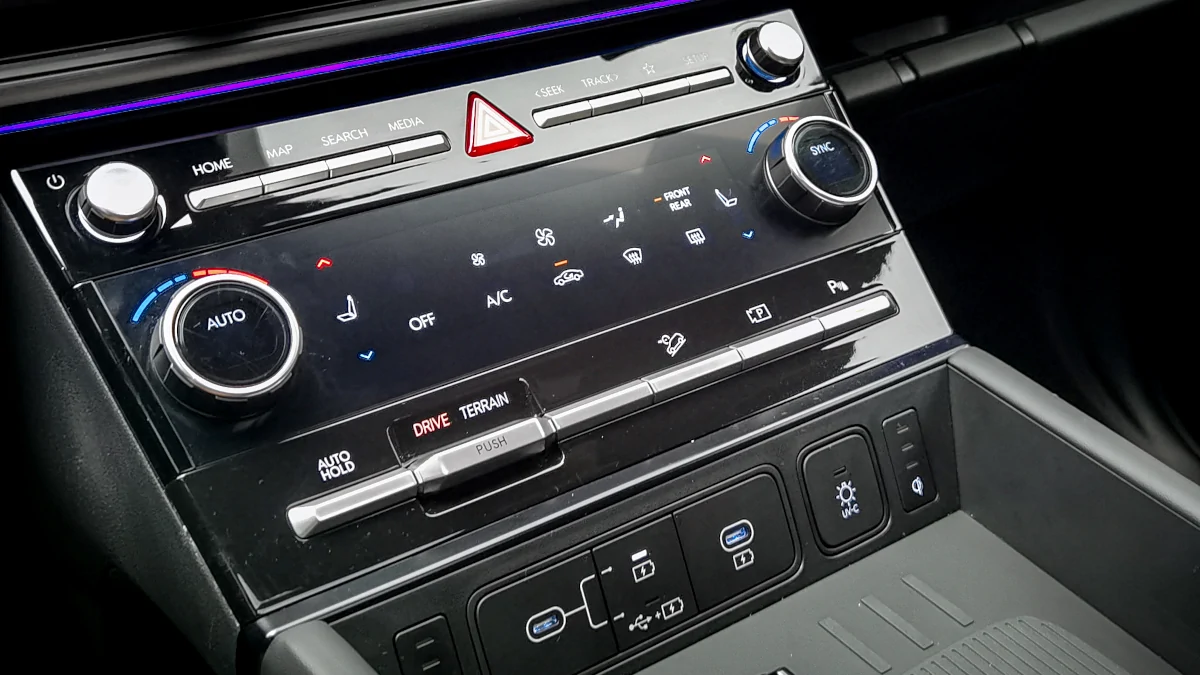
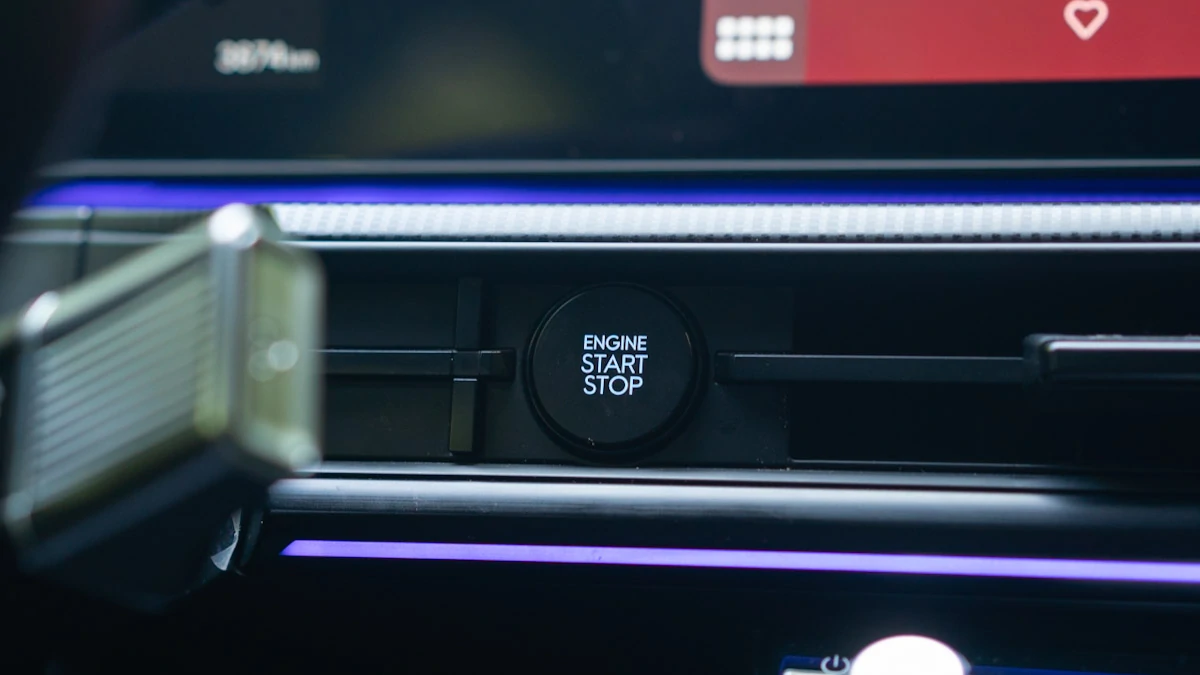
As we’ve come to expect of any new Hyundai, the interior is well-built, with a modular, upright dashboard, a mix of physical and virtual controls and large displays. The center screen is large, crisp, and easy to read, with physical infotainment and HVAC controls laid out logically below it.
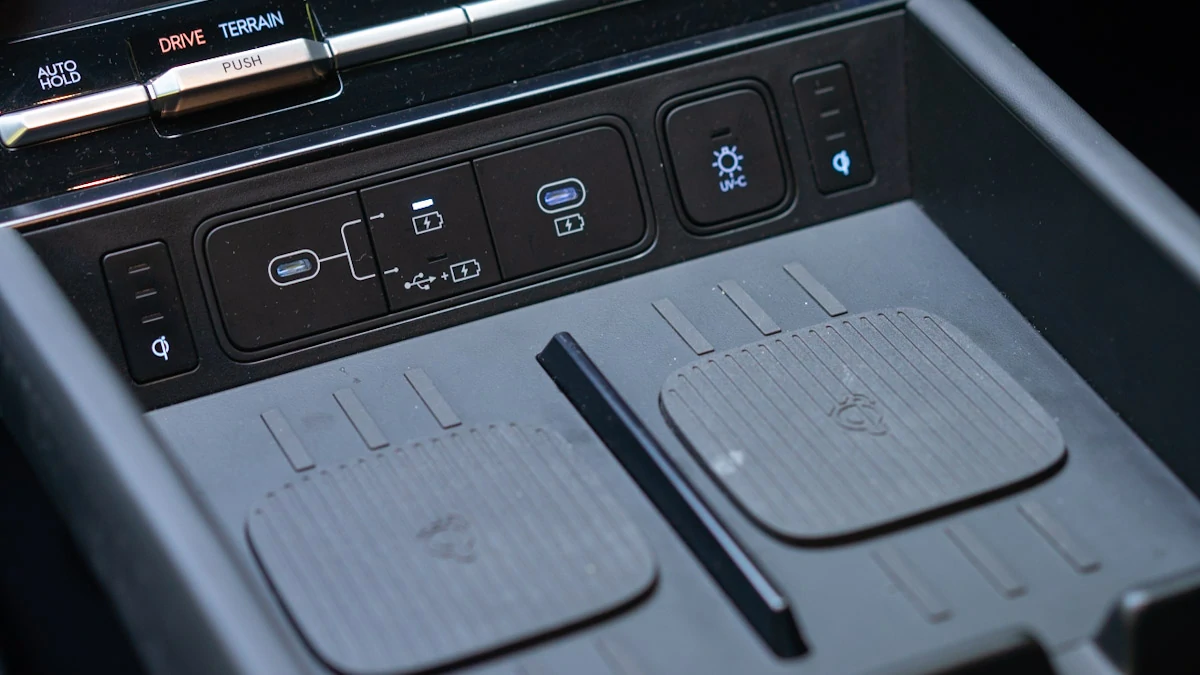
The large center console features oversized twin wireless charging pads, generous cupholders, a bi-directional box—opens to the front or rear—and a lower shelf that’s generously wide but a bit difficult to access. Thankfully, it doesn’t eat into knee room. The front seats have an incredible range of power adjustment—at 5'4", I found my feet dangling off the floor with the driver’s seat raised all the way. Given this extra space, Hyundai has included a powered foot-rest on the driver’s seat, which would seem ridiculous elsewhere, but not here.
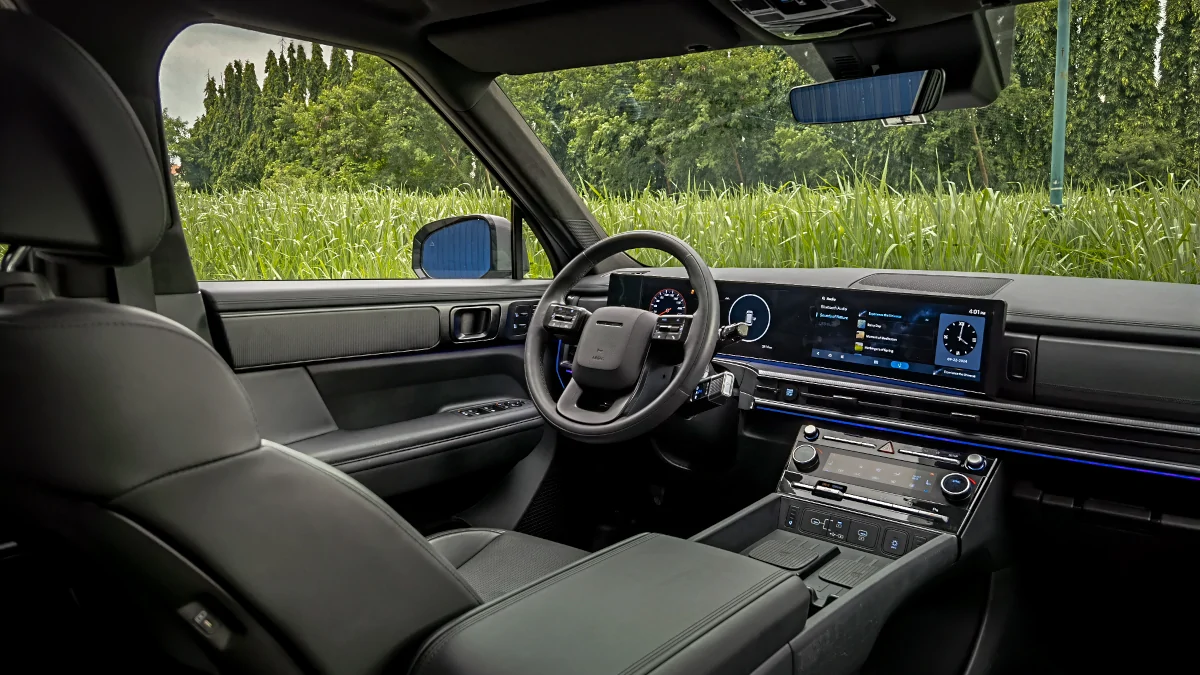
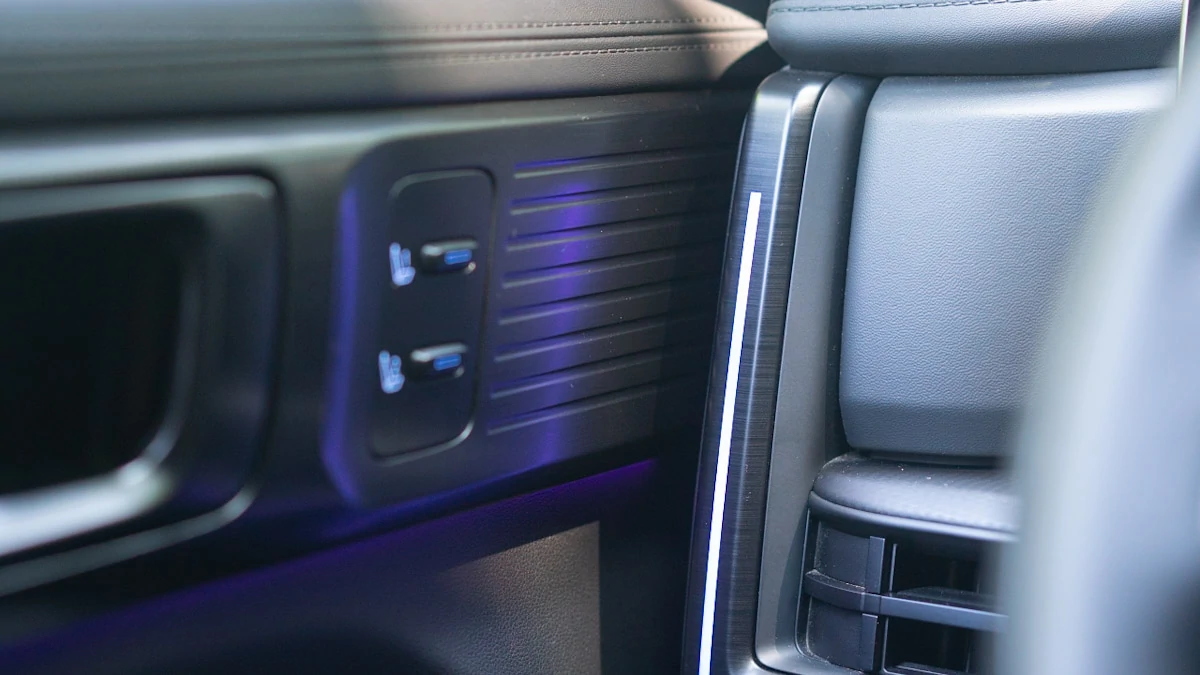
Seats are comfortable and supportive, though the aggressive side bolsters might irritate larger drivers. They're quite comfortable otherwise, and the perforated, ventilated leatherette breathes nicely. Vent controls for the seats built into the main HVAC panel, rather than hidden in some hard-to-find submenu on the infotainment screen. A nice touch.
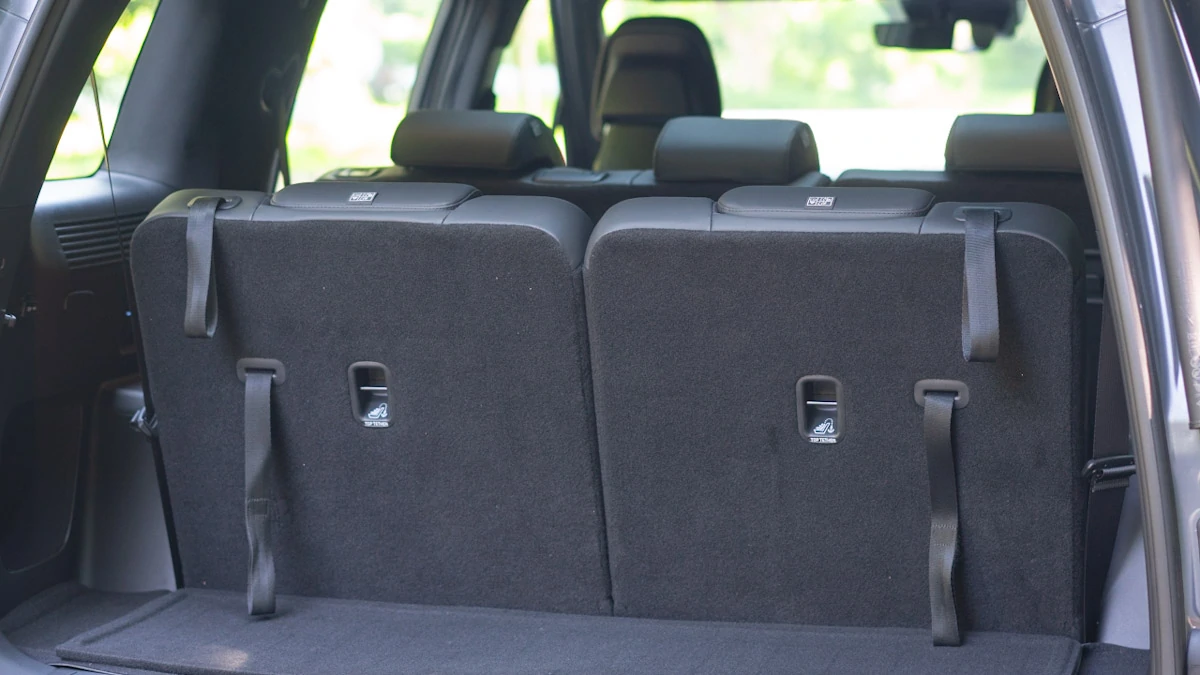
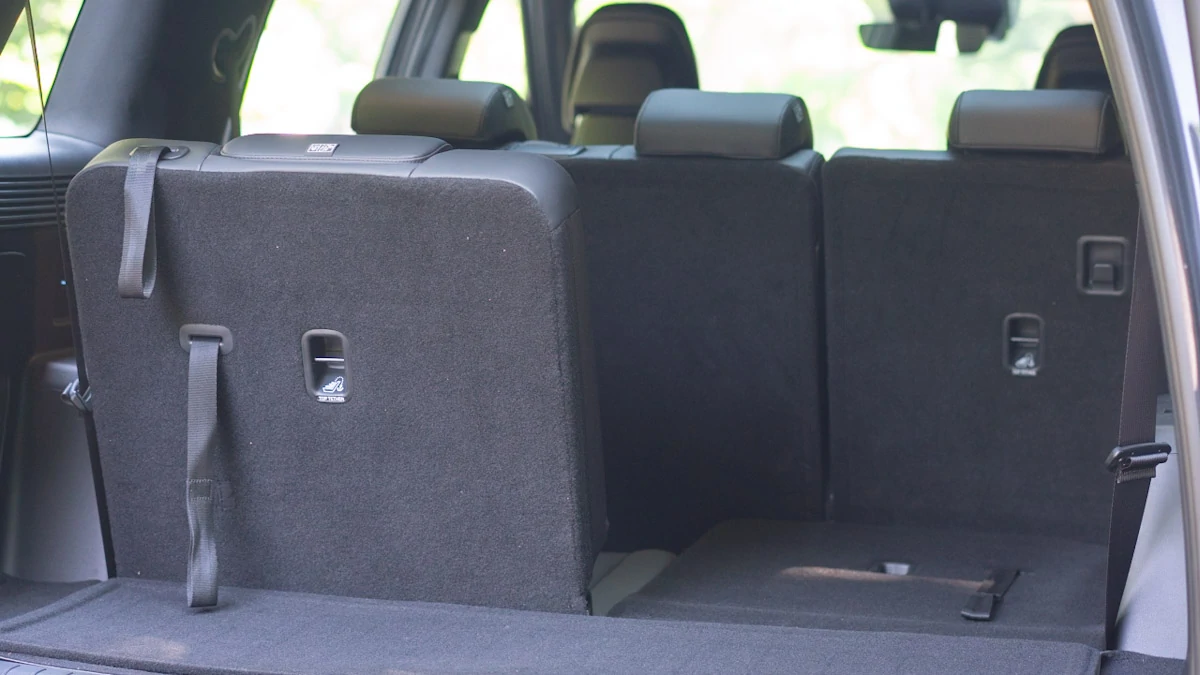
The second row bench is usefully large, while the third row is just about okay compared to most seven seaters in this market range, with a little more recline room than before. The trunk is generously large with that third row folded, and that ungainly huge rear hatch does make for a jaw-droppingly big loading portal.
Engine performance
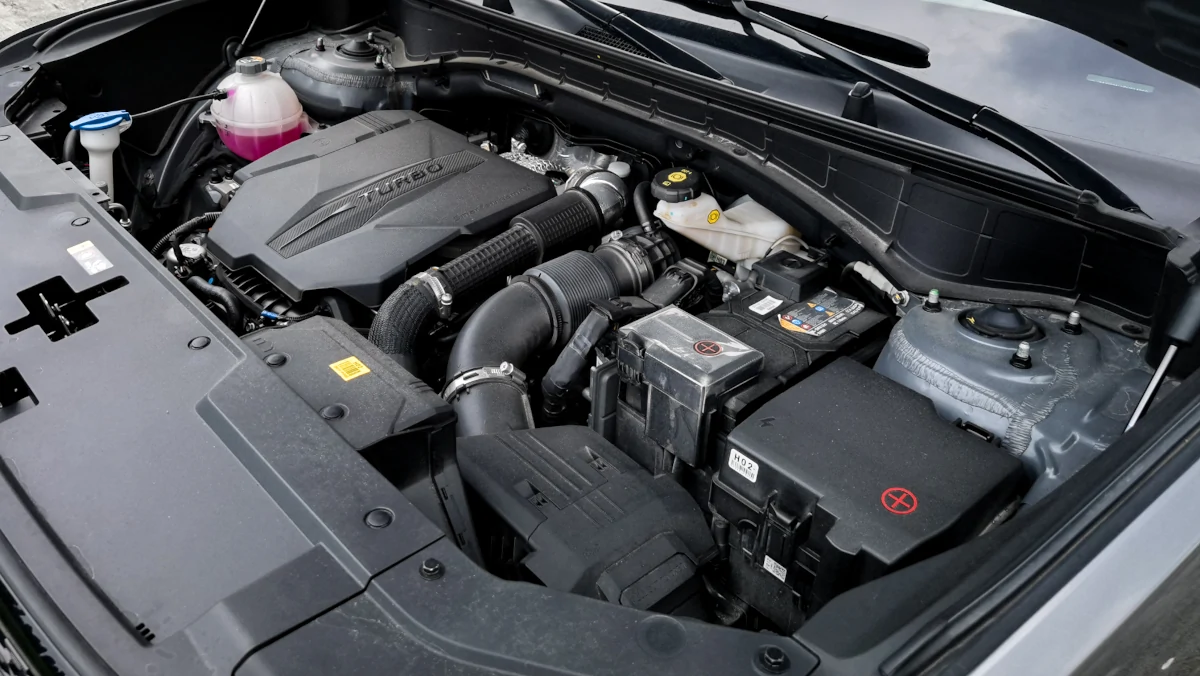
Aside from the new looks and cabin, the real big headliner here is the new powertrain. Gone is the venerable 2.2-liter diesel, replaced by a 2.5-liter turbo petrol that promises 277hp. Mated to an eight-speed dual-clutch transmission and all-wheel-drive, you’d expect that to merit scorching performance. Unfortunately, the heavily boosted turbocharged mill takes a moment or two to gather its breath before responding to requests for acceleration. 0-100kph in the 8sec range is nothing to sneeze at, but it doesn’t feel like a night and day difference to the diesel, unless you're willing to rev the motor’s nuts off to access the high rpm fireworks.
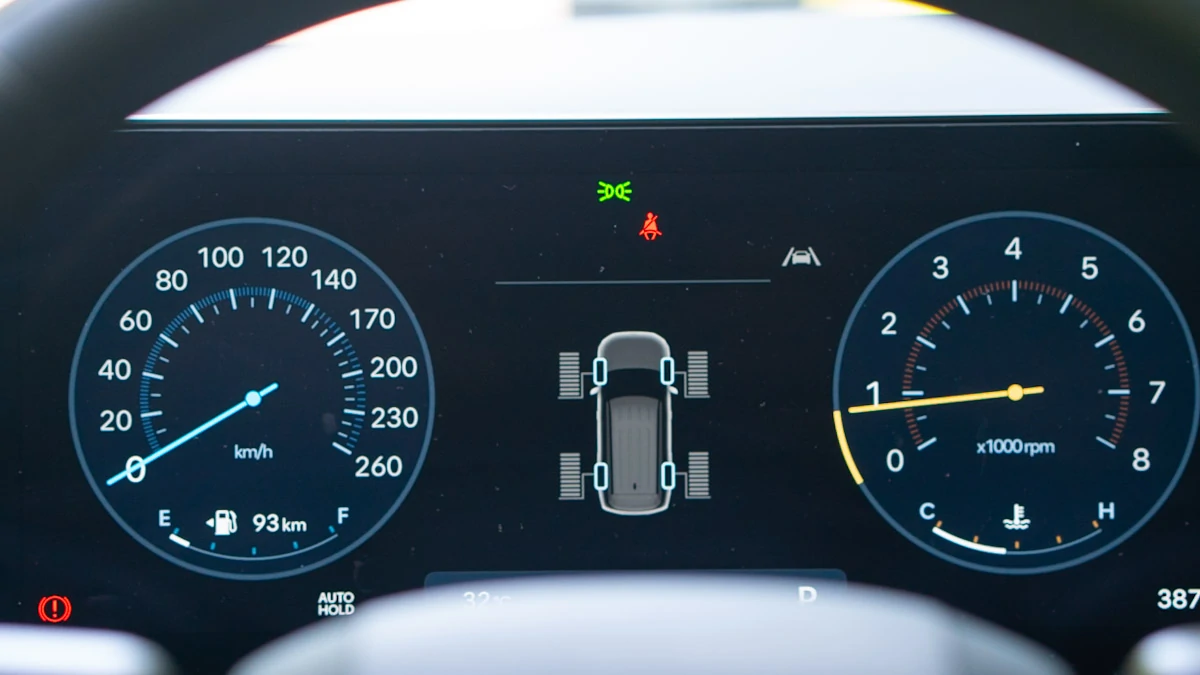
That said, power delivery is smooth, with no comfort penalty for going with a dual-clutch, even in the worst traffic. Fuel economy ranged between 4.5km/L to 6.5km/L in traffic, which isn’t bad for the power, but a far cry from the old 2.2 diesel mill. Highway economy is around 16 km/L if you take it easy—about what we’d expect for a big box with this much power. A 67-liter fuel tank promises up to 600 kilometers of range in mixed driving, but we got closer to 400 in mixed Manila traffic.
Ride and handling
The big brick initially feels intimidating to drive in traffic, given the high cowl and window sills, but once you get used to them, the Santa Fe is a fair bit more manageable than most midsized SUVs. The only lasting issue is the concern of hooking the inside rear wheel up on curbs, given a turning radius that is tighter than expected given the long wheelbase. Side mirrors helpfully pivot downwards when you’re backing up, and the bundled 360-degree cameras and parking sensors are of great help when parking.
Out on the open highway, the Santa Fe still maintains that easygoing loping ride it has always had—minus some jiggle from those gigantic 245/45R21 Kumho Ecsta tires. Your passengers' experiences may vary, however, as passengers all the way in the back complained of some discomfort over rough roads due to those thin tires. The 20" wheels on the GLS may give a smoother ride over bad provincial roads.
The upshoot for that slight sacrifice in ride comfort is a masterclass performance in vehicle dynamics. Hyundai has been nailing this with its N line-up, but it’s still rather surprising that they’ve applied the same to the Santa Fe. A big seven-seat SUV isn’t what you’d typically buy to go canyon carving. But it does it well, it tackles fast sweepers and sharp hairpins with aplomb, the tires providing impressive grip and near-quiet performance. There’s an active anti-roll bar out back that keeps things level, and the rear exle has a lot of negative camber—ensuring that however spirited your driving is, that rear end stays planted.
Which means that at its very limits, the Santa Fe defaults to safe, nailed-tail understeer. Not that you will want to push the limits here that often. As with the N cars, the Santa Fe feels a bit under-braked for the level of performance here, the pedal a tad mushy, even with minimal high-speed provocation. Instead, it’s best enjoyed as a powerful cruiser, with the adaptive cruise control and lane-keeping assist keeping you shiny side up on those late-night drives.
Extra features
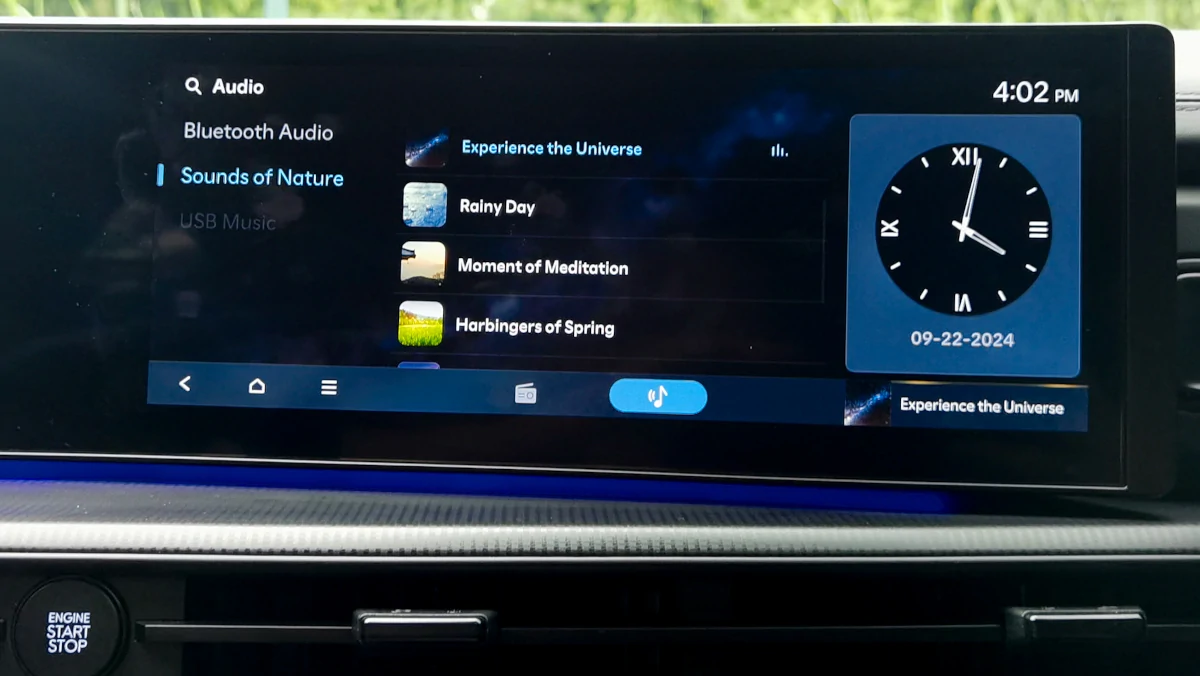
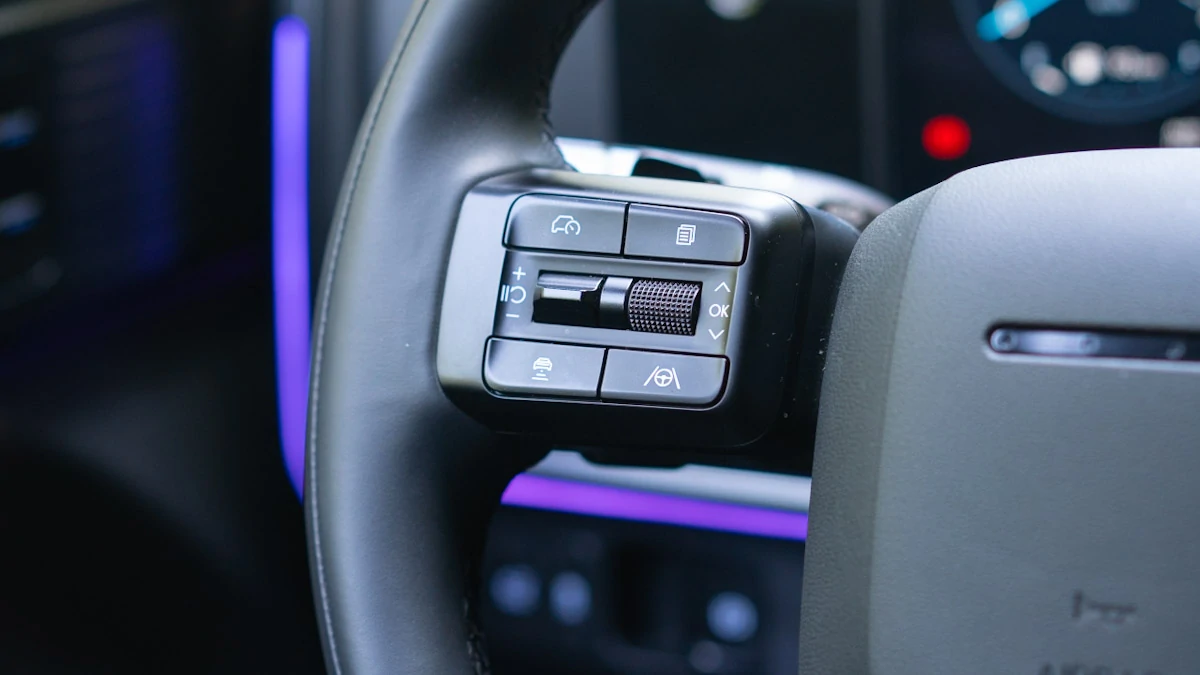
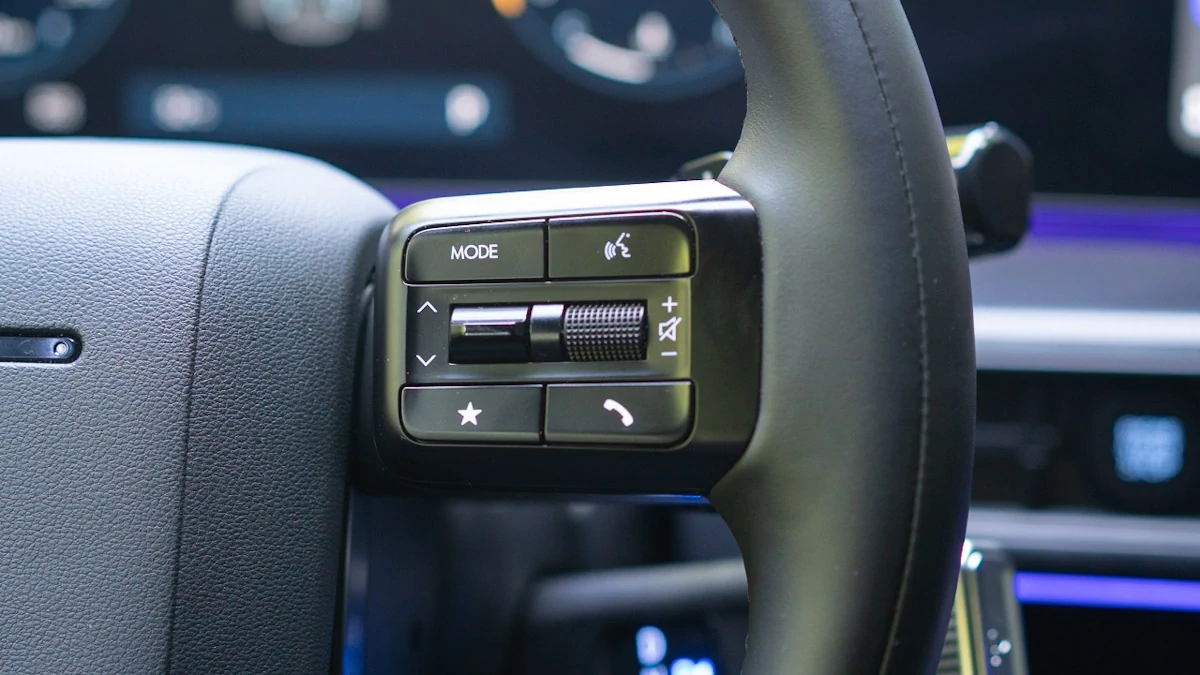
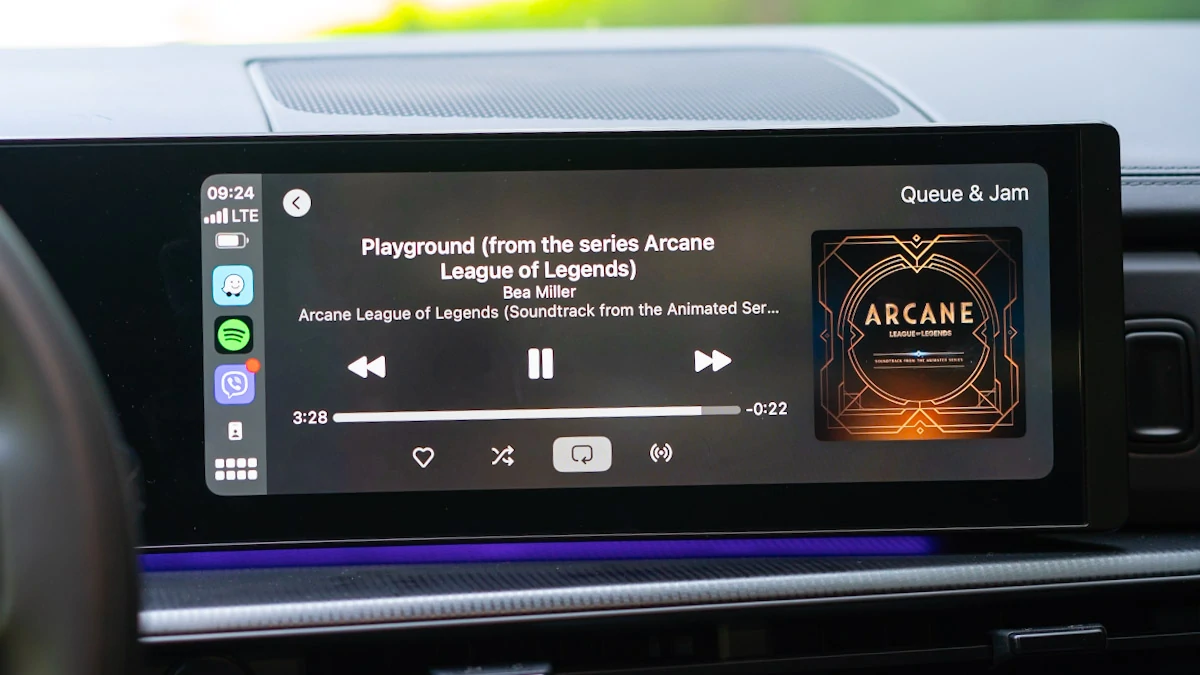
Aside from the expected L2 assists, you also get automatic emergency braking forward and rearward, great when kids run out in front of you. Not so great when parking attendants insist on standing *right behind you* when you’re backing up. You also get wireless Android Auto and Apple CarPlay. CarPlay can be hit or miss, but we had no issues with AA. The 12.3-inch center display is crisp, with a high refresh rate, and the sound system is excellent, if a bit lacking in area coverage.
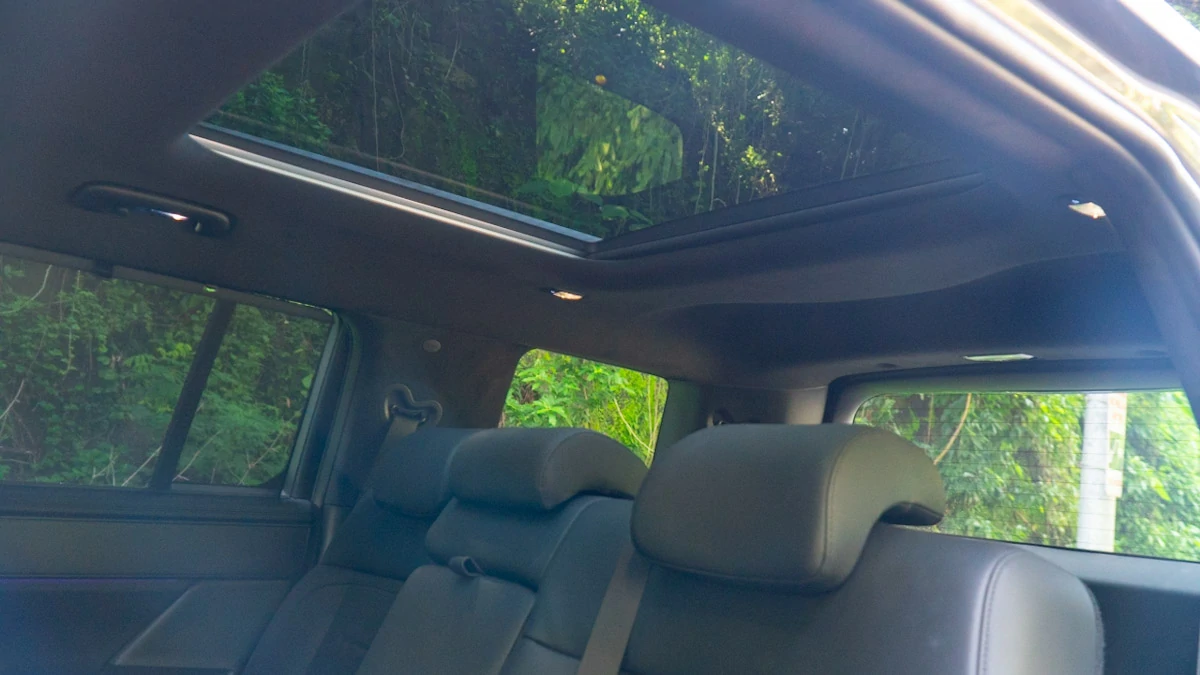
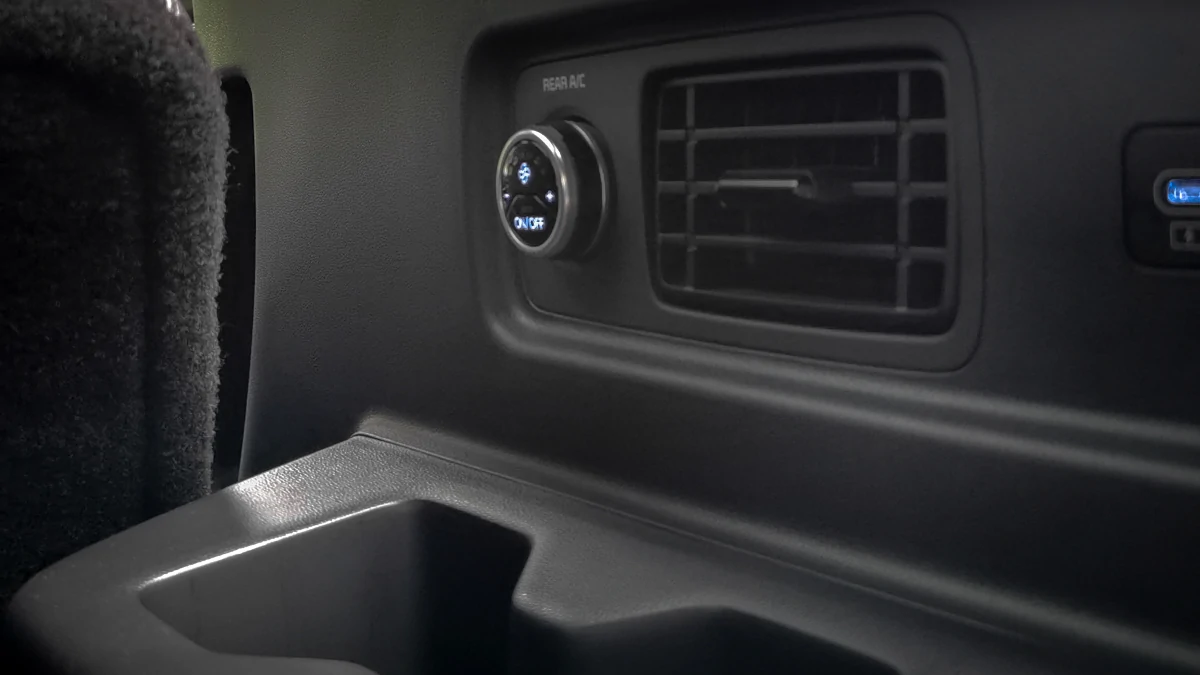
There are twin wireless charging pads and multiple USB-C ports up front, with lots of places to lay down charging gadgets and small bags. You get USB-C connectivity and charging up to the third row, with all passengers covered. And then you get to the creature comforts: Powered tailgate, dual sunroofs, rear window shades, and even seat massagers with matching built-in ambient muzak—“Experience the Universe” in particular is a banger. This is as good as it gets in this price range.
Verdict
That price will be a sticking point, though. This Calligraphy edition costs P3.1-M, which is a hefty amount to pay for a midsize crossover, even one with a third row. That’s basically CX-9 and Explorer territory, and the Santa Fe, while bigger and better than before, still doesn’t have the brand cachet that those two have. The GLS AWD may be the more attractive option for buyers. It may lack the extra power and seat massagers of the Calligraphy, but it still maintains the active suspension, leather and dual sunroof setup.
Sadly, while you do get a hybrid option, that’s even more expensive than the Calligraphy. And there’s no 2.2 diesel on offer. Yes, the 2.5 turbo is more refined and powerful, but it’s not quite the same.
But then, this isn’t the same Hyundai that came into our market over 20 years ago. This is no longer a budget Japanese alternative, but a full-on competitor to Toyota, looking to occupy the same market range as Toyota-Lexus, with the new Santa Fe straddling the line between premium and luxury more authoritatively than ever before. While old owners may grumble about it going too far upmarket, for those who have the cash, it is an excellent alternative to the establishment, and a sign of how far the brand has come.
SPECS: 2025 Hyundai Santa Fe 2.5T Calligraphy AWD 8DCT
Price: P3,100,000
Engine: 2.5-liter turbocharged gasoline
Power: 277hp
Torque: 4200Nm (electric motor) / 190Nm (gas generator)
Drive layout: AWD
Seating: 7
Score: 9/10
More photos of the Hyundai Santa Fe 2025 2.5T Calligraphy AWD 8DCT: