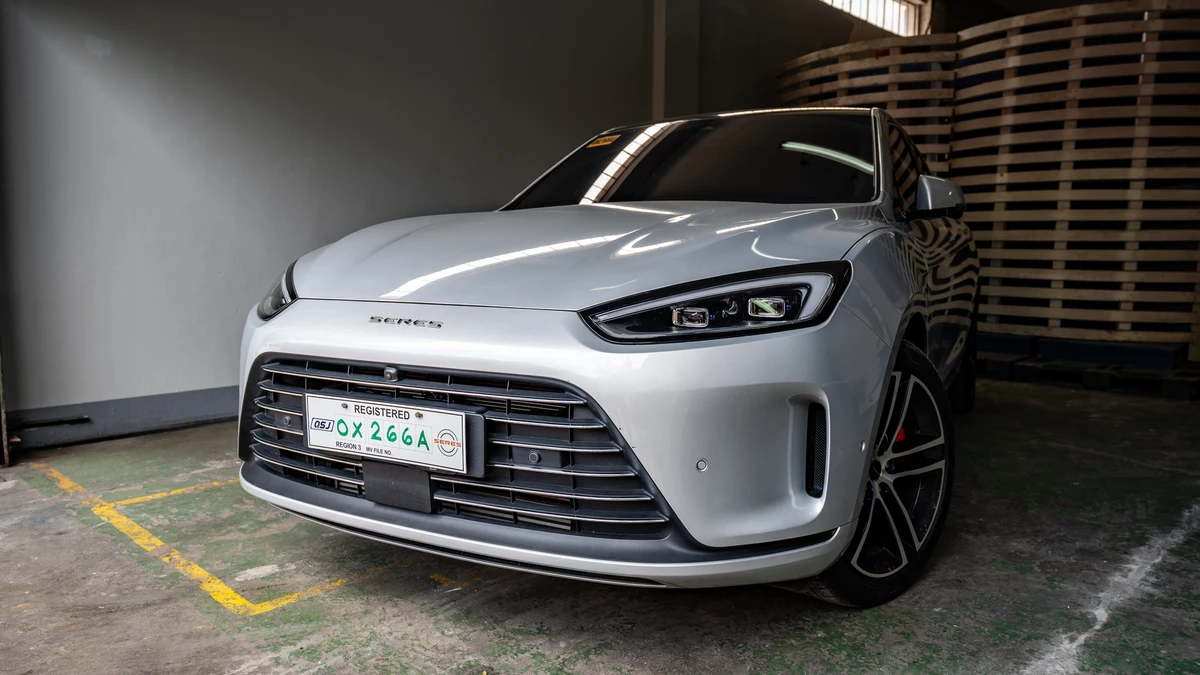
EVs are great in concept. They can be charged from the comfort of your home, they have access to instantaneous torque, and they have less to service over time. That being said, charging outside of your home is a different story entirely. We had a week with the Seres Aito 5, and when the battery went down to about 20%, we made our way to 8 Rockwell in Makati to charge. Unfortunately there was a BYD charging at the one (yes, just one) available CCS2 charger. Annoying to say the least.
Thankfully the Seres Aito 5 is not just a regular EV, it is a range-extended EV (REEV). Similar to the BYD Sealion, this means that while it drives like an EV, when the battery runs low a gasoline motor turns on and charges the battery. This means that even if you cannot find a charger (like we couldn’t), you can just run to the nearest gas station and kill your range anxiety with fossilized fuels.
Now, we mention the BYD Sealion and the Seres Aito 5 in the same breath because while they are similar in execution, the Seres has much more power, has much more EV-only range, drives a lot better, and has a much better build. However, this is offset by the fact that the Seres costs much, much more than the BYD. So the question stands, does this car do enough to justify its price? Read on in our Seres Aito 5 review.
Styling
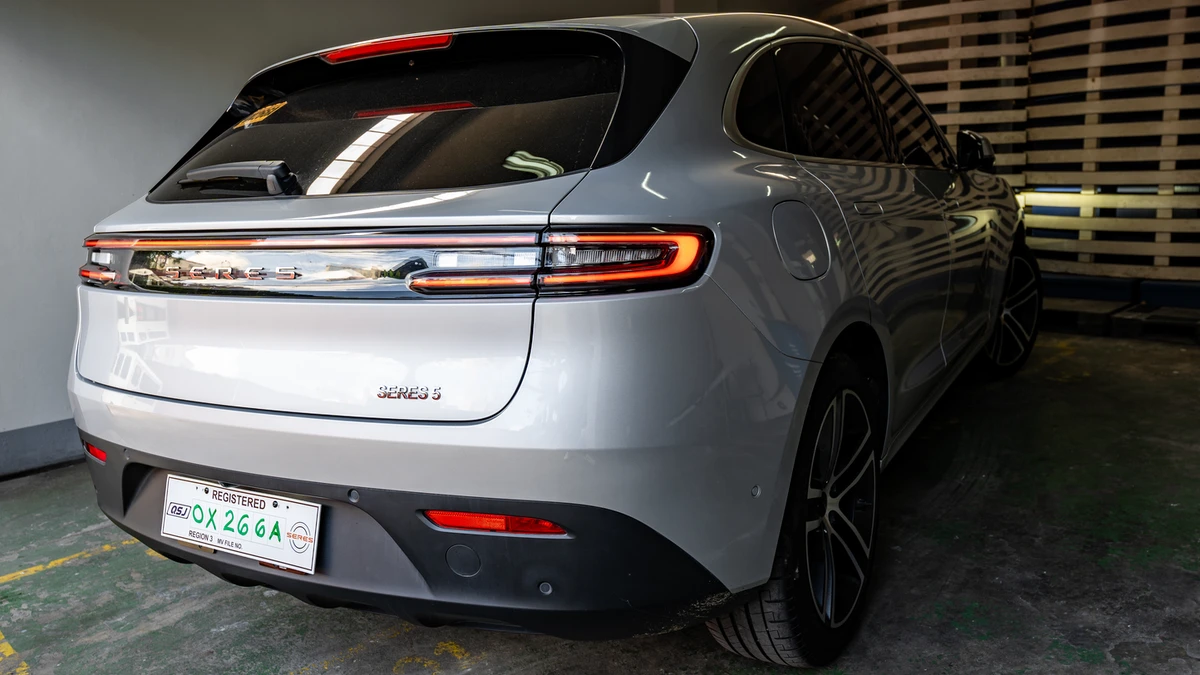
When you first set your eyes on the car, you will notice that it has lines that are very reminiscent of the Porsche Macan. That being said, if you were designing a compact SUV, being inspired by Porsche isn’t the worst thing in the world.
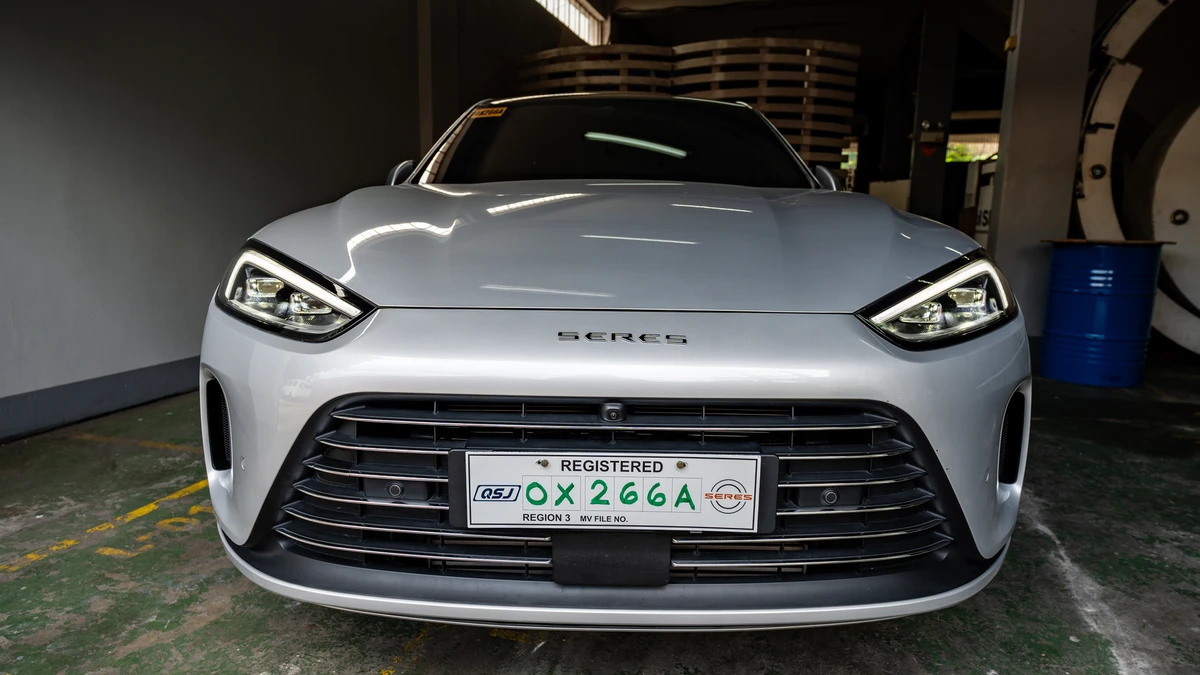
Unlike the German marque, the Seres has a rounder front end, with less of the aggressiveness in its design. It looks handsome, and it definitely stands out among most of the cars in its segment. Its eyebrow-style daytime running lights makes for a handsome face, which is complimented by the horizontal slats of the lower bumper resulting in an overall clean and sporty look.
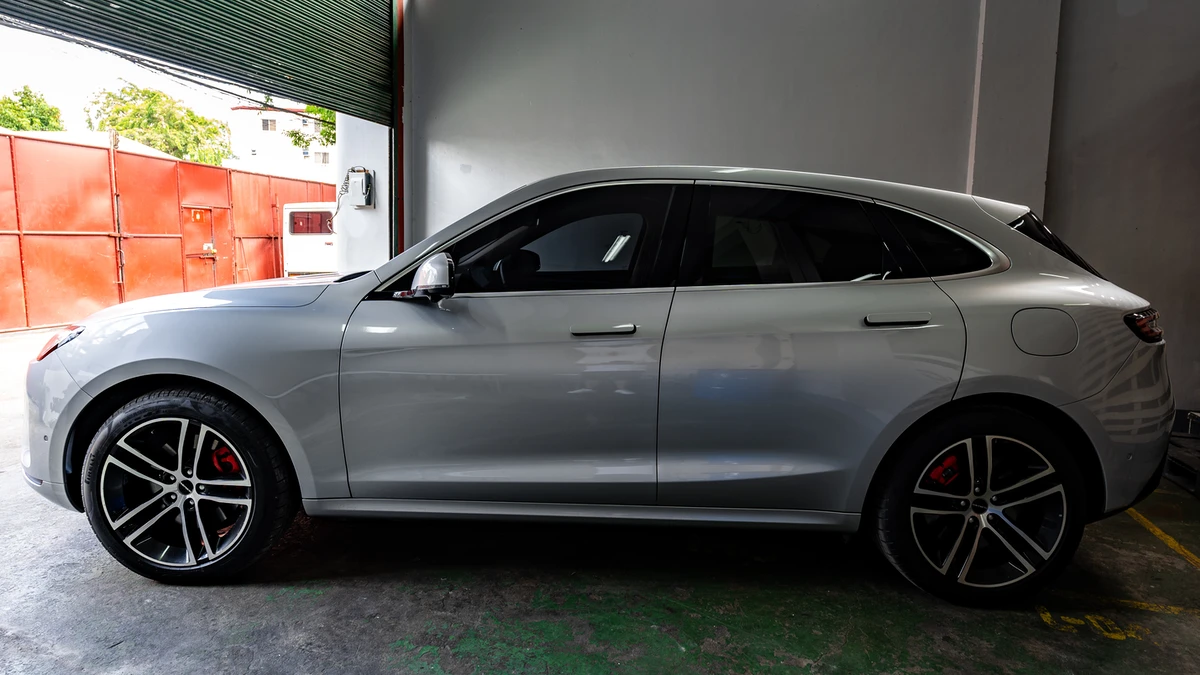
Seen from the side, the Seres casts a great silhouette. While it looks sleek and purposeful, we were hoping that there could have been a bit more interesting curves or angles, as the side profile seems a bit plain to our eyes.
Going to the rear, this is where the comparisons with the Macan would be the most obvious. The rear light spans the entirety of the rear, and while extremely distinct and handsome, it would be easy to mistake the Seres for a German SUV, even to those in the know. We hope that in the future, Seres would find its own design identity. But overall, the car looks great, and the contemporary styling stands out in a sea of EVs with extremely ‘electrified’ designs.
Interior
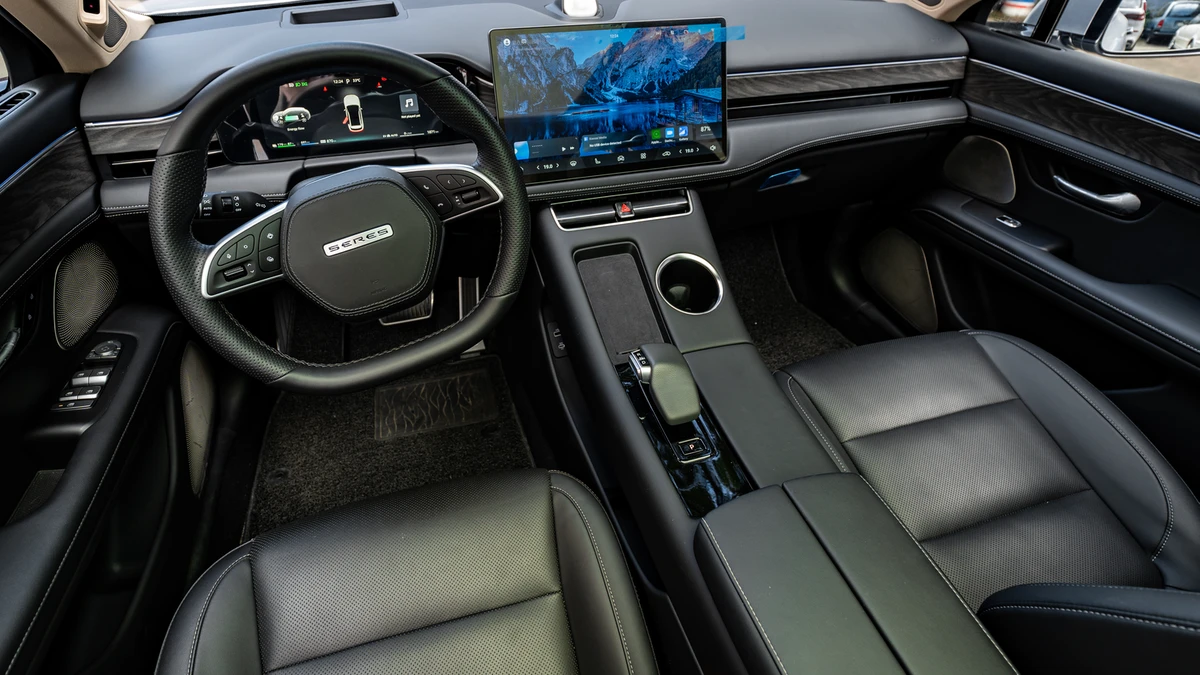
The doors unlock as you approach the car, and the motorized handles come out of their nests with a satisfying motion. Step inside and the interior of the Seres reflects the quality found on the outside.
The seats adjust as you sit in them, and the massive dual screens greet you with smooth animations and very high resolutions (10.25 inches for the instrument cluster, and 15.6 inches for the central control screen). This is something we wish more manufacturers would emulate, as nothing makes a car feel cheap as do laggy animations and visible pixels in this day and age of 120fps full HD phone screens.
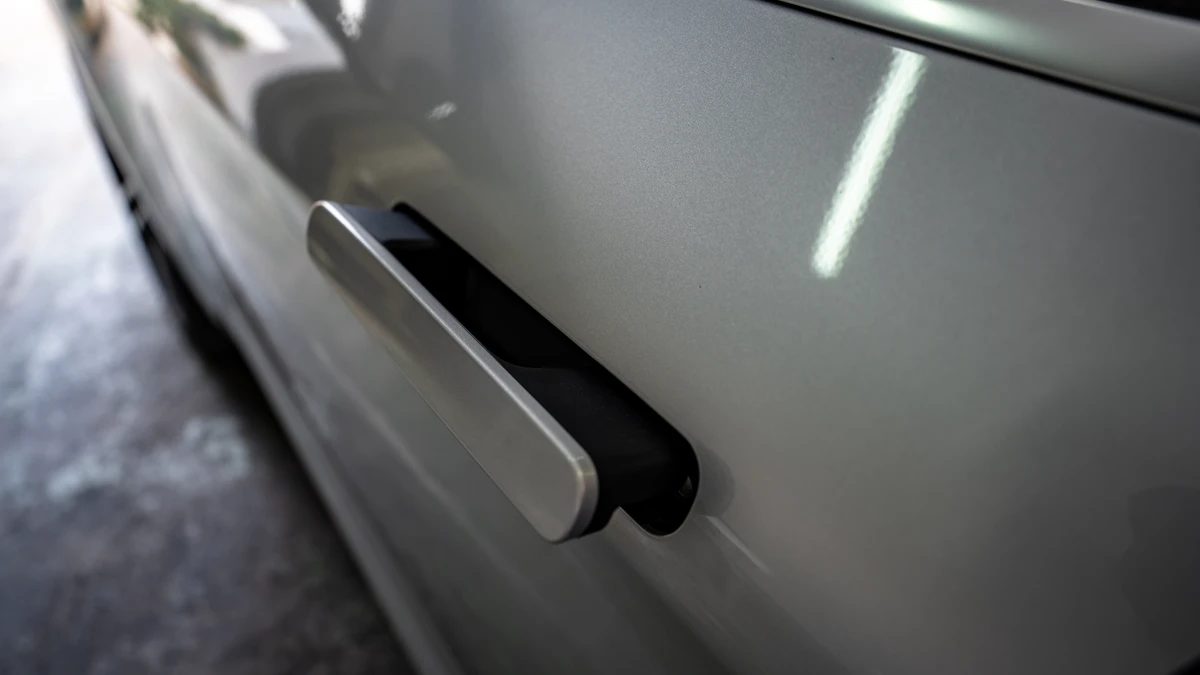
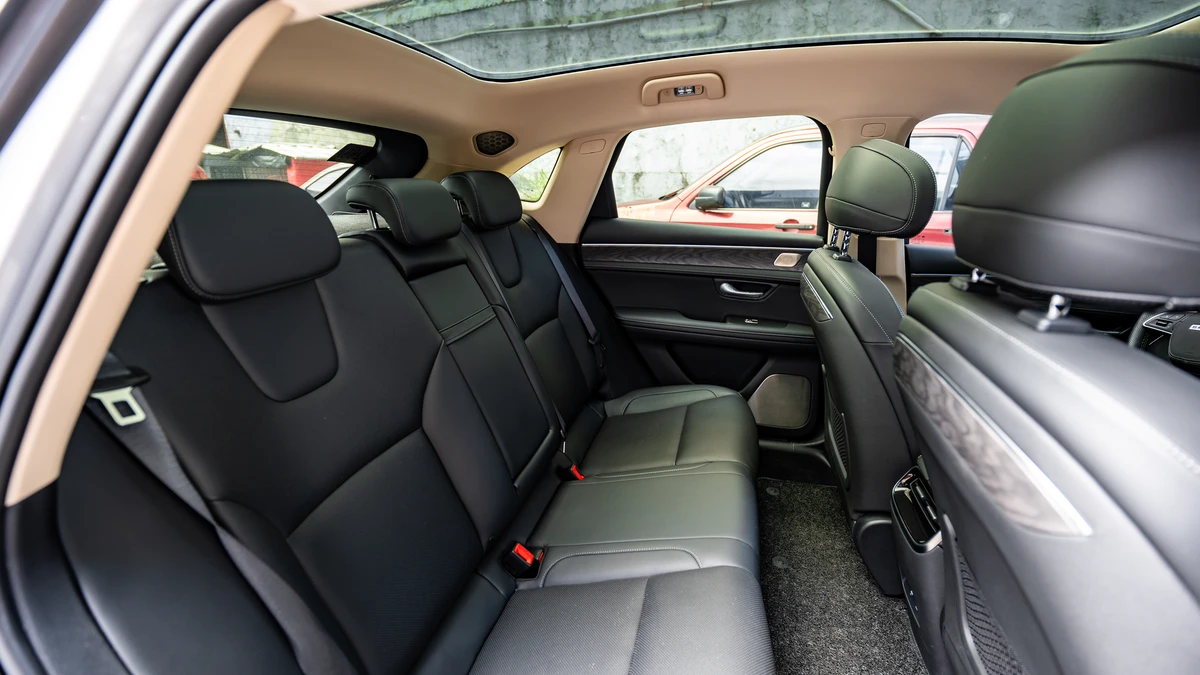
The materials choices for the interior are great, with nice textures and soft touch leather all around. Small cubbies on both sides of the center control stack house a place to put your phone, as well as USB-A and USB-C charge points on each side. The wireless charger fits a large iPhone perfectly, while providing a vent to cool the phone while it is charging.
Unfortunately, while the seats were supremely comfortable even after a long drive, they annoyed me just a bit since the seat bottom was a bit short for the length of my thighs (for context I am 6’2”, so this problem may be unique to me). This resulted in a lack of thigh support, which could have easily been solved by an extendable cushion, as you would see in a lot of mainstream brands. At least the lumbar support was great, and there was zero back pain even after a few hours of spirited driving. Overall, a very well-executed interior, but you would expect that at this price.
Engine Performance
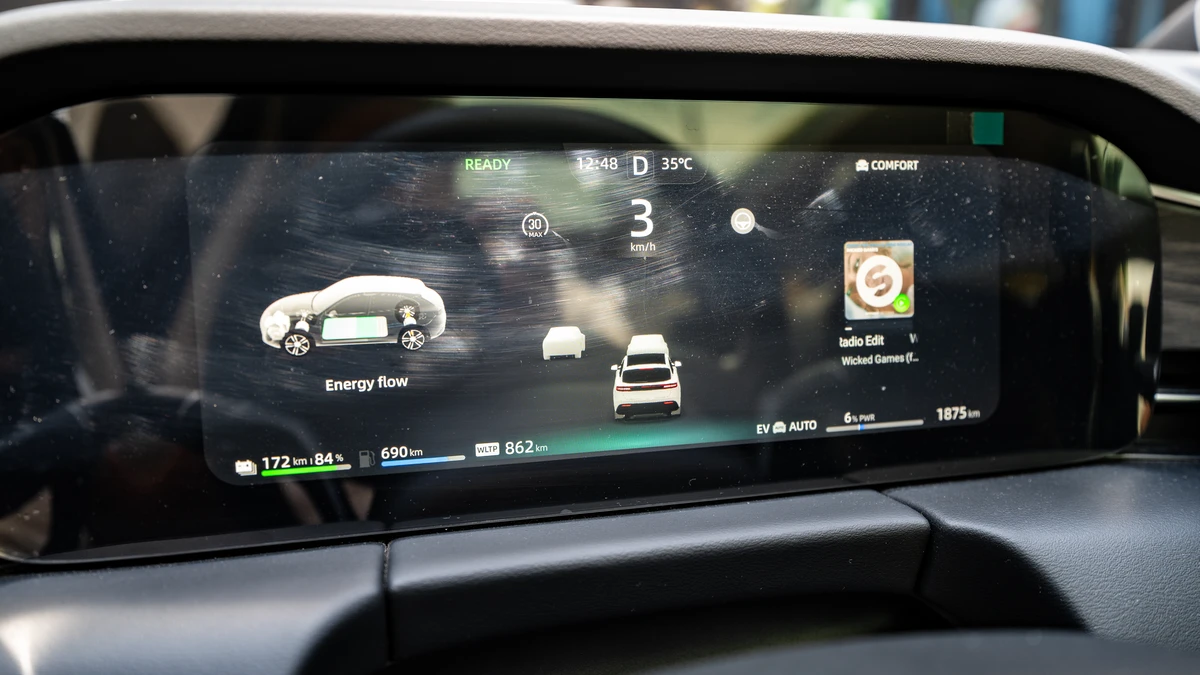
When the Seres Aito 5 was launched earlier this year, we were told that it drives like an EV, but had the fallback of a gas generator when needed. Now, while there are other cars that can boast that they are also range-extended EVs, we find that Seres does this format the best.
The Seres has dual motors and all-wheel-drive. The electric motors boast a massive combined output of 480hp and 664Nm of torque. This results in a 0-100kph time of around 4.6 seconds, which we can attest to. Overtaking was instantaneous and almost telepathic. While driving up Tagaytay, anytime we wanted to overtake, all it took was a quick squeeze of the accelerator to send the Seres rocketing past whatever we wanted to pass, all in complete silence. It was wild. We feel that this is one of the few range-extended EVs that actually drives like a full-blown performance EV.
The fact this is a range-extended EV also means that we had a hard time testing its fuel economy, as we were able to achieve about 150km on all-electric mode. From Makati, uphill to Tagaytay, and back, the gas engine only turned on when we were on SLEX nearing Makati.
What impressed us was that when we were driving around 100kph on SLEX, the battery charge actually went up. So in certain situations, the Seres can charge its battery faster than it can deplete it, which is great. That meant that it still had all of its performance without any sacrifices, even when charging from the gas engine. Total range including a full gas tank and a full charge is claimed to be an impressive 1,130kms.
That being said, once the gas engine did turn on, we averaged about 15km/L in the city, which is decent, especially given how far the Seres’ range in all-eletric mode is. Given the range and the 30-minute fast charging (with compatible chargers), you may not ever need to use gas in daily use.
Ride and Handling
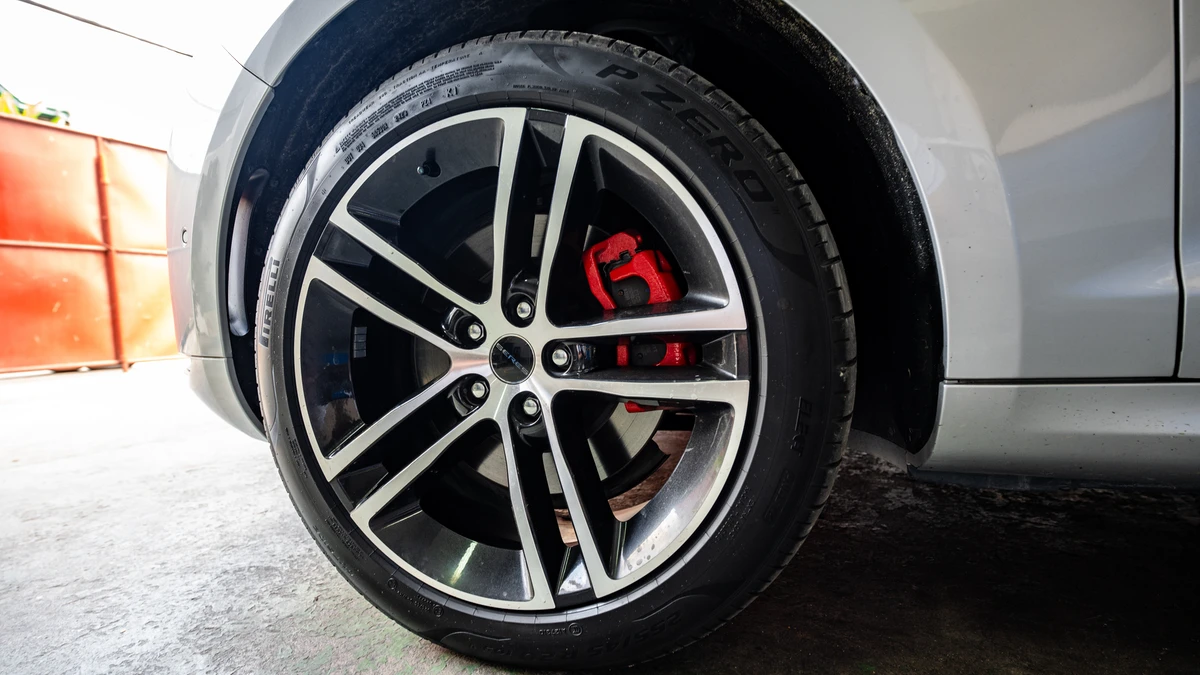
Most Chinese cars have had a problem with providing an engaging drive, but thankfully Seres puts the performance where the money is, as it drives very well thanks to a well-tuned suspension package and all-wheel-drive.
The ride was smooth, and the suspension absorbed the worst of provincial roads without much issue. Handling was great, with predictable turn-in and good grip coming out of corners. All-in-all, there is not much more to say about ride and handling, but coming from a new brand, it is quite impressive for its rookie attempt.
Extra Features
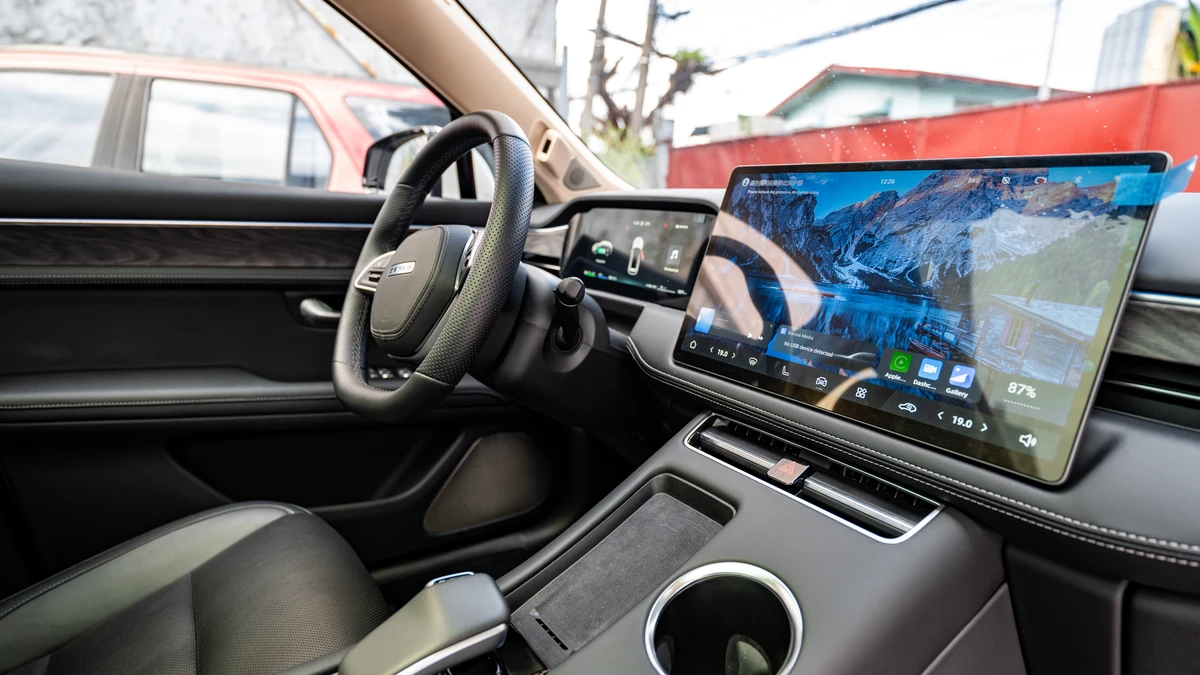
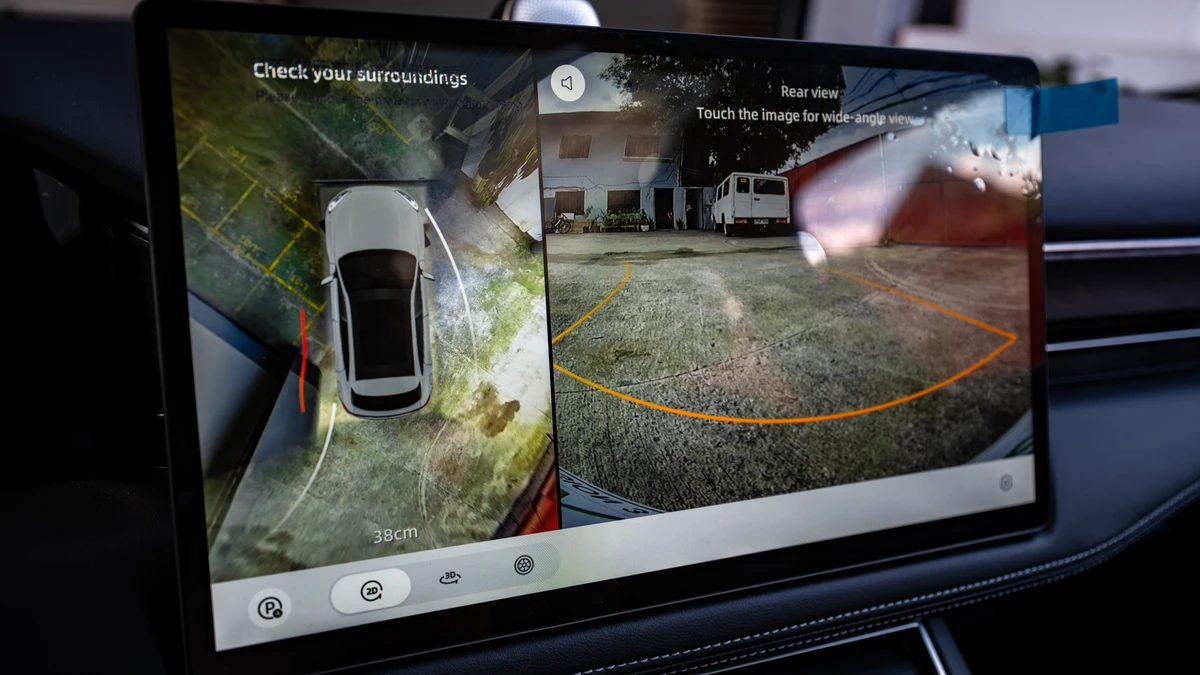
Name it and the Seres has it. Massage and ventilated seats? Yes. Wireless Apple CarPlay and wireless charging? Yep. Built-in dashcam and 360-degree cameras? You betcha. ADAS? You had to ask?
The Seres is more or less fully equipped for the year 2024. This, however, doesn’t mean that there is nothing to complain about. We absolutely hate how there are no buttons at all. This means that everything is controlled by the touchscreen. Massive as it is, it still means that if you are using navigation like Waze but you need to stop the aircon sweeping function or adjust the fan, you have to leave Apple’s interface and jump into the menus just to drag a slider around.
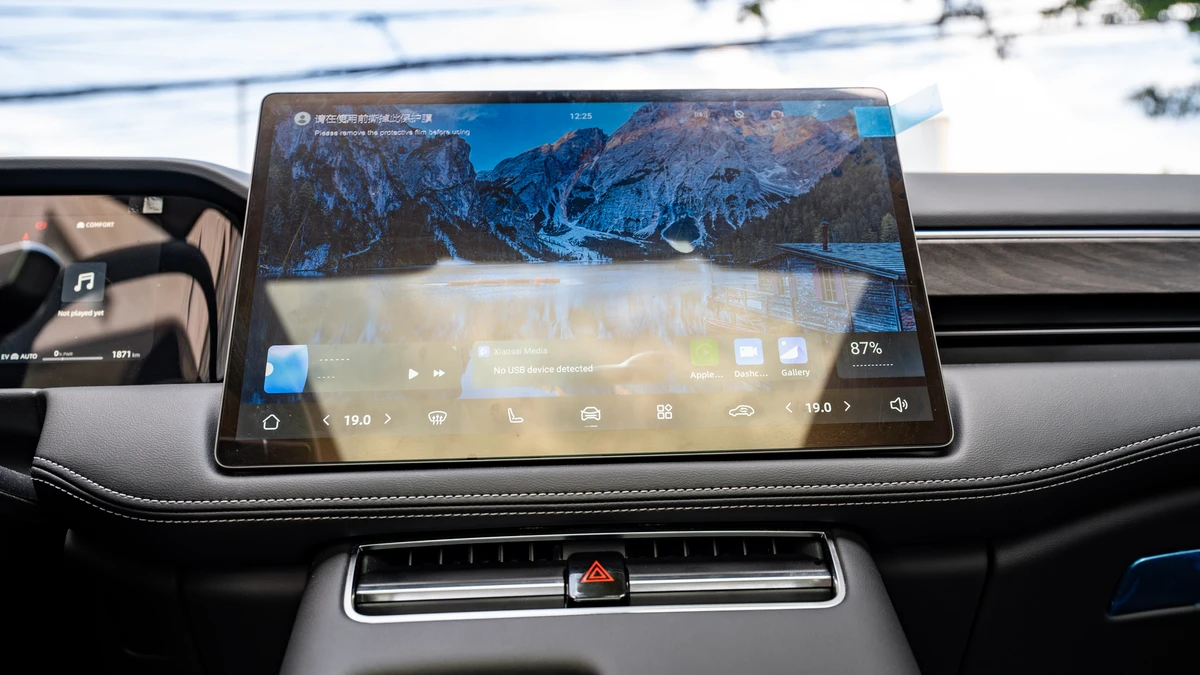
This can be particularly dangerous when driving, so we hope that Seres learns from this and either puts some physical buttons for basic functions like climate control, or if they really insist on using the touchscreen, at least take a page out of Subaru’s book and make the climate controls a permanent part of the screen interface.
Lastly, while it is equipped with ADAS, we found the lane centering system quite unreliable. It would shift from side to side in its lane and had some trouble when the roads curved even slightly, even with clear lane markings, so we opted not to use it. At least the radar-guided cruise control was generally good at managing the distance to the car ahead.
Overall, the Seres is very well equipped, and you would be hard-pressed to think of a tech feature that this car doesn’t have. Some tweaks to the software would easily make this one of the best specced cars in the market.
Verdict
The Seres Aito 5 impressed us. For a brand’s first foray into the automotive industry, it was executed with maturity and competence that is the hallmark of a brand with many more years under their belt.
However, this comes with a caveat—this specific configuration costs P3,688,000. At its current price, it’s quite a hard pill to swallow, given the deluge of EVs entering the country thanks to the EVIDA law.
This being the case, as an EV with uncompromising performance without the range anxiety, it does make for a tempting proposition. It tries to justify its price with every squeeze of the accelerator, and it comes very close to doing so.
SPECS: 2025 Seres Aito 5 (REEV)
Price: P 3,688,000
Engine/Motor: 1.5-liter turbocharged gasoline generator, electric motor
Power: 480hp (electric motor) / 114hp (gas generator)
Torque: 664Nm (electric motor) / 190Nm (gas generator)
Drive layout: AWD
Seating: 5
Score: 9/10