Have you ever tried a foreign dish that received criticism from others, only to discover it was surprisingly delicious, leaving you craving more? That’s precisely how I’d describe my encounter with Vietnamese carmaker VinFast.
VinFast Philippines graciously invited us to Vietnam, to test the cars they plan to introduce in the Philippines. I’ll admit, I didn’t have high hopes for the brand, considering its less-than-stellar reputation since its launch in 2017. Some pundits even went as far as labeling it the worst-reviewed car in America. However, my expectations were completely overturned once I had the chance to take them for a spin. Allow me to share my brief initial impressions of each model we tested.
OTHER STORIES YOU MIGHT HAVE MISSED:
New Yamaha NMax ‘Turbo’ makes global debut in Indonesia
Here’s the new face of the 2025 Isuzu MU-X
VF5
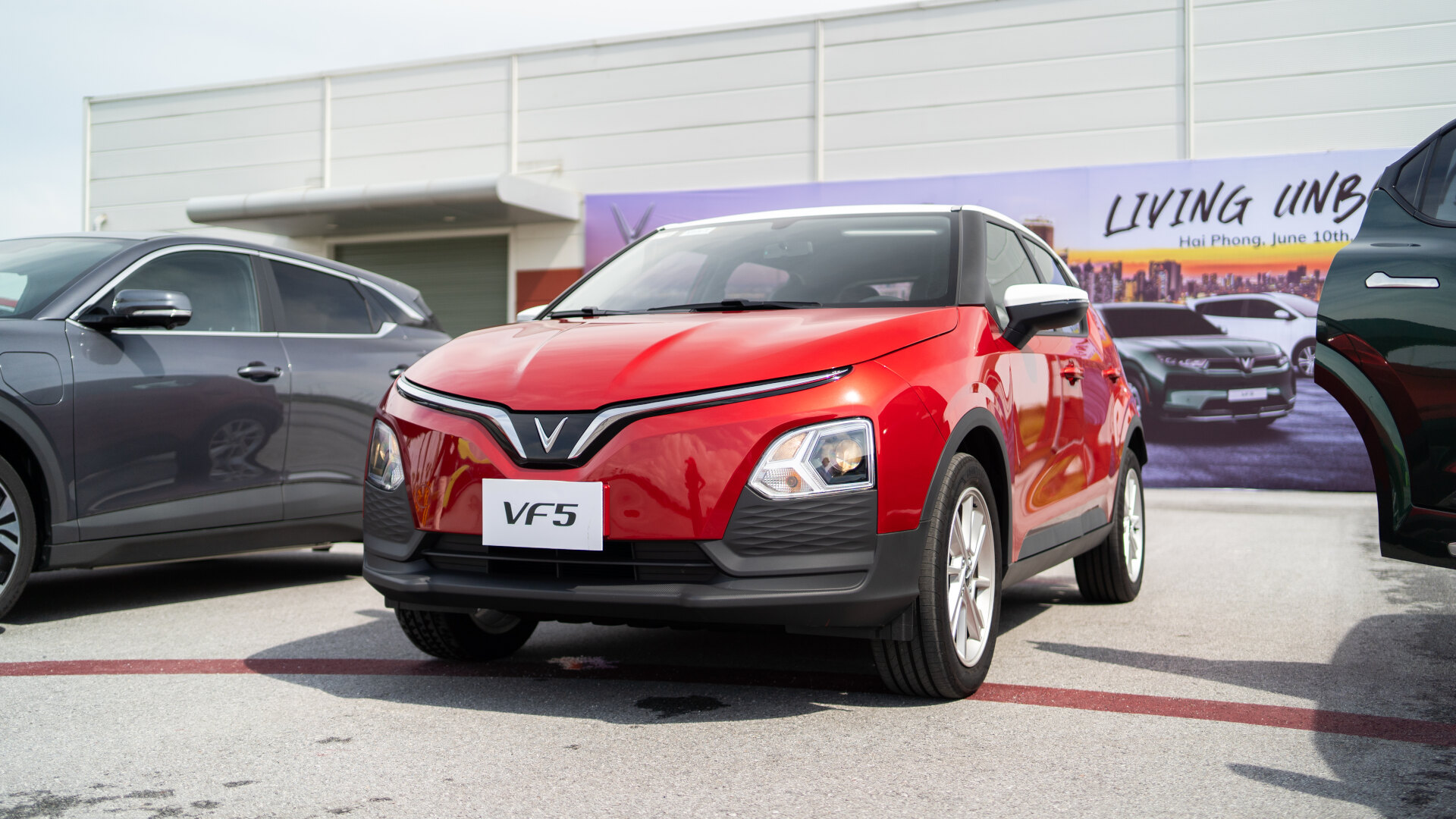
Let’s first discuss VinFast’s VF5, its current entry-level model. It stands out as the smallest, lightest, and most basic offering in their lineup. Its design is quite unique, featuring subtle yet distinctive touches of the letter V both at the front and back, reminiscent of futuristic aircraft from classic Japanese anime.
Stepping inside, you’ll be greeted with a plastic interior, though the seats are wrapped in leather—perhaps not the most luxurious leather, but certainly acceptable for its segment. The inclusion of a rotary gear selector and a pair of screens that house most vehicle controls adds a modern touch to the cabin.
Despite its compact size, the VF5 surprisingly offers ample space, especially with the rear seats folded down, providing a generous 900 liters of cargo capacity.
Under the hood, the VF5 boasts a 100kW motor, delivering a claimed range of 326km on a full charge. While it may lack the instantaneous torque of many EVs, it still manages to accelerate to highway speeds within a respectable time frame. Its lightweight body tends to be playful around corners, although there’s a noticeable degree of body roll during high-speed cornering.
However, the presence of rear disc brakes ensures reliable braking performance. Additionally, basic ADAS features such as adaptive cruise control, rear cross traffic alert, and blind spot detection contribute to a safer driving experience.
For those considering venturing into the realm of EVs for the first time, especially if your primary concern is practicality and efficiency in urban commuting, the VF5 presents itself as a compelling option. With its ability to effortlessly transport you from point A to point B without the hassle of refueling or worrying about emissions, it may just be the perfect fit for your needs.
VFe34
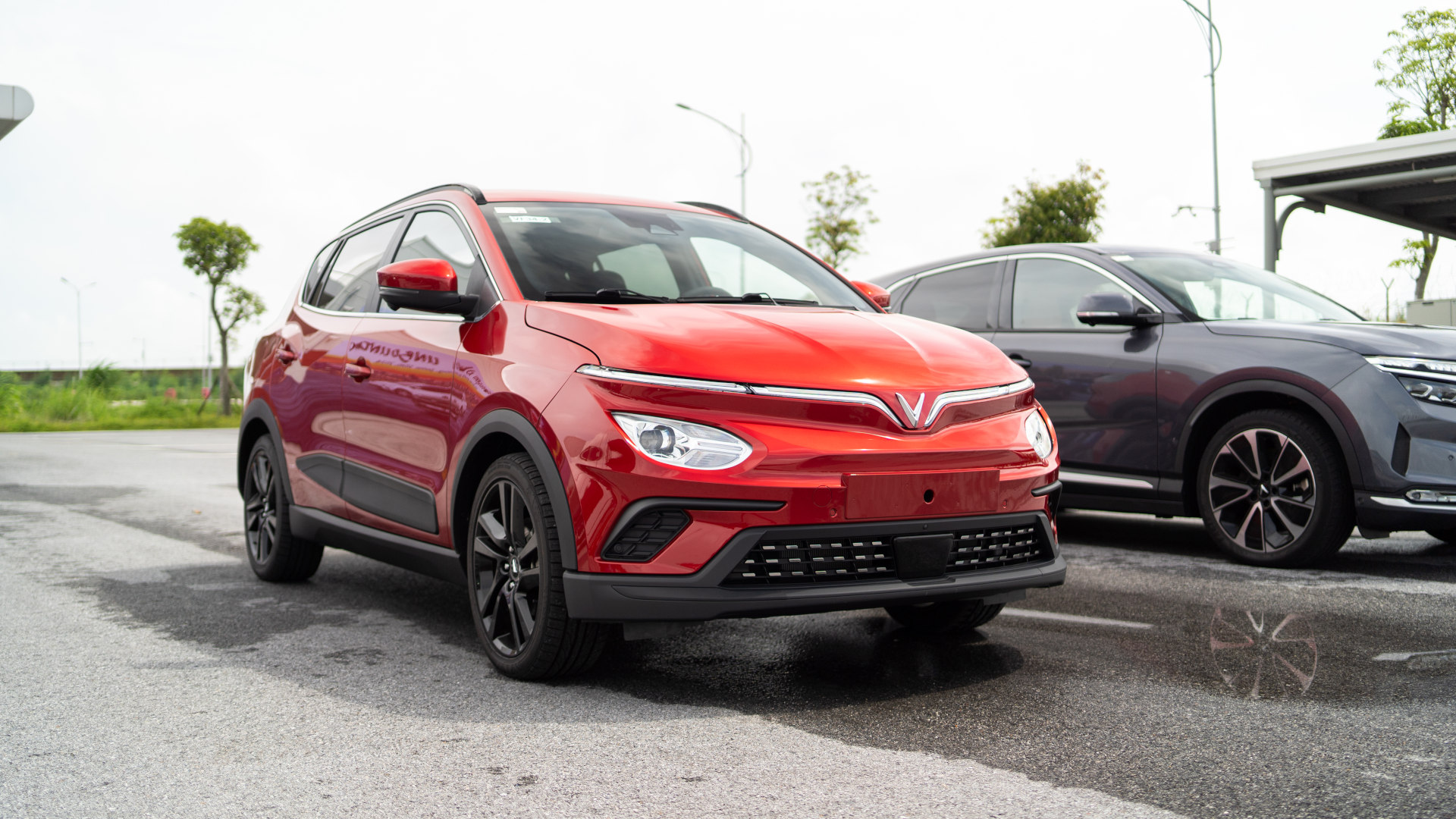
Moving on to the VFe34, it’s slightly longer than the VF5. Similar to its smaller counterpart, the interior panels are predominantly plastic, but it does come with leather seats. However, unlike the VF5, the VFe34 boasts a leather-wrapped steering wheel, providing a pleasant tactile experience. Additionally, it features a rotary gear selector and a 7-inch instrument cluster. The notable distinction between the VF5 and the VFe34 lies in the latter’s significantly larger 10-inch infotainment system.
With ample space for five passengers, coupled with acceptable levels of NVH (noise, vibration, and harshness), the VFe34 offers a comfortable ride.
Behind the wheel, the driving experience of the VFe34 aligns with other vehicles in its segment—neither exceptional nor lackluster. It accelerates and brakes adequately, albeit with noticeable body roll being its main drawback. With a 110kW motor under the hood, it can reach speeds of up to 140kph, with a claimed range of 318km. Furthermore, it comes equipped with a plethora of ADAS features, including adaptive cruise control, electronic stability control, hill-start assist control, roll over mitigation, and lane departure warning.
If you can overlook its aesthetics and it falls within your budget, the VFe34 presents itself as a viable option, offering superior spaciousness and more features compared to the VF5.
VF7
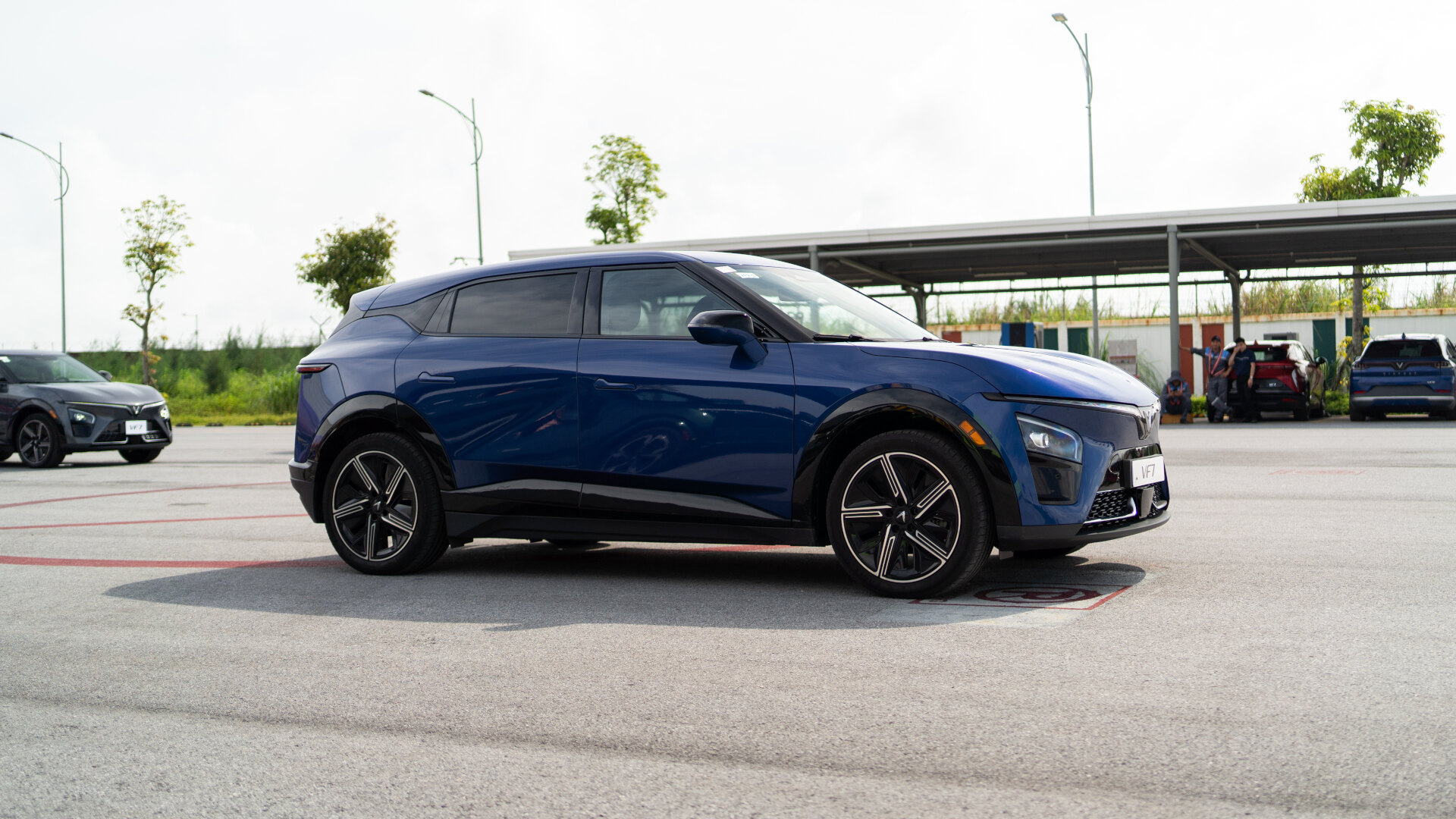
Next up is the VF7, which emerged as the clear favorite among us delegates. It has a sleek and refined design that sets it apart from its smaller siblings. With its clean lines and 19-inch wheels, it presents itself as a striking crossover option.
Stepping inside, the interior of the VF7 is a departure from the plasticky feel of the VF5 and VFe34. Instead, you will be greeted with an abundance of leather materials throughout the cabin, elevating the overall ambiance to a more premium level. The steering wheel feels substantial and offers a more tactile experience.
Unlike the VF5 and VFe34, the VF7 features a single 12.9-inch infotainment screen for vehicle controls, accompanied by a customizable heads-up display that provides essential driving information. Additionally, there’s ample space inside, particularly in the back, making long journeys a comfortable affair. The VF7’s design is a lot more refined that upon first glance, one might mistake it for a vehicle from a completely different brand, if not for the emblem on the steering wheel.
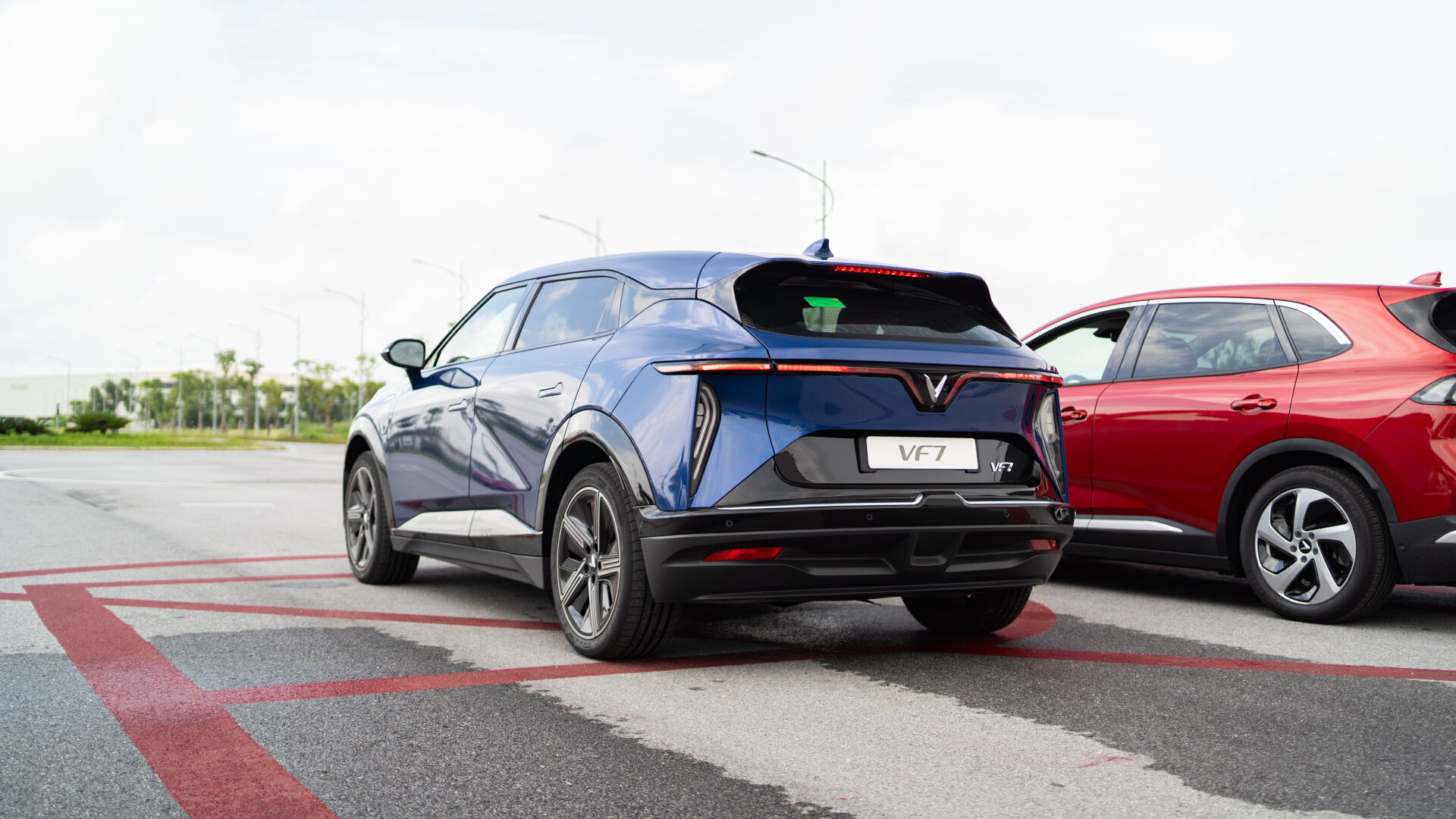
Behind the wheel, the VF7 delivers a vastly different driving experience. Thanks to its dual motors (specific specs remain unclear due to discrepancies in the brochure and website), I finally felt that ‘EV torque’ that the other two weren’t able to give.
The VF7 offers punchy acceleration, and we even managed to reach speeds of up to 215kph with three passengers on board. The brakes are solid and responsive, instilling confidence during sudden stops. Despite its size, the VF7 feels surprisingly nimble and handles well, although some body roll is noticeable in corners. Moreover, NVH levels are low inside the cabin. In terms of ADAS, the VF7 builds upon the features found in the VF5 and VFe34, offering even more advanced safety and assistance systems.
If offered at an attractive price point, I believe the VF7 would appeal to prospective buyers seeking a stylish, high-performance EV with a comfortable interior and comprehensive safety features.
VF9
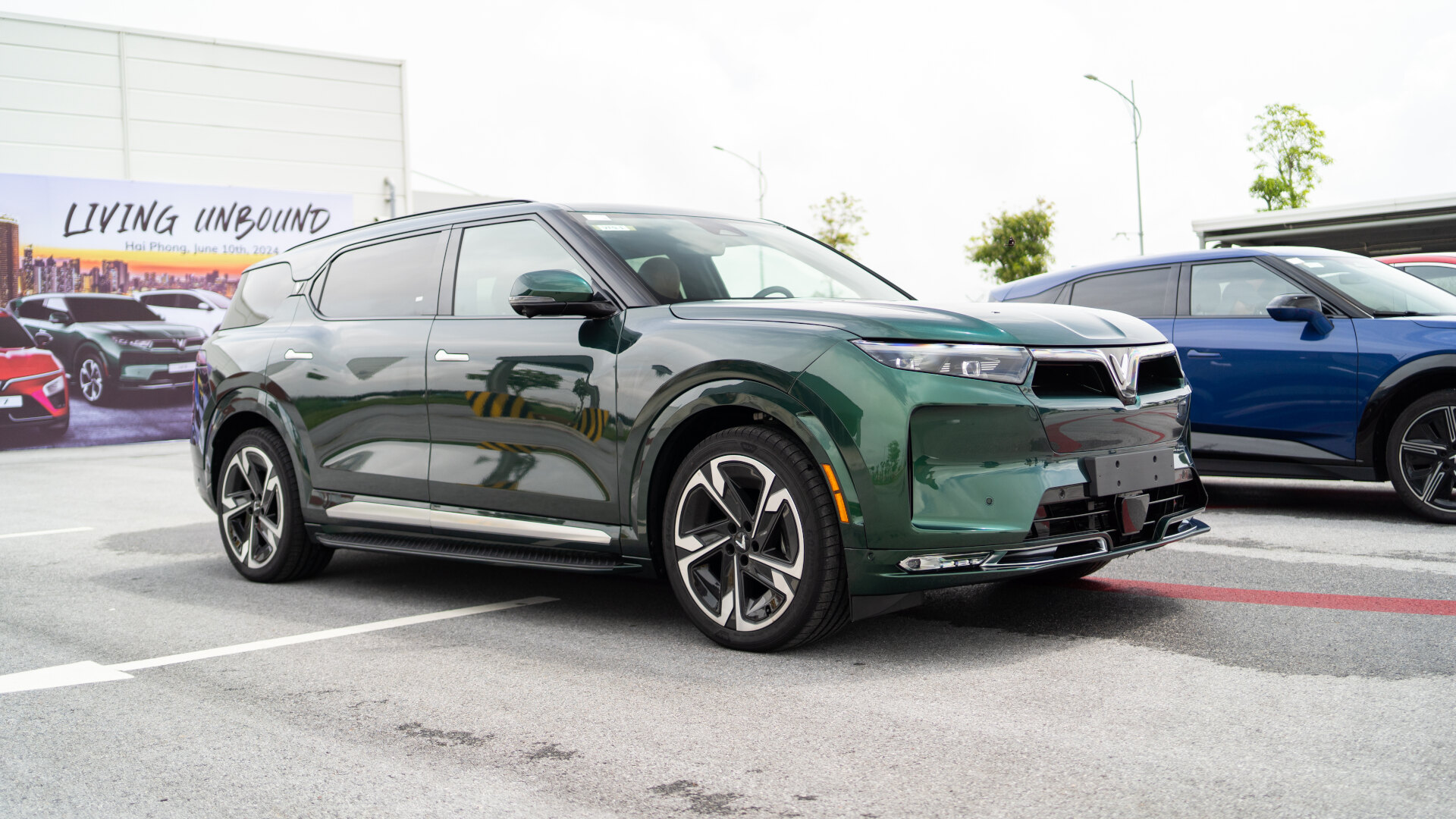
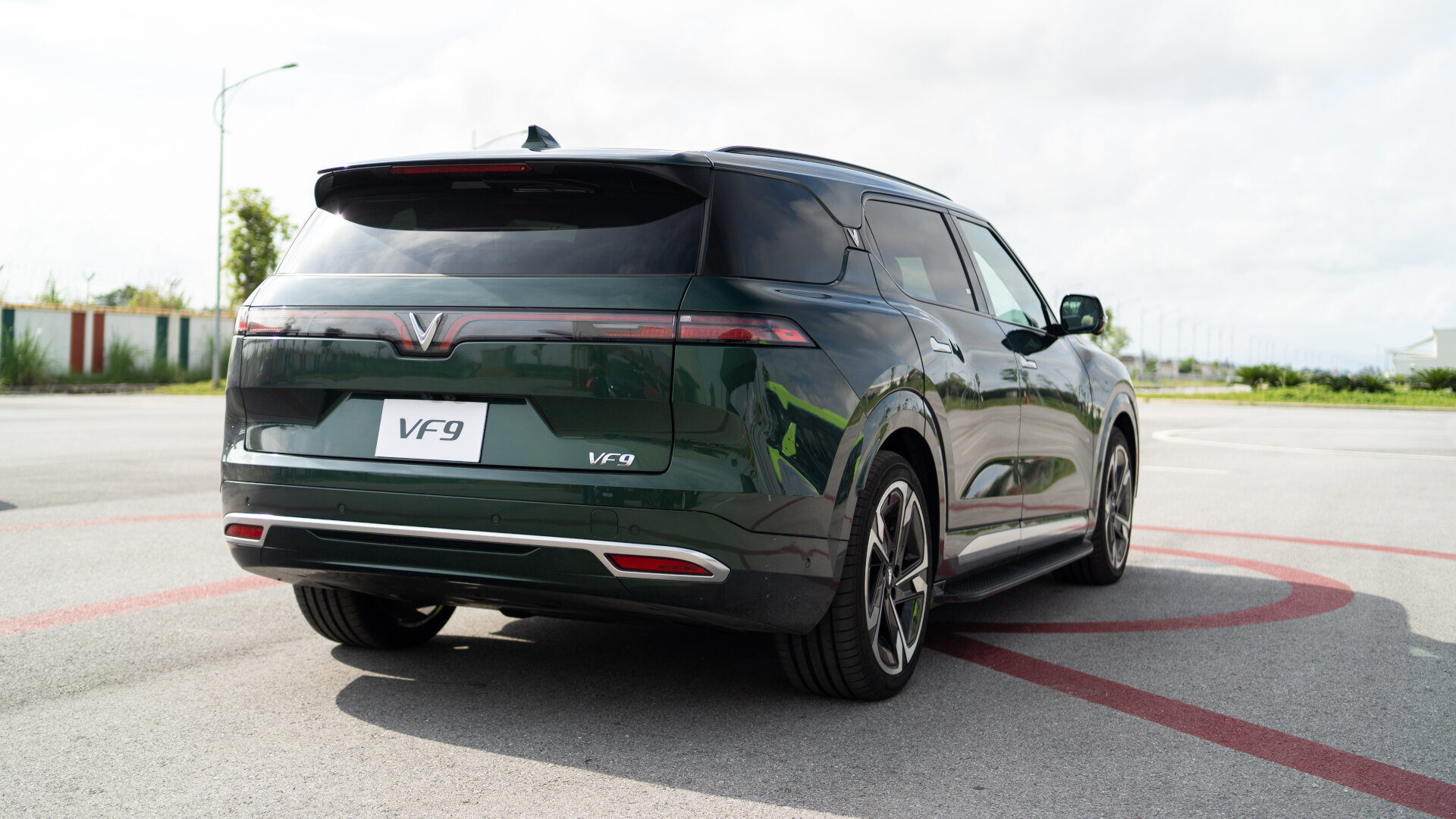
The final car we had the opportunity to test was the VF9, which, in my opinion, stands out as the most visually appealing in the lineup. With functional vents integrated into both the bumper and hood, it’s evident that its design was meticulously crafted, rather than rushed. Its long, sleek profile, especially in this striking green color, is further accentuated by the presence of massive 21-inch wheels, completing its impressive exterior aesthetic.
Stepping inside, you’re greeted by leather and soft-touch materials, giving a sense of luxury that surpasses its smaller siblings. The two-tone finish improves the overall ambiance of the cabin, while features like soft-close doors enhance the overall experience. The centerpiece is undoubtedly the 15.6-inch screen boasting clear display quality. The driving information is conveniently accessible via the heads-up display. Without a doubt, the VF9 is the most premium in the lineup.
Under the hood, the VF9 boasts dual motors like the VF7, but with larger batteries, resulting in a claimed range of up to 600km. However, behind the wheel, the VF9 feels noticeably heavier than the VF7, particularly during cornering due to significant body roll. While I wasn’t able to surpass the speed achieved with the VF7, it felt like 200kph was well within reach. With the most advanced ADAS features in the lineup, driving the VF9 instills a sense of security and confidence on the road.
The looming question now revolves around the SRP of these cars in our market. Given that the brand is relatively young and eager to establish itself, competitive pricing is very important. A strategic pricing strategy will not only attract potential buyers but also serve as a testament to the brand’s commitment to delivering value and quality.