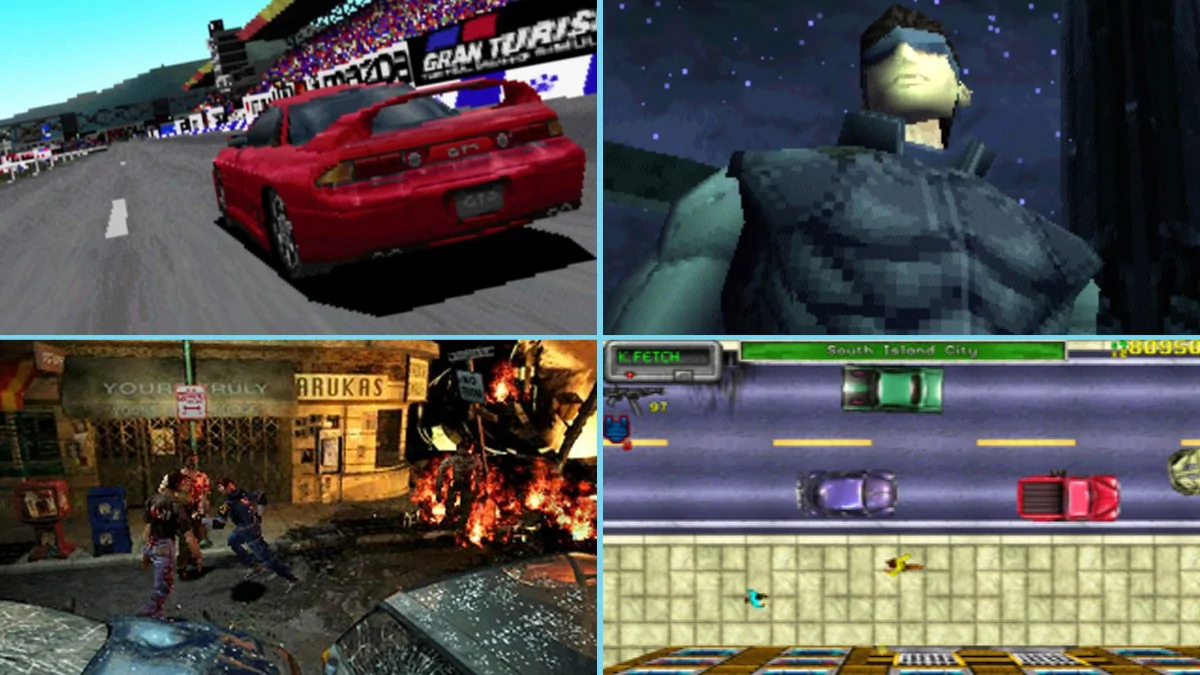
They say ‘time makes a fool of us all.’ Well, that’s only true if you sold your PlayStation 1 at some point in the last three decades and forgot about the absolute classic games in its library. Three decades later, what was once cutting-edge technology has become charmingly retro. But the grin on your face when you hold a PS1 controller looks just the same now as it did in the ’90s.
As Sony celebrates 30 years of PlayStation, marking the occasion with a video featuring recognizable faces from the console’s history, we thought we’d mark it in our own way: We’re coming clean and admitting that there are games in the PS1 library we still can’t put down. Or stop talking about. Or beat, actually.
1) Ridge Racer (Namco, 1994)
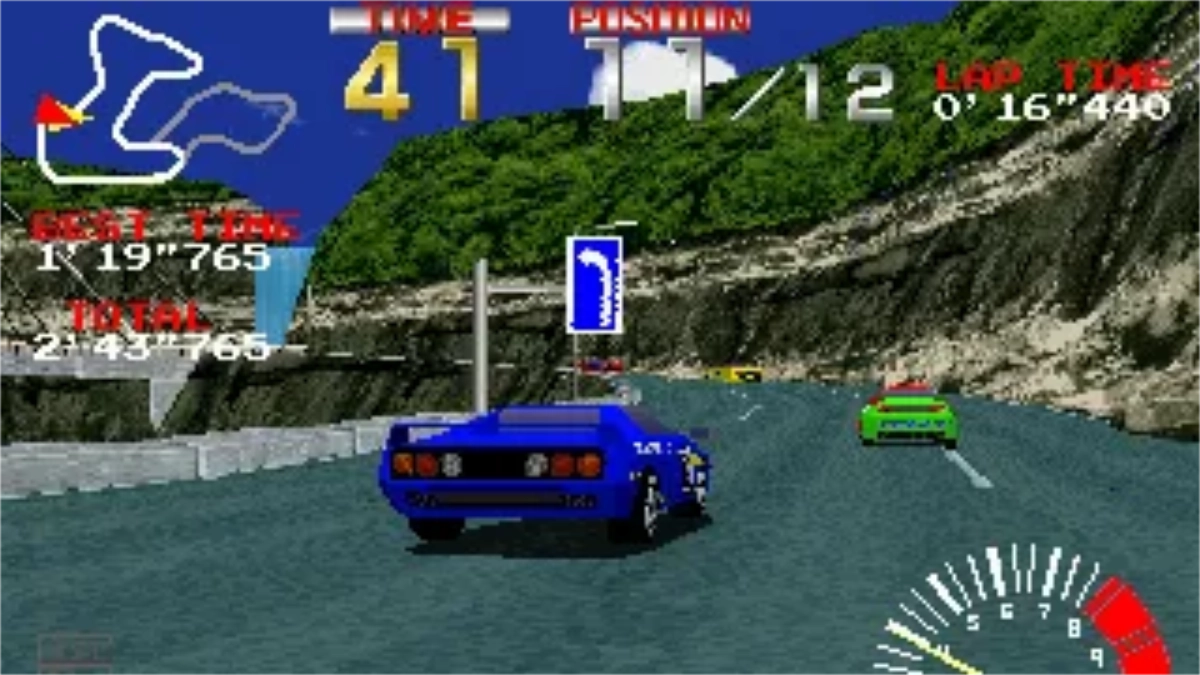
There’s a purity about taking a corner in Namco’s immortal PS1 arcade racer. Those trademark drifts might not be scientifically accurate, but taking a corner in the Bosconian around Seaside Route 765 summons transcendent levels of tire screech and camera wobble. The cars aren’t licensed and the tracks aren’t, either, so truthfully, there’s not a lot fuss and fan over. The joy of the game is found in simply making cars go sideways.
Adding to the mythos is that Namco never quite got it this right again throughout Ridge Racer’s long and tumultuous franchise history. It was 32-bit game, ahead of its time, crammed onto a disc with six music tracks, and with a playable version of Space Invaders during the loading screen.
OTHER STORIES YOU MIGHT HAVE MISSED:
The Toyota Tamaraw is finally here, and it starts at P937k
LTO ban on temporary plates suspended 'until further notice'
2) Grand Theft Auto (DMA Design, 1997)
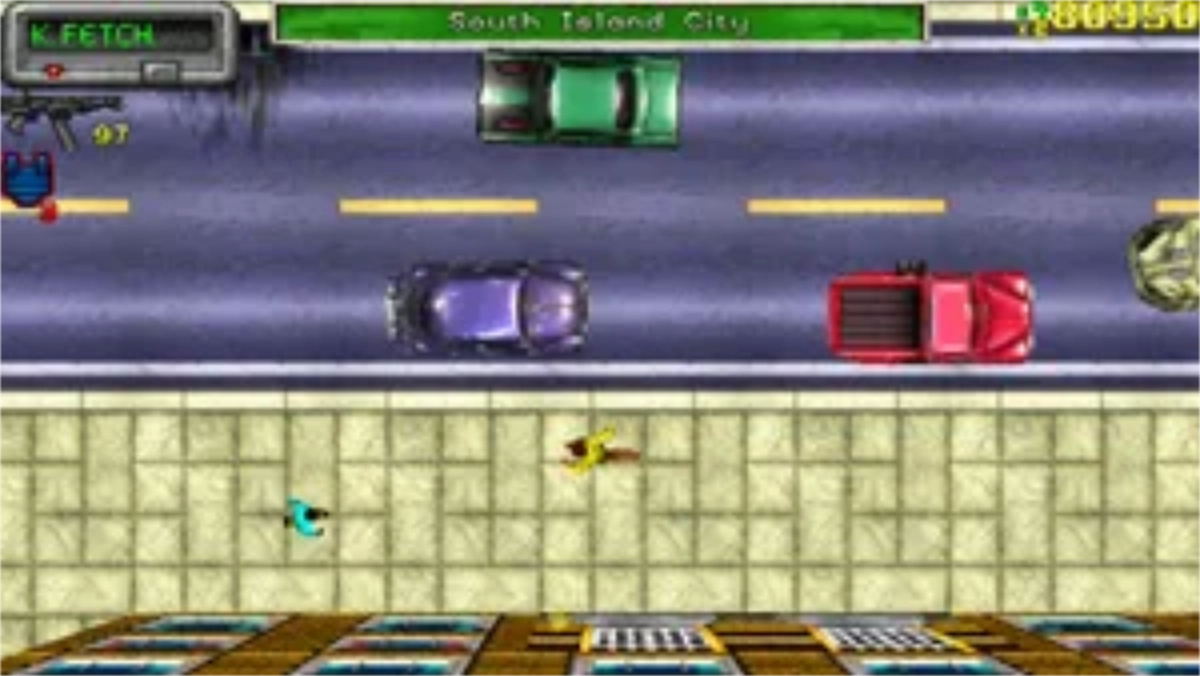
The tabloid outrage the original Grand Theft Auto generated was part of a sneaky PR strategy from DMA Design. But even if it hadn’t sent conservatives into a moral panic, the Dundee-based studio’s new game was always destined to change the gaming industry forever.
Here was a game that gave you a whole city to explore and run amok in. A game that let you be the bad guy, and filled the extra disc space on the PS1’s CD-ROM with radio stations that built the culture of that explorable city in your head. In many ways, the blueprint for modern GTA was already present among its first players, but while modern GTA feels like a blockbuster experience, this game has the dangerous feel of an underground indie movie you’d find on the bottom shelf at your local movie rental store (remember those?). Naturally, we’re still playing it.
3) Gran Turismo 2 (Polyphony Digital, 1999)
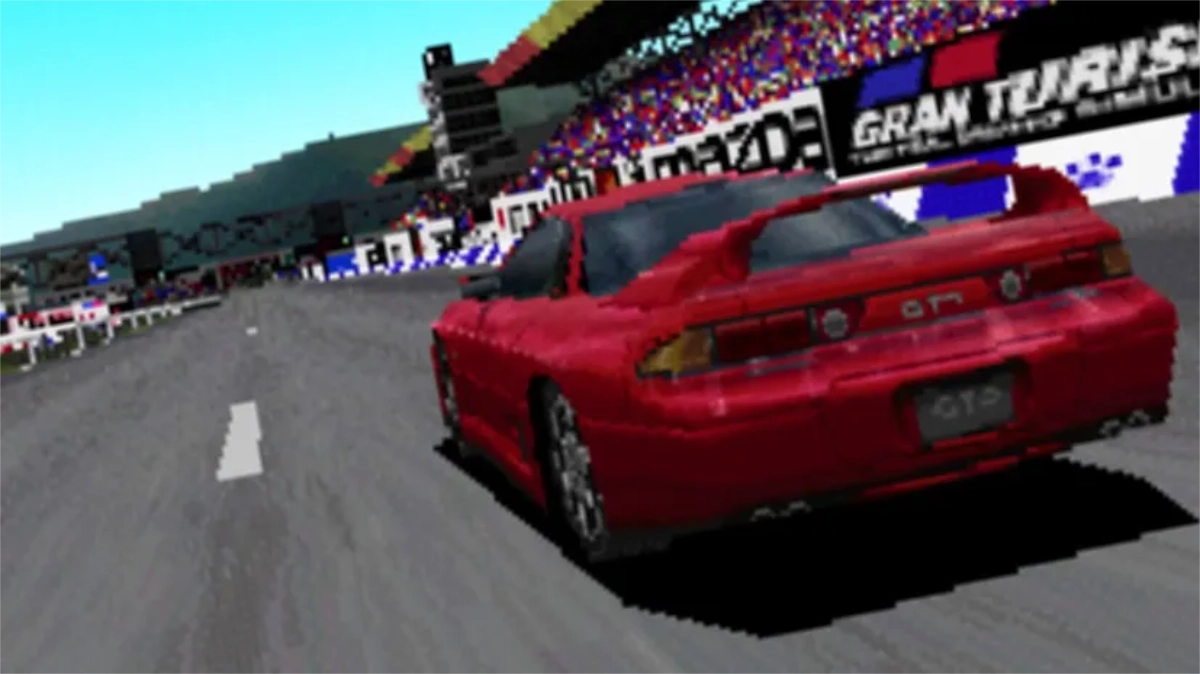
A total of 650 vehicles. Even before you digest Gran Turismo 2’s heavy handling control and—at the time—cutting-edge visuals, that’s a heck of a car list to get your head around. Perhaps the 1997 original made the biggest cultural impact, but the maximalist approach of its sequel is what makes it a keeper.
So many of its fictional tracks have become genre icons: Apricot Hill, Rome Circuit, Seattle...it feels like we’re listing the names of childhood friends, even before we get onto vehicular titans like the Pennzoil Nissan GT-R GT500 and that game-breaking Suzuki Escudo Pikes Peak Edition.
GT2 nailed the car ownership fantasy, making you work tirelessly for its rarest and most luxurious models, and then giving you nearly inexhaustible levels to show them off in. Thirty years later, we’ve nearly got all 650.
4) Metal Gear Solid (Konami, 1998)
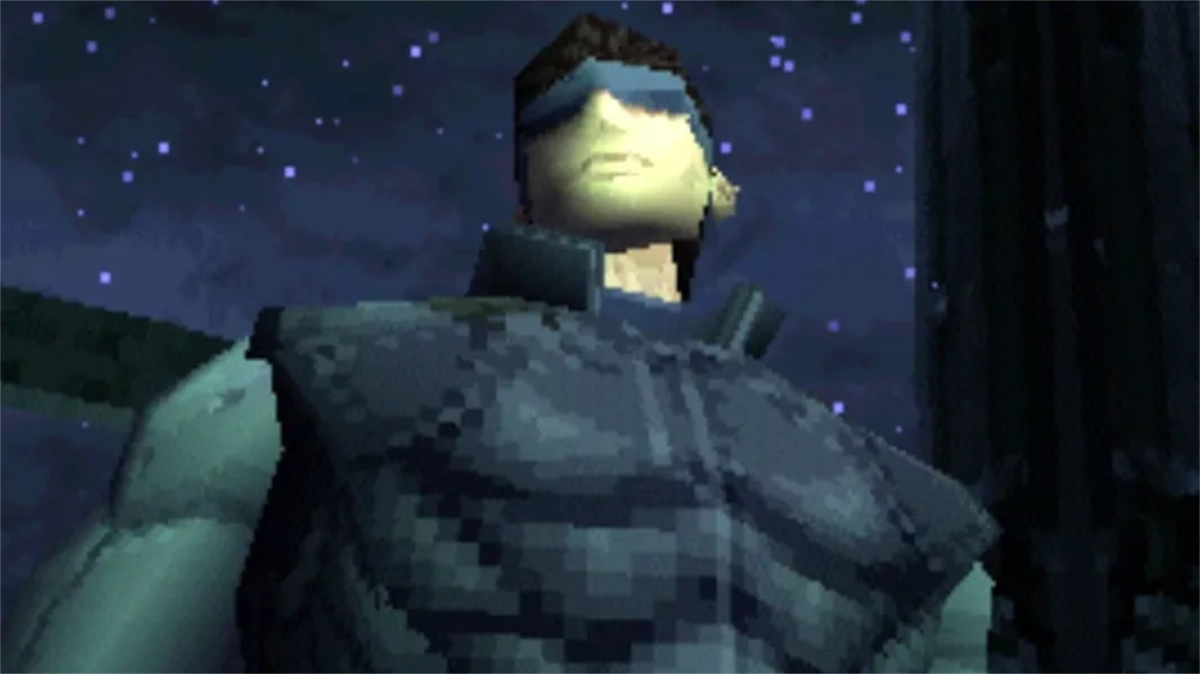
Hideo Kojima didn’t invent the stealth game in 1998, but he did find a way to make it so gripping, so fourth-wall-shattering, and so intricately choreographed that we wouldn’t be able to shut up about it for the next 26 years. And that’s not a bad accomplishment.
Metal Gear Solid made sneaking past a guard’s line of sight feel tense and cunning. It gave you just enough information and tools to game the alert system, luring enemies by knocking on walls, or hiding from them inside a cardboard box. The story frequently messed with your preconceived notions of what a game was allowed to do, referencing its own CD case and your console’s controller port as solutions to boss fights and puzzles.
Psycho Mantis could even read your memory card and shame you for saving too often. There was nothing like it in ’98, and three decades later, we’re still going back for another jaunt through Shadow Moses.
5) Colin McRae Rally (Codemasters, 1998)
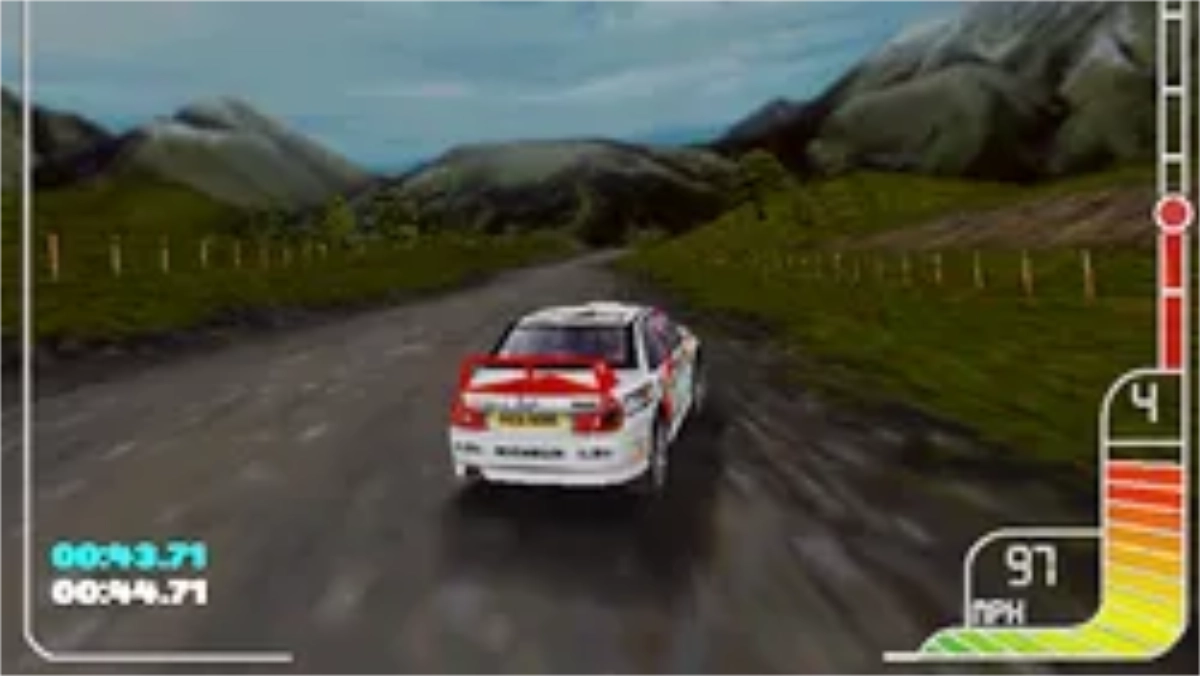
If in doubt, bring Colin McRae Rally out, as the old saying goes. Loose surface racing was a staunchly arcade affair that you sat in a big Sega Rally arcade cockpit for, before Codemasters got their protractors out and measured exactly what the most satisfying angle to hurl a Subaru Impreza across some Australian track was.
Time has been kind to the handling model, but it’s been even kinder to the selection of genuinely iconic vehicles. Not just Mr McRae’s blue Scooby, but the 1995 Toyota Celica GT4 in that Castrol livery, the 1992 Martini Lancia Delta, and the 1986 Audi Sport Quattro S1, alongside gorgeous Skoda Felicia and Seat Ibiza kit cars, to name only the most handsome handful.
6) Resident Evil 2 (Capcom, 1998)
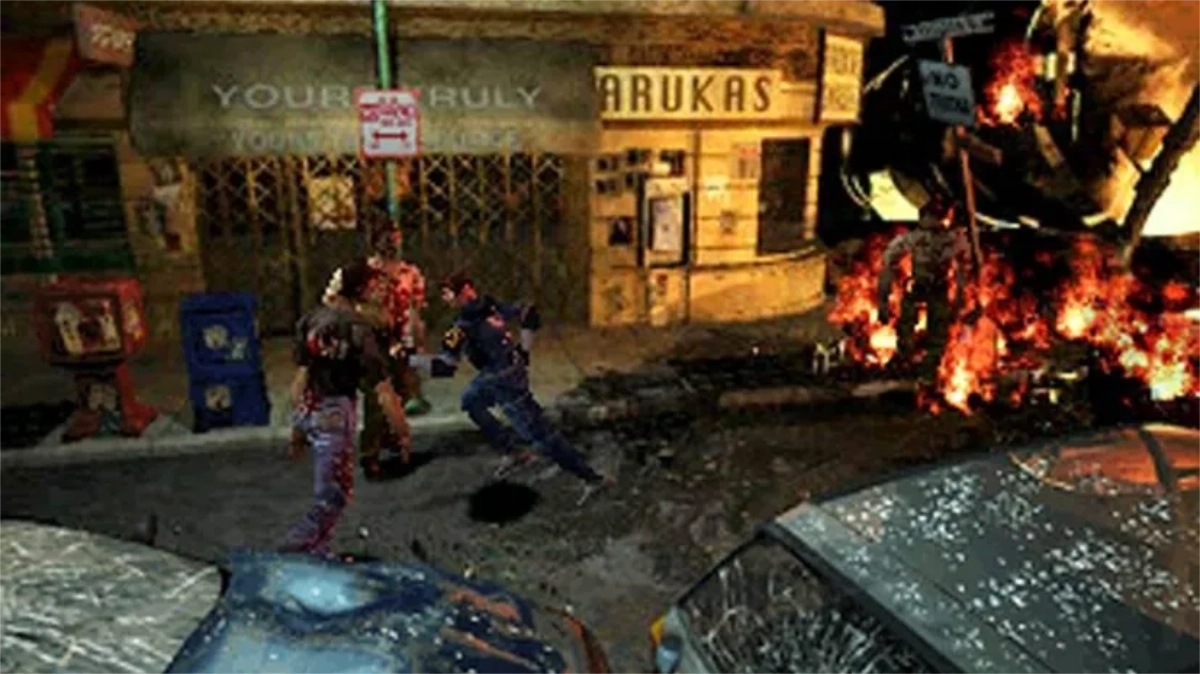
Yes, there’s a perfectly good 2019 remake—a really, really good remake, as it happens. But survival horror really began in earnest on the original PlayStation, and Resident Evil 2 is somehow way creepier in its original form. The painfully slow door opening cutscenes. The fixed camera angles, each arranged for maximum zombie-hiding potential. Oof.
Capcom only needed about seven polygons to make The Licker, a monstrous arrangement of guts that made absolutely everybody jump when it went past that window, and that deserves some recognition.
It’s an intricate game, too, as it changes depending on whether you play as Leon Kennedy or Clare Redfield first, revealing secrets and then new pathways to the especially curious and diligent. Let’s look past the fact Racoon City PD worked in a giant puzzle box and needed to move antique busts around in order to get to the evidence room. There’s an atmosphere to the original Resi 2 that keeps drawing us back in, and will continue to do so for years to come.
7) WipEout 2097 (Psygnosis, 1997)
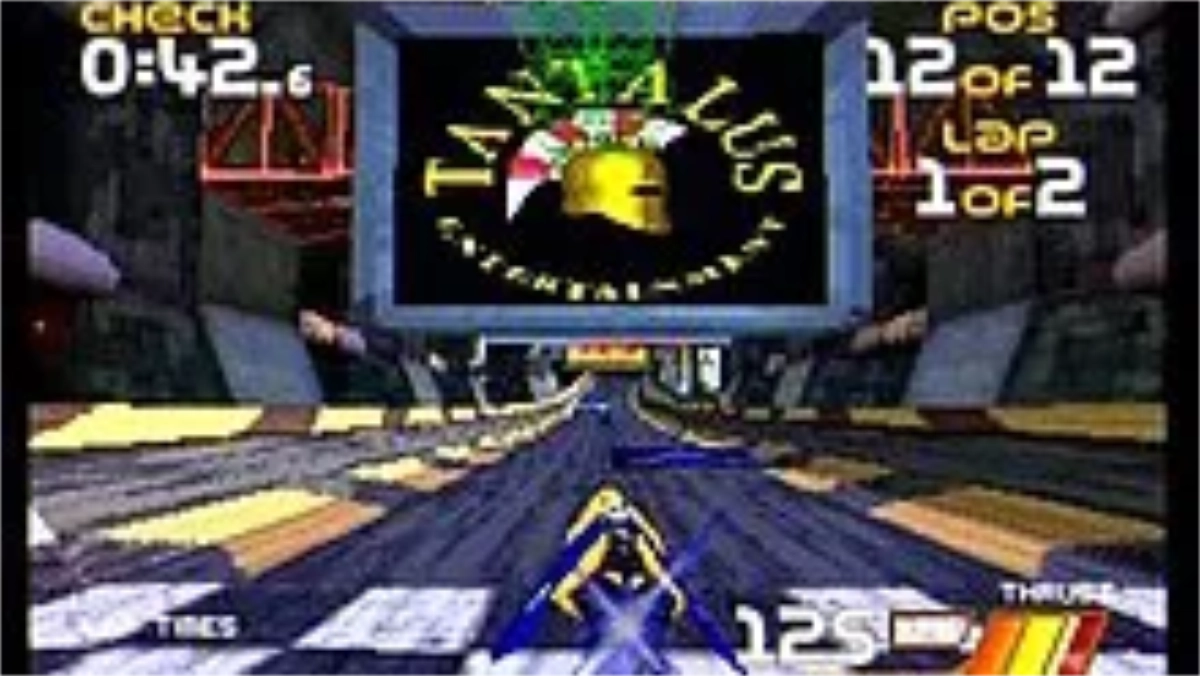
If cars go fast, then the lunatic sci-fi paper airplanes of the WipEout universe go faster. The draw of Psygnosis’ sequel really is that simple. Piloting one of these things forces you into a trance-like state—at once hyper-aware and somehow tuned out. You’re no longer looking at the corners as they’re arriving too fast to react to. You’re just twitching your way along, flying on instinct.
Every fiber of the game’s been tweaked to support that sense. The pulsating trance soundtrack, featuring The Prodigy, Chemical Brothers, and Orbital, couldn’t be more late ’90s if it had Mel C freestyling about Furbys over it. Even the menus look nostalgic.
Frame rates have soared since the PS1 days, but the sense of speed achieved by some legendary developers in an industrial park outside Liverpool back in 1997 has never been topped.
NOTE: This story first appeared on TopGear.com. Minor edits have been made.