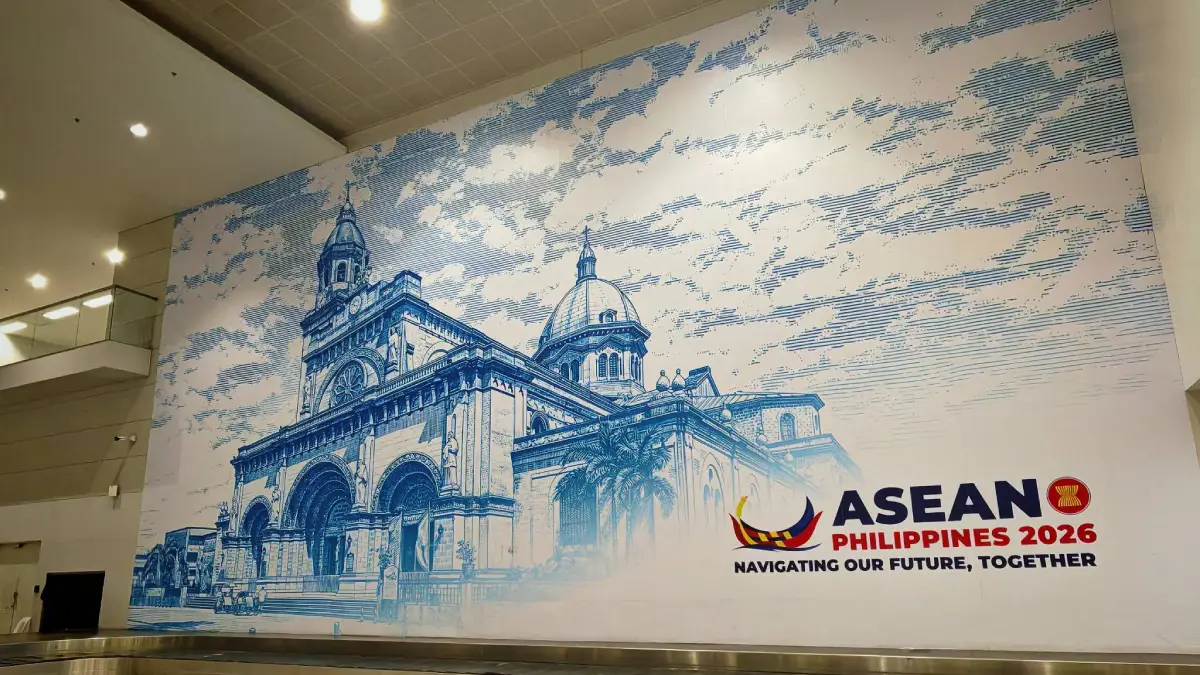
In the weeks leading up to the Philippines’ hosting of the 49th Association of Southeast Asian Nations Summit this November 2026, the flurry of street cleanups and improvements has been hard to miss.
Many public spaces went through drastic makeovers and beautification efforts. Dirty streets were suddenly power-washed, walking paths seemed to appear out of nowhere, eyesores disappeared behind boarded-up walls, and grimy walls got a fresh coat of paint. The overwhelming sentiment among netizens was: “Pwede naman pala. Kaya naman pala.”
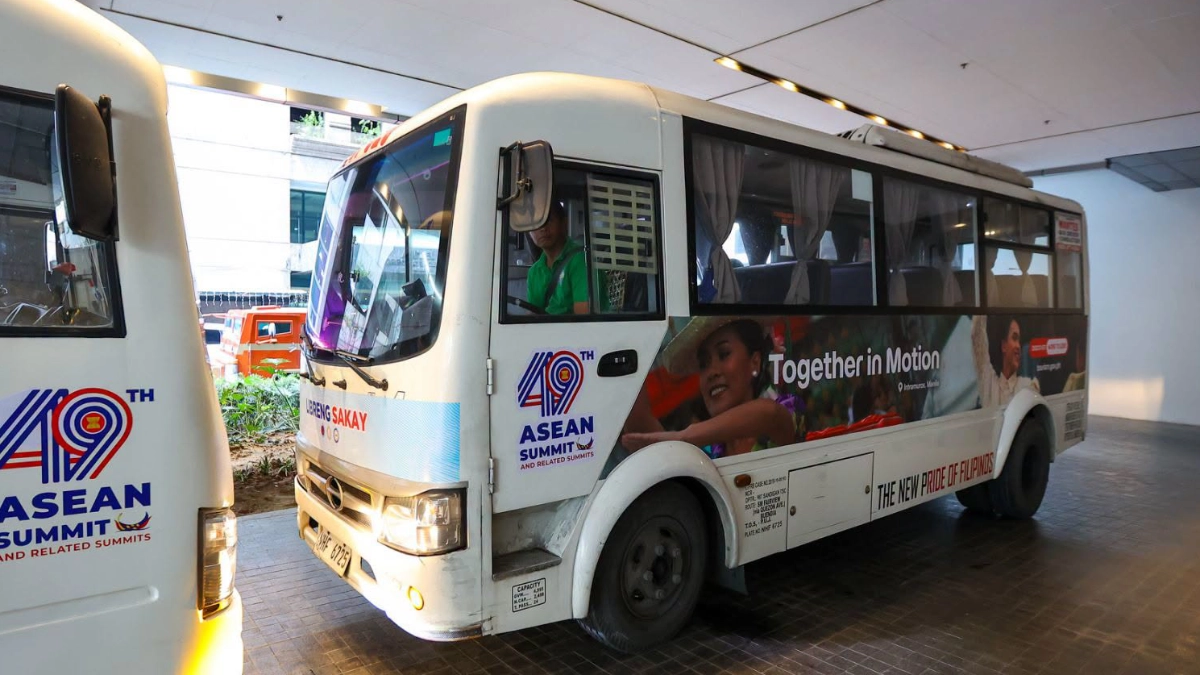
“The irony is hard to miss. We can make our streets presentable for visiting presidents and foreign dignitaries. We can mobilize resources and get things done when international attention is at stake. But why can’t we do the same for the people who live here every day?” questioned Dr. Tony Leachon while sharing an infographic for an opinion piece from Radar.ph.
ALSO READ:
DOTr to rehab five MRT-3 stations in 2027
Check out the North-South Commuter Railway’s progress in Valenzuela and Pampanga
What frustrates Filipinos is that most last-ditch efforts are essential road infrastructure improvements that should be part of regular city maintenance, but seemingly happened only because international delegates and VIPs were set to visit the country.
Here’s a look at some of the infrastructure improvements we’ve seen recently that we wish could be done year-round and in the hopes of seeing lasting solutions.
1) Fresh road markings, overhead signs, and clear signages
Various news reports show crews hard at work updating faded lane markings, installing clearer overhead directional signage, and repainting sidewalks, walls, and center islands across Manila, Pasay, and Parañaque.
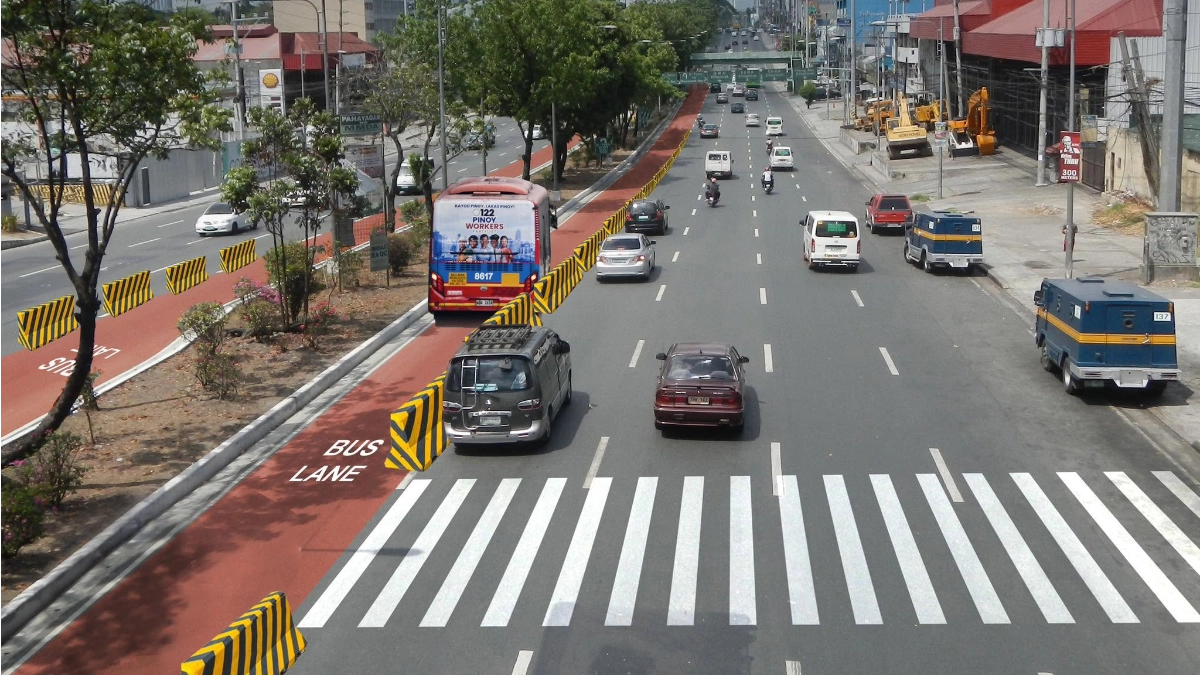
In the past, faded lane markings, missing signs, and poorly placed road signs have led to confusion among drivers and pedestrians, with many pedestrian crossings barely visible on the road. Regularly improving visibility and accuracy in signage can help prevent accidents and ensure safer navigation, especially in busy areas.
2) Rapid pothole patching and asphalting
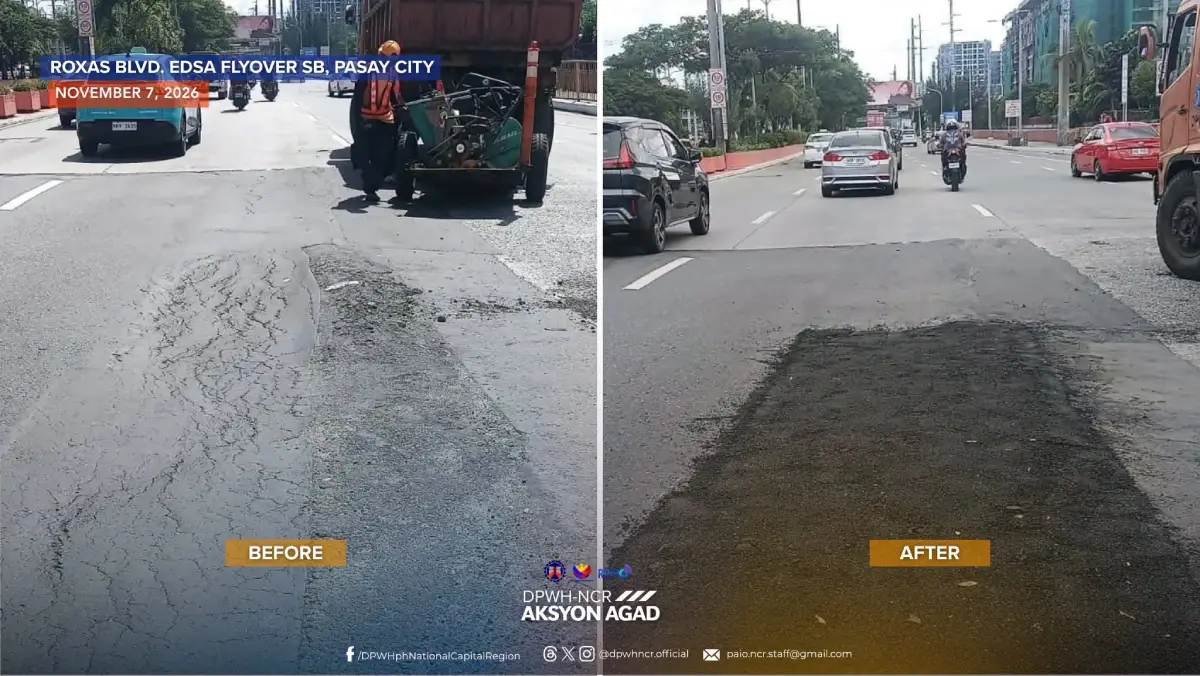
Many roads around the metro, including major thoroughfares like EDSA, are plagued with potholes and uneven surfaces, which makes travel unsafe, especially for motorcycles and bicycles. I think we’ve all had our fair share of encounters with bad potholes, steep gutters, protruding grates, and ill-fitting manhole covers on EDSA.
Days before the ASEAN Summit, the Department of Public Works and Highways prioritized repairing uneven pavement, patching potholes, and upgrading sections of major arteries like EDSA and Macapagal Boulevard. Motorists pointed out how quickly long-standing road hazards were fixed because international delegations were scheduled to pass through.
Beyond the ASEAN Summit, regular maintenance and road asphalting could go a long way to reduce skidding, minimize vehicle wear and tear, and improve regular traffic flow.
3) Pedestrian bridges and crosswalks
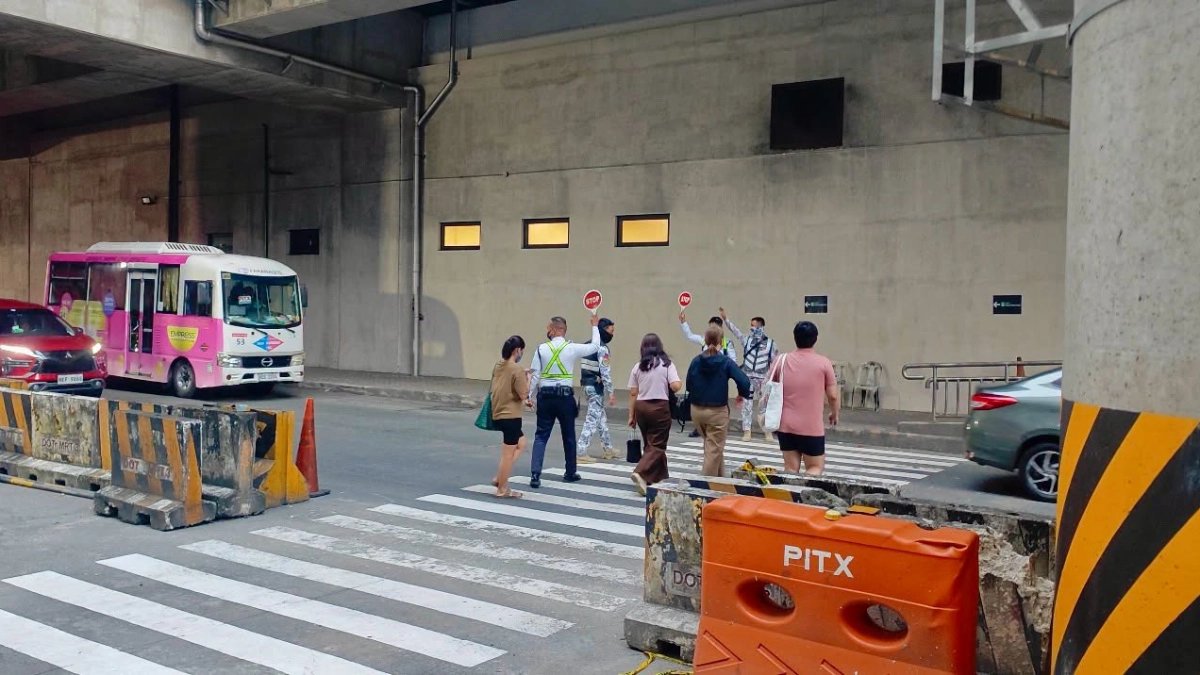
Pedestrians often have to bear the burden of long and tiring crossings when using the few footbridges and underpasses instead, or risk crossing busy highways at very limited designated crosswalks.
It would cost cities much, much less to paint lines on the road to allow people to cross directly compared to building footbridges and underpasses, yet sadly, these are still not prioritized, making it difficult, especially for seniors, PWDs, and those carrying heavy items.
While not necessarily related to ASEAN Summit improvements, it was only recently that the Light Rail Transit Line 1 PITX Station got a dedicated pedestrian crossing at its northbound entrance and exit areas to give commuters a direct walkway to the bus terminals at the Parañaque Integrated Terminal Exchange.
Investing in more pedestrian-friendly infrastructure can vastly improve the commuting experience and ensure safer passage for foot traffic.
4) Unobstructed roads and clearing operations
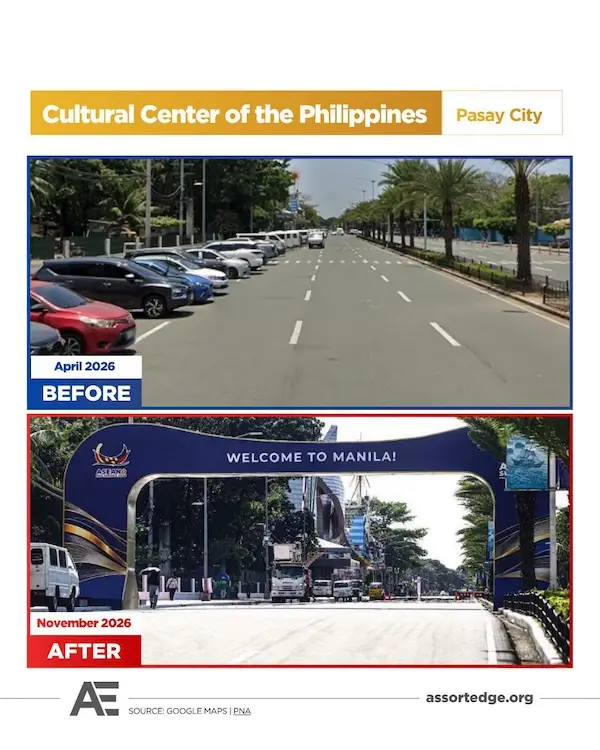
Local governments and the Metropolitan Manila Development Authority recently cleared major thoroughfares—such as Roxas Boulevard, Redemptorist Road in Baclaran, and areas around the Cultural Center of the Philippines (CCP) and the Philippine International Convention Center—of illegal parking, stalled vehicles, and sidewalk obstructions.
Based on photos shared by Assortedge in their series ASEAN: Before and After, cars parked along the road going to the CCP were removed, and a brand new “Welcome to Manila” sign greeting delegates could be seen on the grounds.
5)Intensive street sweeping and sanitation
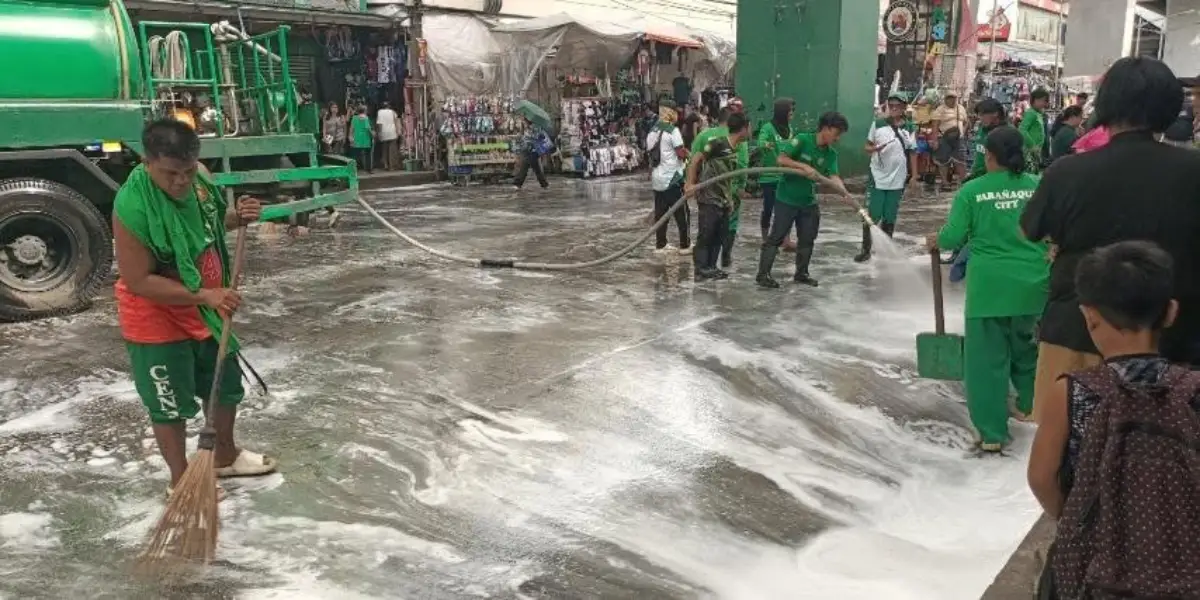
Prior to the summit, the MMDA deployed dedicated street sweepers and cleanup teams to power-wash down roads and keep delegate routes free of litter.
Even traffic lights were not spared. “Sa buong buhay ko, ngayon lang ako nakakita ng nililinis na traffic light. Salamat, ASEAN!,” shared content creator and vlogger Jan Sy in a viral video reel.
Poorly managed intersections, malfunctioning traffic lights, and lack of organized roundabouts cause unnecessary congestion and accidents. Efficient traffic control measures can smooth the flow of vehicles, reducing travel time and accident risks.
While it’s understandable that we want to put our best foot forward, like bringing out the best of China and utensils for VIP guests, many Filipinos asked whether regular folk were not deserving of trash-free neighborhoods and hoped that clean streets could be sustained after the summit.
A commentary published in Manila Bulletin pointed out the glaring observation circulating online: “If roads can be cleaned, sidewalks cleared, and public spaces improved for foreign delegates, why can this not be done consistently for areas in Metro Manila that need it the most? Surely, Filipino commuters deserve safe walkways even when no president or prime minister is visiting. Families deserve clean neighborhoods long after the summit banners have been taken down.”
6) Need for long-term urban solutions over cosmetic improvements
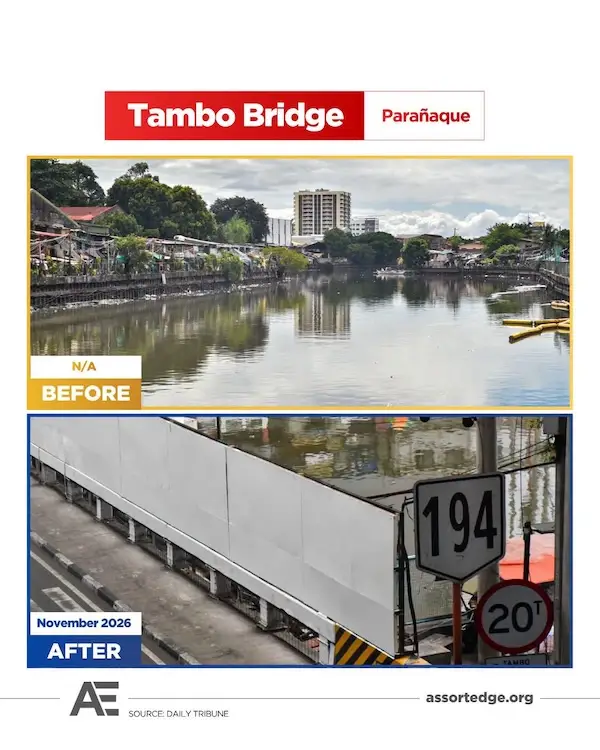
This brings us to the issue of cosmetic cover-ups of urban blight and displacement.
Large barriers displaying works by Filipino National Artists have been installed along J.W. Diokno Boulevard in Pasay, seemingly to hide poverty and homelessness. In Parañaque City, boarded-up walls have appeared along Tambo Bridge, blocking the view of the river, with structures reportedly covering sections of the area for the duration of the summit.
News reports detail street vendors told to stop operating around summit venues. The Paranaque City government cleared roads surrounding Baclaran Church of street vendors.
In a statement released on Sunday, November 8, as reported by Rappler, the city government said street vendors are “temporarily prohibited” from operating along Roxas Boulevard and its service roads, from Redemptorist Road to Quirino Avenue, as well as the road beneath the LRT line. The restriction is in effect from November 2 to 20.
The city government clarified that vendors would be allowed to return after the summit, provided they maintain an orderly setup.
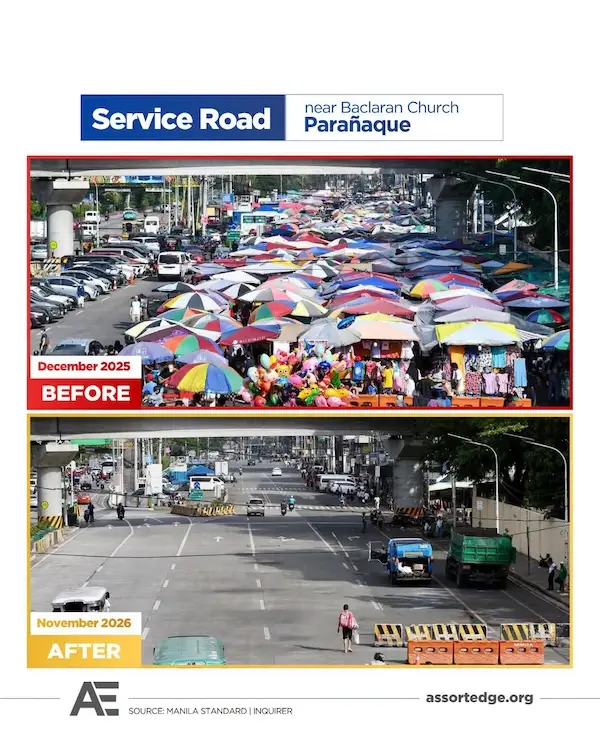
While we understand the need to keep our streets clean, it’s about time street vendors get organized spaces where they can earn a living without the risk of constant displacement.
As pointed out in the Manila Bulletin opinion article: “Summit guests will eventually fly home. The barricades will come down, traffic will return, and the people whose lives were disrupted will still be here. The success of the summit should be measured not only by diplomatic agreements and impressive ceremonies, but also by what remains afterward.”
What do you think of all the improvements made for ASEAN? Sound out below in the comments.