For the longest time, there have only been two premium motorcycle intercom brands dominating the market: Cardo and Sena. It’s similar to how Apple and Samsung have cornered the upmarket segment of the smartphone industry, albeit with more competing brands overall.
This year, however, a new player came in, and it took aim straight at the two intercom giants: Reso. The Chinese brand arrived in the Philippines without much fanfare, but it had a very solid value-for-money proposition in the Reso Pilot Pro, its first-ever offering here on our side of the globe.
I was one of the lucky ones to get first dibs on this new intercom, and as of this writing, I’ve already been using it for more than half a year. While I don’t ride seven days a week, I’ve had more than enough saddle time over the past several months to give this new product a long-term assessment.
To keep things simple, I’ll make two lists within this article: The reasons you should get a Reso Pilot Pro and the reasons you shouldn’t. For context, let me also clarify that I was only previously a Cardo user, with a Cardo Packtalk Bold as my daily.
ALSO READ:
Motorcycle safety tips for aspiring riders in the Philippines
4 Reasons you shouldn’t buy fake motorcycle gear
10 Reasons you should get a Reso Pilot Pro
1) The intercom unit itself is quite stylish.
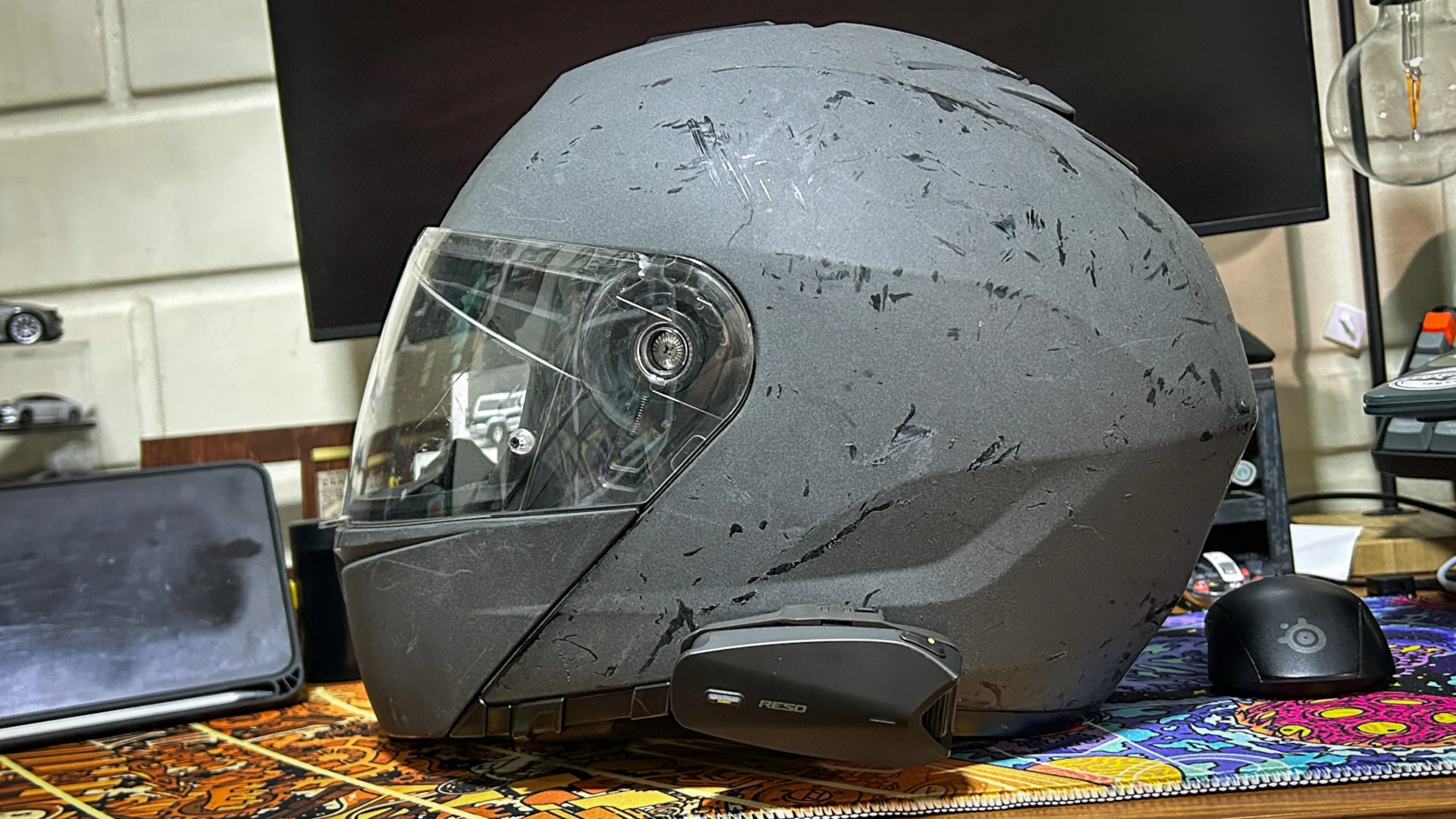
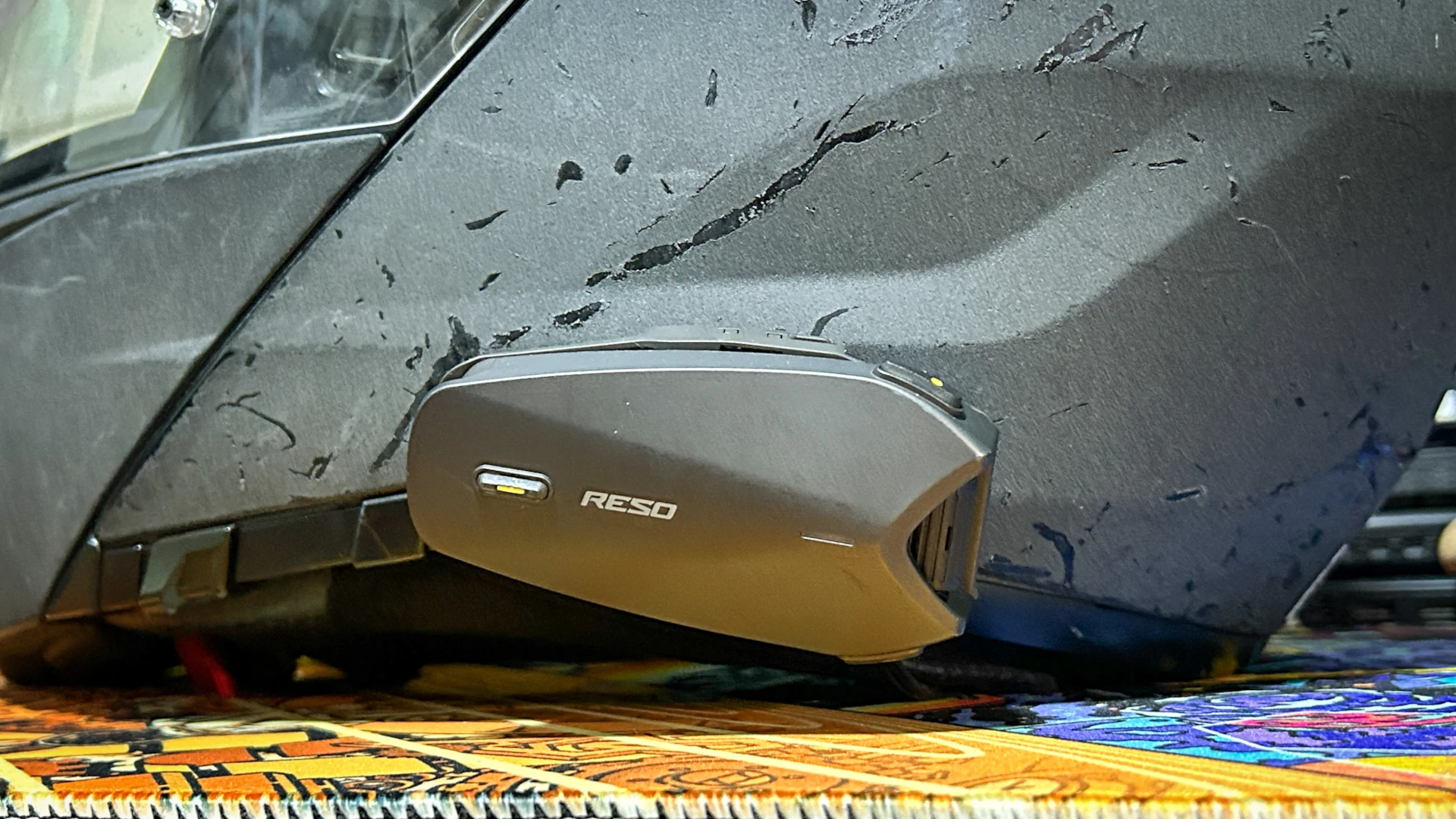
I’m not sure if a lot of you here are keen on style, but if you at least try to match your helmet with your bike, I’m sure you also mind what your intercom looks like on your lid. Reso’s developers were actually from DJI, and I suppose the sleekness and simplicity of DJI’s designs are somewhat apparent in Reso’s.
2) It’s easy to use.
The Pilot Pro’s controls are very straightforward, with just a knob for the volume and three different buttons for different controls. Turning it on or off only requires the press of one button (not two to turn off, like in the Packtalk Bold), and there are also voice commands at the ready. Do mind the said voice controls, though, as they don’t need a prompt to be activated, so simple conversations through the mic could trigger commands like ‘volume up’ by accident.
As a bonus, switching across helmets is also quite easy with the magnetic mount.
3) The Reso Link smartphone app is quite versatile.
Reso has a proprietary smartphone app called Reso Link, and it has a wide array of features available. For starters, it can automatically track your rides using the built-in GPS in the unit and display it through the app—you’ll know where you’ve been and how many kilometers you’ve ridden that day. It even detects your stopovers automatically and divides your rides into segments.
Connecting to new groups and switching across existing ones is also easy through the app, and the best part is that you’ll know the real-time location of other riders in your active group if they’ve connected their units to the internet. In case someone tells you they’re “on the way,” you’ll know exactly where “on the way” means.
The app also enables over-the-air updates, taking out the hassle of having to plug your intercom unit into a computer and install the necessary programs just to get the latest firmware. Everything can be done through the app, which is pretty nifty.
4) Connection via either soft or hard mesh is excellent.
Two connections are available with the Reso Pilot Pro: Hard Mesh and Soft Mesh. The former is unit-to-unit connectivity with a maximum range of 12km within the same group and 2.5km between two units—it’s your usual intercom connection. The latter, meanwhile, uses internet connectivity to make the range virtually unlimited. You could be riding in different regions and still hear each other through your Reso intercoms.
Reso also uses its DuoSync technology to allow seamless and automatic switching between mesh types, and it works like a charm. If a rider strays a bit too far, his unit will automatically switch to Soft Mesh when internet connection is available, and communication will remain uninterrupted. Once he gets back within the Hard Mesh range, the Pilot Pro will switch to that for a stronger connection and clearer comms. This also needs no activation whatsoever—just use it as it is, no need to press anything on the intercom unit or inside the Reso Link app.
6) The microphone’s noise reduction is shockingly good and allows for clear conversations on the road.
Riding a noisy bike? Or excessive wind blowing into your lapel mic? Neither is a problem with the Reso Pilot Pro, as it has a noise reduction feature that works perfectly for conversations on the road. We’ve tried placing the mic in front of an electric fan as we spoke into it, and yet the person on the opposite line couldn’t even hear the slightest gust of wind through their speakers. It’s shockingly good. You can also set the level of noise reduction through the app, which is quite cool.
7) The Reso Pilot Pro can connect to a camera, and the mic will give you the same good audio quality.
The same audio quality you enjoy when you talk to others is the same quality you’ll get when you connect your unit to a camera and use the intercom itself to record audio. If you’re into POV riding vlogs, this will be perfect for you.
I was only able to connect to GoPro and Insta devices, though—I’ve yet to see any updates from DJI that allows for bluetooth mic connections.
8) The speakers are great.
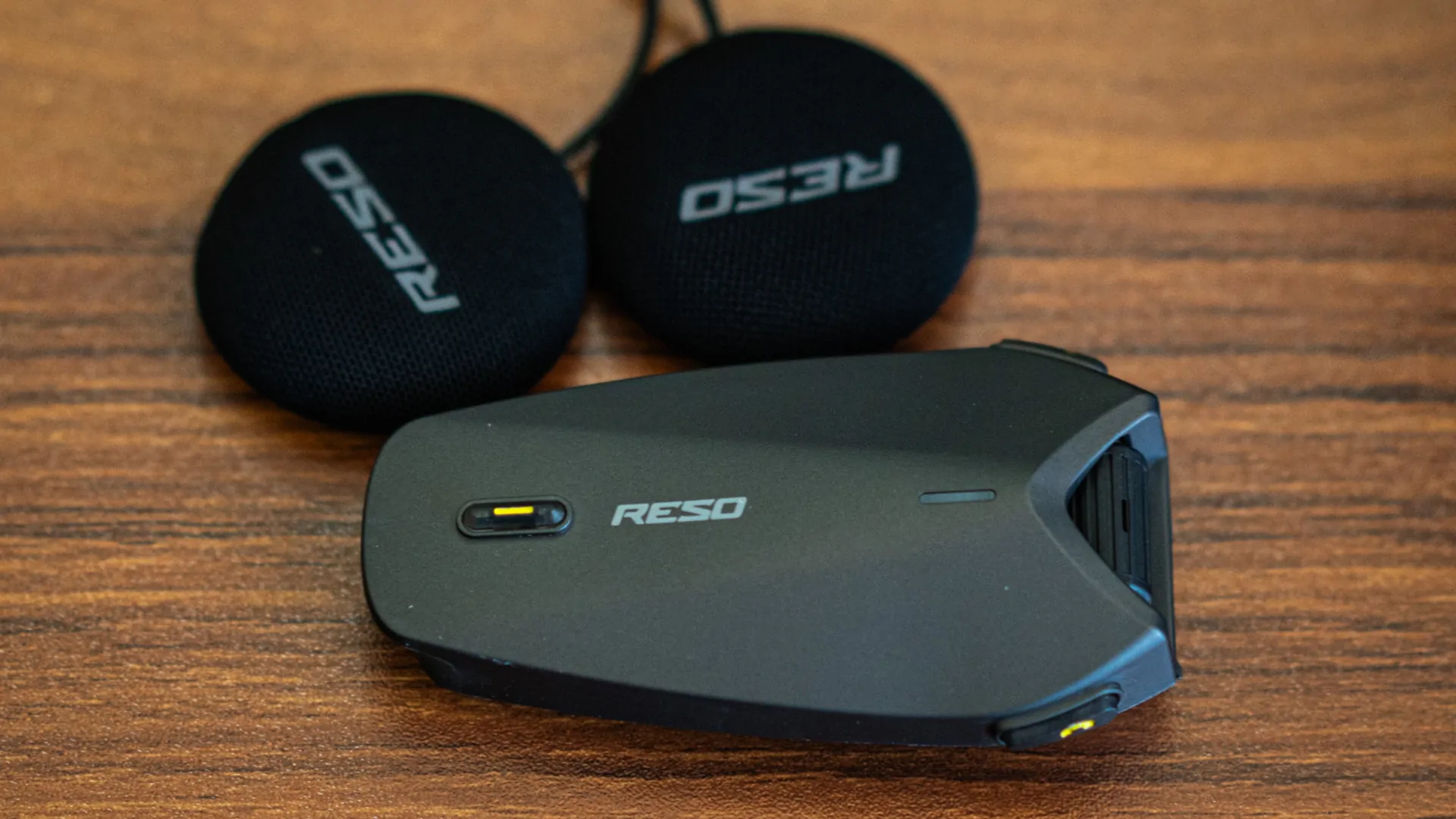
Straight out of the box, the Pilot Pro comes with 40mm Reso speakers. They’re not the branded kind, but I can easily say that they’re even better than the JBL speakers that I got with the Packtalk Bold. Solid bass, good highs, and crisp sound output. There’s an upgrade available, and you can opt for the 45mm Audio X speakers. While I did get a pair to test out, frankly, I’m already happy with the standard Reso set.
Mine has also been somewhat battle-tested, and even after months of moderate use, the speakers aren’t showing any signs of letting up—the audio quality is still as good as it was when I got it, if not better.
9) The Reso Pilot Pro’s battery life is hard to match.
18 hours of playback time just for music alone, 13 hours of usage when you also use the intercom function. Fast charging is available, so five minutes of charging will get you two hours of juice. You’ll rarely ever need more than 13 hours of battery life in a day, and when you do, it’s easy to recharge in a pinch. Need I say more?
10) The price is just right.
The Reso Pilot Pro stickers for P13,999. For reference, that’s about the price of the Cardo Packtalk Bold when I bought it years ago. The Pilot Pro has tons more features, and the overall package is just so much more loaded than what you get with the Cardo. If you want an extra cradle for a second helmet (or more), the kit only costs P2,800, which is about half the price of an extra helmet kit for the Packtalk Bold.
2 Reasons you shouldn’t buy a Reso Pilot Pro
1) You don’t ride with anyone who uses a Reso.
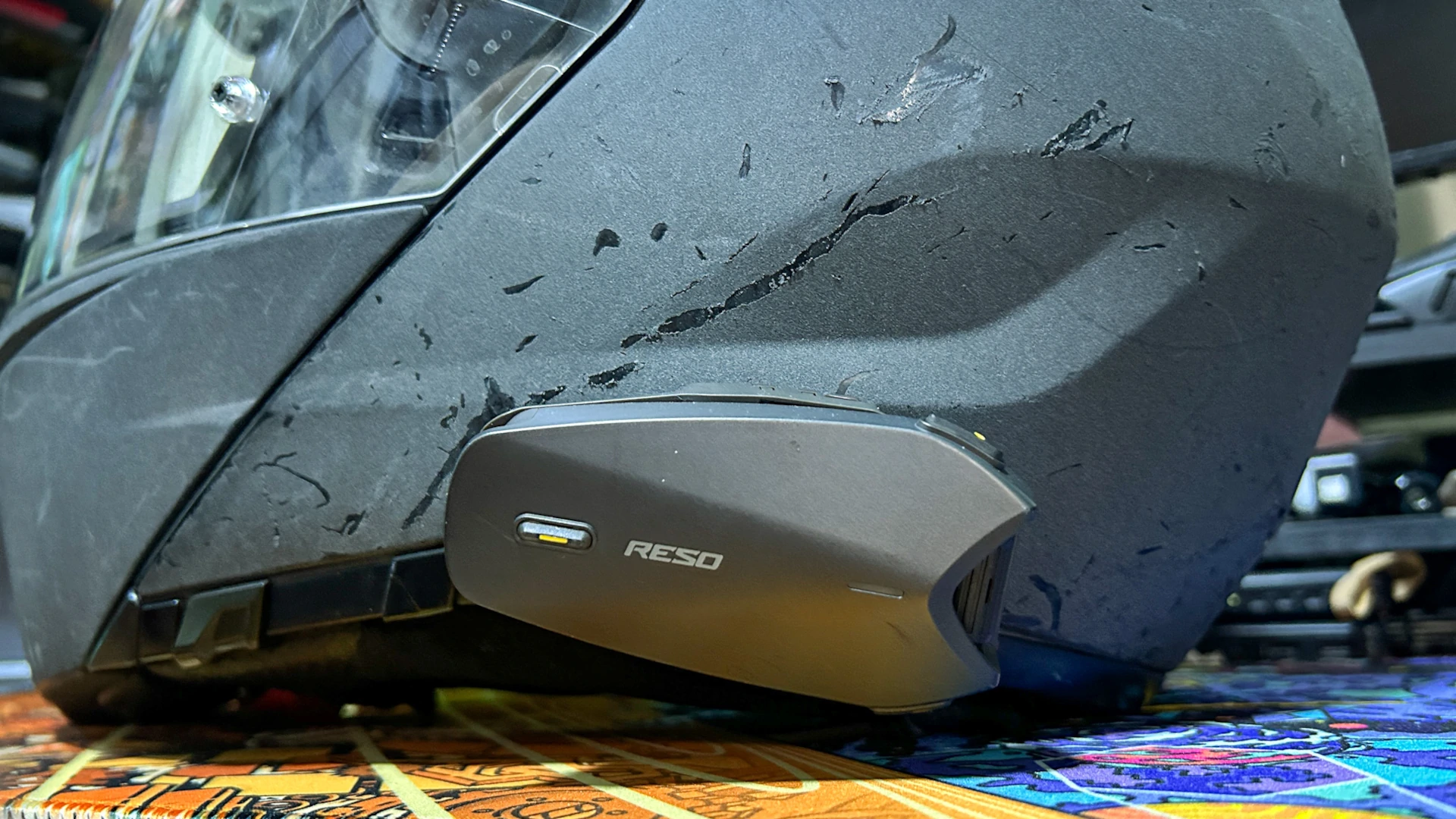
It’s a new brand, so not a lot of people are using it. At least not yet. It is what it is, and that’s just how it is for new gadgets and gizmos. In this case, though, the lack of a sizable network of users is enough to discourage would-be customers.
Granted, you can still connect your Reso with other brands like Cardo or Sena, but would you really want to be the outlier who has to be bridged into the group every single ride out? You want your weekend rides to be relaxing and hassle-free, so you’d want to do away with something like this as much as possible.
2) You don’t want to overhaul your ecosystem.
Not everyone rides in groups. Maybe you just want the intercom for the music while riding, for tracking your trips, or just for the ability to take and make calls through your smartphone while you’re riding. In which case, you wouldn’t need friends who use the same intercom brands. However, you might have already had a system in place, and you also have multiple helmets with their own cradles and setups at the ready. In this case, switching to a new brand will take a lot of work. It’s either you change all the cradles or you buy new helmets—whichever’s less heavy on the budget and more convenient to do. Or, you know, you can just opt not to make a switch altogether.
3) Brand loyalty is your thing.
No further explanations necessary.