So you want to learn to drive a motorcycle. Learning to ride is a great first step to achieving freedom and mobility in congested cities. But before you start shopping for a new motorcycle and planning your epic long rides around the whole country, you first have to ensure that you can drive safely on Philippine roads.
According to the World Health Organization (WHO), motorcyclists are among the most vulnerable on the road, comprising 23% of road traffic deaths.
Thus, those who are just starting out need to equip themselves with the proper skills and gear to ensure they remain safe while driving. Here are a few essential safety tips for aspiring motorcycle riders.
ALSO READ:
What you need to know about the Anti-Drunk and Drugged Driving Law
Here’s your ultimate guide to the LTO driver’s license
Take a motorcycle safety course
If you have zero experience driving a motorcycle, it’s best to enroll in a motorcycle safety course to learn the right riding techniques and what to do in various riding situations in a controlled setting before you try riding on public roads. This way you can spend time practicing riding skills like starting, stopping, turning, and emergency maneuvers in safe areas.
There are a few established motorcycle riding schools in and around the metro. Motorcycle brands and government agencies also hold clinics and “learn to ride” courses to give potential riders the basics.
MMDA Motorcycle Riding Academy
The MMDA recently launched a Motorcycle Riding Academy in Pasig City to help riders learn more about traffic law compliance, driving discipline, defensive driving, and basic emergency response. The academy offers a two-day motorcycle course with theoretical and practical training free of charge.
Honda Safety Driving Center (HSDC)
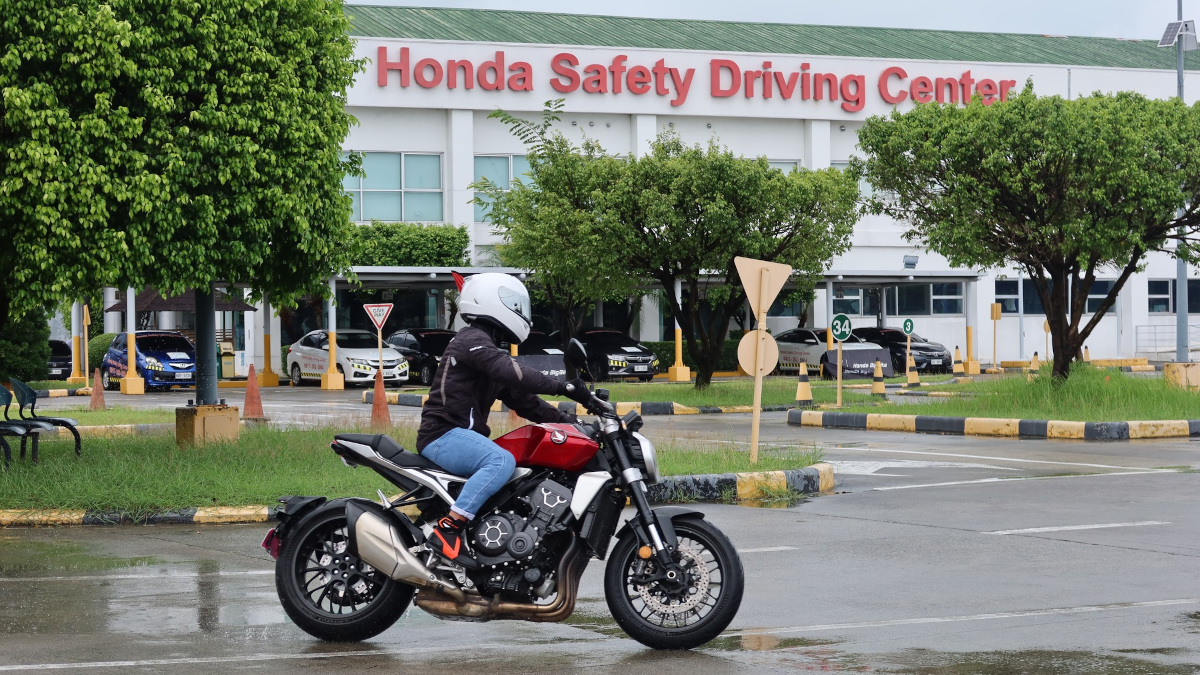
Honda has several safety driving centers in the Philippines for both automobiles and motorcycles. Their motorcycle riding courses include slalom, S-course, figure eight, narrow plank, and bumpy paths to help riders develop balancing, turning, braking, and throttle control skills. These exercises are performed in various setups and levels of difficulty so riders can learn safety techniques for different traffic conditions. Beginner and refresher motorcycle courses are available.
A-1 Motorcycle Riding Course
Driving school A-1 offers a Motorcycle Riding Course where aspiring riders can choose between a manual (Yamaha YTX) or automatic (Yamaha Mio or Honda Beat) motorcycle to learn how to navigate city roads safely. A standard 8-hour training session starts at P2,500, with training centers available in Mandaluyong, Quezon City, Las Pinas, and other areas.
Yamaha Safe Riding Science
Yamaha Motor Philippines (YMPH) offers various riding courses through training centers or dealerships in the Philippines. While they went digital during the pandemic, YMPH has resumed face-to-face activities for the Yamaha Safe Riding Science (YSRS), which involves conducting seminars and safety riding activities for companies that use motorcycles as a means of transportation.
Mel Aquino’s Motorcycle Riding School
Want to learn how to ride a dirt bike properly or start your kids young? Veteran off-road rider Mel Aquino leads a motorcycle training camp that teaches various courses from basic lessons to more advanced sessions—including wheelies and stunt riding. Check out their website Motorcycle Riding School Philippines to see updated courses and fees. Plus, here’s a first-hand experience of their off-road training program.
MotorClyde Training Center
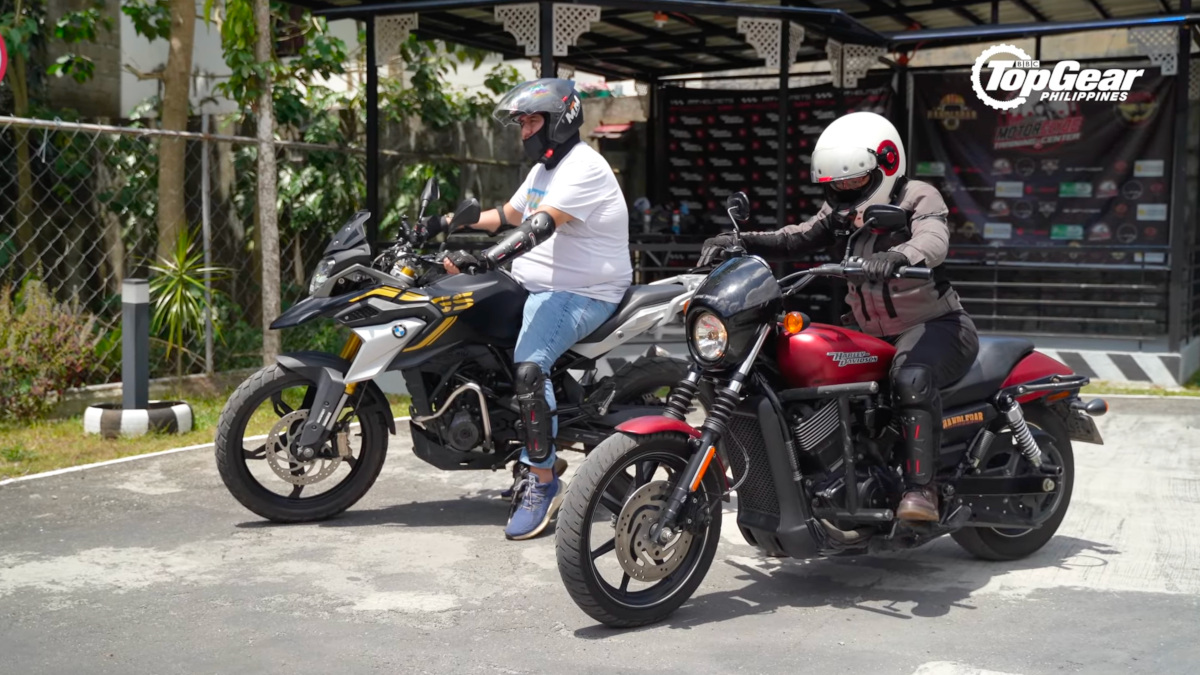
MotorClyde Training Center, headed by coach Clyde Solano, offers a wide range of riding lessons for both beginners and veterans alike. If you’re into big cruisers like Harley-Davidsons, this school in Sto. Tomas, Batangas specializes in exactly that. MotorClyde also offers training for rider groups and even courses on road captainship.
ALSO READ:
5 Safety tips for motorcycle-taxi commuters
Can my child ride a motorbike? A full guide to the Children’s Safety on Motorcycles Act
Choose a suitable motorcycle

After you’ve learned the basics of practice units, you need to choose a motorcycle that matches your riding skill level, physical abilities, and height to ensure you can drive confidently and safely on your own. For beginners and daily commuting around the city, lightweight or smaller bikes with lower seat heights are recommended to ensure that bikes are easy to maneuver and navigate. While big bikes are great for traversing through expressways, these are a bit unwieldy to use and park in congested areas. Check out our separate motorcycle shopping guide for more details on how to pick a bike best suited for your needs.
Invest in the right gear
Aside from choosing a suitable bike, choosing the right gear is also crucial for safety and comfort, especially for beginner riders. When buying motorcycle gear, prioritize safety, comfort, and fit, as you’ll be wearing it for extended periods.
Helmet

One of the most critical items you need to buy is a high-quality helmet that meets the safety standards set by the Department of Transportation (DOTr) and Import Commodity Clearance (ICC). In terms of safety, full-face helmets provide the best protection since they cover the entire face, but for city driving, modular and open-faced helmets are also acceptable as long as they meet the standards. Helmets save lives (as long as they are worn properly and not just slung on an arm).
Gloves
Sometimes overlooked by riders, motorcycle gloves protect your hands in case of a fall and provide a better grip on the handlebars. Look for gloves with reinforced palms and knuckle protection and with a good fit.
Closed footwear
For basic driving around the city, all motorcycle riders and pillion passengers are required to wear closed footwear for safety. Make sure the shoes provide ankle coverage and have non-slip soles. Avoid open-toe shoes, sandals, flip-flops, slippers, or any footwear that leaves your feet exposed. For longer rides, sturdy motorcycle or riding boots with non-slip soles and ankle support offer better protection for your feet and ankles.
Protective clothing

While technically not required for city driving based on the Motorcycle Dress Code, those going on longer rides should consider investing in abrasion-resistant clothing like leather or armored gear, including gloves, jackets, pants, and boots.
In case your helmet doesn’t have a face shield, basic eye protection such as shatterproof eyewear is a must to protect your eyes from wind, debris, and insects. With poor air quality due to smoke emissions from vehicular traffic, riders should also continue to wear face masks or coverings.
Rain gear
If you plan to ride in wet weather, it helps to have waterproof gear like a rain jacket and rain pants or a one-piece rain suit to keep you dry and comfortable as you go around. This can be easily stashed in your motorcycle’s underseat storage.
Keep your motorcycle in good condition
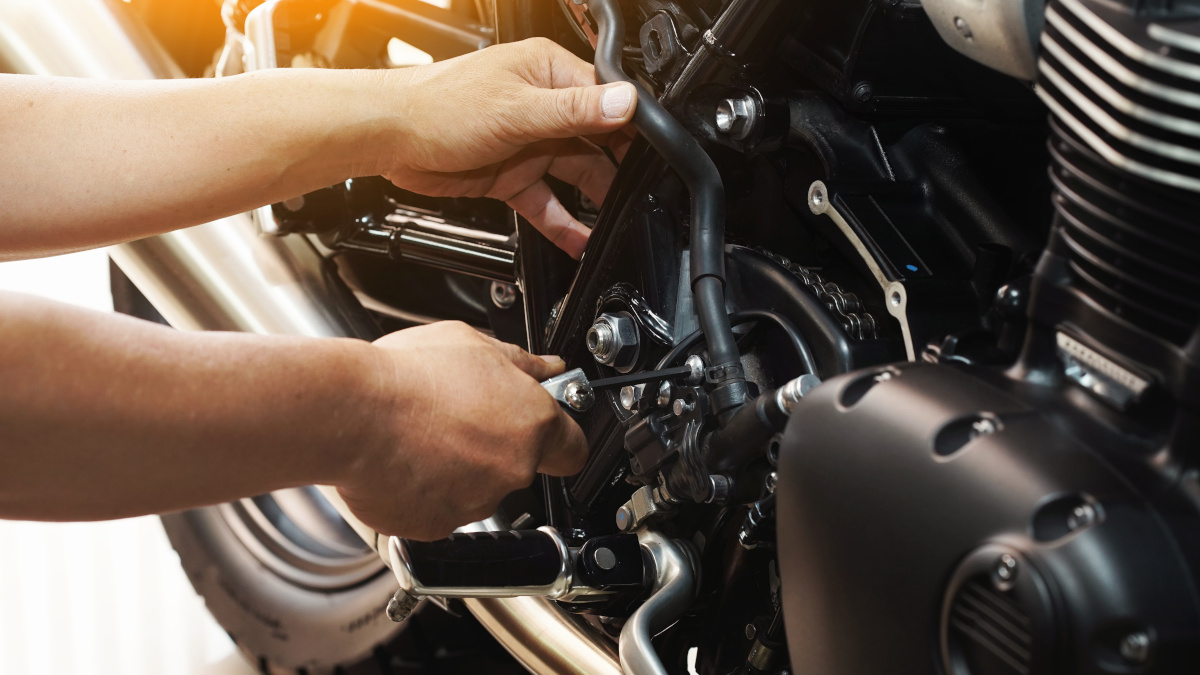
Keeping your bike in good condition through regular maintenance and tune-ups is much better than having to deal with problems every time it breaks down. Before each ride, check your motorcycle for any mechanical issues. When doing spot checks, ensure that brakes, lights, tires, and controls are in good working condition, especially before going on long rides.
ALSO READ:
OEM, model year, HEV, ICE: A definitive guide to automotive jargon and acronyms in PH
All you need to know about the Child Car Seat Law in PH
Know the relevant traffic laws
Many new rules and traffic regulations have been imposed in the past few years, with some violations under the single ticketing system coming with stiff penalties. Read up on the laws and always follow traffic laws and regulations. Take note that some cities may have specific ordinances that impact motorcycle riders. Be aware of the country’s speed limits, which apply to all roads including expressways.
The most common violations in the country include disregarding traffic signs, illegal loading and unloading, and road obstructions. For motorcycles, the rules on using bike lanes and bus lanes are currently prohibited.
Be visible on the road
Since motorcycle riders are more vulnerable than car drivers, you have to make sure you're easily seen by other road users. You can do this by wearing high-visibility clothing and keeping your headlights on even during the day. For driving at night or during rainy days, you’ll want to use reflective accessories.
Studies show that the most visible colors on the road are fluorescent yellow-green, fluorescent orange-red, and fluorescent red, the usual colors for motorcycle safety vests.
Maintain a safe following distance
When driving a motorcycle, avoid riding in blind spots of larger vehicless and maintain a safe following distance from the vehicle in front of you. Avoid tailgating, lane filtering, or overtaking on the left side of the road.
Stay alert while riding
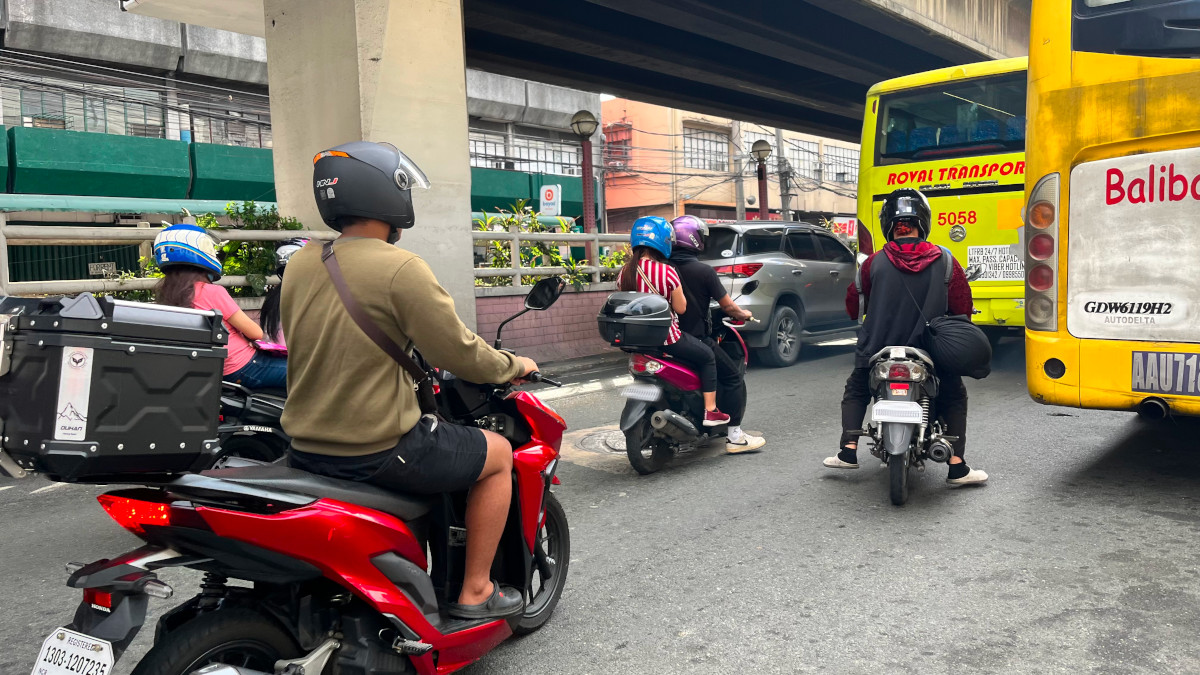
Always stay alert when driving and keep your full attention on the road. Avoid distractions like texting or using a phone while riding. Know the full extent of the Anti-Distracted and Driving Act. When using navigation apps, motorcycle riders need to set their destination before their departure on a mounted phone to avoid operating the use of cellphones and/or gadgets while on the road.
Be aware of road conditions
Lots of construction is going on around the metro. Watch out for loose gravel from asphalt, potholes, deep excavations, and slippery surfaces due to oil spills or newly painted lines. Adjust your speed and riding style accordingly. When driving at intersections, slow down during turns to avoid accidents.
Watch out for bad weather
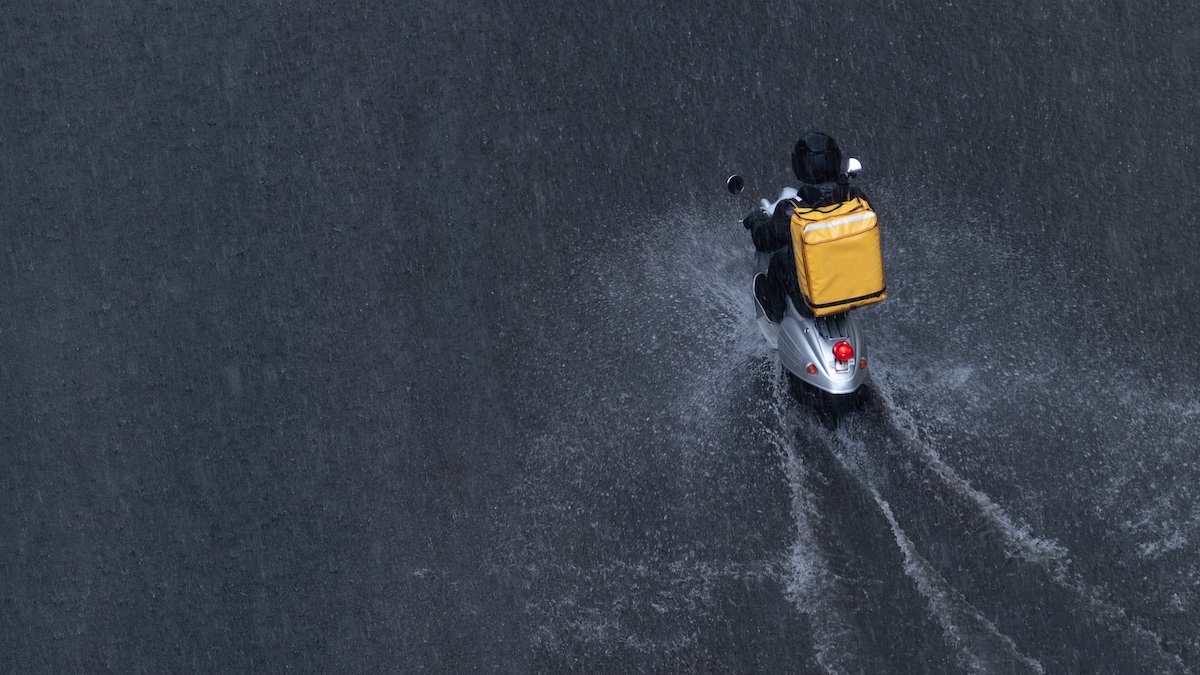
This is easier said than done, given the sad reality that quick rain showers can turn España Boulevard in Sampaloc or even EDSA into swimming pools in a matter of minutes. Rain, floods, and other adverse weather conditions can reduce visibility and road traction or worse, cause your motorcycle to stall completely if the engine gets submerged. If possible, avoid riding in such conditions. Familiarize yourself with alternative, less flood-prone routes, or try to find a safe place to wait it out until rain and floodwaters dissipate.
Don’t drink and ride
Never ride if you’re under the influence of alcohol or drugs. Not only could this endanger your life and the lives of others, but under the Anti-Drunk and Drugged Law, you could face stiff fines if caught. Under the measure, those caught driving drunk or drugged will face a penalty of six months of imprisonment and a fine ranging from P50,000 to P100,000 if nobody gets injured.
Be prepared
Plan your route, especially for long rides. It helps to bring a first-aid kit for emergencies. For longer rides, let someone know your route and expected arrival time. Know the emergency contact numbers to call and let trusted contacts know if you’ve arrived at your destination safely.
Keep your cool
Road rage and aggressive behavior can lead to accidents. We all know it can be very stressful driving in the city, but try your best to stay calm and avoid confrontations with other drivers.
Know your limits
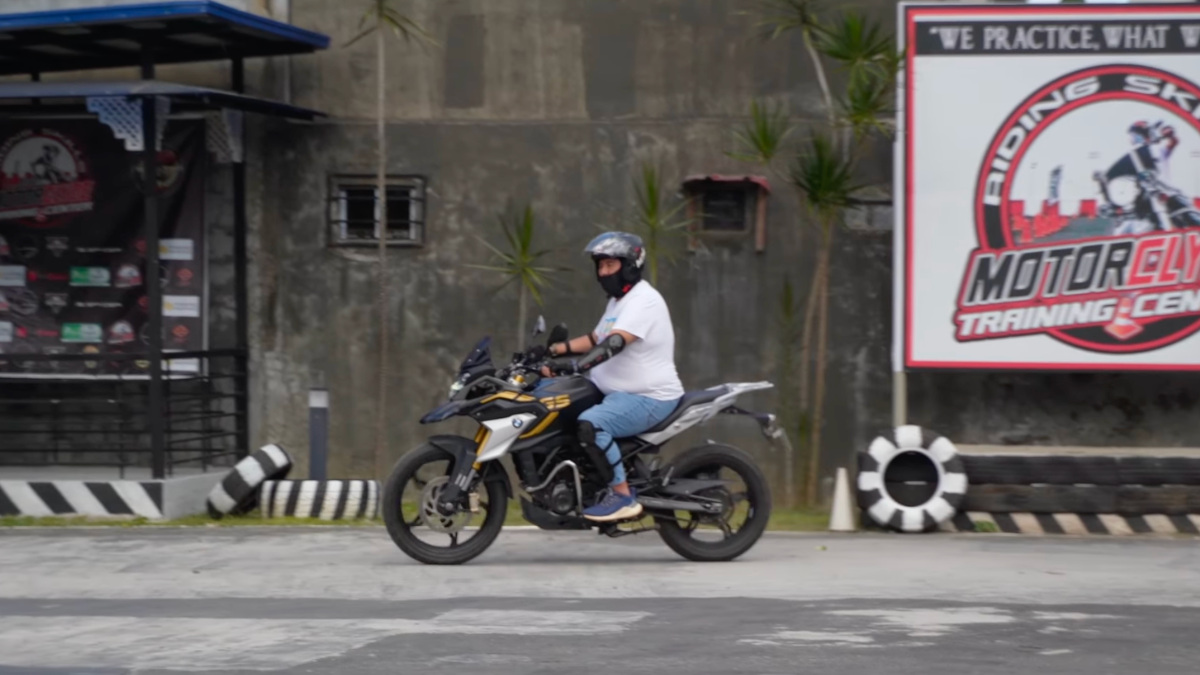
Ride within your comfort zone. Don’t feel like you have to keep up the same speed as other riders, especially for long rides. Fatigue can really impair one’s judgment and reaction time when driving. If you’re feeling exhausted on the road because of extreme heat or your physical condition, take a break so you can stay alert. Stop for a break for coffee or find a shaded place to rest for a while.
Riding a motorcycle requires focus and a commitment to safety. But with proper motorcycle safety training, protective gear, driving defensively, and having the right mindset, you can reduce the risk of accidents and injuries on the road. Ride safe!