Yamaha Motor Company recently invited us to celebrate its 70th anniversary at the Sportsland Sugo racetrack in Miyagi, Japan and join Yamaha Motorcycle Day 2025. The event brought together thousands of riders from across Japan, along with a few foreign media. We all gathered for one thing: to pay tribute to Yamaha’s rich heritage while also celebrating the future of riding.
We arrived at the racetrack around eight in the morning, and we were greeted by the cold breeze and breathtaking mountains of Murata. There was no banging music or oversized LED panels to try and hype you up—far from what we’re accustomed to back in the Philippines. Instead, we were welcomed by the crisp exhaust notes and the glimmer of polished fuel tanks reflecting the morning sun.
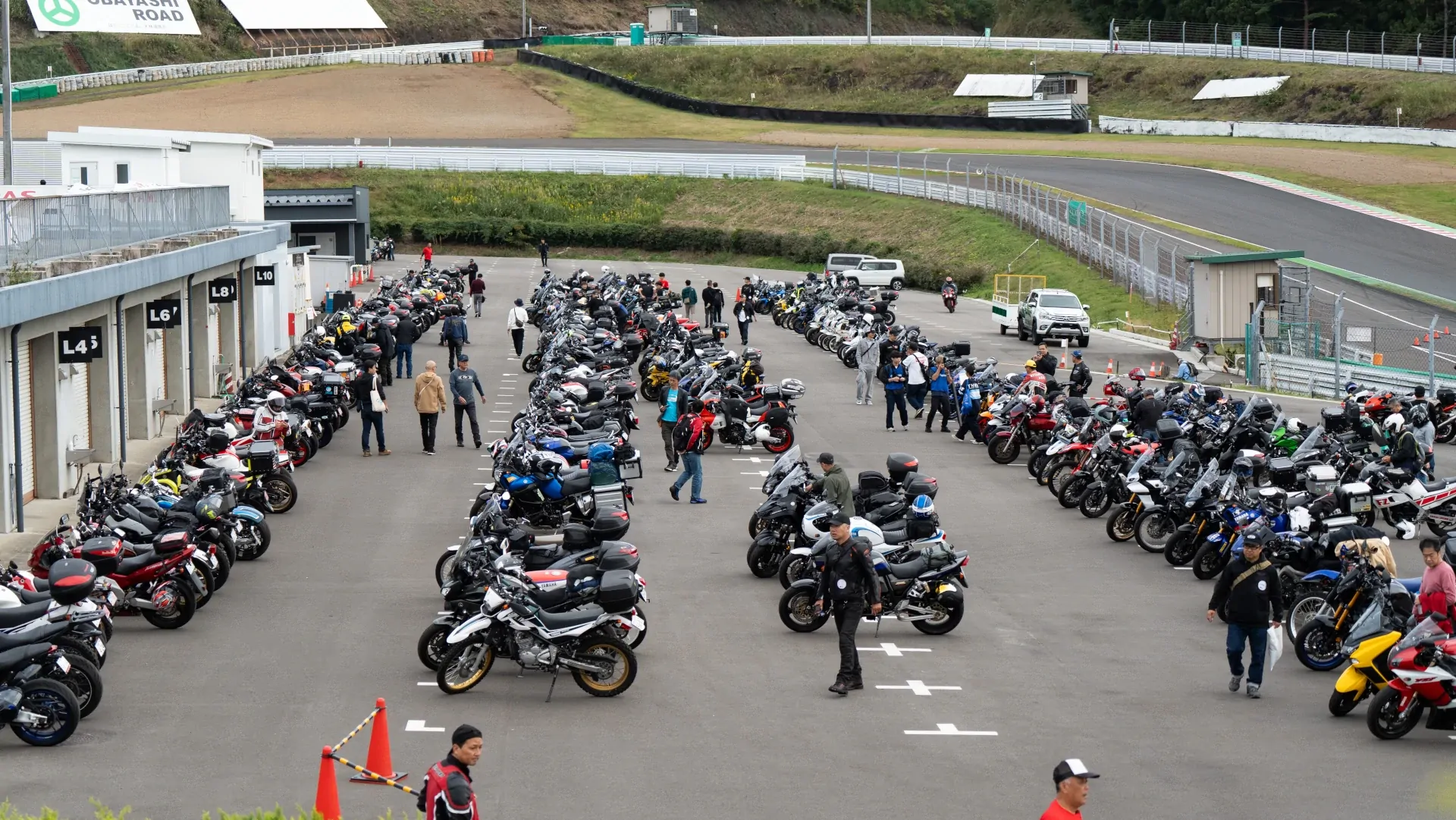
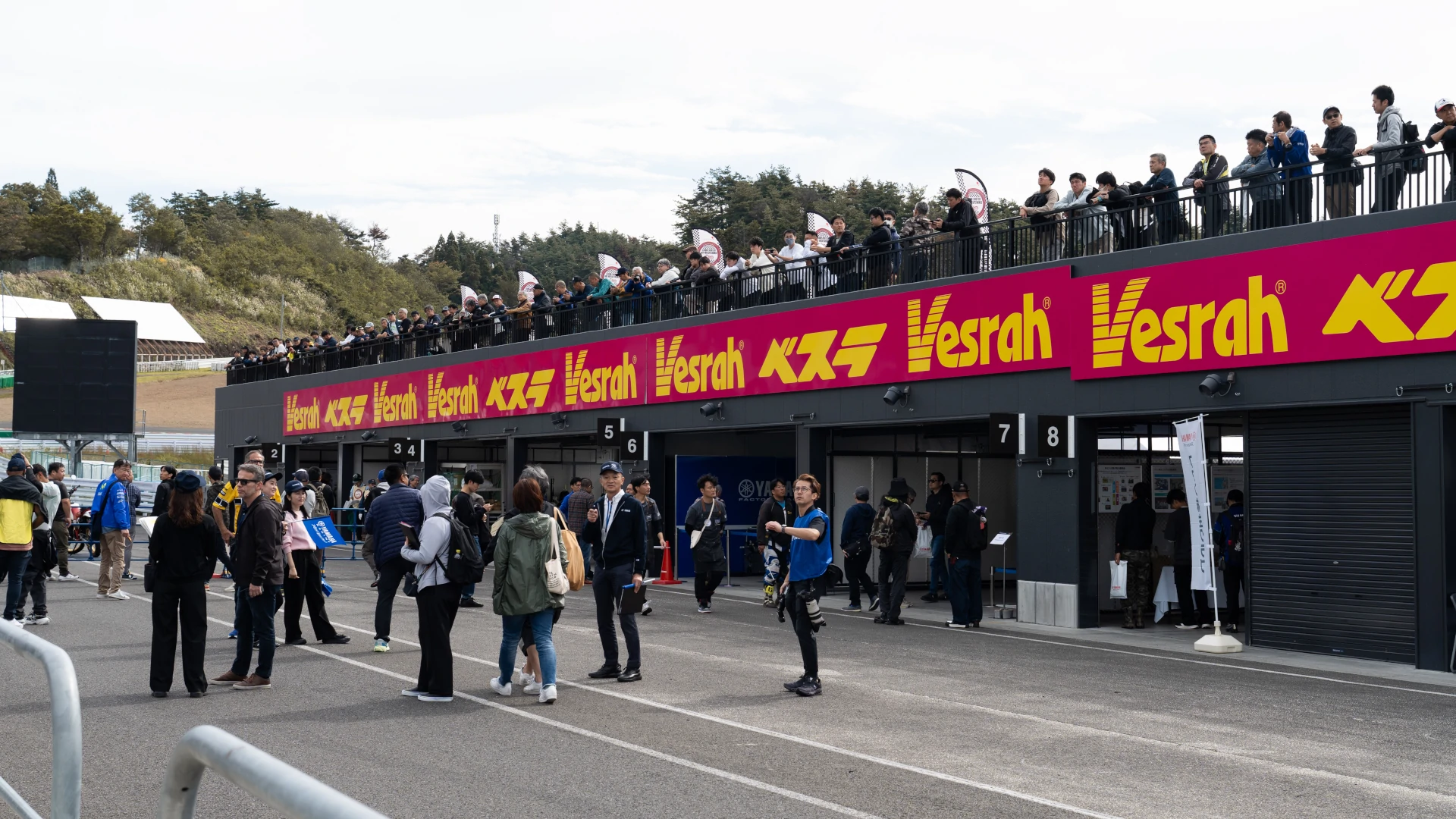
As the sun rose further, more riders of all ages started to roll in. Soon, the parking lot turned into what looked like a museum, filled with Yamaha bikes from all the eras you can think of. From vintage two-strokes that defined Yamaha’s beginnings to modern in-line-fours and -threes that dominate the racetracks, it felt like a massive reunion. Even before we entered to see the main displays, we were already overwhelmed by the number of bikes we’d seen.
ALSO READ:
Touring the Yamaha CN1: The first carbon-neutral paint line in the motorcycle industry
A quick guide to the My Yamaha Motor Rev PH App
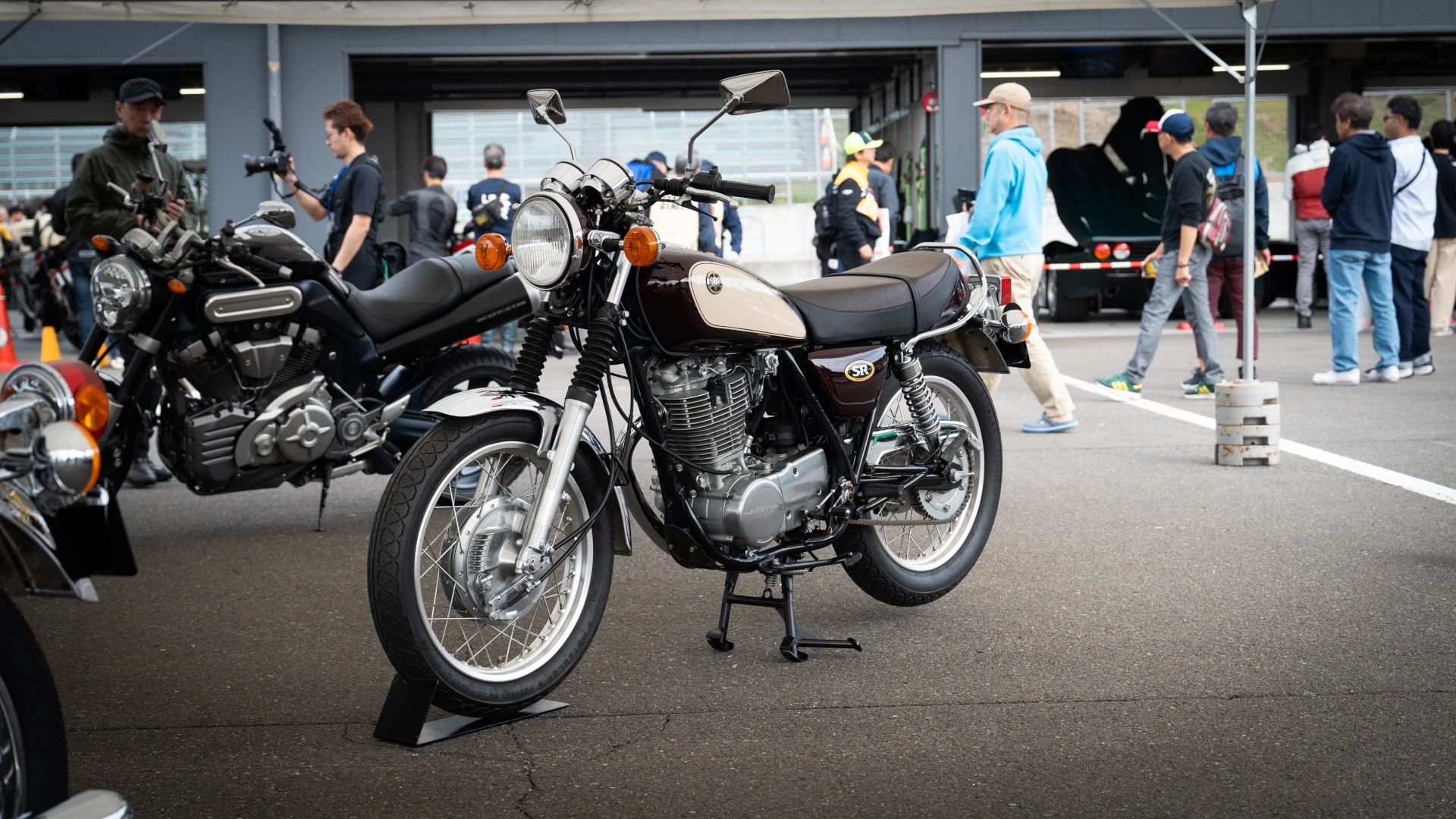
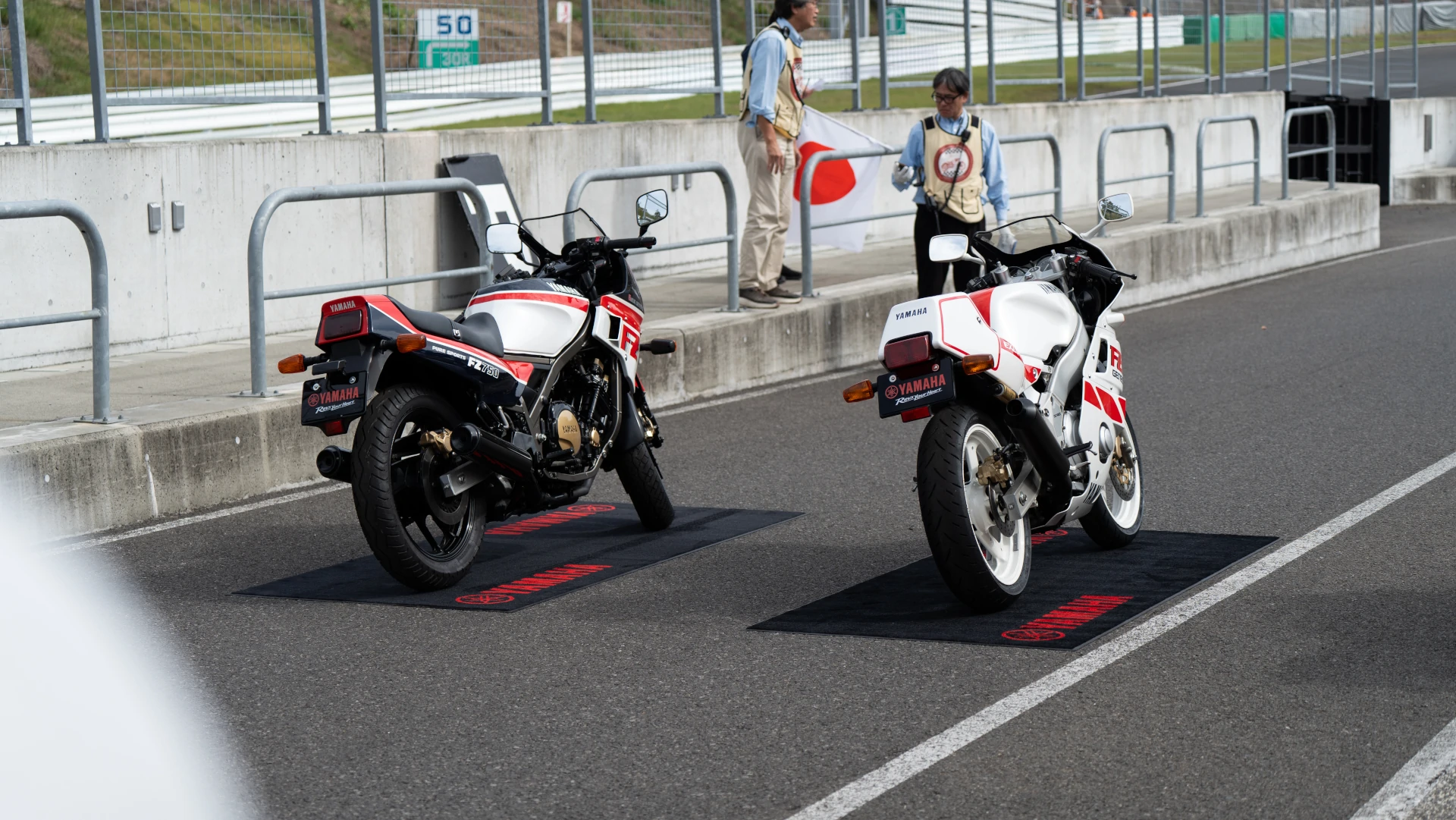
Once inside, we headed straight to the display of heritage bikes–it included the YA3, TX500, MT-01, FJ1200, XS650 Special, RD250, SR400, and TMAX 500, to name a few. There were no extravagant setups, no blinding spotlights, and definitely no unnecessary showgirls. Just the motorcycles themselves, standing proudly on the pavement under a small tent, accessible to anyone who wanted to appreciate all the little details of each bike.
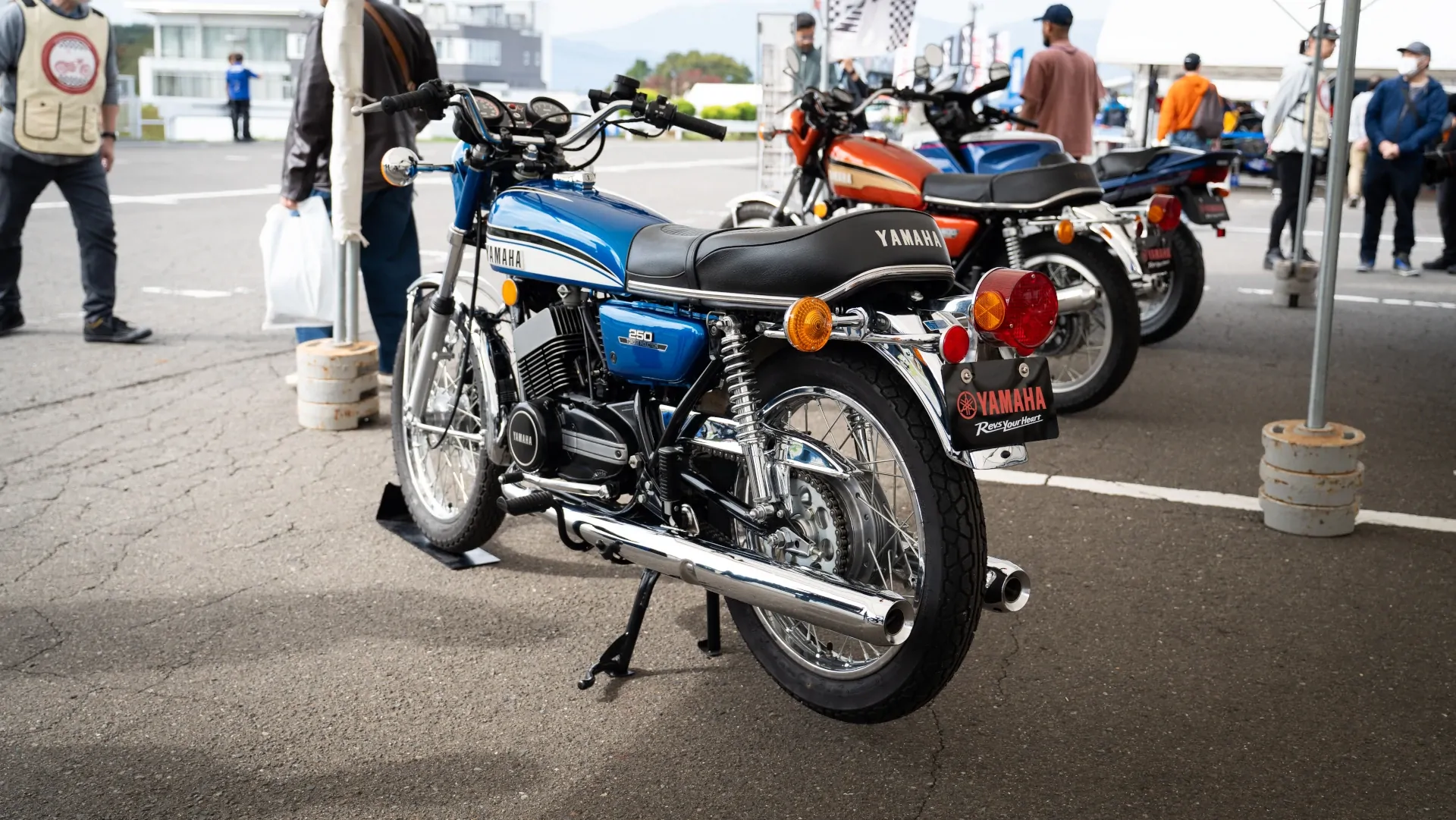
There they were—the bikes that shaped Yamaha’s history, casually lined up as if they were just regular motorcycles. And the best part? All the bikes were in immaculate condition. They were preserved so well that you’d question if they had just rolled out of the factory last week. Thanks to the discipline and respect of Japanese enthusiasts, the bikes remained spotless the entire day, ready to be displayed again at the next gathering.
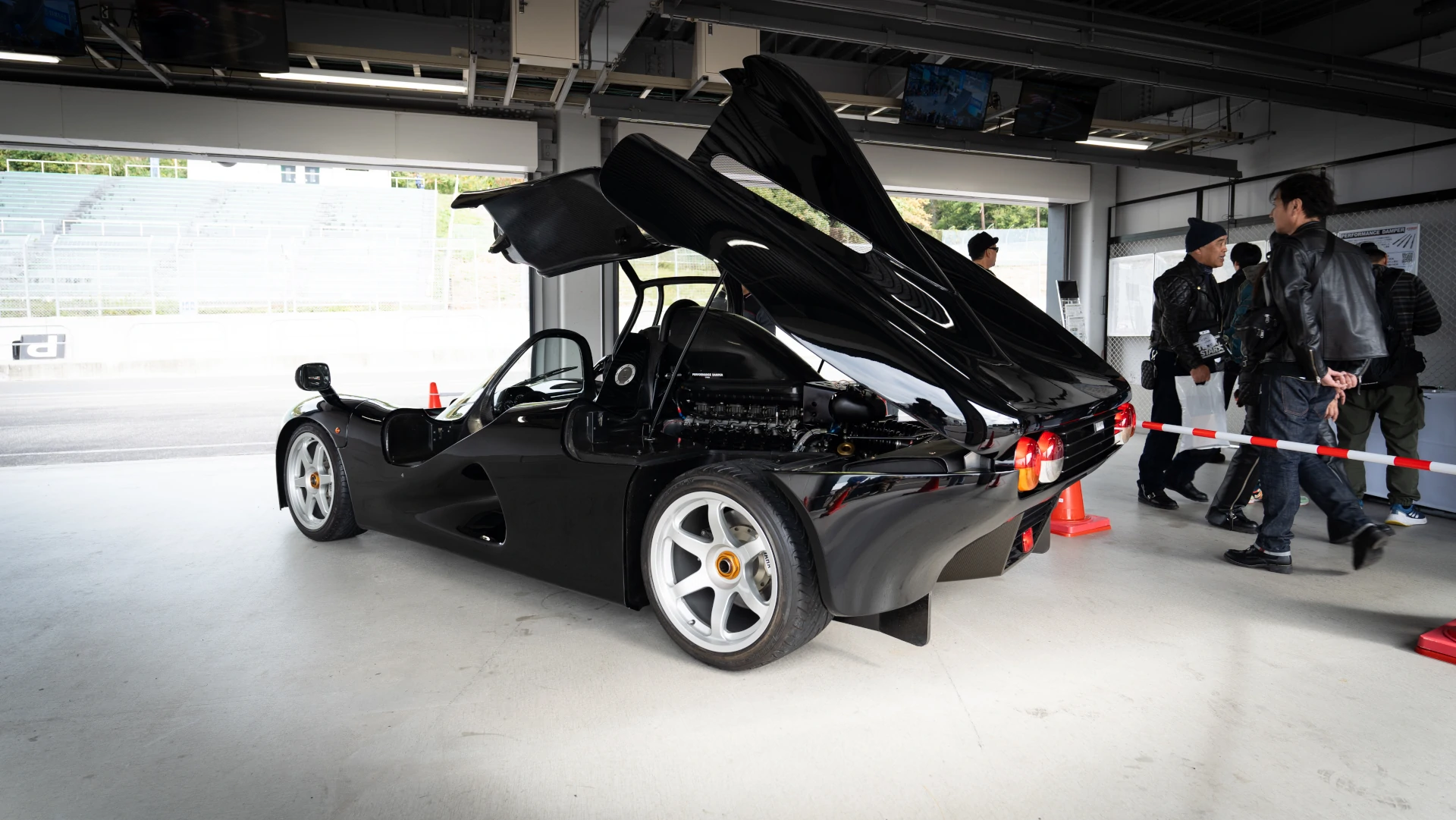
Just as I was about to finish admiring the classics, a distinct cold start echoed from the paddocks—it was sharp and mechanical, as if it were calling my name. I knew instantly it wasn’t a motorcycle, so I followed the sound out of pure curiosity. When I saw it, I was intrigued. It didn’t look like anything I’d ever seen before. There it was: A machine with a jet fighter-style canopy, a V12 mounted behind the seats, and a Yamaha badge at the back. I walked over and read the info sheet: OX99-11. Rings a bell? It didn’t for me either.
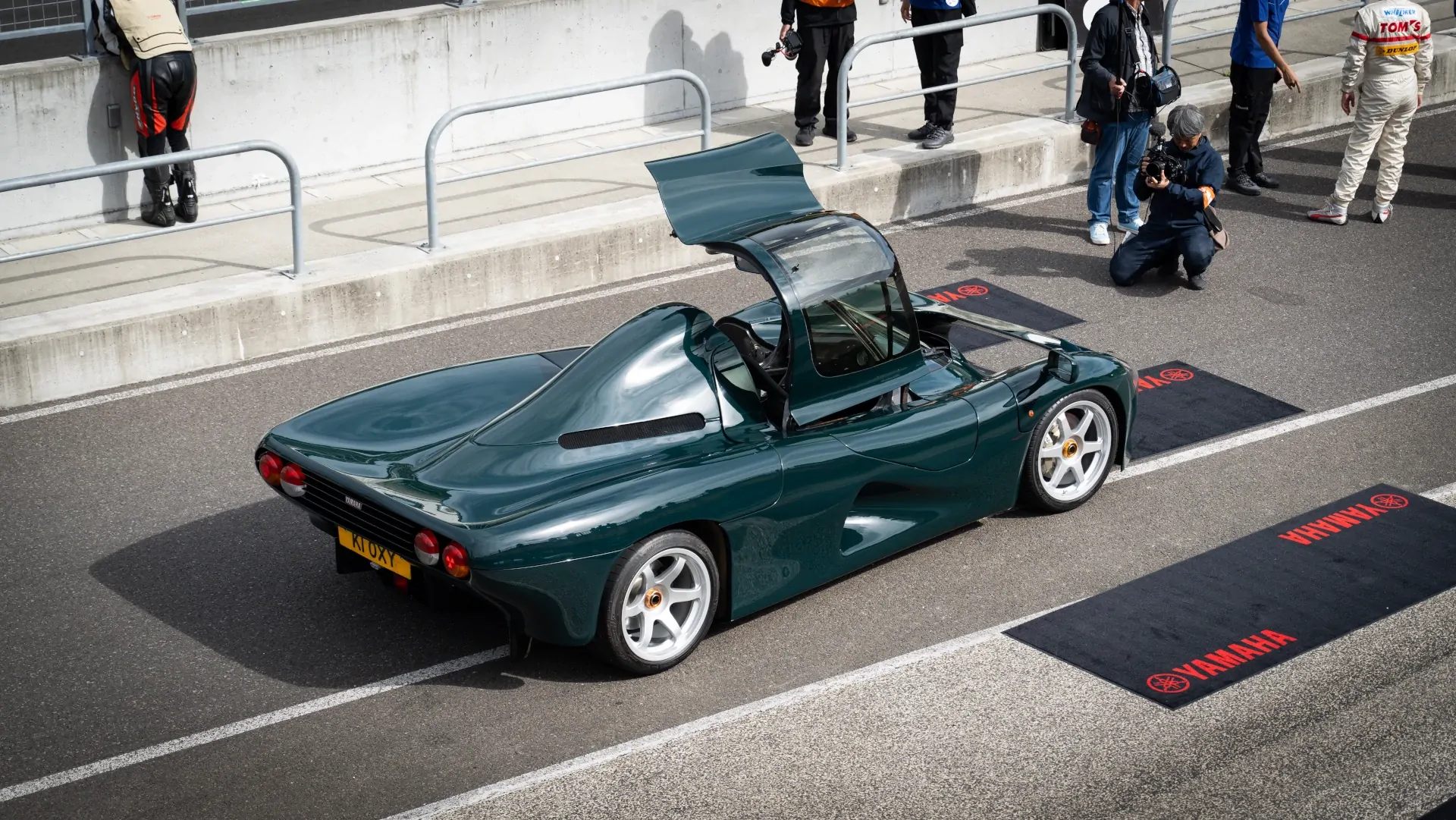
I did a quick bit of research, and it turned out to be a prototype from the ’90s when Yamaha tried to create a road-going Formula 1 car. It was an insane project that, sadly, never made it into production. (I actually made a separate article about this car if you’re interested). One thing’s for sure: the sound it makes is exceptional. We got to hear it because it was the first to do flybys to mark the start of the historic models’ demo run. Pure mechanical symphony. What other products does Yamaha produce again? Right—musical instruments.
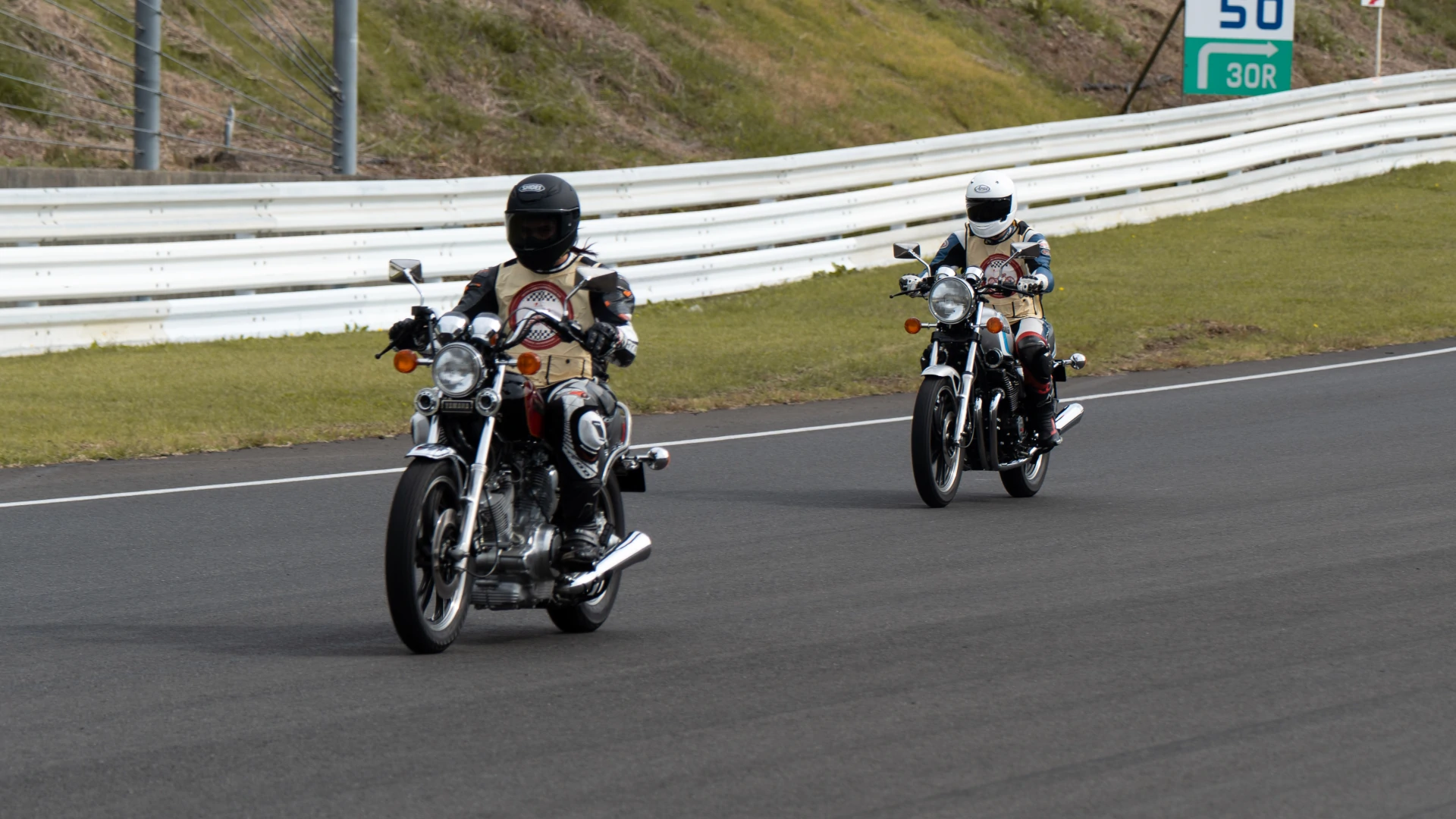
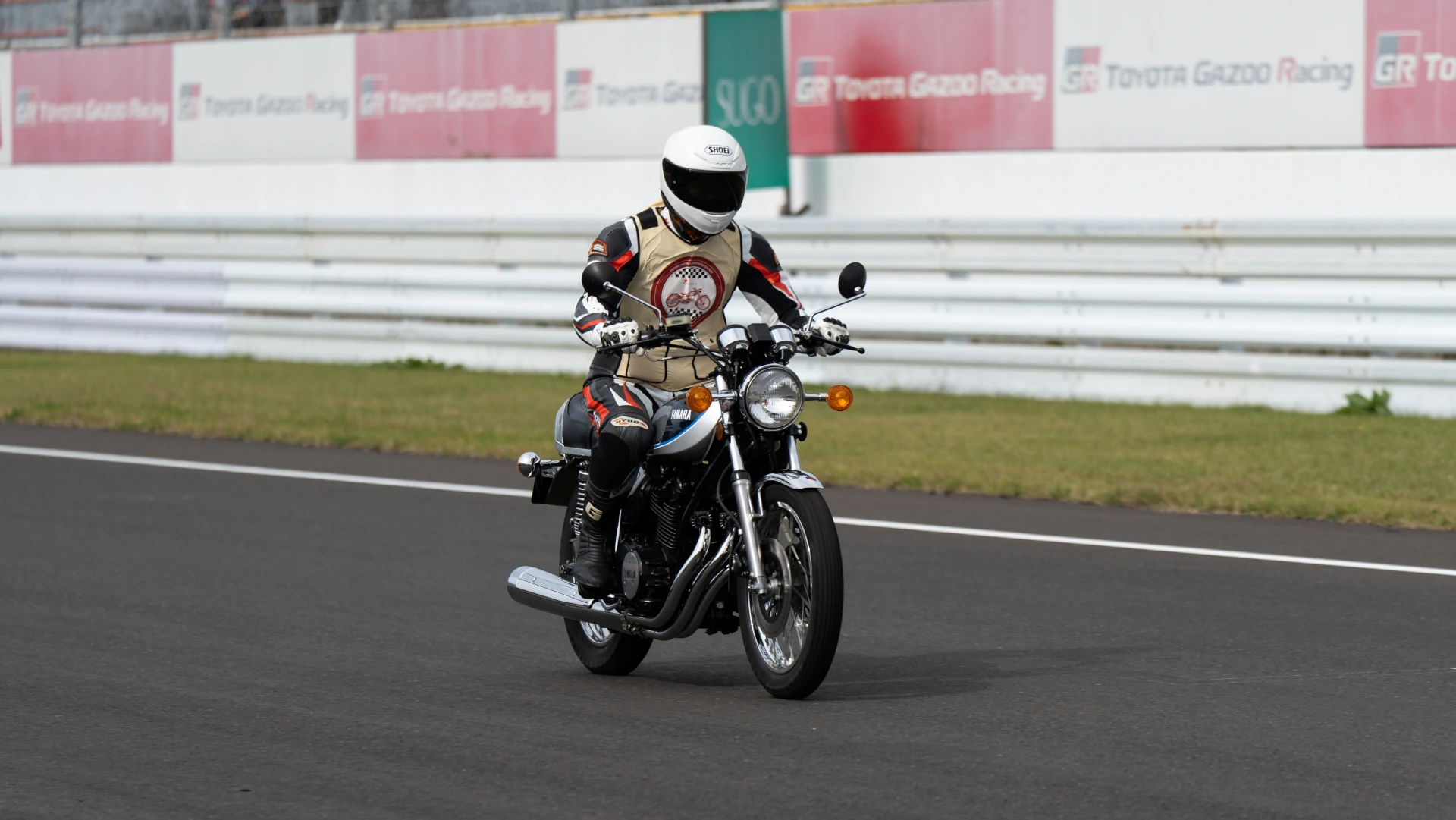
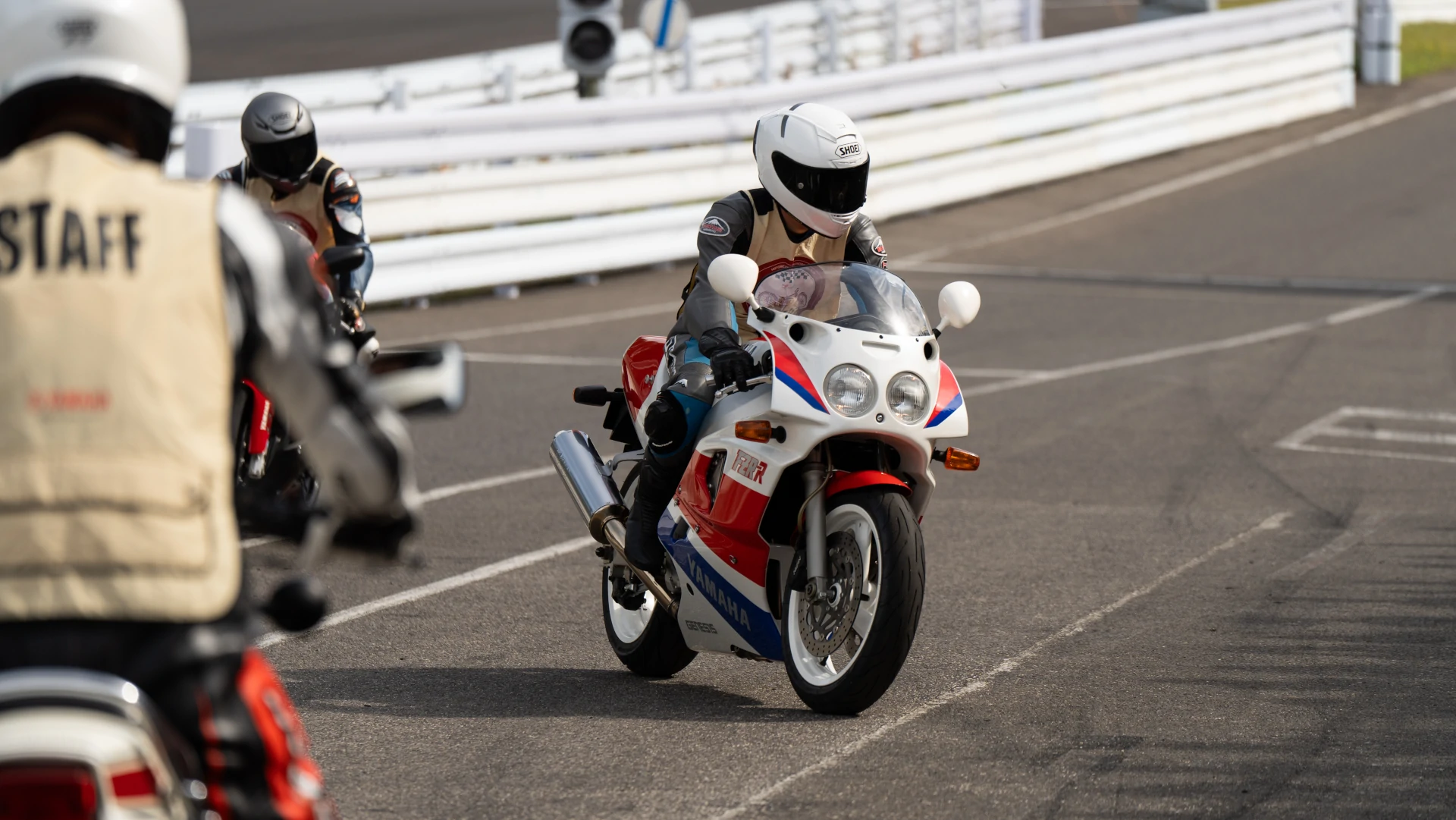
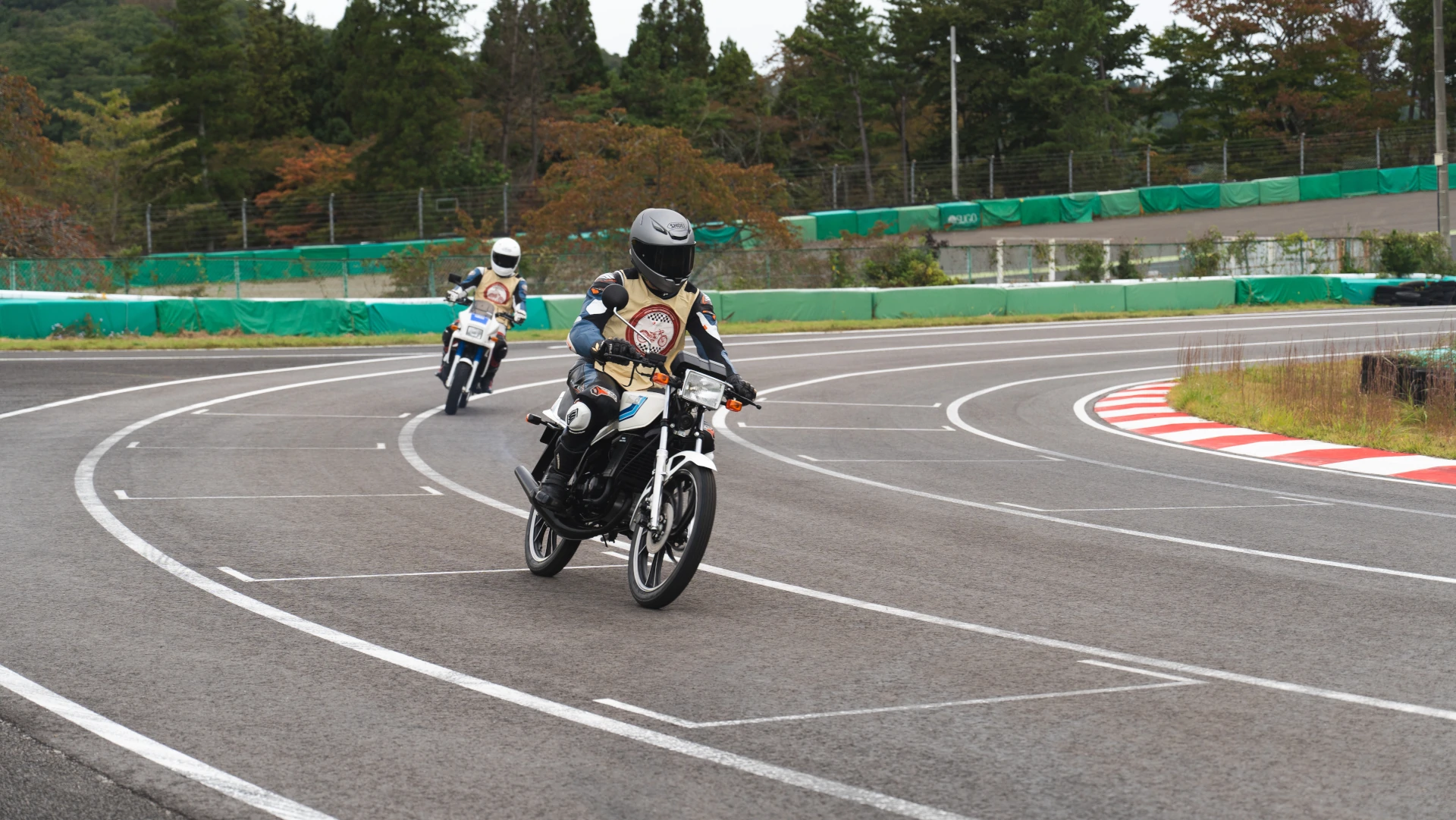
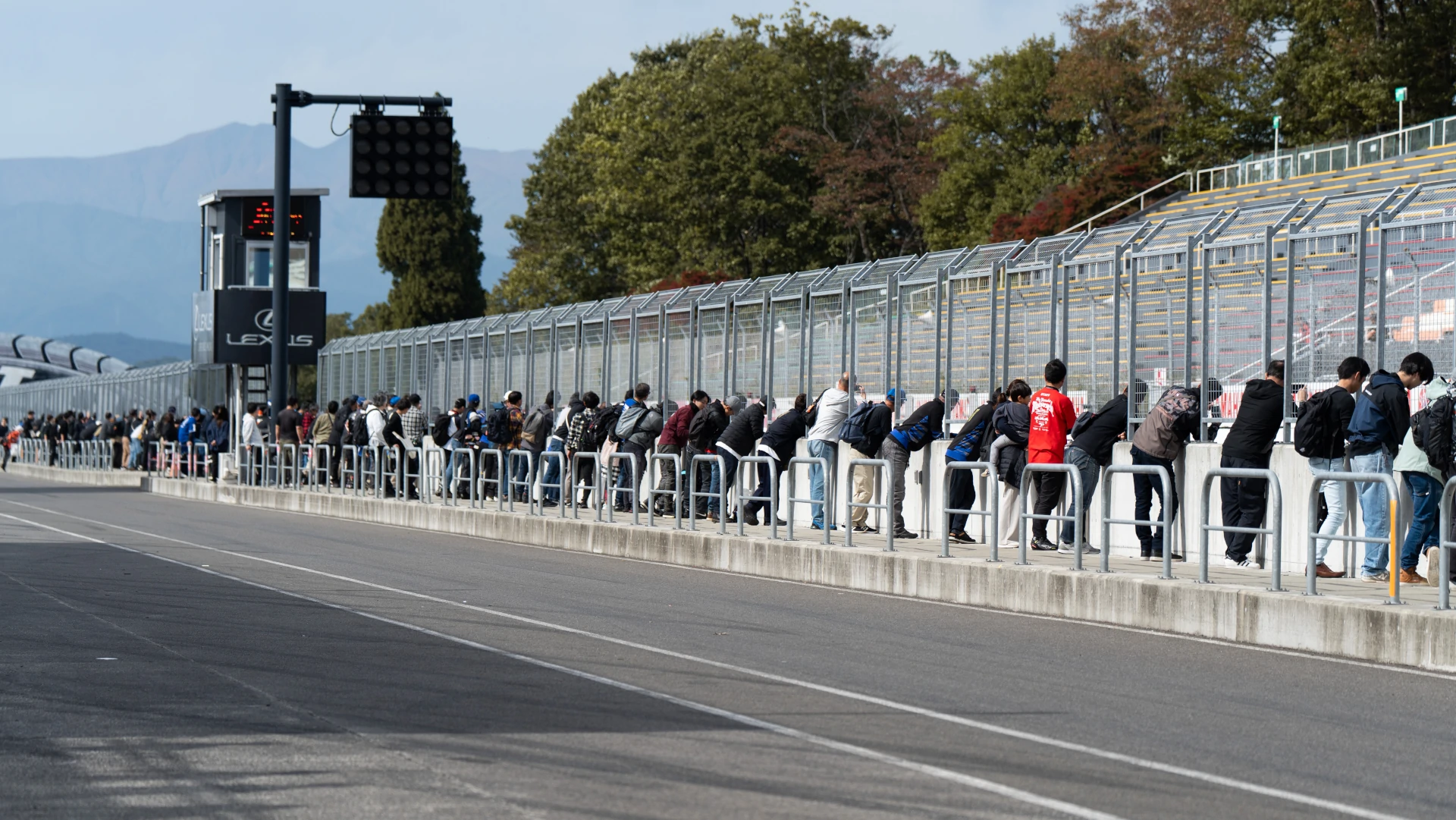
After the prototype finished hyping the crowd, it was time for the main event–the bikes themselves. The first to roll were the cruisers like the GX750, XJ750E, and the XV750. There were also the SR models like the SR500 and the SRX600. I’ll admit, I’m familiar with less than half of the bikes that paraded down the track. But honestly, it didn’t matter. Just seeing and hearing them was a treat for me. What more for people who really knew these bikes.
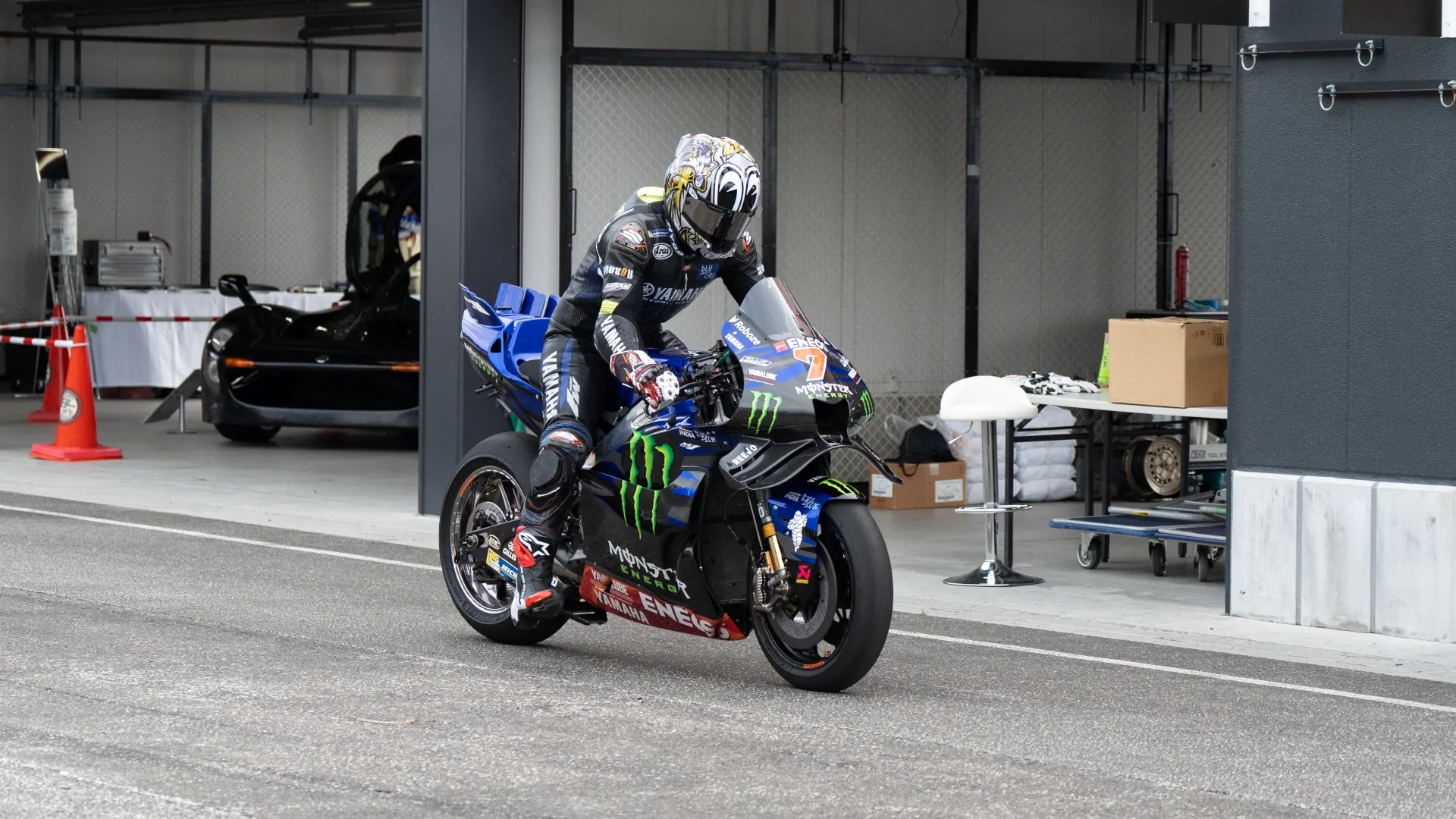
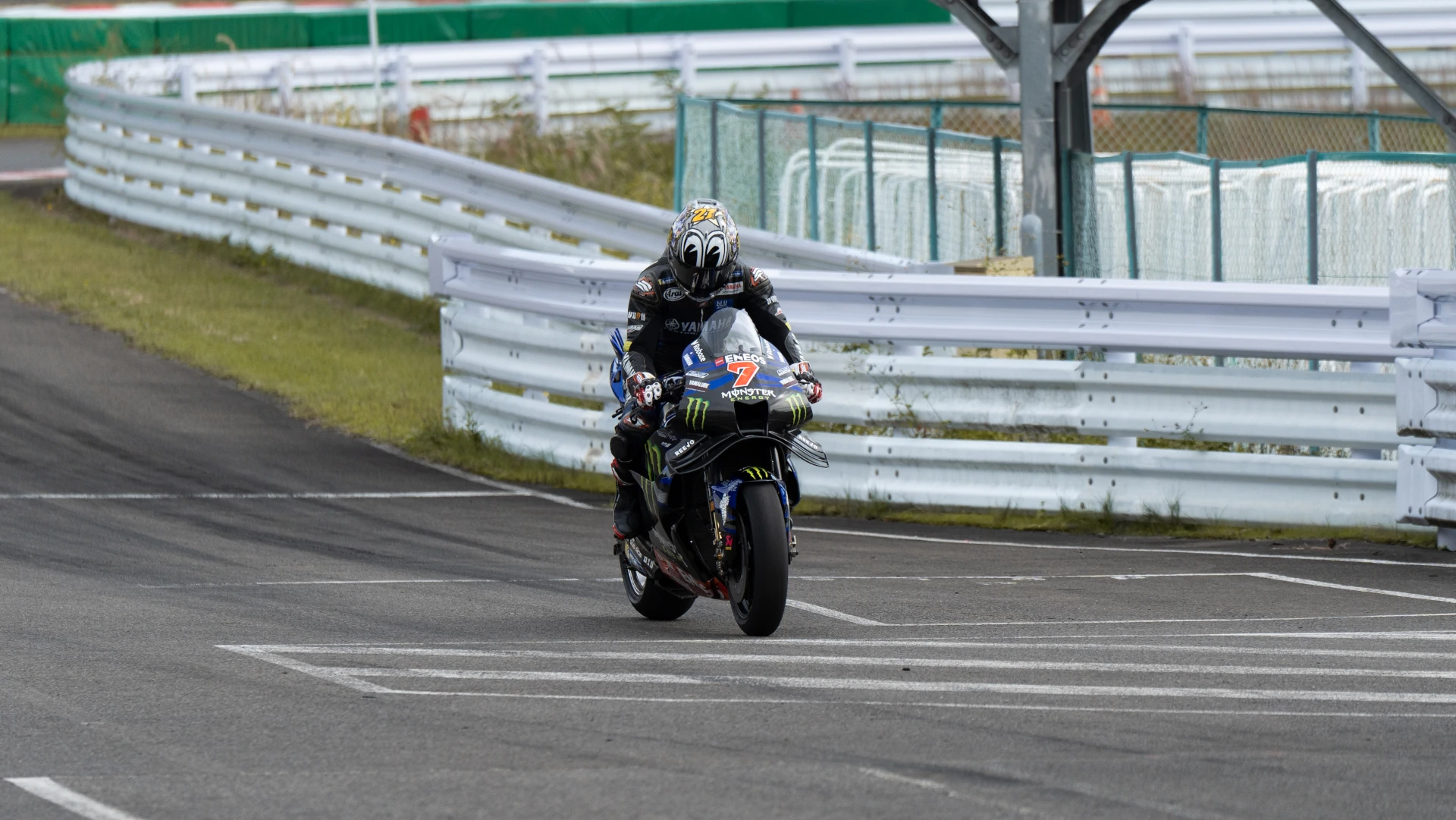
Then came the real goosebump moment. When the MotoGP bikes fired up and started blasting through the circuit. Redline after redline, the sound they created pierced through my eardrums, but I never complained. It’s the kind of loud that you don't just hear, but you can also feel through your whole body. The engineers at Yamaha really do know how to design good-sounding machines, don’t they?
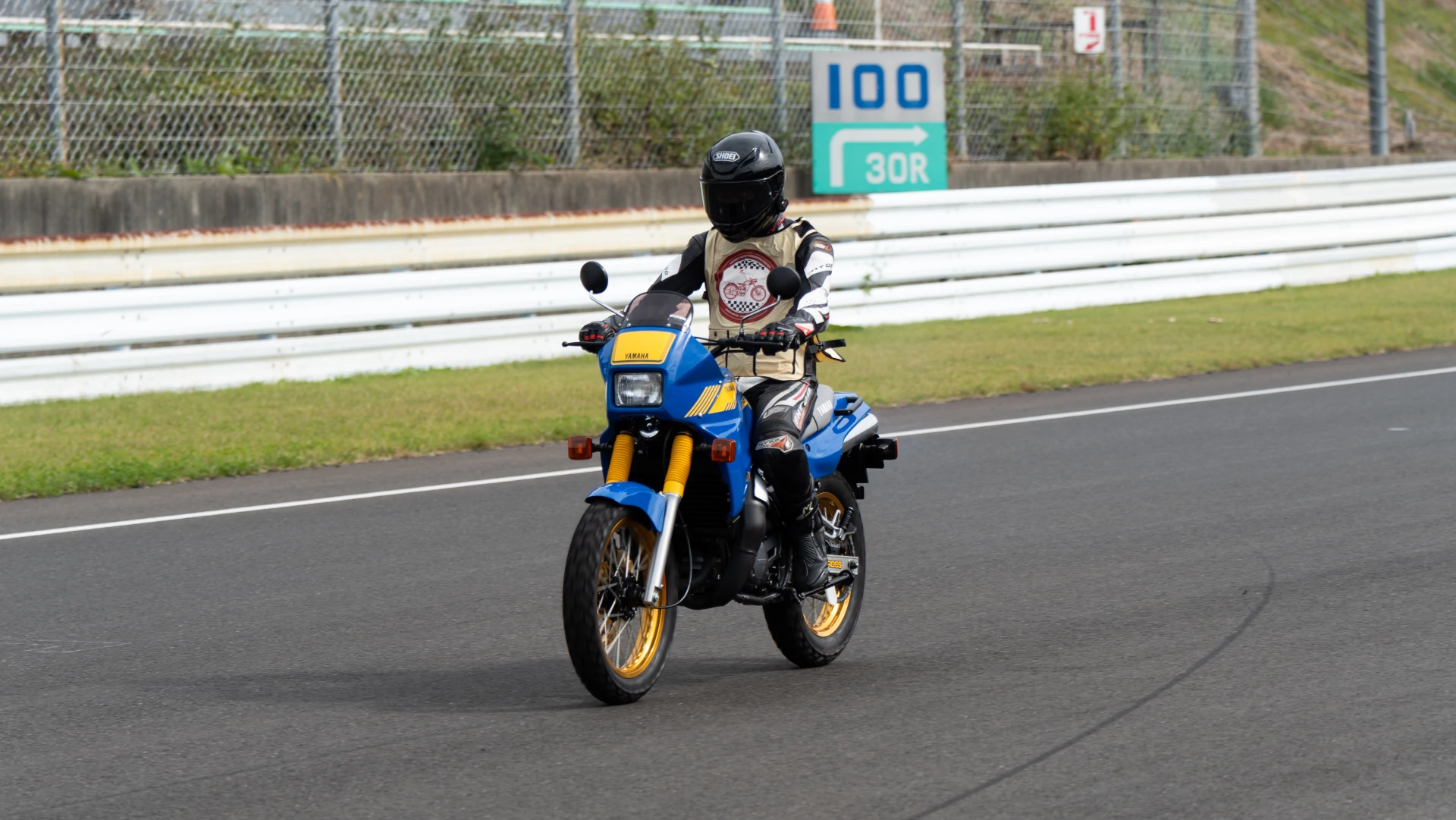
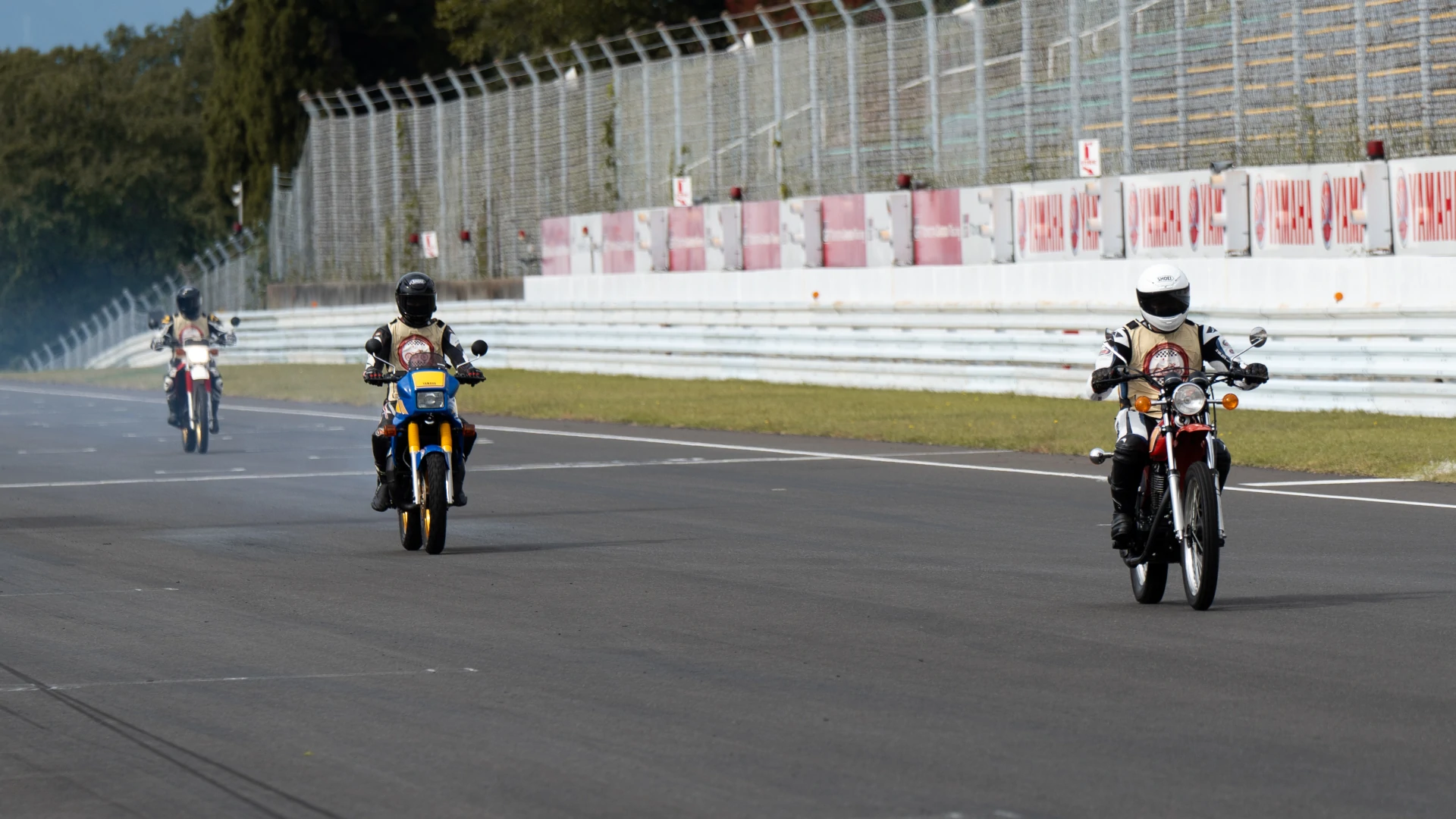
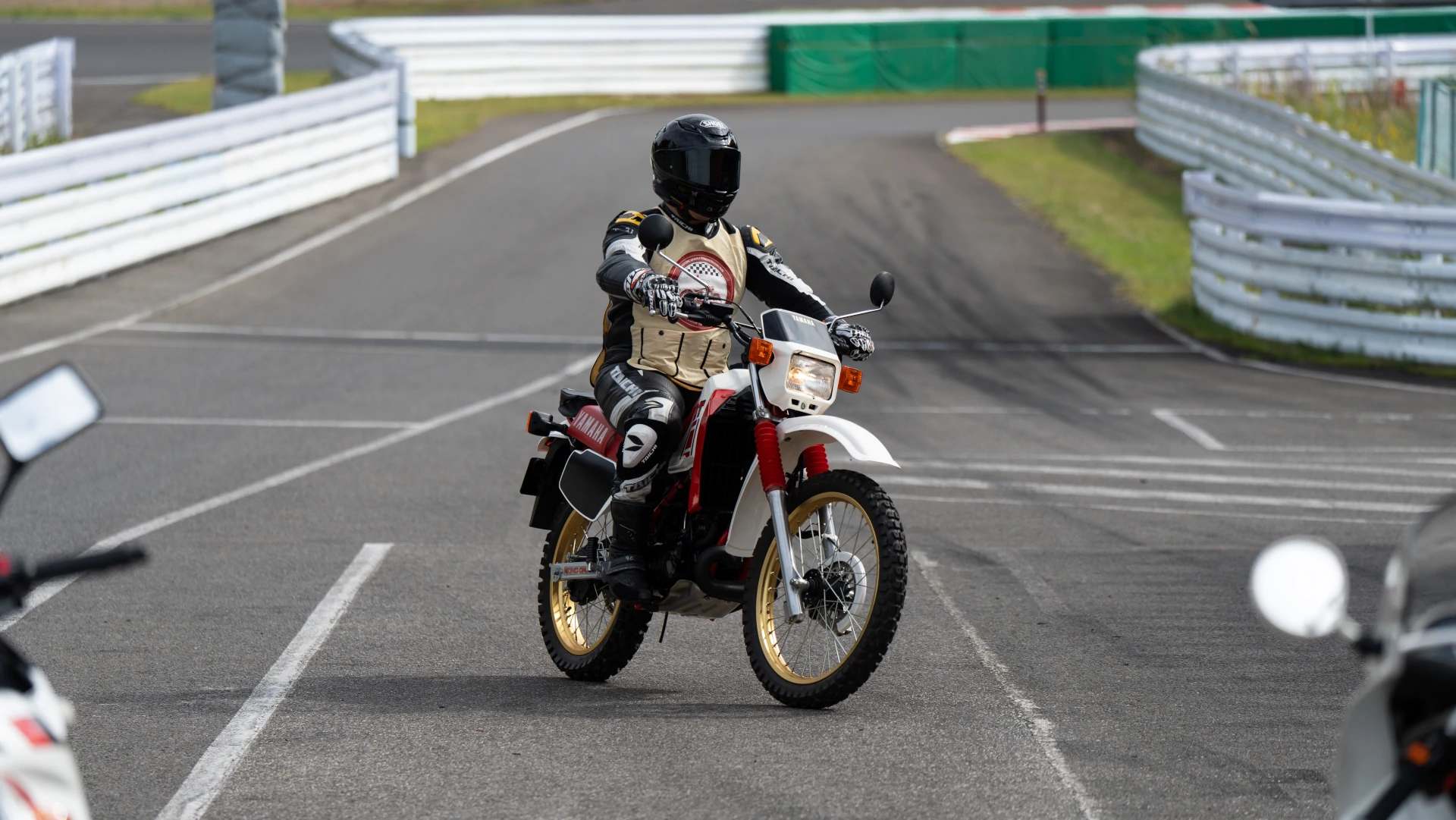
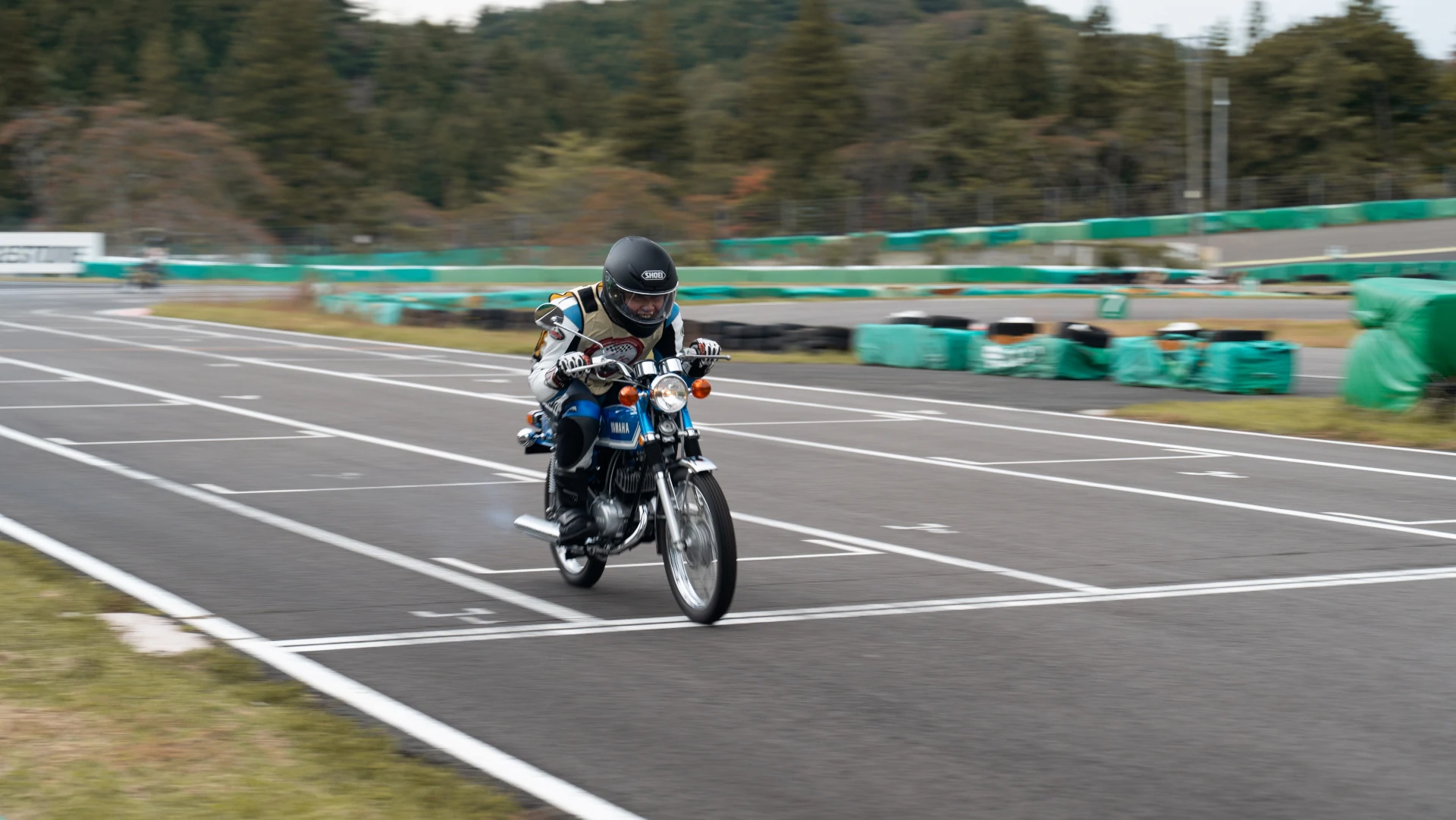
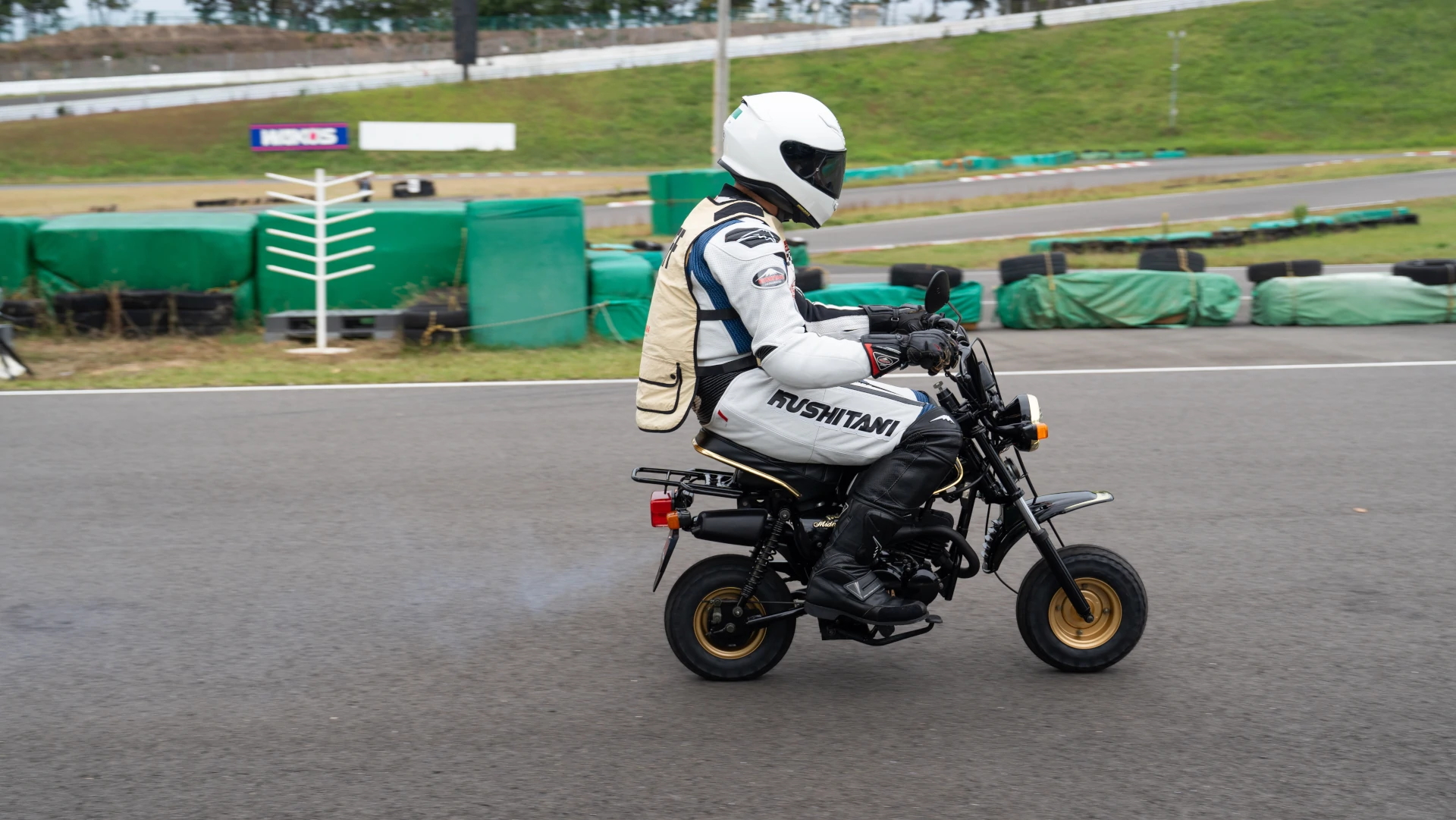
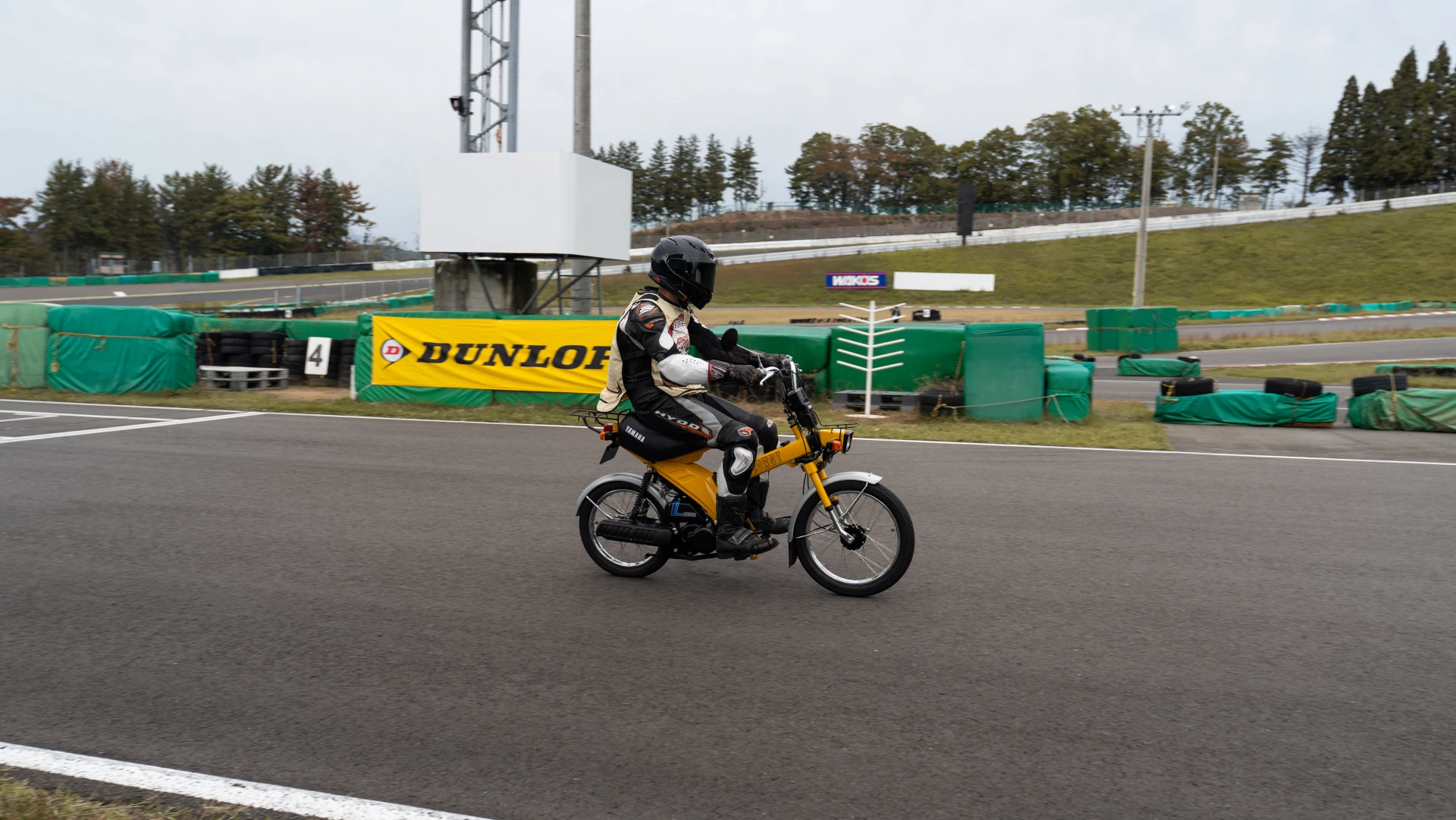
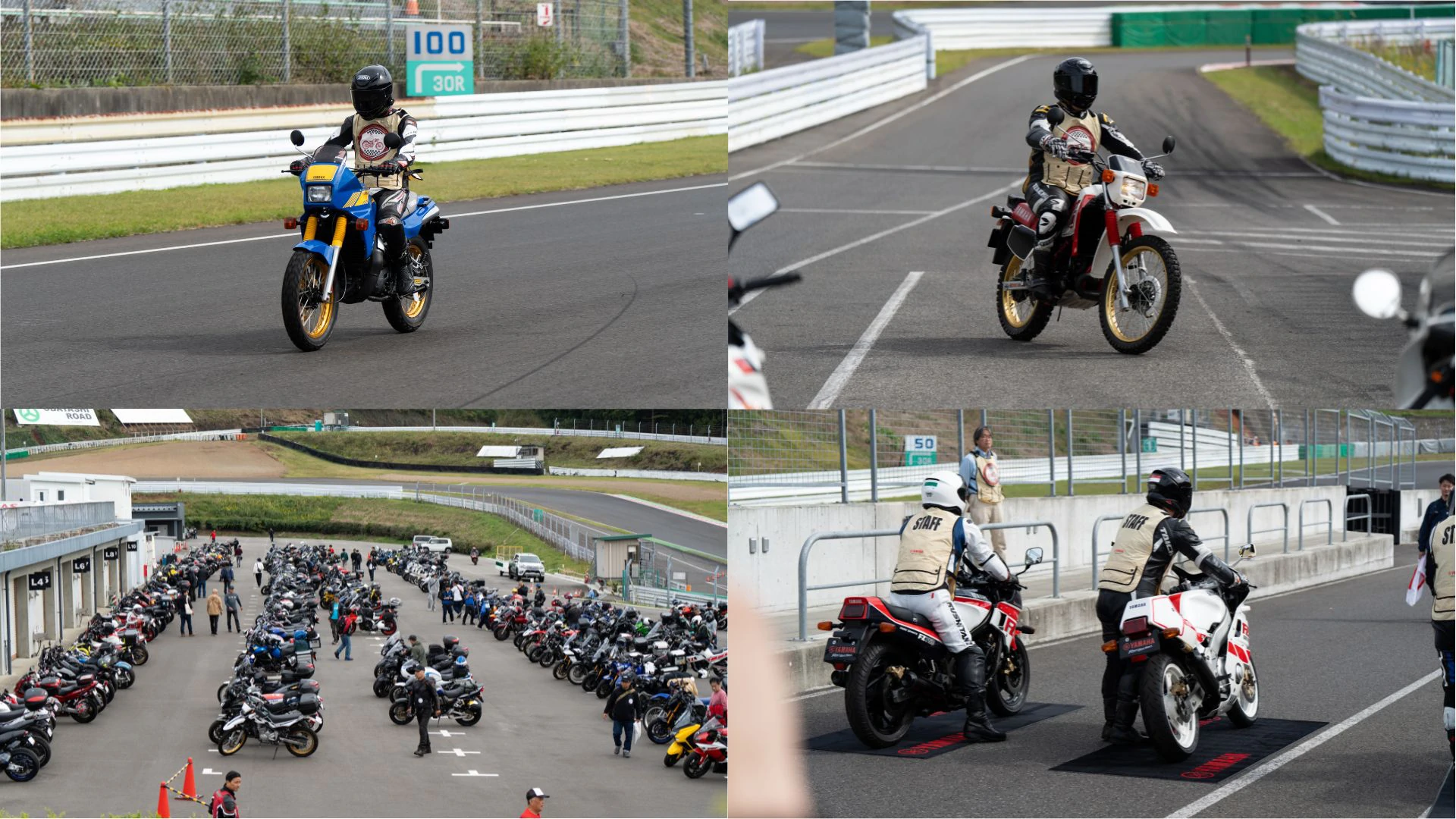
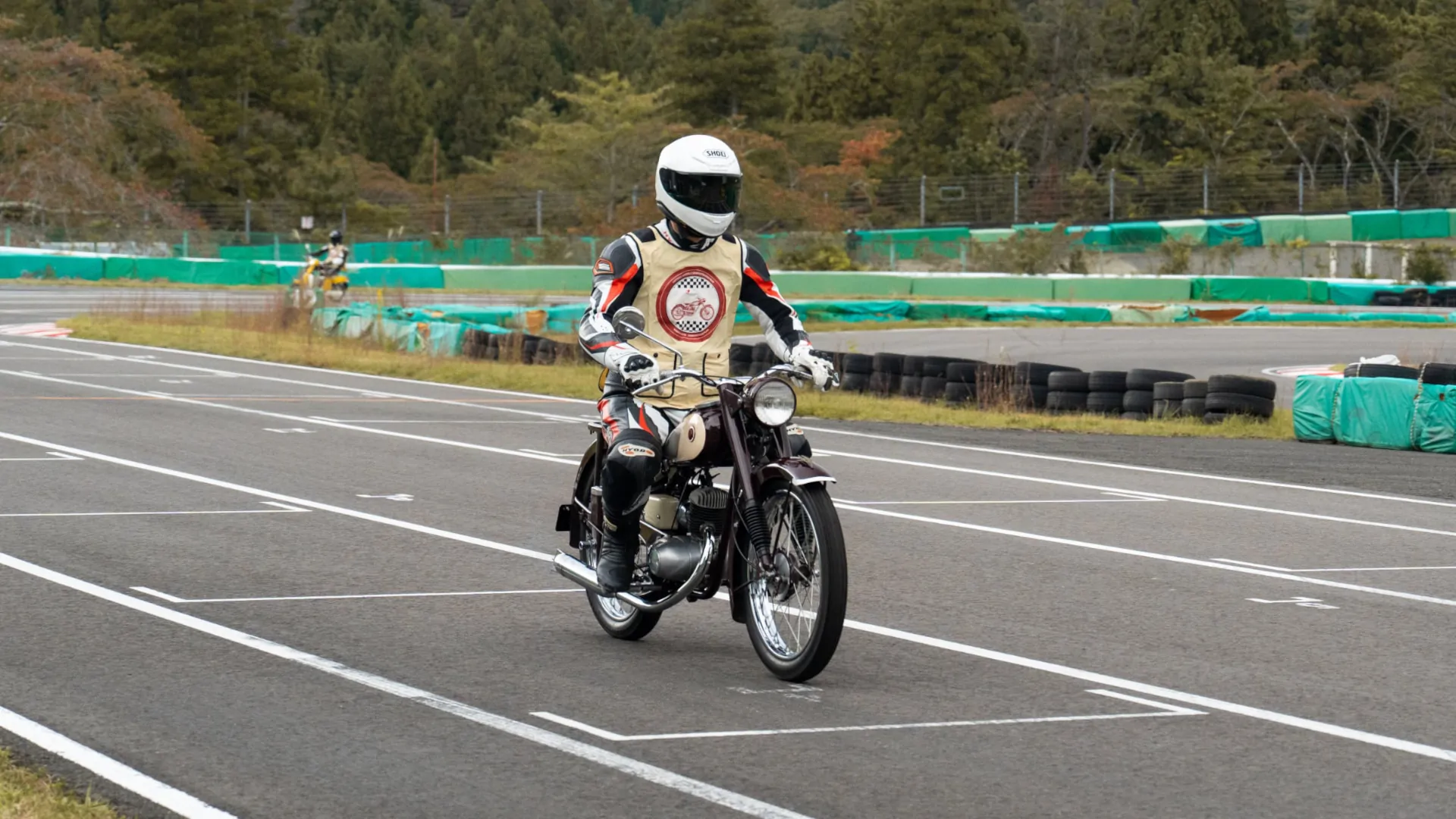
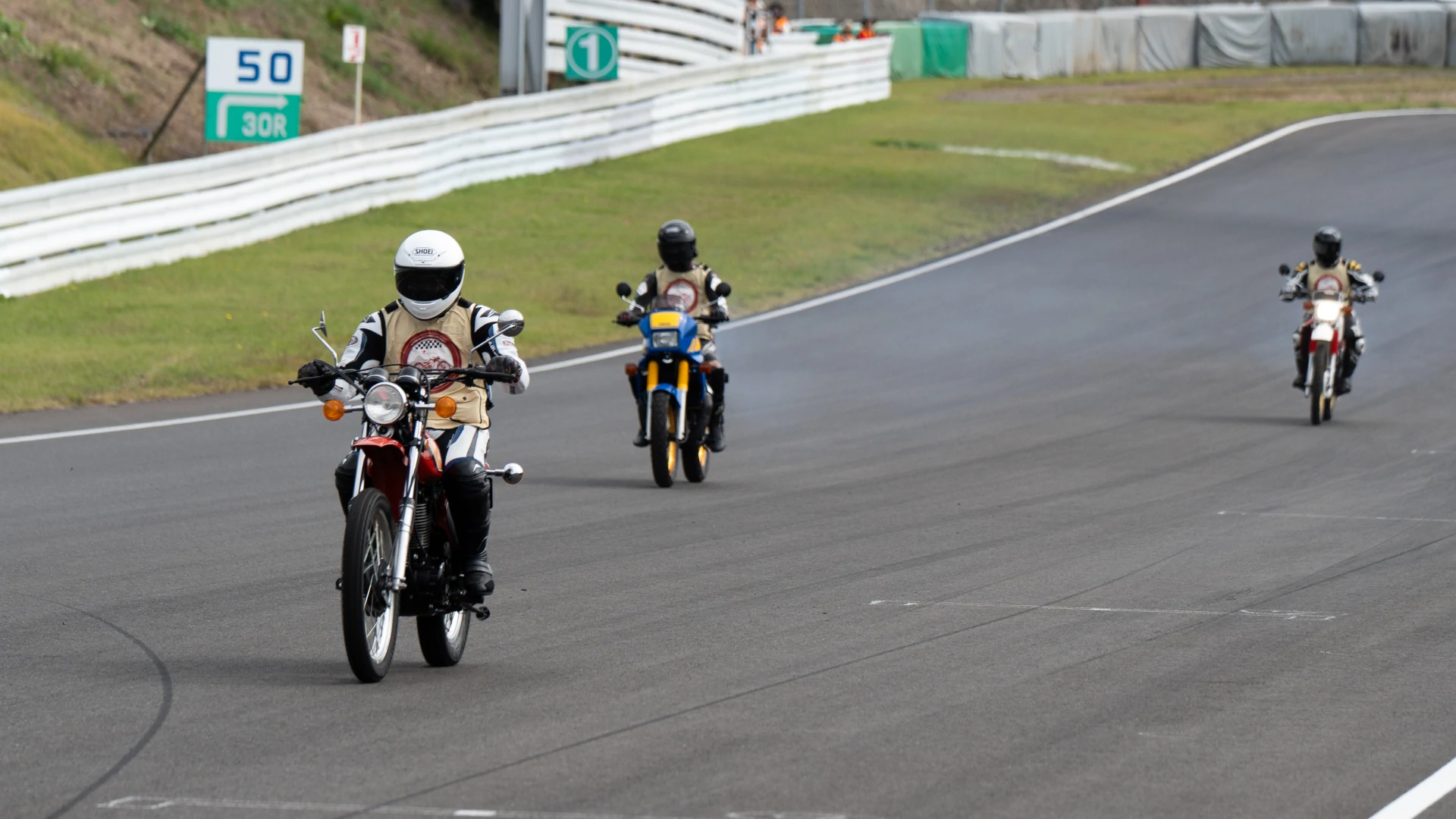
After a quick lunch, we took a 20-minute walk to one of Sportsland Sugo’s smaller tracks, where Yamaha lined up their more compact bikes. By the time we arrived, the engines were already warming up. Moments later, the bikes started rolling out in batches of five, filling the air with a lighter, buzzier soundtrack—a relaxing sound compared to the roaring main circuit. The crowd here was noticeably smaller, but the vibe was more intimate. The bikes were slower and closer, so the spectators were able to watch them better. The riders seemed genuinely happy to ride these small bikes, and I think that added charm to the experience.
What led the pack was a 1955 YA-1, Yamaha’s very first motorcycle. It had the nickname ‘red dragonfly’ because of its unique chestnut color. Yamaha chose this color to stand out in the sea of black motorcycles. Seven decades later, seeing a pristine example on display was already surprising. But to actually see one running on track? That was next-level. It’s living proof that quality machines last when cared for properly.
There were more than a dozen other small bikes that Yamaha showcased, each with its unique charm. But one particular model caught my attention. It was the smallest bike in the lineup called the Pocke. We were admiring how tiny it was and how it seemed to fit easily in the trunk of your car. It had a 50cc engine and foldable handlebars. It’s an ideal ride for urban commuting.
Watching these small bikes on the racetrack was pure joy. Sure, they won’t beat track records, but that doesn’t mean they’re boring to ride. The riders were wearing full-face helmets, but I could see through their visors that they were enjoying these little machines. It’s a reminder that while Yamaha builds fast and loud superbikes that can dominate MotoGP, it can still produce fun and reliable bikes that everyone can ride.
By the time we went back to the main course, the crowd had thinned out. Riders were slowly leaving the area one by one, but the energy still lingered. Soon, it was our time to hop on the bus back to our hotel. Leaving Sportsland Sugo, I couldn’t help but smile, replaying everything I had seen and heard throughout the day. 70 years of history, presented like a very quick time-lapse.
Yamaha Motorcycle Day 2025 wasn’t just a parade of the fastest and wildest bikes; it’s a proper tribute to the heritage that helped Yamaha grow into a trillion-Yen corporation. And if this event was any indication, I’m confident they’ll be revving millions more hearts well into the future.
More photos from Yamaha Motorcycle Day 2025: