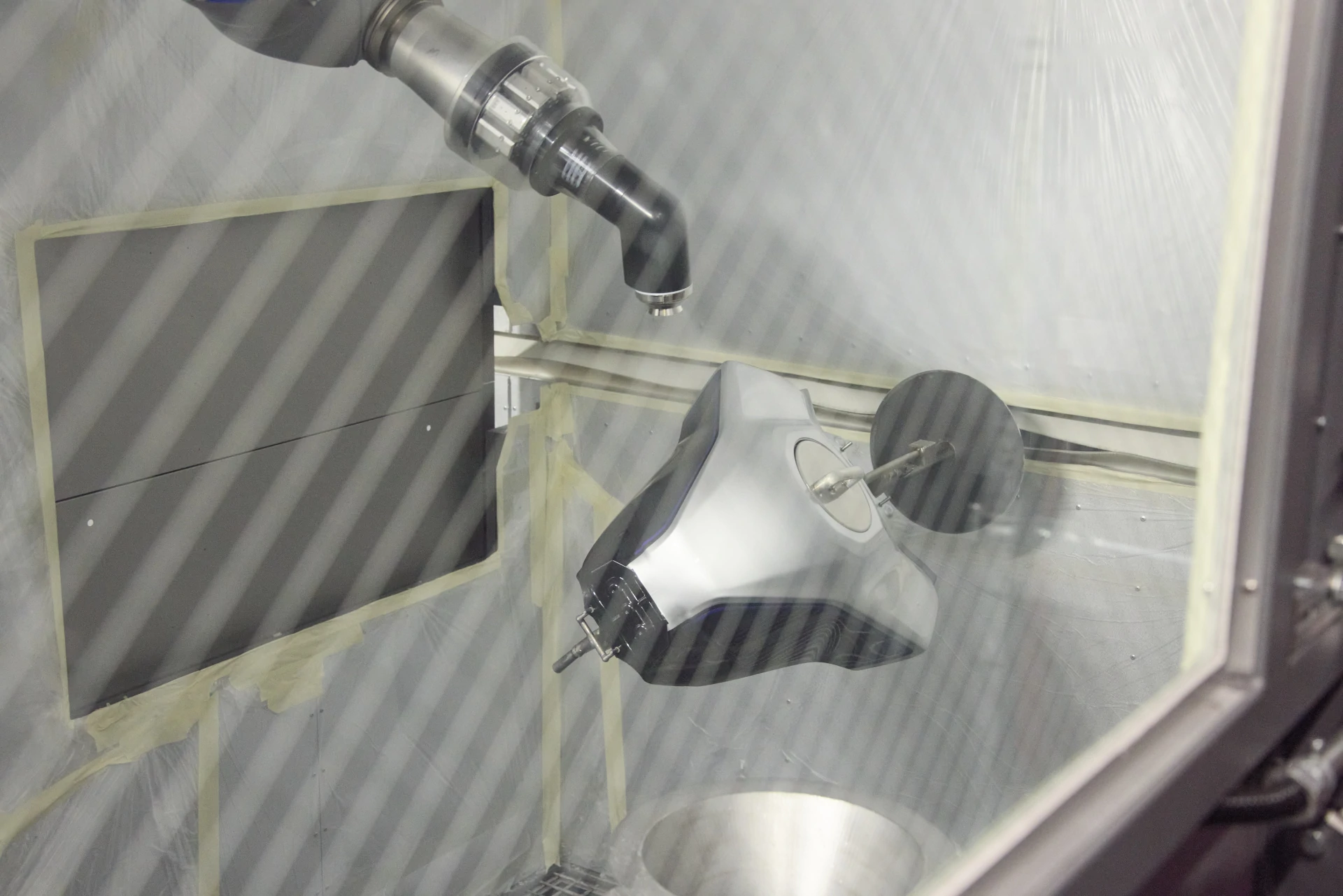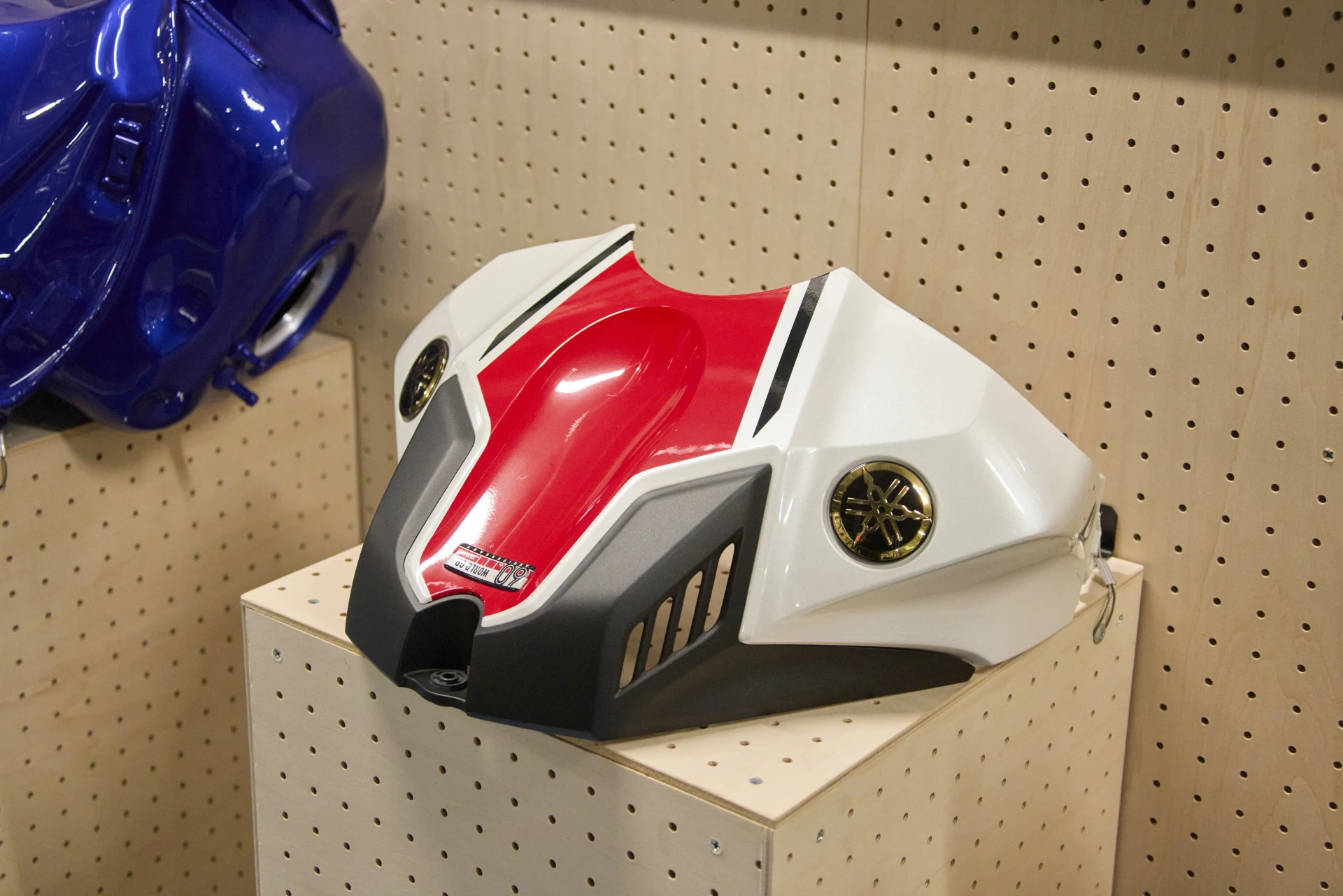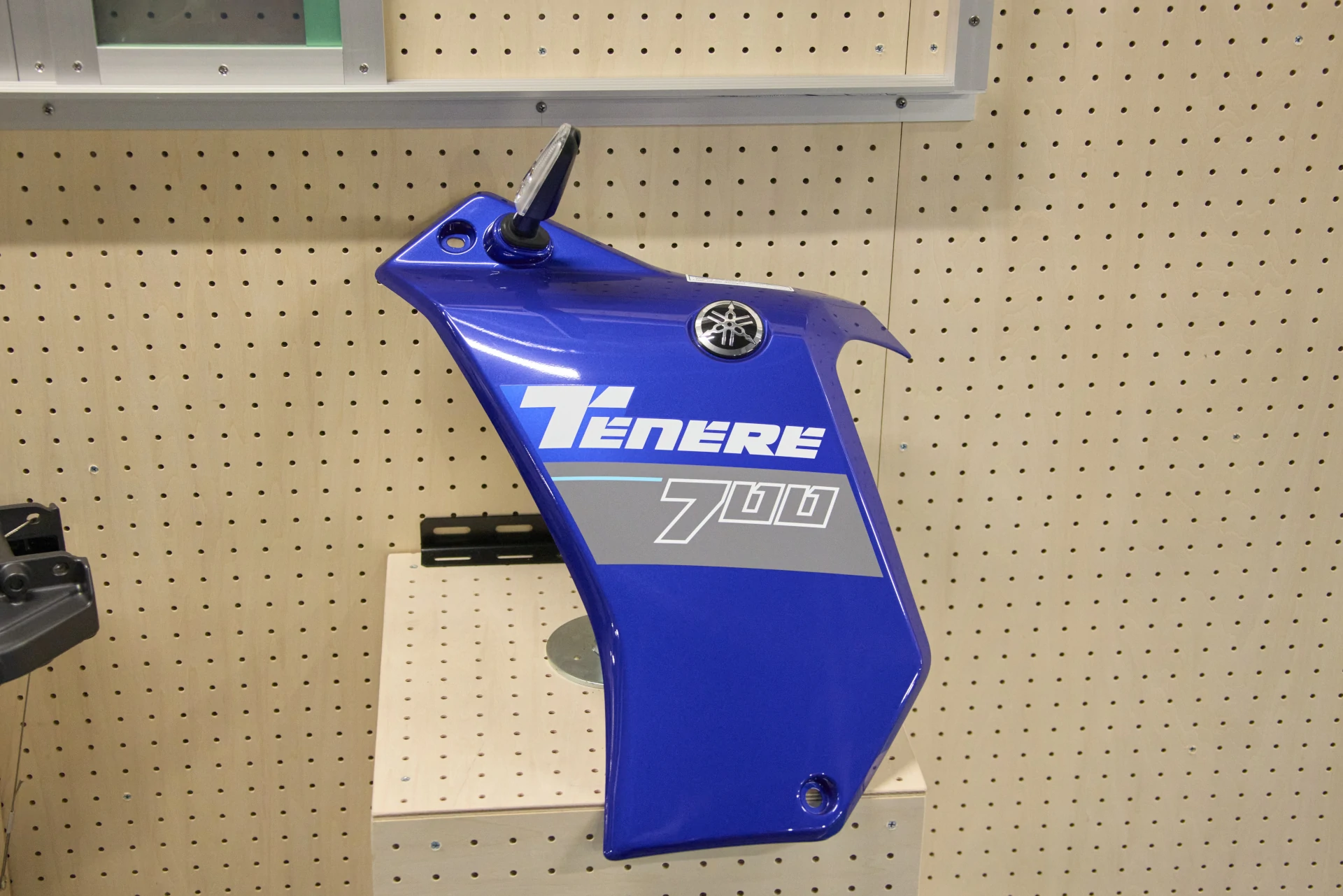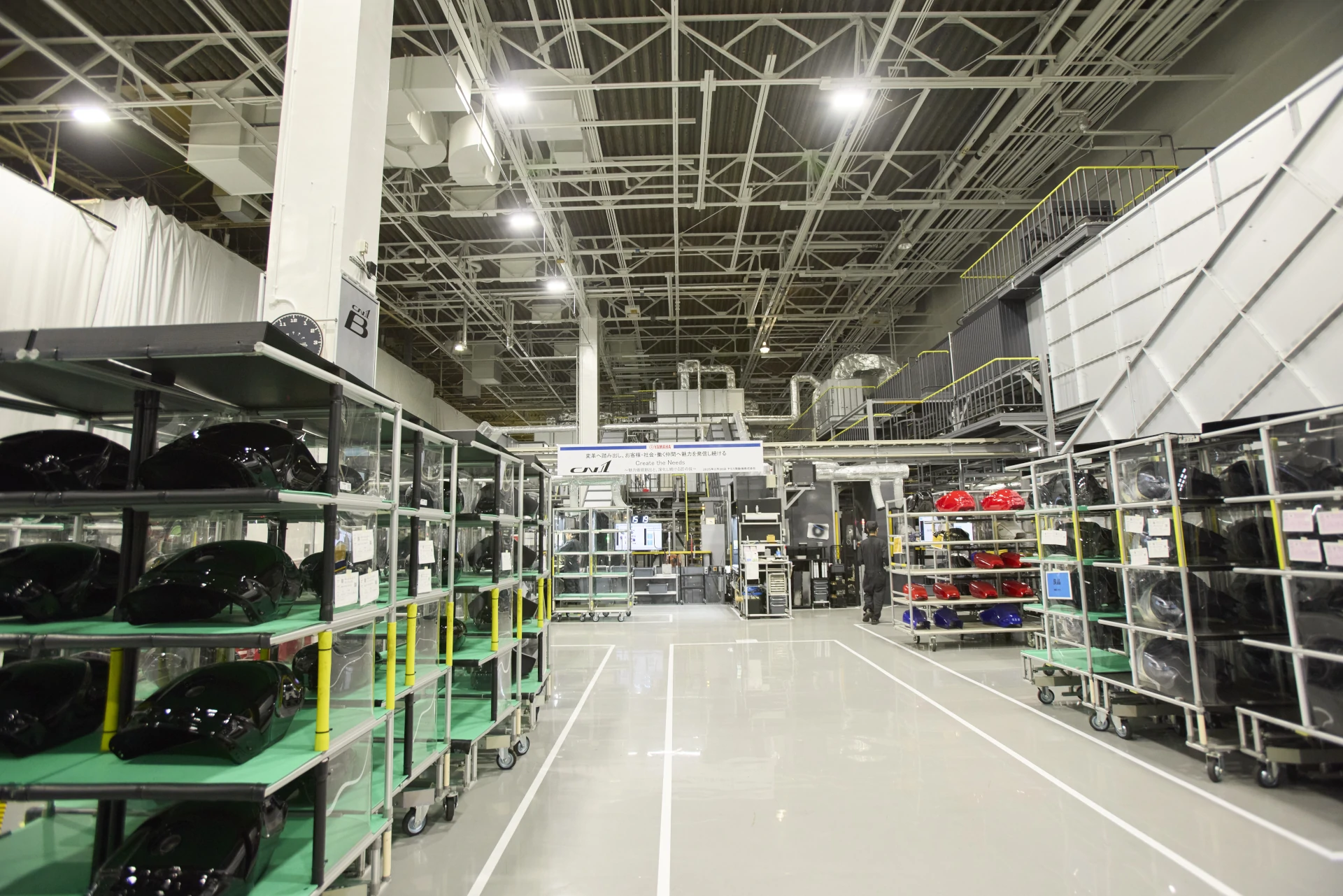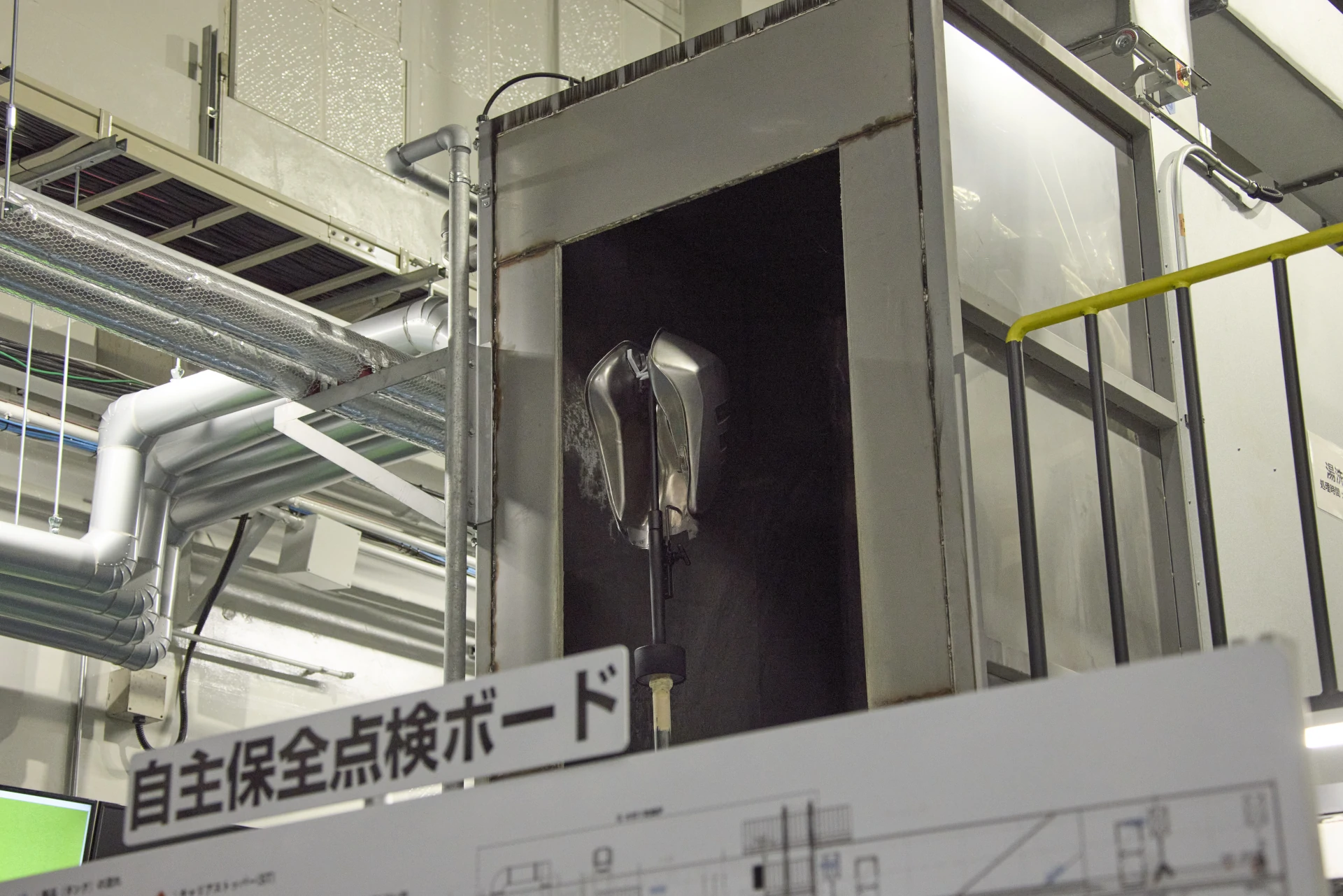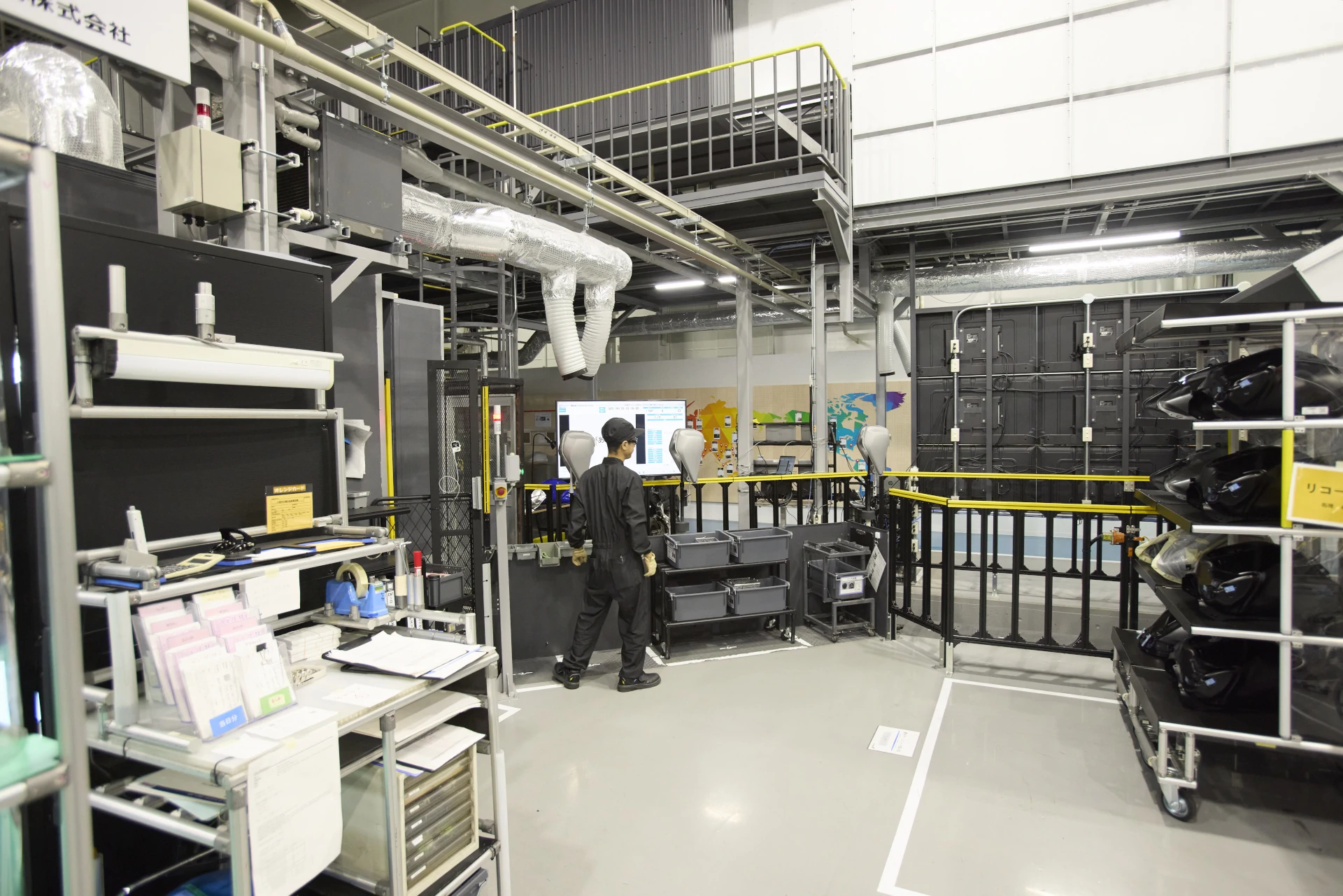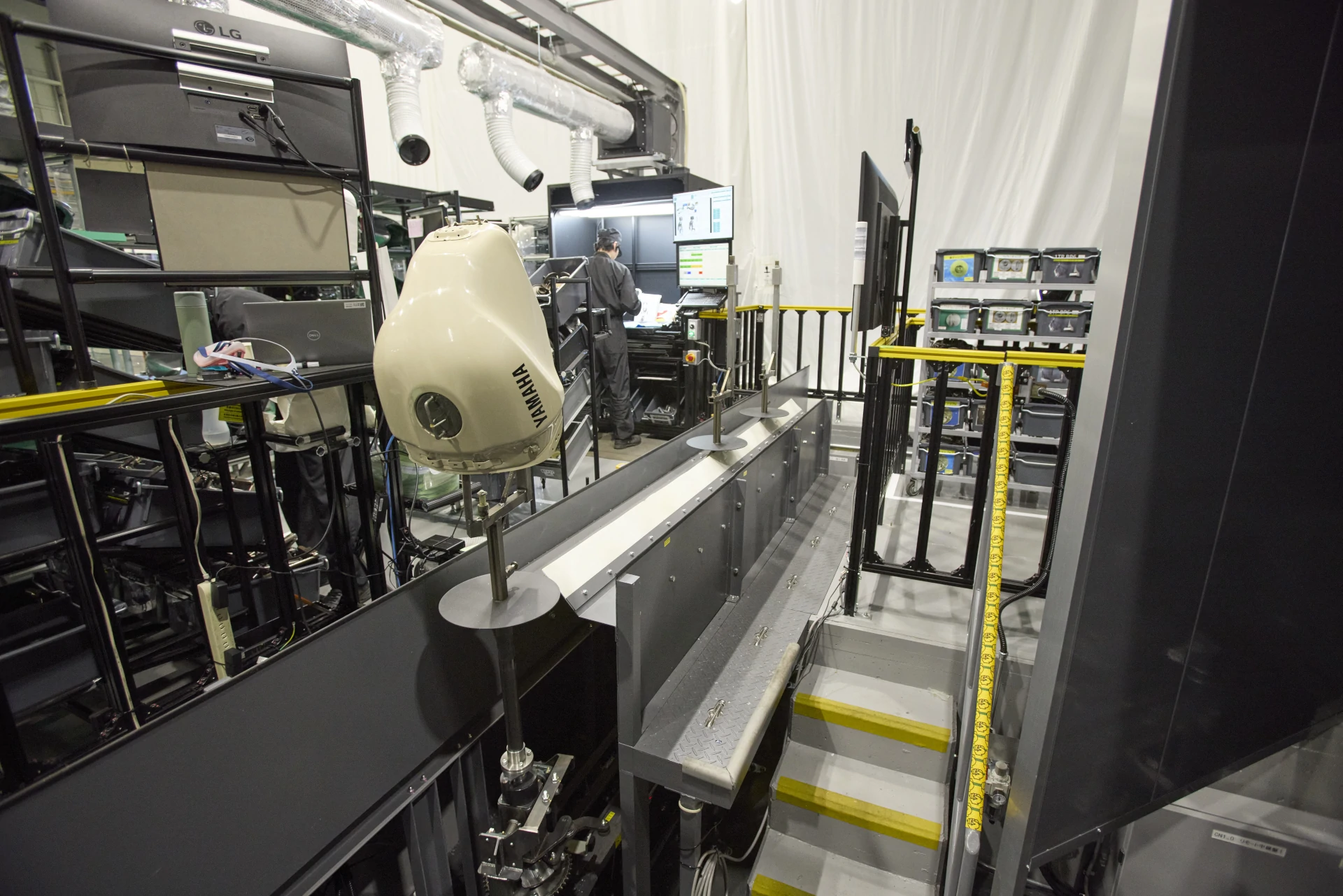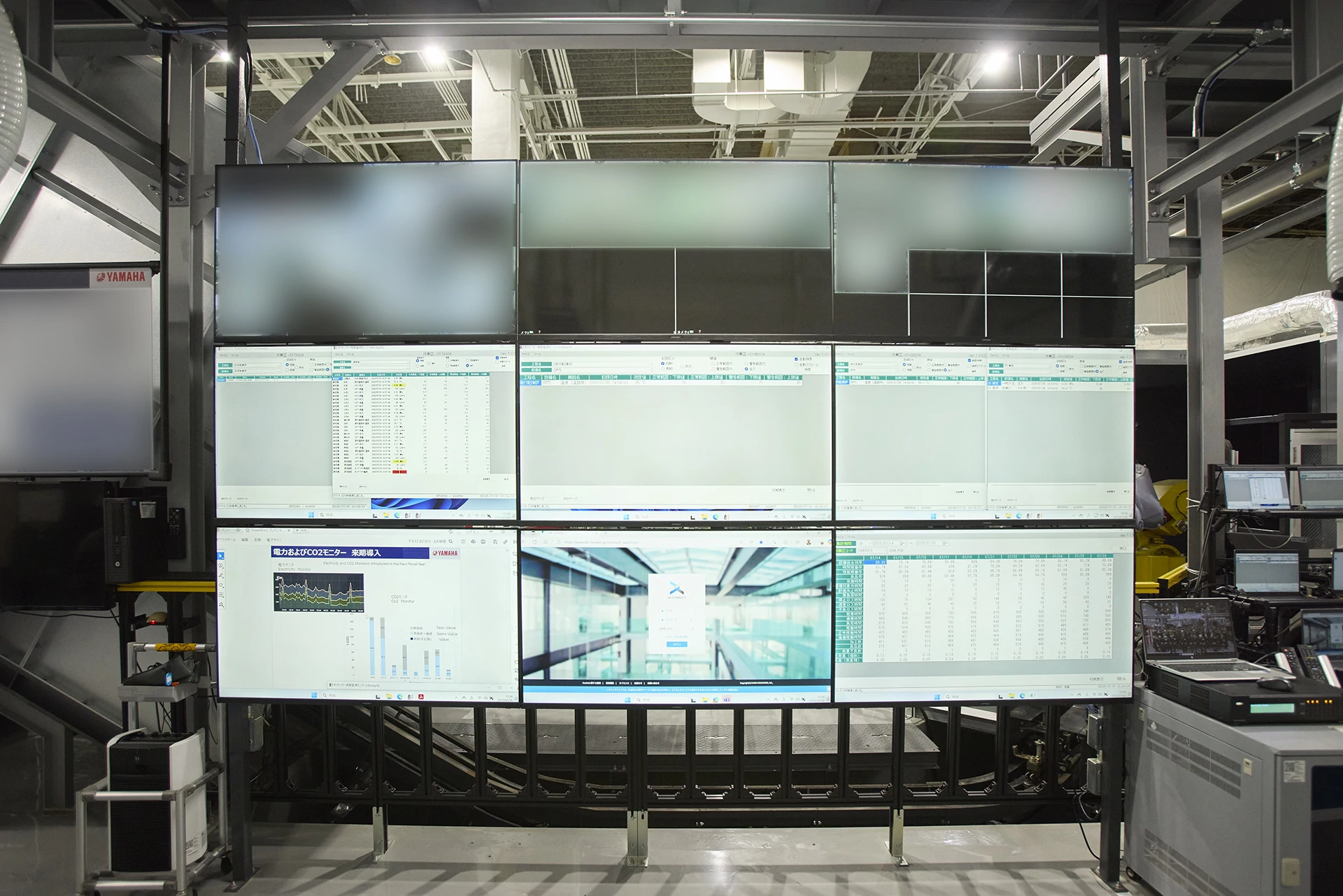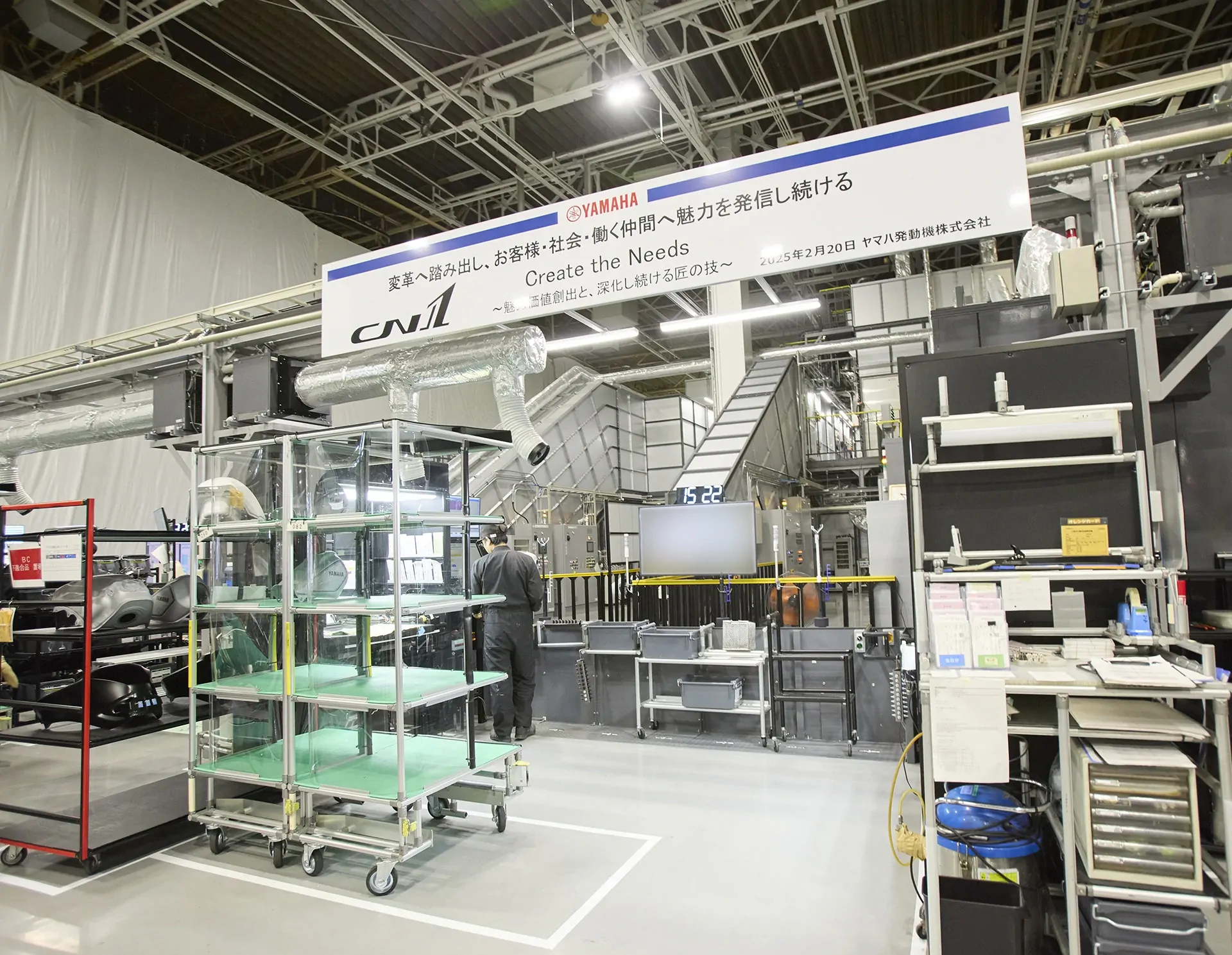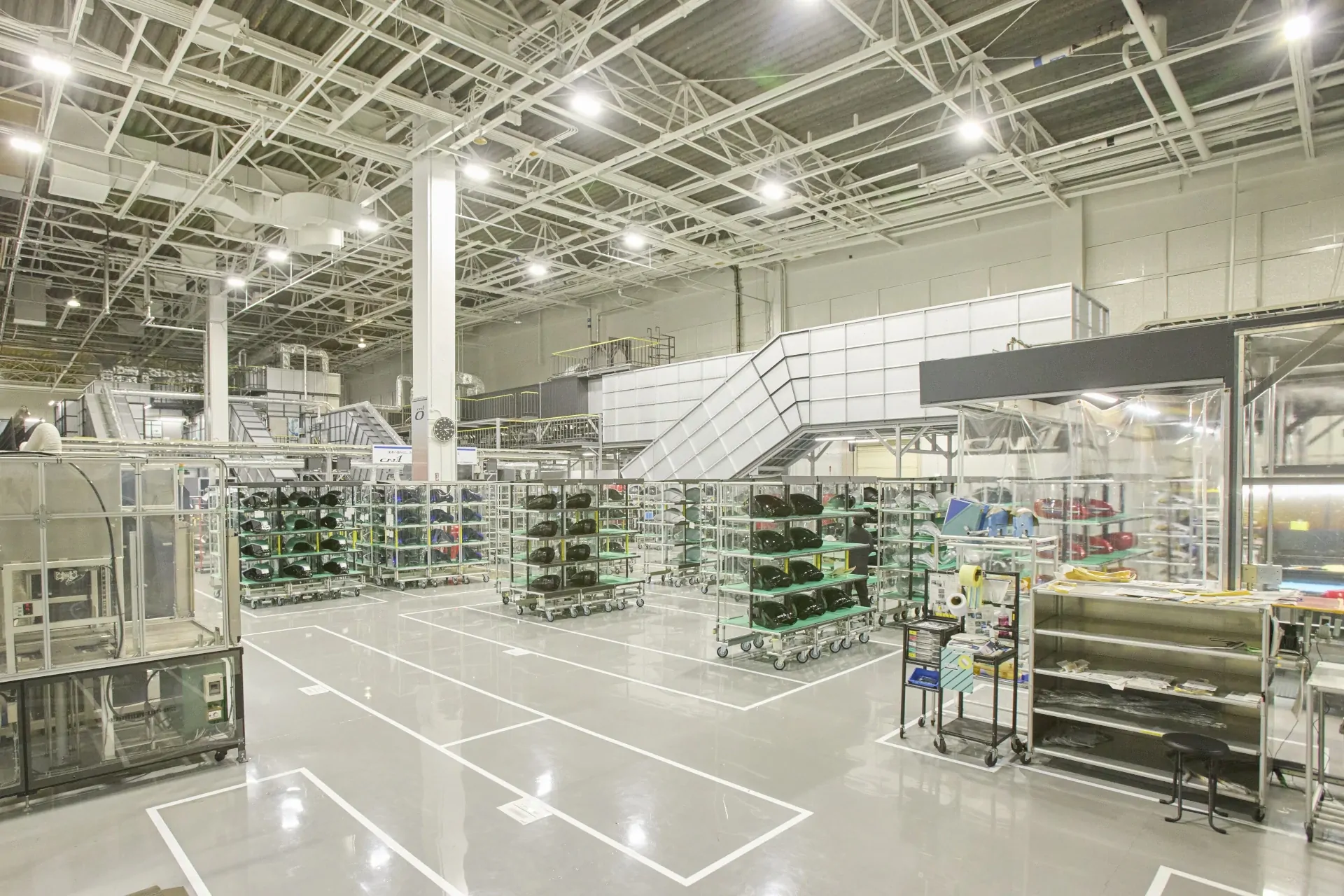
Yamaha Motor Philippines recently brought us to its global headquarters in Iwata, Japan for the brand’s 70th anniversary celebration. We toured the CN1, Yamaha’s first mass-production carbon-neutral paint line, which is also a first of its kind in the world of motorcycle manufacturing. You might think this is just a PR stunt by the brand, but it’s actually quite interesting, and more important, impactful for ensuring the future of the industry.
How did Yamaha achieve this? Simple: By replacing old fossil fuel-burning ovens with all-electric heaters. You see, heat is required for all paint-related processes—from pre-treatment of surfaces and paint-mixing to the baking and drying of the painted panels. By using electricity as the main power source for its heat generators, Yamaha erased most of its carbon footprint.
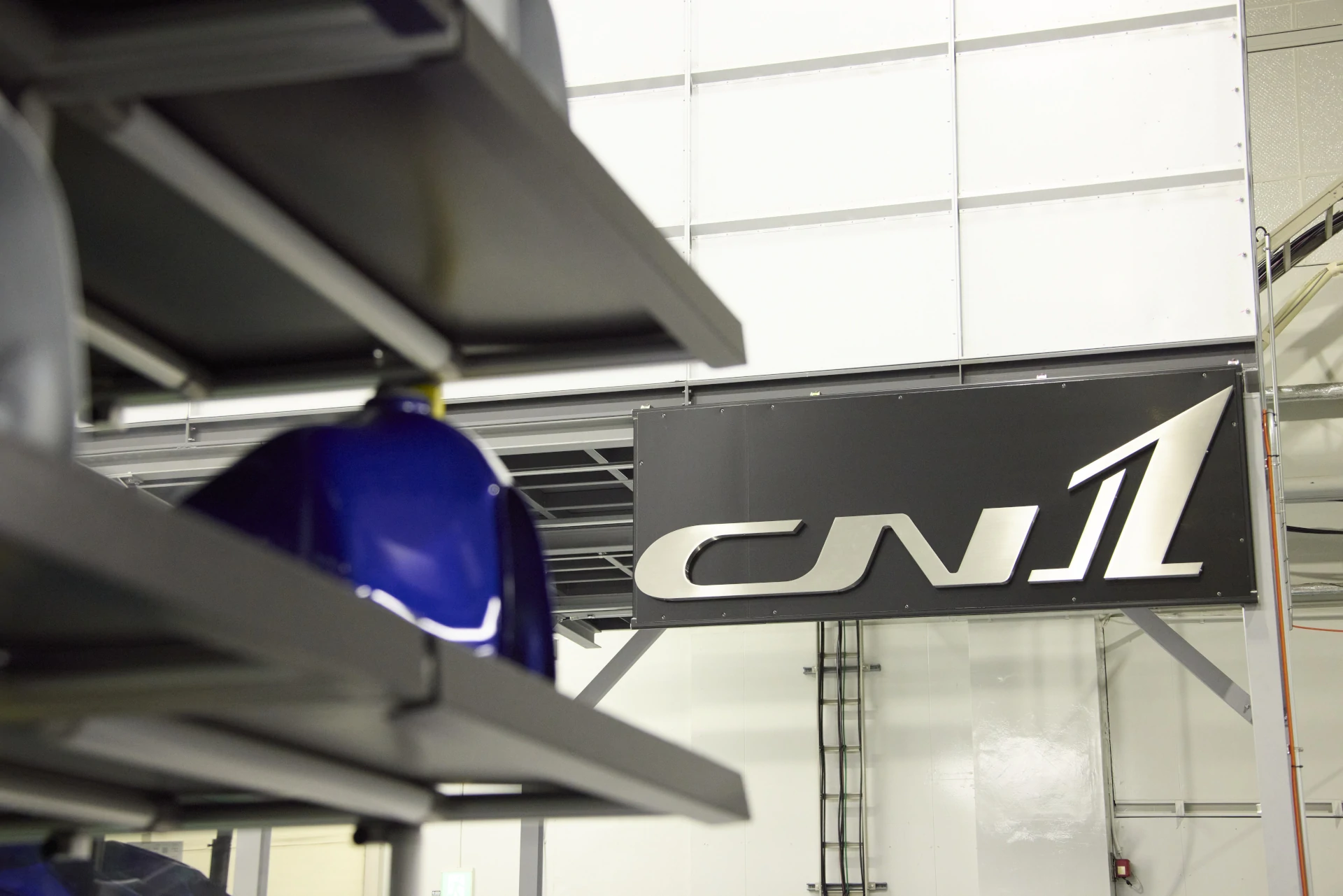
Not only that, but the all-electric heaters could easily account for any spikes in power demand whenever the plant’s performance is below optimal. This is also why Yamaha —it didn’t just replace its machines but it redesigned the whole plant as well.
OTHER STORIES YOU MIGHT HAVE MISSED:
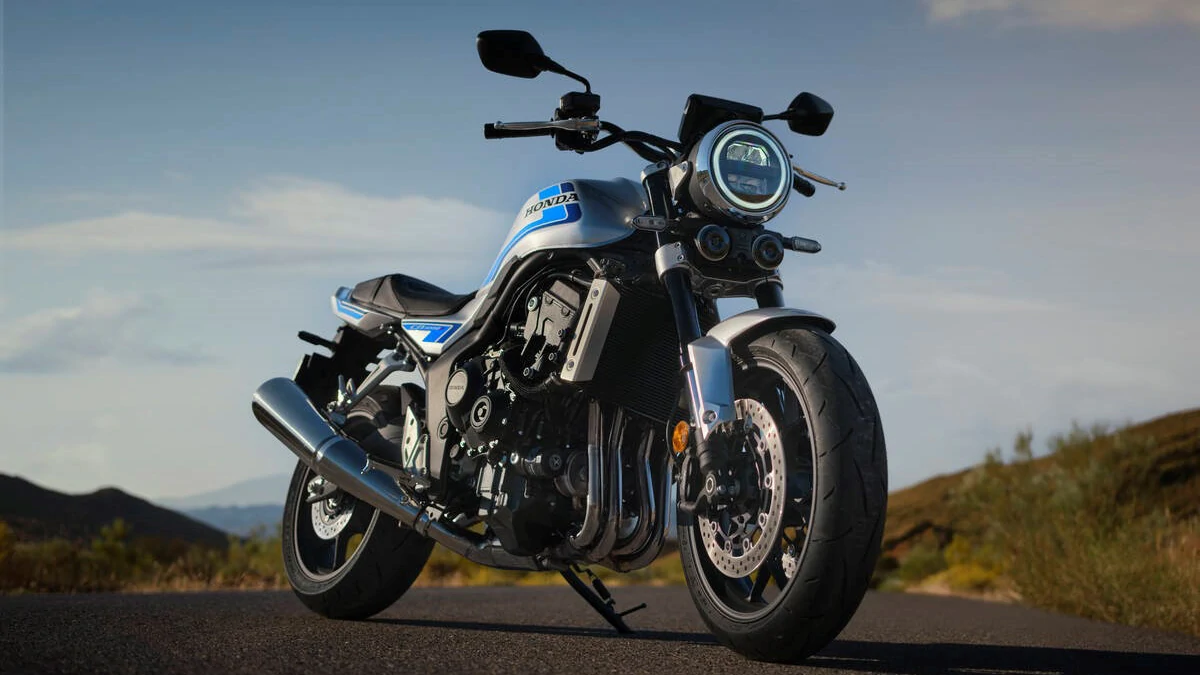
The all-new Honda CB1000F is a gorgeous, Fireblade-powered retro bike
This couple bought a brand-new Porsche 911 GT3 to celebrate 70 years of marriage
Additional heat insulation has also been installed at the plant, and warm air is recycled so that it can be used again for other purposes. A new paint solution was also co-developed with Yamaha’s supplier so that the same paint can be used at lower temperatures. The facility has also been made more compact. The result? 60% less heat loss compared to its old plant.
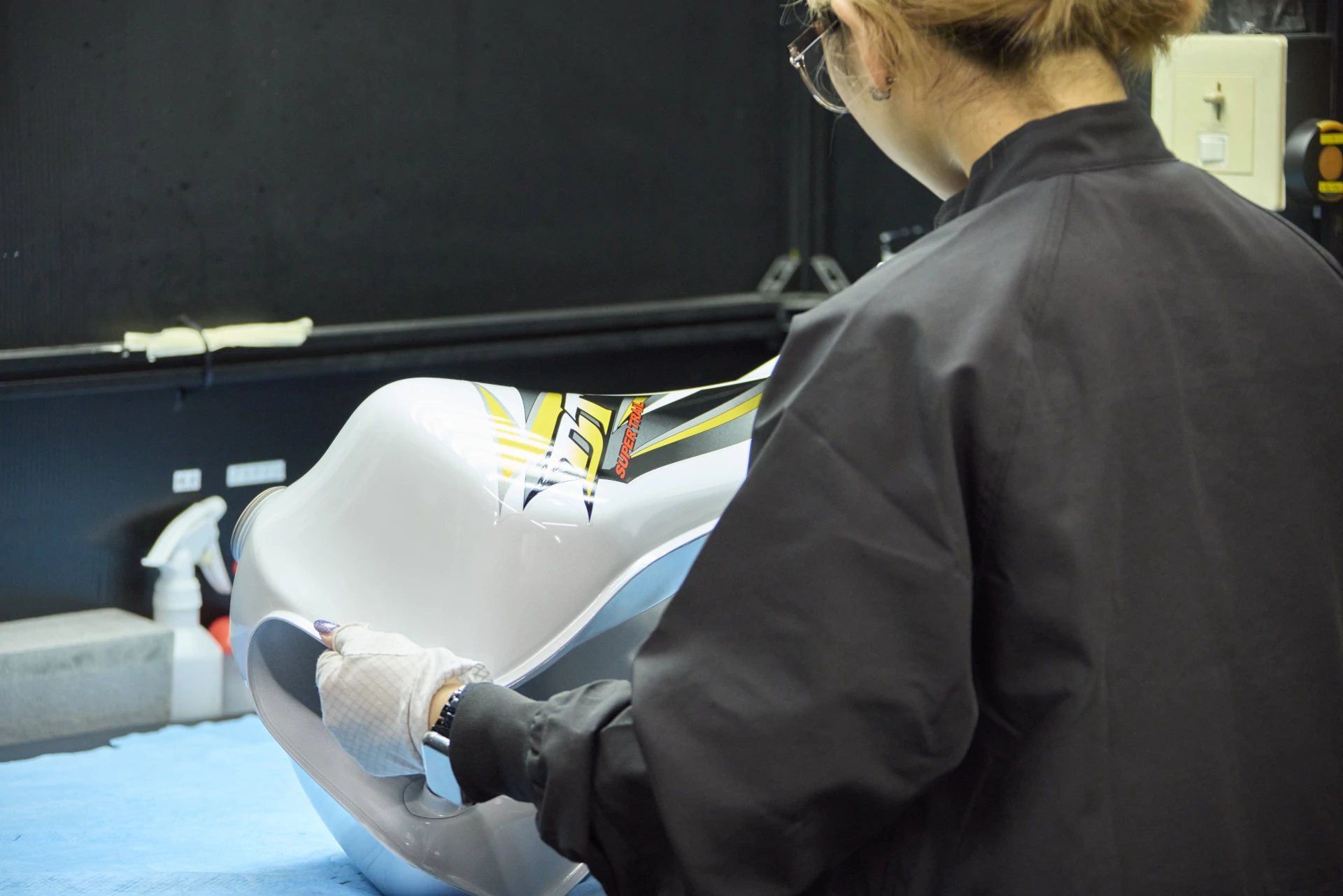
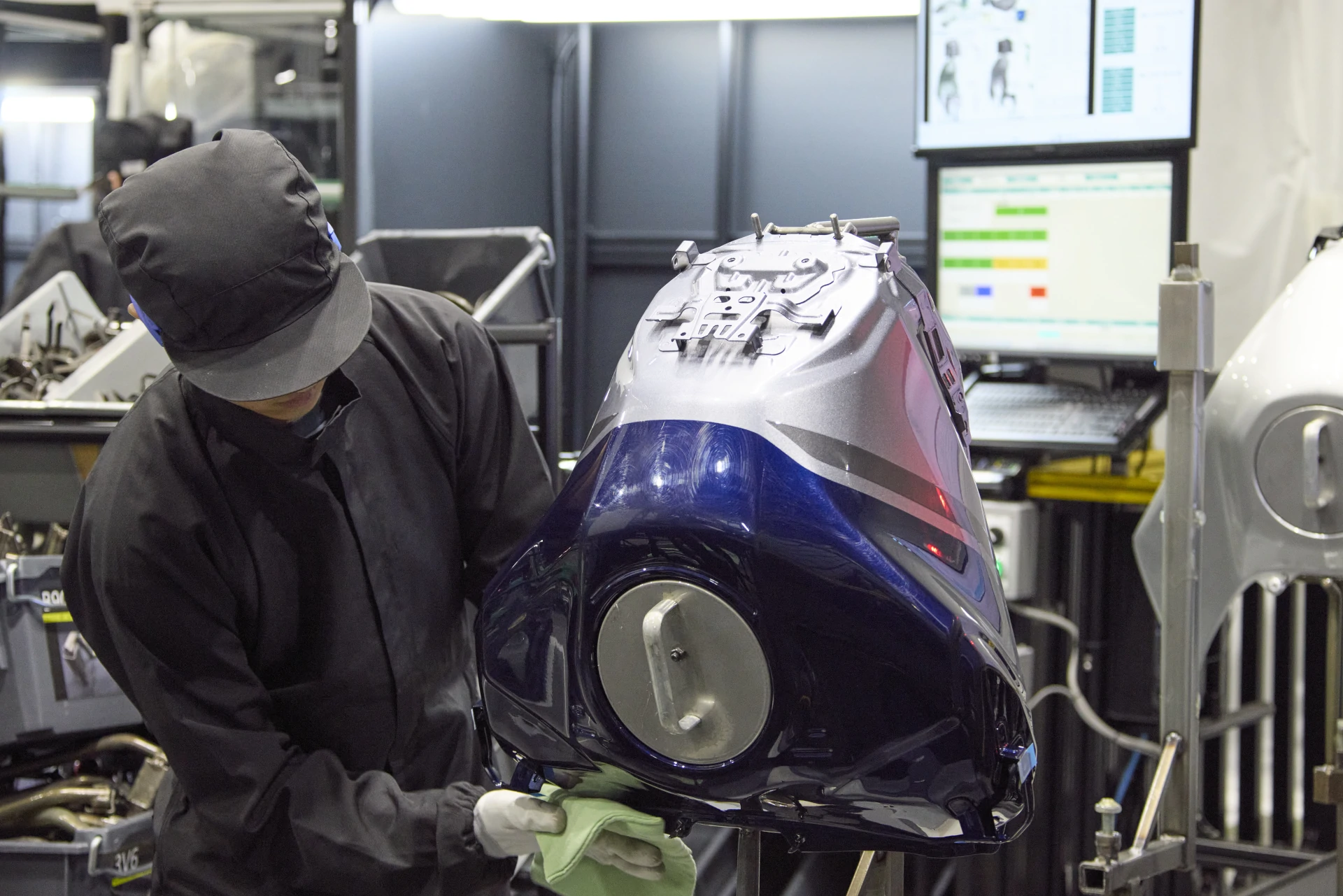
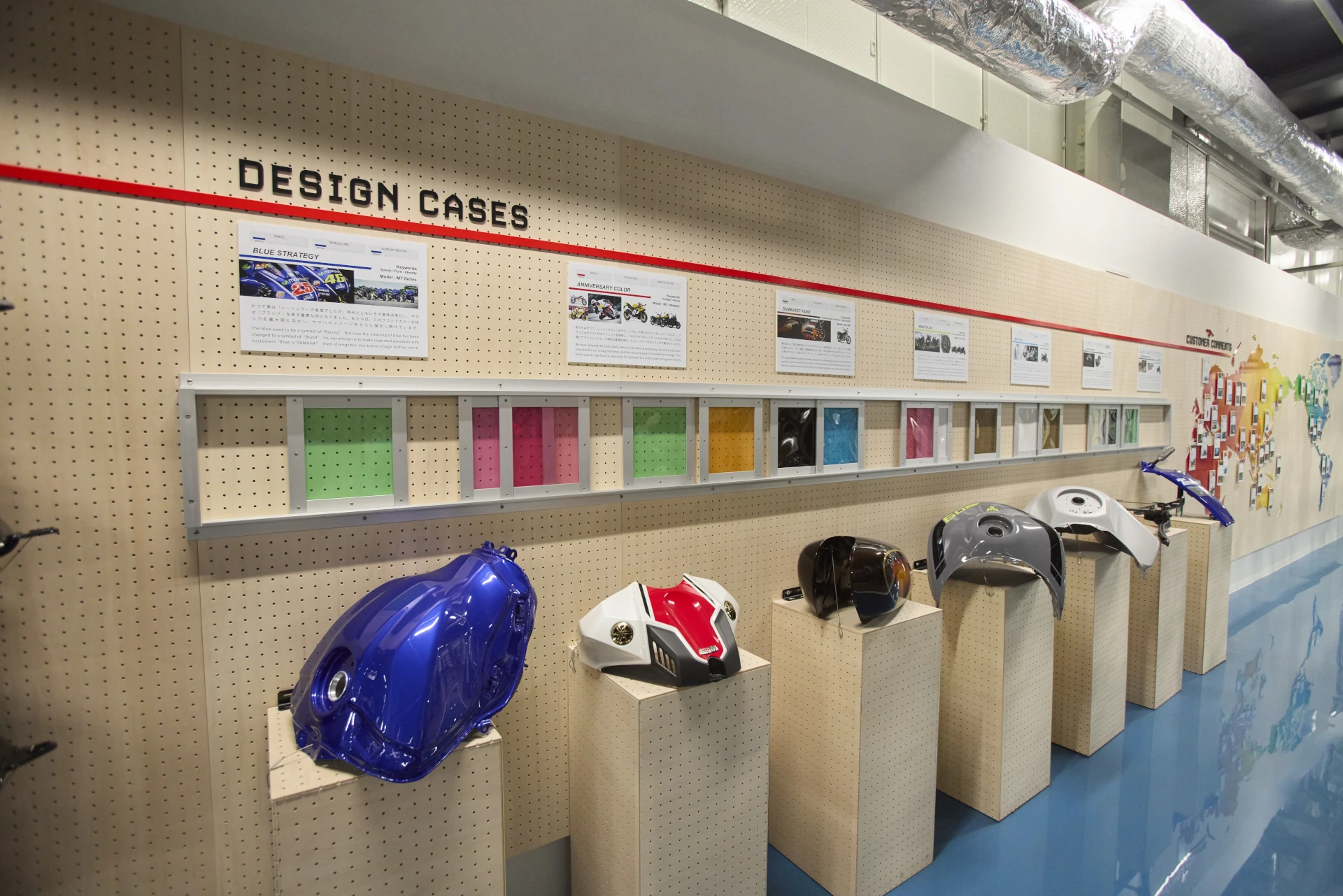
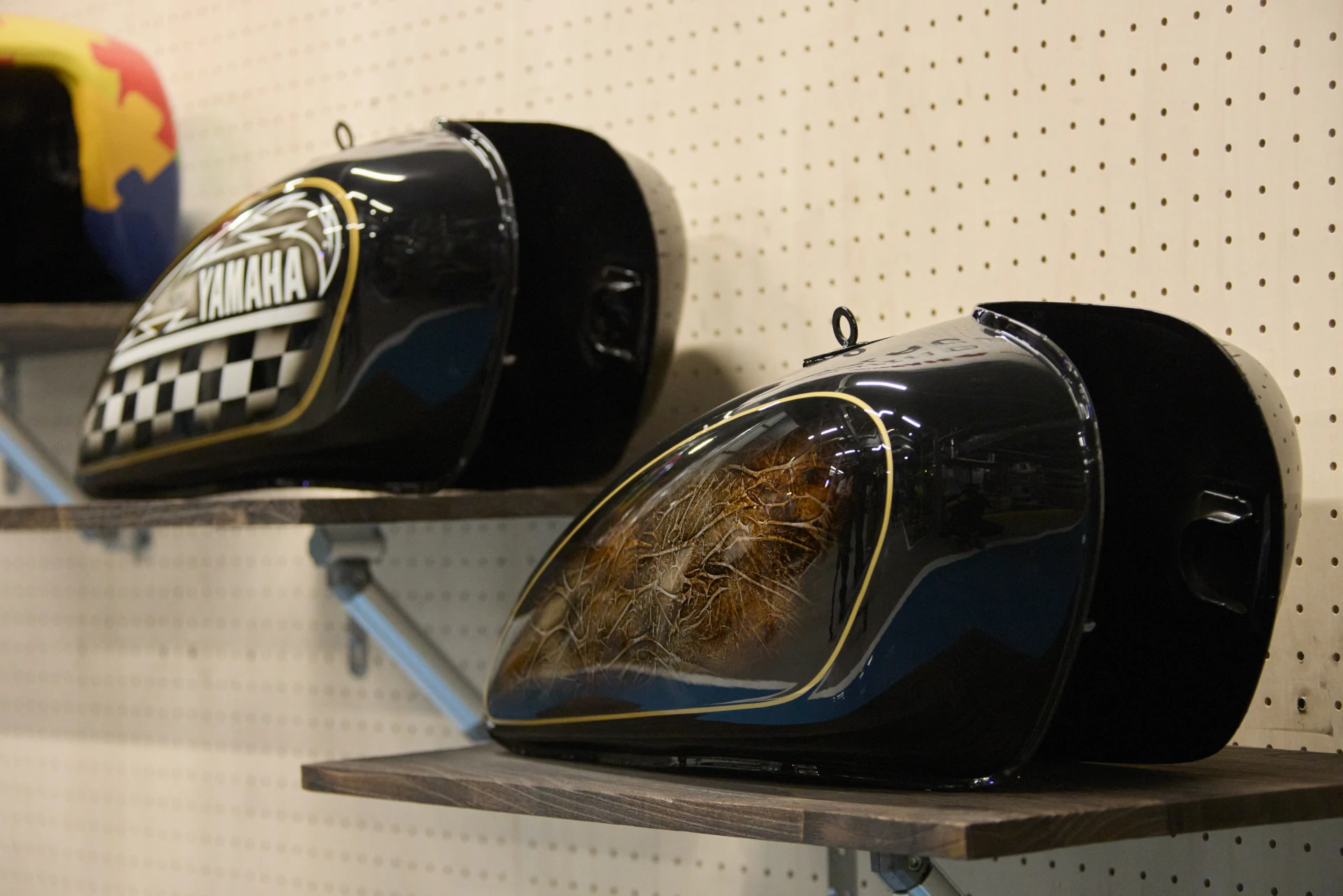
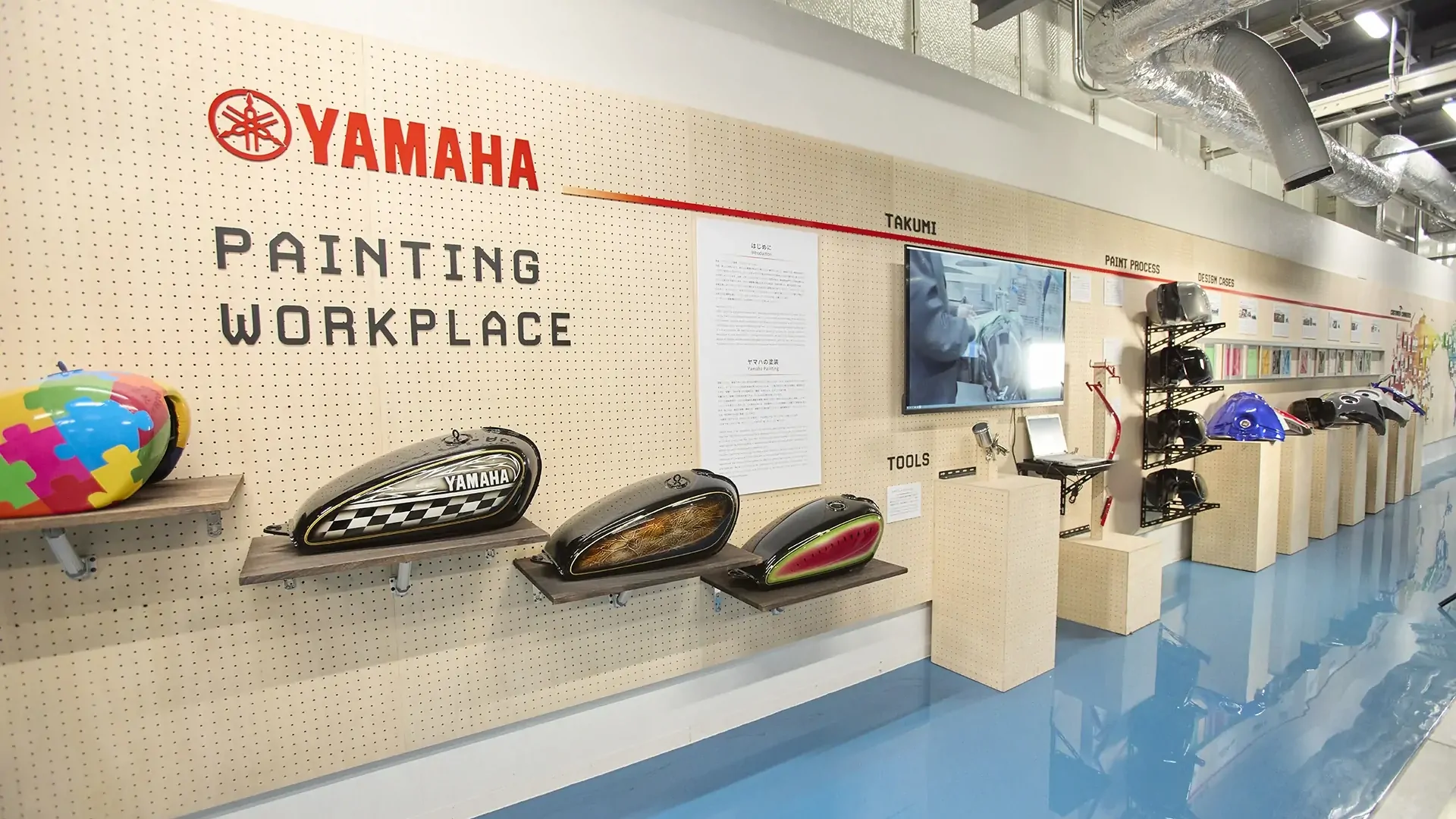
Not only is the CN1 line more efficient, but the changes in the paint line have also made working there much easier and more comfortable. This allowed Yamaha to design and develop new paint finishes that would eventually be applied to its future products. The best part, for me, was that the final stage still consisted of artisans hand-painting the panels and adding personal touches to the bikes.
We asked if this was mandated by the government, and surprisingly, it wasn’t. But why did Yamaha put so much effort into its carbon-neutrality initiative? It’s part of the company’s plan to become carbon-neutral as a whole by 2050. It’s not just a PR stunt, but a way of making sure we can have a livable future where we can still enjoy Yamaha motorcycles.
More photos of the Yamaha CN1 carbon-neutral paint line: