BMW is planning on building a proper hydrogen-powered production car that’ll go on sale in 2028...along with Toyota. Both cars will use ‘next-gen’ fuel-cell tech they’ve been working on together for years.
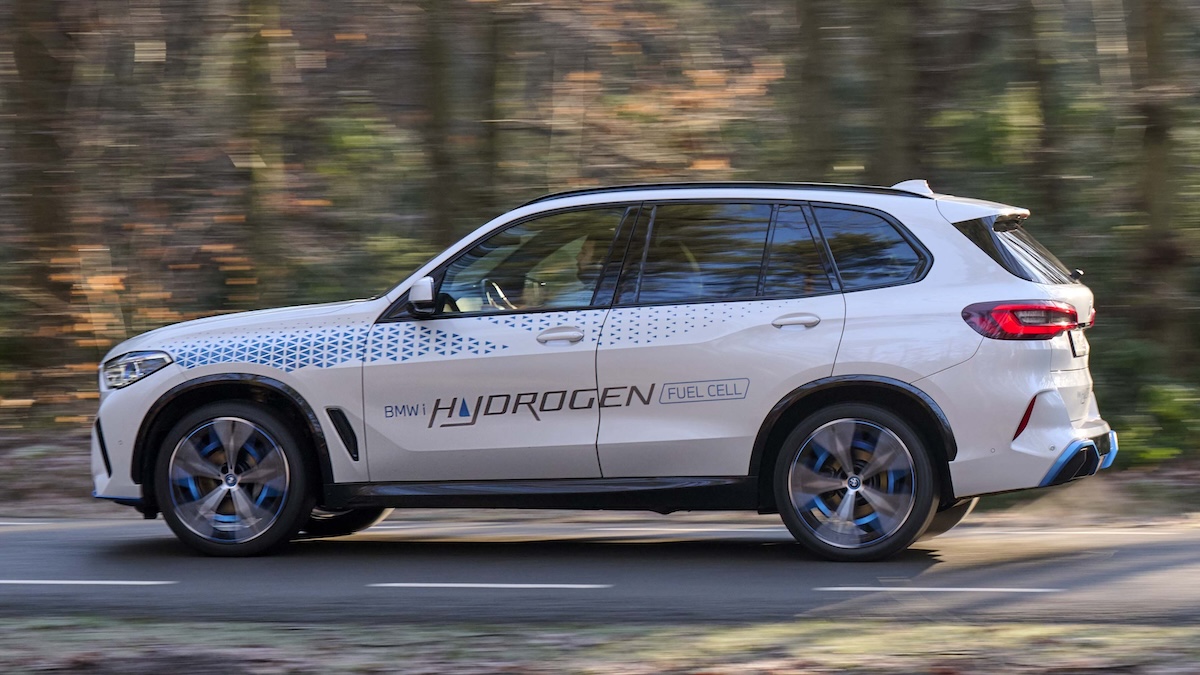
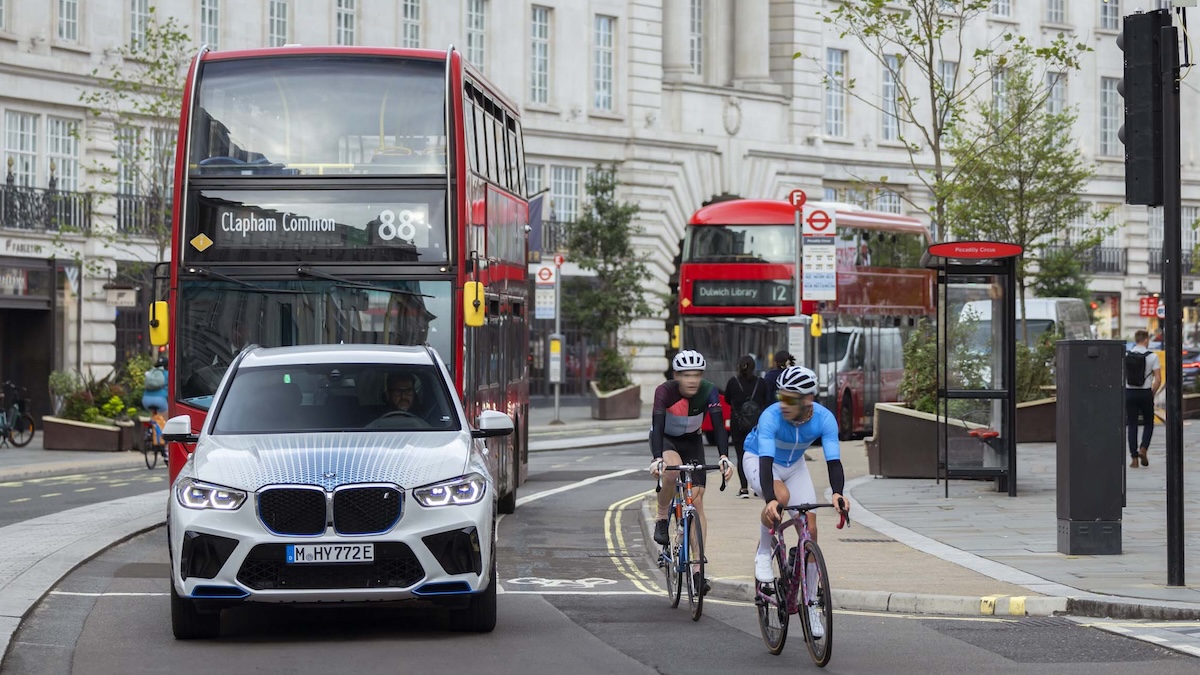
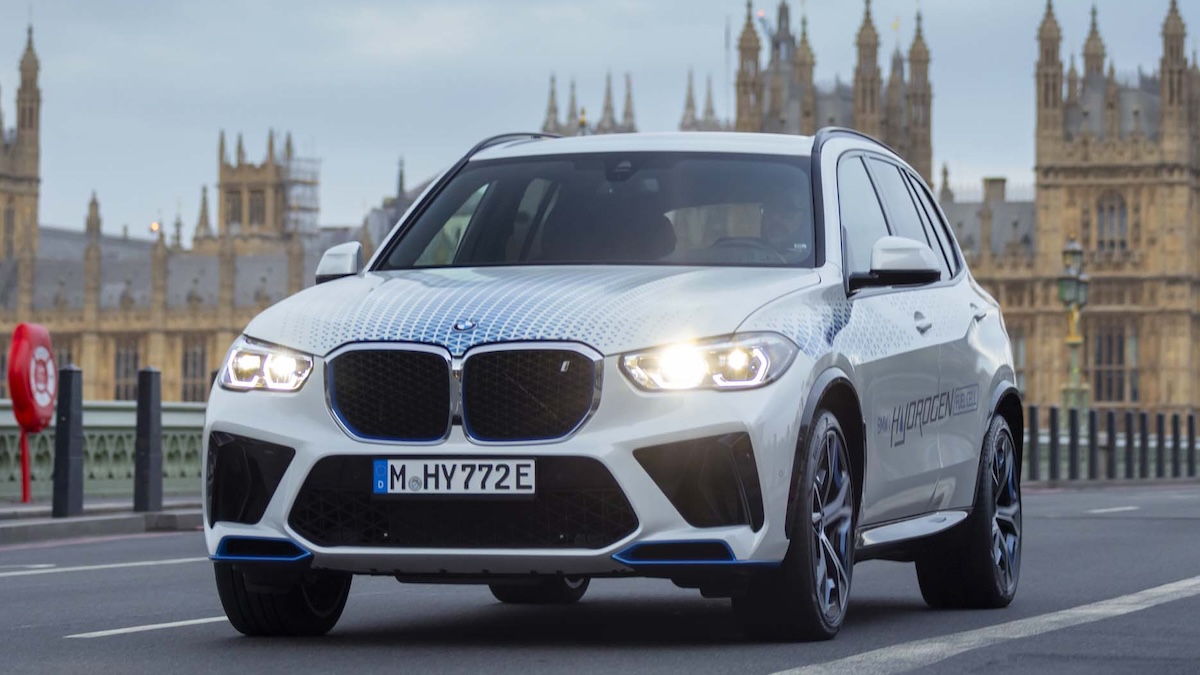
We have no details on the production model in mind, though we’ve previously seen BMW testing its hydrogen-powered BMW iX5 fleet pictured here. That FCEV ran with 6kg of compressed hydrogen in two tanks, which gave over 480km of range. Presumably, this next iteration of the technology will go much further.
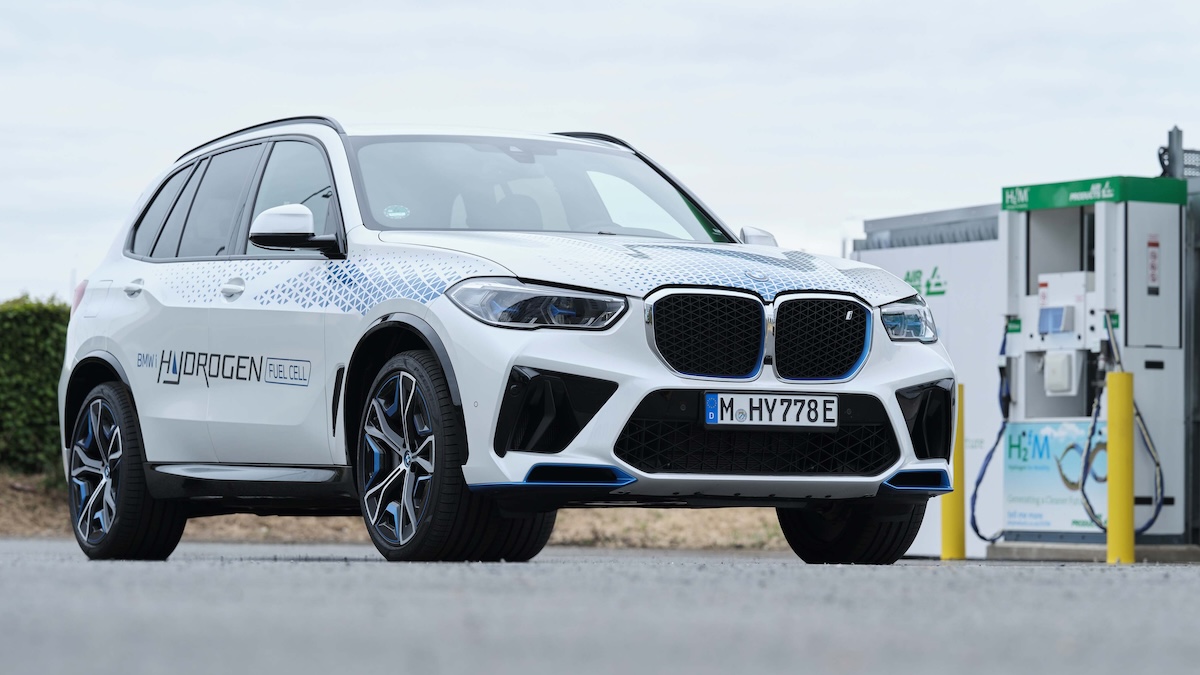
BMW tells us the series production model will be one already on the existing lineup, offered as a powertrain variant rather than a standalone product. But don’t be thinking there’s some i5-Prius-cross happening: The carmakers have said their respective models will maintain their ‘distinct brand identities and characteristics.’ Look forward to a hydrogen-powered, excessively-grilled Bimmer and a planet-saving, grandma-pleasing Toyota, then.
OTHER STORIES YOU MIGHT HAVE MISSED:
Confirmed: The next-gen Nissan Navara is coming in 2026
Size comparo: How big is the all-new Nissan Patrol versus the Toyota Land Cruiser 300?
Koji Sato, president of Toyota Motor Corp, said: “BMW and Toyota share the same passion for cars and belief in ‘technology openness’ and a ‘multi-pathway’ approach to carbon neutrality. Based on these shared values, we will deepen our collaboration in efforts such as the joint development of next-generation fuel cell systems and the expansion of infrastructure, aiming for the realization of a hydrogen society.”
A hydrogen society sounds expensive, but Oliver Zipse, chairman of the BMW board, has previously said that in a situation where there isn’t any charging infrastructure, hydrogen is the only carbon-neutral solution. He doesn’t, however, expect the powertrain to be mainstream. And that could be hydrogen’s perpetual obstacle: cost efficiency.
Lower demand usually means high prices (unless you’re hunting for an Oasis ticket and caught up in a dynamic pricing disaster, of course). But with BMW and Toyota collaborating on the production volumes, they hope to reduce the costs of the fuel-cell tech.
The pair highlight a need for developing hydrogen infrastructure by working alongside governments and investors. It might be a bit ‘apples and pears,’ but consider how even major markets like the UK still have an insufficient network of EV charging stations. The rollout of a reliable hydrogen refueling network – when each station costs the GDP of a small country to implement—in only three years might be a tad ambitious.
NOTE: This article first appeared on TopGear.com. Minor edits have been made.