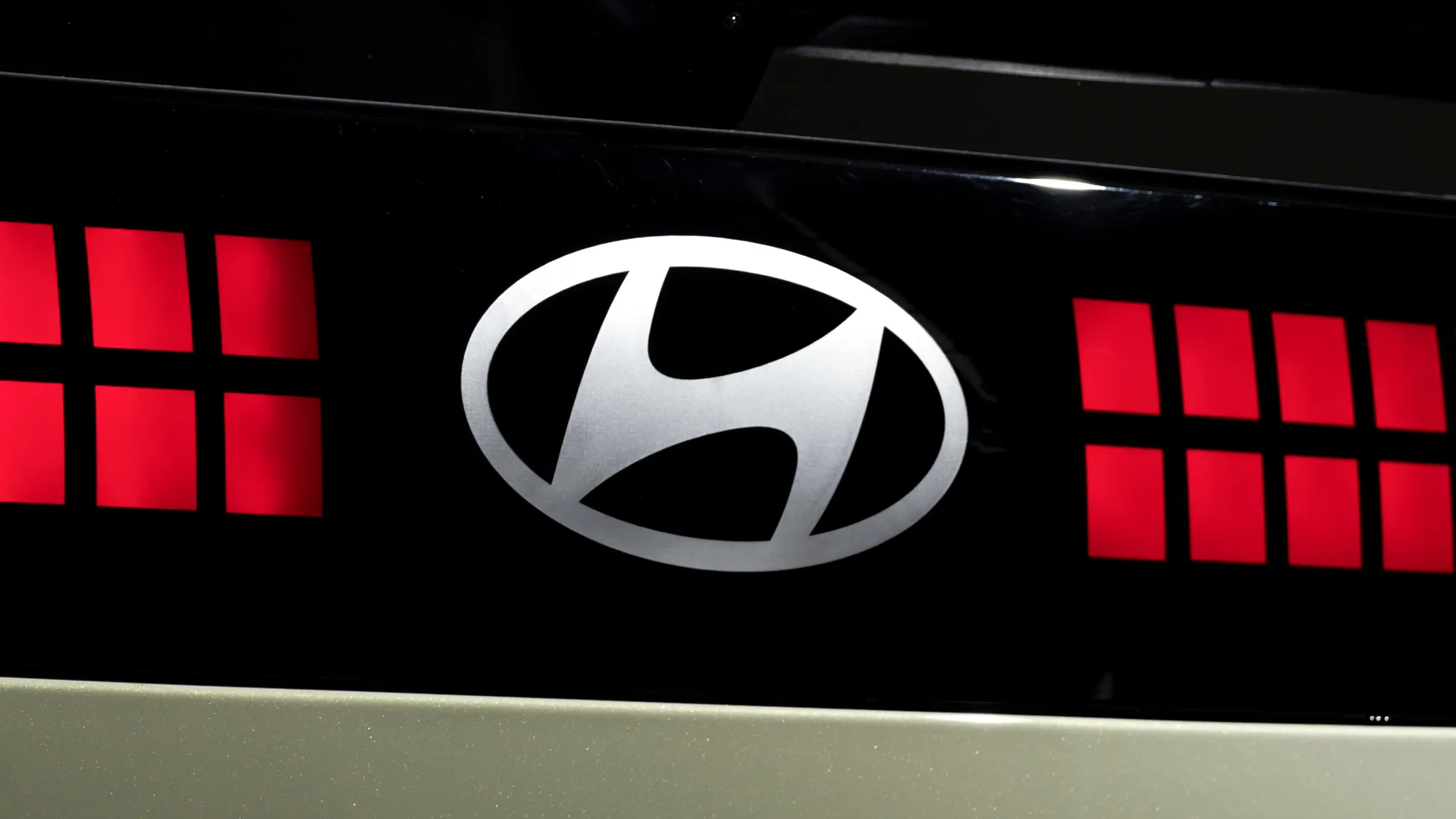
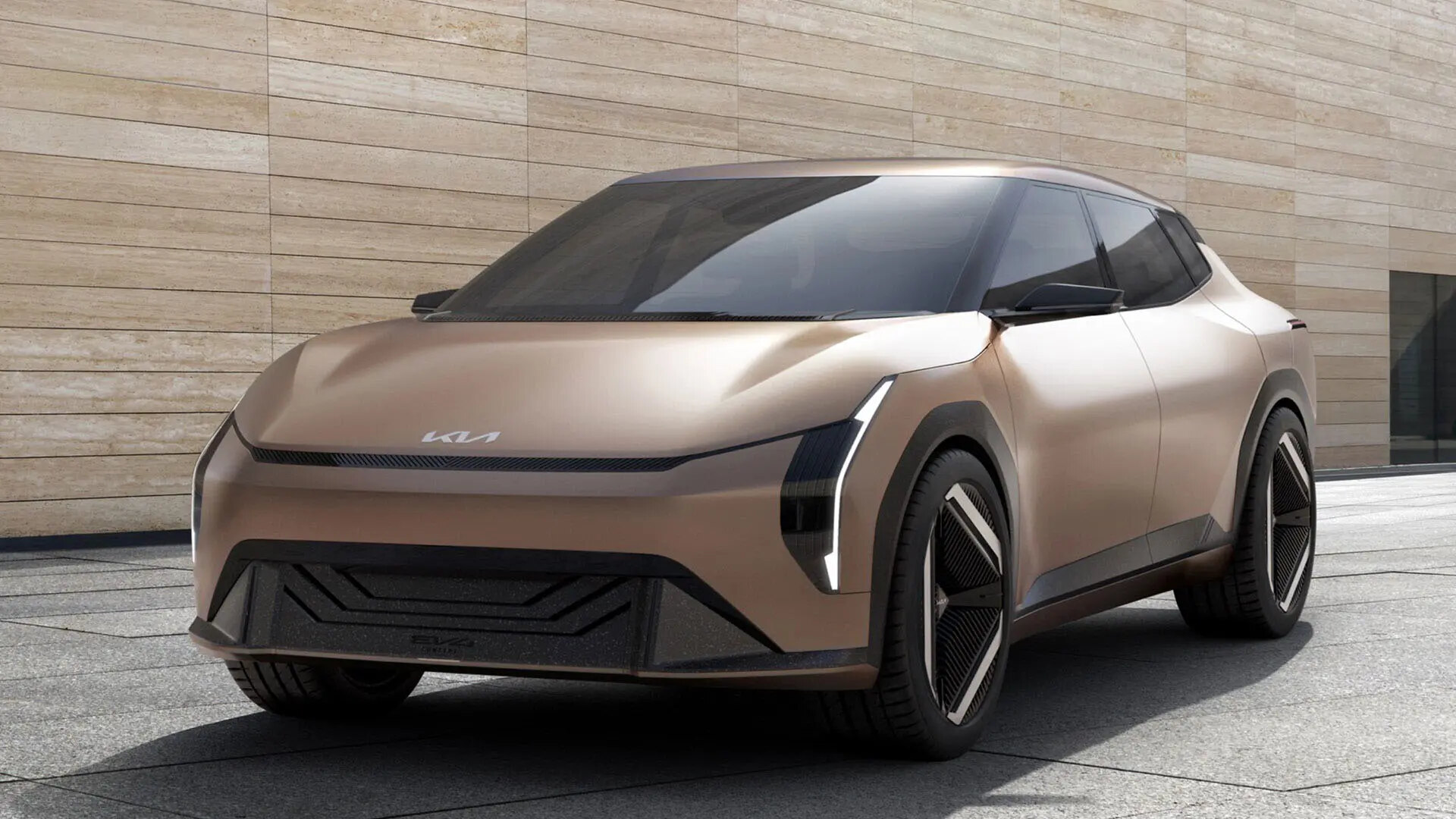
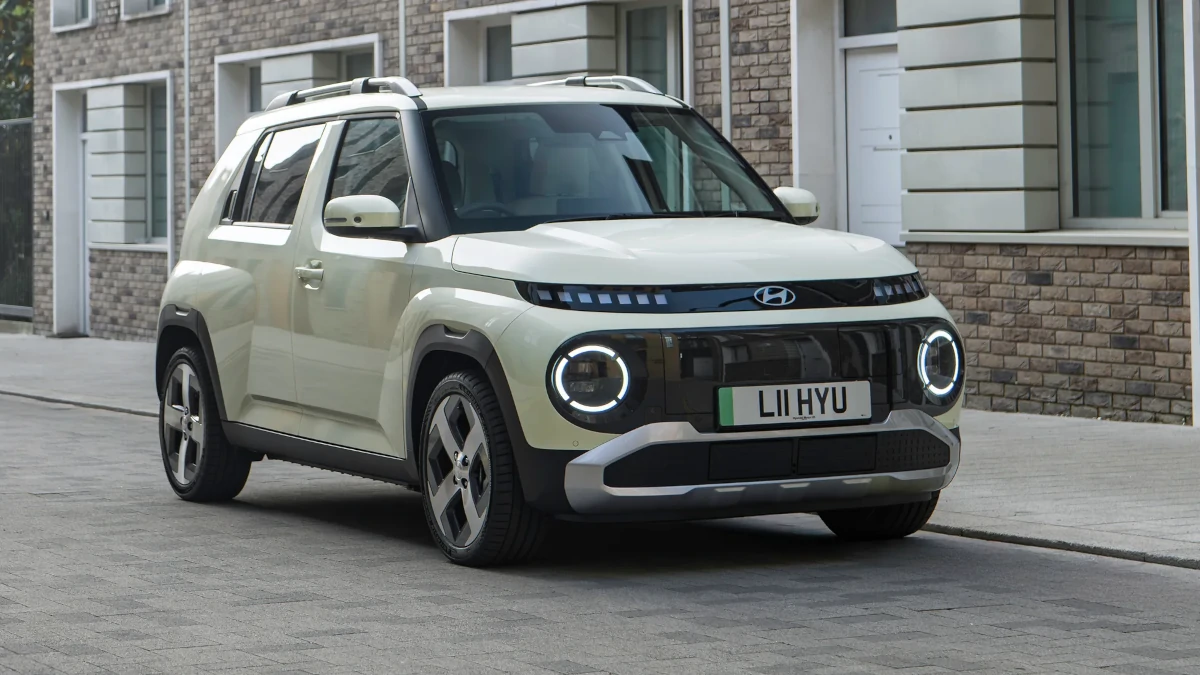
Hyundai will launch a new small EV as a nearly-ready concept at the Munich motor show in September. It fits between the Inster and Kona EVs, but will be called Ioniq 3 because it runs on the company's most modern EV platform and has masses of connected tech. Production starts early next year.
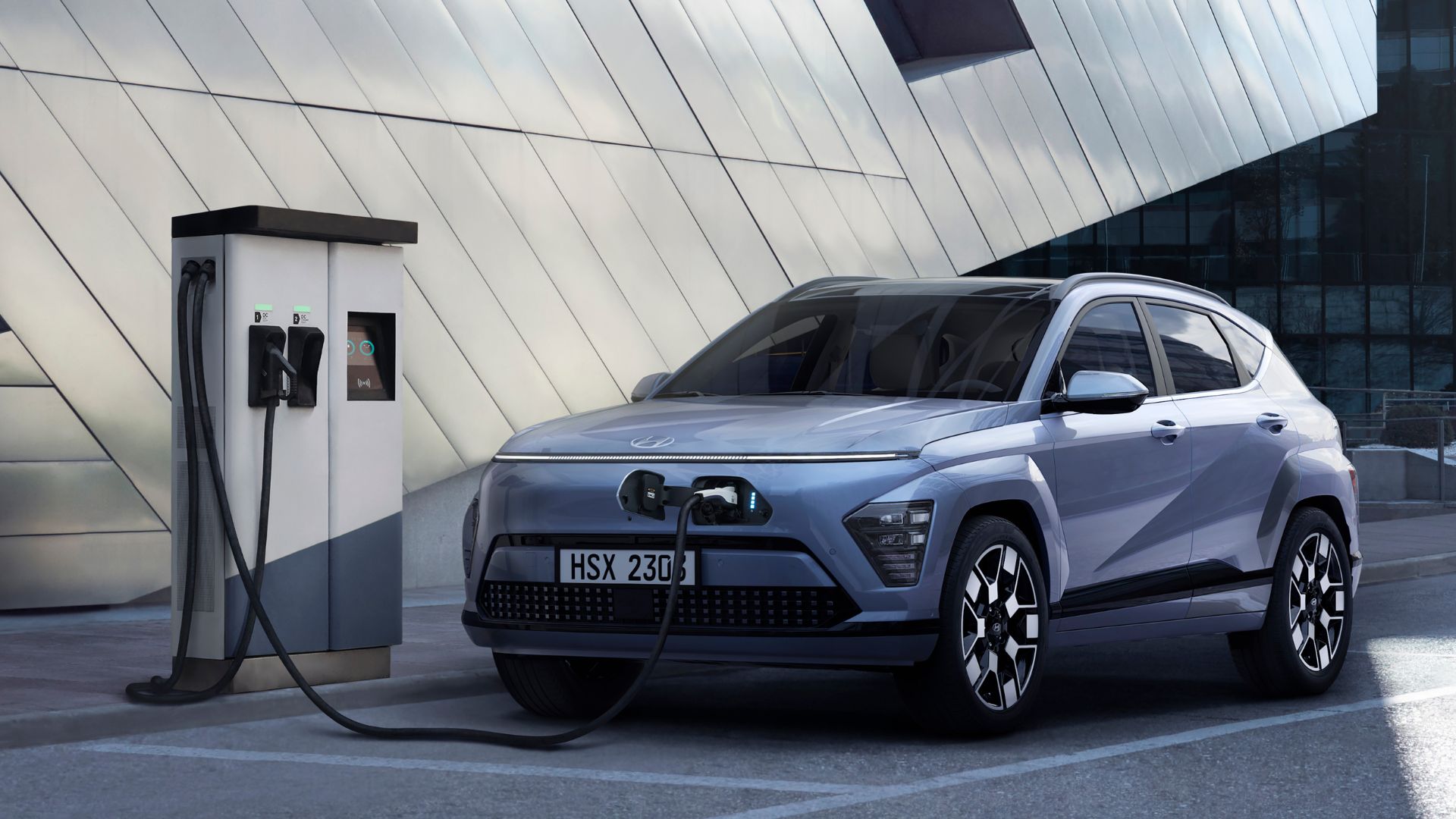
The Ioniq 3 is front-wheel-drive, with a likely choice of 58.3kWh or 81.4kWh batteries for a WLTP range of around 419 and 587 kilometers. The 0-100kph time will be under 8sec. It uses a 400V electrical system—cheaper, if slightly slower-charging than the 800V setup in the Ioniq 5, 6, and 9. It's related to sister company Kia’s EV3.
Hyundai's European boss Xavier Martinet tells TopGear.com that in brand surveys of awareness, Ioniq is now the number two EV brand. Only Tesla is ahead. The Ioniq 5 and 6, and now the 9, are pushing up Hyundai’s position. Its average selling price in the UK is now half as high as five years ago.
OTHER STORIES YOU MIGHT HAVE MISSED:
‘You can fundamentally change a car with software,’ says Hyundai’s tech boss
This 1,000hp remastered 993-spec Porsche 911 is called ‘Project F-26’
Now Martinet wants to bolster the company’s share in cheaper cars. “Inster and the [new EV] are cheaper, so they’ll give us a total coverage of the EV market,” he said. Hyundai already has the Kona EV, but the Ioniq 3 will be slightly smaller, yet more sophisticated, so similarly priced.
The Ioniq 3 will be digital-forward. For a start, it can run Apple’s CarPlay Ultra if the driver wants. Even without the Apple skin, the interface allows more configuration of the design, and links to new synthesized EV sound effects.
Like much of the car industry, Hyundai is betting big on ‘software-defined vehicles’ that can be upgraded throughout their life. Also, owners can choose whether or not to pay for options that can be downloaded, like phone apps. That gives used-car buyers the chance to re-spec a car to suit themselves.
Hyundai calls its operating system Pleos, and it has brought in several major digital corporations to design software modules and apps.
To save shipping and tariff costs, the Ioniq 3 will be built in Turkey. Actually, four-fifths of Hyundai sales in Europe in 2024 were cars made in its factories in the Czech Republic (Tucson, i30) and Turkey (i10, i20, Bayon). That'll fall a bit this year with the arrival of the Korean-built Inster, but the Ioniq 3 will get that European mix up again. “We’re a local player,” said Martinet.
And Martinet plans for Hyundai to be just as much a player in EV sales as it is in petrol and hybrid. The growth in EV, he reckons, “isn’t an absolute race but a race against the other manufacturers. We want the same share in all types of powertrains.
“The share of EVs is still increasing, just not as fast as we thought—or as fast as the regulation thinks it will.” But he added, “people don’t go back to ICE” after they’ve had an EV.
So Hyundai will carry on selling ICE, hybrid, plug-in hybrid, and full-electric. In fact, it’s widening its powertrain reach, with plans to launch range-extender EVs too. Those have a petrol generator that chips in to supplement the battery.
NOTE: This article first appeared on TopGear.com. Minor edits have been made.