In late January, Volvo will show the world its new electric crossover, the EX60. It fits in size between the EX40 and EX90—duh, surprise. We already know its abilities in range and charging will throw shade on both of those, and pretty much all its rivals.
TopGear.com has been talking with Akhil Krishnan, head of program management for the car. His company is still being all secretive about how the car looks, but this one image shows what is recognisably an expanded version of the EX30’s face. Or shrunk version of the EX90’s.

We do know some impressive stats. Even as a 4WD car, it’ll do 812km WLTP range. It runs an 800V electric system that sucks up 338 kilometers-worth of energy in the first 10 minutes of a charge stop, provided you’ve arrived at a 400kW charger with your battery depleted to the sweet spot of about 10-20%. All those numbers are very comparable to the new BMW iX3.
OTHER STORIES YOU MIGHT HAVE MISSED:
TAS 2026: Toyoda has done it again—meet the limited-edition Toyota GR Yaris Morizo RR
TAS 2026: Honda previews Civic e:HEV with the Prelude’s S+ Shift
Krishnan says it’s key that the EX60 is an all-in EV with no petrol version. In fact, the combustion XC60 has recently been facelifted, so it'll run alongside for some years.
Although he emphasises the role of software in getting to this range and efficiency, he says hardware plays a big part too. Volvo calls the new underbody, chassis, and suspension ‘SPA3,’ which puts it a step ahead of the EX90, which is ‘SPA2.’
One big change you don’t see is the ‘cell to body’ battery. No longer is Volvo building cells into modules and bolting modules into a pack and bolting the pack into the car body. That’s heavy and bulky. Instead, the cells are stacked straight into the body, so that the outer casing strengthens both the body itself and the area that stores the cells. Again, it’s lighter, and despite much talk, very few rivals have done it yet.
Body changes include ‘megacasting’ in the areas of the inner wheel arches and cross-car floor. These giant, thin, intricate aluminum pieces replace dozens of small welded sheet-steel panels, making the whole body structure stronger and lighter. The same idea is used by Tesla and XPeng for their EV crossovers.
Volvo engineers also paid a lot of attention to rolling resistance and aero drag, but Krishnan emphasizes ‘the aero works in a smart way’ so the EX60 still has all the height and roomy boxiness you'd expect of a Volvo crossover. It’s no teardrop. Low drag is vital if, as claimed, the car achieves a good proportion of its WLTP range even on motorways.
The motors also add to efficiency, with different designs, both done in-house, for the front and rear motors. That means when one isn’t needed for traction, it doesn’t drag. That’s pretty much industry practice, so we'll have to see how it works out on the road.
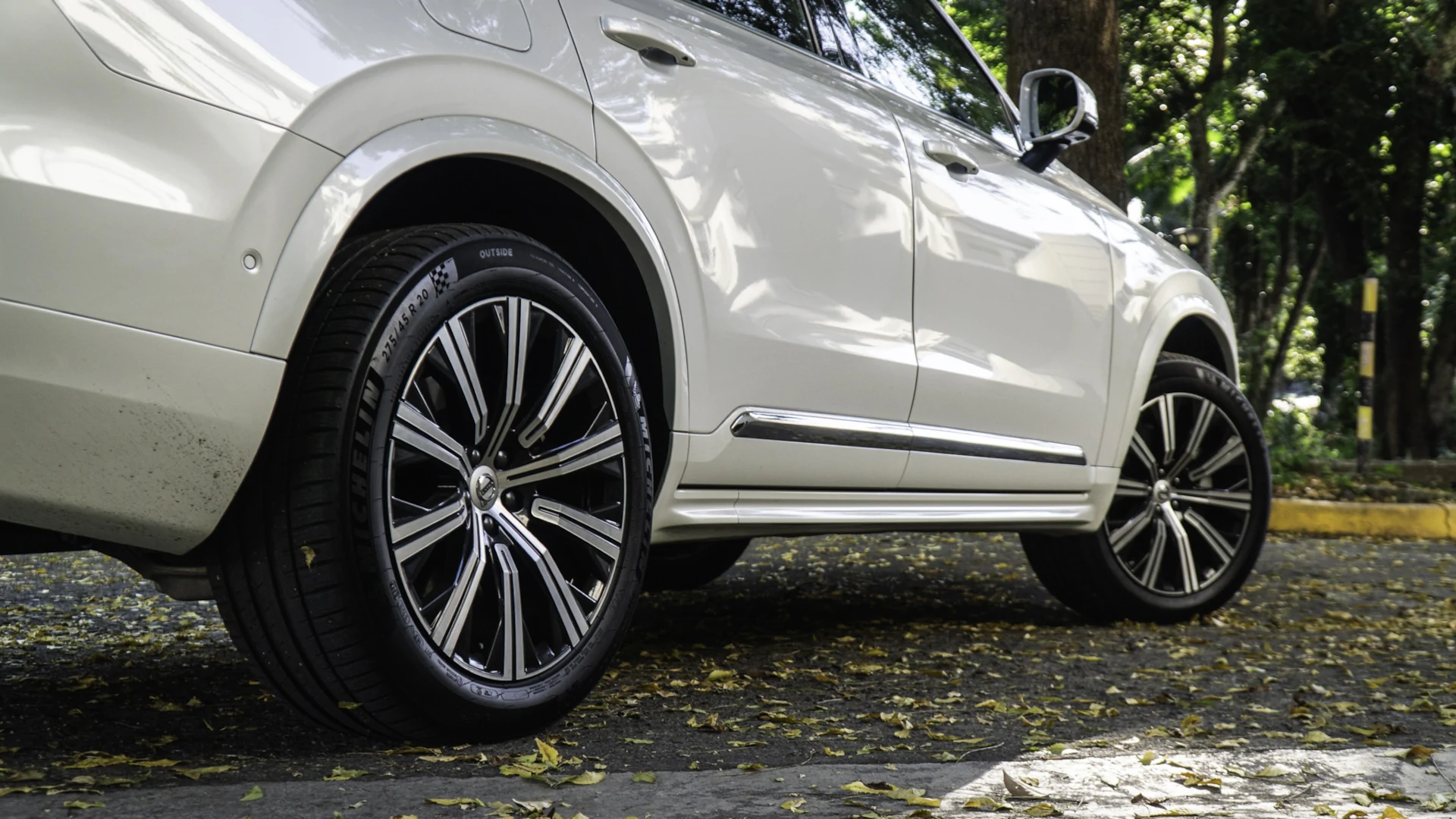
Volvo has as stake in Breathe Battery Technologies, a British company that writes software to manage the temperature and voltage of each cell, making sure that all charge and discharge at the optimum rate. It’s key to the overall charge speed. Long life too: the battery is guaranteed for 10 years and 241,401km to 70% health.
Volvo has, Krishnan says, designed a very high proportion of the car’s software stack, and the motors, battery, and electronics. But from what we can gather so far, basic technologies are pretty familiar. There are no wheel motors, solid-state batteries, or non-graphite cell anodes. It’s all about hyper-optimized trusted tech that they promise will get the EX60 to the head of the class.
NOTE: This article first appeared on TopGear.com. Minor edits have been made.