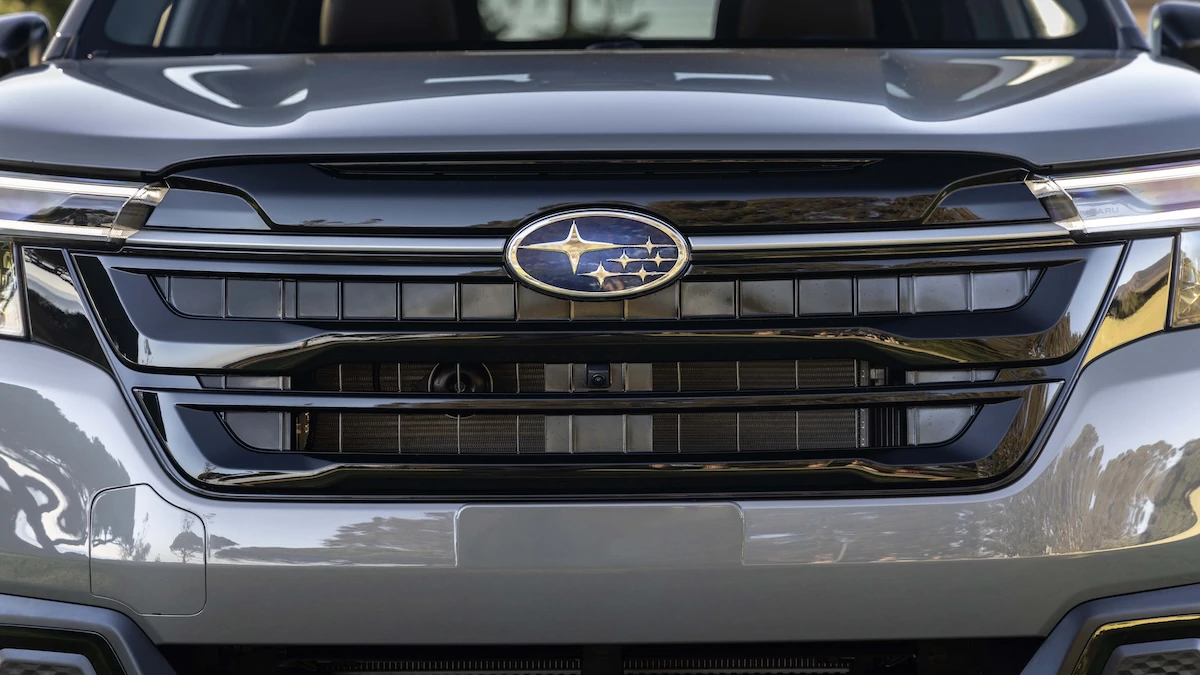

Consumer Reports has released its annual reliability rankings for automotive brands, and for 2024, it is Subaru that tops the list, beating the likes of Lexus and Toyota.
“Subaru’s cars share many reliable components,” says Steven Elek, lead of auto data analytics at Consumer Reports. “This commonality means that when Subaru redesigns a vehicle, it can make fewer incremental changes by carrying over dependable systems. This reduces the risk of new problems.”
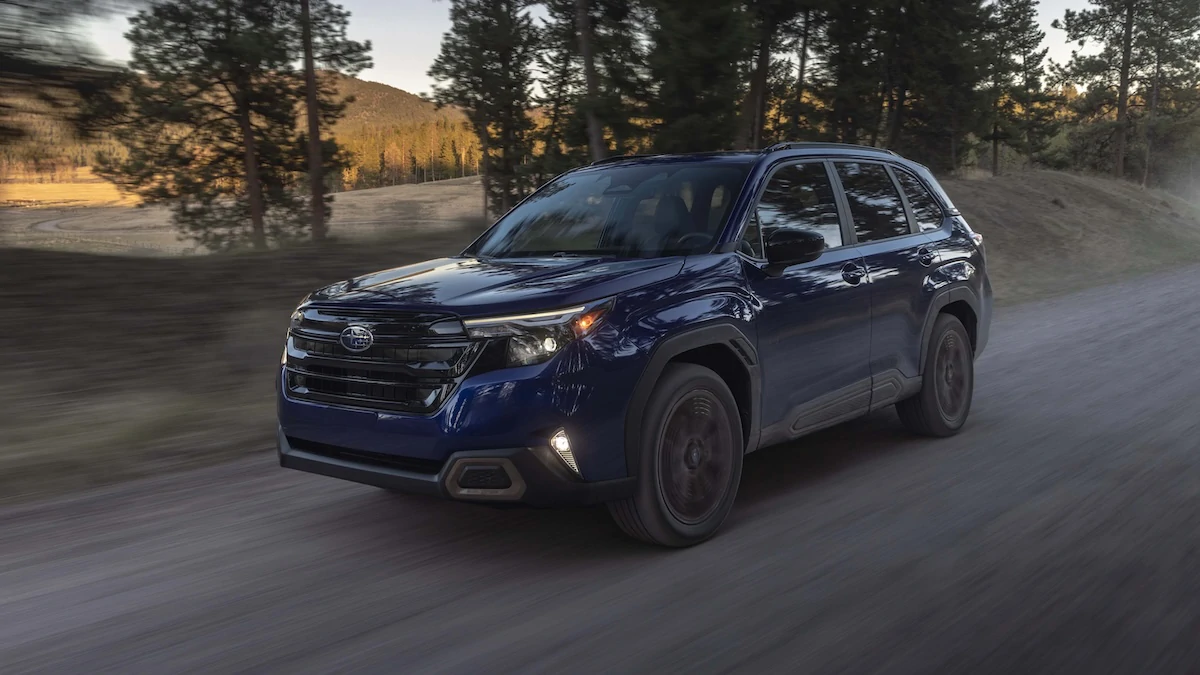
Of the brands that made it to the top 10, the first six are Japanese carmakers followed by two German marques and two Korean manufacturers. Check out the list below:
Consumer Reports 2024 reliability rankings for automotive brands
- Subaru
- Lexus
- Toyota
- Honda
- Acura
- Mazda
- Audi
- BMW
- Kia
- Hyundai
- Buick
- Nissan
- Ford
- Genesis
- Volvo
- Chevrolet
- Tesla
- Volkswagen
- Jeep
- GMC
- Cadillac
- Rivian
For mainstream and established brands not on the list (like Mitsubishi, Mercedes-Benz, and Porsche), there is insufficient data to come up with a representative reliability score, according to the consumer organization.
OTHER STORIES YOU MIGHT HAVE MISSED:
Apparently, the Philippines has the second largest allotment of Land Cruisers in the world
First drive: The automatic Toyota GR Corolla provides a deeply satisfying driving experience
Two ‘below-average’ ratings pull down Toyota ranking
The report identifies the Forester and the Impreza as having “well-above average reliability scores.” Other Subaru models that received an average or above-average rating are the Crosstrek, the Legacy, the Outback, and the Ascent. The fully-electric Solterra scored below-average reliability.
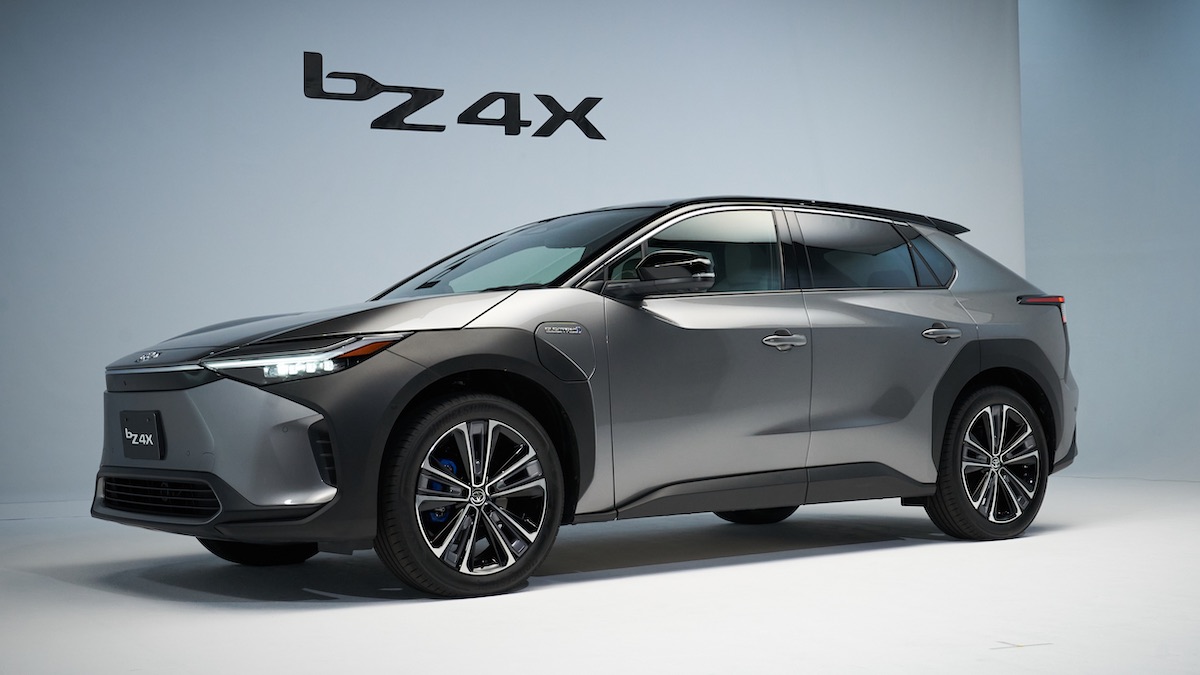
The Toyota bZ4X, essentially a twin of the Solterra, also earned a below-average rating, as did the all-new Tacoma. Five other Toyotas received average reliability ratings, seven scored above average, and four were rated as well above average.
Hybrids are the most reliable type of EVs
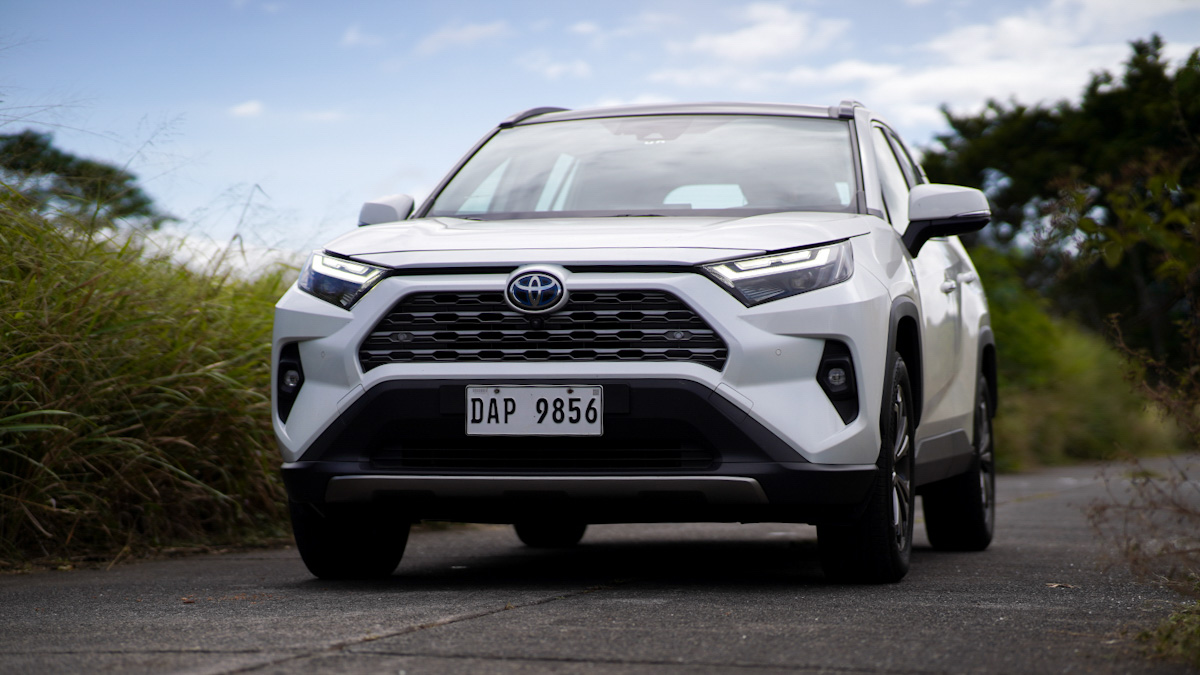
Consumer Reports takes into account 20 trouble areas when assessing vehicle reliability. These range from minor issues early in a vehicle’s lifespan to major problems later on, particularly when the warranty period has ended. The severity of each issue is weighted to come up with a reliability score.
All these 20 trouble areas can plague plug-in hybrids, while standard hybrids can experience 19. Full electric vehicles have the fewest trouble areas with 12, while traditional vehicles powered by internal combustion engines have 17.
This year’s report showed hybrids are still the most reliable type of electric vehicle, “having a similar number of problems as [ICE] cars.” Hyundai, Kia, Lexus, and Toyota have the most reliable hybrid models with the likes of the electrified Toyota Corolla and RAV4, Hyundai Elantra, Lexus NX, and Kia Sorento. On the other end of the spectrum, the Ford F-150 Hybrid and Escape Hybrid are among the least reliable models.
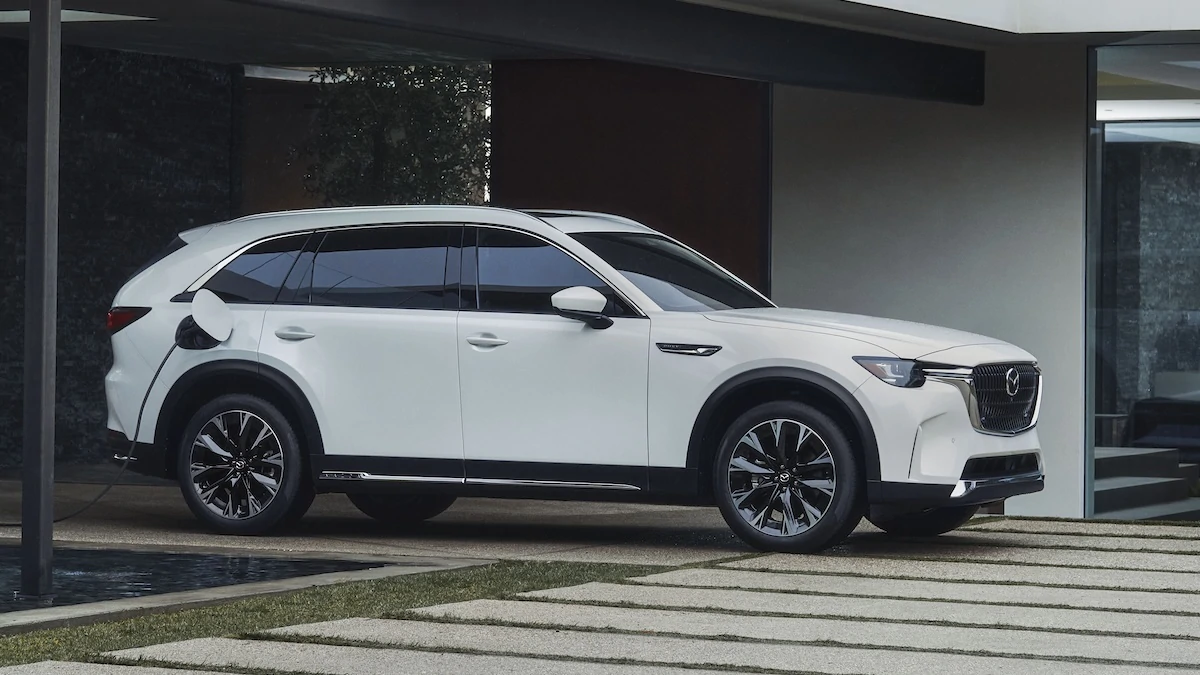
Full electric vehicles, meanwhile, have about 42% more problems than combustion-engined vehicles, while plug-in hybrids can experience up to 70% more issues because “having two distinct powertrains—electric and an internal combustion engine—increases the chance for problems.”
For some vehicles that have several powertrain options, the plug-in hybrid variants were found to be less reliable than their traditional or hybrid counterparts, as with the Mazda CX-90, the BMW X5, the Toyota Prius, and the Lexus NX.
For a full copy of the 2024 reliability rankings, click here.