The automotive industry’s sales figures so far have dipped year-on-year. Since January, we’ve seen a drop in performance across the board among members of the Chamber of Automotive Manufacturers of the Philippines (CAMPI). That being said, there are still plenty of bright spots to look at this year.
Sales of electrified vehicles has jumped year-on-year
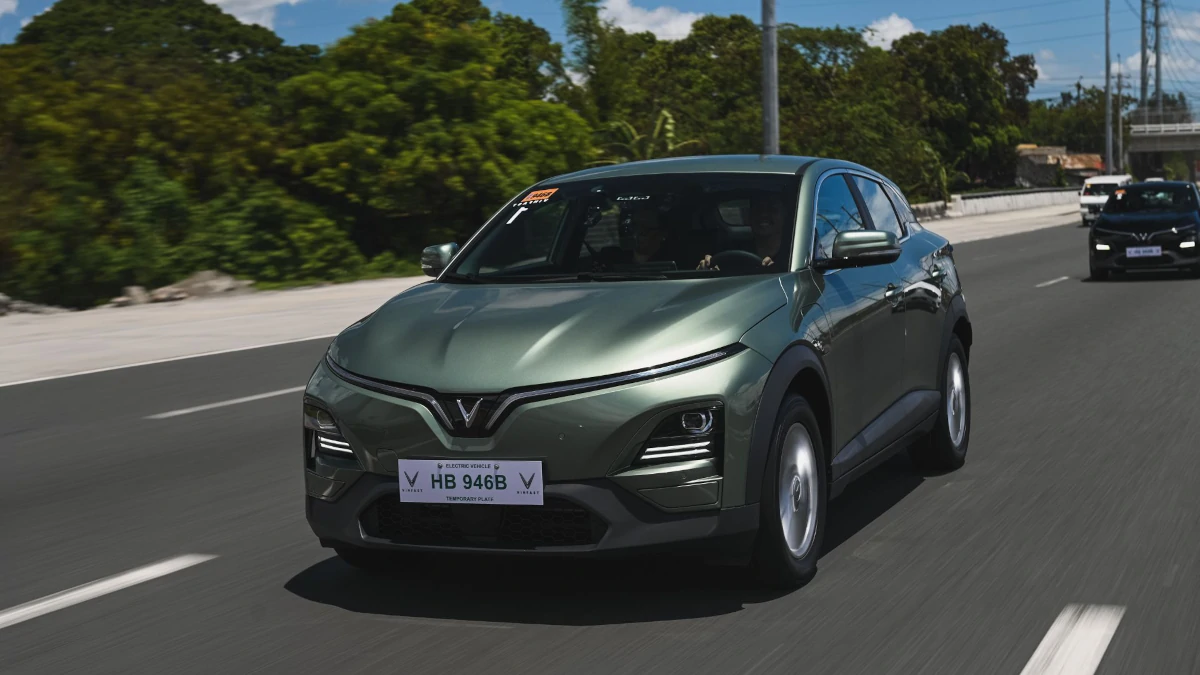
One major talking point is the jump in sales of electrified vehicles or what CAMPI classifies as xEVs—this includes battery (BEV), plug-in hybrid (PHEV), and hybrid electric vehicles (HEV). As mentioned in a previous report, in the first quarter of 2026, 11,800 xEVs were sold, reflecting a 36.2% increase from the same period last year. These electrified models also account for 11.17% of the total vehicle sales from Q1. Now, the numbers say a lot about the current automotive landscape, but if you look at the more detailed breakdown, they tell an interesting story.
HEVs were still the best-selling among xEVs with 8,261 units sold, but this category showed the least growth at just 9.9%. PHEVs sit at the bottom with just 1,250 vehicles sold, but it grew the most with a 924.6% YOY increase. BEVs also saw a significant increase of 122.9% en route to 2,289 units sold.
This showed that in the past years, more and more car buyers have started to adopt electrification by way of traditional hybrids. In 2025, however, there appeared to be a bigger conversion to plug-in hybrids and full EVs. This is something that can also be attributed to BYD Cars Philippines’ boom last year, as the brand took the market by storm with its BEV and PHEV models. BYD, however, isn’t a member of CAMPI, thus its sales figures are not reflected in these reports.
Worth pointing out in the middle of all this is that the majority of these numbers were from a period before the jump in fuel prices. Seeing as thousands upon thousands of people flocked to the Manila International Auto Show this year just to check out electric and hybrid cars, we won’t be surprised if these numbers skyrocket in the coming months.
PH EV sales – 2026 Q1
| 2026 Q1 sales | Market share | 2025 Q1 sales | Market share | Growth (%) | |
| Total industry (xEV) | 11,800 | 11.17% | 8,664 | 7.40% | 36.20% |
| Battery electric vehicles (BEV) | 2,289 | 19.40% | 1,027 | 11.85% | 122.90% |
| Plug-in hybrid electric vehicle (PHEV) | 1,250 | 10.59% | 122 | 1.41% | 924.60% |
| Hybrid electric vehicle (HEV) | 8,261 | 70.01% | 7,515 | 86.74% | 9.90% |
VinFast leads the way in BEV sales
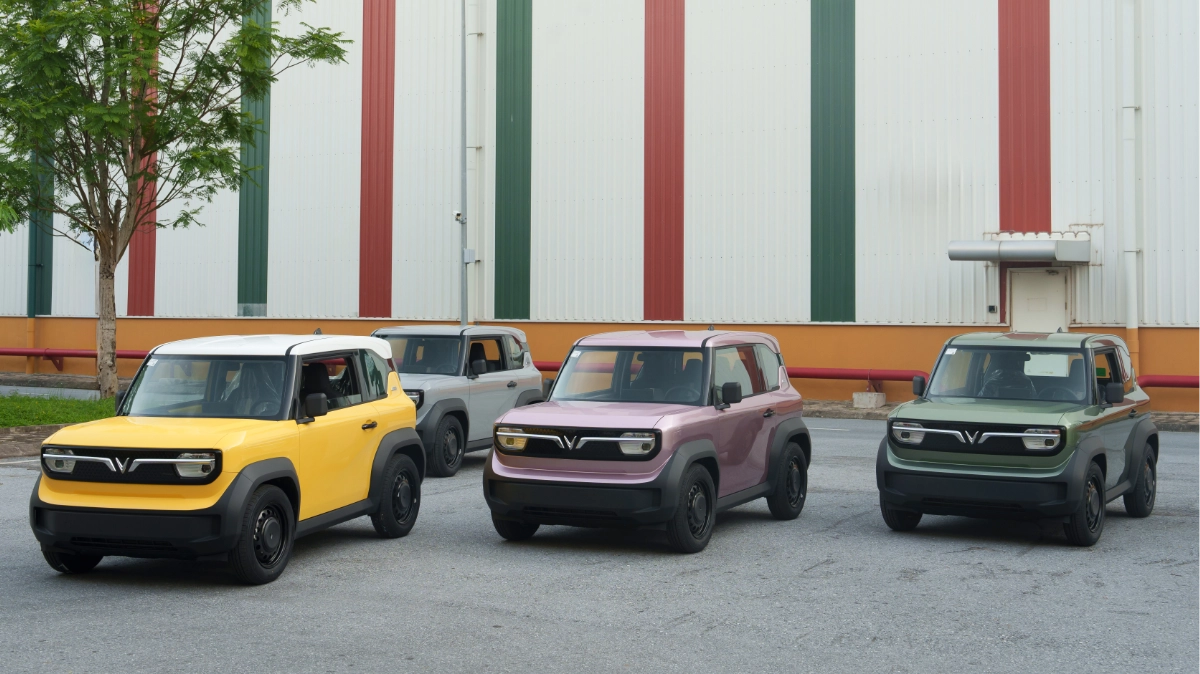
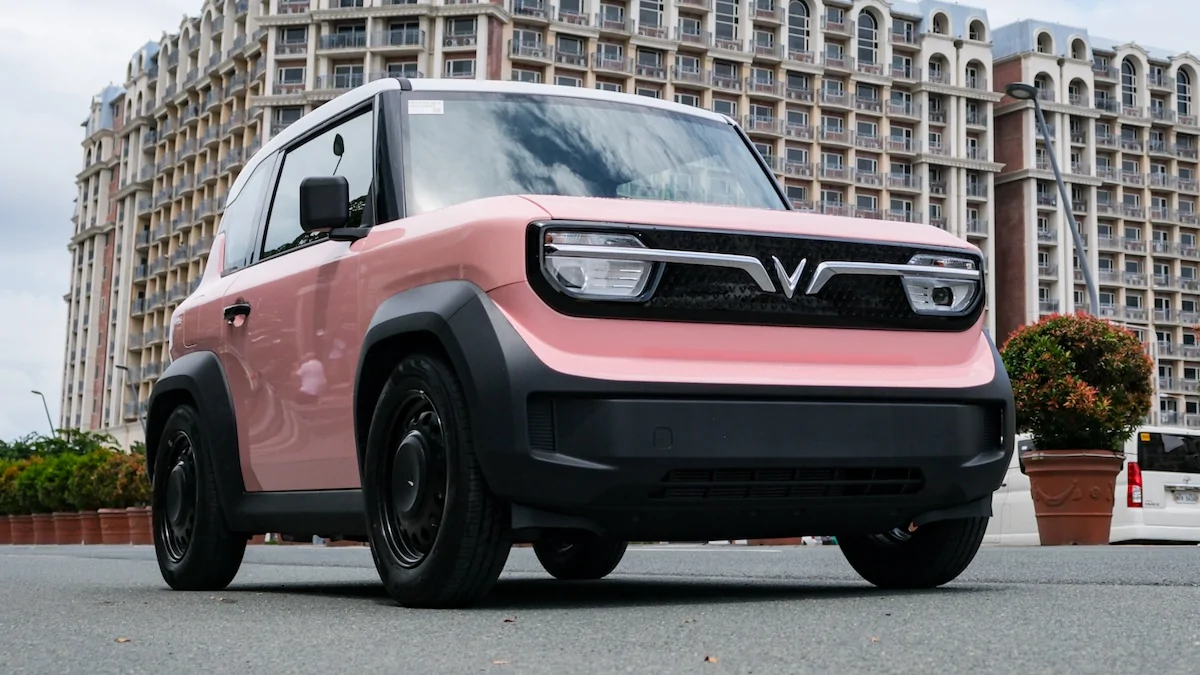
One of the biggest stories from Q1 is VinFast’s jump to the top spot among BEV brands. After selling 335 vehicles in the same period last year, the Vietnamese marque moved 1,171 units in the first three months of 2026. Actually, scratch that—all of VinFast’s sales were from March 2026 alone, as the brand hadn’t declared its sales with CAMPI yet in January and February. It now holds more than 50% market share among BEV brands.
Tesla has dropped to second in BEV sales and 15th among all CAMPI brands, but it’s worth noting that it still recorded a 122.3% year-on-year growth with 469 EVs sold in Q1. Omoda and Jaecoo is also a CAMPI newcomer, but it jumped straight to third with 213 units sold so far this year. MG is currently in fourth, and it’s one of the biggest gainers this quarter—from just seven BEVs sold in the same period last year, it sold 109 units in Q1 2026, which is a 1,457.1% increase.
BMW also grew in 2026 with a 127.6% year-on-year increase so far. Toyota is currently at seventh, Jetour in eighth, and Ford at ninth. Ford only sold 25 BEVs in the first quarter, but all of those 25 units are of its lone fully electric offering in the Mustang Mach-E. Mercedes-Benz finishes in 10th, and it’s the only one to record a drop in sales among the top 10 BEV brands. Said drop, however, is only from 23 unit sales in Q1 2025 to 22 this year.
Another figure that sticks out in the rankings is Nissan’s with 12 vehicles sold in Q1. That’s a 96.5% drop from 339 last year. Hyundai, meanwhile, finished last among CAMPI’s BEV brands, sitting in 16th place with just three electric cars sold—that’s lower than last year’s four.
PH BEV sales rankings – 2026 Q1
| Rank | Manufacturer | 2026 Q1 sales | 2025 Q1 sales | Variance (%) |
| 1 | Vinfast Auto Philippines | 1,171 | 335 | 249.6 |
| 2 | Tesla Motor Philippines | 469 | 211 | 122.3 |
| 3 | Omoda and Jaecoo Motor Philippines | 213 | n/a | n/a |
| 4 | SAIC Motors Philippines (MG) | 109 | 7 | 1457.1 |
| 5 | IC Automotive (Changan) | 75 | 28 | 167.9 |
| 6 | SMC Asia Car Distributors (BMW) | 66 | 29 | 127.6 |
| 7 | Toyota Motor Philippines | 55 | 20 | 175 |
| 8 | Jetour Auto Philippines | 27 | 20 | 35 |
| 9 | Ford Motor Company Philippines | 25 | n/a | n/a |
| 10 | IC Star Automotive (Mercedes-Benz) | 22 | 23 | -4.3 |
| 11 | KP Motors (Kia) | 14 | 6 | 133.3 |
| 12 | Nissan Philippines | 12 | 339 | -96.5 |
| 13 | EvoxTerra (Hongqi) | 10 | n/a | n/a |
| 14 | Foton Motor Philippines | 9 | 5 | 80 |
| 15 | UAAGI Disitributor (Lynk & Co) | 9 | n/a | n/a |
| 16 | Hyundai Motor Philippines | 3 | 4 | -25 |
| Total | 2,289 | 1,027 | 122.9 |
Jetour tops PHEV charts
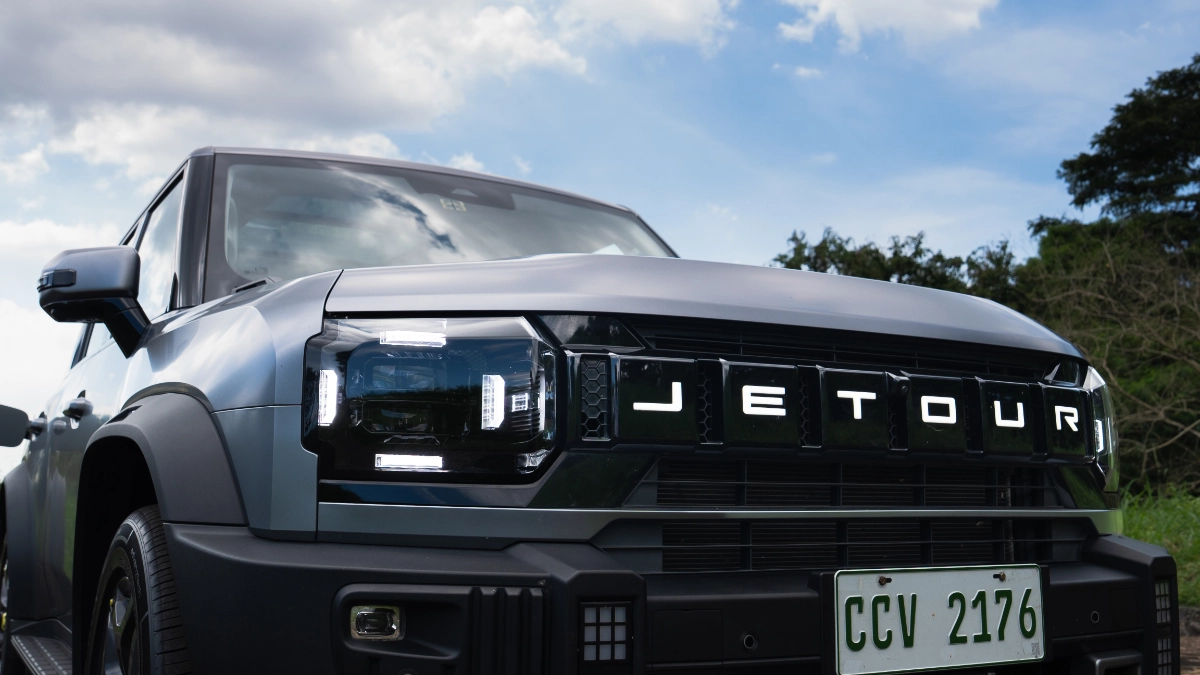
Another standout from CAMPI’s recent sales report is Jetour—it sold 550 PHEVs in Q1, accounting for almost half of the industry’s 1,250 total. Last year, the Chinese brand moved just six PHEVs in Q1, so that’s a whopping 9,066.7% growth.
Chery finished in second, Omoda and Jaecoo in third, BMW in fourth, and Changan in fifth. All of these brands yielded significant year-on-year sales growth, with Changan’s numbers reflecting a 970% increase.
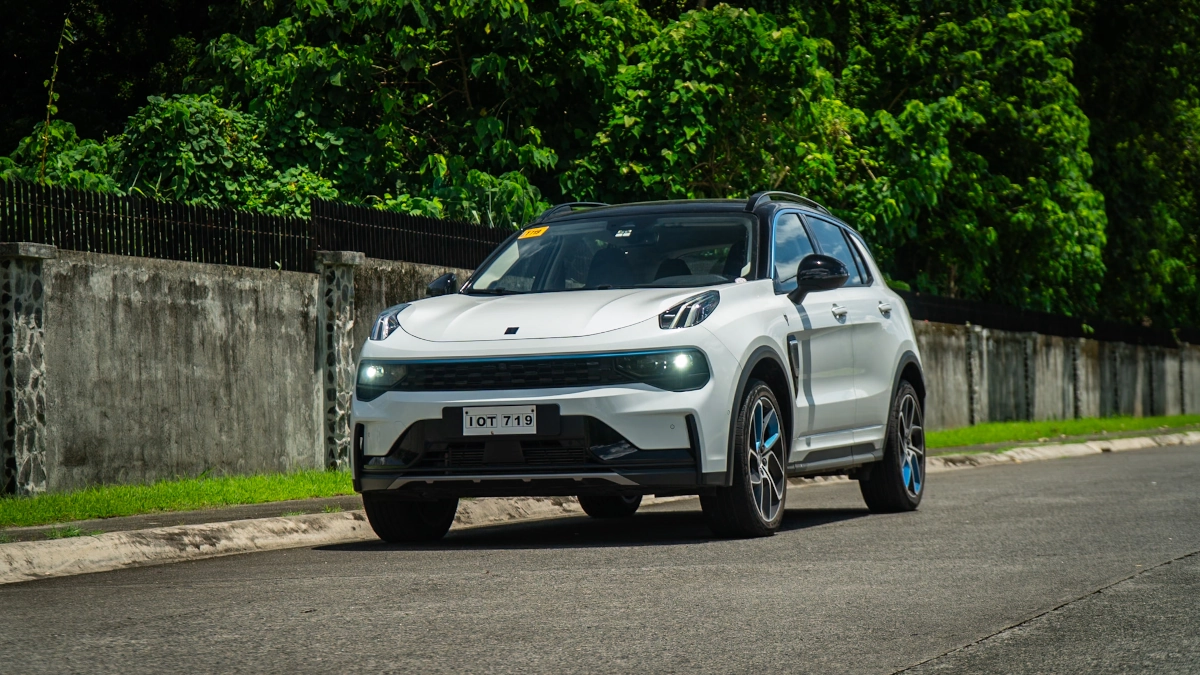
Lynk & Co. sits in sixth, with sales growing from seven to 29. Mercedes-Benz, despite the drop in BEV sales, saw progress as far as PHEV sales go—it jumped from 13 to 41 unit sales this year. Of the nine PHEV brands under CAMPI, only Jaguar Land Rover saw a dip in sales this year, selling only one unit so far versus four in Q1 2025.
PH PHEV sales rankings – 2026 Q1
| Rank | Manufacturer | 2026 Q1 sales | 2025 Q1 sales | Variance (%) |
| 1 | Jetour Auto Philippines | 550 | 6 | 9066.7 |
| 2 | United Asia Automotive Group (Chery) | 260 | 55 | 372.7 |
| 3 | Omoda and Jaecoo Motor Philippines | 135 | 20 | 575 |
| 4 | SMC Asia Car Distributors (BMW) | 112 | 7 | 114.3 |
| 5 | IC Automotive (Changan) | 107 | 10 | 970 |
| 6 | UAAGI Disitributor (Lynk & Co) | 29 | 7 | 314.3 |
| 7 | IC Star Automotive (Mercedes-Benz) | 41 | 13 | 215.4 |
| 8 | UAAGI Auto (BAIC) | 15 | n/a | n/a |
| 9 | IC Land Automotive (Jaguar and Land Rover) | 1 | 4 | -75 |
| Total | 1,250 | 122 | 924.6 |
Toyota still dominates the HEV space
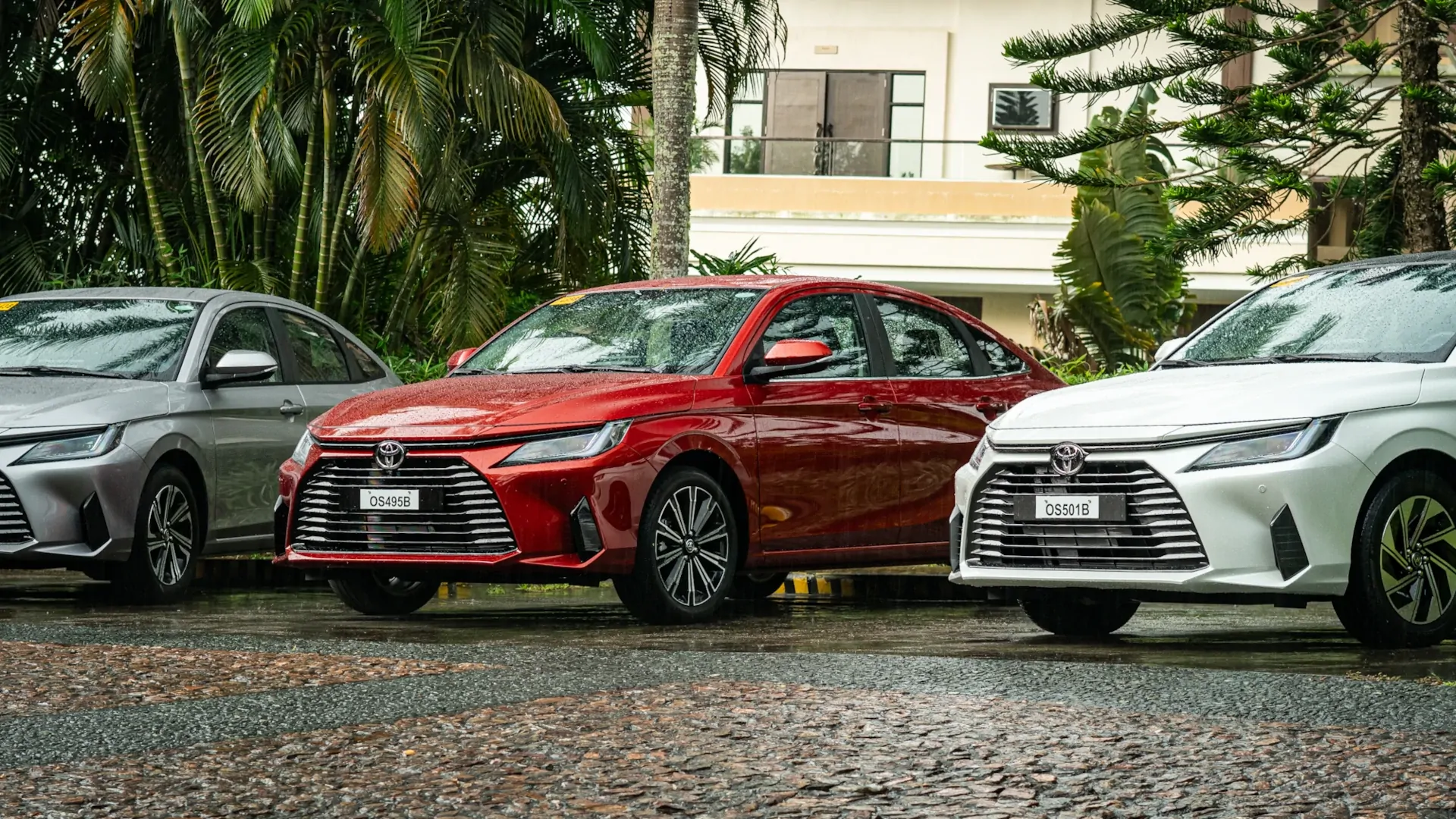
The country’s biggest carmaker may not have the most BEV or PHEV sales, but in the HEV rankings, it still dominates. Its market share is more than half with 5,471 of the total 8,261 Q1 HEV sales across the industry. What’s even more impressive is that it’s even a 326.8% year-on-year growth. With the recent addition of the all-new RAV4—and possibly even more hybrids in the coming months—we can only expect Toyota’s numbers to grow. Whether or not the gap to the second-placer will grow with it, however, remains to be seen.
We say so because Ford is now in second with 1,156 HEVs sold so far this year. That’s a strong testament to how well the Territory Hybrid has been performing for Ford. It has already helped establish the Blue Oval’s position in the HEV market this early on in its lifespan, and this gives us an idea of the potential of Ford’s future hybrid offerings.

Honda is in far third with 576 HEV units sold in Q1, which is good for a 179.6% increase. MG is currently in fourth, and while 263 vehicles sold doesn’t sound so bad, it’s a 90% year-on-year drop from Q1 2025’s 2,635 unit sales.
In fifth is Nissan, whose HEV sales figures are almost the complete opposite of its BEV performance. In Q1 2026, the Japanese brand sold 233 units, a jump from just 15 last year and good for a 1,453.3% increase.
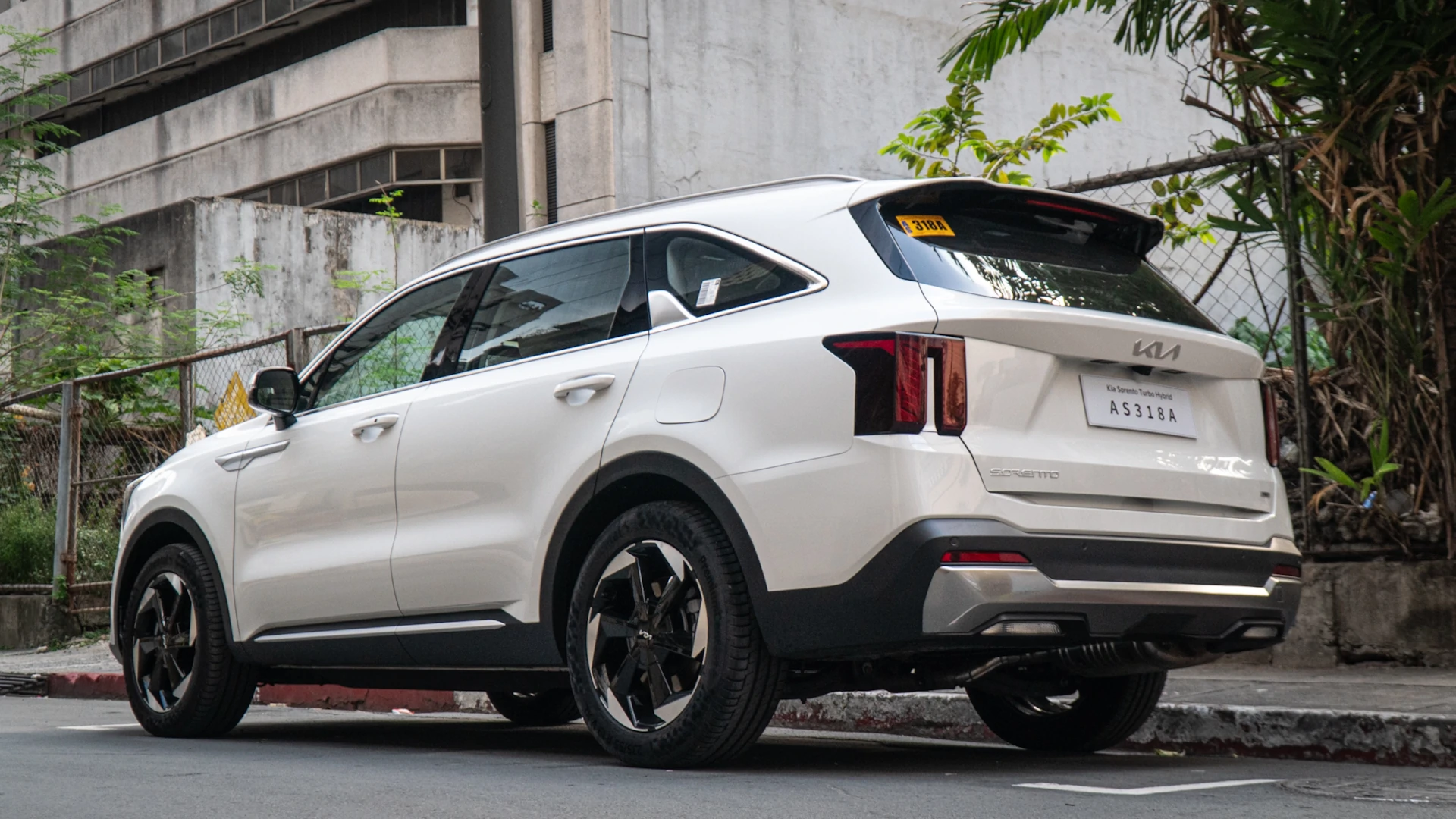
Kia is a relative newcomer in the hybrid car market, but it’s already in sixth with 172 HEV units sold so far this year. Mazda in seventh also grew year-on-year with 145 hybrids sold. Hyundai, like Nissan, also had a different story in the hybrid space, as its Q1 HEV sales grew 383.3% from 39 to 104.
UAAGI brands BAIC, Chery, and Foton follow in ninth, 10th, and 11th, respectively, with only Foton seeing an unfortunate 94.3% year-on-year drop. Hybrid newcomer Subaru completes the list, now sitting in 12th.
PH HEV sales rankings – 2026 Q1
| Rank | Manufacturer | 2026 Q1 sales | 2025 Q1 sales | Growth (%) |
| 1 | Toyota Motor Philippines | 5,471 | 1282 | 326.8 |
| 2 | Ford Motor Company Philippines | 1,156 | 18 | 6322.2 |
| 3 | Honda Cars Philippines | 576 | 206 | 179.6 |
| 4 | SAIC Motors Philippines (MG) | 263 | 2635 | -90 |
| 5 | Nissan Philippines | 233 | 15 | 1453.3 |
| 6 | KP Motors (Kia) | 172 | n/a | n/a |
| 7 | Bermaz Auto Philippines (Mazda) | 145 | 30 | 383.3 |
| 8 | Hyundai Motor Philippines | 104 | 39 | 166.7 |
| 9 | UAAGI Auto (BAIC) | 97 | n/a | n/a |
| 10 | United Asia Automotive Group (Chery) | 25 | 18 | 38.9 |
| 11 | Foton Motor Philippines | 13 | 230 | -94.30% |
| 12 | Motor Image Pilipinas (Subaru) | 6 | n/a | n/a |
| Total | 8,261 | 7515 | 9.9 |
BYD remains the biggest question mark
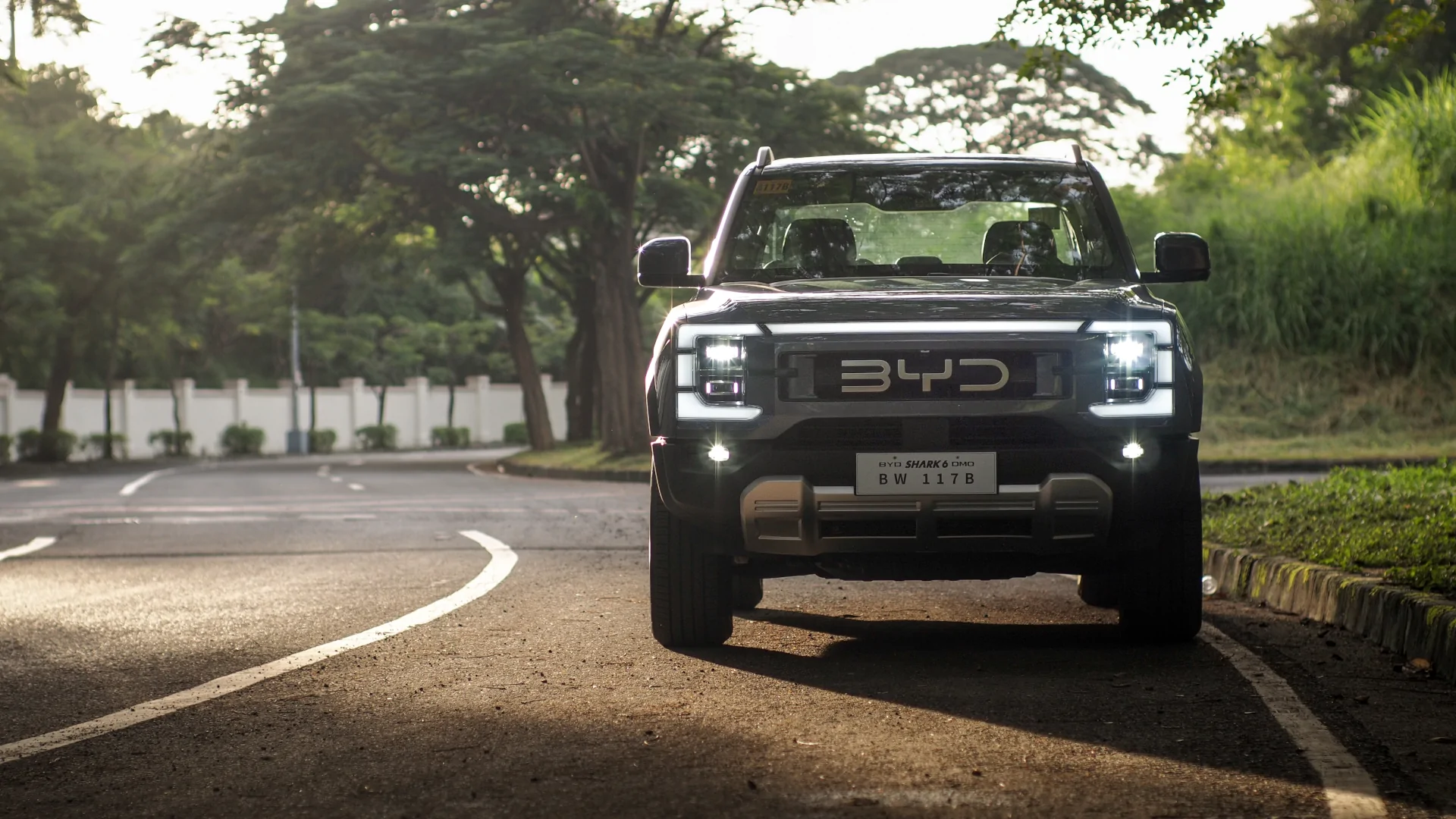
As mentioned earlier, BYD Cars Philippines’ sales aren’t included here. The Chinese brand finished 2025 (unofficially) in third place, far behind second-placer Mitsubishi but comfortably ahead of traditional carmakers like Suzuki, Nissan, and Ford. Since all of BYD’s vehicles are electrified, including its sales numbers in CAMPI’s report would have not only shaken up the rankings but also painted an even clearer picture of how far the shift to electrification has gone. That’s also the reason this is being pointed out here.
That being said, having those numbers here would’ve only further emphasized one thing: Buyer preference has greatly shifted towards electrified vehicles. And not just for hybrids, but for full EVs as well. The only question now is whether or not it’ll be sustained if and when the fuel crisis blows over. Only time will tell.