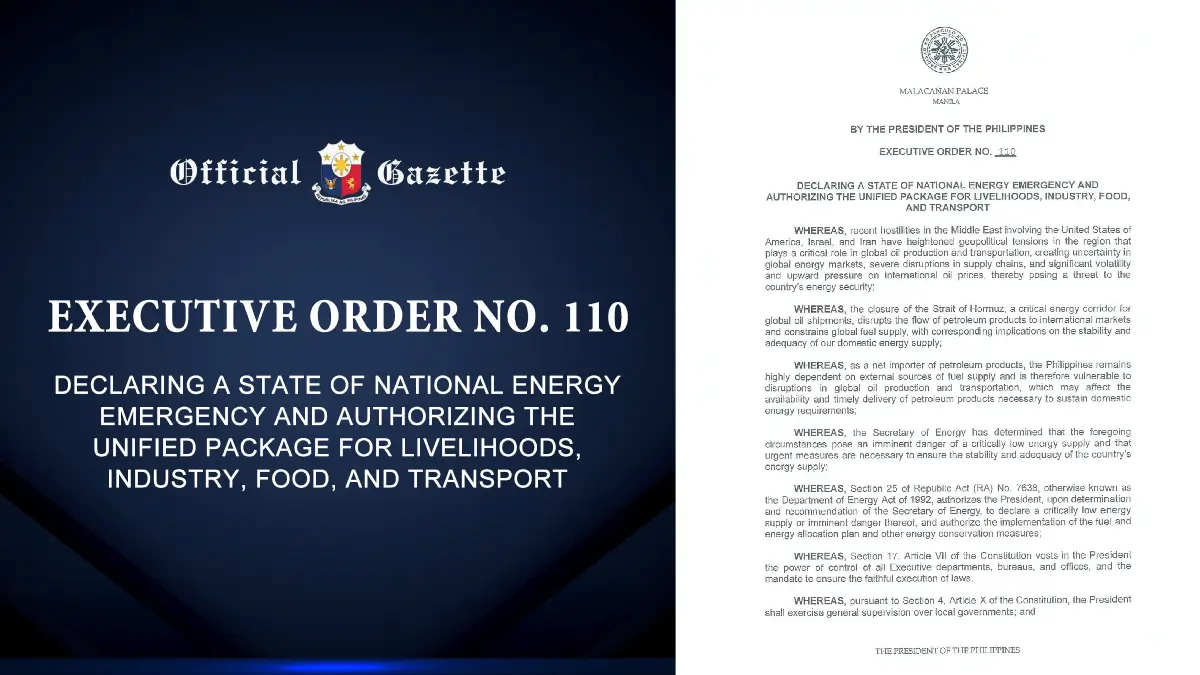
President Ferdinand Marcos Jr. has declared a state of national energy emergency in light of the ongoing Middle East conflict. Executive Order No. 110, signed on Tuesday evening (March 24, 2026), cited the “imminent danger posed to the availability and stability of the country’s energy supply.”
What exactly does ‘State of National Energy Emergency’ this mean?
In a copy of the executive order shared with the media, Marcos said the conflict had created “uncertainty in global energy markets, severe disruptions in supply chains, significant volatility, and upward pressure on international oil prices, thereby posing a threat to the country’s energy security.”
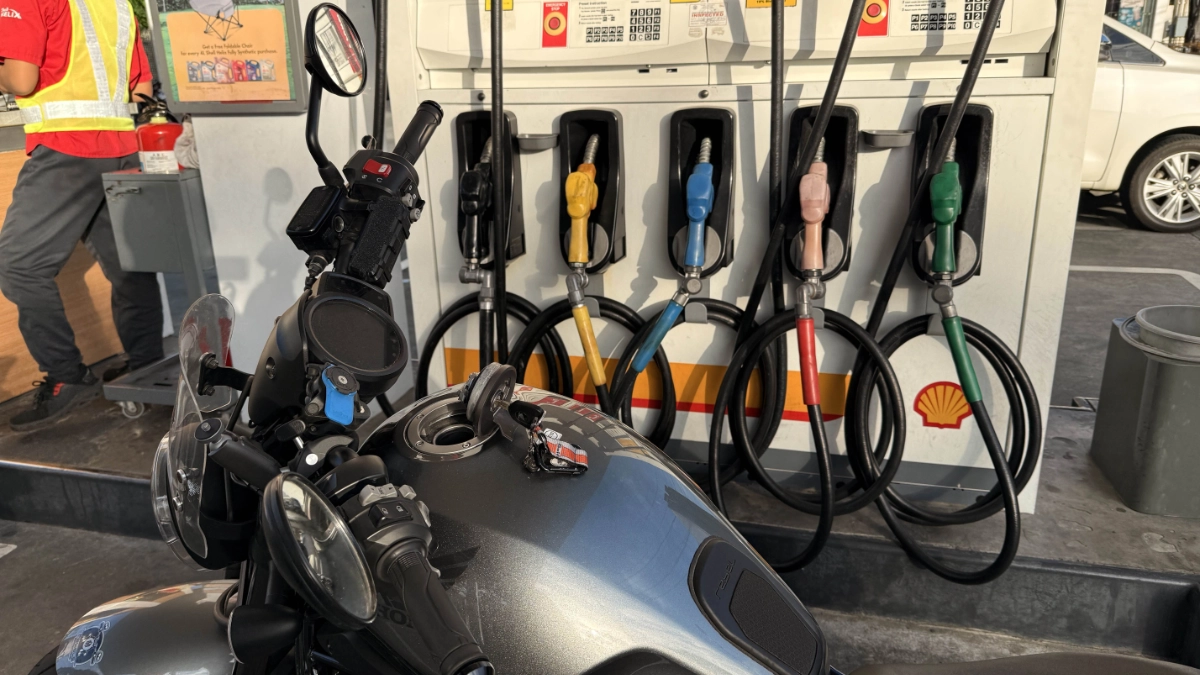
The formal declaration of a state of national energy emergency confirms that the Philippines is facing a serious risk of not having enough fuel and electricity.
“The declaration of a state of national energy emergency will enable the government, through the DOE and other concerned agencies, to implement responsive and coordinated measures under existing laws to address the risks posed by disruptions in the global energy supply and the domestic economy,” said Marcos.
What happens next?
The President said that a committee has been formed to ensure the orderly movement, supply, distribution, and availability of fuel, food, medicines, agricultural products, and other essential goods and to safeguard national interest.
The EO authorizes the Unified Package for Livelihoods, Industry, Food, and Transport (UPLIFT) to aid affected sectors. The UPLIFT Committee will serve as a “coordinated, whole-of-government response framework consisting of energy supply management measures to be implemented by the Department of Energy (DOE) and its attached agencies, and complementary measures to support consumers and affected sectors to be implemented by concerned agencies.”
This special committee, composed of various government agencies and led by the President, will take charge to monitor the supply of fuel, food and medicine, help the transport sector, and protect against high prices, among others.
What measures will be taken to safeguard the country's energy supply?
Executive Order 110 directed and authorized the DOE “to take appropriate measures to safeguard the stability and adequacy of the country's energy supply and mitigate the adverse effects of disruptions in global energy supply markets.”
Measures may include, but are not limited to:
- Implement fuel and energy optimization plans, such as prudent energy management and load adjustments
- Adopt and enforce appropriate energy conservation measures
- Coordinate with relevant government agencies to ensure the stability of energy supply and mitigate the impact of rising fuel costs on electricity generation and consumer prices
- Take action against hoarding, profiteering, and supply manipulation, including such measures to address sudden increases in petroleum product prices arising from such acts, to protect consumer interests and market integrity
- Assist in ensuring the stability and adequacy of the domestic fuel and energy supply, including monitoring of the supply, distribution, and availability of fuel and other energy sources, and the procurement of fuel and related petroleum products, as may be necessary
- Adopt and implement a resource conservation and prioritization mechanism
- Adopt and implement measures to accelerate the availability and connection of additional generation capacity to deliver energy to consumers
- Ensure strict implementation of the Energy Efficiency and Conservation Act, including adoption of stricter energy conservation measures and enhanced protocols for air-conditioning and electricity use in all government offices
What measures will be taken to support consumers and affected sectors?
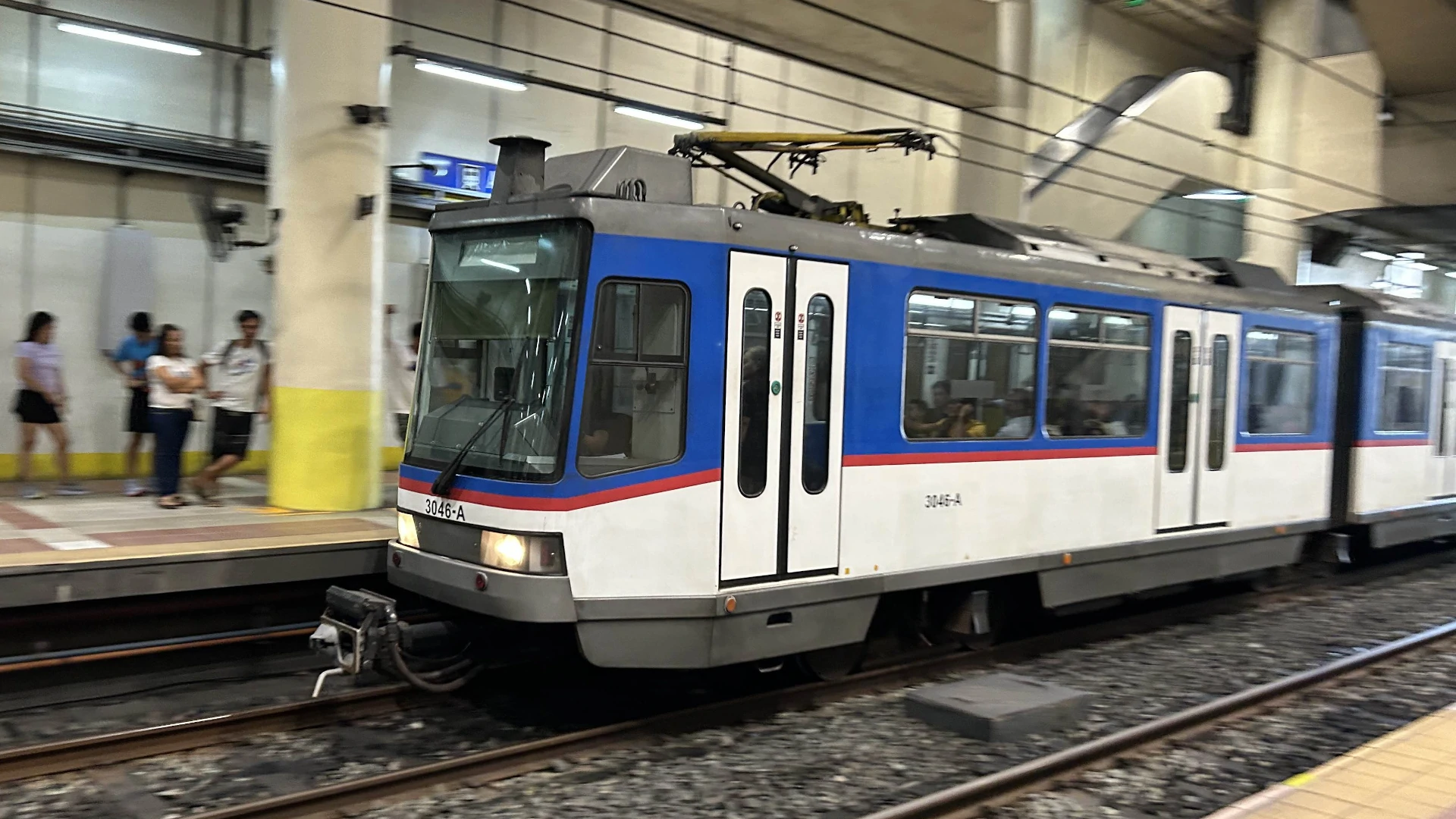
Meanwhile, the Department of Transportation (DOTr) has been instructed to provide measures to mitigate the impact on the transport sector and the commuting public. These measures include, but are not limited to:
- Support for the public transport sector through complementary transport assistance programs, such as, but not limited to, fuel subsidy allocations and commuter fare subsidies
- Expand and improve public transport services, including through the implementation of the Libreng Sakay Program, the extension of operating hours of the Light Rail Transit and Metro Rail Transit systems, the establishment of priority transport lanes in coordination with relevant local government units (LGUs) and agencies, and the adoption of such measures to reduce dependence on petroleum products
- Review and implement appropriate measures to reduce transport costs, such as the temporary reduction, suspension, or deferral of toll charges, aviation charges, landing fees, and other similar assessments, in coordination with the Land Transportation Franchising and Regulatory Board, Civil Aviation Authority of the Philippines, toll operators, and other relevant government agencies or private entities.
What are other agencies tasked to do?
Under the EO, the Department of Social Welfare and Development (DSWD) shall expedite assistance to affected sectors, including to transport workers, displaced workers, and repatriated OFWs, among others.
The Department of Trade and Indsutry (DTI) is directed to monitor prices, implement support programs for MSMEs, and “promote the adoption and use of electric vehicles, renewable energy, and other energy-efficient solutions in the transportation, logistics, and manufacturing sectors to reduce dependence on petroleum products.”
Meanwhile, the Department of Agriculture (DA) is directed to monitor the adequate supply of agricultural inputs and food products and to undertake the necessary measures to maintain their availability at the lowest possible cost.
Other agencies involved under the UPLIFT Committee include the Department of Finance (DOF), Department of Budget and Management (DBM) and Department of Economy, Planning and Development (DEPDev).
How long is the effective date of the state of national energy emergency?
According to the EO, the declaration of the national energy emergency “shall remain in force and effect for one year from issuance hereof, unless otherwise extended or lifted by the President.”
You can read the full Executive Order 110 here.