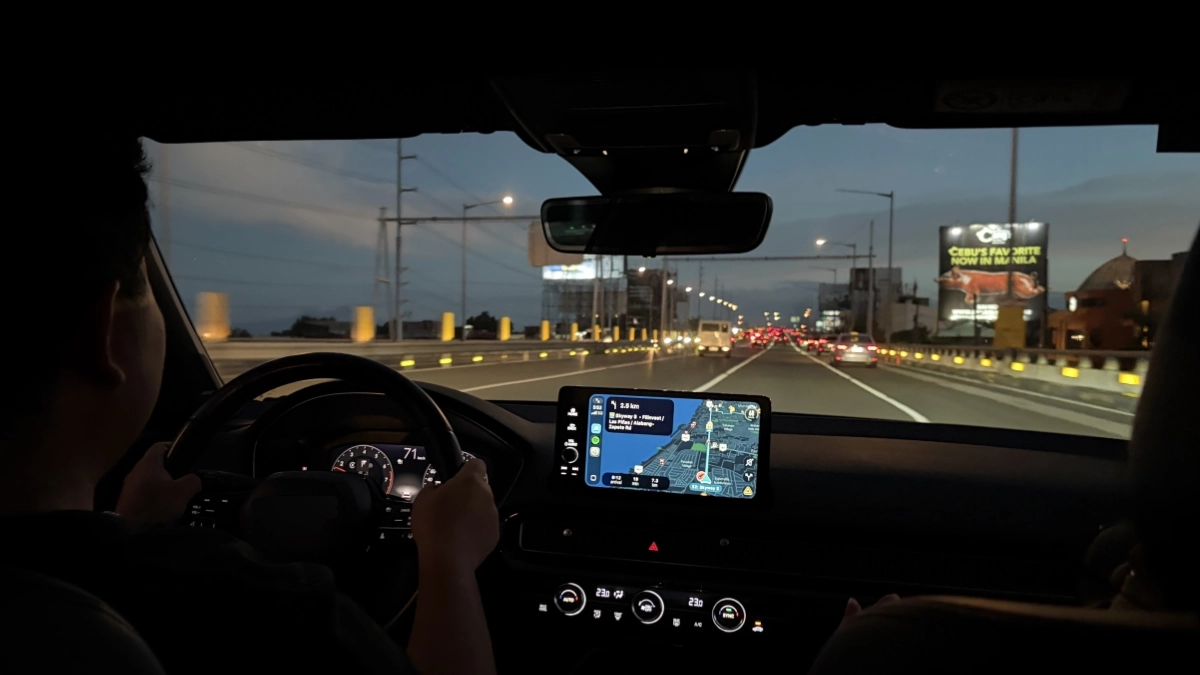
“Don’t drink and drive” has been a saying since the ’60s, yet some still choose to get behind the wheel (or the handlebars) after having a couple of alcoholic beverages. As year-end parties start rolling in, the Land Transportation Office reminds motorists that it will be revoking the driver’s licenses of those caught drunk driving.
The LTO says law enforcement officers have been instructed to follow the proper sequence of tests before apprehending a driver suspected of driving under the influence of alcohol. These tests include the Field Sobriety Test, which includes the Eye Test, Walk-and-Turn, and One-Leg Stand.
The Eye Test requires the driver to follow the officer’s finger or flashlight without the eyes jerking horizontally or laterally. For the Walk-and-Turn, the driver needs to walk heel-to-toe for nine steps along a straight line, turn around at the end, and walk again towards the starting point without difficulty. The One-Leg Stand, meanwhile, requires the driver to stand on either leg with both arms to the side while keeping one foot raised for 30 seconds.
OTHER STORIES YOU MIGHT HAVE MISSED:
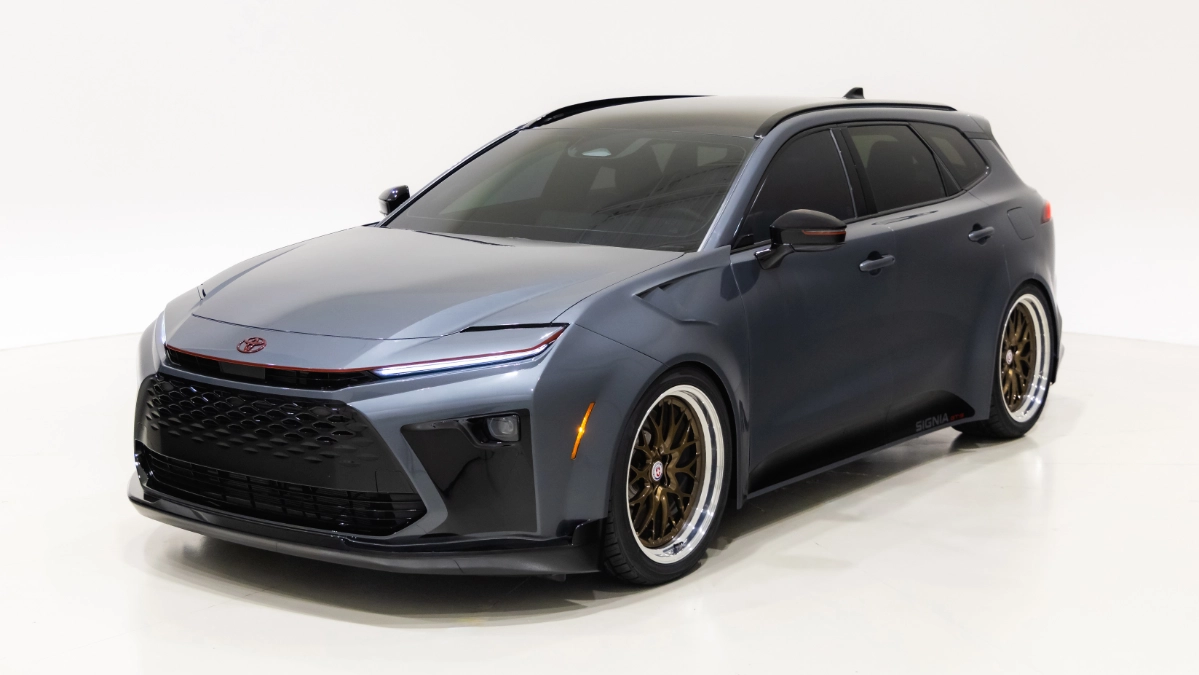
SEMA 2026: This slammed Toyota Crown Signia SUV is one wicked wagon
First impressions: The Geely Monjaro EM-i shows a lot of promise
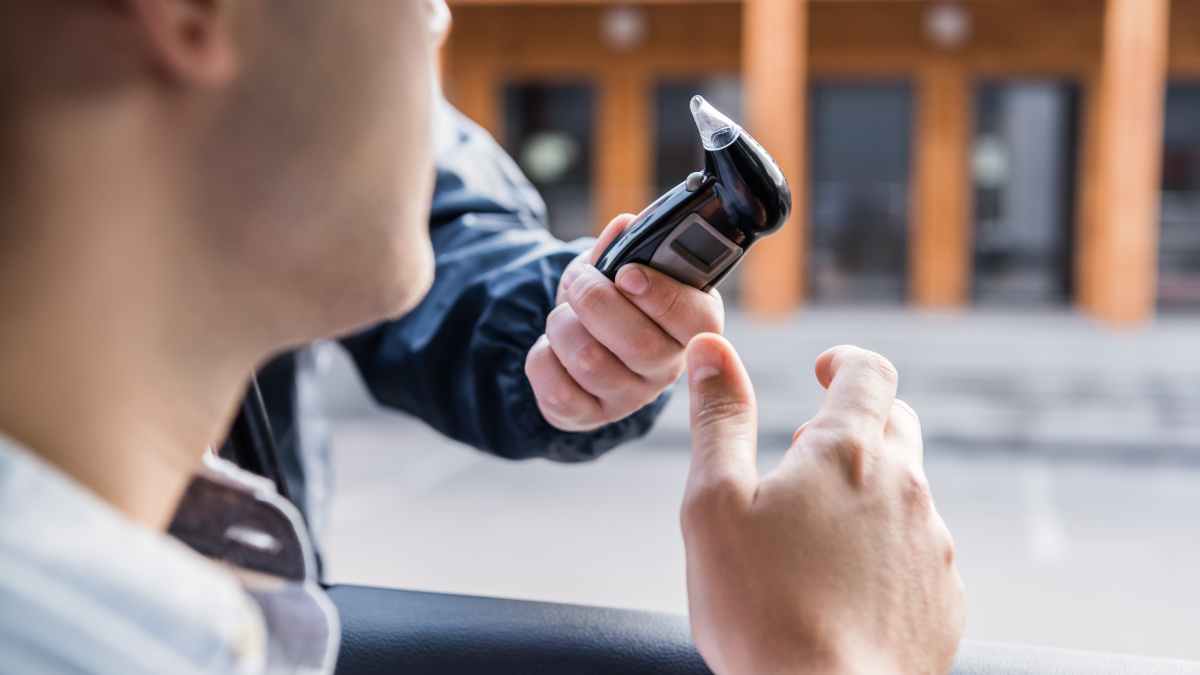
If the driver fails the Field Sobriety Test, officers will use a breath analyzer to measure the driver’s blood alcohol level. The LTO reiterates that the breath analyzer cannot be used as the initial test or as the sole basis for preliminary screening.
The LTO will revoke the motorist’s driver’s license if they are found to be an Improper Person to Operate a Motor Vehicle. Non-professional driver’s license holders will face a 12-month revocation on their first offense and permanent revocation on the second, while professional driver’s license holders will have their licenses permanently revoked on the first offense. The revocation comes in addition to penalties and imprisonment with varying sentences depending on whether any other party was hurt or, in the worst cases, killed due to the motorist’s drunk driving.
“We want to ensure that no driver can drive while intoxicated or under the influence of drugs without being held accountable under the law. However, it is equally important to follow proper apprehension procedures because law enforcement must be strict, orderly, and thorough,” said LTO chief assistant secretary Markus Lacanilao.