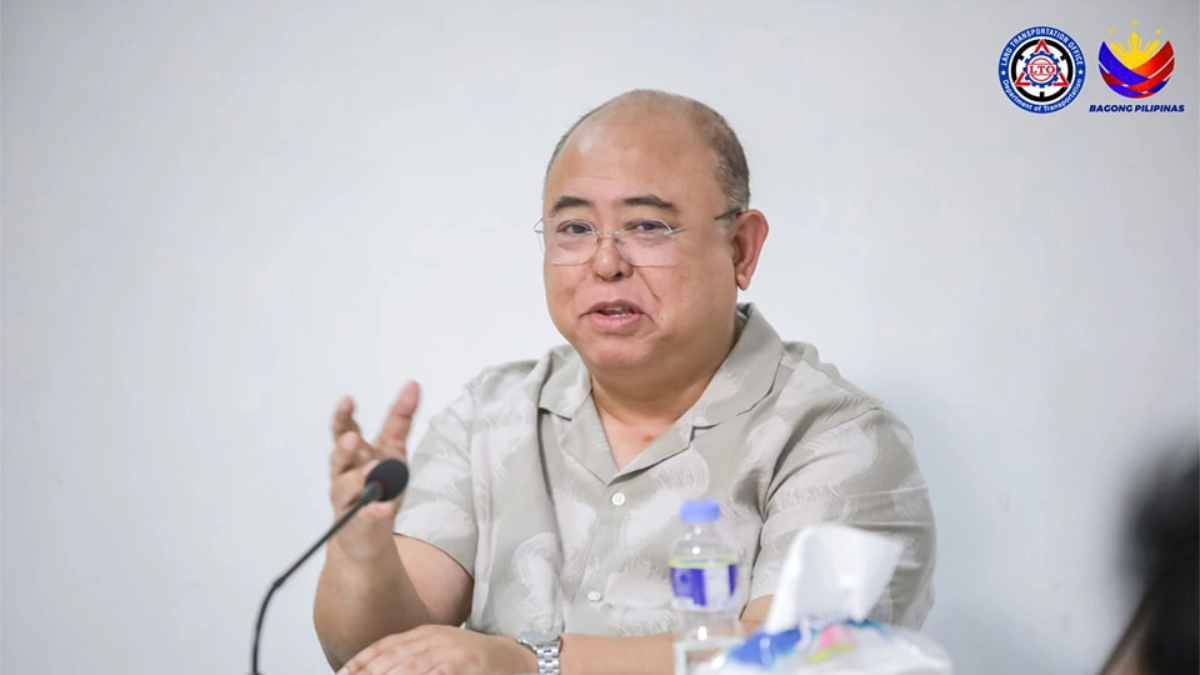
Land Transportation Office Chief, Assistant Secretary Vigor Mendoza II, believes that making deputized enforcers more visible to motorists along the expressway will curb overspeeding and mitigate the risk of crashes and similar accidents.
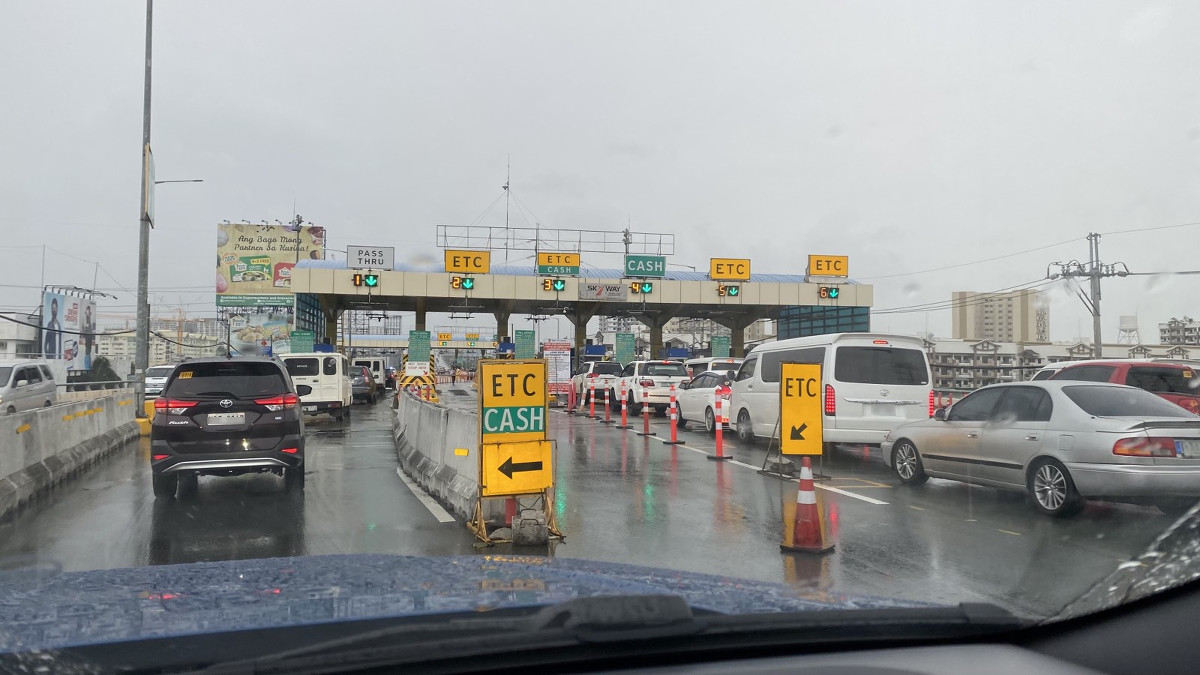
Mendoza said that the ‘presence alone of even the expressway enforcers’ will compel motorists to follow the speed limit. Typically, motorists who are caught overspeeding are apprehended at toll plazas, where their vehicles are already on slower speeds or completely stopped. The LTO chief pointed out that between the violator’s current location and their exit point, an accident could still occur, and people can get hurt. Mendoza then called for real-time responses to violations in order to protect other motorists.
OTHER STORIES YOU MIGHT HAVE MISSED:
LTO to inspect all 270 Solid North Transit buses; drivers undergo drug testing
You can now schedule your EasyTrip RFID installation with the MPT DriveHub app
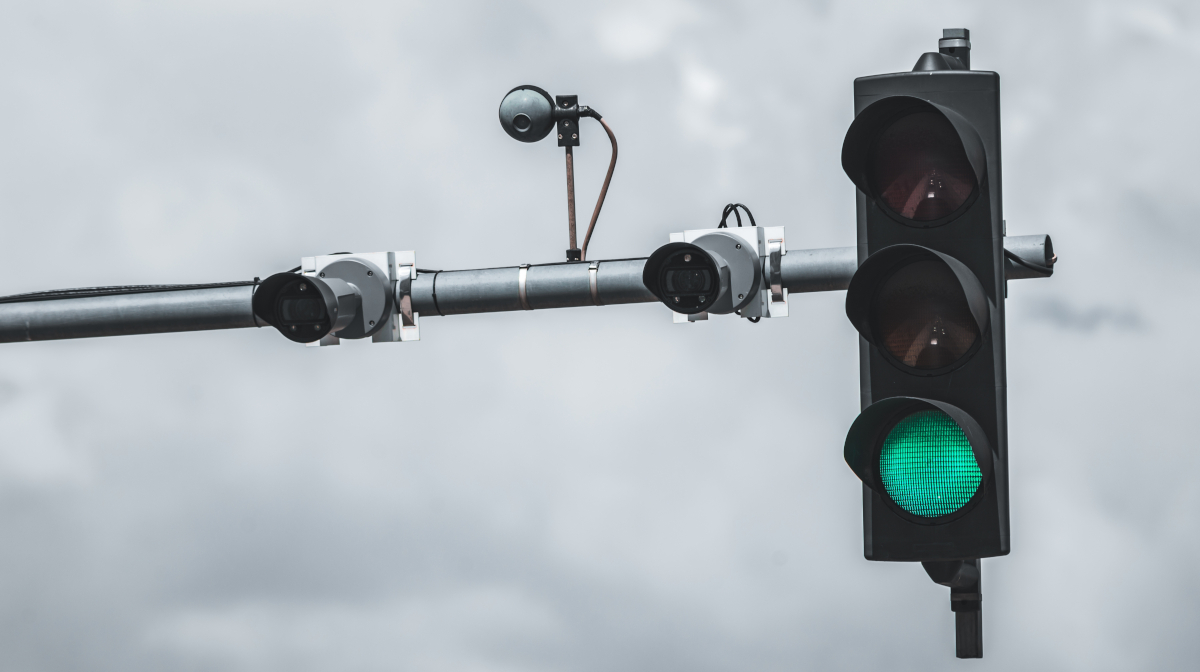
The LTO’s watchful approach shares similar principles with the Department of Transportation’s sentiments on the No Contact Apprehension Program. DOTr secretary Vince Dizon believes that NCAP will scare motorists into following the rules of the road. It seems that both transportation and mobility agencies believe in having a perpetual eye out for road safety violators.
However, Dizon also stated that the NCAP is better equipped to handle the volume of vehicles and motorists in the Philippines. He reinforced the department’s belief in NCAP by explaining that increasing the number of traffic enforcers will still not be enough to capture and manage every violation.
The DOTr, LTO, and the Land Transportation Franchising and Regulatory Board are set to work on an improved system and curriculum for driver education and road safety. Following the continuous crashes and accidents that transpired over the first week of May, the DOTr has laid out several new policies that aim to reform the transportation systems in the Philippines.