A select group of traffic enforcers from the Metropolitan Manila Development Authority (MMDA) will begin wearing body cameras to further implement the no-contact apprehension policy (NCAP).
Specifically, members of the newly formed Swift Traffic Action Group (STAG) will wear body cameras during road-clearing efforts, which mainly address illegally parked vehicles and road-obstructing structures. The MMDA believes that the use of body-worn cameras will “minimize direct interaction and potential arguments between motorists and traffic enforcers during road clearing operations.”
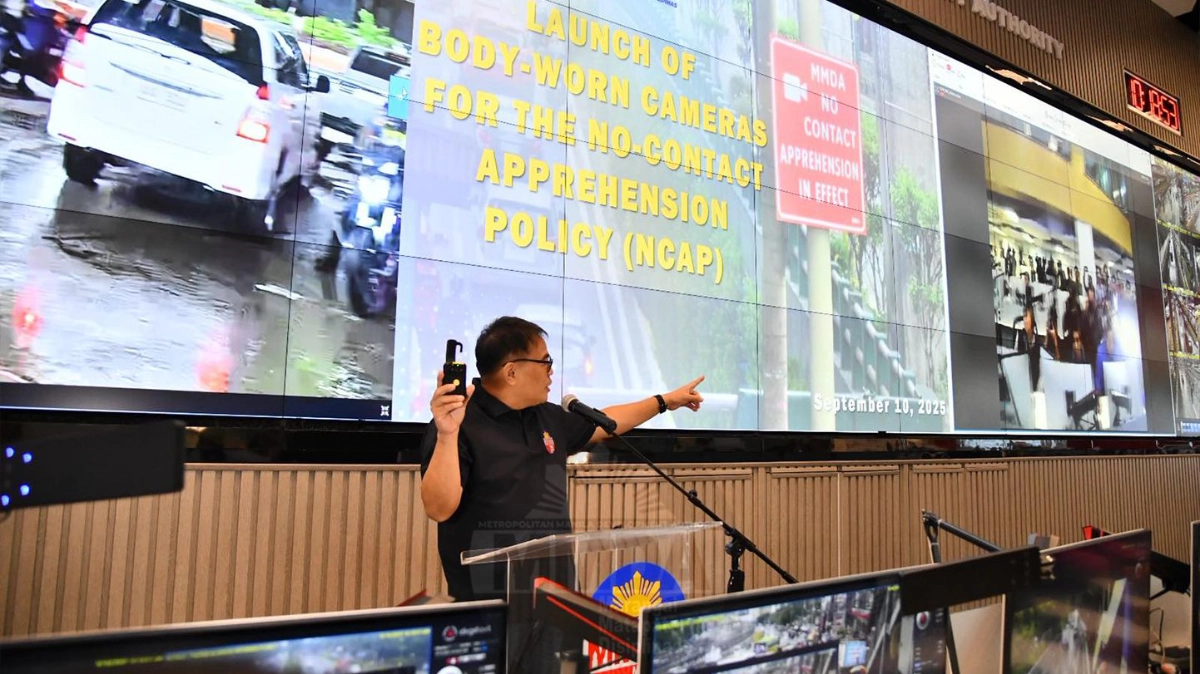
STAG will be deployed to major roads within Metro Manila, including select Mabuhay Lanes. More STAG enforcers and road-clearing operations will then be deployed once the Unified No Parking Policy is finalized and takes effect. If you recall, the policy aims to ban street parking in Metro Manila during select hours of the day. It was initially proposed by the Department of the Interior and Local Government, but at the time of writing, the exact parameters of the policy have yet to be concretized.
OTHER STORIES YOU MIGHT HAVE MISSED:
Toyota is offering the Tamaraw at zero interest or at P100k off this month
Hot gear: The new Apple iPhone 17 starts at P57.99k in PH
MMDA chairman Romando Artes has assured that the STAG enforcers have been trained in data privacy protocols to ensure that the cameras will be used in a non-intrusive manner. When deployed, STAG enforcers will be paired up so that road violations are properly recorded on camera and rightfully issued to the offending motorist.
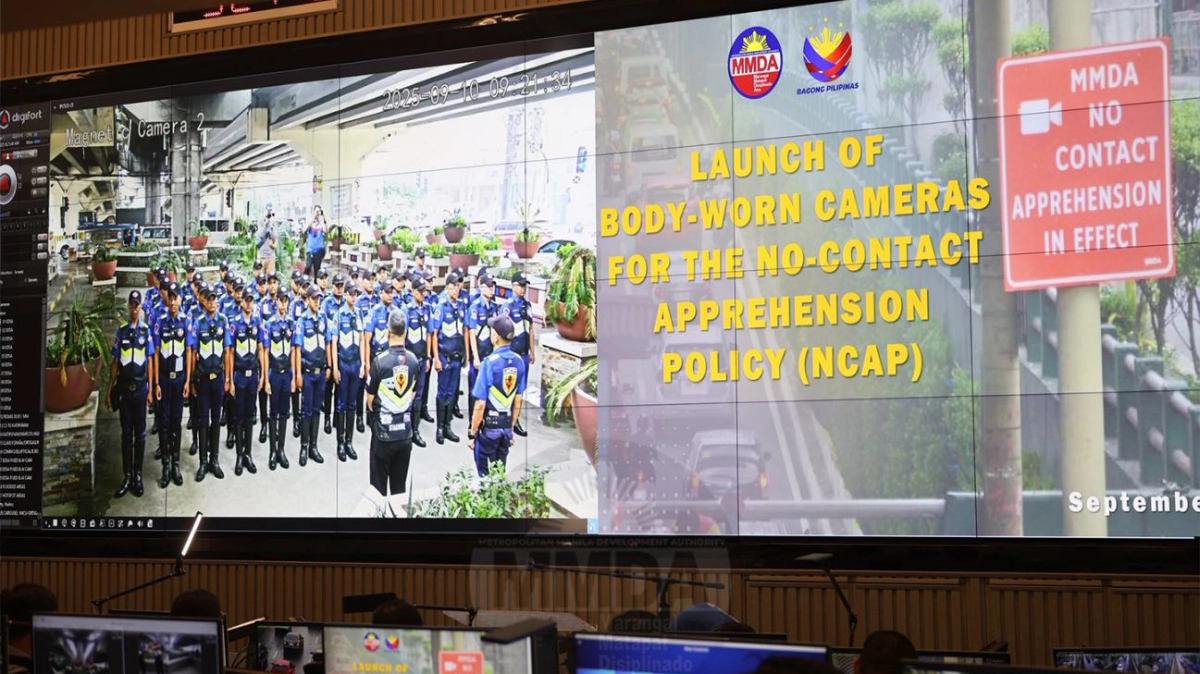
At the end of each shift, the enforcers are instructed to return the cameras to a proper docking station, where the MMDA Communications and Command Center can manually review footage and verify apprehensions.
The MMDA also announced that after STAG operations, cleared sites will then be inspected by the Special Operations Group-Task Force for Road Clearing. That group is then equipped with tow trucks to physically remove any illegally parked vehicles.