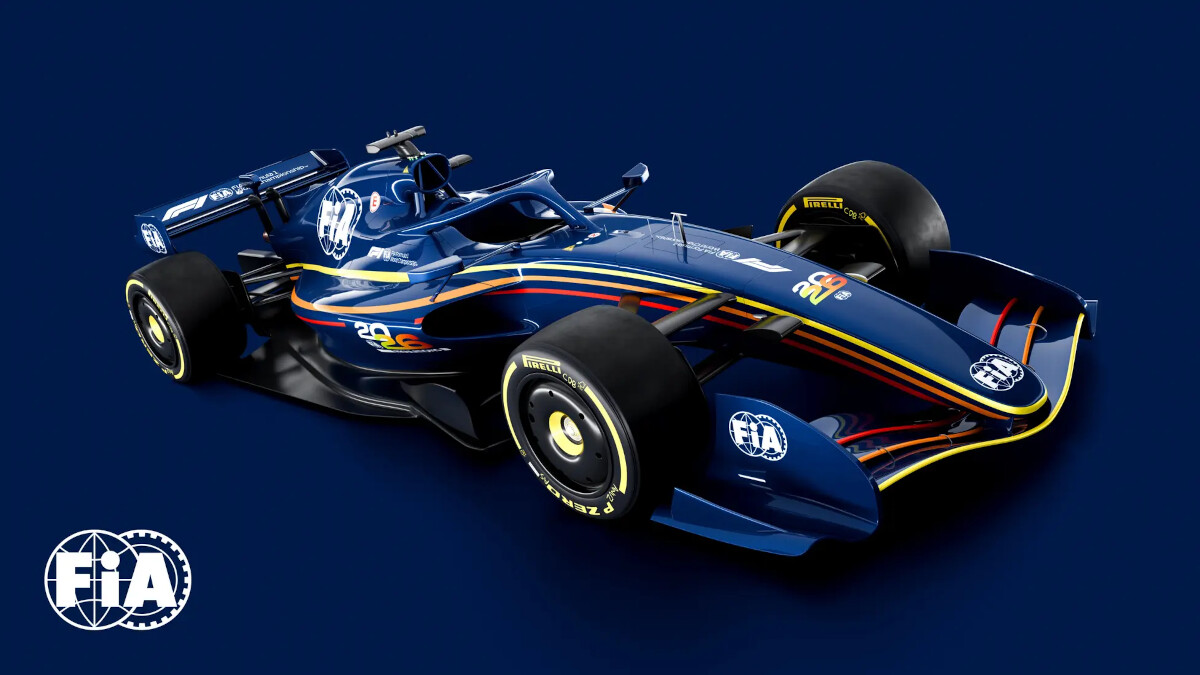
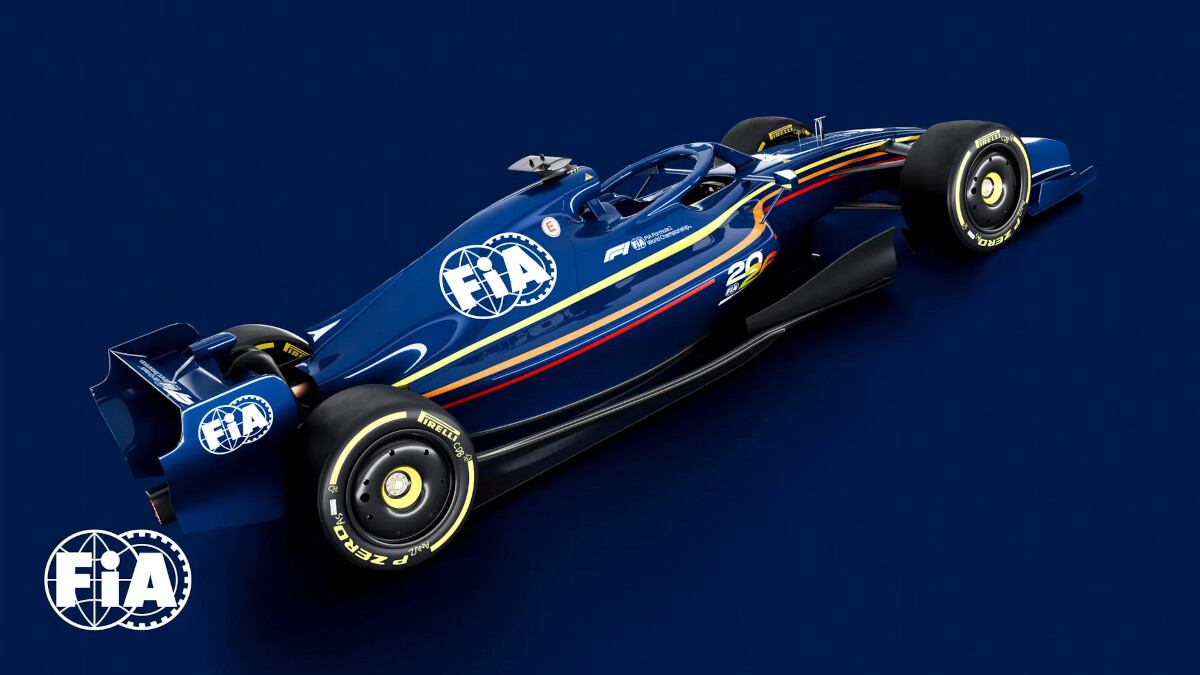
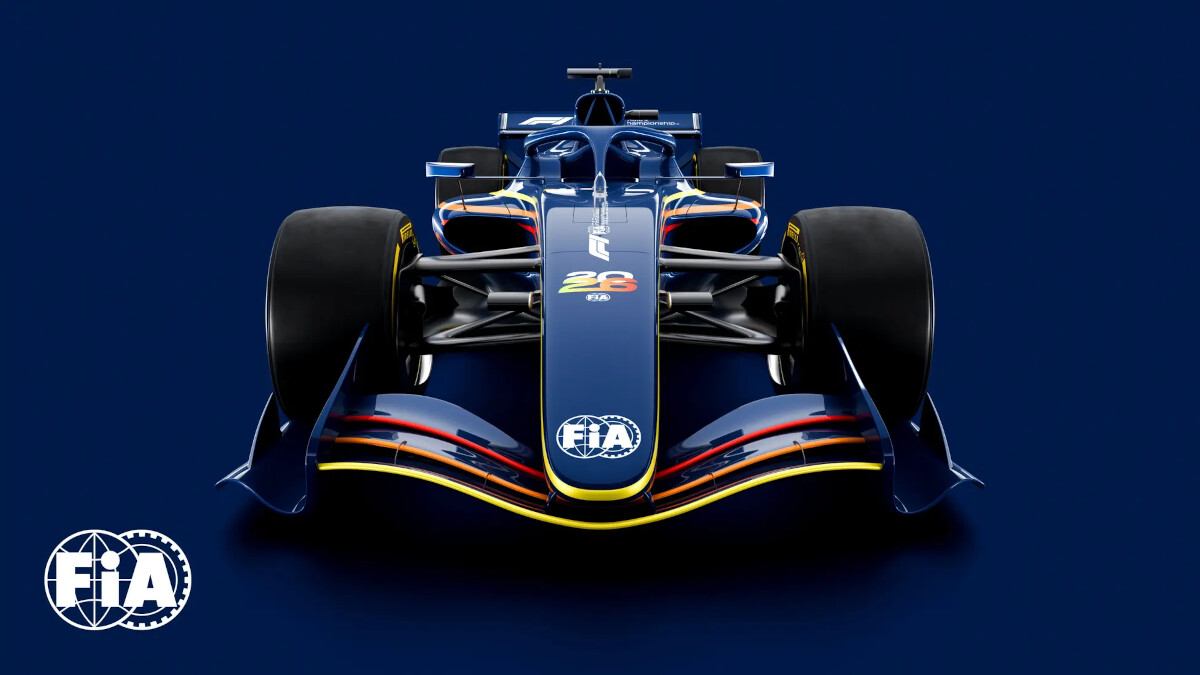
The FIA has just released fresh details of its 2026 Formula 1 reformat, making the cars smaller and lighter while placing a bigger onus on electrical assistance. The aim? Increase the level of tight, close racing. And the entertainment value, too, of course.
Dimensions will be the biggest talking point here, with a ‘nimble car’ concept at the forefront of this future design. This means competitors will have a shorter wheelbase by 200mm and a reduced width of 100mm. It’ll also result in a 30kg weight loss over the present-day cars, which in Formula 1 terms is...the equivalent to a jumbo jet.
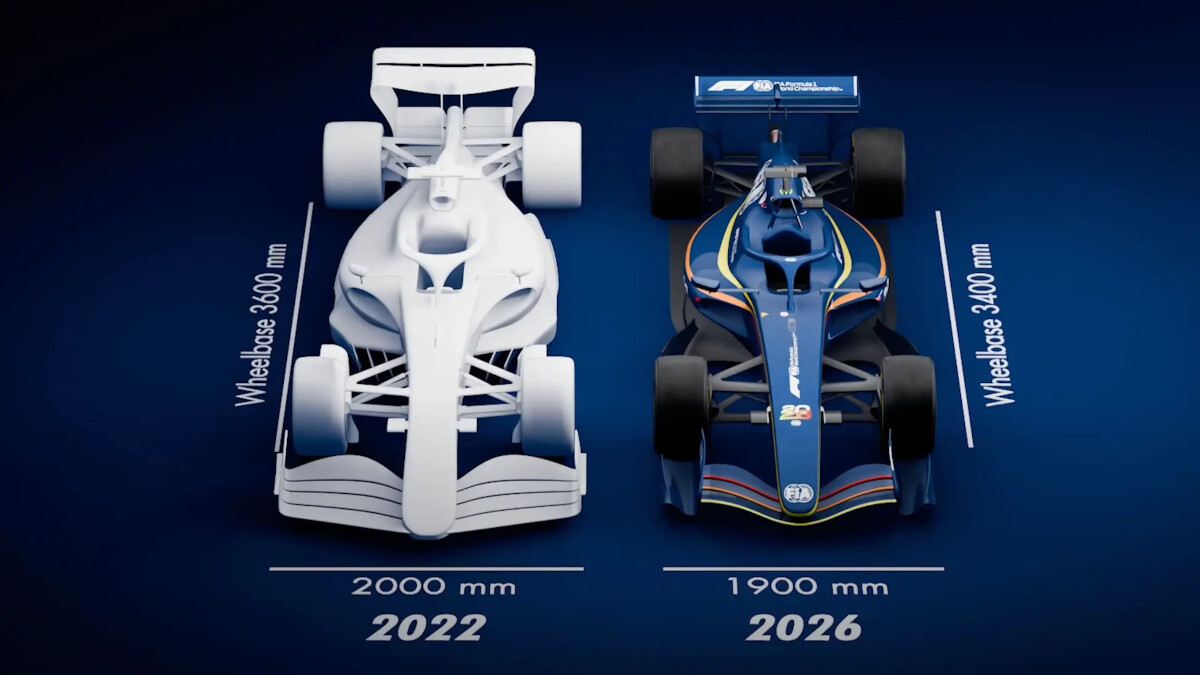
The redesign also means cars will have 30% less downforce and 55% less drag. The active aero suite will also go through a big makeover: The two-stage front wings will be smaller and the three-stage rear wings will be upgraded.
OTHER STORIES YOU MIGHT HAVE MISSED:
Everything you need to know about the all-new Kia Sonet
Not just Toyota: Other Japanese manufacturers also admit to falsified safety reports
Tire widths will also be chopped by 25mm at the front and 30mm at the rear, though this will have a ‘minimal’ impact on grip levels. Apparently.
How this will affect the new powertrains will also be interesting to see, given that they’ll be even more powerful than the current ones. The combustion part of the hybrid units will drop from 750hp to around 530hp, but the electric motor will jump from 160hp to a much toastier 470hp. In Top Gear arithmetic, that means a total output of close to 1,000hp.
Another interesting addition will be that of the new ‘Manual Override’ mode, which is being created to improve overtaking opportunities. Essentially, it’s an evolution of the current ERS system. The idea is that the lead car will be able to use the electric boost at speeds of up to 335kph, but the system will be limited from 290kph onward. Meanwhile, chasing cars will be able to use the system at maximum punch right up to 335kph, presenting them with a big advantage.
A few final notes have been provided for plans to work on improving safety measures for 2026. It includes stronger side protection, which doesn’t add any weight but is claimed to dramatically increase strength. The rear lights will also be made significantly brighter, while lateral safety lights will be introduced to alert those on the track of any vehicle stoppages more effectively.
FIA boss Mohamed Ben Sulayem said: “In tandem with chassis regulations that provide for lighter, more agile cars featuring innovative aerodynamic solutions, we have created a set of regulations designed to not only improve racing, but also to make the championship even more attractive to PU manufacturers, OEMs, and existing competitors. The key features of the 2026 F1 regulations are advanced, sustainability technology, and safety. Our aim, together with Formula 1, was to produce a car that was right for the future of the sport’s elite category.”
F1 CEO Stefano Domenicali added: “These regulations mark a significant moment in the future of our sport as we look forward to a new generation of car and power unit that aims to give our fans closer and more exciting racing. The new sustainably fueled hybrid power unit presents a huge opportunity for the global automotive industry, the drop in fuel has the potential to be used by cars around the world and dramatically cut emissions. Its potential is one of the key reasons why we will have a record number of engine suppliers in Formula 1 in 2026.”
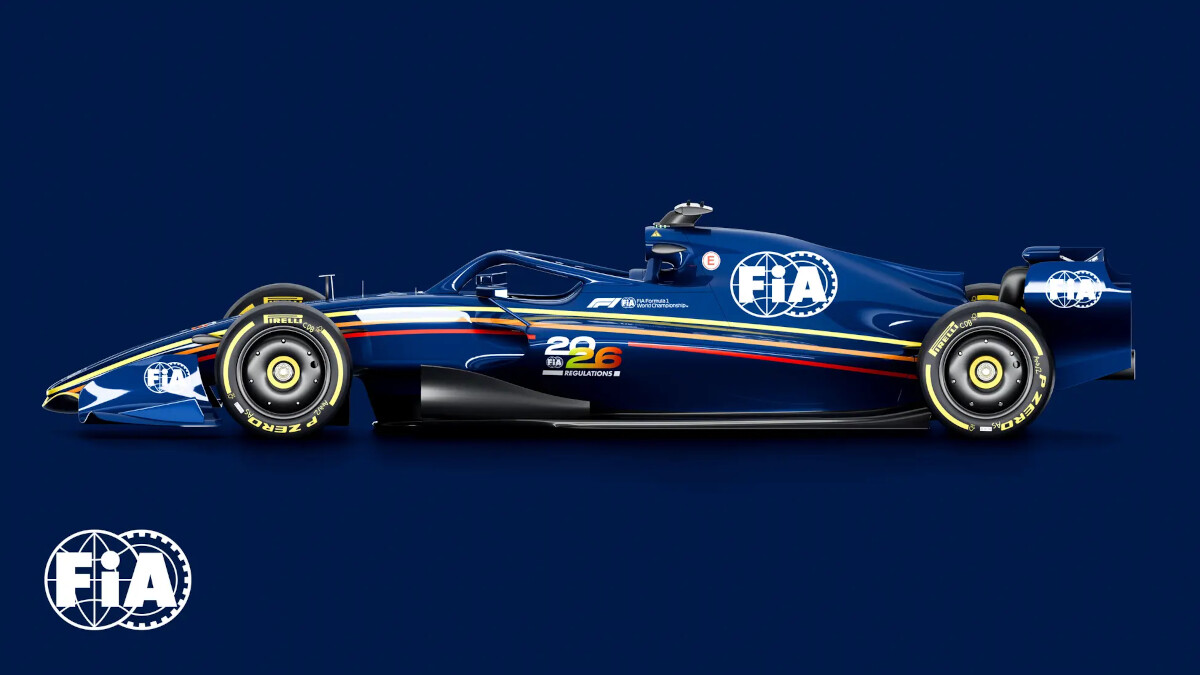
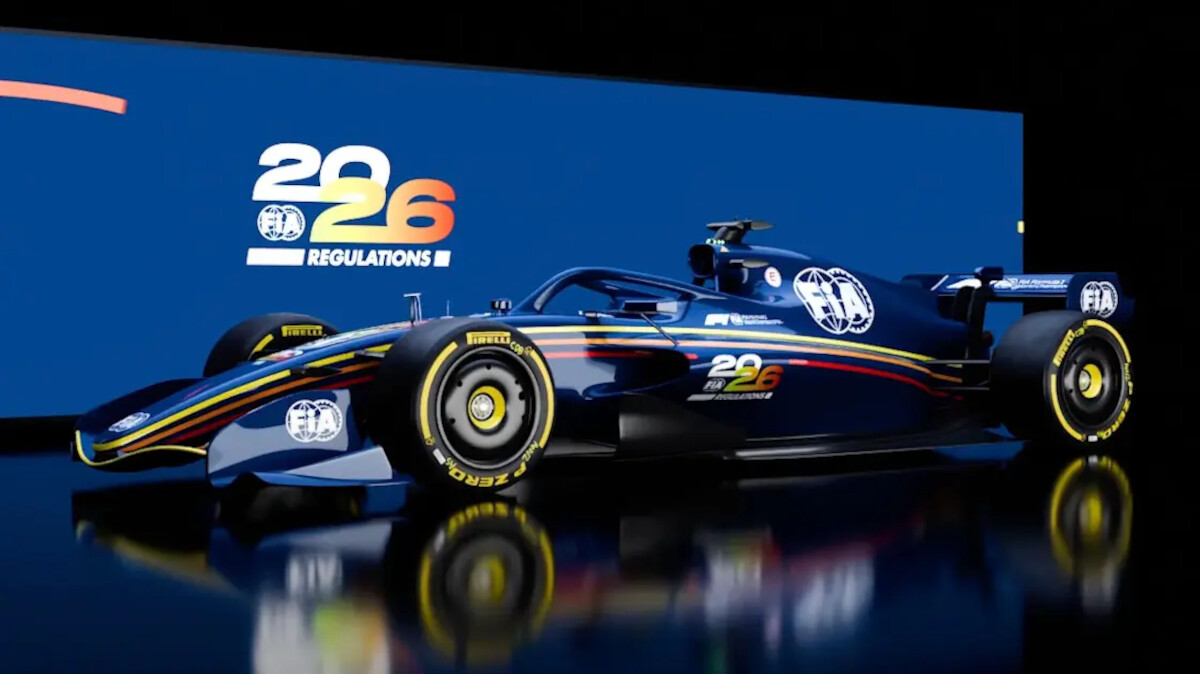
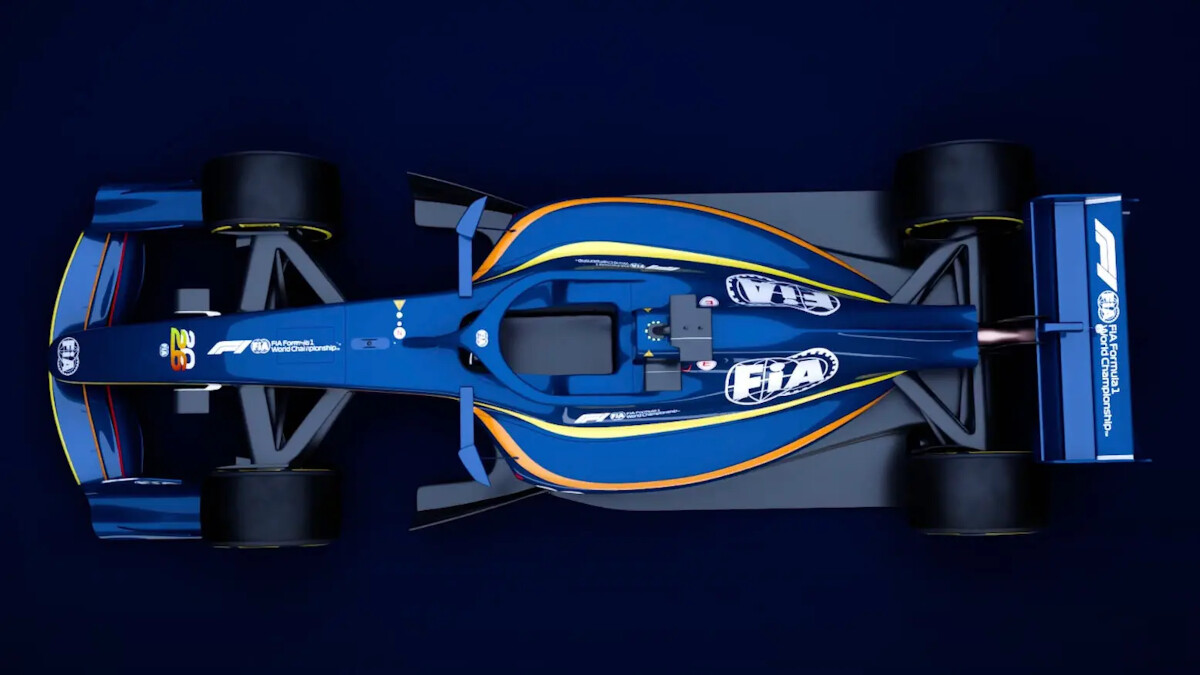
More images of the 2026 Formula 1 car previewed by the FIA:
NOTE: This article first appeared on TopGear.com. Minor edits have been made.