This season sees one of the biggest overhauls of rules and regulations in Formula 1 history. Here’s what changed.
Engines
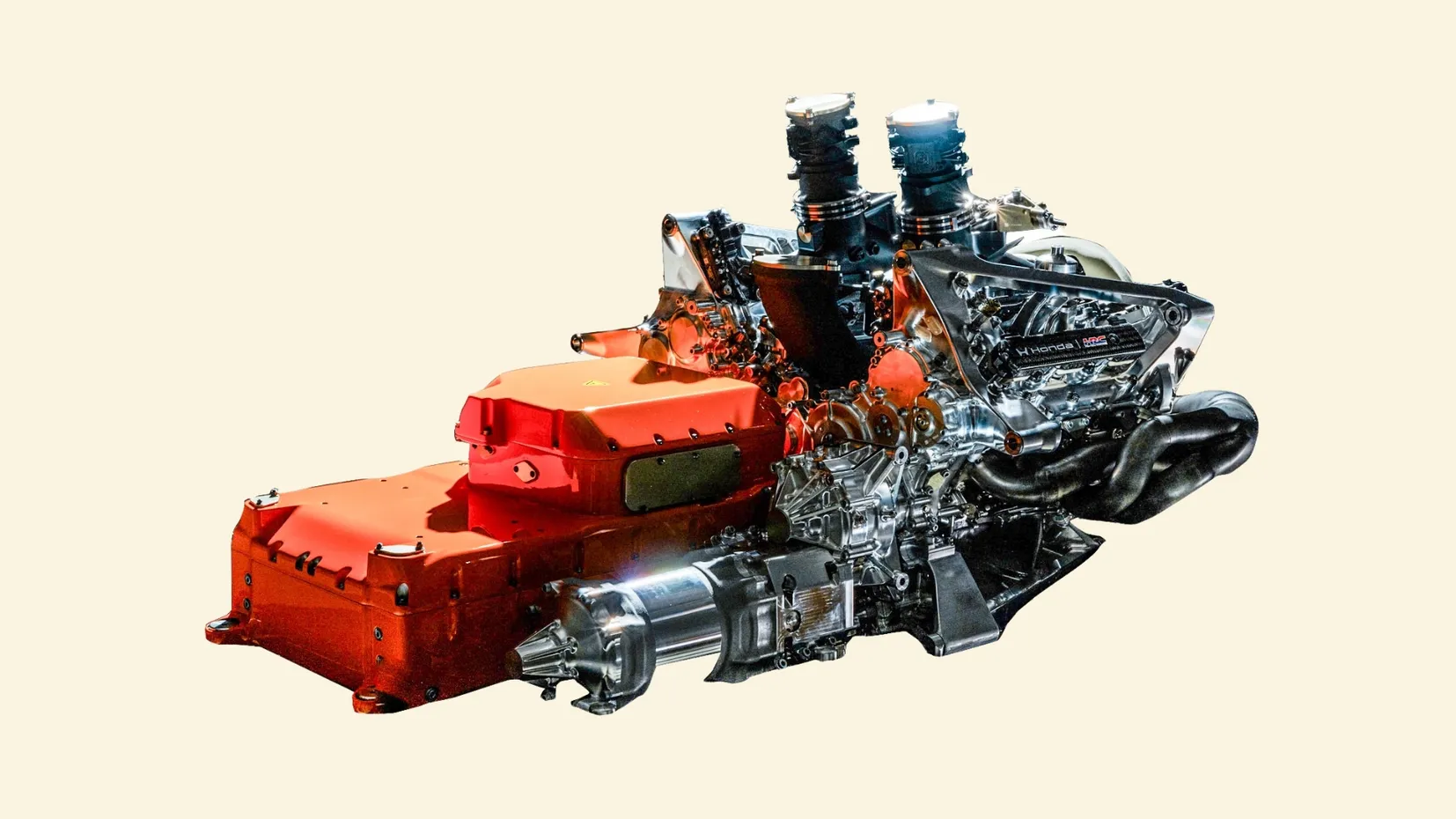
After 12 long years, it’s goodbye to 1.6-liter V6 hybrids and hello...1.6-liter V6 hybrids. Now with vastly more e-power.
That said, the complex and expensive MGU-H—the bit that generated electricity from the turbo—has been banished to the Phantom Zone. Eh? Not road-relevant enough for newbies like Audi, apparently. So instead, the power of the MGU-K—the motor-generator on the rear axle—has been tripled to 350kW, with the ICE chipping in another 400kW for a total of about 1,000hp combined. That’s a massive shift toward electric motivation, so expect “lift and coast” to make an inglorious return to team radios as drivers scramble to keep the battery fed like a needy Tamagotchi.
Scared of 2014 repeating itself with one team on another planet? F1 has thought of that. The engines will be homologated before the start of the season, and those with a performance deficit of more than 2% to the frontrunners will be allowed a mid-season upgrade; anyone 4% behind gets two bites at the cherry to catch up.
Fuel
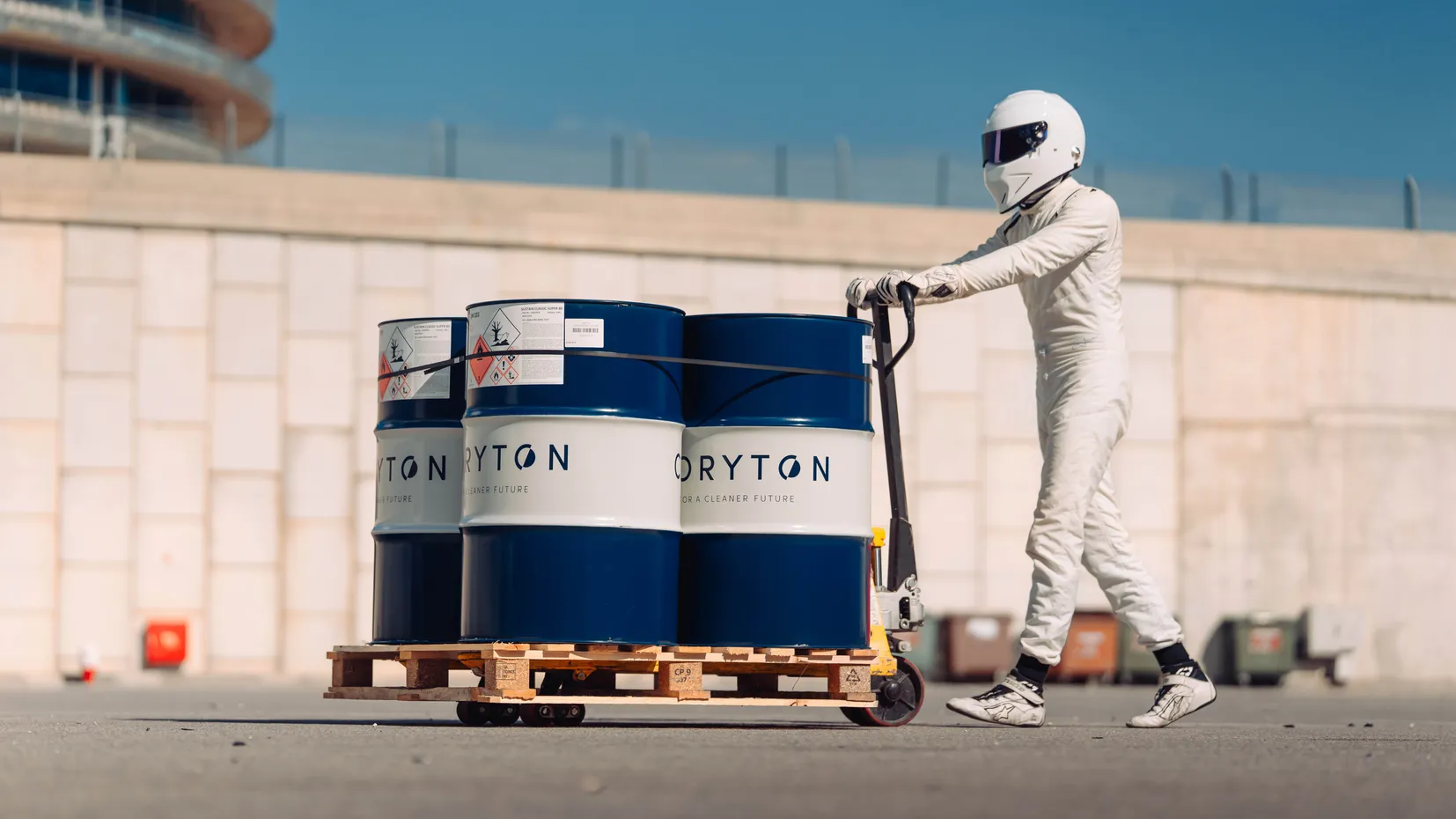
With a big net-zero target looming for the sport in 2030, F1 is switching from an E10 mix to sustainable fuels, synthesized Tony Stark-style from carbon capture, non-food biomass, and municipal waste. That’s right—the contents of your bin could end up in Lando’s tank. Possibly. It’s been trialed in F2 and F3 and nothing exploded, so...you might never notice. But every engine has its own dedicated supplier, so a development war will wage silently in the background.
OTHER STORIES YOU MIGHT HAVE MISSED:
The US-built Honda Passport and the China-made Insight will debut in Japan
The Nissan X-Trail turns 25 this year with eight million units sold
Active aero
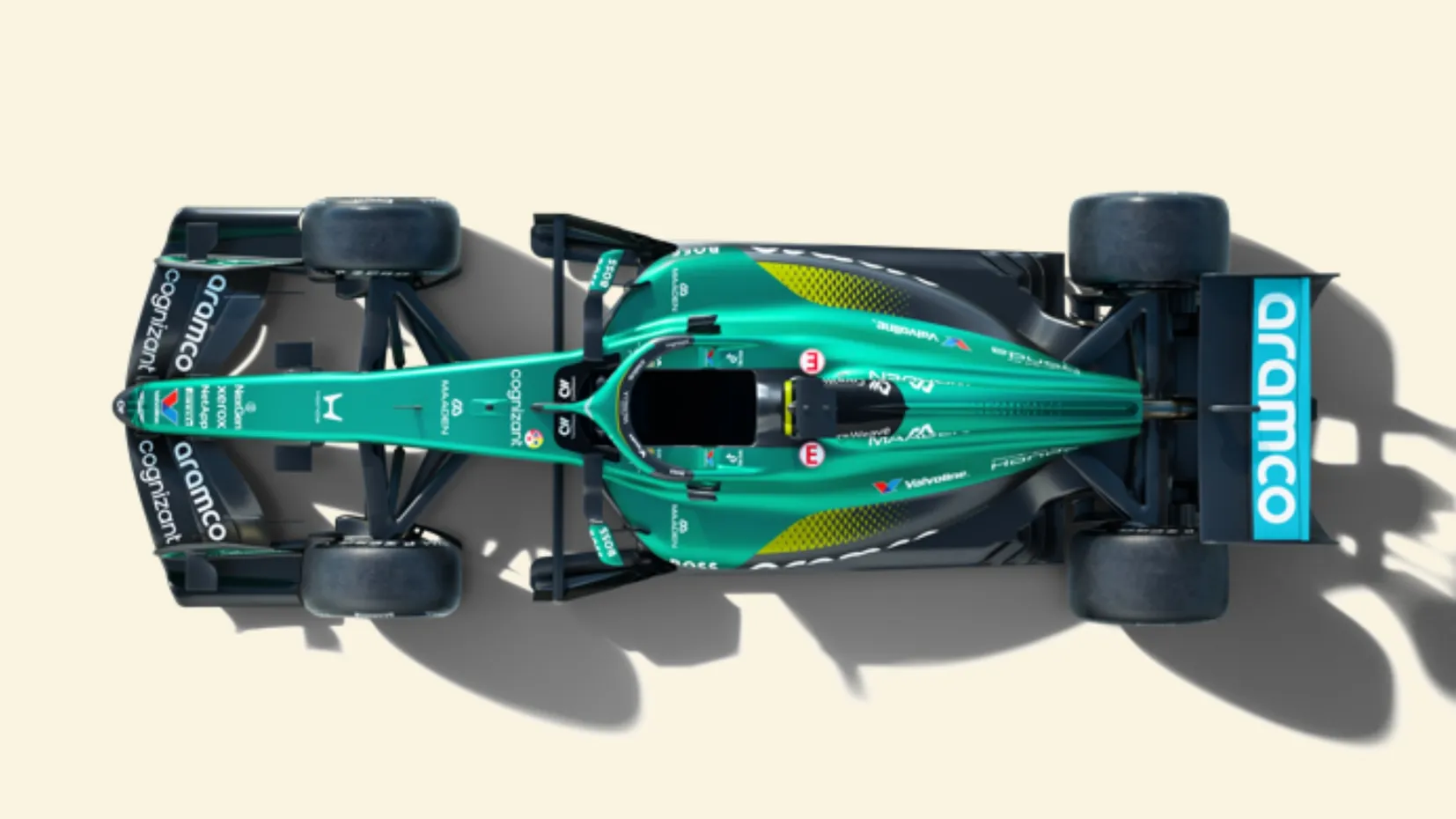
The drag reduction system survives, but not as an overtaking gizmo. Drivers will use it on designated straights every single lap, without needing to be less than a second behind someone else. And the front wing is on B&Q hinges as well, now—partly to trim out even more drag, partly to stop surprise tankslappers as rear grip disappears.
Both elements will drop down into Straight Mode at the push of a button and automatically pop back up into Corner Mode for maximum downforce. Clever, right? The new engines demand it—lower drag equals higher speeds equals bigger braking zones equals more energy recovery. Simple.
Bodywork
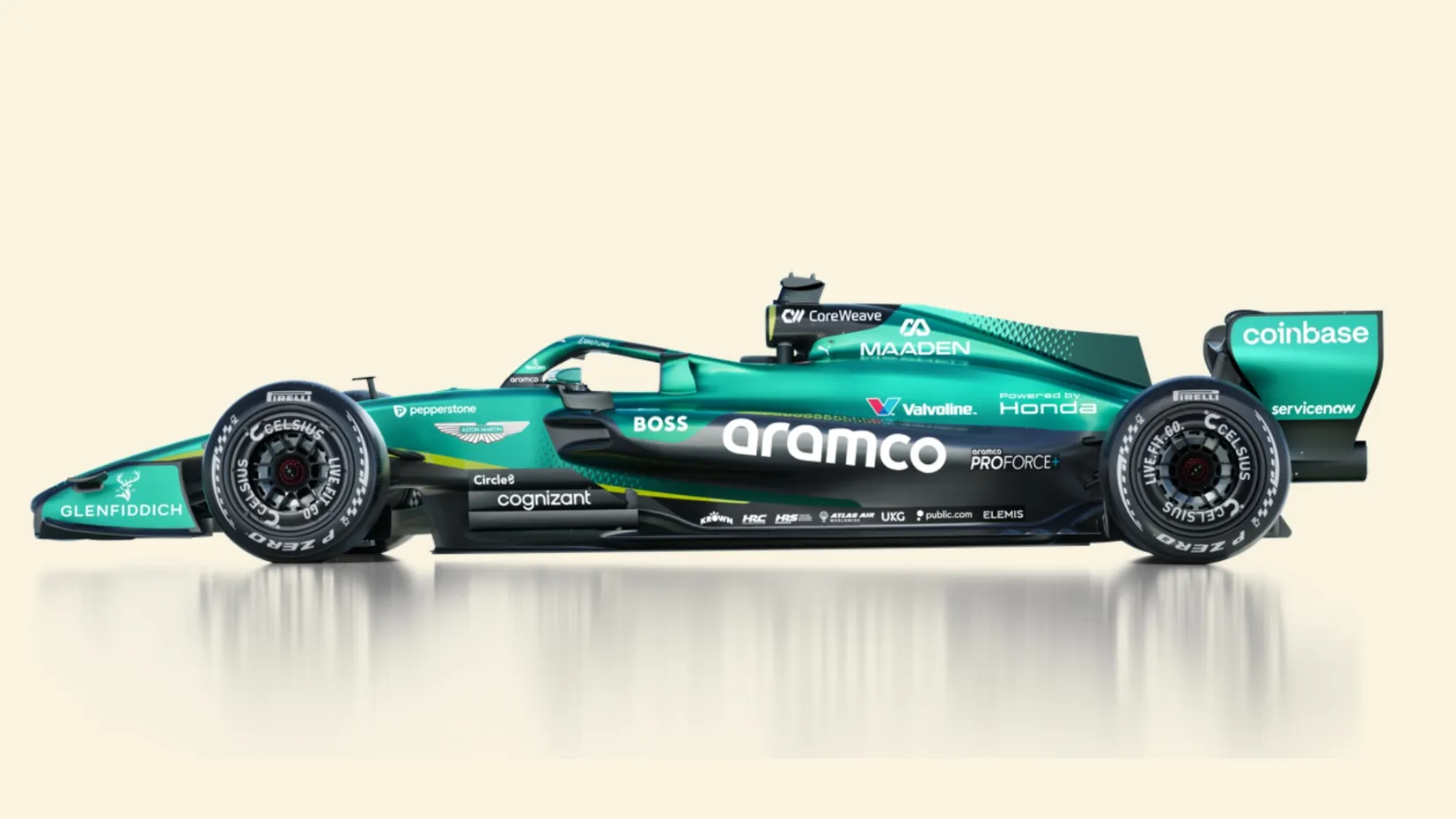
As well as narrower, simpler front wings (only the endplates need a PhD to understand), other measures to limit outwashing—the dirty air that ruins nose-to-gearbox racing—include no more front wheel winglets and a fond farewell to rear beam wings beneath the exhaust. Oh, and bargeboards are back, baby!
Tires
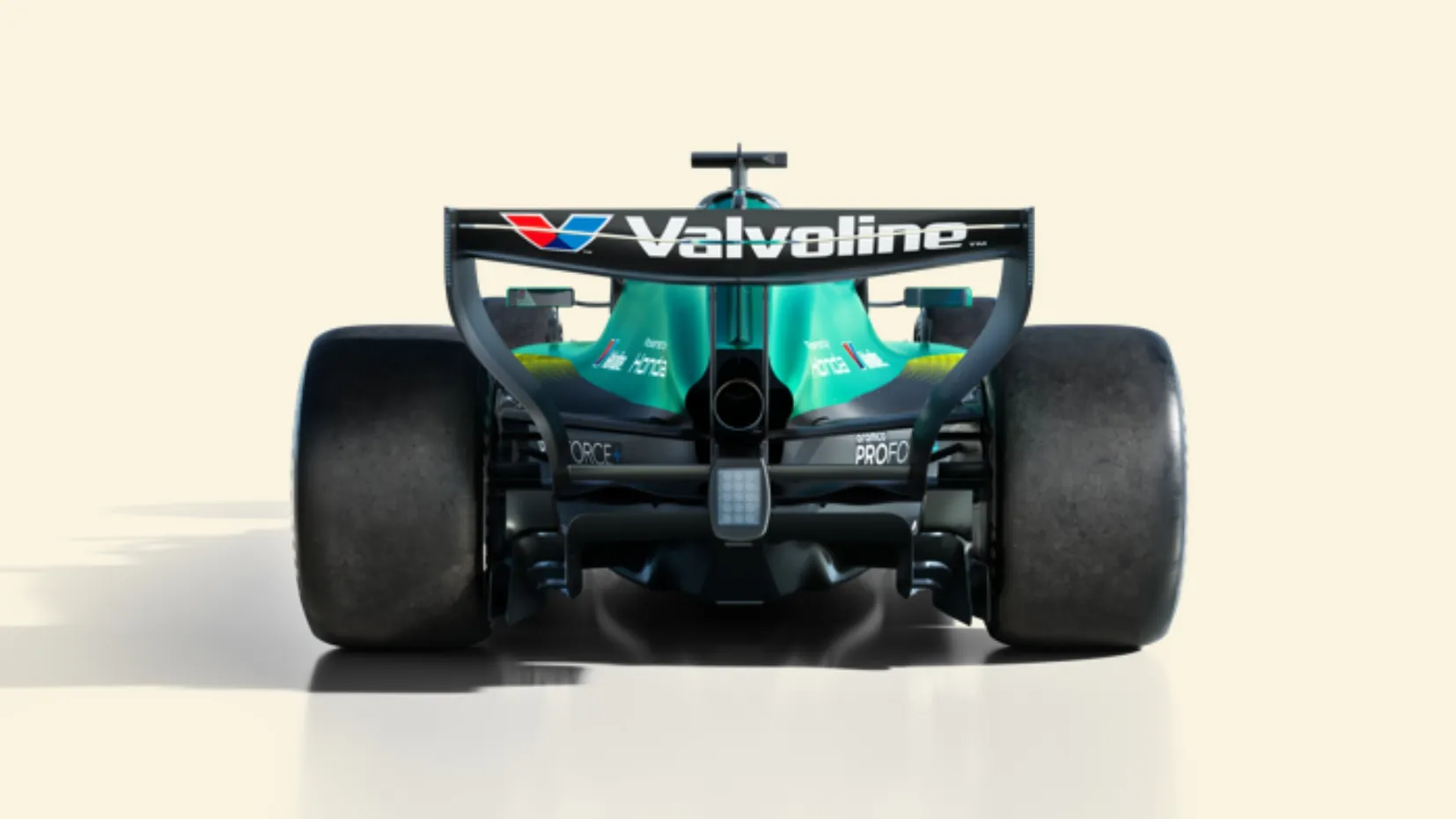
Hoping thermal deg will be a thing of the past? Bad luck, Pirelli is still here. The tires have evolved, though—still 18-inchers, but 25mm and 30mm narrower at the front and back, respectively, to reduce drag and save weight. Good news for pit crews who aren’t gym bunnies.
Underfloor aero
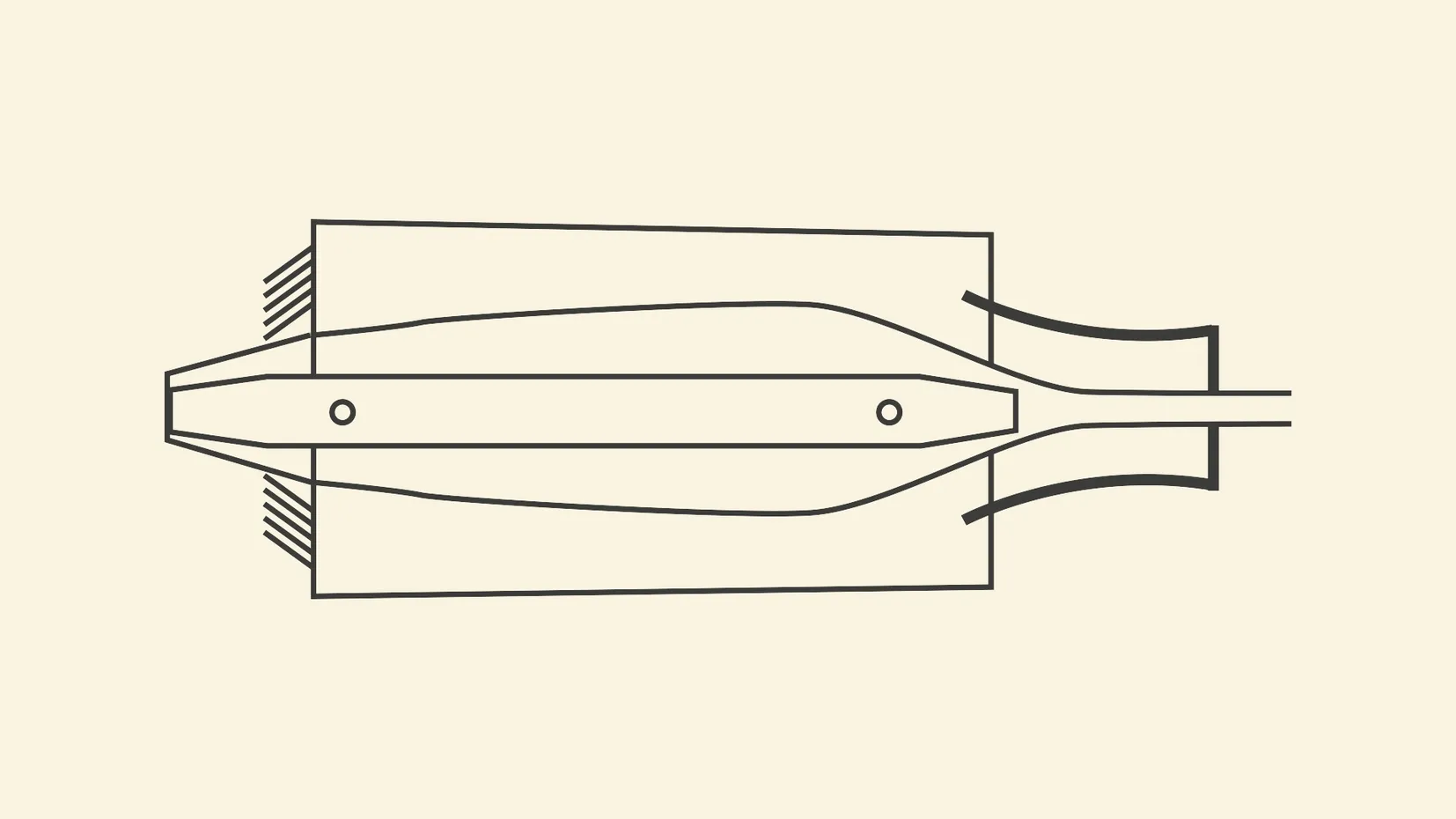
Remember when ground effect was hailed as the magic fix for overtaking? Well, that aged like full-fat milk. So, F1 is going back to flat, step-plane floors with extended diffusers that don’t have to run flush to the track, to, you know, work. Downforce will fall significantly, as will Lewis’ deep-tissue massage bills.
Dimensions and weight
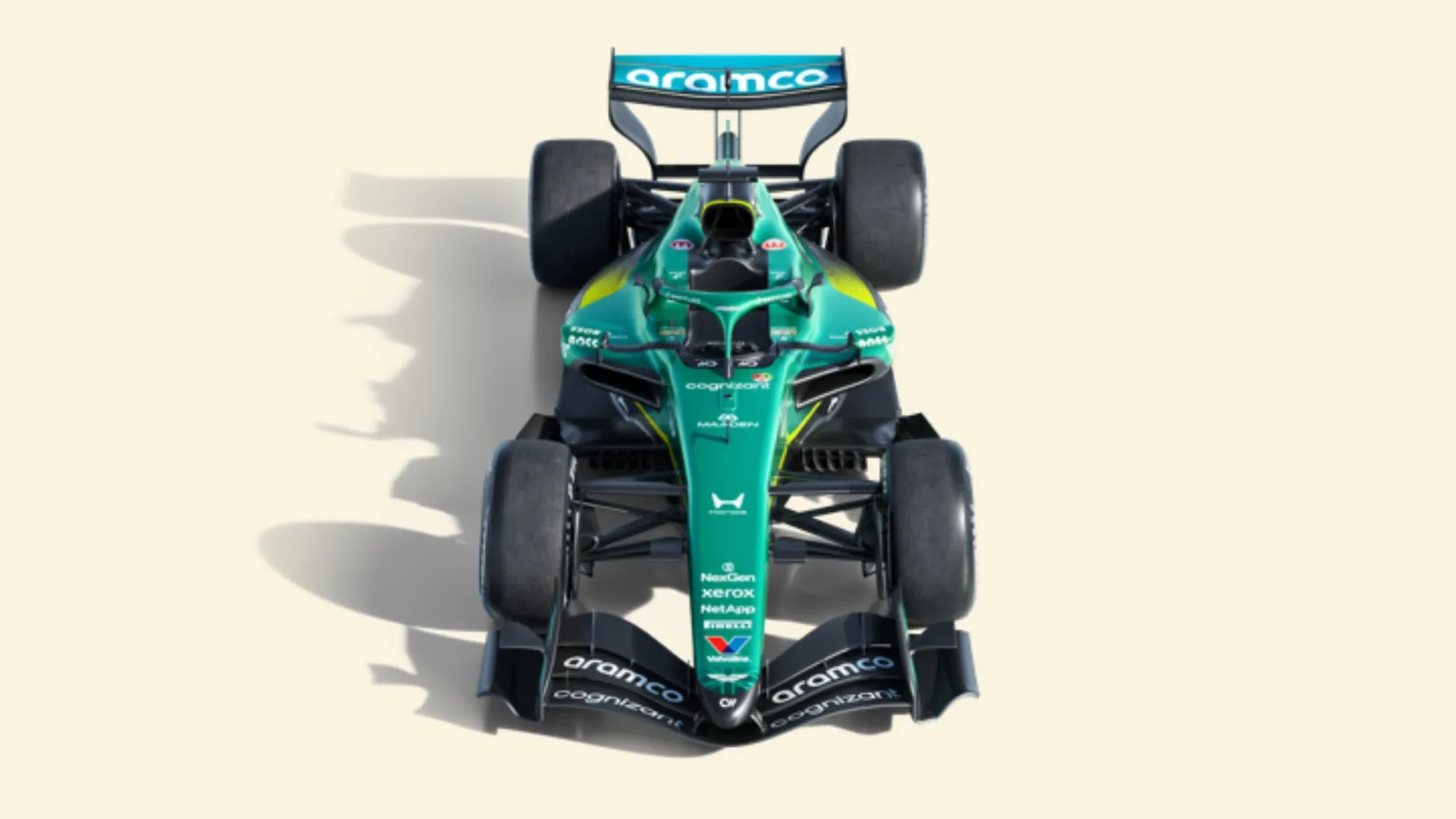
Hooray! F1 cars are getting smaller and lighter! Not nearly enough to appease the Internet, but then nothing would. As well as being shorter, the width falls by 100mm to 1,900mm, while the wheelbase shrinks by 200mm to 3,400mm. Oh, and the minimum car weight sheds 30kg to a slight and lithe 768kg. TL;DR, this year’s cars should be way more nimble and quite the handful. Good.
Safety
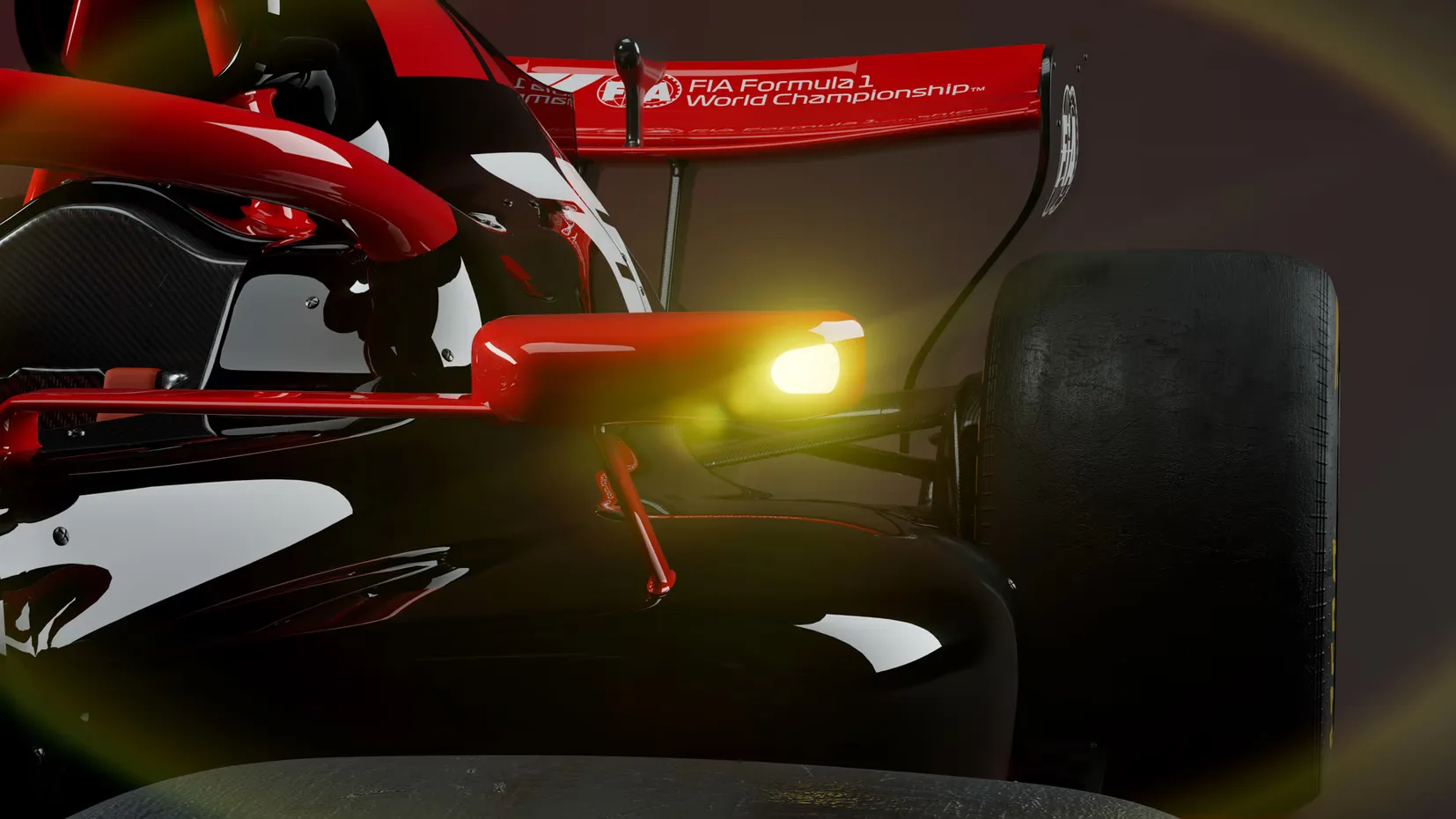
The carbon-fiber survival shell around the driver has been toughened up to resist side intrusion, and the roll hoop can now take 23% more load than before—up to 20g. That’s a lot of g. Meanwhile, the front impact structure has been redesigned to separate into two stages, so in big crashes, there’s more protection from a second impact. But you’re not listening, are you? Too busy ogling the new rain lights, thinking they’re indicators. Mirror, signal, maneuvre...into P1.
Boost and Overtake modes
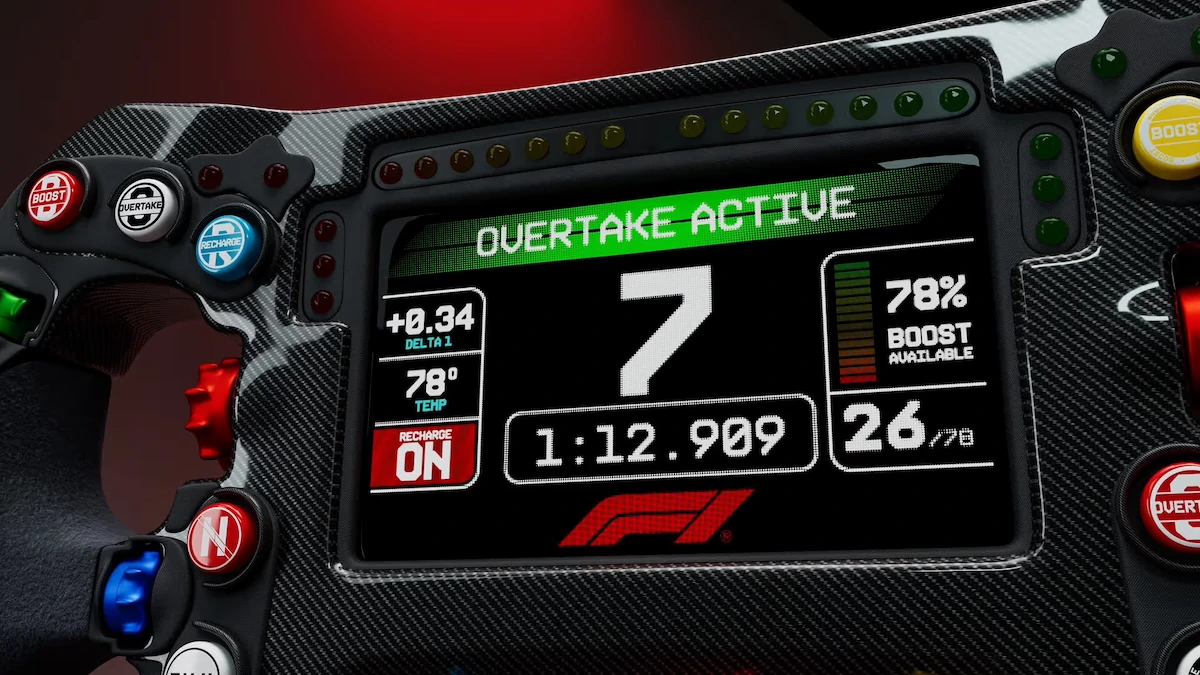
Like a bang average family car, F1 is now suddenly obsessed with driving modes. Ready?
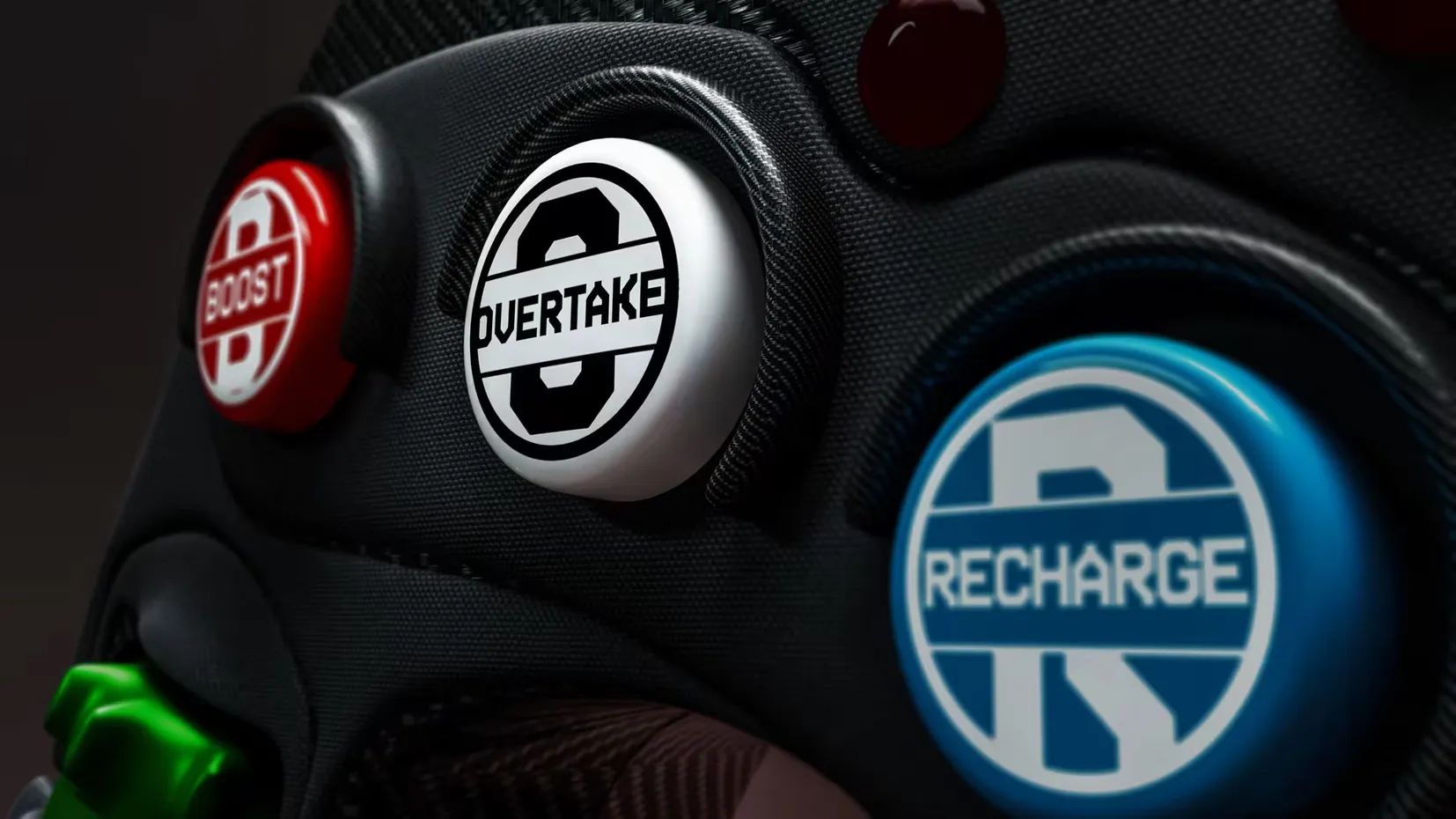
Available for defense or attack, Boost Mode is something the drivers had in their toolkit already...they’ll just be pressing it more often now they’ve got more electrons to deploy. And circuit-specific recharge modes will help them harvest those sparks as effectively as possible. Get ready for max revs mid-corner and other hybrid weirdness.
But the biggie is Overtake Mode, effectively F1’s replacement for the DRS. Drivers within a second of the car ahead at a single detection point will get an extra 0.5MJ of recharge capacity to unleash on the following lap. Useful for an opportunistic lunge or to force a mistake that leads to a pass later on. The tactics could be fascinating. Or as predictable as ever. Only one way to find out...
NOTE: This article first appeared on TopGear.com. Minor edits have been made.