Bosch is a company that everyone knows, but not everyone really knows. Most of us identify them as the maker of spark plugs, wiper blades, and power tools. Car geeks probably know that Bosch makes the common rail diesel systems used in popular Toyota trucks. But that’s still just the tip of the iceberg.
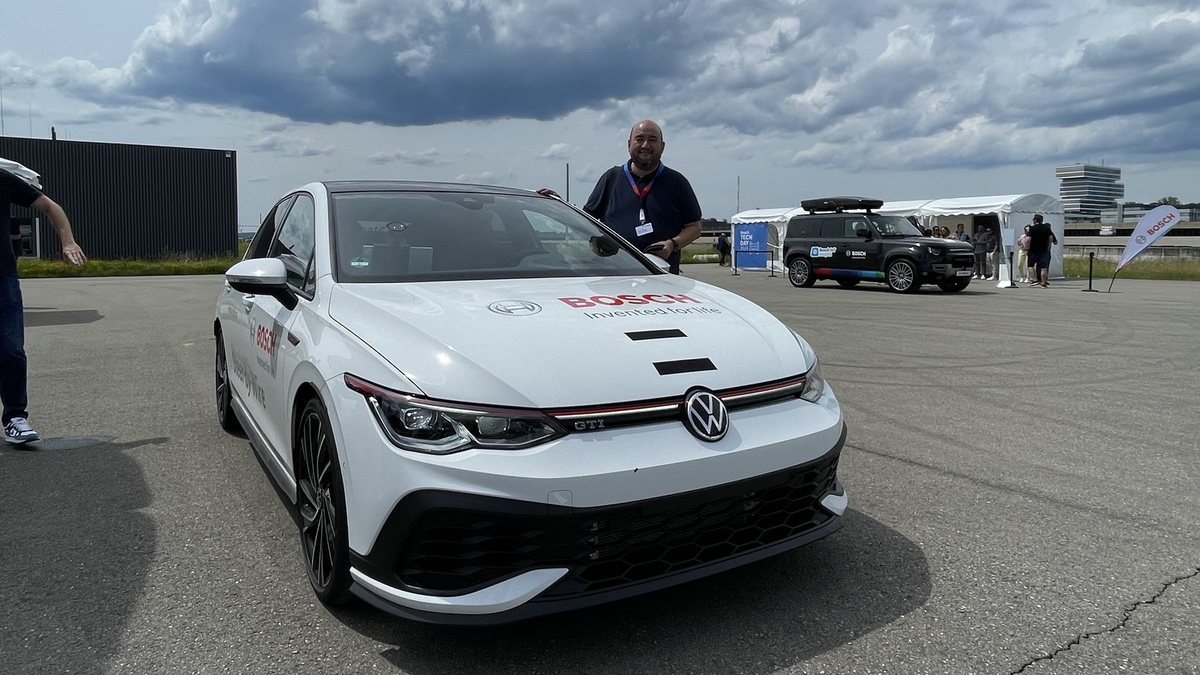
Bosch makes many of the systems used in current automobiles; it just doesn’t publicize everything it does. (And in many business cases, we learned that Bosch is bound by confidentiality agreements with its clients.) But we were in Germany recently to try out Bosch’s latest tech; systems we think can impact how we drive in the near future.
Here are the highlights from the event held in Stuttgart:
1) Brake-by-wire
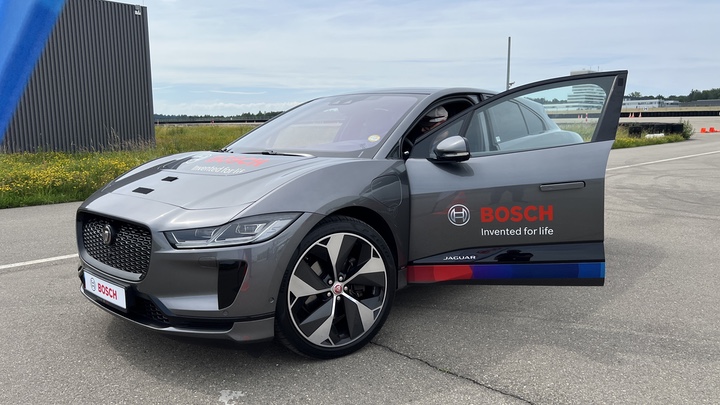
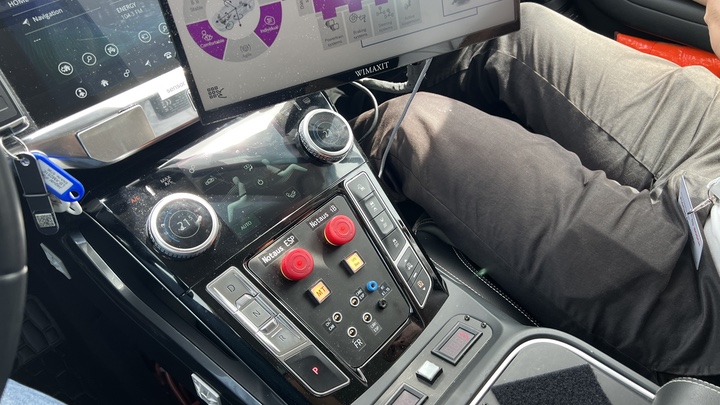
As the name suggests, this is a system developed by Bosch that removes the direct mechanical connection between the driver’s right foot and the brakes. Instead, an Electronic Stability Program (ESP) module and a by-wire brake actuator digitally transmit a braking request to each other via redundant signal lines. This is supposed to make the brake response more dynamic versus the traditional mechanical linkage.
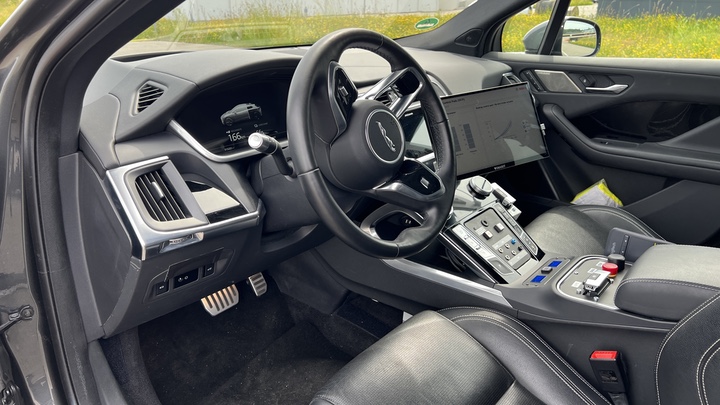
Of course the fear here is that the by-wire system relies on electric power to work. What if the battery fails and the power disappears? I asked Bosch about this scenario, and they said there is a backup battery separate from the main battery that can power the brakes, and this is a built-in redundancy.
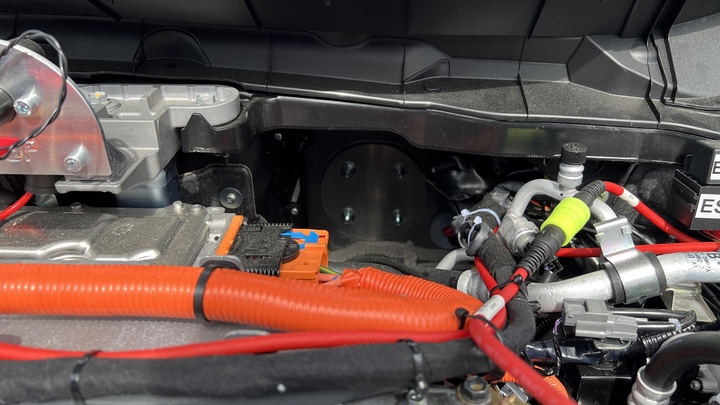
When I tried the brake-by-wire system it felt like normal brakes, albeit the pedal travel was shorter. But there was still that brake resistance ‘feel’ that lets the driver know the calipers have grabbed on.
2) Brake-to-zero
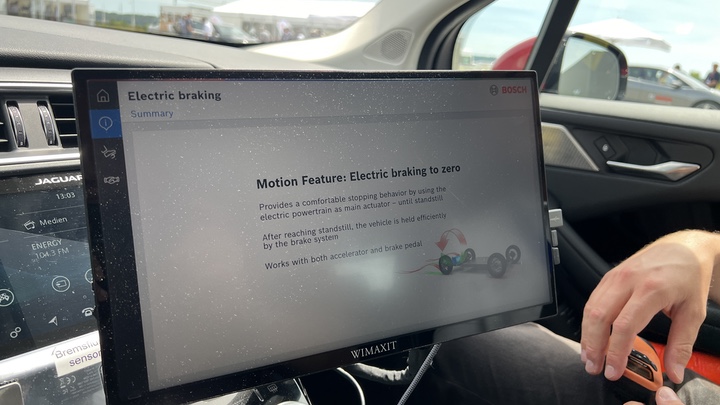
Many of us remember when we were first learning how to drive. We were taught to modulate the brakes so that the car came to a gradual and peaceful stop when we braked. The goal was to have that perfect stop without any excess inertia—no ‘lurch.’ But it was easier said than done.
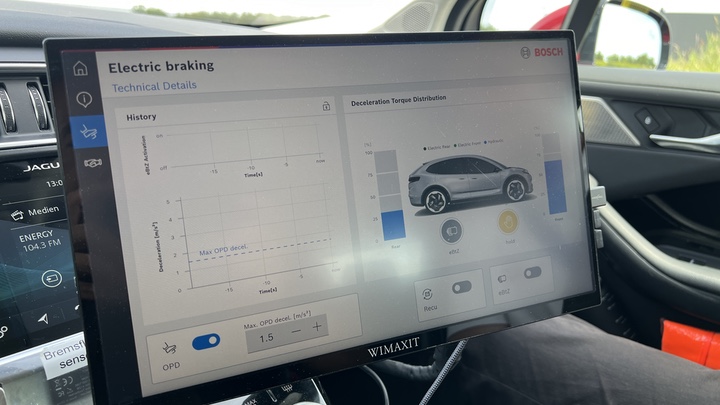
What Bosch has done is use the electric motor in EVs to stop the car—like engine braking but with an EV motor’s more controlled torque. Through the use of software, Bosch can program a car to stop without any lurch. Any. I didn’t believe it until I tried it myself. It felt like magic. Just brake and the EV motor and software will stop and eliminate any forward movement.
3) Steer-by-wire
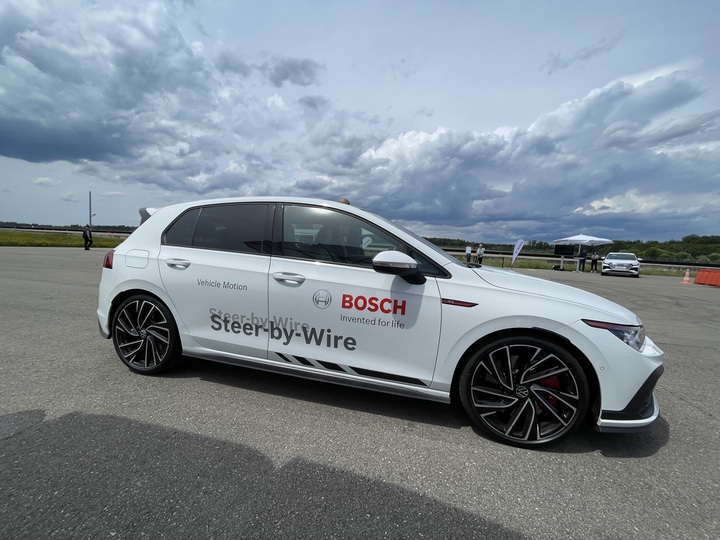
Again, as the name suggests, Bosch replaces the mechanical connection between the steering column and the steering gear with a steering-wheel actuator and a steering-rack actuator. The former receives a signal from the driver’s inputs and digitally transmits to the latter.
By removing the mechanical linkage, Bosch opens up many possibilities for improving driving behind the wheel. Driving feel can be altered, for example. Bad roads can be numbed, or ruts can be amplified to get more feedback—it all depends on what the manufacturer or client wants.
In the future, the lack of a mechanical link can even allow the steering wheel to be stowed when fully autonomous cars are deployed.
4) Data-based services
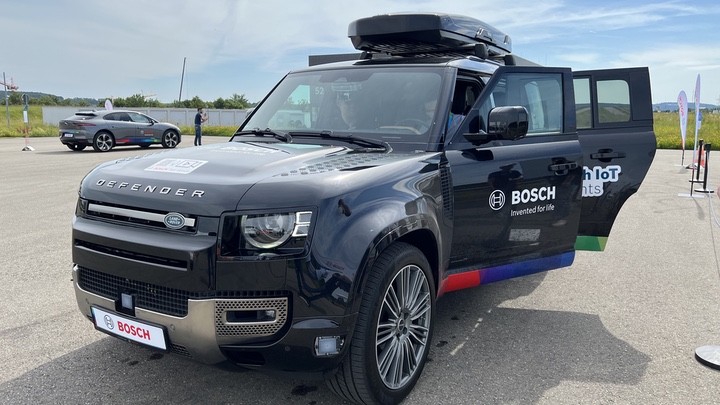
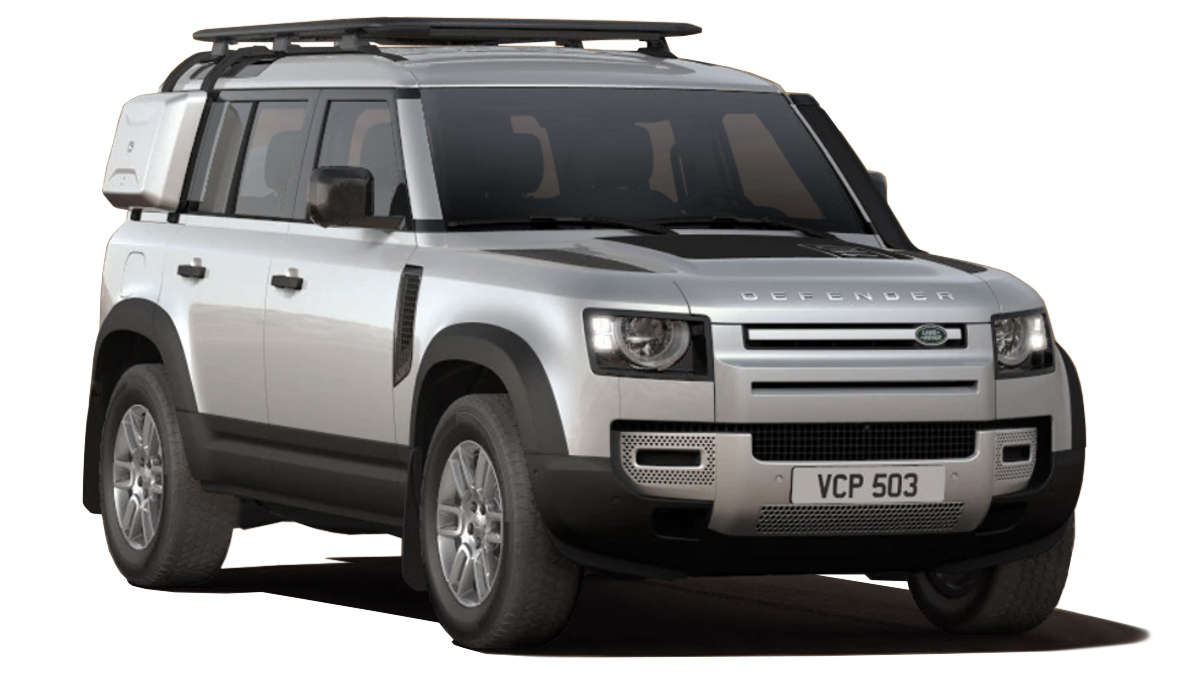
With this feature, a car ‘reads’ the road using Bosch sensors, and then collects data on what it covered during the drive. To demonstrate, Bosch let us drive a Land Rover Defender with the data-gathering system. On our test course there was an area with a simulated severe speed bump, and a surface that was made quite slippery.
When the Defender ran over the speed bump, the system remembered where it was on the map. Same with the slippery surface that effectively rendered half the Defender’s wheels friction-less. So the next time we drove the course, there was a notification that there was a bump and slide on our route.
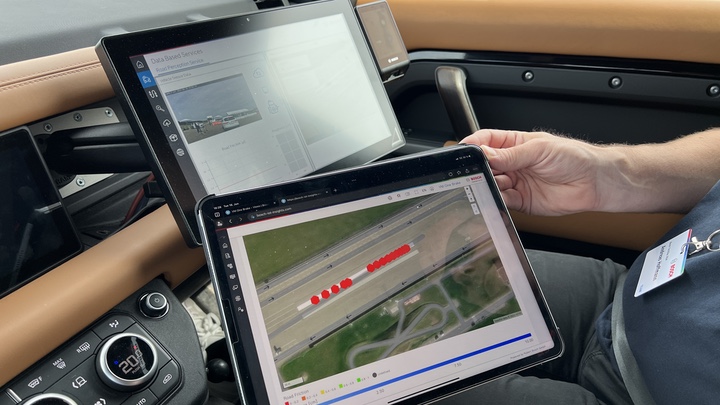
The idea is, all this data will be gathered from many vehicles, then uploaded to a cloud server. So now, when this information is merged with weather information, it will give other drivers warning of ice hazards, aquaplaning, bad speed bumps, and potholes.
Doesn’t Waze do this, some may ask? But the Bosch system passively works, with no input from humans. In the crowd-sourced navigation apps, a user has to actively input hazards and warnings. That’s a potential distraction. Bosch’s data-based service just collects precious information in the background.
5) Next-generation driver monitoring
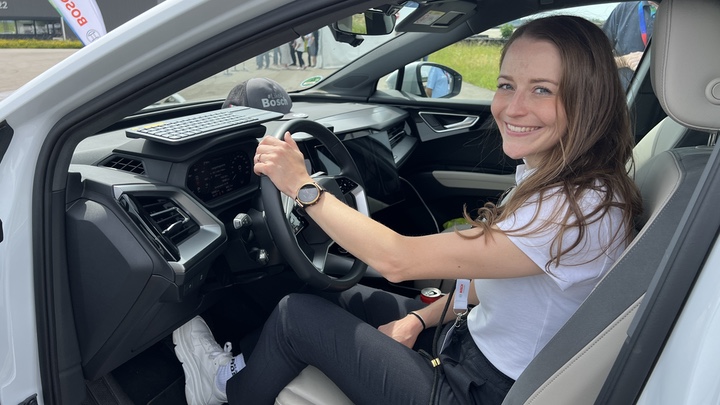
Some of us might be familiar with basic driver monitoring. In its most simple form, some cars warn the driver if they’re behind the steering wheel for so long, using basic sensing methods via tiller and accelerator movement. Slightly better systems, like the one in the current Mazda 3, use a sensor to actually look at the driver and his posture, then give recommendations.
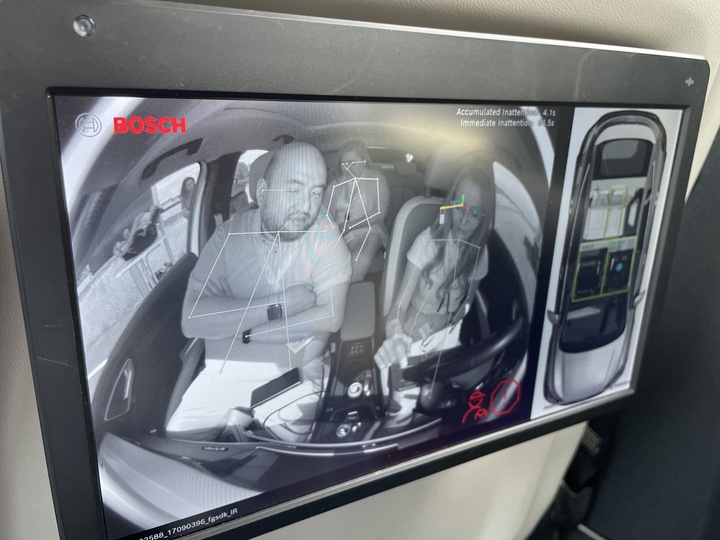
What Bosch demonstrated is a next-generation system that tracks eyes and objects. Called Interior Sensing Solutions, it can even identify objects like soda cans, cigarettes and other items that drivers usually hold. And it not only tracks eyes, it can monitor where the eyes are looking, as well as mouth movement.
Implemented properly, Interior Sensing Solutions can effectively mitigate the dire effects of driver fatigue and distraction. And from what Bosch told me, there is the potential for it to get even more powerful as computer chips become more capable.
Epilogue
Drive-by-wire, driver sensing, data-driven warnings—these are all great, but when can we put them in our cars? Well, I was not given an answer to this. You see, Bosch is an equipment supplier, and one that is signed with a lot of NDAs. So in most cases you can’t choose which car has a specific Bosch system.
The good news is, if you buy a top-spec car in the near future, chances are you’ll get one of these handy features. Because the question is not where Bosch can be found, it’s a question of what car doesn’t have a Bosch inside it. The German conglomerate supplies parts to practically all car brands and factories around the world—albeit in varying degrees of complexity.
In the end it’s good to know these intelligent features exist, and are proven to work. Any improvement that can improve the motoring experience, especially in hellish third-world markets like ours with bad roads and tiring motoring conditions, is very welcome.