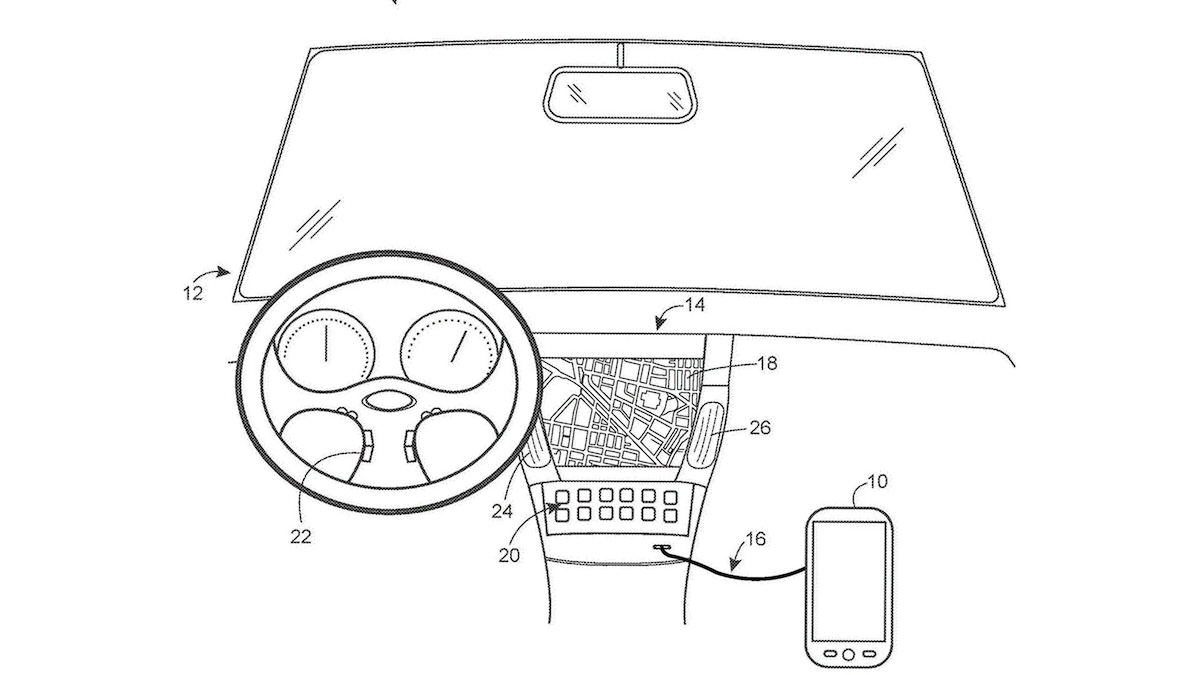
Would you follow the speed on your driver display or satnav if it promised to keep you moving and out of traffic jams? That’s the plan for future Google Maps updates.
Removing unnecessary bottlenecks is the tech behemoth’s latest proposal. The creator of Android Auto intends to introduce a guidance speed for the driver—it has published an application designed to avoid ‘ghost traffic jams.’ Those are the ones where someone in the middle or fast lane of the highway (or any road, really) slows down for no apparent reason, catalyzing a Mexican wave of brake lights and causing a concertina of cars. We’ve all been there.
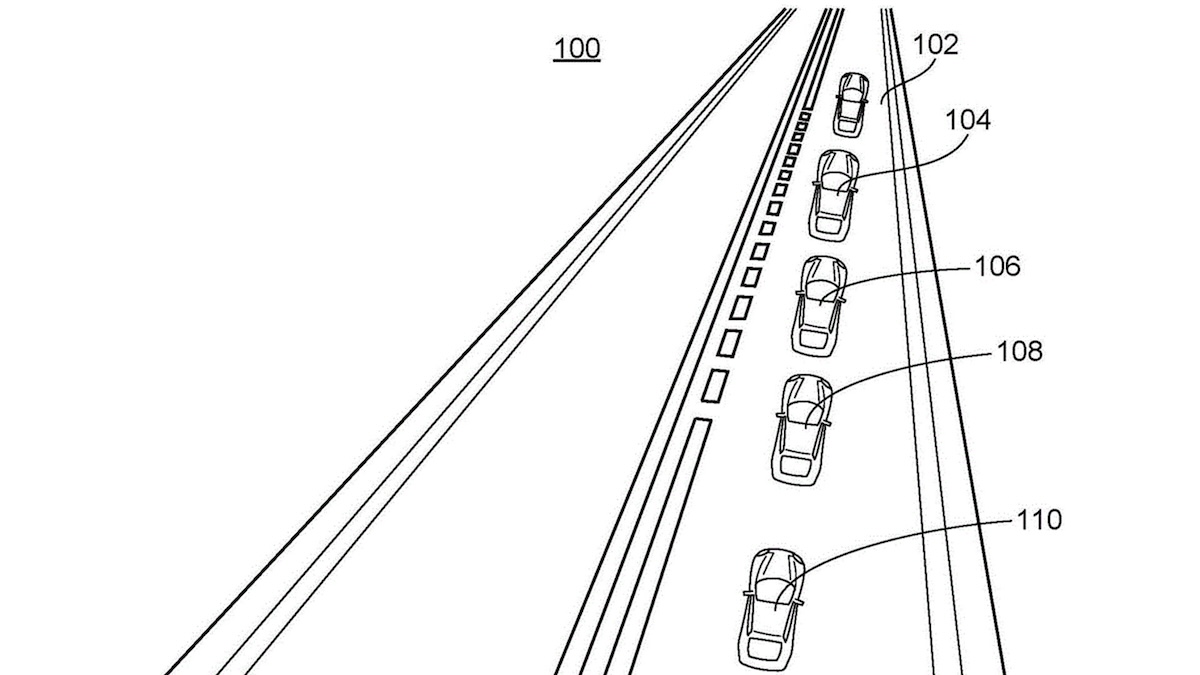
When the algorithms monitoring Android-enabled cars and devices detect an en-masse slowdown, Google Maps thinks it’s a traffic jam. After all, that’s what the algorithm has been designed to do. But it’s not a real traffic jam. In Google’s diplomatic language, it’s a ‘phantom’ or ‘ghost’ traffic jam. You’ll no doubt have your own colorful vocabulary to describe the same thing.
OTHER STORIES YOU MIGHT HAVE MISSED:
Surprise! The Hyundai Elantra N will mark the N brand’s PH debut at MIAS 2024
There’s a certain elegance to the Ferrari Roma Spider that feels unmatched
Google hopes that by calculating the speed of the first car, then disseminating a target speed to the cars behind using a visual display, the traffic can both maintain a safer distance and keep moving. The paper proposes that a color-coded system can be used to quickly message to the driver to slow down or speed up, or maintain speed.
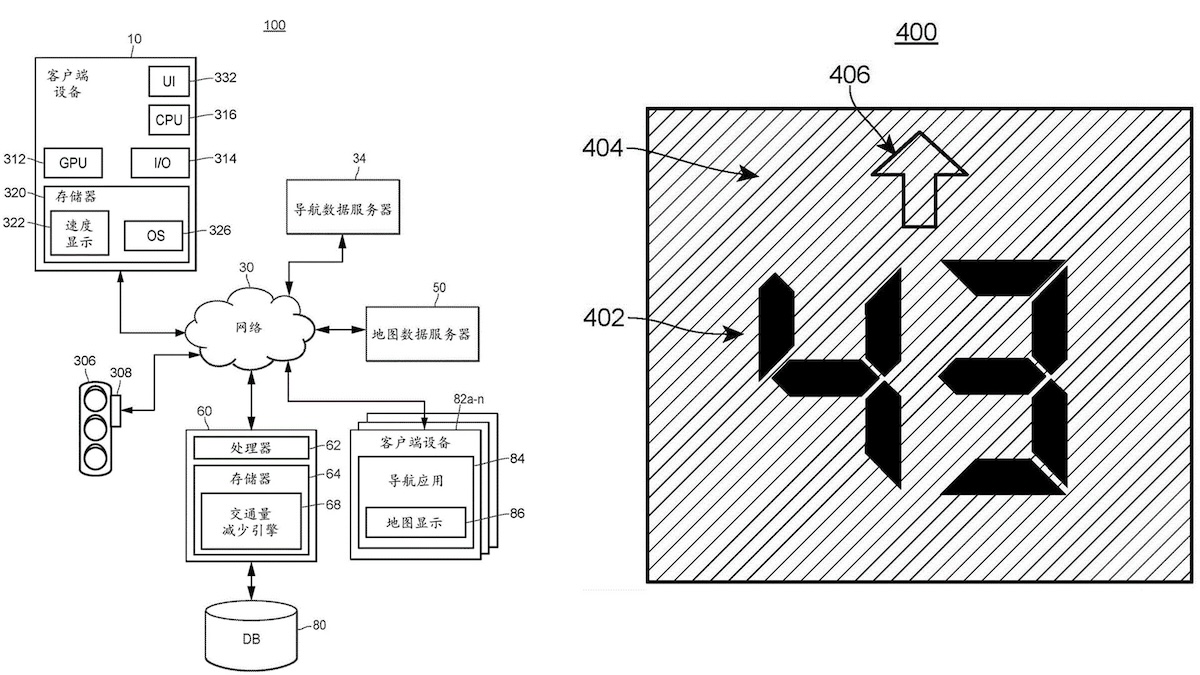
Neil Dhillon and Tanmay Wadhwa, the inventors working on this solution, said: “By the time each vehicle on the roadway reduces speed and waits for the vehicle in front to speed up, this process may repeat itself. In this manner, one vehicle that slows down too rapidly on a densely populated roadway can create a half-hour, an hour, or even hours of traffic.”
The manual way us lowly humans are managing clearly has varying degrees of success. Dhillon and Wadhwa suggest that in time, this solution will be also helpful when self-driving cars make it onto the road. To geek out on the full patent, you can read more here.
NOTE: This article first appeared on TopGear.com. Minor edits have been made.