Gemini, Google’s generative artificial intelligence chatbot, will be extending its reach to Google Maps, Waze, and Google Earth in nearby updates.
These updates will add new features that will make using Google’s navigation suite more natural and seamless in day-to-day life for drivers. While many of these new features are currently in beta testing with several groups around the world, others are set to release before the end of 2024.
OTHER STORIES YOU MIGHT HAVE MISSED:
Hyundai previews the new Ioniq 9 ahead of its November 2024 release
The Xiaomi SU7 Ultra can reach 0-100kph in 1.98 seconds, and hit 350kph
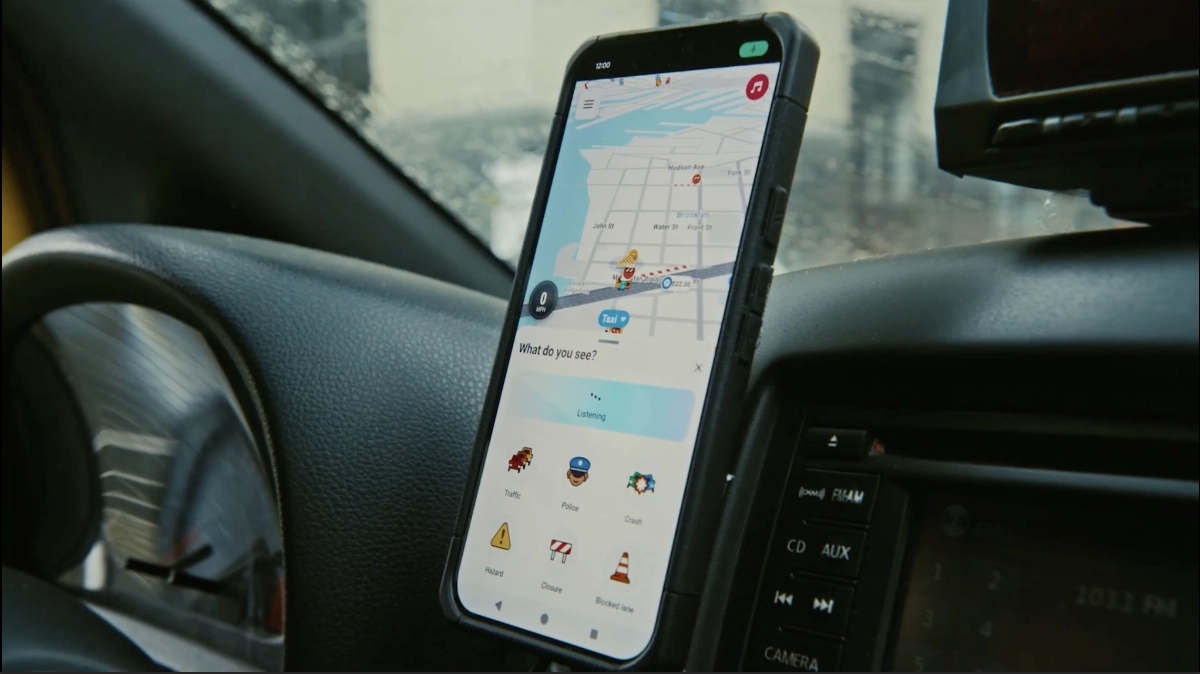
With the help of Gemini, Waze will be integrating ‘Conversational Reporting,’ to make reporting obstructions safer and easier for drivers. This new feature will allow drivers to report traffic, construction, potholes, and other incidents by speaking naturally to Waze—as if talking to a person who is in the car with you.
After tapping a button and speaking normally (as if in conversation), Waze will file a report about what the driver sees in real-time. It may even ask follow-up questions in case it needs more information to categorize or define, the obstruction or the heaviness of traffic. This feature is currently in its testing phase for English speakers, and Google plans to expand the tests to more languages in the coming months.
Waze will also be adding school zones on its map to remind drivers to be even more alert when driving around schools. This addition will be live on Waze before the end of the year.
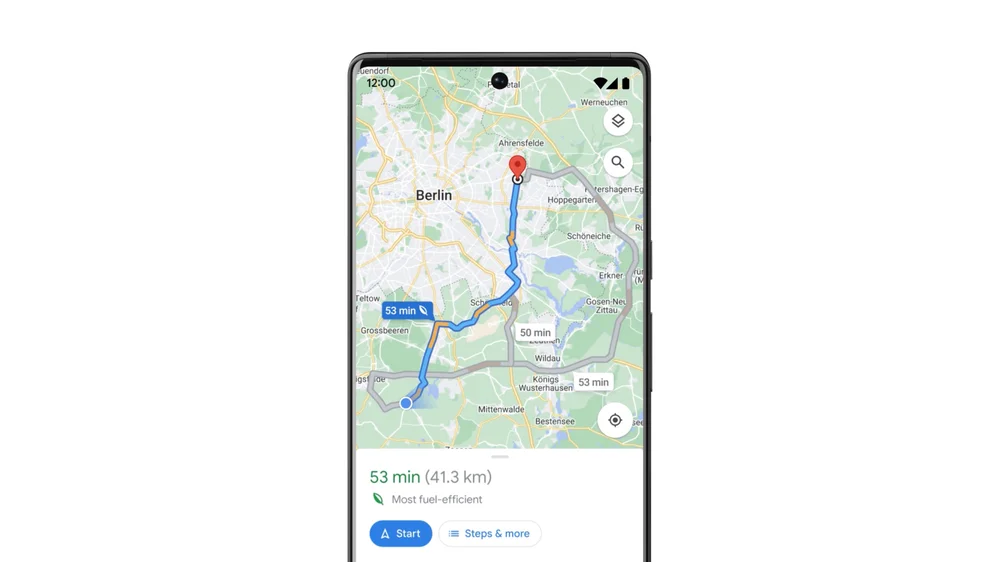
The biggest updates will definitely be hitting Google Maps, which now boasts an average monthly user base of over two billion. Gemini’s first collaboration with Google Maps added fuel-efficient routes that helps drivers in the United States, Canada, and Europe find the most cost-effective and eco-friendly ways to get around their towns.
The further integration of AI on Google Maps should also help make the actual maps more defined and detailed, giving drivers a clearer idea of what roads and streets they will be driving on. This includes the addition of street signs, crosswalks, and lane suggestions. Google Maps will also be adding a feature that will allow drivers to add multiple stops between their starting point and destination.
Speaking of more defined and detailed roads, weather disruption reports will now be added on Google Maps routes. This will be especially helpful in marking flooded roads, and routes with low-visibility due to fog, rain, and other weather conditions.
These features go hand in hand with Immersive View, a map that allows travelers to see what their destinations could look like in different seasons, weather conditions, and times in the day. Using generative AI and augmented reality (AR), Google Maps will also be able to give out walking directions from a parked car to the entrance of a venue.
Other features include, more personally curated suggestions when it comes to finding restaurants and other spots on Google Maps. With Gemini, users can ask questions about ambiance, parking availability and other details about potential destinations.

There is no word yet on when these AI additions are coming to the Philippines. Google is currently rolling them out in other urban areas in different parts of the world.
Finally, Gemini will also be further integrated on Google Earth to help businesses develop systems and software to uplift their service and products. Across Google Maps and Google Earth, there are 250 million places that are consistently updated with new information. This data bank can be extensively helpful to small business owners and large corporations.
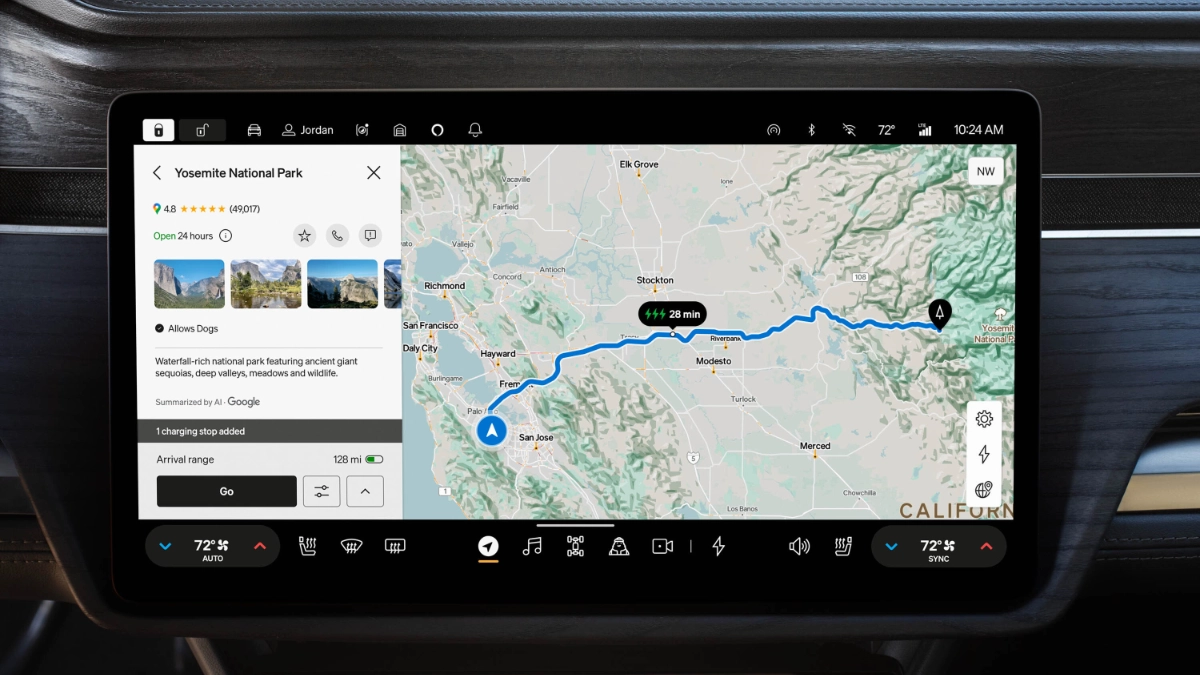
American EV maker Rivian will be using Gemini in its infotainment units to display AI summaries of places and destinations.
While Google continues to test and implement these new features and AI capabilities all across the world, we hope that these new additions reach the Philippines soon.