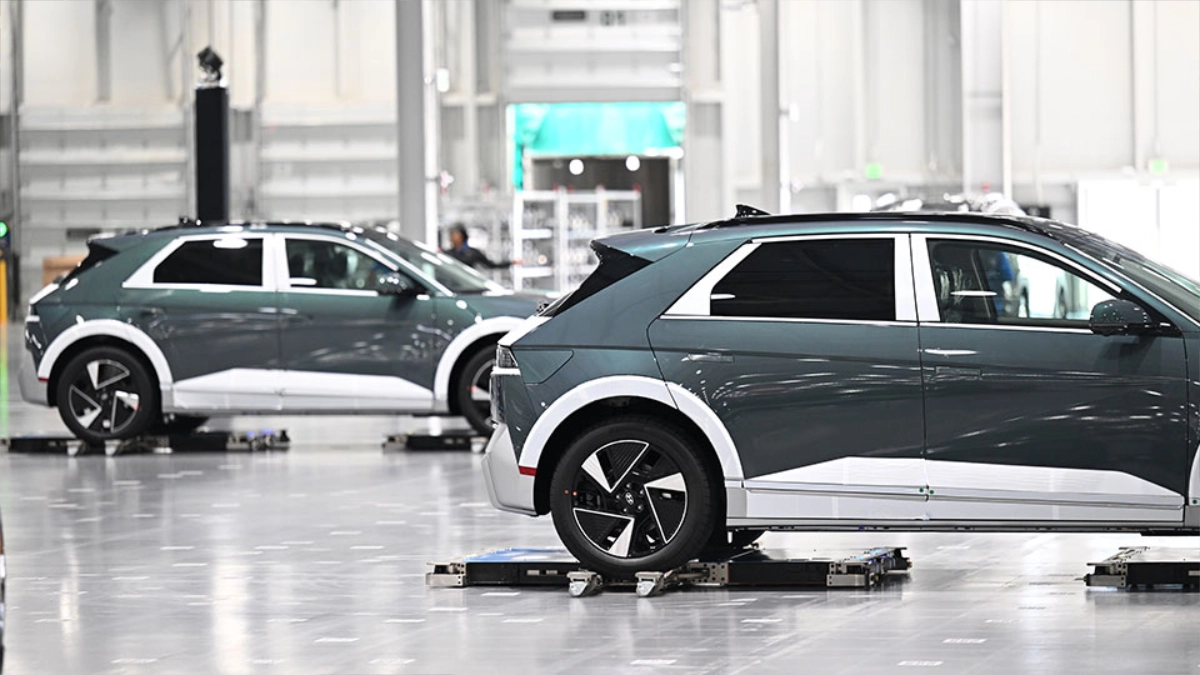

Did you ever think you would see a robot valet park your car? You soon might. Hyundai Motor Group, through a consortium formed by Hyundai Motor, Hyundai WIA, and Hyundai E&C, announced that it will commence its demonstration project for its parking robots at an apartment complex in Siheung, Gyeonggi-do, South Korea.
The project aims to verify a solution to address parking space shortages and safety issues in multi-unit residential complexes. As vehicle ownership in Korea rises, parking demand during peak hours has led to problems such as congestion, more vehicles idling, wasted time circling the lot for an available parking space, and a higher risk of accidents from vehicles mixing with pedestrian traffic.
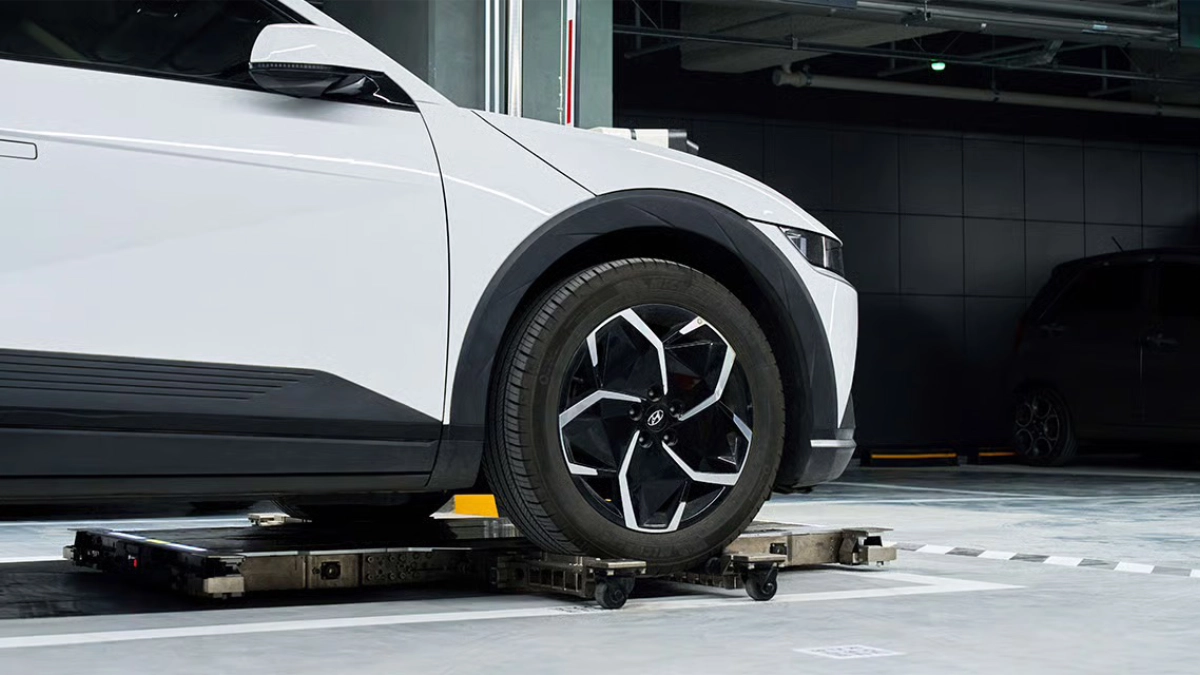
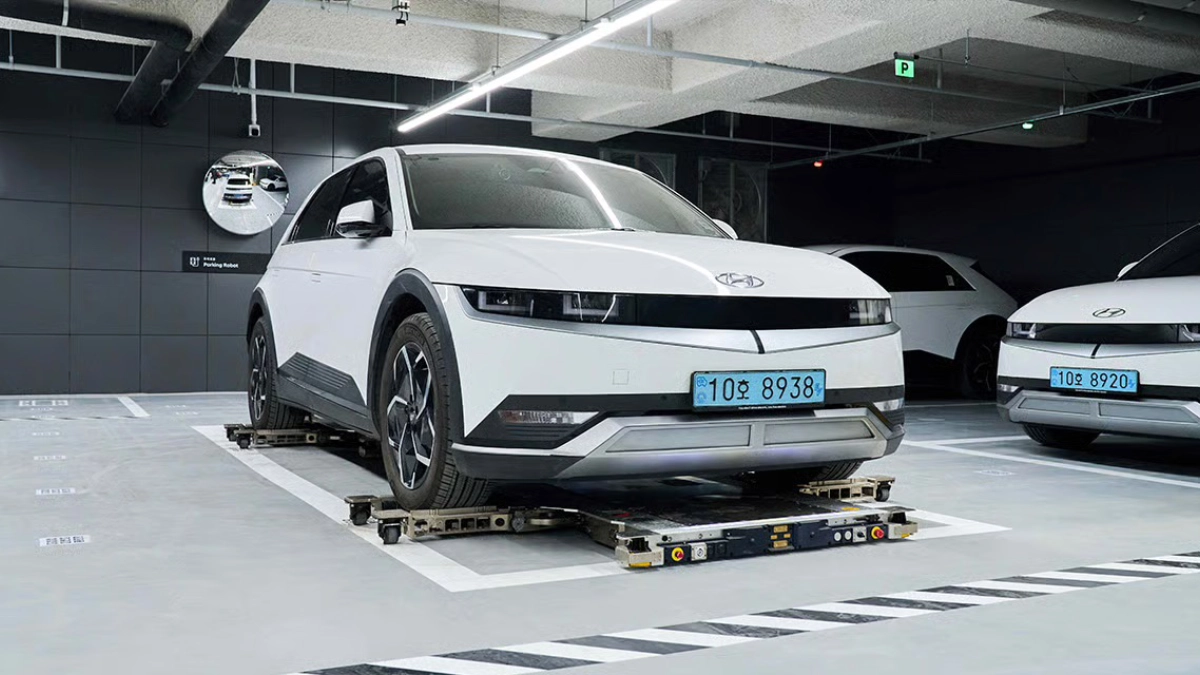
Hyundai’s solution? Parking robots that act like valet attendants. The robots are only 4.3 inches tall and go under the vehicle to lift it and bring it to an available parking slot. It has LiDAR sensors to accurately measure the car’s dimensions and position, and can lift vehicles weighing up to 3,400kg.
OTHER STORIES YOU MIGHT HAVE MISSED:
Hot gear: The Honor Robot Phone could change the game for on-the-go content creation
Stellantis’ new patent gives sedans the cargo capability of a pickup
To use the service, the driver exits their vehicle at the designated area and calls for a robot from the kiosk or the apartment’s wall pad. The robot then comes, picks up your vehicle, and brings it to an empty parking space. Because these robots can move in all directions—and the car doors stay closed throughout the parking process—vehicles can be positioned in narrower spaces, improving parking capacity by at least 20% and up to 50%.
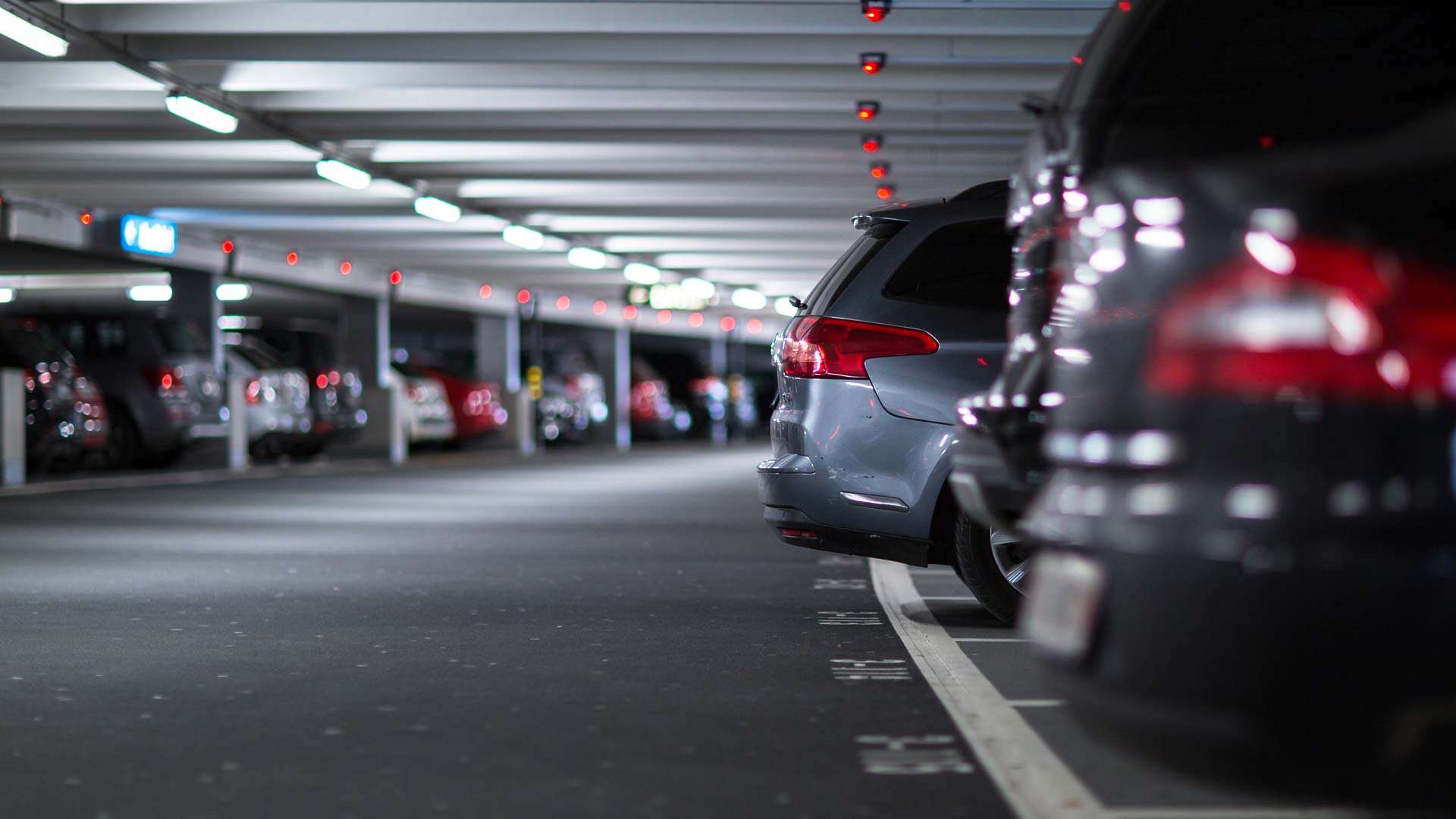
Hyundai also says that by separating vehicle and pedestrian traffic, the risk of safety accidents within the parking lot is greatly reduced. In addition, the system is also expected to lower carbon emissions and fine dust by minimizing vehicle idling.
“This demonstration project for parking robots in apartment complexes goes beyond simple technology verification and marks a crucial step in establishing a new parking paradigm for the smart city era,” stated Hyundai. “We plan to comprehensively verify the operational stability, efficiency, and user convenience of parking robots in a real-life living environment to derive a standard model that can be expanded to various urban spaces both domestically and internationally.”