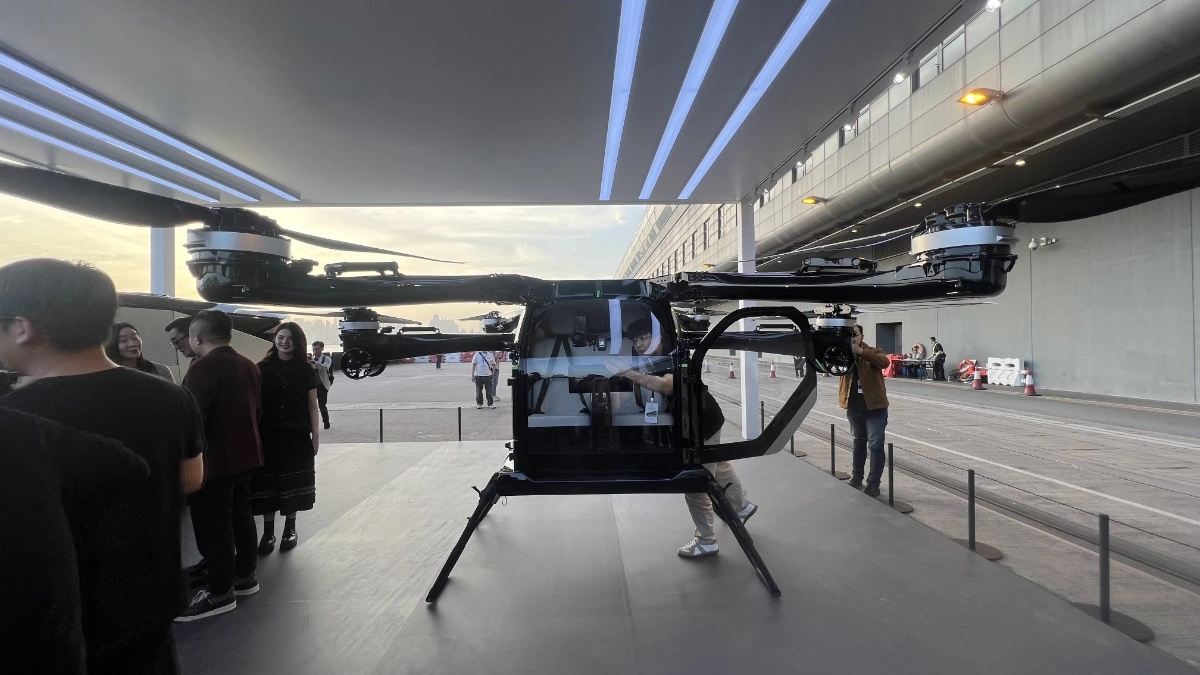
Xpeng has its sights set on 2026, but not necessarily for its cars. The Chinese company already has a line of EVs that have gained significant popularity in its home market, but it’s probably best known for its Electric Vertical Take Off and Landing vehicle (EVTOL), also known as its flying car. Alongside that, Xpeng has also been heavily invested in developing its humanoid robot.
The brand believes that flying cars, robotics, and artificial intelligence are the ultimate pathways to accessible and efficient mobility for all. To Xpeng, those three cornerstones can create an ecosystem that can give the public the most freedom in their daily commutes or weekend travels.
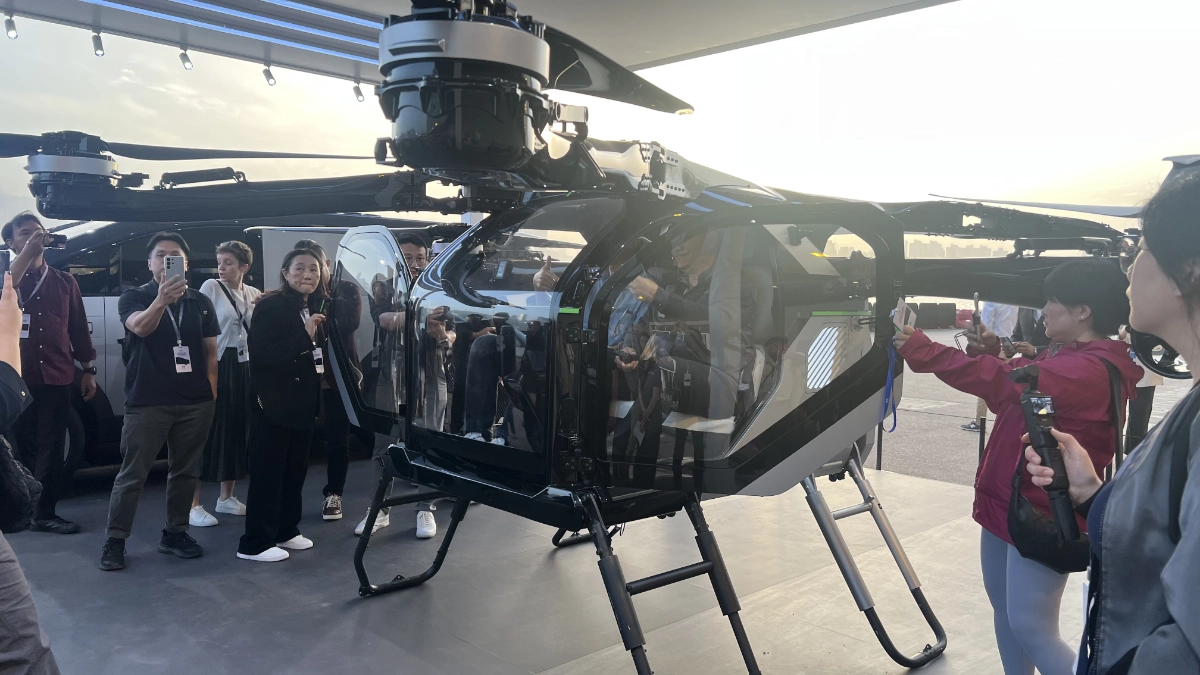
The EVTOL and the robot are expected to reach customers by 2026, as mentioned by Xpeng during its international brand carnival in Hong Kong earlier this month. The flying car has been plagued by rumors surrounding its official debut, but Xpeng did confirm that its manufacturing plant should be completed sometime in the third quarter of this year, and orders are expected to be delivered in 2026.
OTHER STORIES YOU MIGHT HAVE MISSED:
First drive: The Nissan Z Nismo is not for everyone
This new AUDI EV can do nearly 800km on a single charge
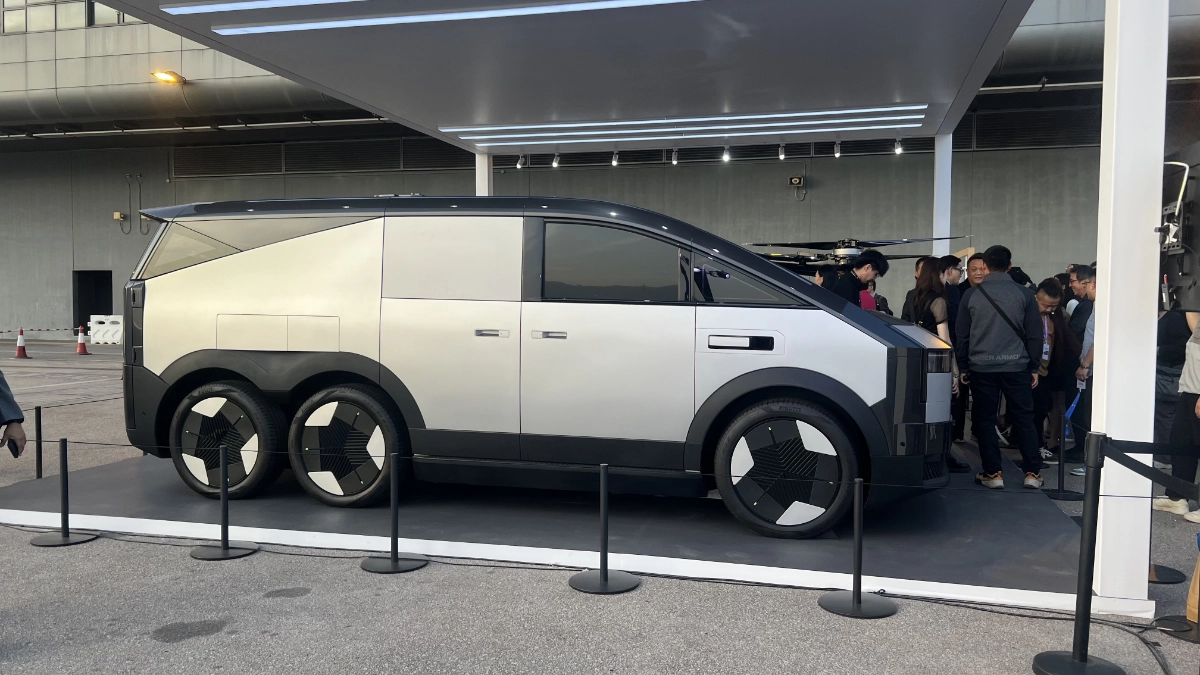
While no official prices have been given, officials from Xpeng have shared that preorder prices in China start somewhere around $300,000 (P16.92 million before taxes) for the EVTOL and the Land Aircraft Carrier that hauls and charges it. And it may take a while for it to reach the Philippines, as Xpeng will prioritize its home market and then move into markets around the Middle East.
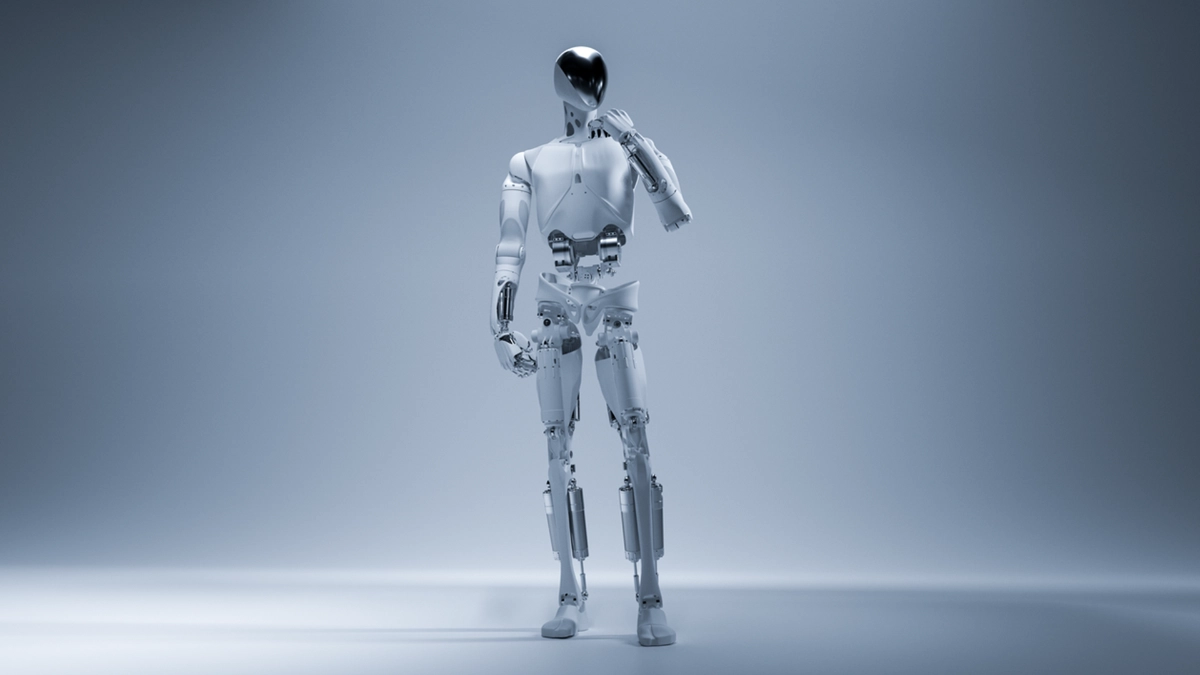
As for its robot named Iron, Xpeng envisions it to be able to do actual heavy lifting in factories, and also operate as receptionists and sales representatives at dealerships. Xpeng did not mention at what stage of development it is currently in, but affirmed that mass production is targeted for 2026. Iron units will then be deployed to Xpeng offices and dealerships to assist in operations.
Iron will also be the main platform for Xpeng’s Tianji AI operating system. This OS will give Iron the versatility to work in multiple functions. Eventually, the same AI OS will be adopted in Xpeng’s vehicles to be used for autonomous driving and driver-assistance functions. While it was not explicitly said, consumers can expect Tianji to make its way to the EVTOL as well.
While Xpeng has yet to make an official debut in the Philippines, it looks like customers in China are slowly being offered the full Xpeng ecosystem. Mobility powered by AI and integration seems to be the brand’s guiding principle throughout its product planning. Would that strategy work in the Philippines? Let us know.