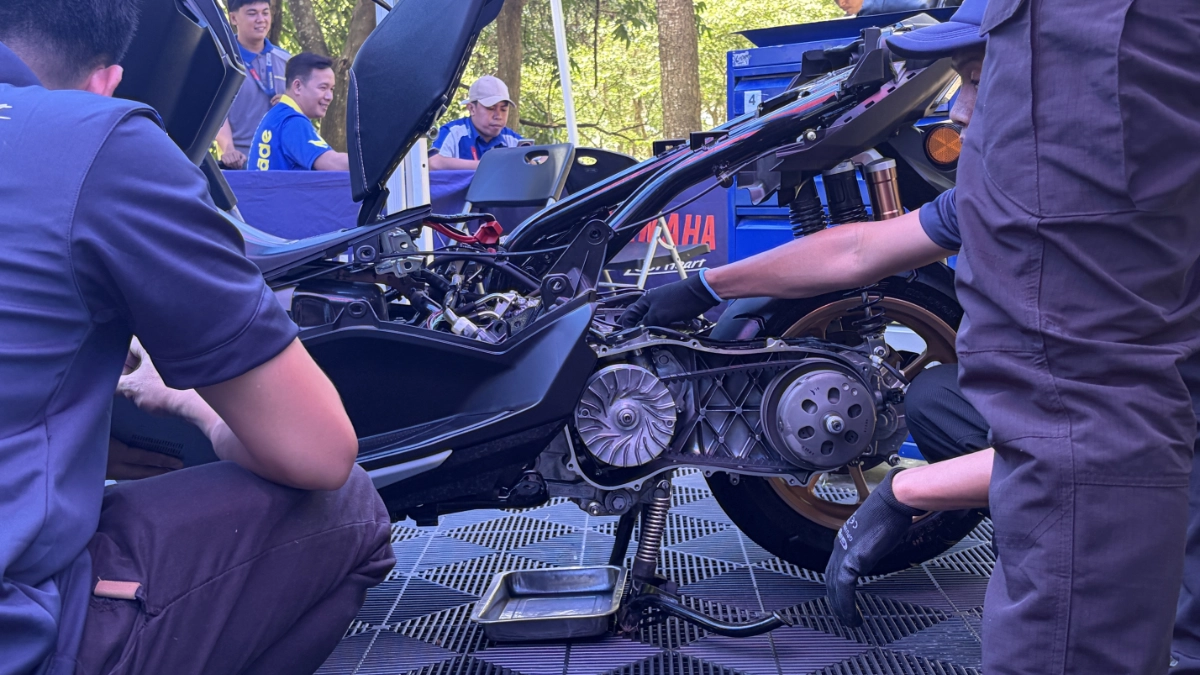
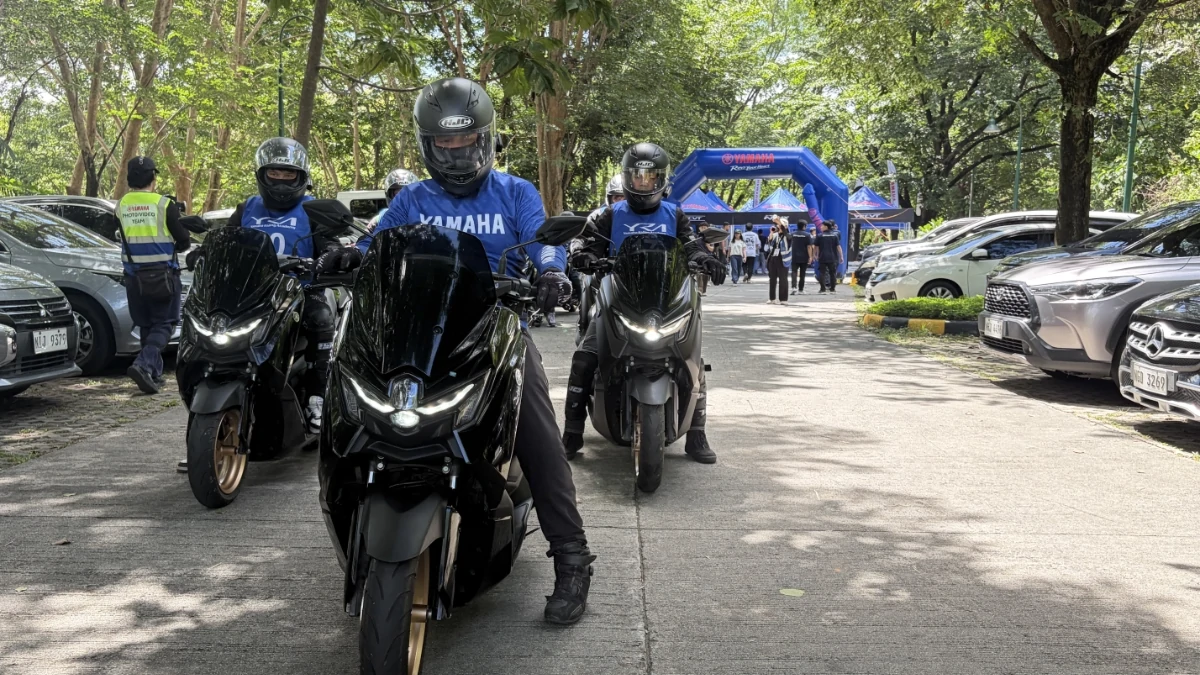
Yamaha Motor Philippines, Inc. (YMPH) recently invited YClub members, NMAX owners, and prospective buyers to experience the NMAX Tech MAX and its main highlight, the Yamaha Electronic Continuously Variable Transmission (YECVT), in a test-ride event titled ‘YECVT Shift to Performance’ at Timberland Highlands Resort, San Mateo, Rizal.
The event gave riders an in-depth look at the YECVT, as well as a guided ride along the hilly roads of San Mateo to experience the innovative transmission’s downshift feature and its two riding modes in real-world applications.
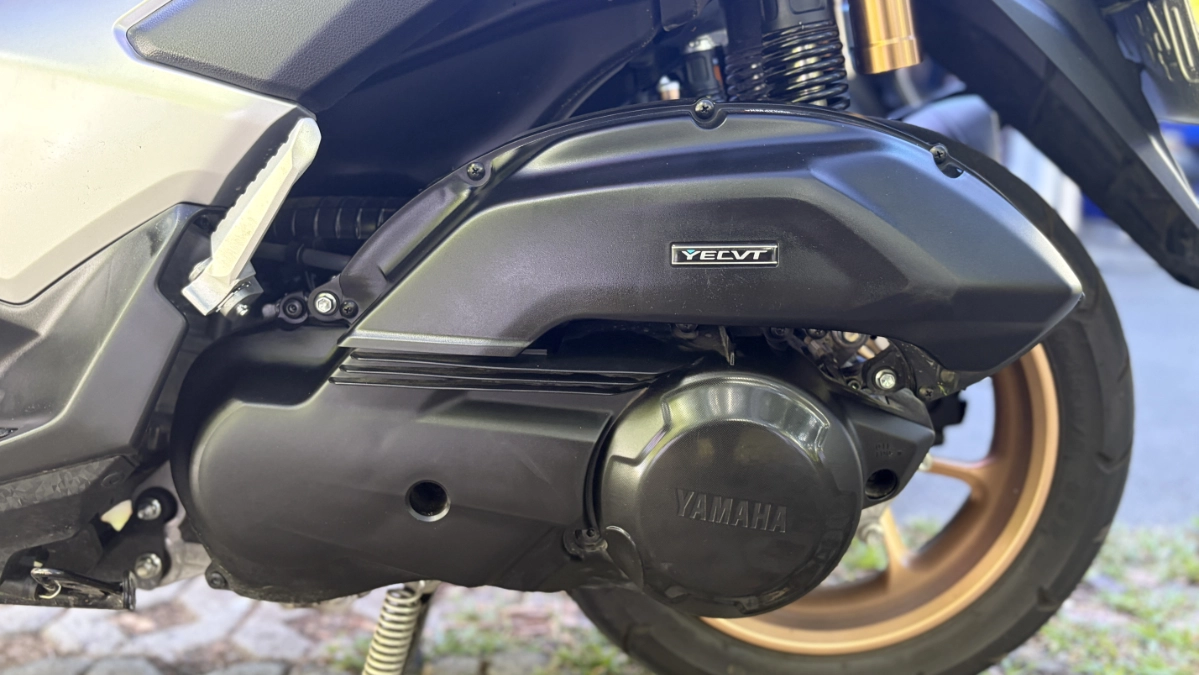
The Yamaha NMAX Tech MAX might ‘only’ be a 155cc motorcycle, but with its YECVT, it packs features usually only seen on higher-displacement maxi scoots. The motorcycle has a 3-Level downshift feature, which allows the rider to benefit from more torque and higher engine RPM for easier acceleration when overtaking and climbing steep inclines, as well as better engine braking when descending.
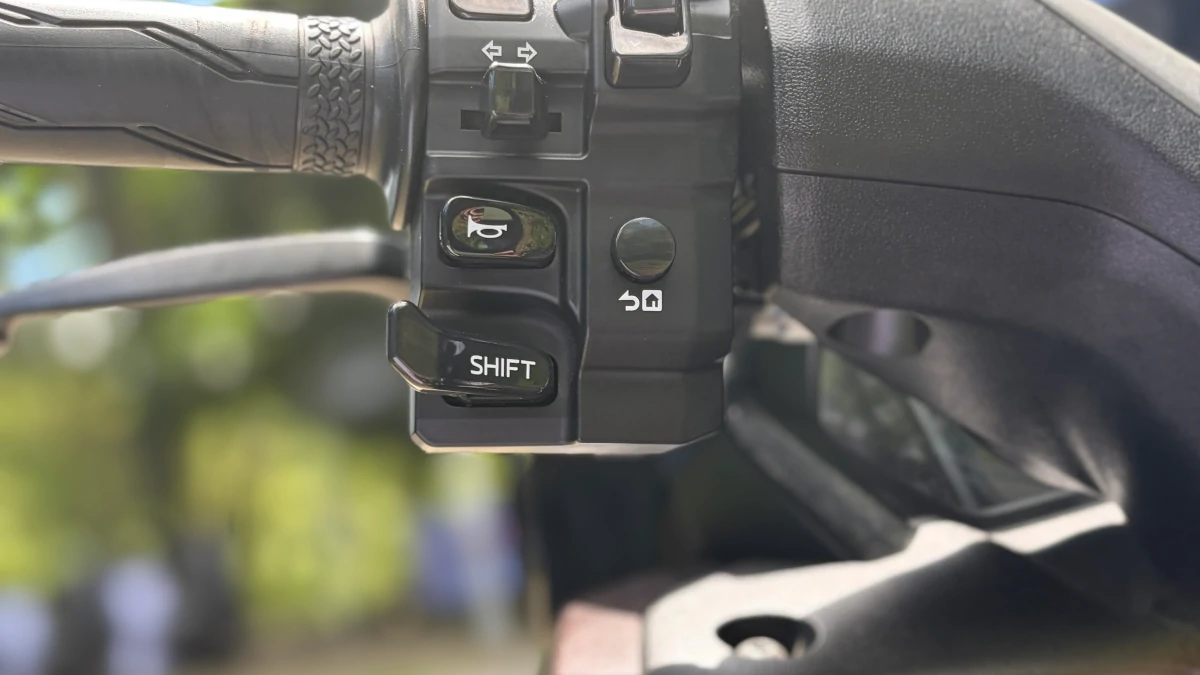
There are three levels of downshifts—each having stronger torque than the last—which can be selected by the rider using the ‘shift’ button on the left switchgear. As for riding modes, the Yamaha NMAX Tech MAX has a Sports and Touring mode (Displayed as S-Mode and T-Mode on the instrument cluster). Sports mode keeps the engine’s revs high for spirited riding, while touring mode acts similarly to eco-mode on other bikes for chill riding at low RPM.
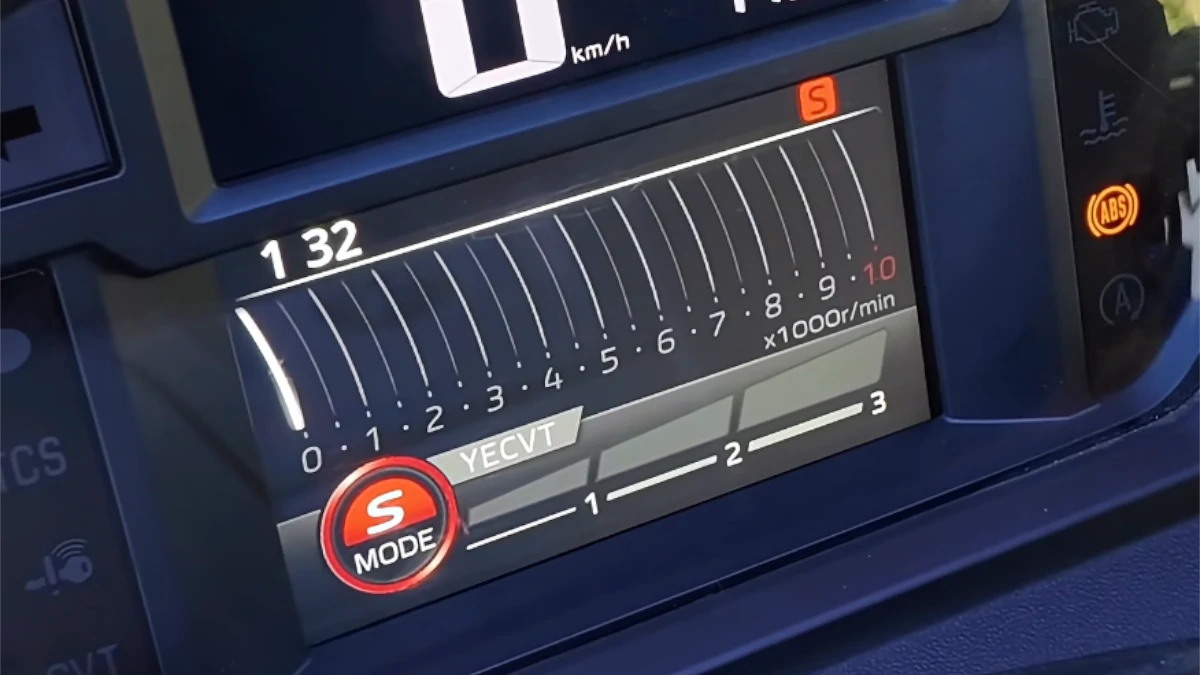
Unlike a conventional CVT, the YECVT doesn’t use roller weights. It moves the sheave through an electronically controlled motor. The starter generator control unit (SGCU) calculates the target engine speed and target vehicle speed, while the transmission control unit (TCU) calculates the target sheave position and controls the motor.
There’s a misconception that because a bike is packed with complex features, it will be complicated to maintain. But the truth is, maintenance on the YECVT isn’t much different than that on a conventional CVT.
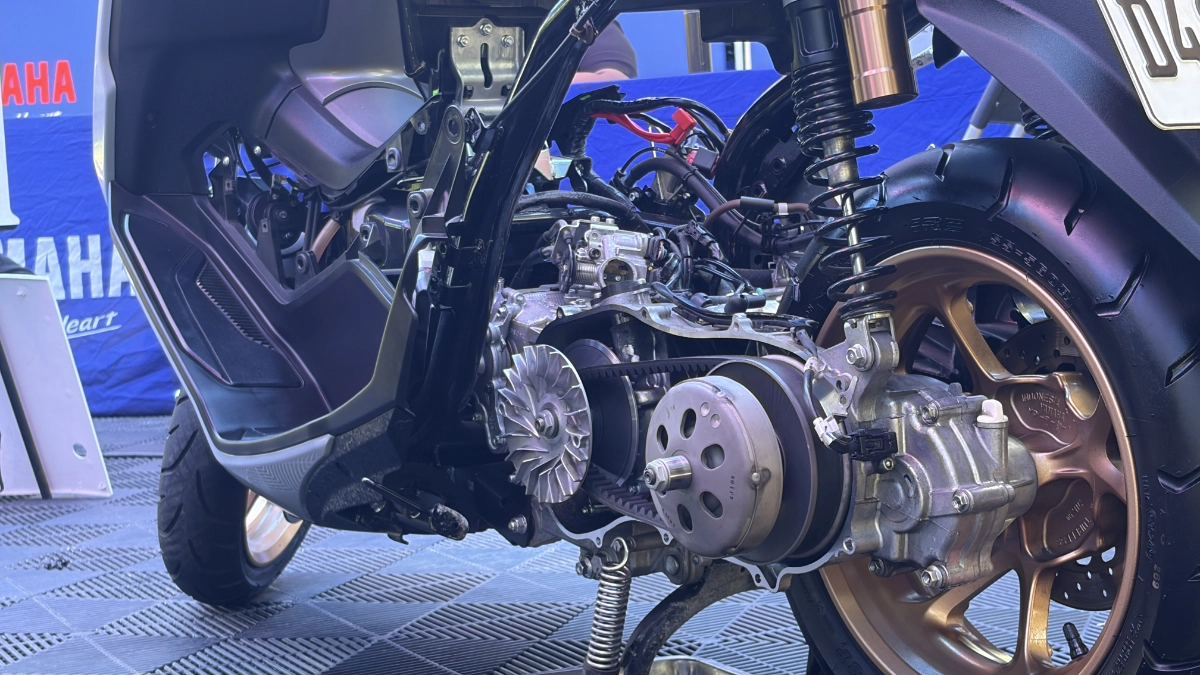
Apart from roller-weights replacement, maintenance on the YECVT includes V-belt replacement every 25,000km, clutch-shoe inspection, V-belt case air filter cleaning, and V-belt inner case cleaning—all similar to a conventional CVT. Riders can have their YECVT-equipped motorcycle serviced at any Yamaha 3S Shop, where trained personnel can work on maintenance or repairs using the proper tools and lubricants.
At P175,900, the Yamaha NMAX Tech MAX and its YECVT bring features and performance to the sub-200cc segment that punch above its weight class. If you want to learn more about the YECVT or the NMAX Tech MAX, you can visit your nearest Yamaha dealership or go to YMPH’s official website.
Created in partnership with Yamaha Motor Philippines