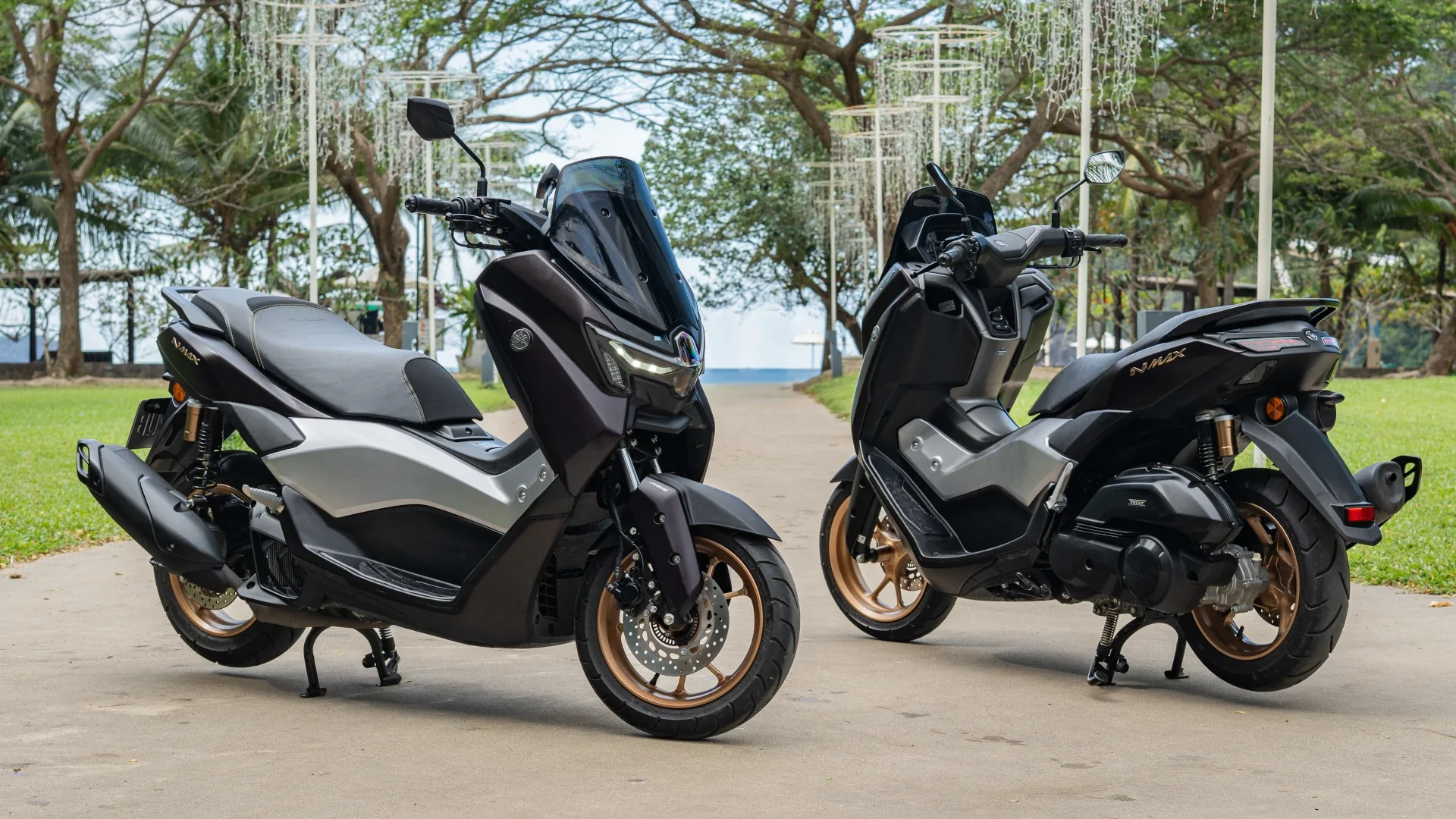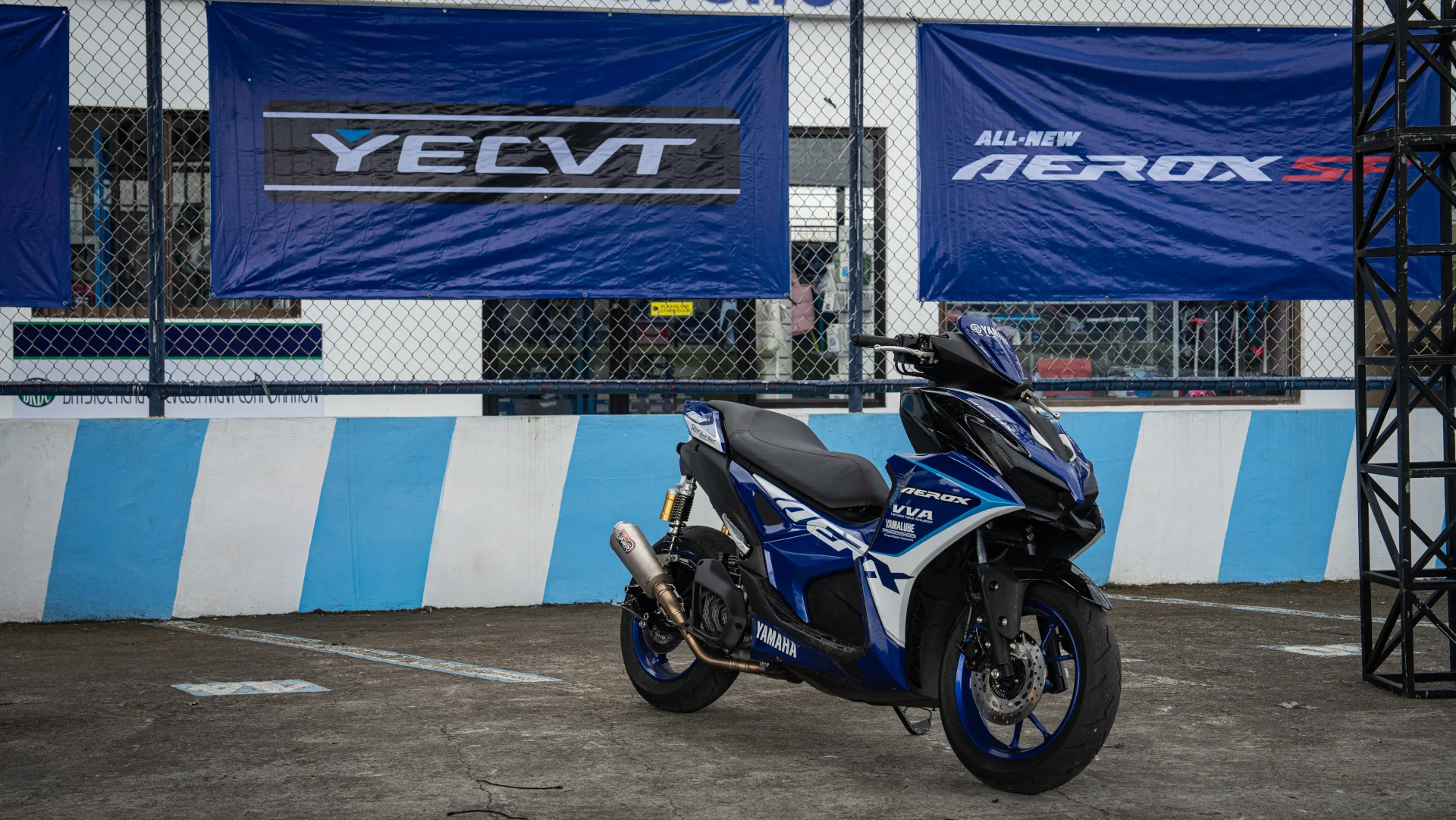
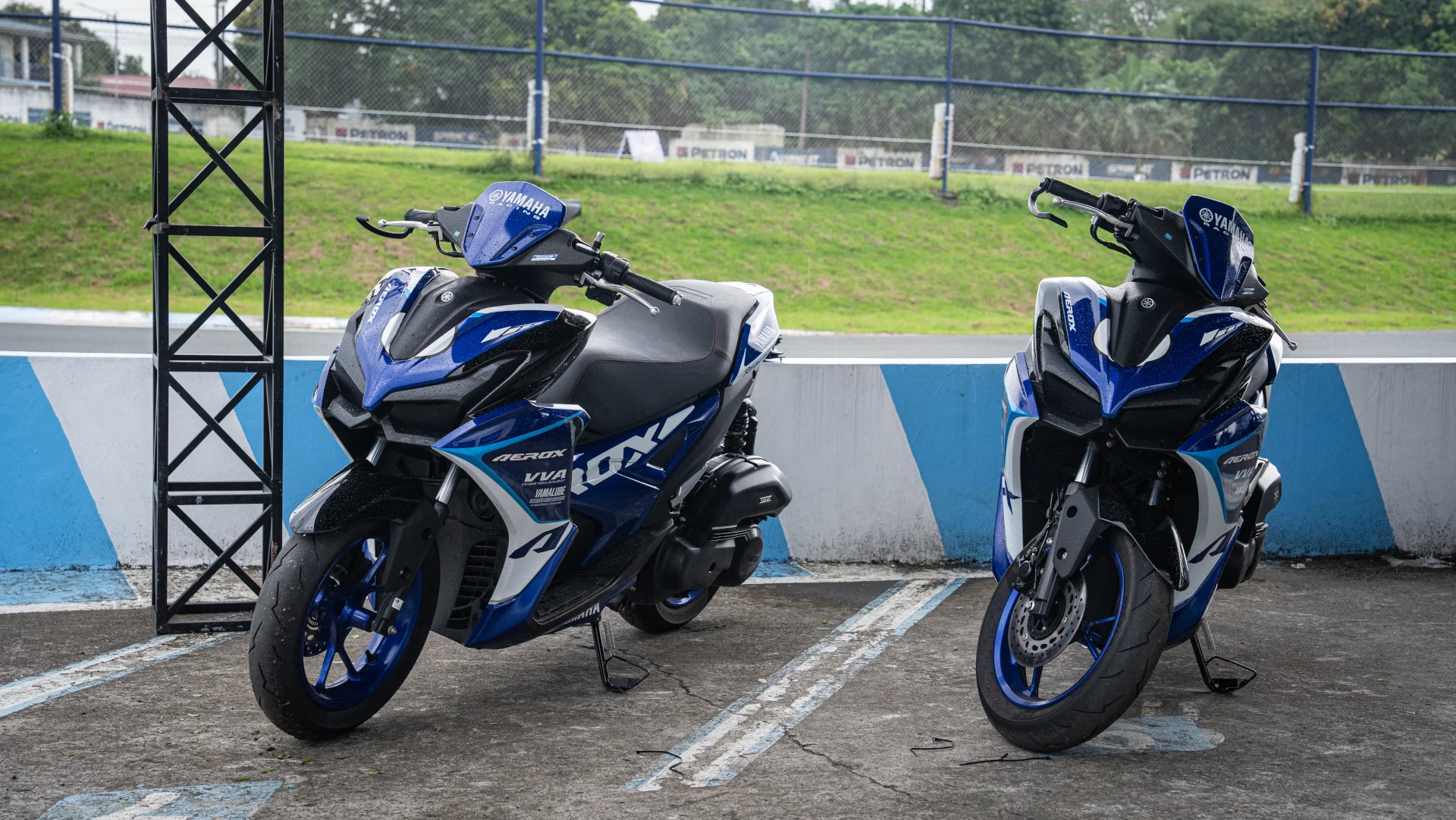
Yamaha Motor Philippines, Inc. (YMPH) revamped its motorcycle lineup this year with the launch of the all-new NMAX Tech MAX and Aerox SP.
These two highly popular nameplates have very different personalities, but they now have one big thing in common: the Yamaha Electric Continuously Variable Transmission, or the YECVT. This is the Japanese brand’s revolutionary gearbox, which has started to make its way to more of Yamaha’s local offerings.
It’s a new technology, which is why it doesn’t come as a surprise that a lot of riders have been asking about it. What exactly is the YECVT? Let’s discuss.
What is the YECVT, and how does it work?
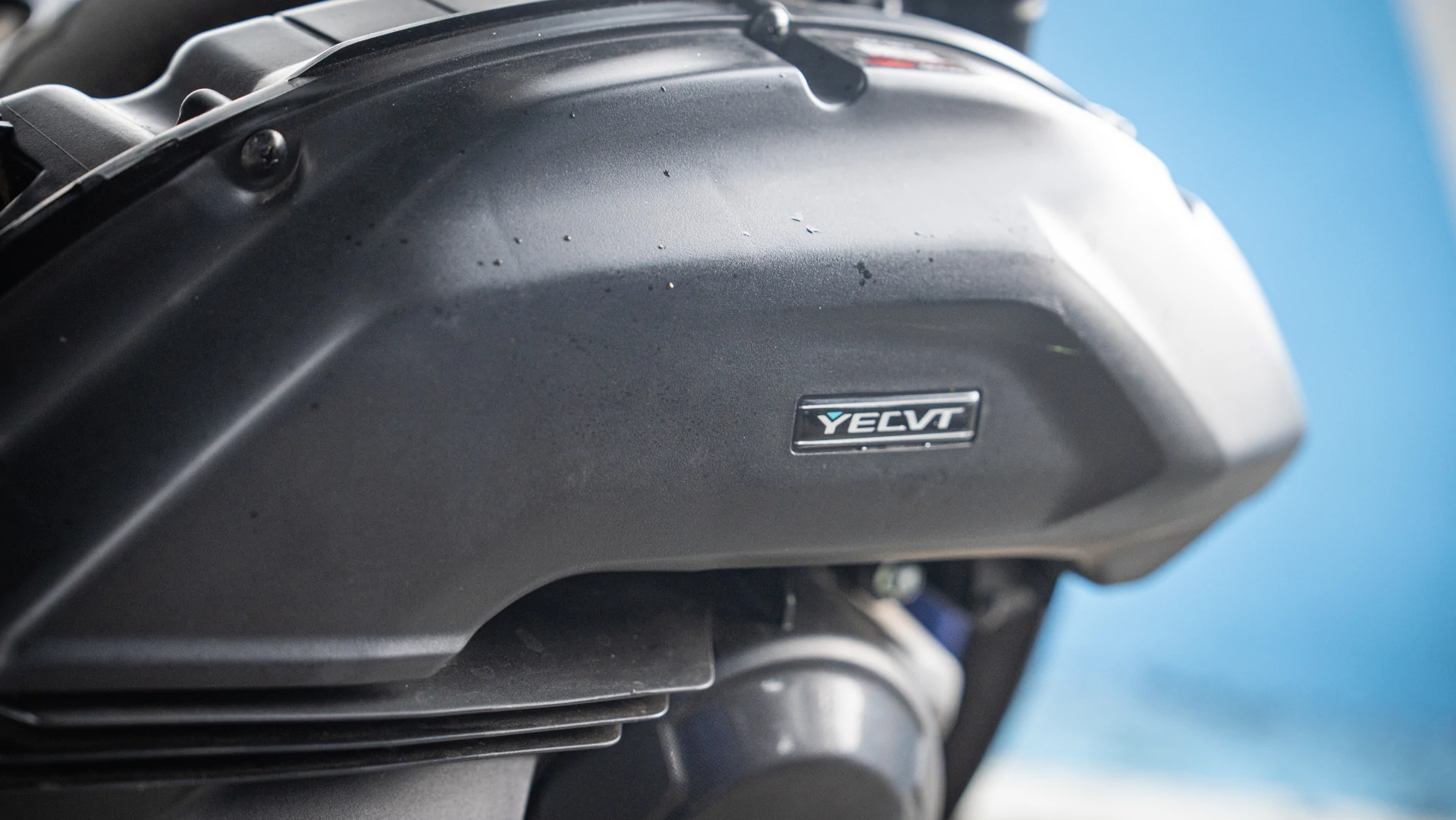
In a traditional CVT, the gear ratio is dependent on the rotation of the primary pulley, which is then dependent on the bike’s speed. To change gear ratios, the bike would have to accelerate or decelerate. In the YECVT, electronically controlled motors can dictate the movement and rotation of the primary pulley regardless of the engine’s revolutions and the bike’s speed. This allows for a higher level of control over the transmission, and thus, the behavior of the bike.
While it removes the possibility of manual or aftermarket upgrades, the YECVT’s system is also more reliable with fewer moving parts and is expected to be more durable in the long run.
The YECVT also enables the use of two different ride modes—Sport (S) and Touring (T)—as well as the three-level downshift control.
How do the YECVT’s ride modes and downshift control work?
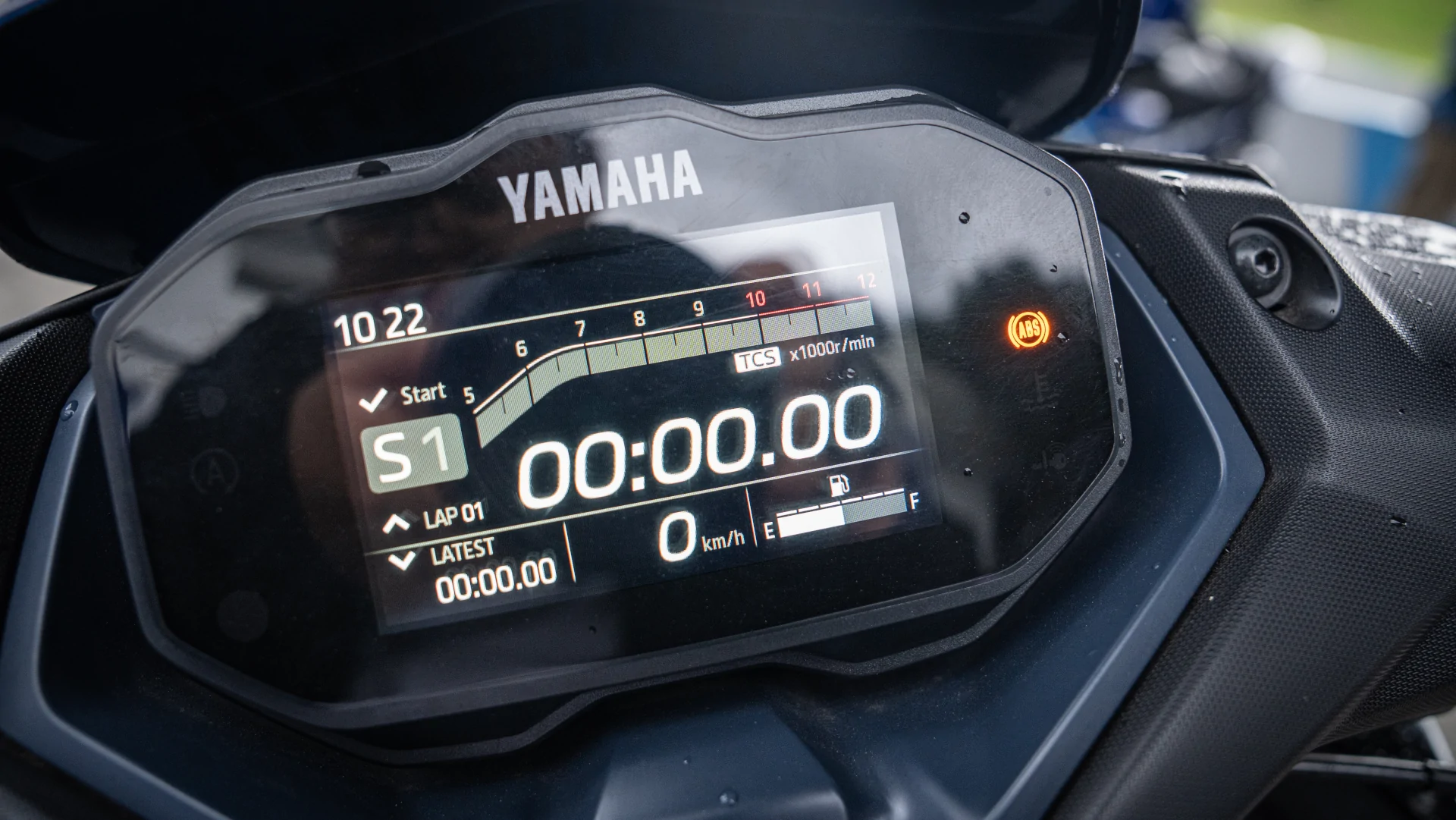
Touring mode ensures smoother rides and improves fuel economy. It’s an ideal feature to use in the city, but it’s also suitable for those who want a more laid-back experience on longer rides. Sport mode, meanwhile, keeps revs high and improves throttle response. It enhances overall performance for spirited rides.
The three-level downshift control, meanwhile, is for ‘downshifting’ the transmission. With the flick of the lever, the transmission simulates a downshift, and the result varies depending on whether the throttle is open or closed.
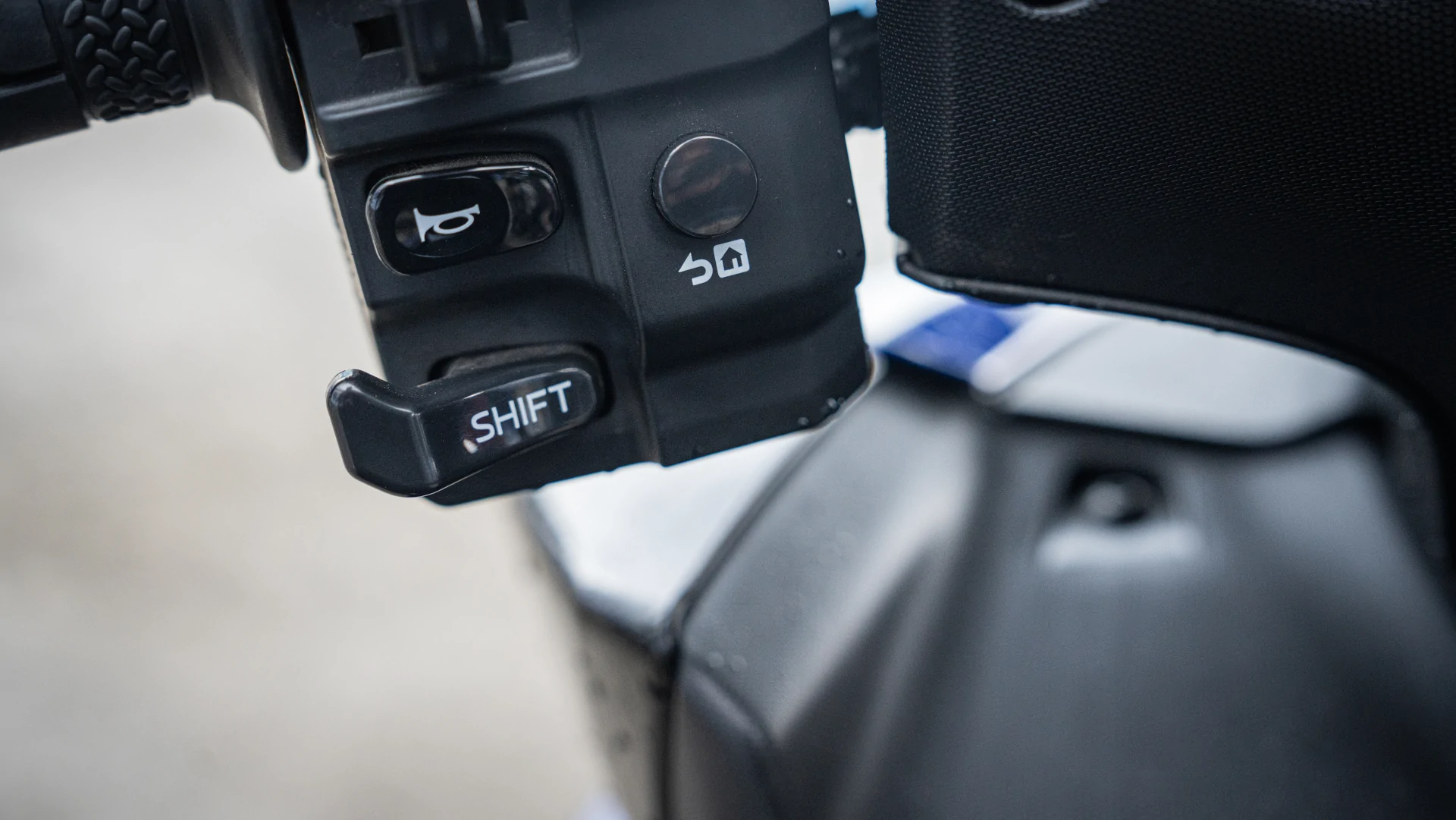
When the throttle is open and the bike is accelerating, downshifting will provide a ‘boost’ by bumping up the revs and further enhancing throttle response. The higher the downshift level, the higher the revs. This is especially helpful when overtaking or when going uphill.
With the throttle closed, flicking the shift lever will cause engine braking, providing added stopping power up to the third downshift level. This feature comes in handy when slowing down through mountain passes to prevent brake fade. In racing, this allows riders to brake later and nearer a corner entry, ultimately improving lap times.
It’s also quite straightforward to use, as the downshift control is automatically disengaged when the rider lets go of the throttle or hits the brakes. It’s an innovative piece of engineering, one that riders should experience firsthand to fully understand.
Created in partnership with Yamaha Motor Philippines