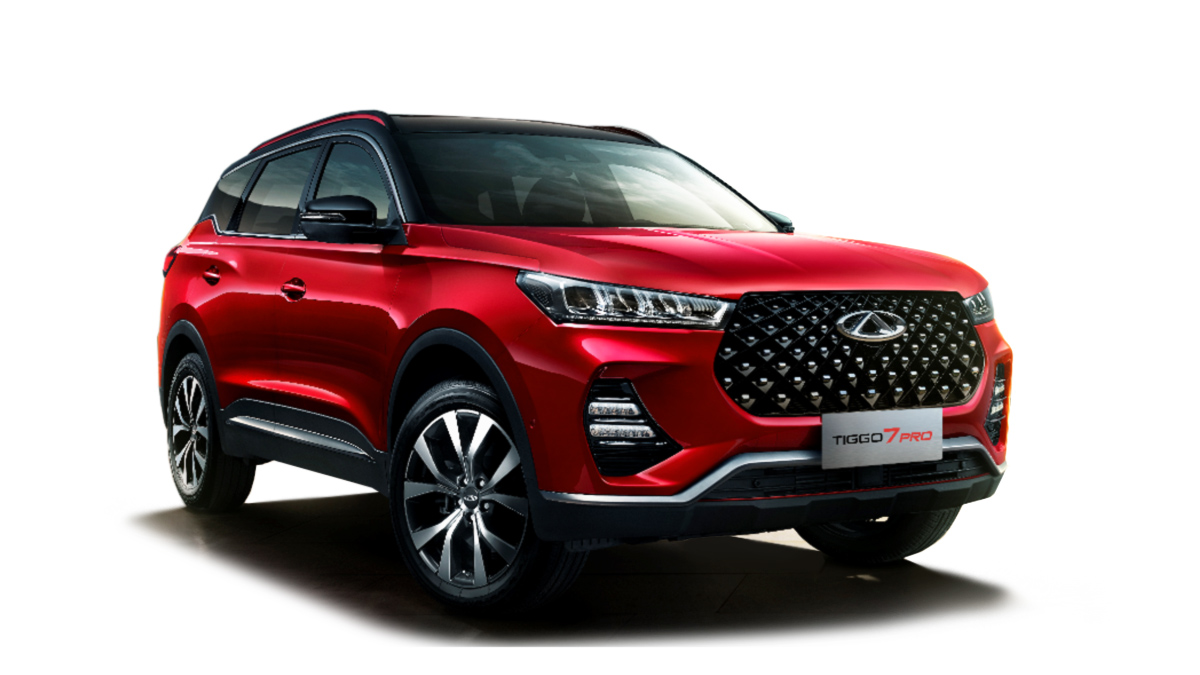
We’re pretty sure some of you have already made up your mind about the Chery Tiggo 7 Pro Hybrid. Heck, we wouldn’t be surprised if you approach this review with a huge degree of skepticism. Chinese cars will always attract its fair share of, um, controversial comments.
Geopolitical issues aside, we at Top Gear Philippines are here to judge a car not on its country of origin, but on how it performs in the real world. What we have here then is a sample of what China can do in the subcompact crossover category with this Chery.
OTHER STORIES YOU MIGHT HAVE MISSED:
What ‘all-new model’ is Mitsubishi Motors Philippines launching after XForce?
Report: The Honda City Hatchback facelift is coming this year
It wasn’t that long ago when Chery was the butt of jokes in the automotive landscape. Who could forget such four-wheeled memes such as the QQ and the original Tiggo? The first Tiggo was essentially a mishmash of the second-gen Honda CR-V at the front and a near-identical copy of the gen-two RAV4. But things have changed quite significantly since then
These days, the brand has ramped up development and would like to be taken seriously on a global stage. Chery itself has gone through a rapid growth and transformation, opening up sub brands such as Omoda and Jetour. But before we get carried away and go through how it all happened, let’s go back to the Tiggo 7 Pro.
Styling
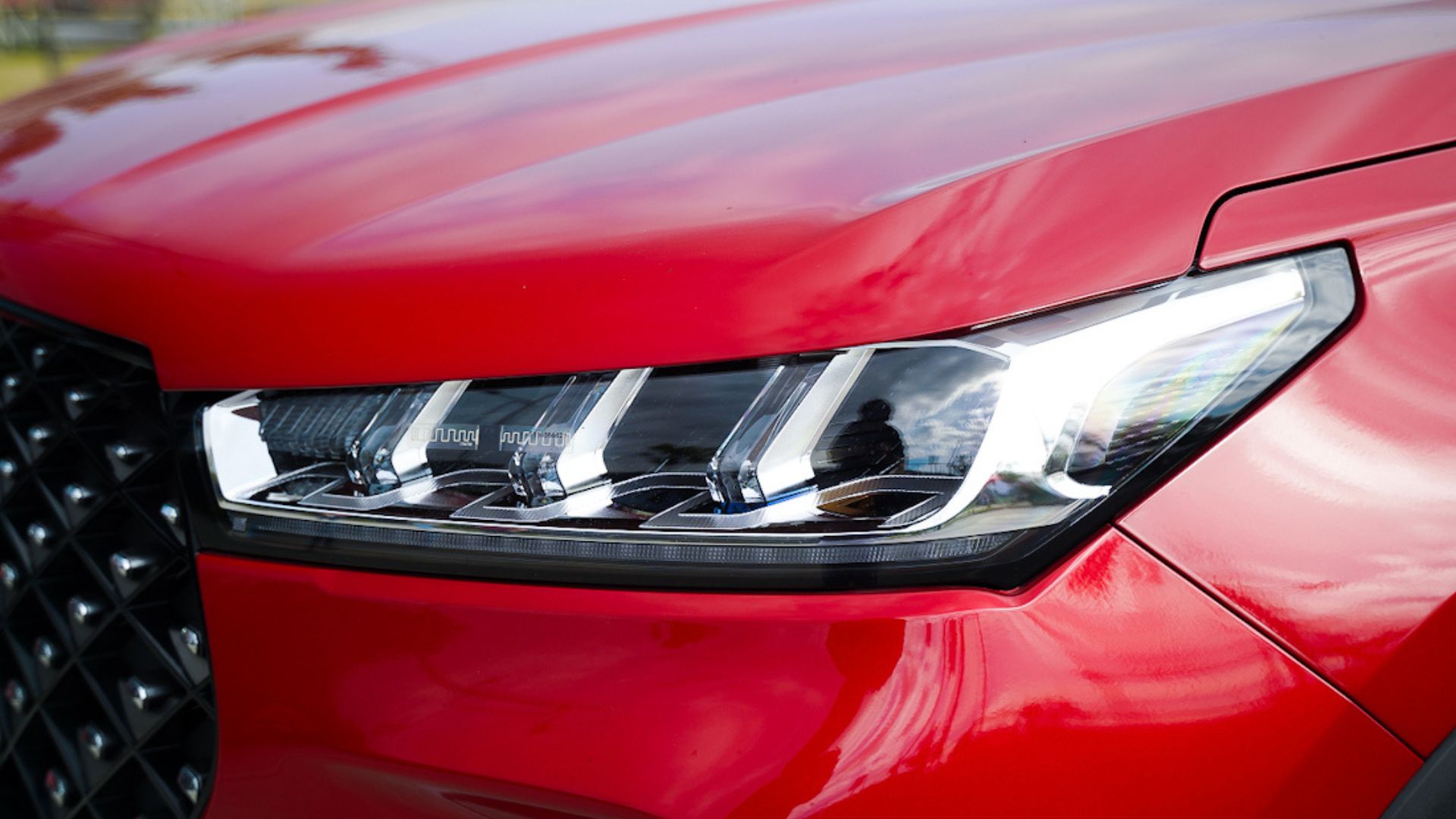
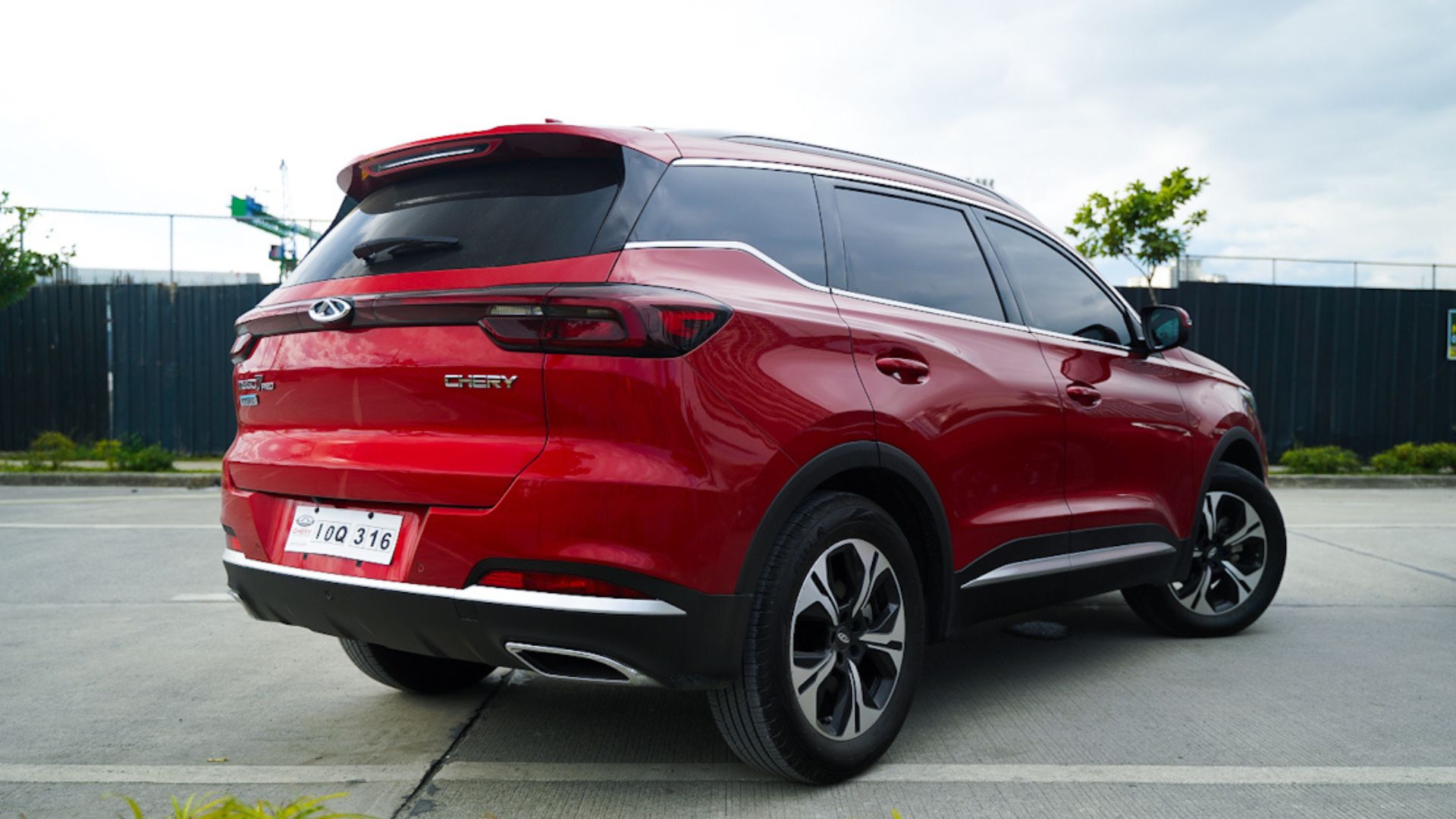
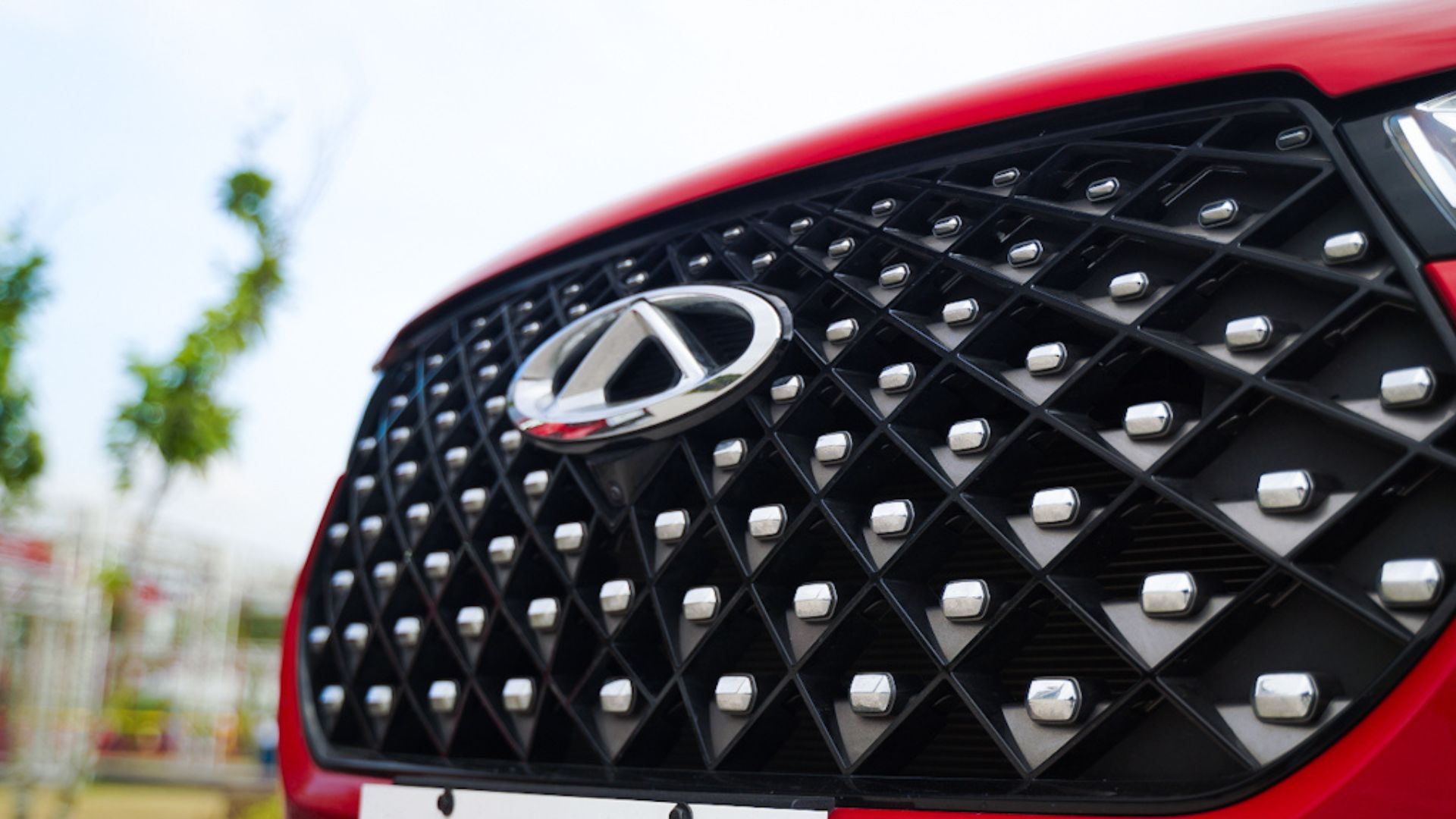
In all fairness, the Tiggo 7 Pro Hybrid looks good. It might not be a standout in some eyes, but one could say that there is effort put into its design. It’s got a sharp looking front end with a grille that’s just the right size. Body proportions are neat and tidy, while the rear is an exercise in minimalism with its light design.
It’s inoffensive and won’t drum up polarizing opinions, at least for us. If it had, say, a Japanese badge on it, we reckon more folks would come to appreciate its looks.
Interior
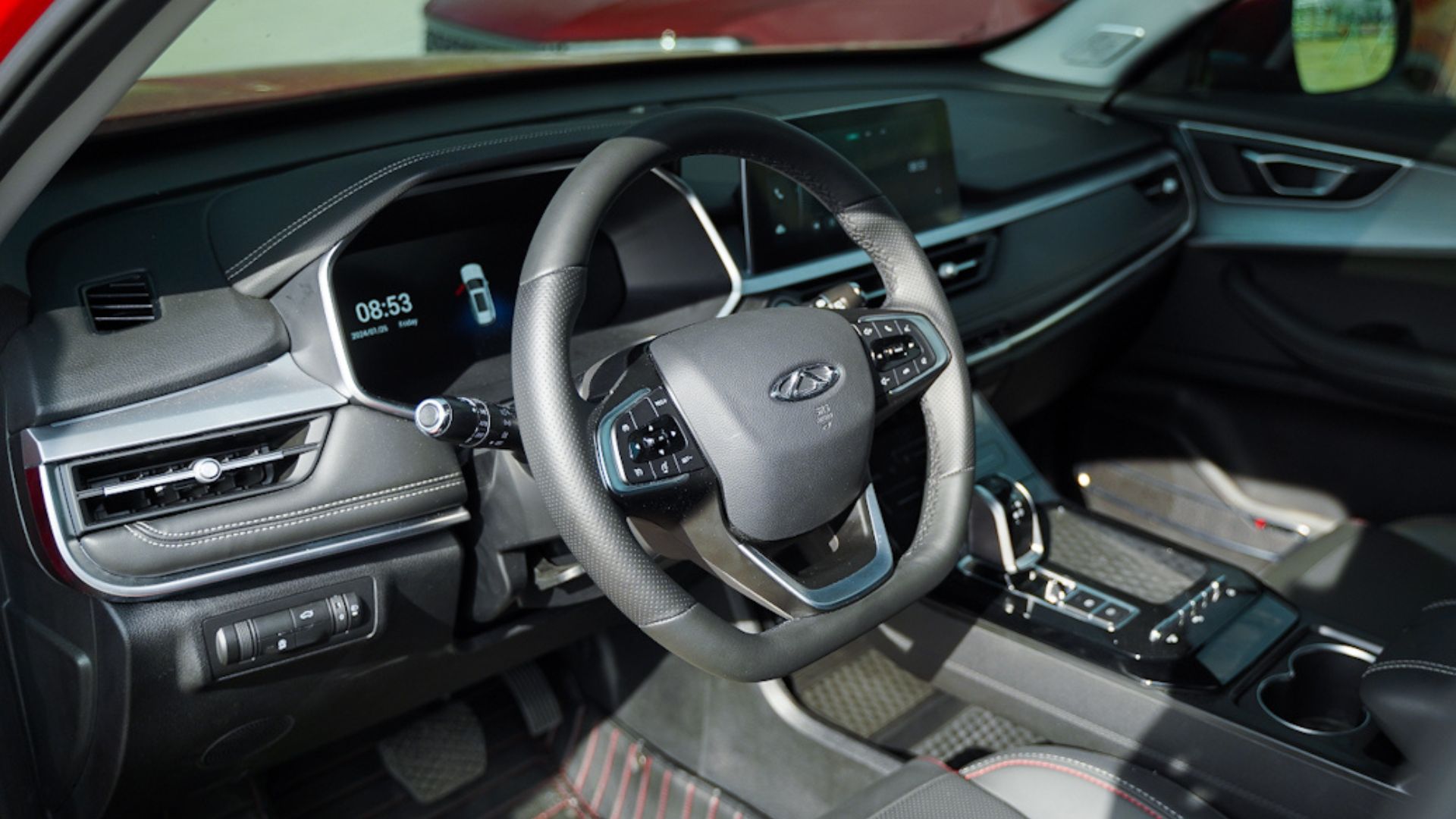
The clean and uncluttered look carries over to the inside. The dash is a simple is a simple piece with flat lines and squared off edges. There’s a ‘floating’ screen that serves as the car’s infotainment system, accompanied by a fully digital instrument cluster. Cabin materials feel good, too, although the surface of the imitation leather could be a little better.
Fit and finish is generally good with not much in the way of creaking plastics. The center stack is elevated, freeing up space underneath for additional storage. We’re also glad that Chery didn’t stick all basic functions in the touchscreen, although the touch panel for the air-conditioning wasn’t the most responsive at times.
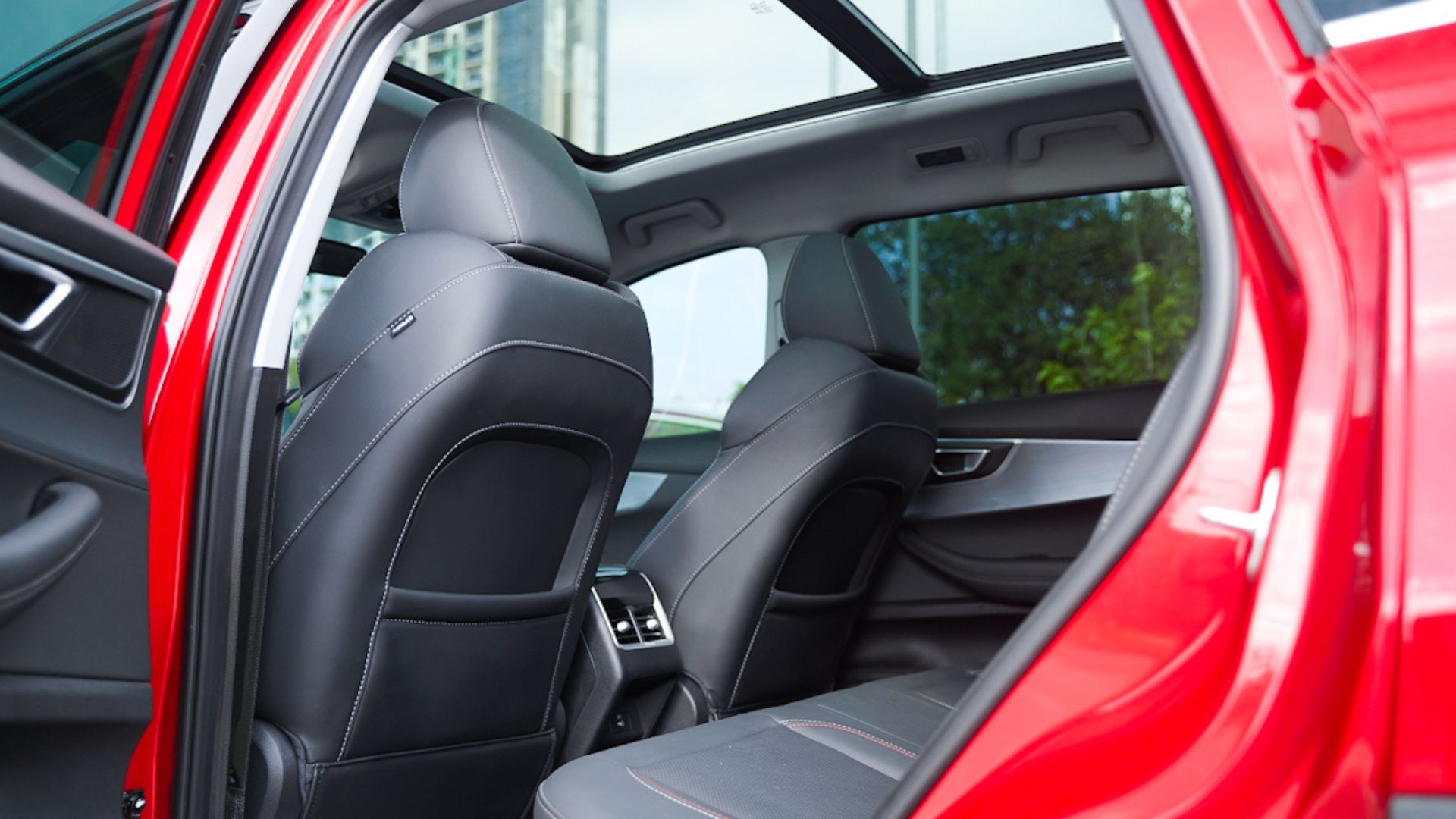
Space is what you’d expect from a car in its segment. There’s more than enough at the front, and there’s a high degree of adjustability from the driver’s seat. Some folks might find legroom and shoulder room a little on the tight side, but at least there’s a fair amount of headroom considering it has a panoramic sunroof.
It does make up for it in terms of cargo space. There’s over 450 liters available back there, more than enough for a month’s worth of groceries.
Engine Performance
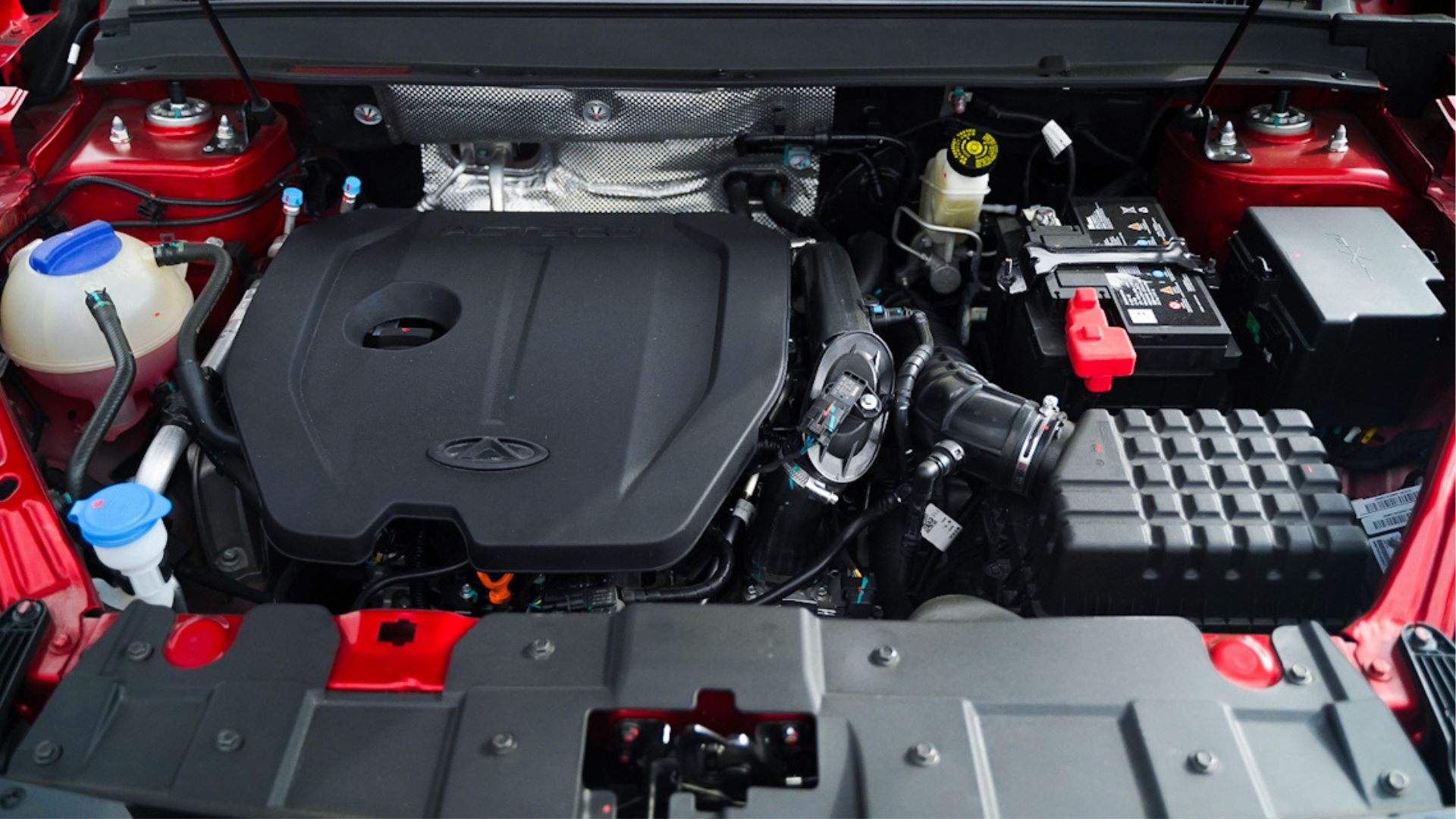
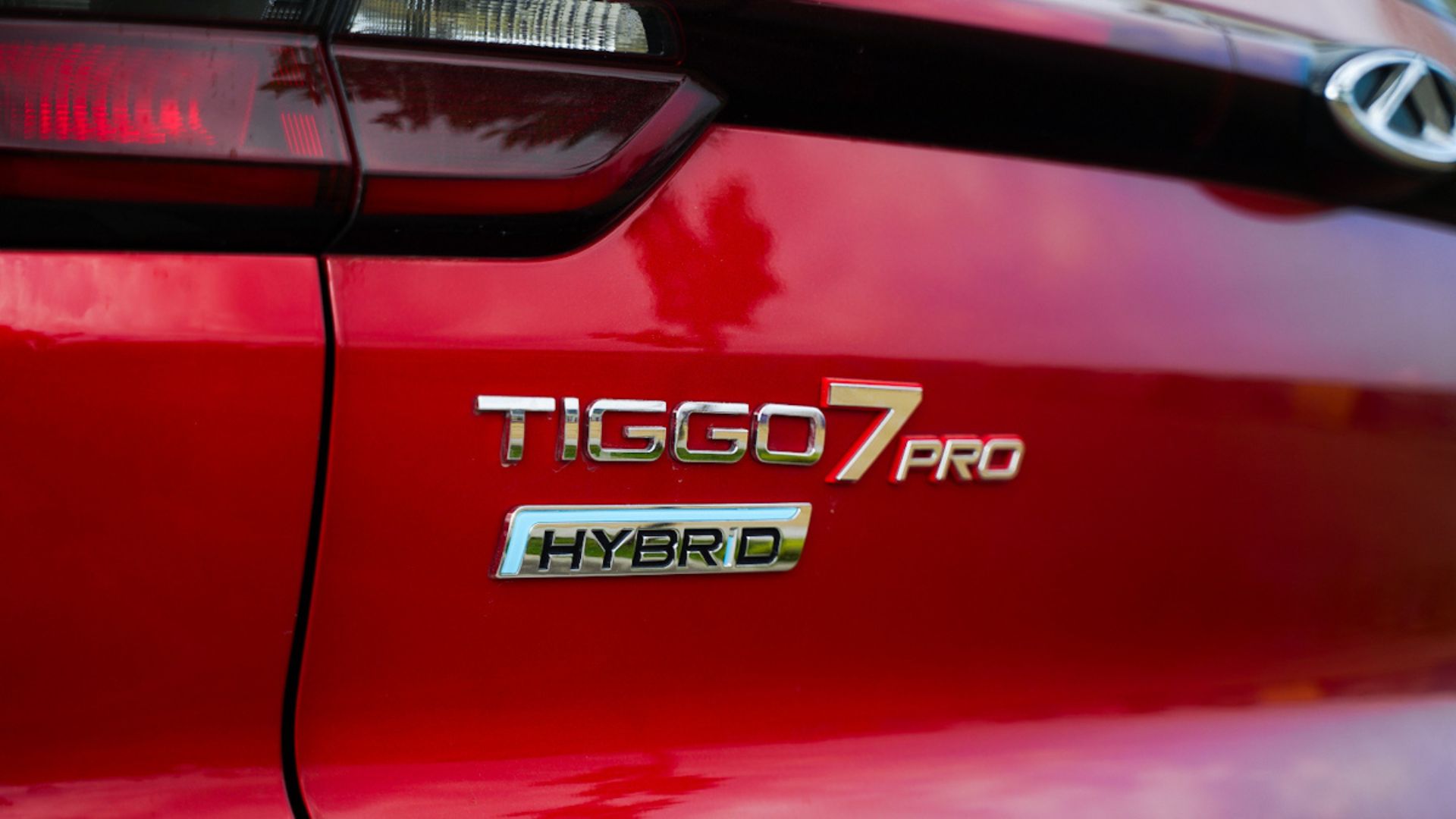
It may say hybrid on the tailgate, but it’s of the mild hybrid variety. The system doesn’t have the ability to use electric power to propel the car forward, and it’s safe to say it’s a more advanced version of a stop-start system.
That aside, its 1.5-liter turbo is good for 154hp and 230Nm of torque. It has more grunt compared to the non-hybrid version thanks to its 48v system providing a few more horses. Performance is about average in its class, but it’ll never leave you wanting for more when it comes to overtaking.
There is a bit of a caveat, though. The only driving modes available are Eco and Sport. There is no in between so it’s either you get leisurely throttle response or the total opposite. We wish there was a comfort mode as a happy middle. Still, we like its CVT as it was smooth in operation.
Now for the big question: Fuel economy. Don’t expect massive efficiency gains over the standard model, it is a mild hybrid after all. We saw 7.9km/L in extreme traffic and 8.7km/L in better conditions. Easy cruising yielded 13.2km/L, and we reckon over 15 km/L on open highways.
Ride and handling
To be honest, we weren’t expecting much from the Chery in this department. That said, it was a pleasant surprise as it had pretty capable dynamics. We wouldn’t call it a blast around bends, but it can take them on without drama. The only thing that spoils it for us is a rather grabby brake pedal.
In terms of ride, there is a hint of firmness, but it’s not back breaking. It can be best described as supple and it won’t jar anyone inside save for big bumps. We’d like a little more sound and vibration insulation to make it a more comfortable experience.
Extra Features
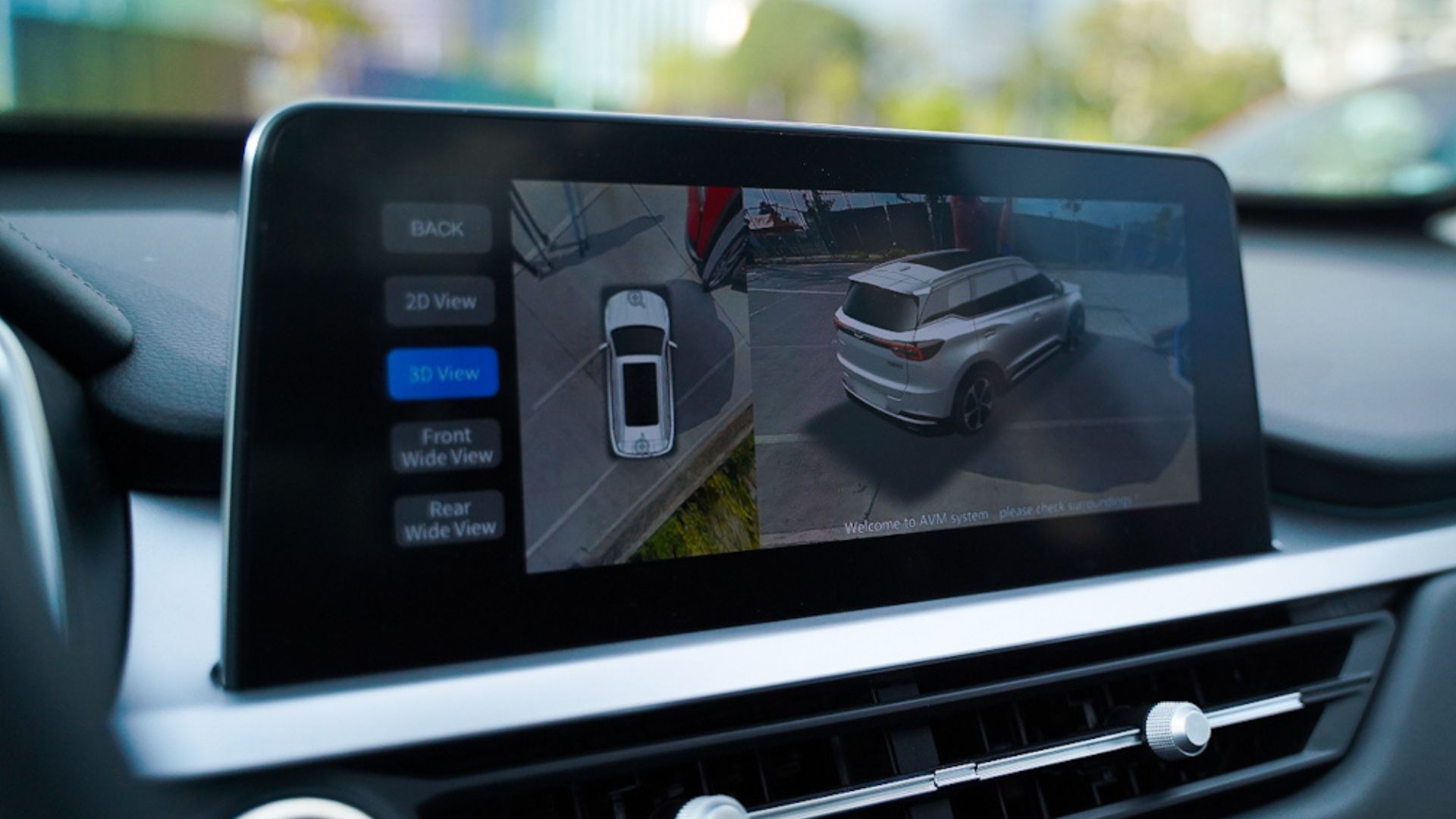
Chery crammed as much equipment as it could for the Tiggo 7 Pro Hybrid’s price point. We’re glad to see more Chinese automakers putting in Apple CarPlay and Android Auto, and Chery is no exception. Wireless charging is also standard, as well as 360-degree view camera.
Other highlights? The definition of the camera is good, and there’s a tire pressure monitoring system is a welcome feature. Hill-descent control is also included, as well as power seats for both front occupants. The only thing missing here is Advanced Driver Assist Systems such as adaptive cruise control (regular cruise control with a speed limiter is included), autonomous emergency braking, and lane keep assist.
One feature that caught our attention was the ‘Musical Rhythmic Function’ of the ambient lighting. It changes colors to the beat of whatever is being played through its speakers. Some found it an amusing feature, while others thought it was a touch on the tacky side. For the benefit of the latter, you can turn that off.
Verdict
The electrified Tiggo 7 Pro retails for P1,350,000, P100,000 more over the non-hybrid model. That gives you a little more power and torque, a couple extra features, and a bit more fuel economy. Similarly priced competitors include the GAC GS3 Emzoom, Ford Territory, and Geely Coolray.
Compared to other made-in-China models, the Tiggo 7 Pro Hybrid is a solid choice. But does it stand a chance against those from Japan and South Korea? To be honest, there are some things that need more polish. There’s some of the interior controls, and we wish for a little more wiggle room at the back. A touch more refinement would go a long way, and brake pedal feel could be improved for better drivability.
But all things considered, the Tiggo 7 Pro Hybrid has valid selling points. Sure, it’s not coding exempt, but it’s larger than most subcompact crossovers, and there’s a good balance of ride and handling. It’s packed with features too, more than enough to lure shoppers out of the usual Japanese and South Korean choices. With the number we’re seeing on the roads these days, it looks like this small crossover has no problem winning over local consumers.
SPECS: 2024 Chery Tiggo 7 Pro Hybrid
Price: P1,350,000
Engine: 1.5-liter mild hybrid
Power: 154hp
Torque: 230Nm
Transmission: Continuously variable
Layout: FWD
Seating: 5
Score: 8/10