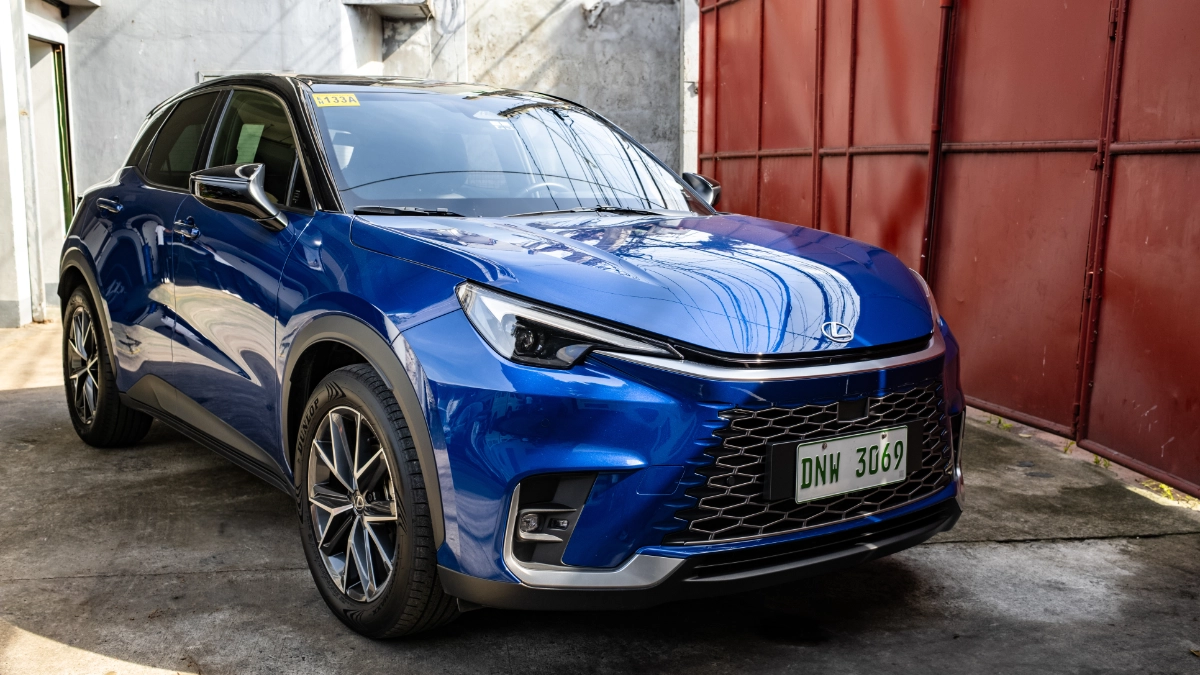

The Lexus LBX is a bit of an anomaly. It is the only car in the Lexus lineup since the LFA to have a three-letter model designation with no numerical number, but it is not in any way a sports car. It is a 4,190mm subcompact luxury SUV at a time when Lexus’ competitors across the pond have all but abandoned the segment. It is not what you would call a fast car, but it provides a fun and engaging driving experience.
Based on the Toyota Yaris Cross (the one sold in Japan), this quirky SUV that’s full of personality is the embodiment of Lexus’ Yet design philosophy, the same philosophy that got us the brand itself in the first place.
Yet is a philosophy of contradictions that end up coming together into a vehicle that provides the best of all worlds: Driving dynamics, refinement, luxury, and reasonable pricing. Does the LBX hold up to what Lexus set out to do? Or is it just a too-small SUV in a market that has moved on from the segment? Read on to find out in this, our Lexus LBX review.
Styling
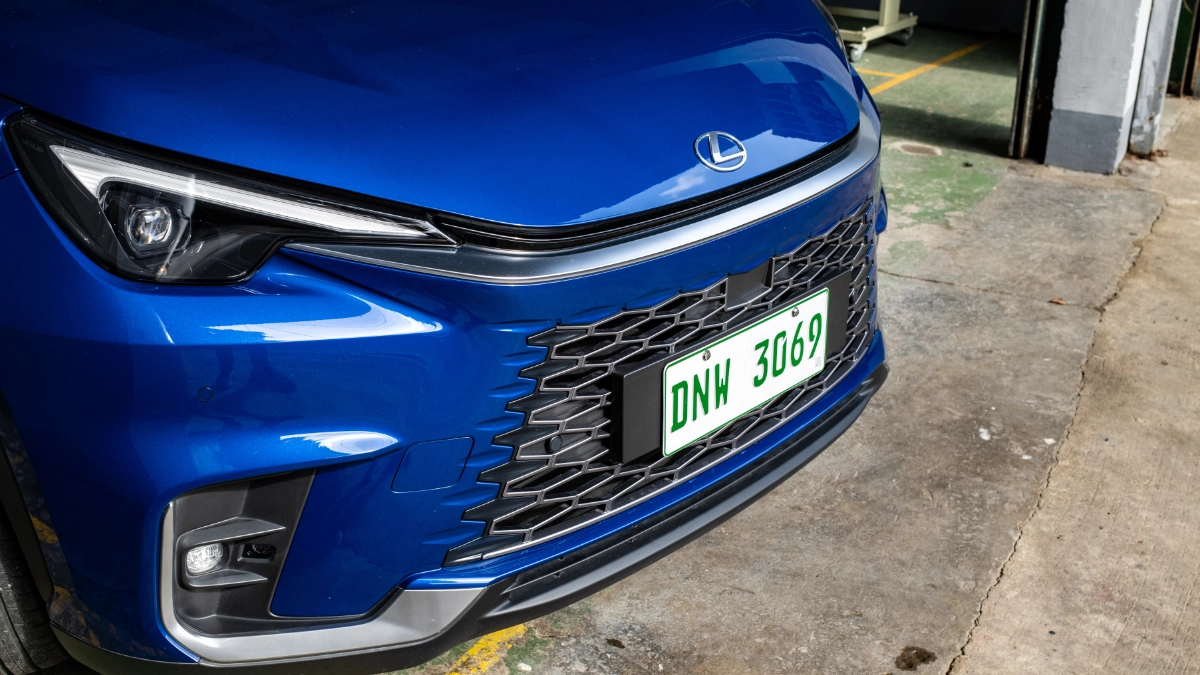
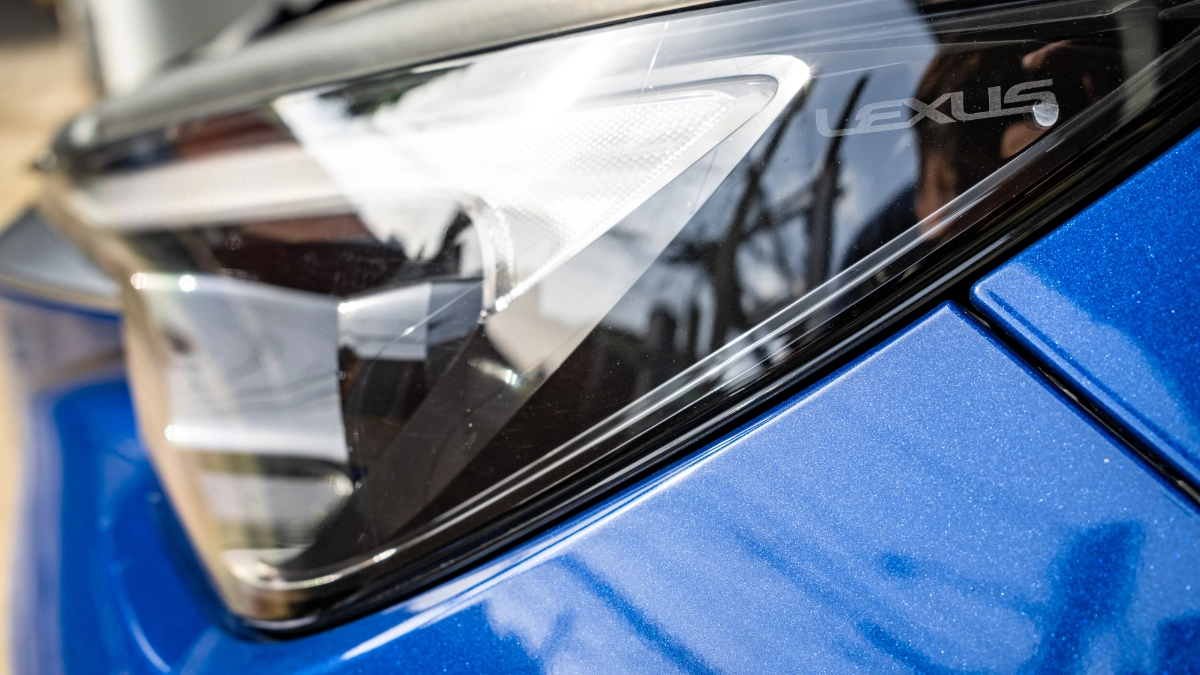
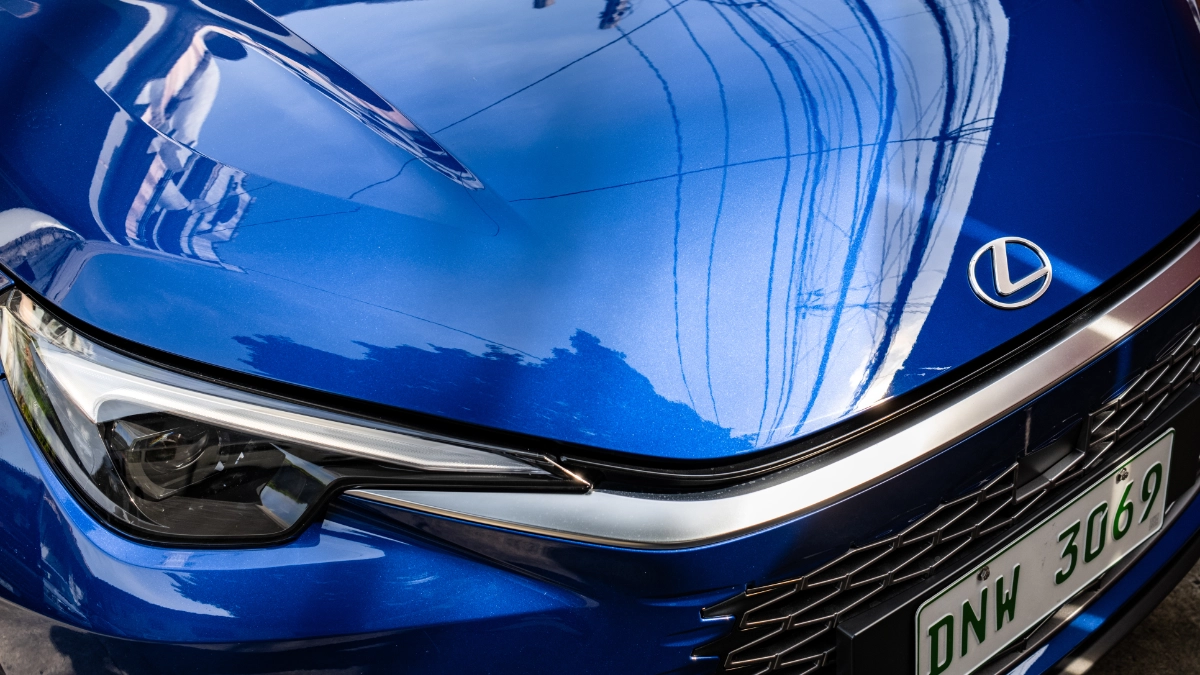
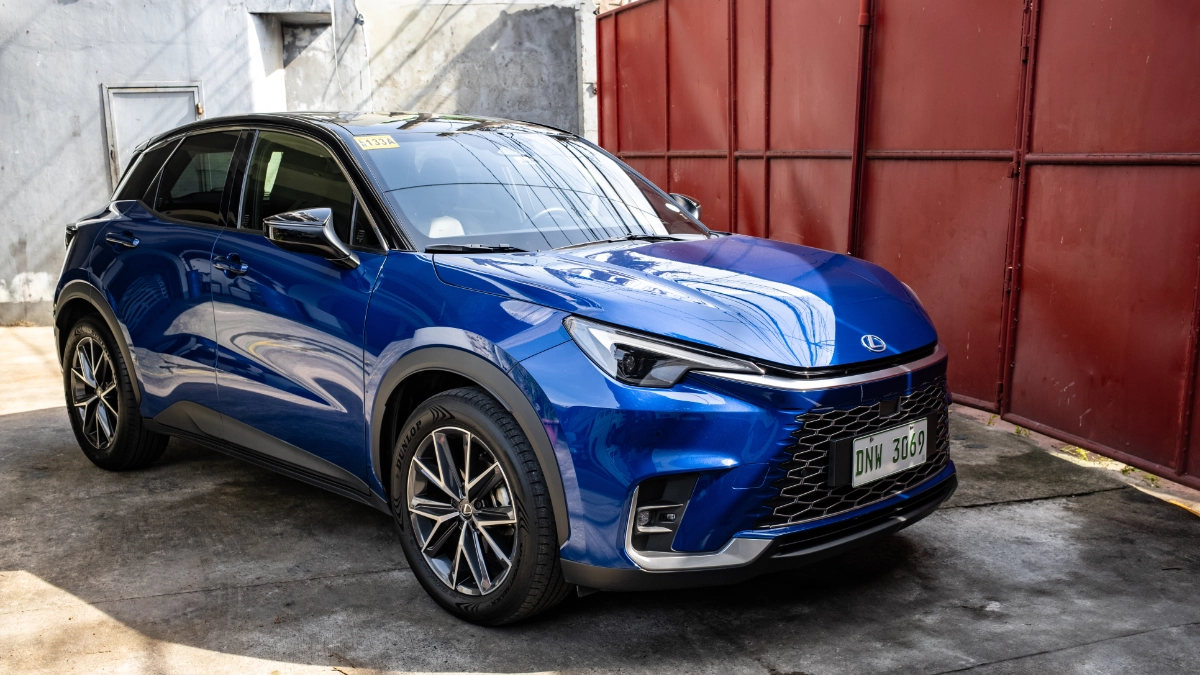
The LBX is probably one of the most overstyled Lexus models in the entire range. Yes, it has a spindle grille, but in this application it is more subdued, focusing only on the lower half; the upper half of the front fascia is bisected by a silver piece of trim and the headlights. Yes, the headlights kind of look like they came from the pre-facelift Camry, but it does lend the LBX a distinctive face without the criticisms leveled at large spindle grilles like in the LX. It just works.
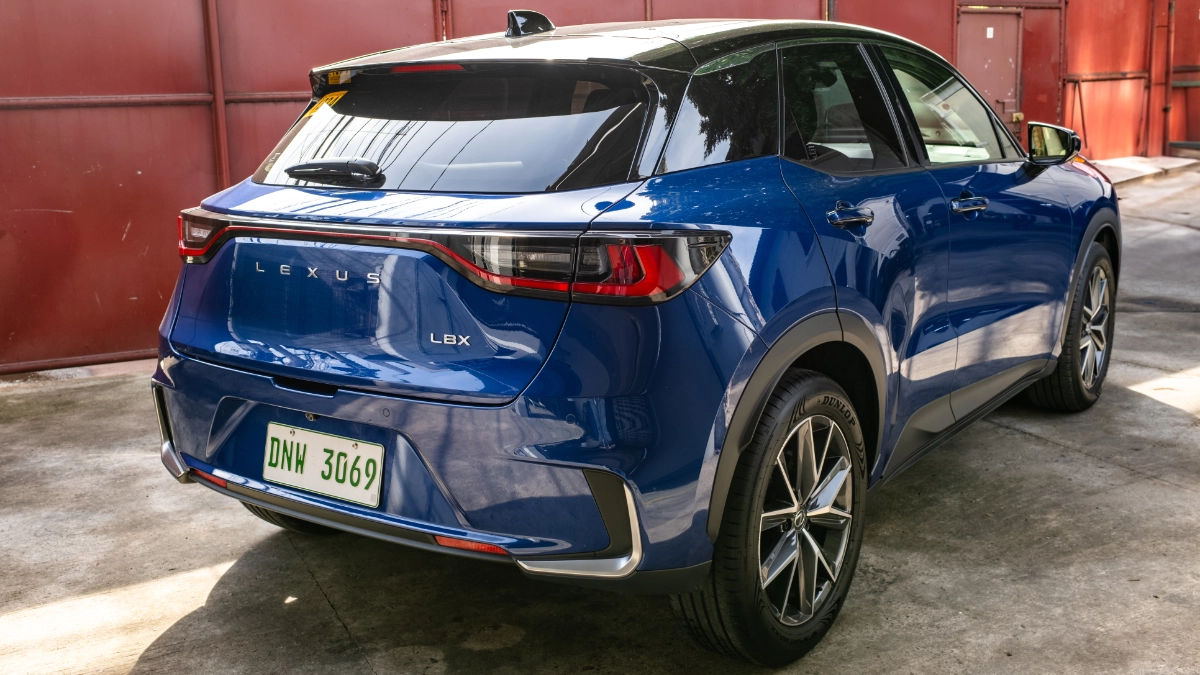
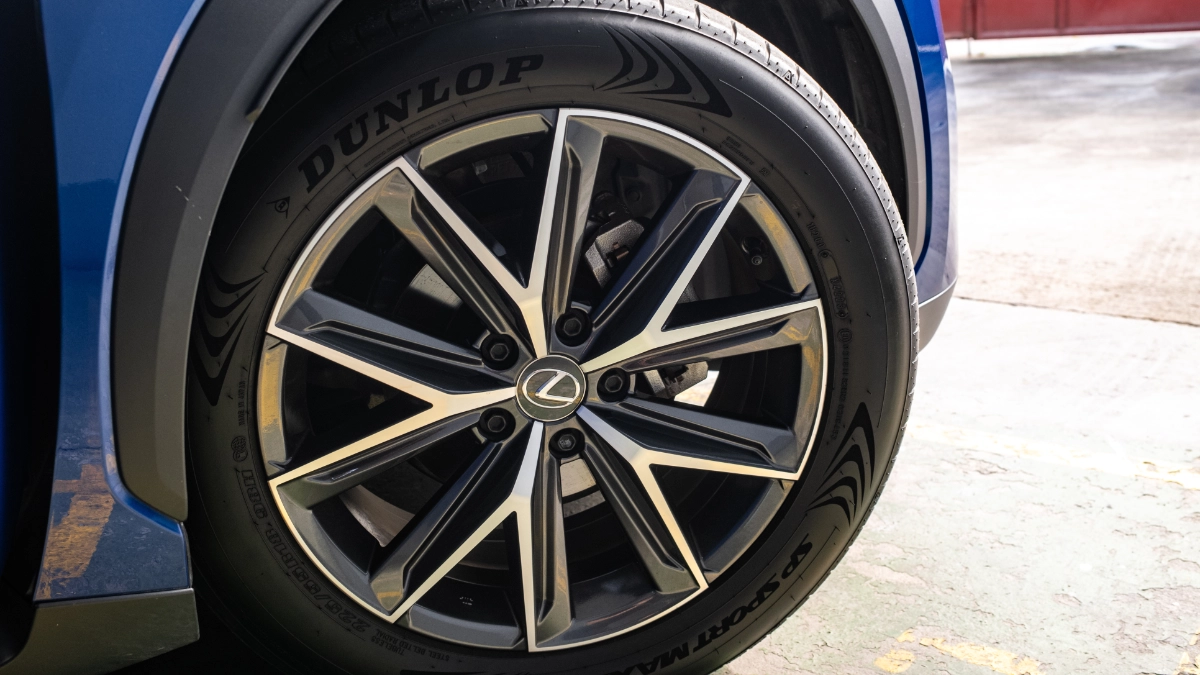
As mentioned, the 4,190mm length of the LBX is belied by the fact that the SUV looks squat and much wider than it actually is. This is thanks to its already low roofline being masked by the two-tone paint job; the black roof accentuates the lines and hides the actual height of the SUV. The 18-inch wheels in a dark finish match well with the blacked-out roof.
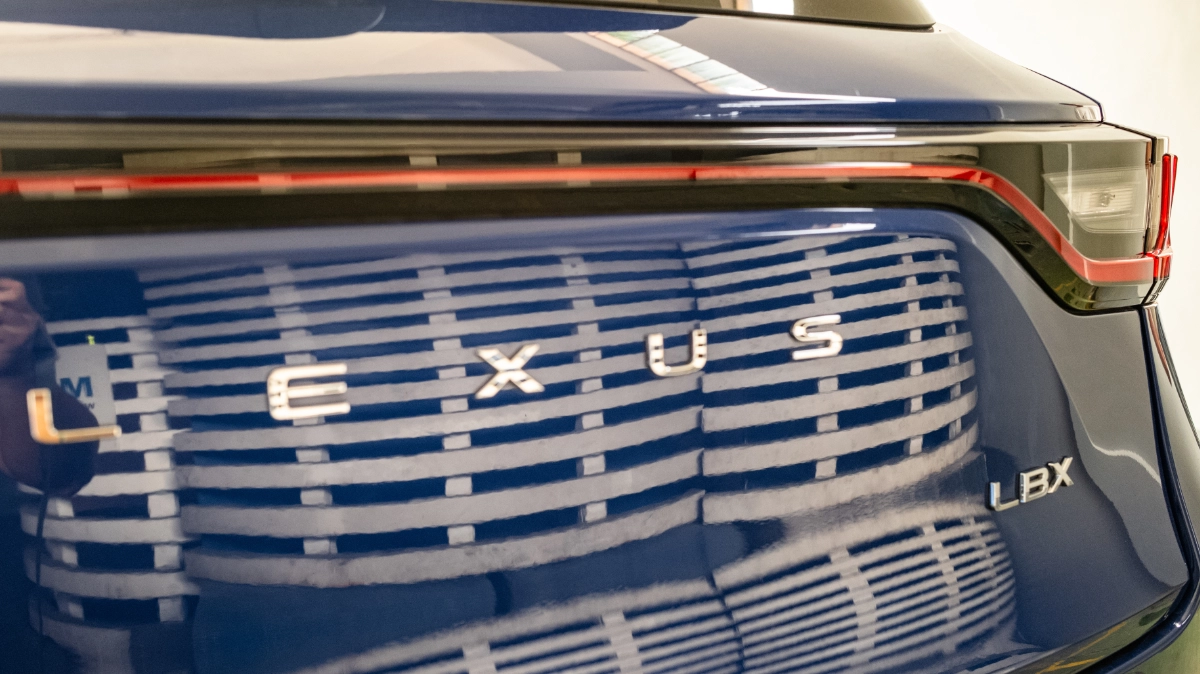
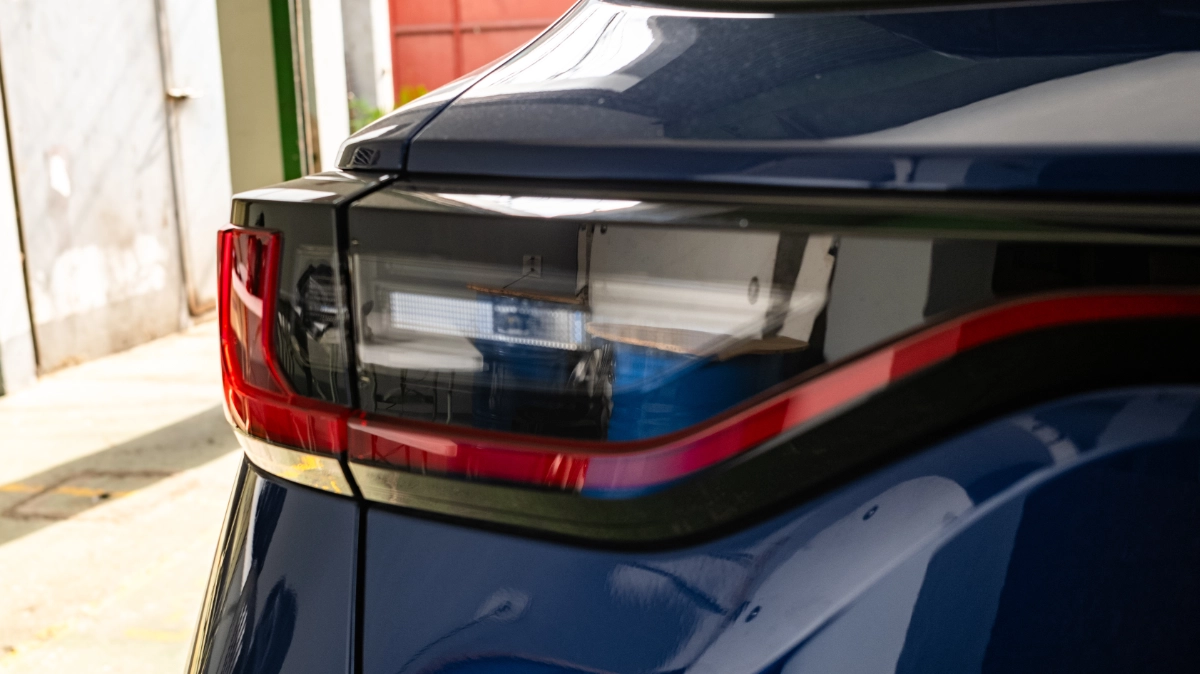
A tidy rear end with minimal badges (only the brand and model) and a brake light that divides the rear makes it a handsome car overall. The LBX looks purposeful and generally more sporty than a three-cylinder hybrid has any right to be, and we love it. It is clear why Toyota chairman Akio Toyoda used this as the basis for his Morizo RR, the fire-breathing, GR Yaris-powered version of the LBX. This car’s design exudes fun, more so than most designs to come out of the Japanese brand.
ALSO READ:
Toyota customers have two new options for insurance providers
Top Gear PH Podcast Season 2 Episode 13: Nissan, NCAP, and everything in between
Interior
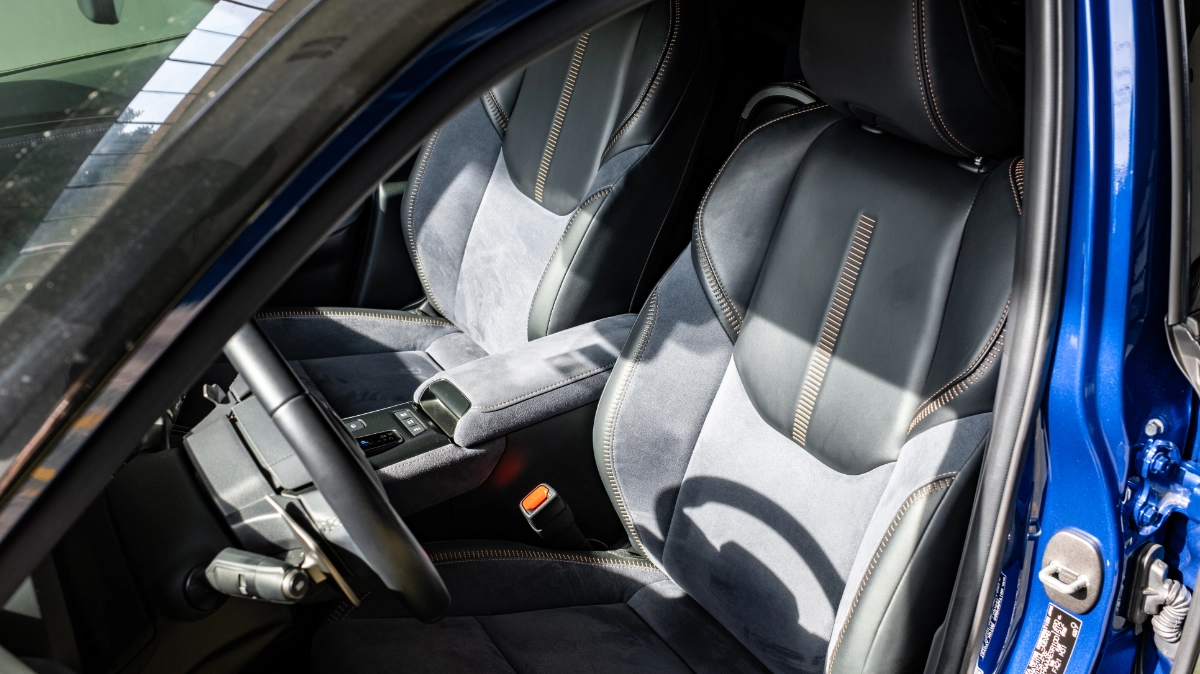
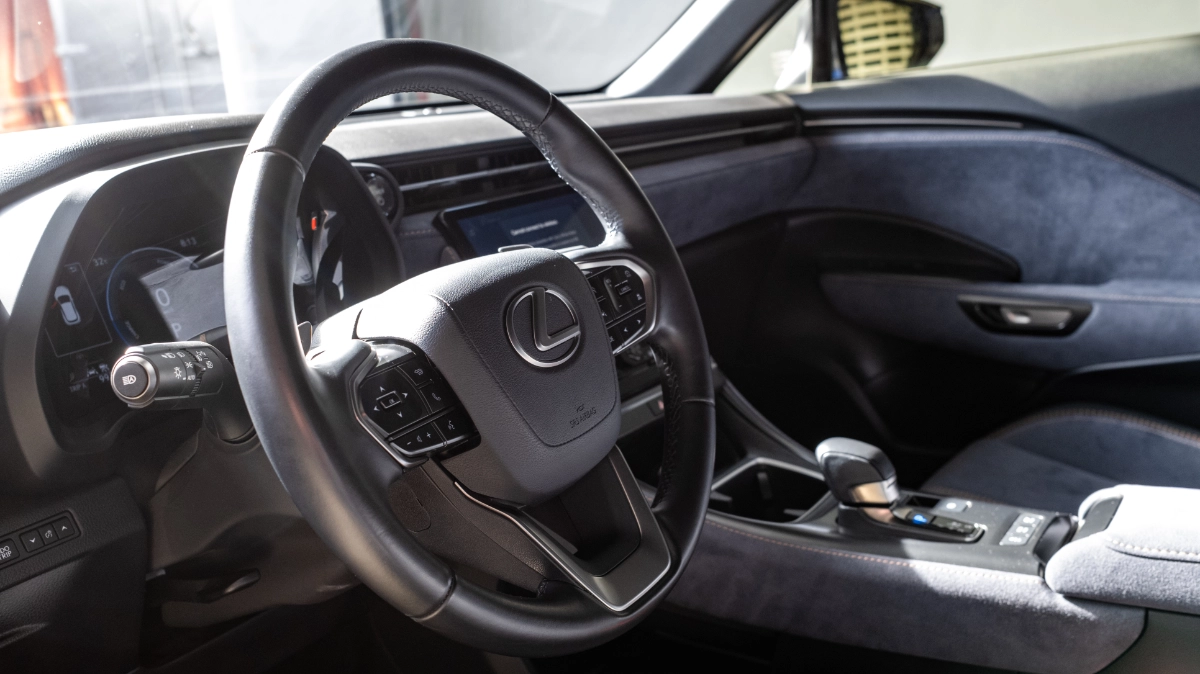
Alcantara and soft-touch materials slather the interior with a soft and welcoming yet sporty aura. Everywhere you touch, save for some out-of-the-way trim near the floor of the car, is soft, supple, and more important, feels expensive. While not as plush as other models in the Lexus range, the LBX’s interior is uniquely sporty in a way reminiscent of the F models.
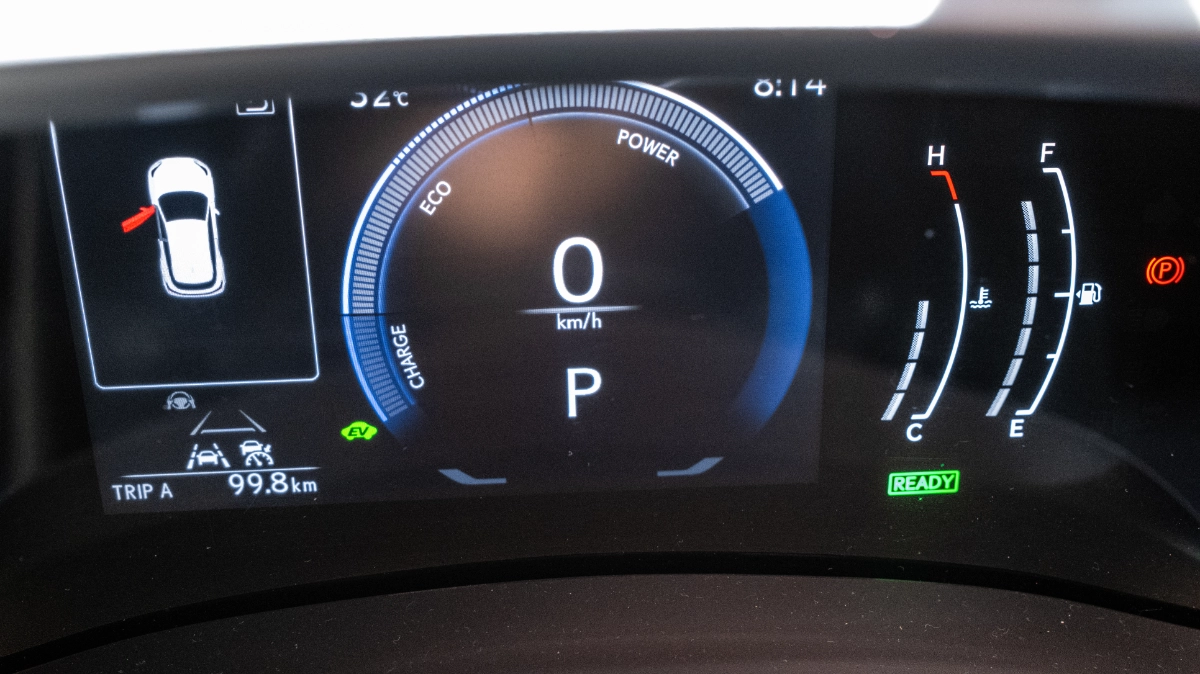
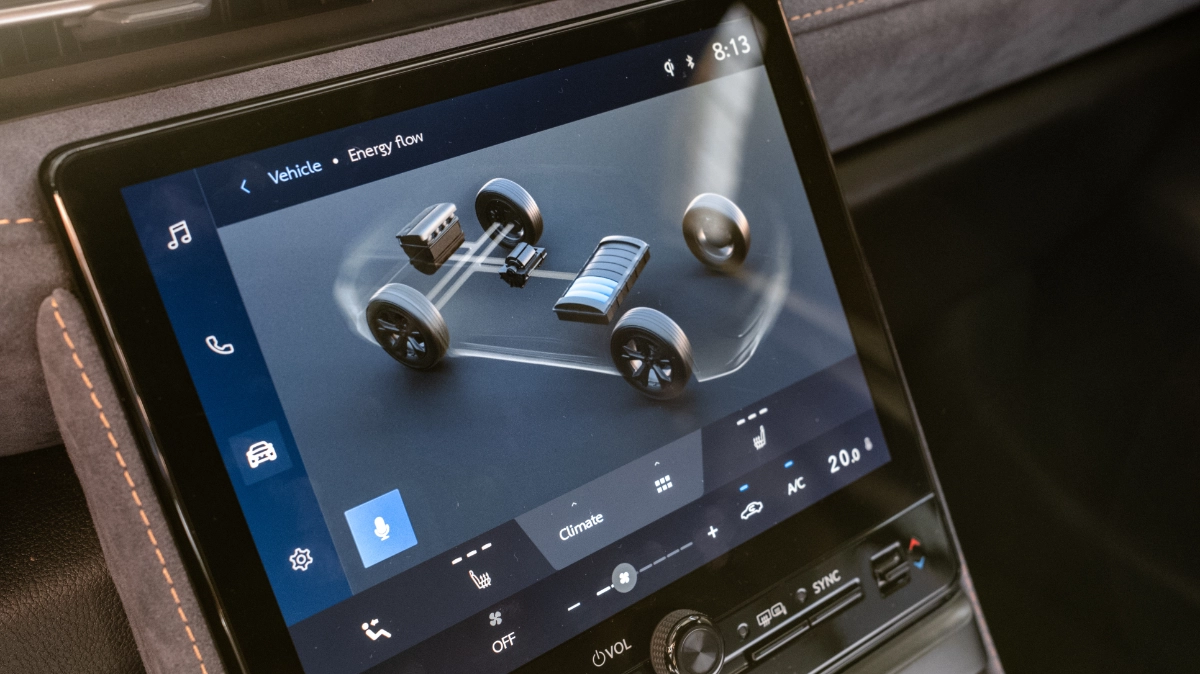
A seven-inch TFT screen for instrumentation greets the driver. It is clear, readable, and complements the 9.8-inch touchscreen in the center of the console. Annoyingly, some of the A/C controls, such as the fan speed, have been placed in the latter. At least it is a permanent fixture, and as a consolation, Lexus has retained physical temperature controls.
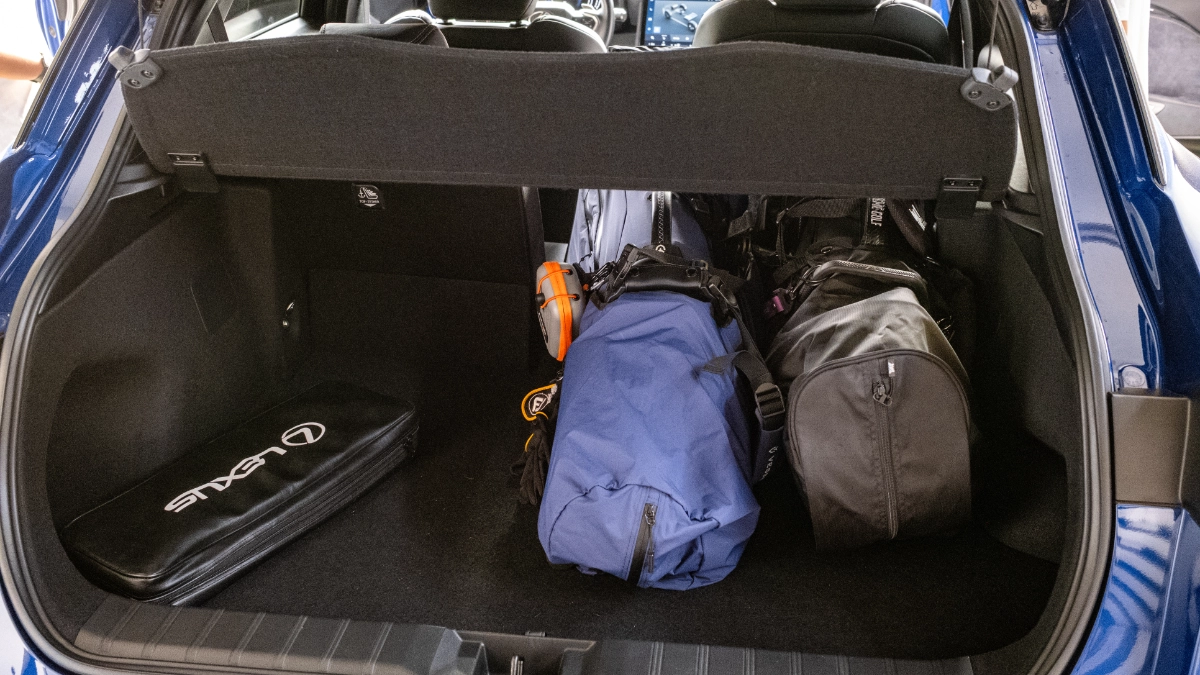
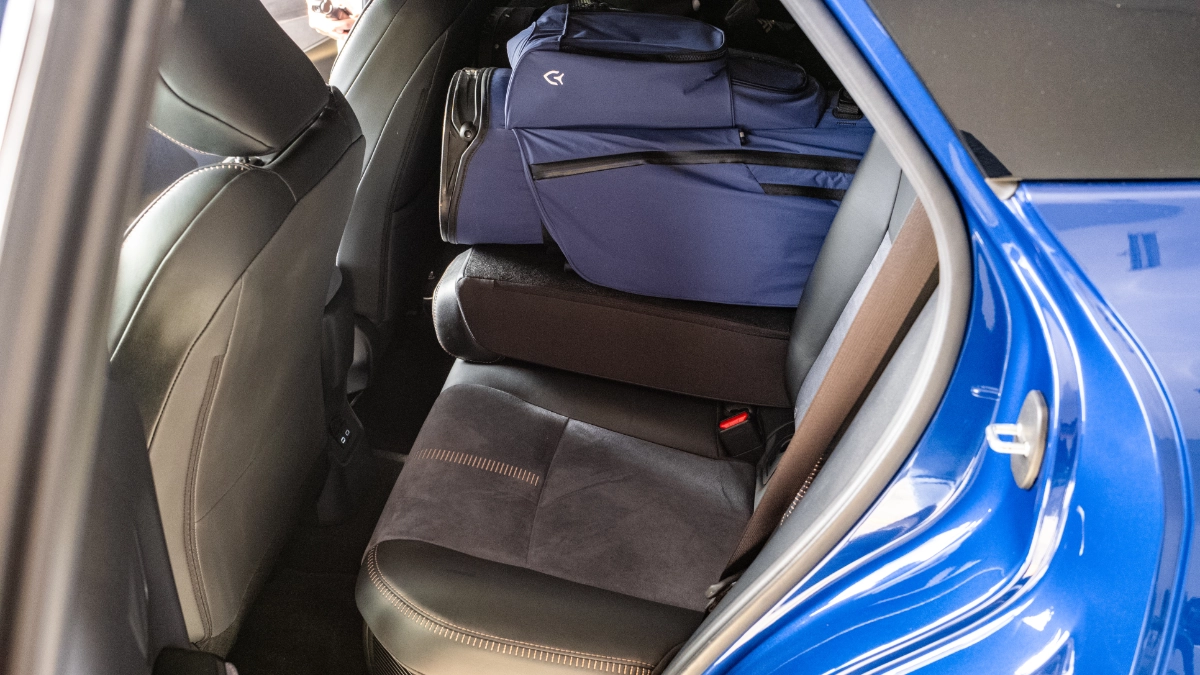
The front seats of the LBX are quite supportive, and continue the sporty feel—although we do wish they did move further back as my knees are a bit more bent than I would like (I am 6’2”, however). Moving to the rear seat, it becomes crystal clear why Lexus doesn’t let me adjust the seat more, as the rear seats are extremely tight. Maybe it’s because of the thickness of the front seats, but I feel it really is down to the diminutive dimensions of the LBX itself, and the rear seats are basically unusable for anyone older than 12 years old. Still, at least they fold down 60/40, allowing the LBX to turn into a spacious 2-seater SUV with massive trunk space.
Engine performance
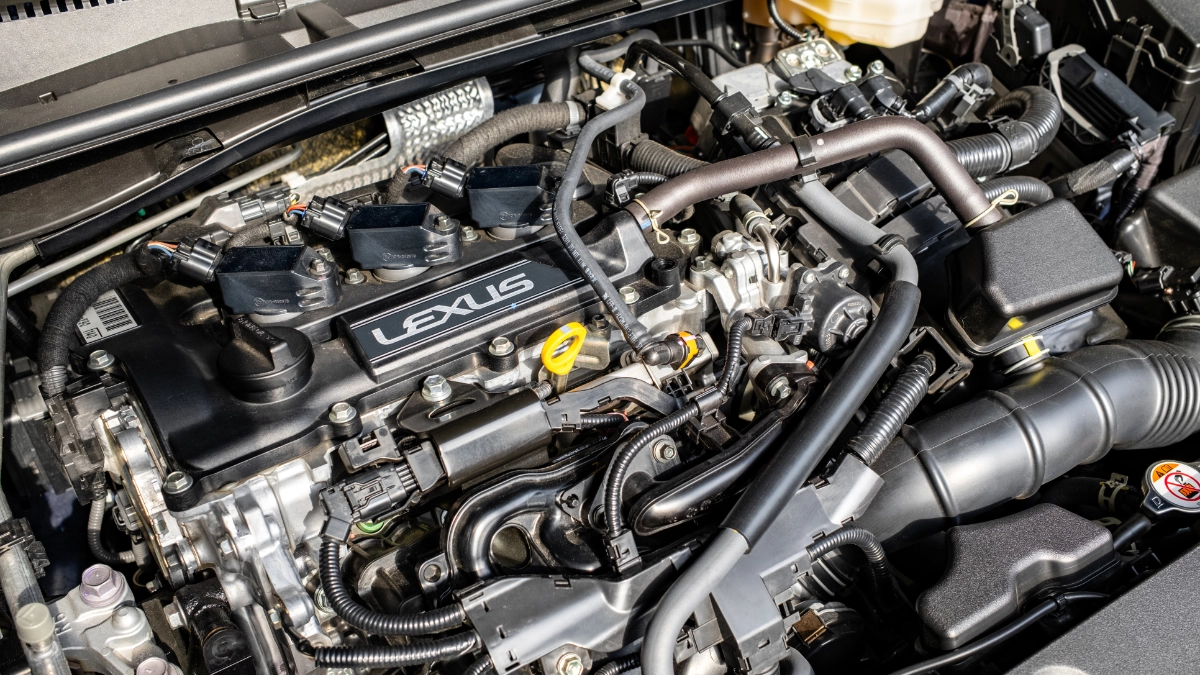
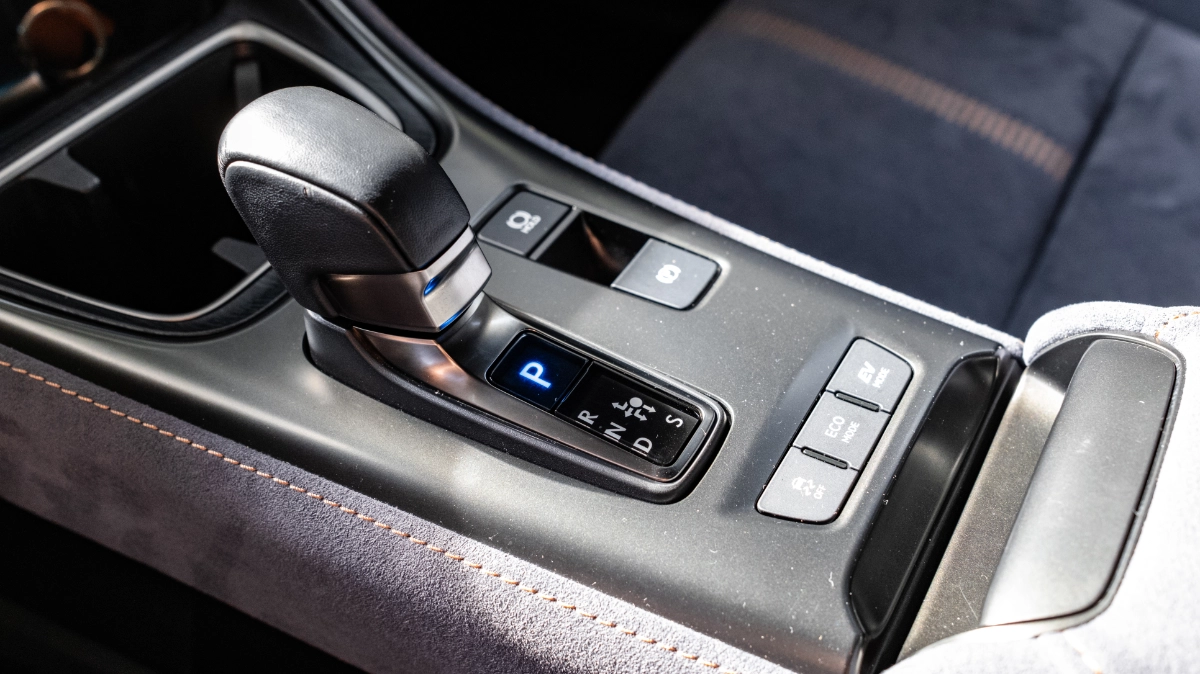
Now, here is where most compromises are made. The LBX is powered by a 1,490cc three-cylinder engine with a series-parallel hybrid system, matched with Lexus’ eCVT. This means that the LBX is not what you would call fast. Lexus quotes a 0-100kph sprint of about 9.2sec, which, to be fair, isn’t the slowest. In fact, it does feel quite nippy in provincial overtaking situations (around 60-90kph), as the electric motor provides plenty of boost to help the engine along at those speeds.
This speed, or lack thereof, is definitely offset by the amazing fuel economy from Lexus’ hybrid system. In mixed driving (around 70% highway, 30% city), the LBX was able to achieve a very impressive 27km/L. Used as a daily commuter in the city, we averaged about 18-20km/L, which is still impressive for a city car.
One of the problems we have with this specific powertrain is that the three-cylinder can be a bit buzzy, given the drone from the eCVT and how it likes to keep you in the powerband. Thankfully, it at least feels fast and nimble, even without the assistance of a sport mode.
Ride and handling
Here is where the LBX shines. I consider this SUV more of a momentum car: Keep the speed up, toss it into a corner, and despite the torsion beam rear, the LBX will take the turn with gusto. It holds the road in a sporty way without being too harsh. Turn-in feels great, and body roll is very well controlled at speed.
The suspension does let some bumps and vibration from bad roads into the cabin, but this is never too much, and is a compromise I would gladly take over an overdamped, comfortable setup. Driving on SLEX, the LBX feels composed, well-mannered, and just about right. Whatever Lexus did, it seems like magic given the suspension setup of this car.
Overall, handling is great. It feels sporty, despite not having claimed to be. It drives very well, and I am sure drivers who like tackling twisties wouldn’t be disappointed.
Extra features
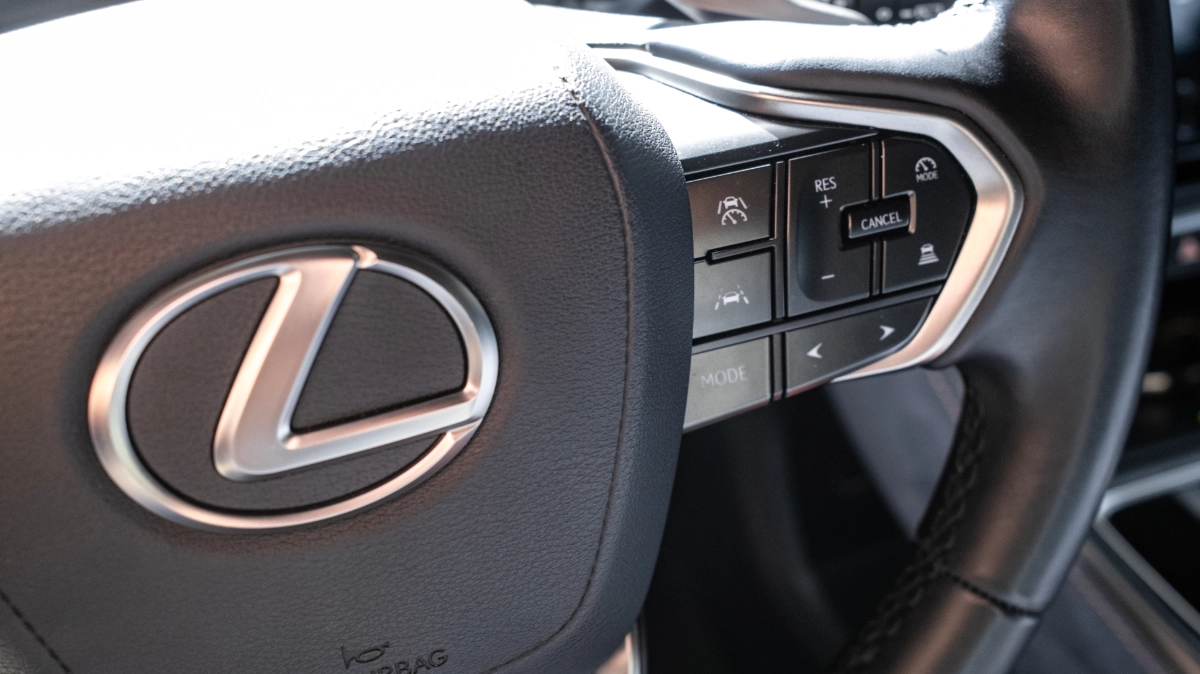
For a car touted as the entry-level Lexus, it is not wanting for extra features. The LBX has a full suite of ADAS systems, including a pre-collision system, dynamic radar cruise control, and lane tracing assist. These systems work great, and we found that it coped with Manila traffic quite well, with the exception that sometimes it would freak out when a motorcycle would cut it off. At least I know the two-wheeler detection works.
The LBX has automatic wipers and headlights, a power driver’s seat with memory function, an automatic dimming rear mirror, a power tailgate, and wireless Apple CarPlay and Android Auto. In terms of parking assists, it has a rear camera (which could be better quality), and front and rear sonar, which makes parking—already easy due to its size—a breeze.
Finally, for a car with barely enough space for four adults, it has a smorgasbord of charging options. The LBX has five (yes, five) USB Type-C ports, two 12v sockets, and a Qi wireless charger. While the latter didn’t really work too well and just heated up my phone, it was easy enough to find a wired charger, as they were literally littered all around the interior.
For this price and these features, it does put other, more expensive cars from other luxury brands to shame.
Verdict
The LBX is priced at P2.558 million, which makes it cheaper than a Honda CR-V RS e:HEV or a Toyota Camry HEV. Yes, admittedly, it is much smaller than either of those options, but if you are looking for a luxury hybrid with amazing fuel economy, legendary reliability, and an excellent, sporty, driving feel, the LBX is one of the most underrated cars in the market today, even if it could use a little bit more poke.
SPECS: 2025 Lexus LBX
Price: P2,558,000
Engine: 1.4-liter gasoline I3
Power: 134hp (combined)
Torque: 120Nm @ 3,800-4,800rpm
Transmission: eCVT
Layout: FWD
Seating: 5
Score: 18.5/20
More photos of the 2025 Lexus LBX: