
Hype is a double-edged sword. It makes a lot of noise for something, but at the same time, it can skew expectations. Take the restaurant business, for example. You see something explode on social media, grabbing your attention. Curious, you try it out, expecting an amazing culinary experience.
The result can only go one of two ways. At the very least, it meets your expectations. On the other hand, you walk away from the whole experience disappointed and unfulfilled. The same thing applies to cars, except the stakes (and costs) are much higher.
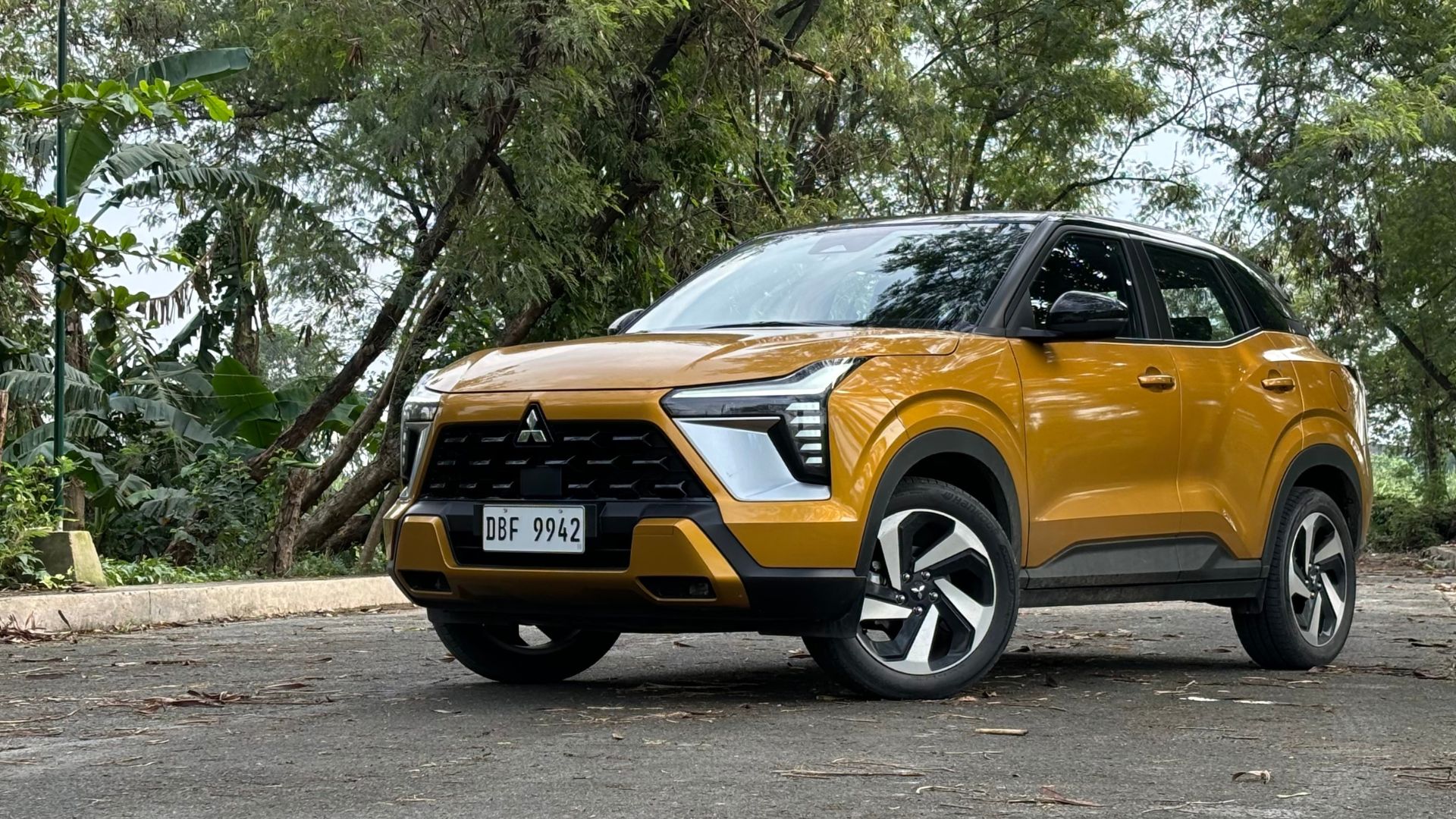
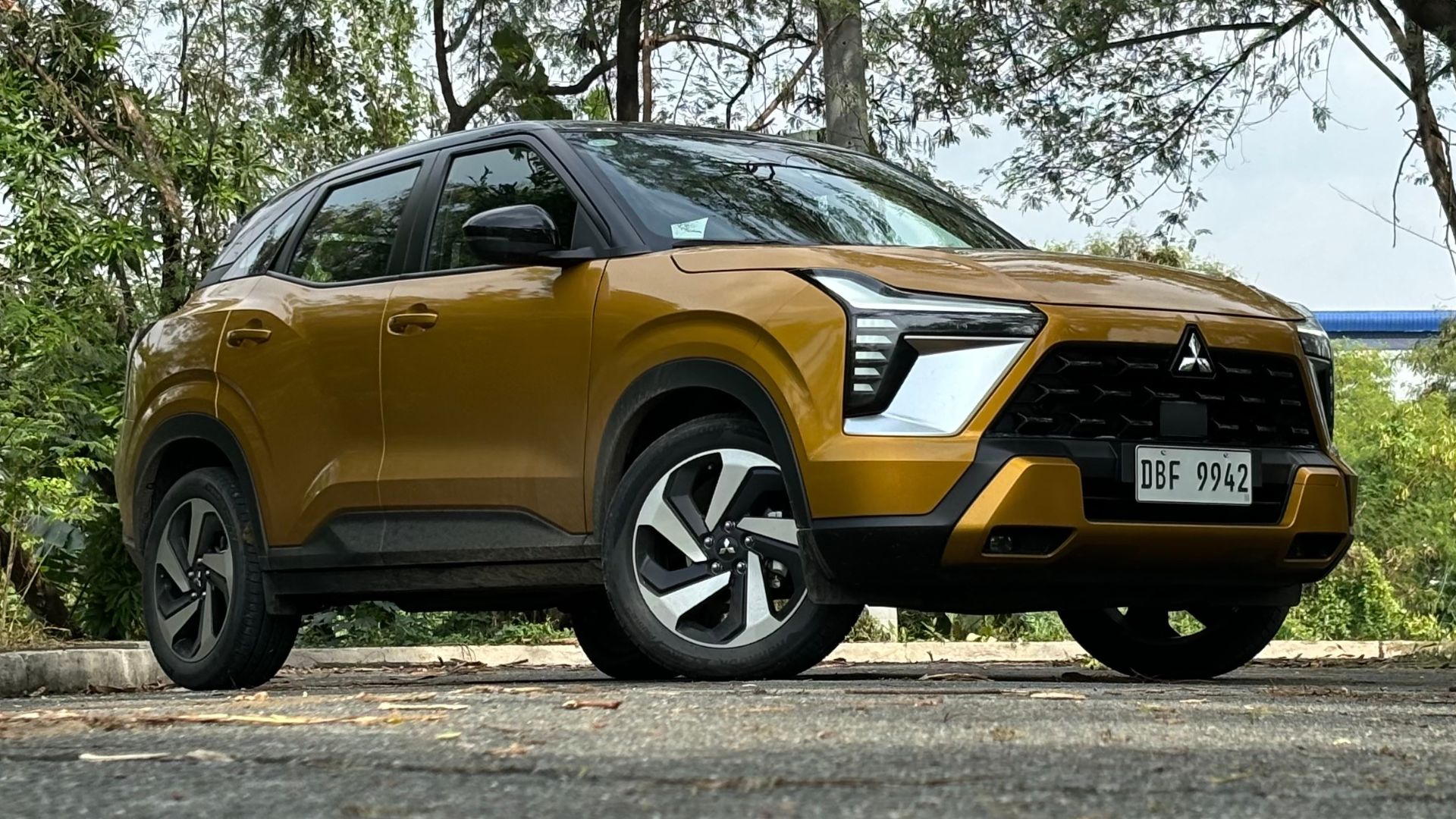
Riding high on the hype train at the moment is the recently launched Mitsubishi XForce. From an extensive teaser campaign, a big launch, and now, a nationwide roadshow, Mitsubishi is throwing all its might to make more buzz for its smallest crossover.
But all that noise isn’t an indicator of the car’s true capabilities. With that, it’s time for the XForce to face its toughest challenge: The real world.
OTHER STORIES YOU MIGHT HAVE MISSED:
The all-new Corvette ZR1 is a twin-turbocharged 1,000+hp rocket ship
More details of the ‘mini’ Toyota Land Cruiser emerge
Styling
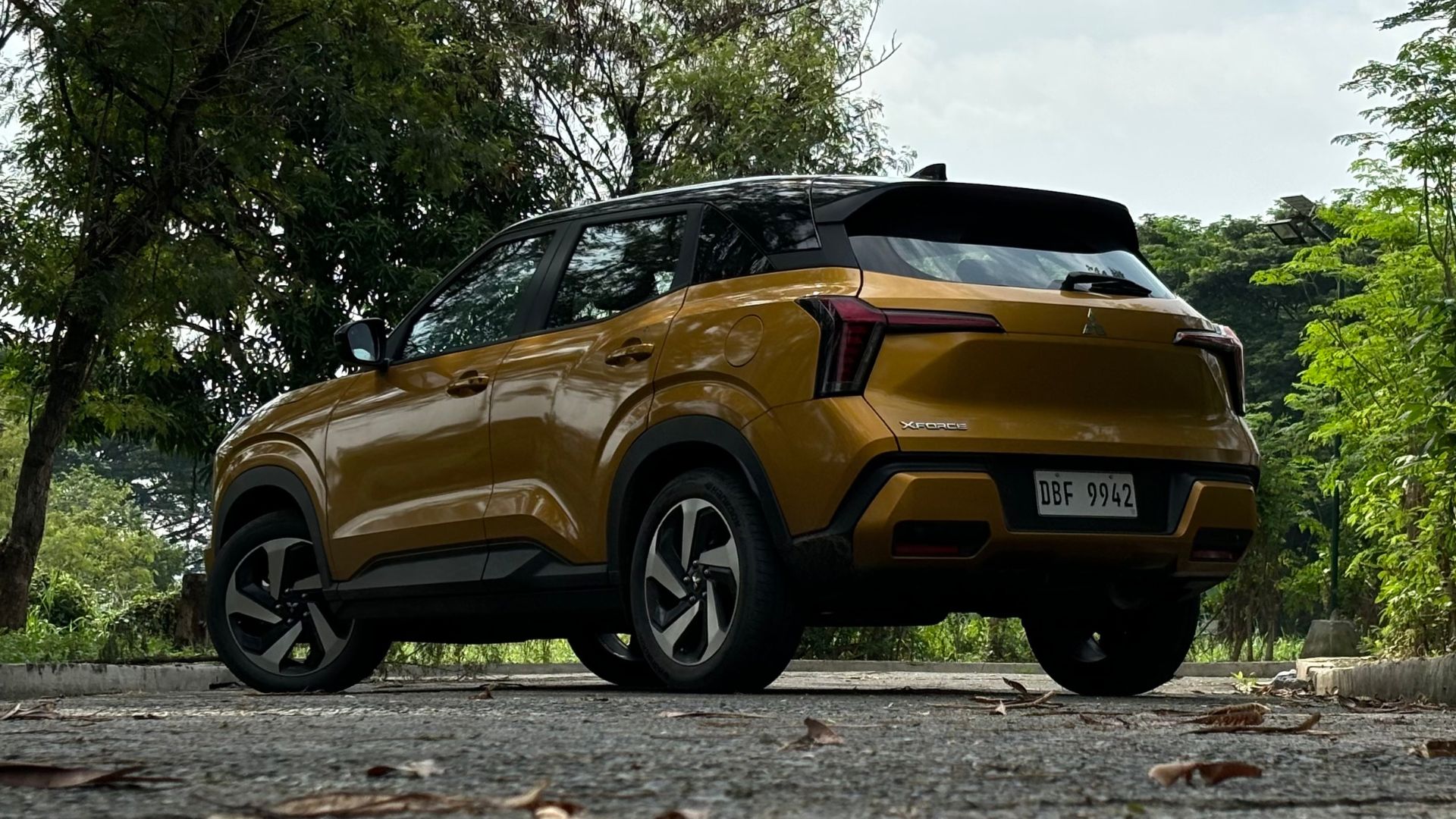
There’s no other way of saying it, the XForce doesn’t just grab attention, it actively seeks it. The T-shaped headlights lure in passers-by that then draw attention to the gaping grille. Its flanks are chockfull of lines and plastic cladding to give it a beefed up look, and those tail lights look like nothing else on the road.
Normally, when I have a test unit, my neighbors just go about their day. If it’s a nice looking car, it gets a few stares here and there. But the XForce was different. People were asking questions about it, genuinely curious about Mitsubishi’s baby crossover.
Sure, the design can be described as polarizing, but you can’t accuse it of looking generic. You can even call it a bit of ice breaker.
Interior
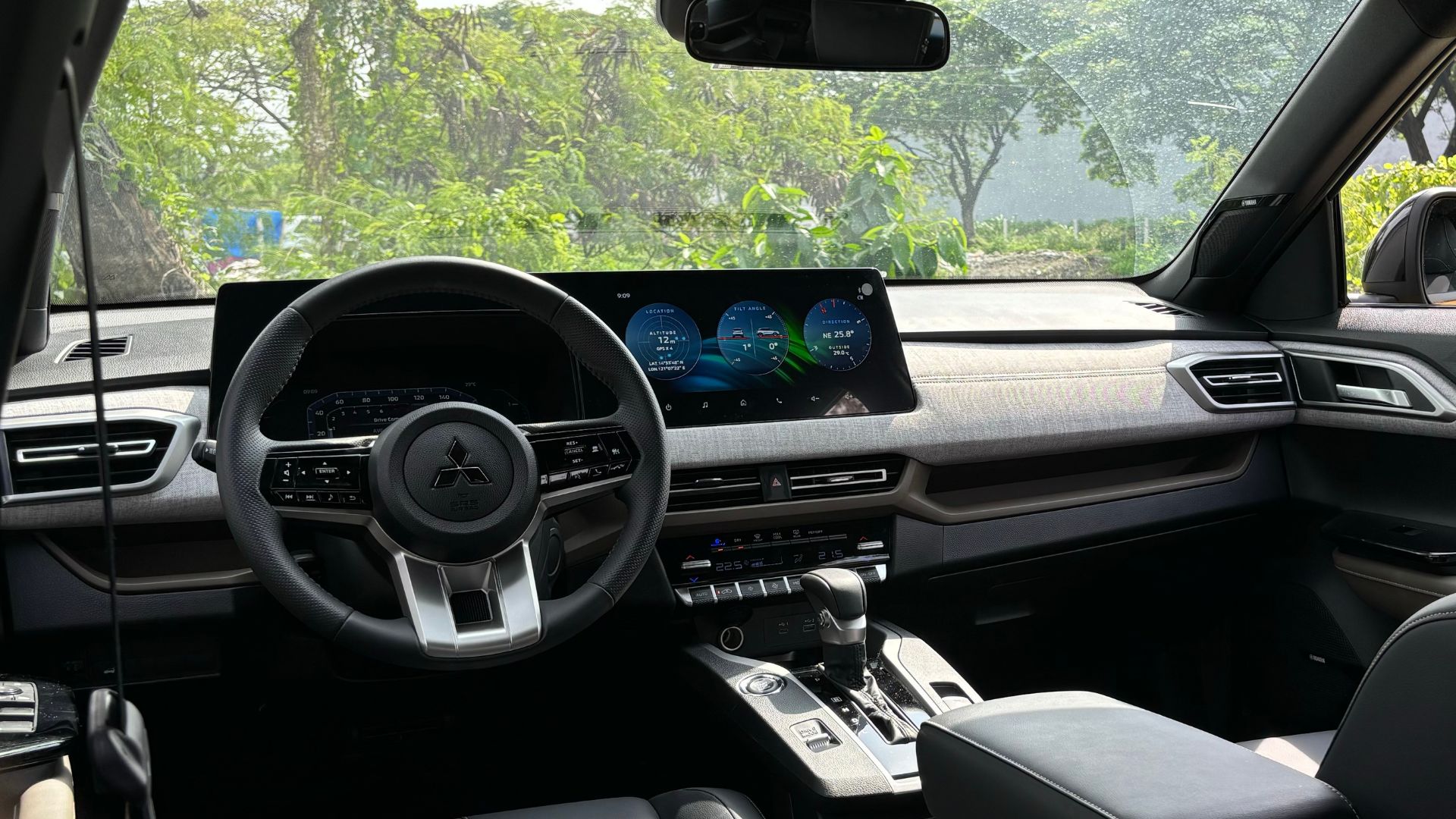
Normally, the transition from concept car to reality means a neutered, watered down interior design. However, in the case of the XForce, most of the concept’s ideas can be seen in the road going version. The look is similar to the XFC Concept we saw prior to its launch, from the floating panel that houses the instrument cluster and infotainment system right down to the denim-looking trim on the dashboard.
It’s a great looking cabin that’s spacious for its class, too. Room at the front is no problem, and there good legroom at the back. But where it excels in is headroom, offering more than enough space even for tall folks. The large windows help in giving the impression of spaciousness.
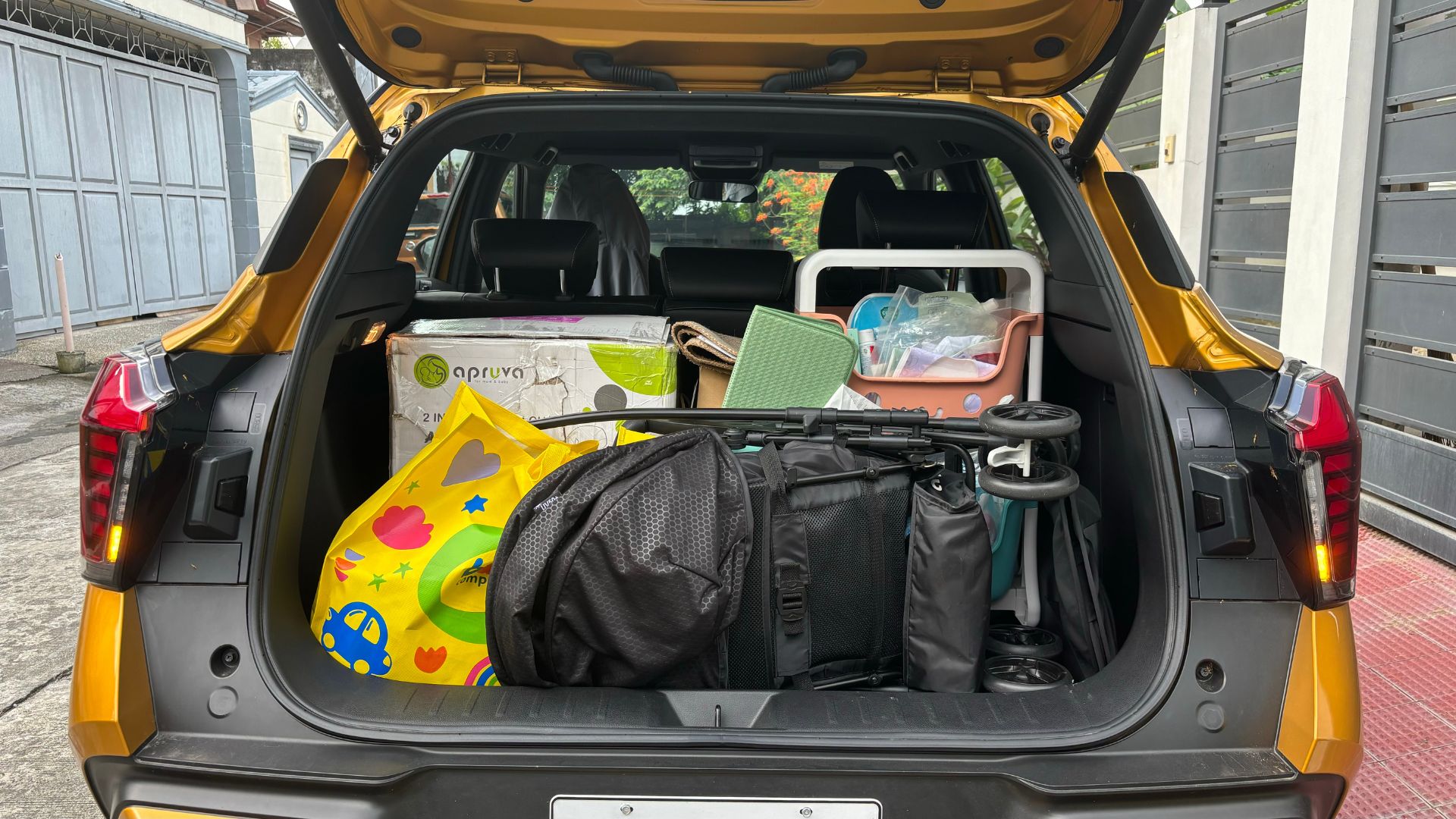
Cargo space, you ask? There’s loads of it thanks to the false floor that expands (or should we say XPands?) the area. Mitsubishi doesn’t have exact numbers for the total volume, but I can testify that it’ll swallow up a baby fair haul and a stroller with relative ease.
All good news then, right? Well, it’s not all rosy inside the XForce. For starters, the front passenger seat doesn’t slide back as far as you’d hope. Also, the telescopic steering wheel is rather limited in terms of adjustability, and seat height adjuster is more an angle adjuster at best.
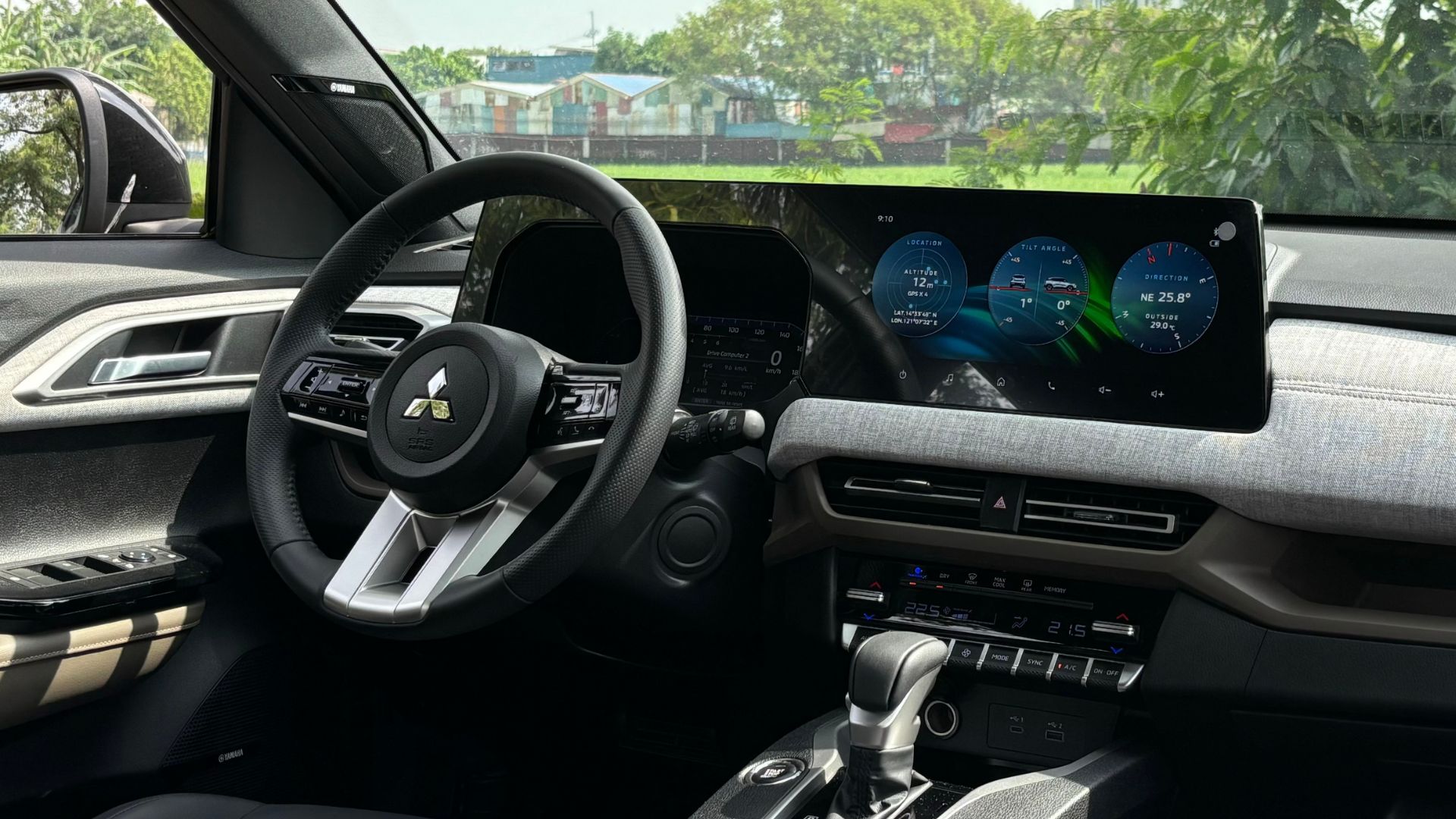
But one thing that caught my attention was the fit and finish on one of the interior panels. Maybe it’s this tester, but the trim on the driver’s side A-pillar was loose. Not that it rattled when on the go, but it moves around when you touch it.
That said, there is one feature that amused me. It’s something I last saw in early-‘90s Toyotas and that’s the air-conditioning vent under the steering column. Its function is for extra air circulation with the unintended side effect of cooling your, um, nether region.
Engine performance
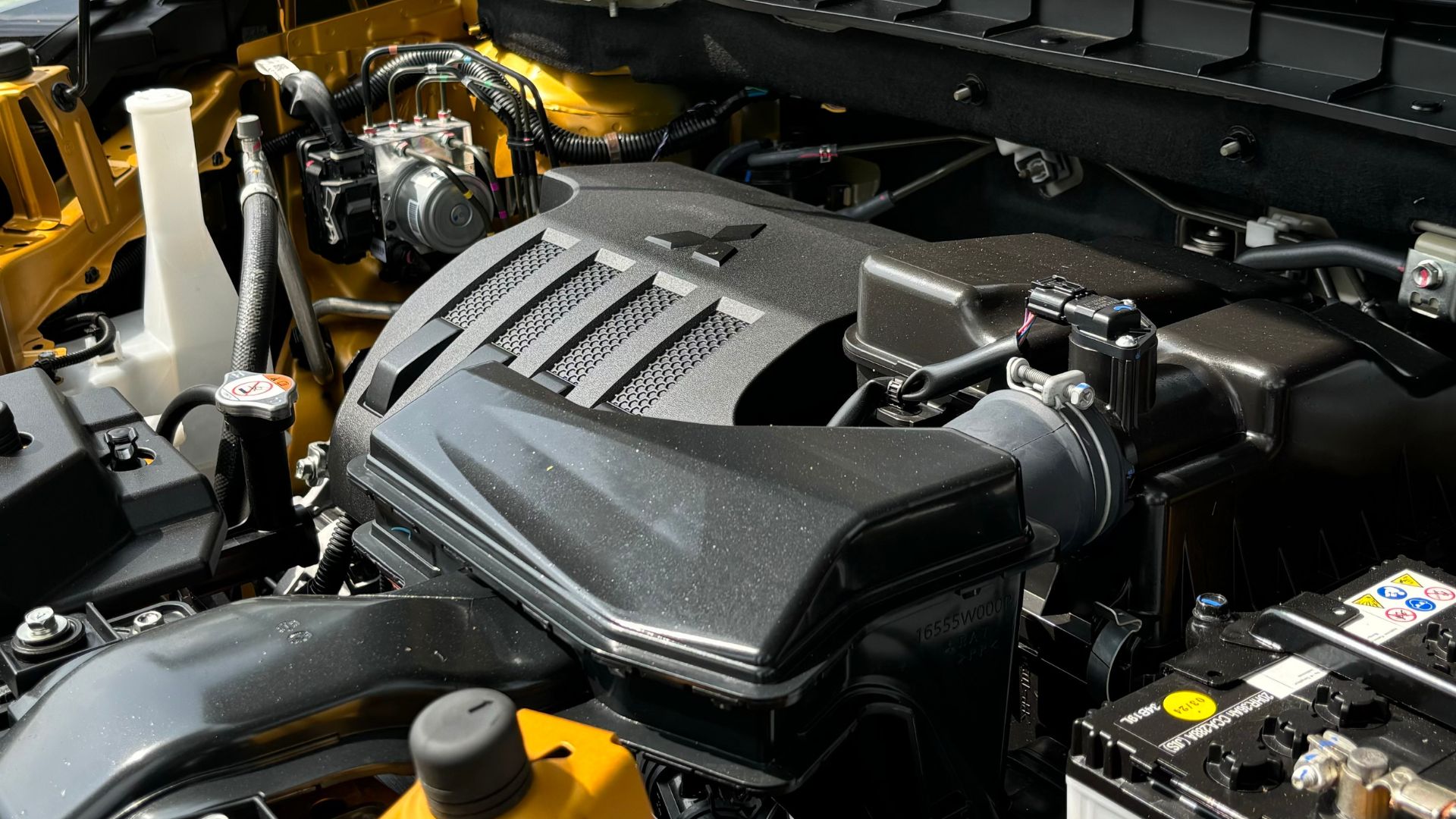
The Mitsubishi XForce has the same bones as the Xpander. So it comes as no surprise that it uses the same engine. It’s a 1.5-liter MIVEC unit that makes 103hp and 141Nm of torque. Those numbers are exactly the same as those found in the Xpander.
Obviously, it’s not the fastest car in the world. The output is adequate for its class and there’s some planning required when it comes to overtaking. For the most part, however, it’s fine for most. For those who want a little more response, you’ll have to put its CVT into sport mode for livelier acceleration. With a full load, the engine copes with the extra weight fair enough, although it does become a little more vocal.
More important for buyers in this segment is fuel economy. Despite relatively heavy traffic, the XForce can eke out 9.4km/L at an average pace of 18kph. Those numbers jump to 17km/L on the highway.
Ride and handling
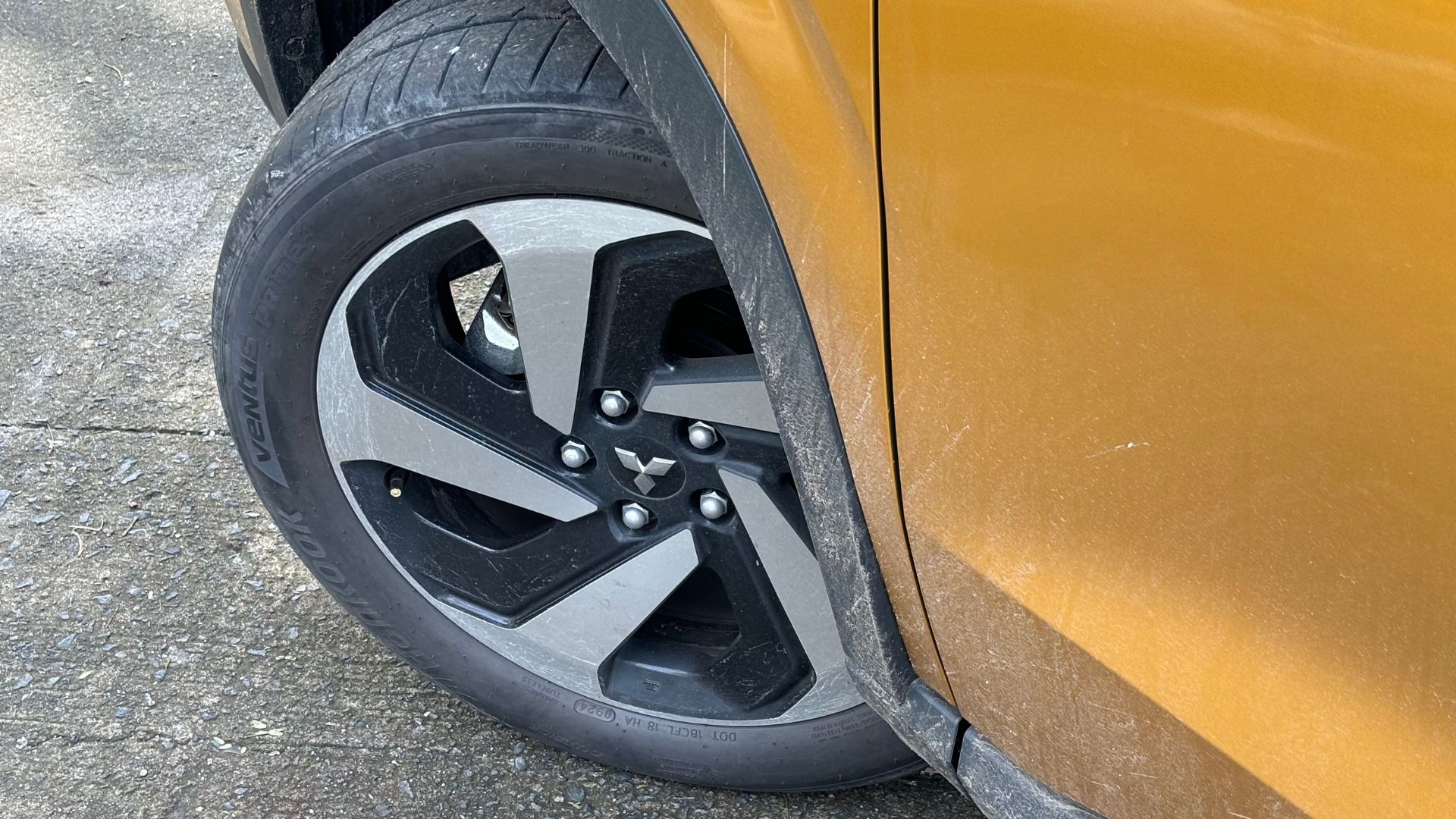
It may look sporty, but the XForce’s suspension is actually on the soft side. That was a bit of a surprise given its aggressive exterior design. Some might find the ride a touch too soft, if a little wallowy at highway speeds. It seems to be a thing with Mitsubishi models. We observed similar behavior in the Mirage and Montero Sport. Around town, however, it settles down and offers a generally pleasant experience.
For handling, I can say that it offers good roadholding. That said, the XForce has a tendency to lean around the bends because of its soft suspension tuning. While not alarming, you do feel it squatting to one side should the mood for a spirited drive come upon you.
Yes, it has Active Yaw Control, something the iconic Lancer Evolution models had, but it’s more of a turn-in assist rather than a driving experience enhancer. Steering feel won’t wow the enthusiastic driver, but about 90 percent of its target demographic will like the light feel.
Extra features
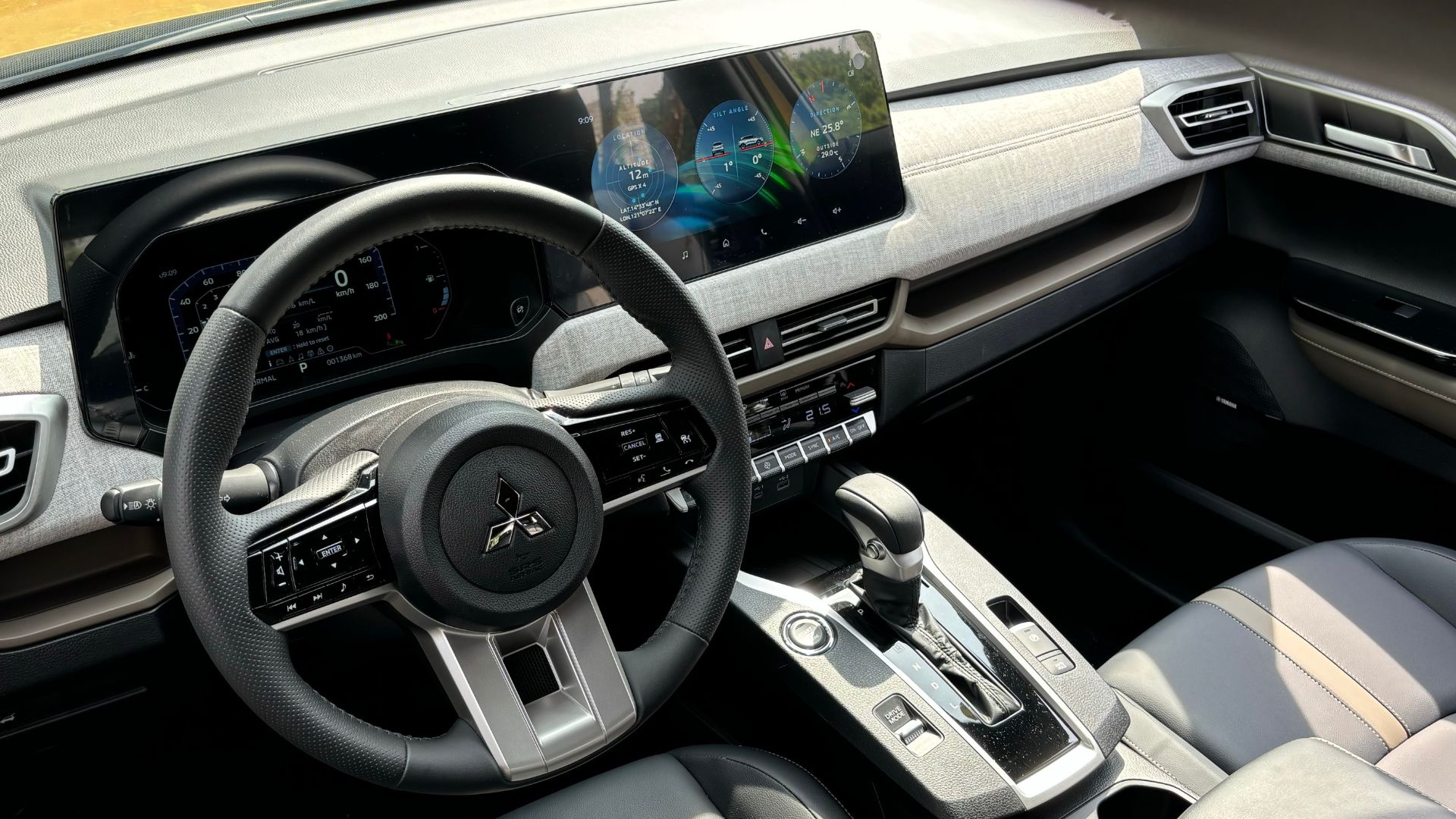
One thing you can’t call the XForce is barren. The touchscreen is a great source of entertainment and amusement, and it’s not just because of Apple CarPlay and Android Auto.
There’s a wide variety of displays available from avionics to realtime information.
You can even display a digital altimeter there, perhaps a nod to the Pajero. Why isn’t this feature in the Triton? And this better make an appearance in the next-gen Montero Sport.
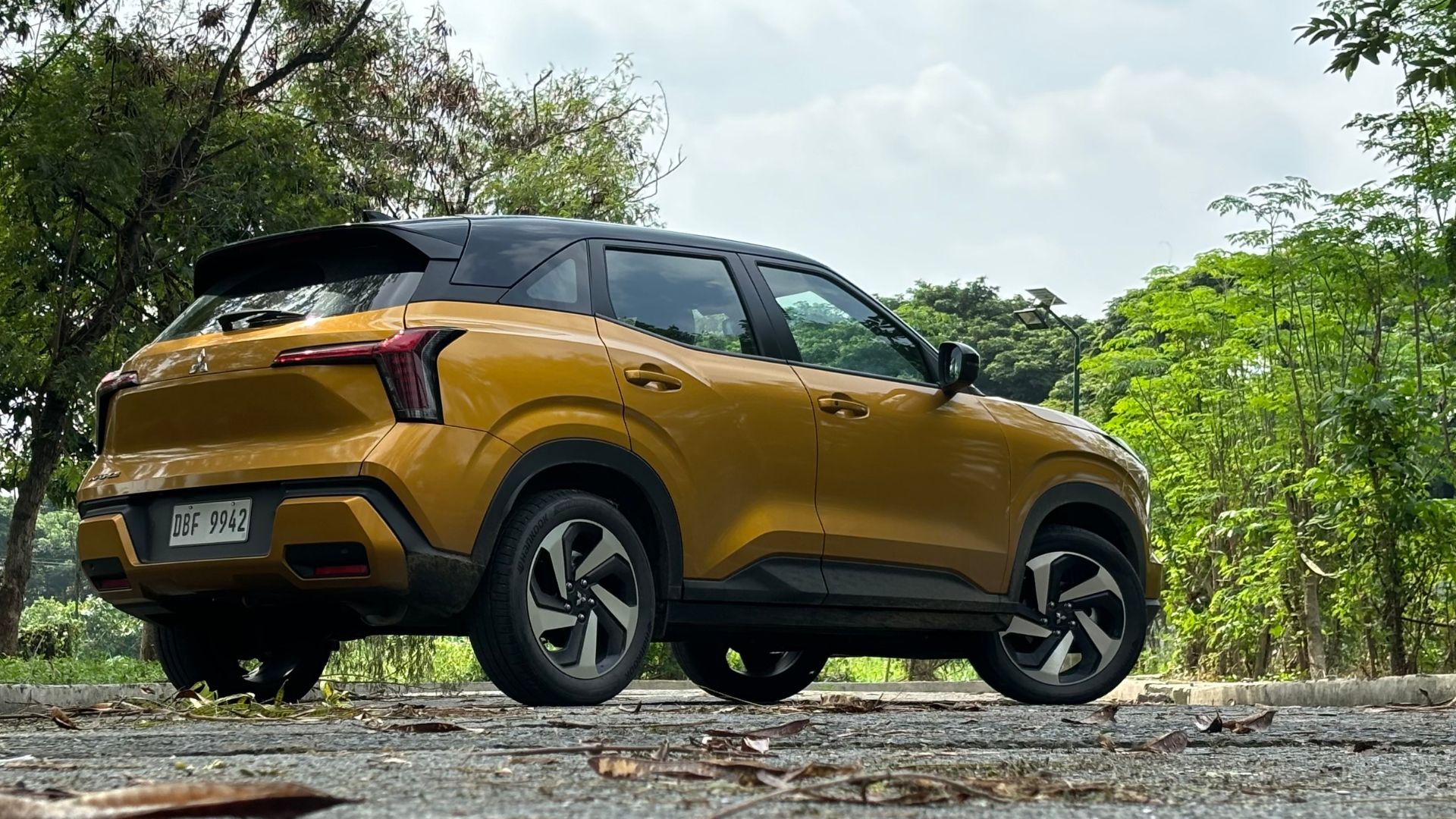
Four driving modes are on hand, namely Normal, Wet, Gravel, and Mud. The XForce was with me during Bagyong Carina, so Wet mode was put into good use. I noticed a different throttle response with more intervention from the traction control. I can say, with confidence, that the drive modes work. I was so impressed by it that I’m almost willing to forgive the glitches this tester had with Apple CarPlay. Almost.
Verdict
The price has raised a few eyebrows. At P1,581,000, it faces serious competition in the form of the Toyota Yaris Cross S HEV and Honda HR-V V Turbo, both of which are close to the XForce GT’s SRP. The Yaris Cross benefits from an electrified powertrain, while the Honda packs a turbocharged punch. So, the big question now is, what is the XForce’s USP at this price point?
It’s certainly not the powertrain and vehicle dynamics. Also, the fit and finish blemishes on this particular test unit don’t do it any favors. The thing is, the XForce does offer a greater safety net when the weather takes a turn for the worse. Yes, it’s two-wheel drive only, but those drive modes really do provide that extra peace of mind.
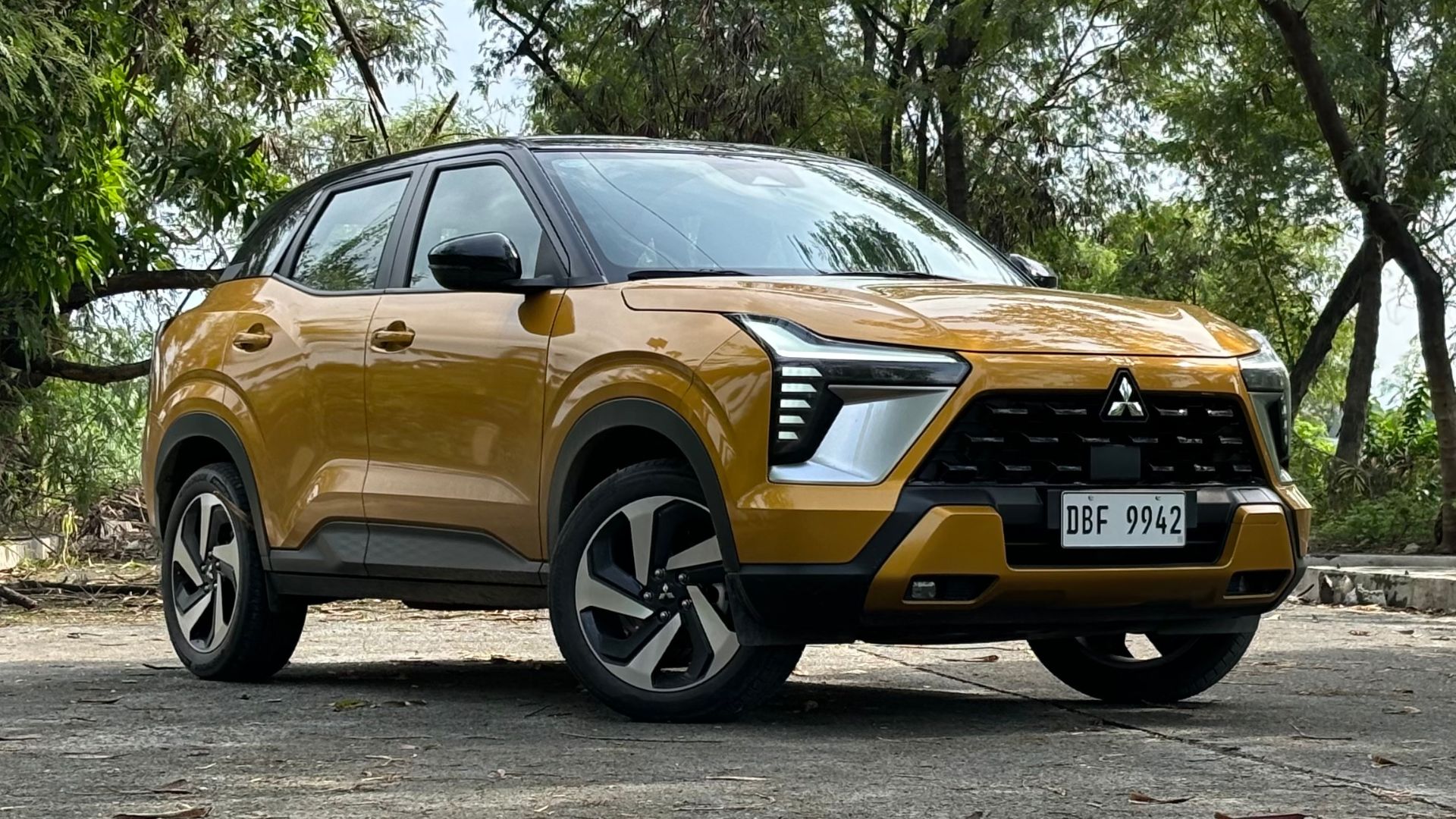
As a car, the XForce is a solid package with a drive mode system that’s truly effective. It’s spacious, hugely practical for its size, and a great foul weather friend. In some ways, the hype surrounding this crossover is justified. All it needs now is a little more polish to become an even greater force to be reckoned with in its class.
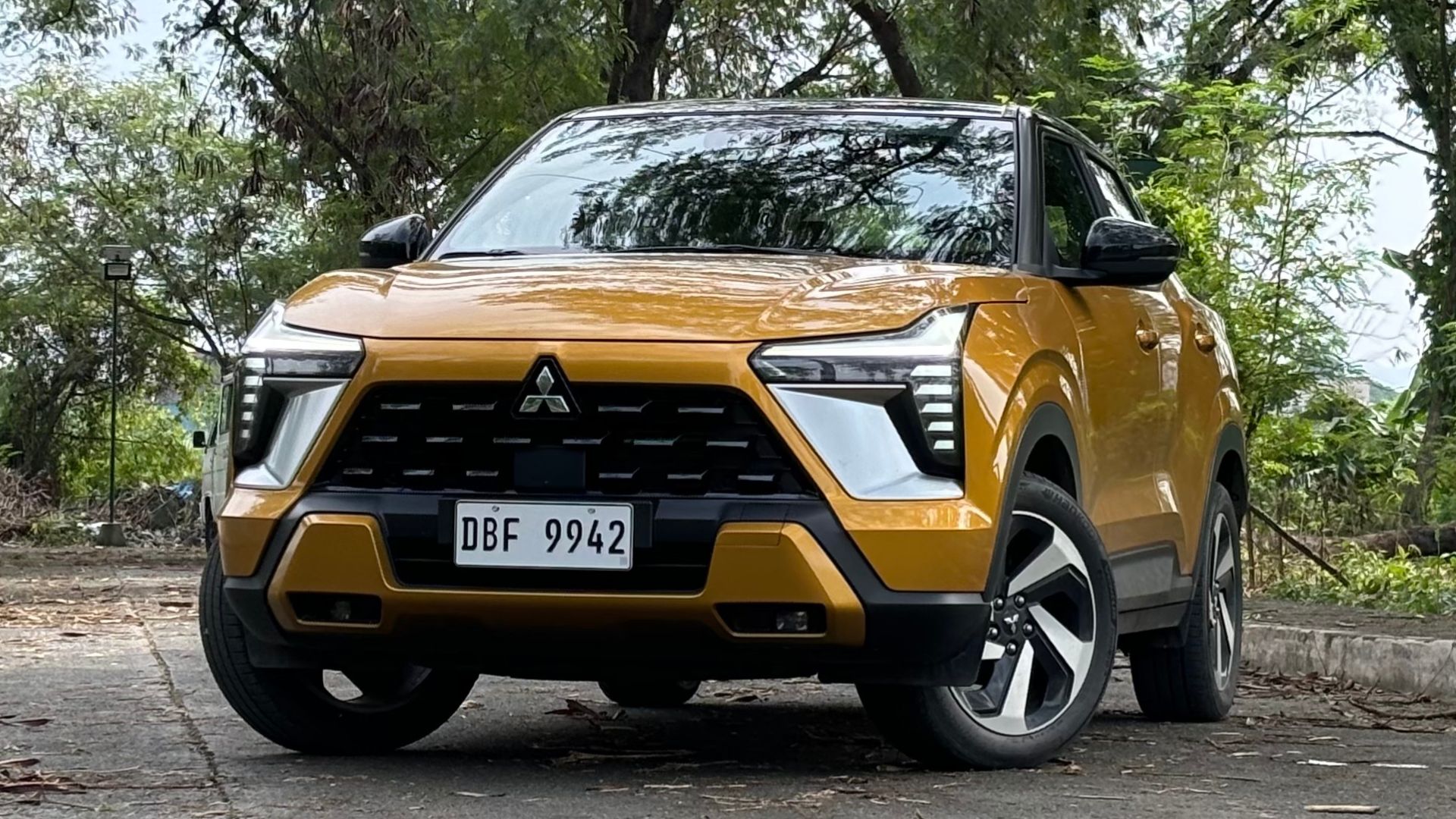
Specs: 2024 Mitsubishi XForce GT CVT
Price: P1,581,000
Engine: 1.5-liter inline-4
Power: 103hp
Torque: 141Nm
Transmission: CVT
Layout: front wheel-drive
Seating: 5
Score: 8/10