
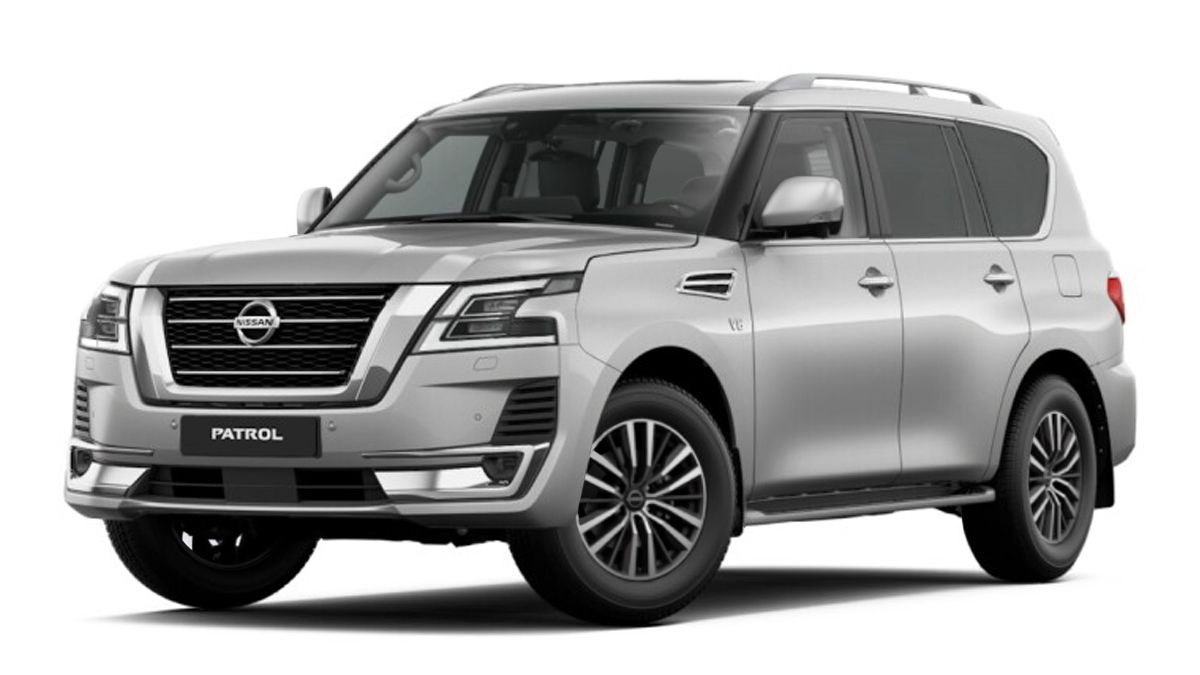
Call me Ishmael. Some years ago—five to be precise—having no money and even less sense, I ventured to drive the Nissan Patrol for a week. To take the big beast out for a sail to discover all that the ancient white whale had to offer. And I found it a wonderful anachronism, utterly out of place in a market full of more modern choices. I loved the experience, but I feared, alas, it would be the last Patrol I would ever drive.
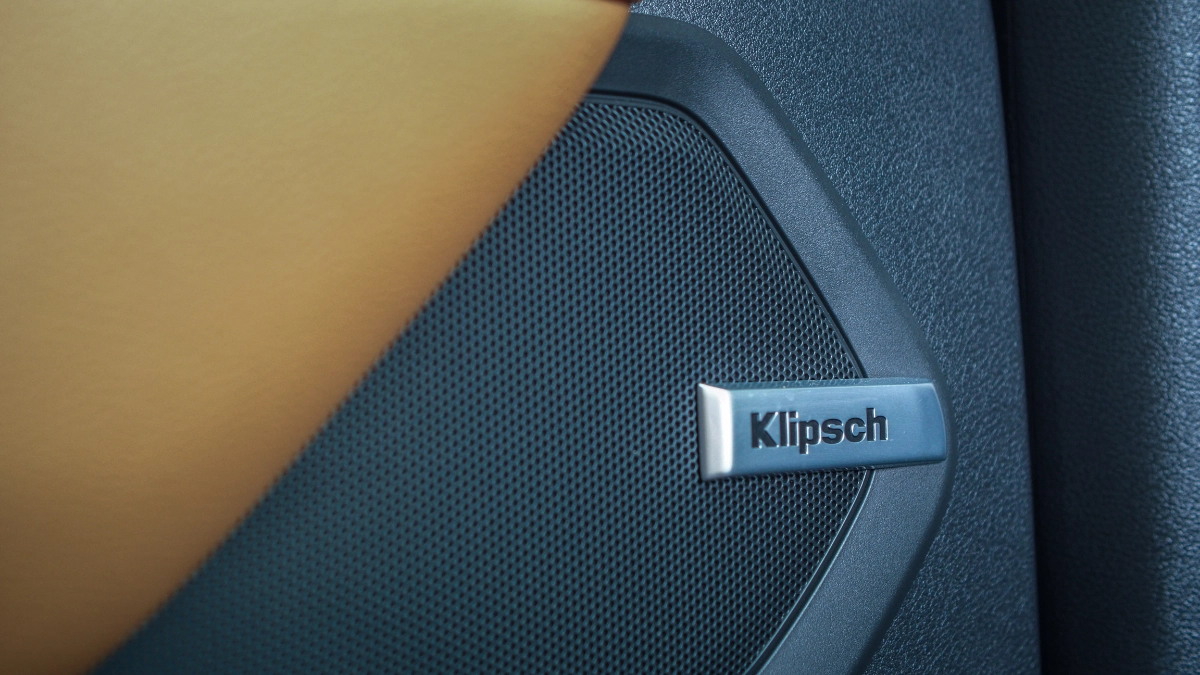
And yet, despite the turbulent global market, Nissan has updated its ancient mariner. There’s a new Patrol out, finally. And for an entire week, in the midst of rain and tempest, I’ve been huddled in the belly of the great beast. Sunken within the wrinkles and folds of its tan leather seats, I sit out the latest downpour, averse to actually turning off the engine and getting out. Which I eventually will have to do. Sitting here with the AC and seat ventilation running and the Klipsch sound system set to ‘puree’ is burning liters of dino juice.
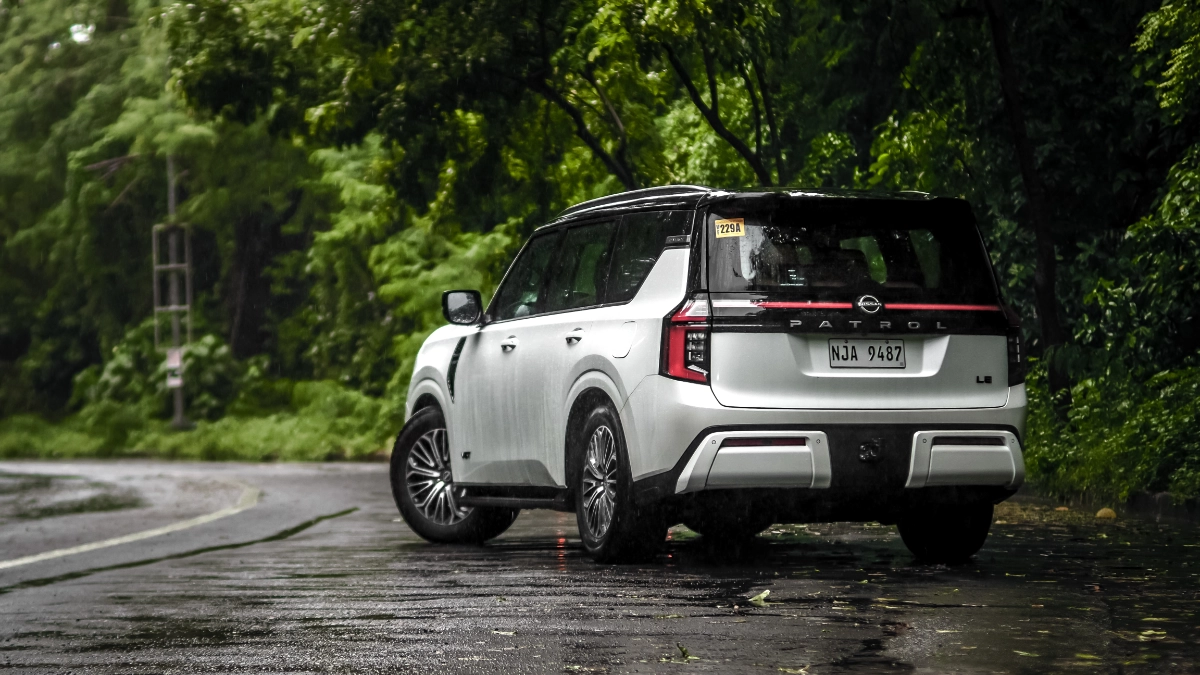
But I can’t help it. This is the most luxurious car I’ve driven in recent months. And if luxury is measured in space multiplied by material, perhaps the most luxurious car I’ve ever driven. Who needs a Rolls-Royce when you’ve got an SUV the size of a house?
Styling
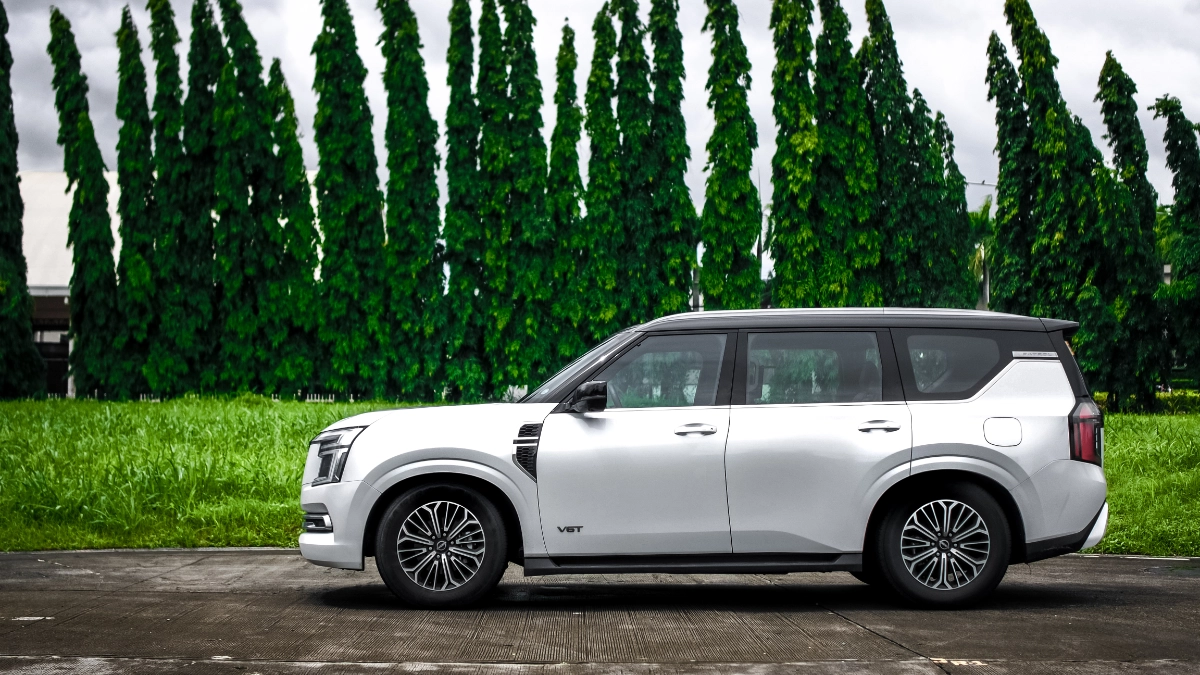
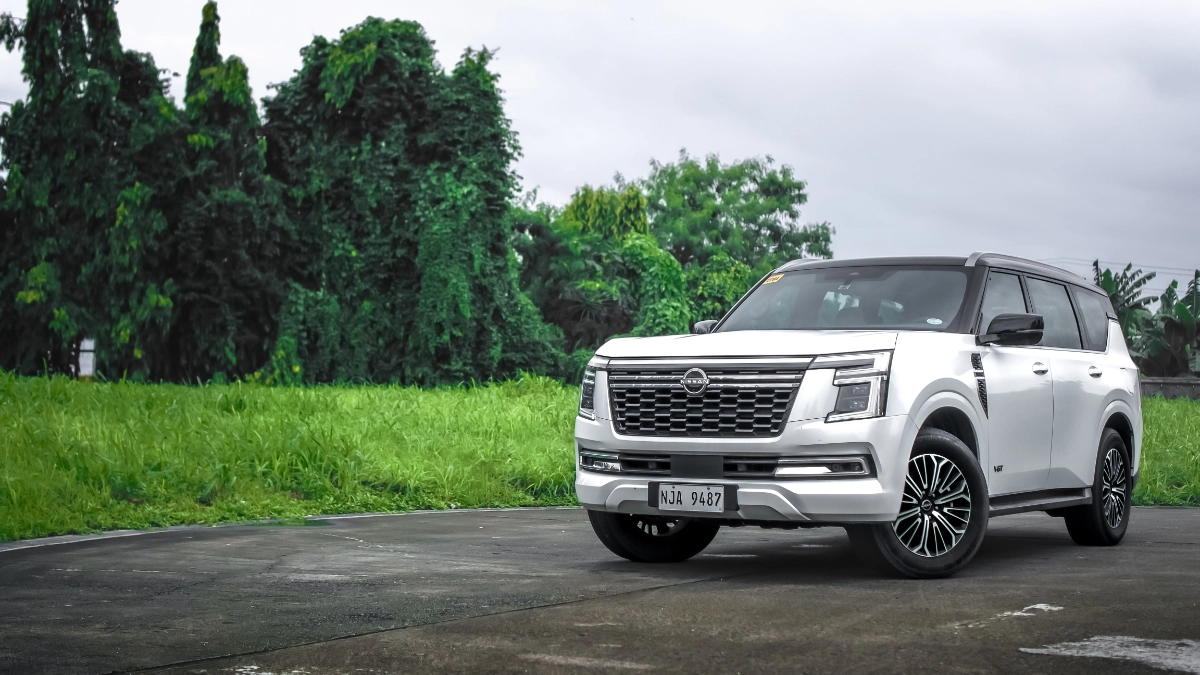
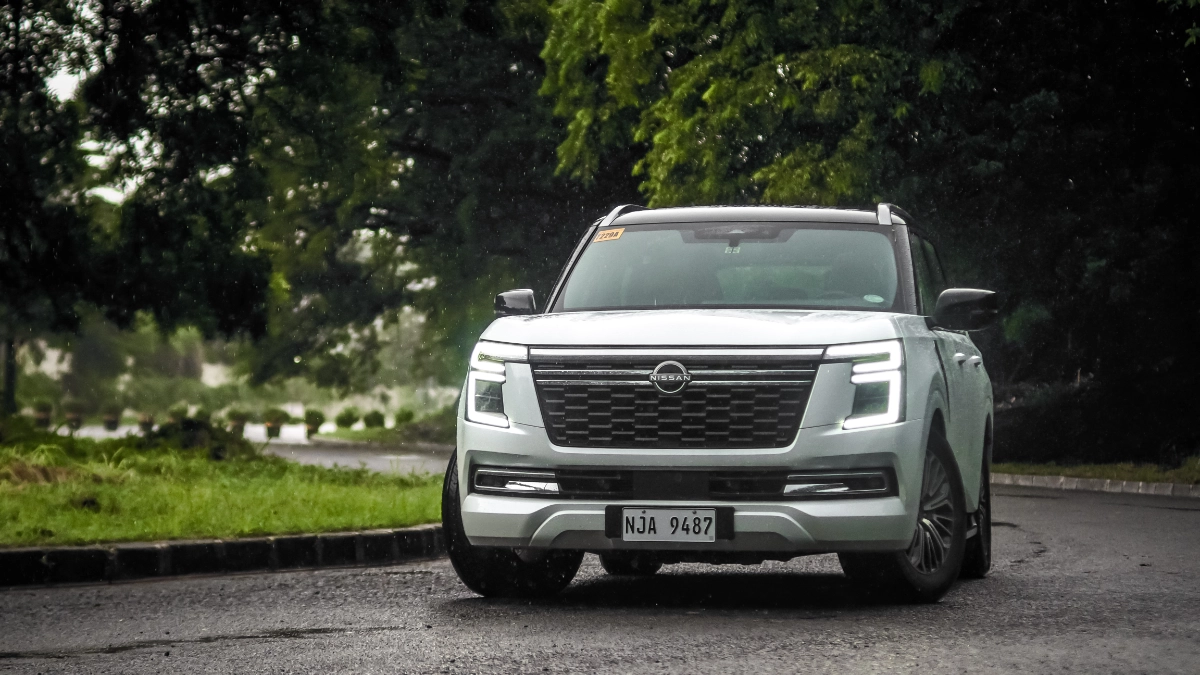
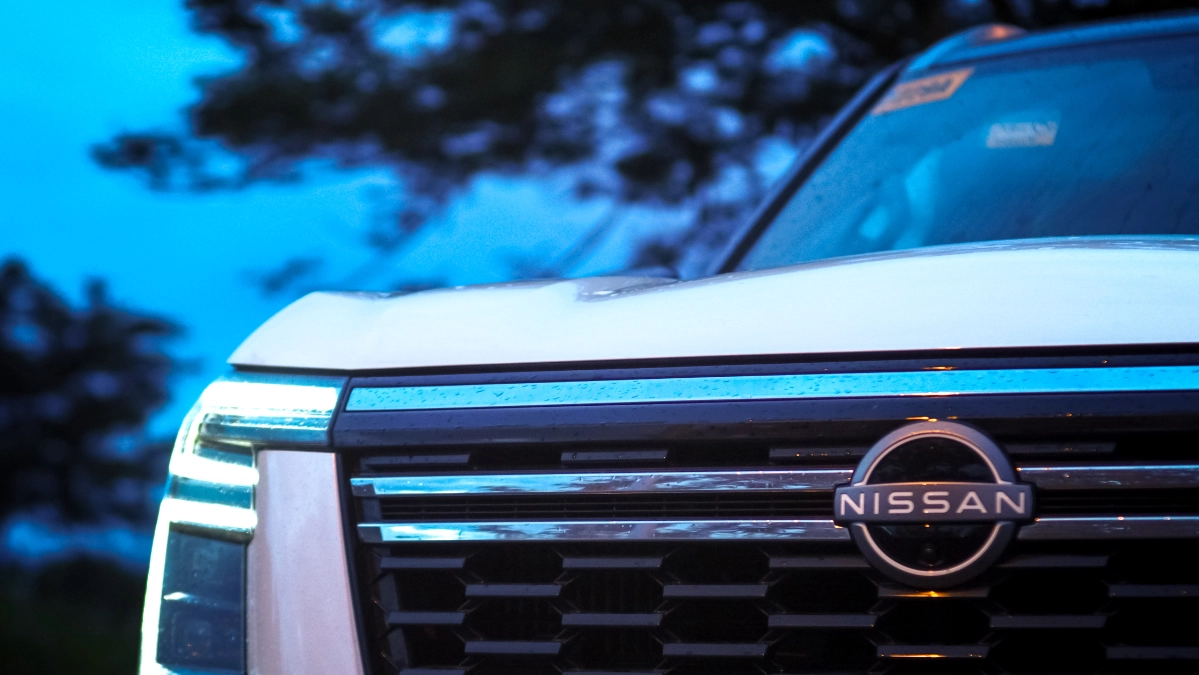
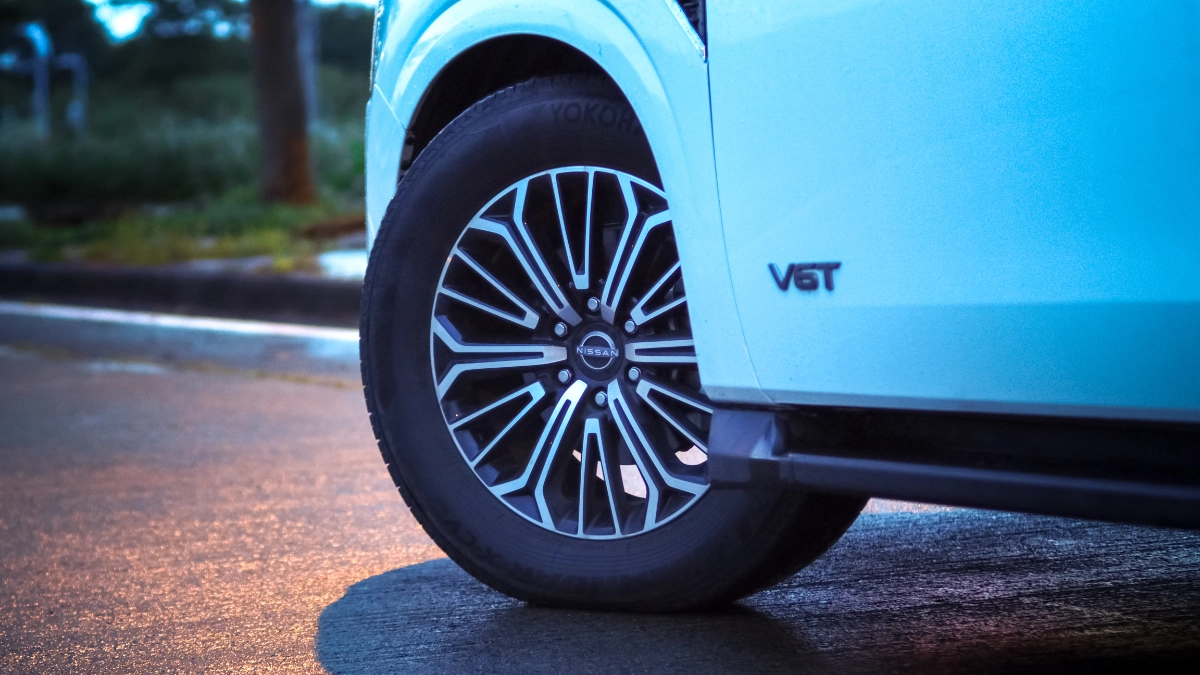
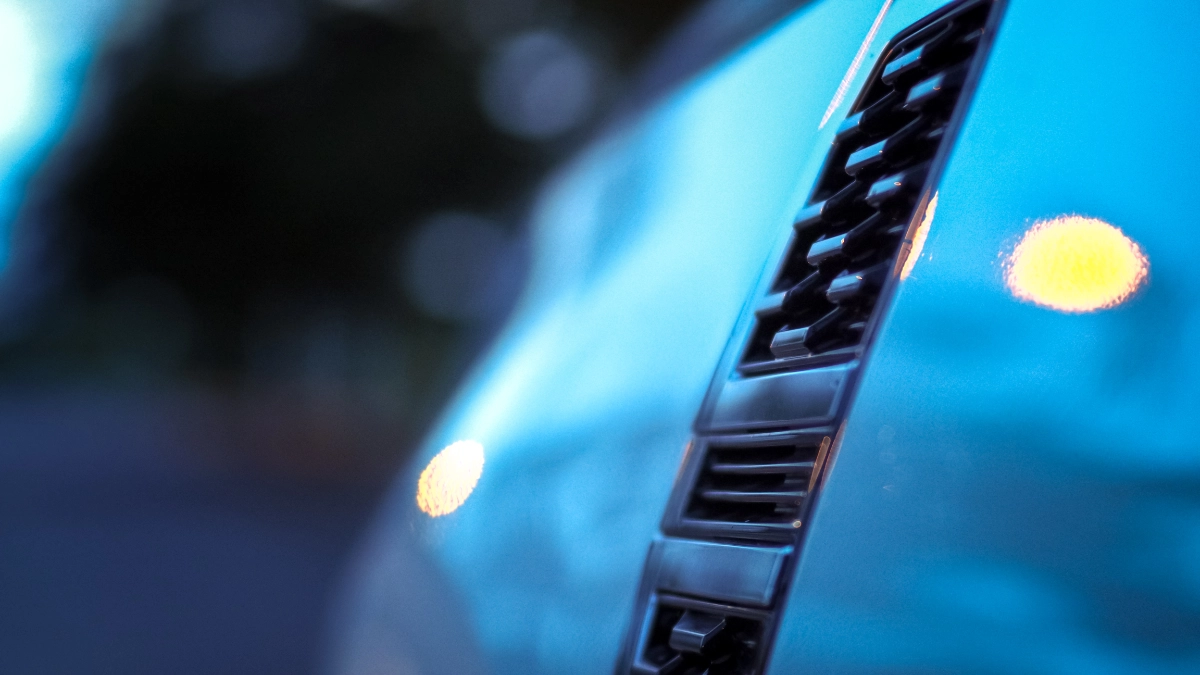
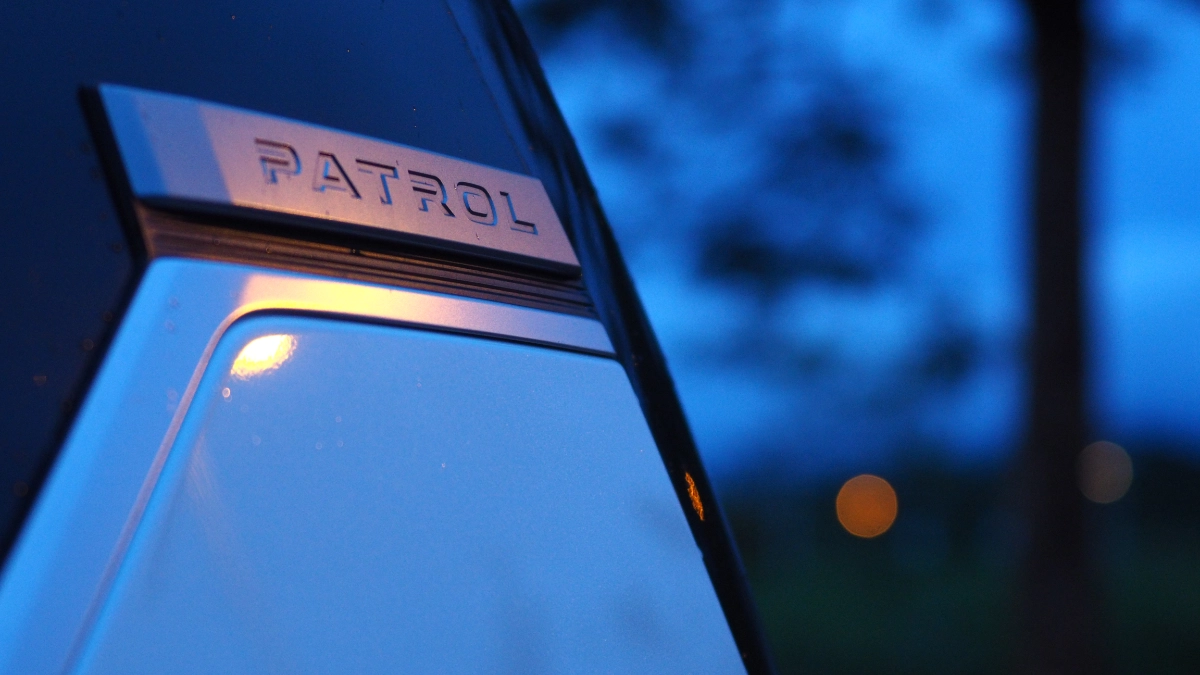
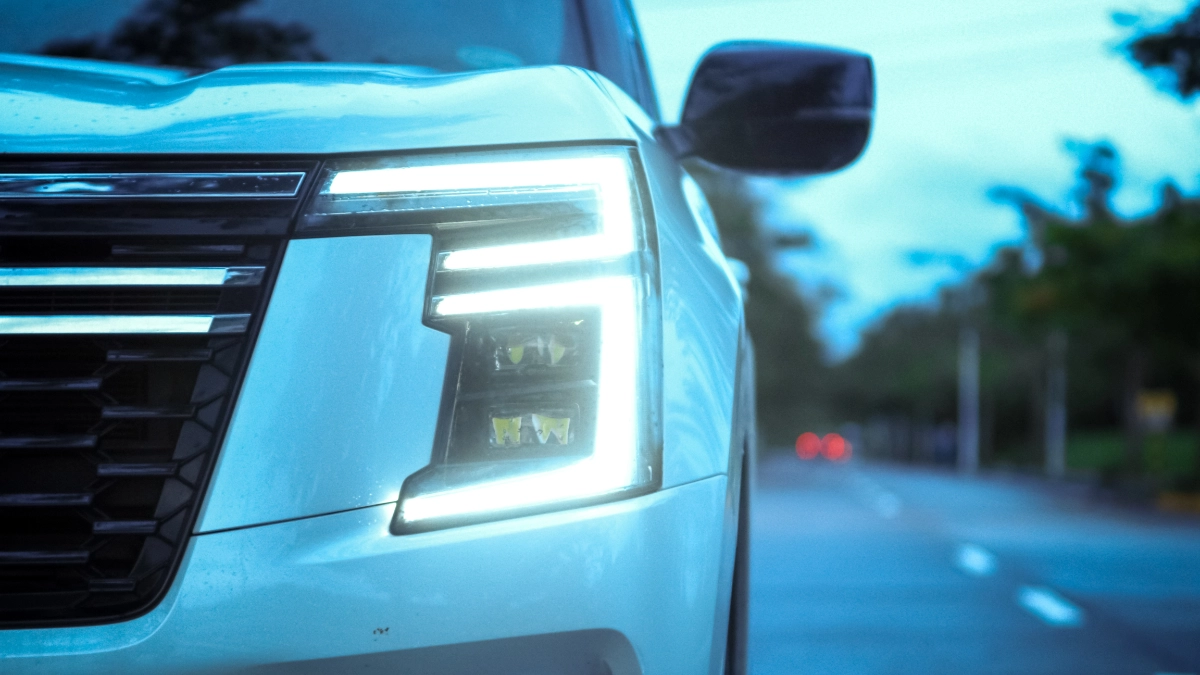
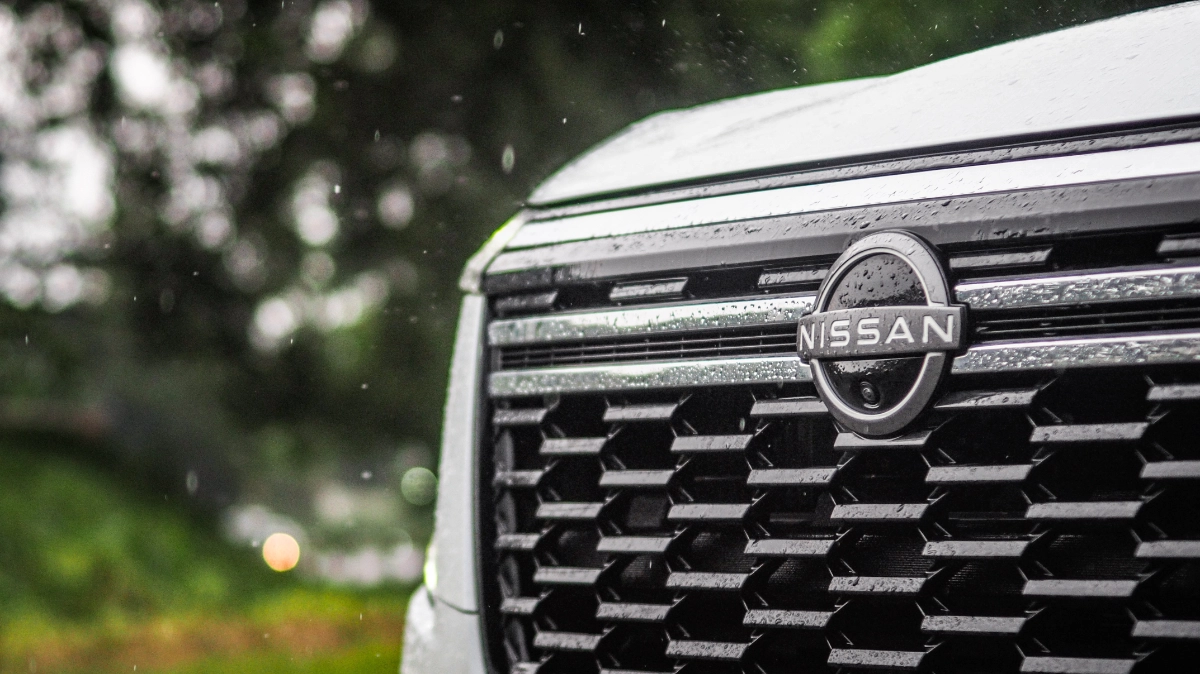
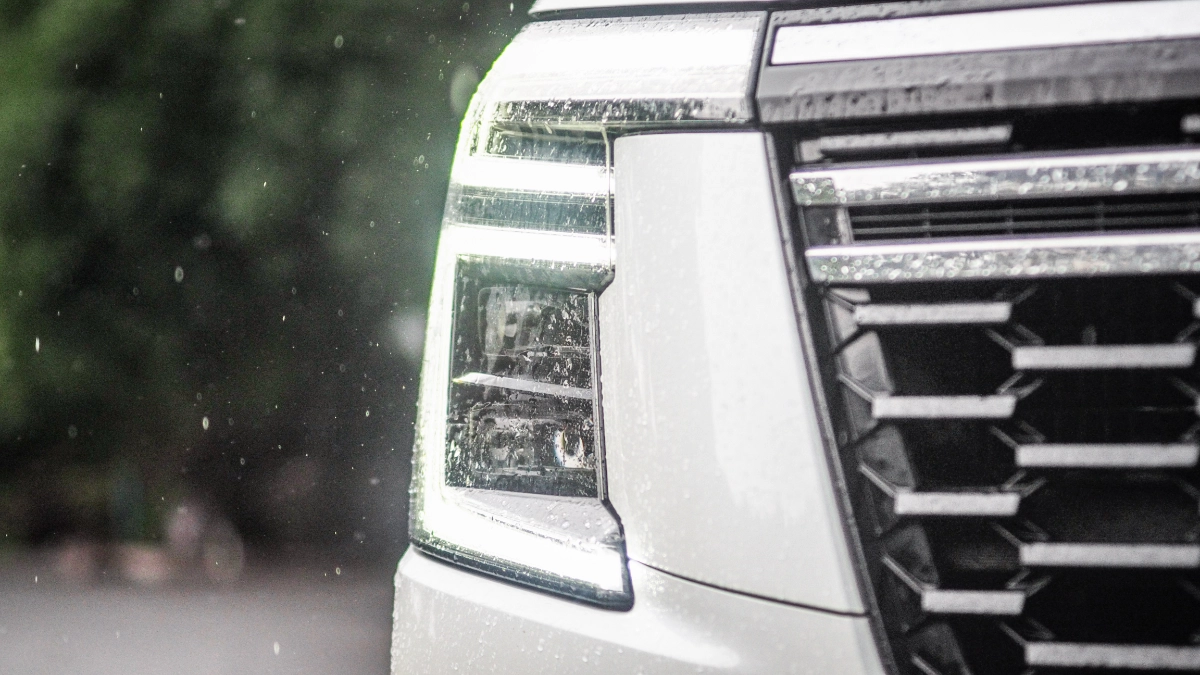
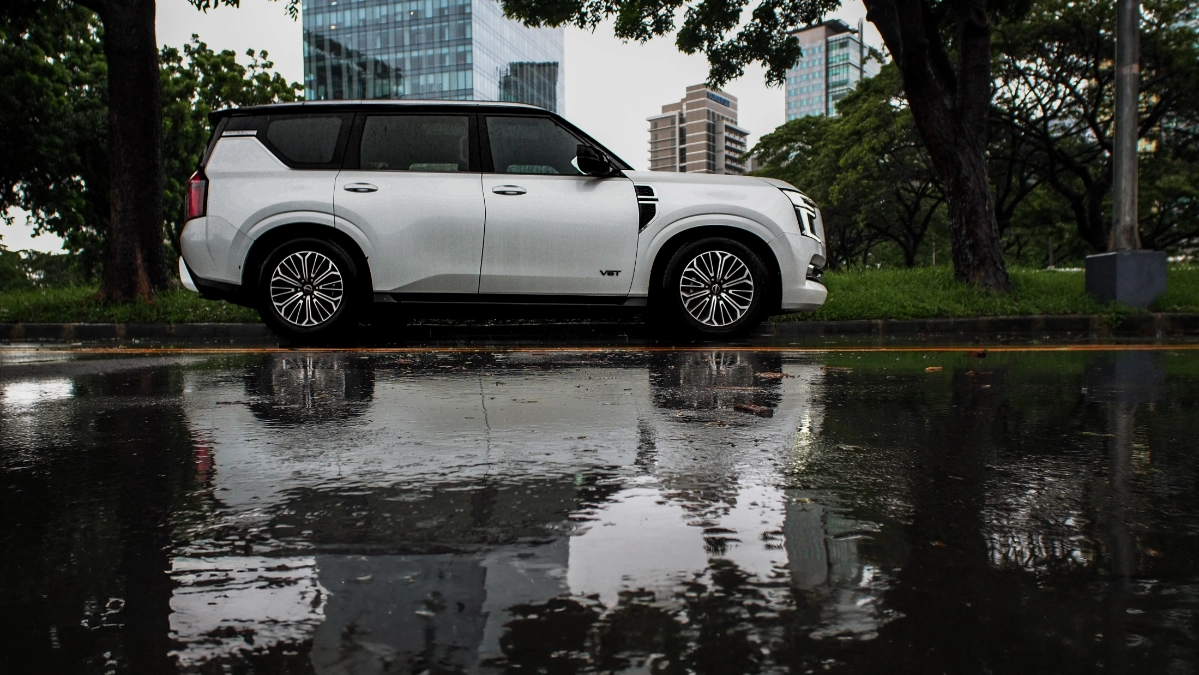
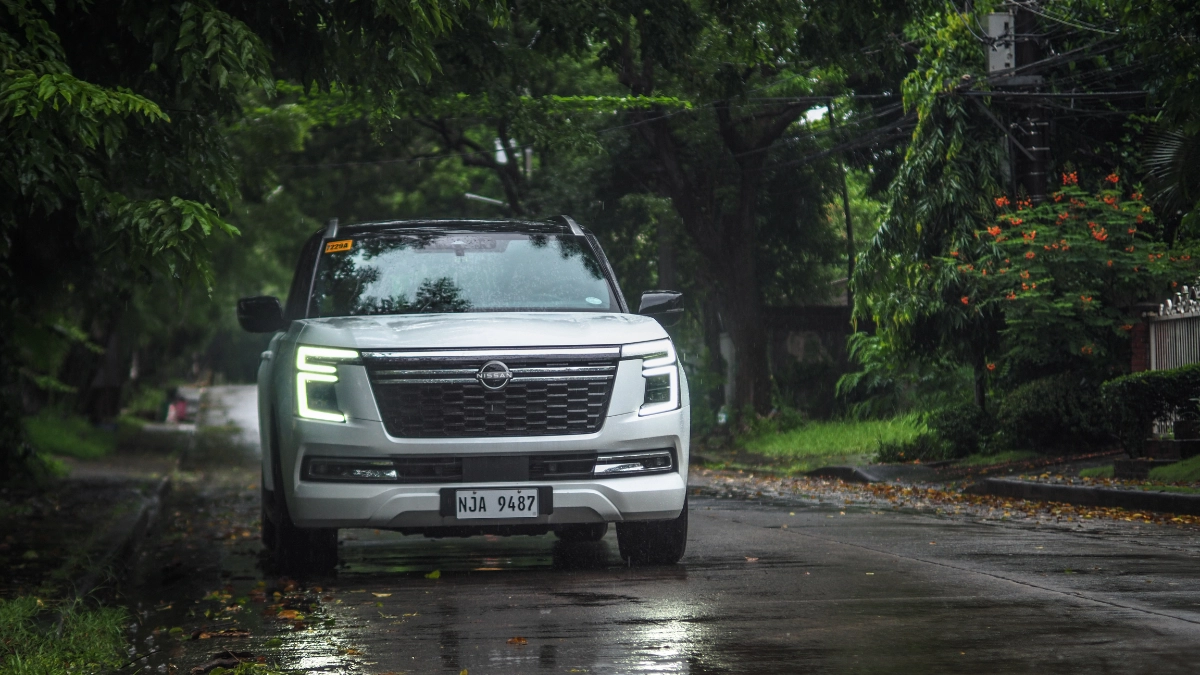
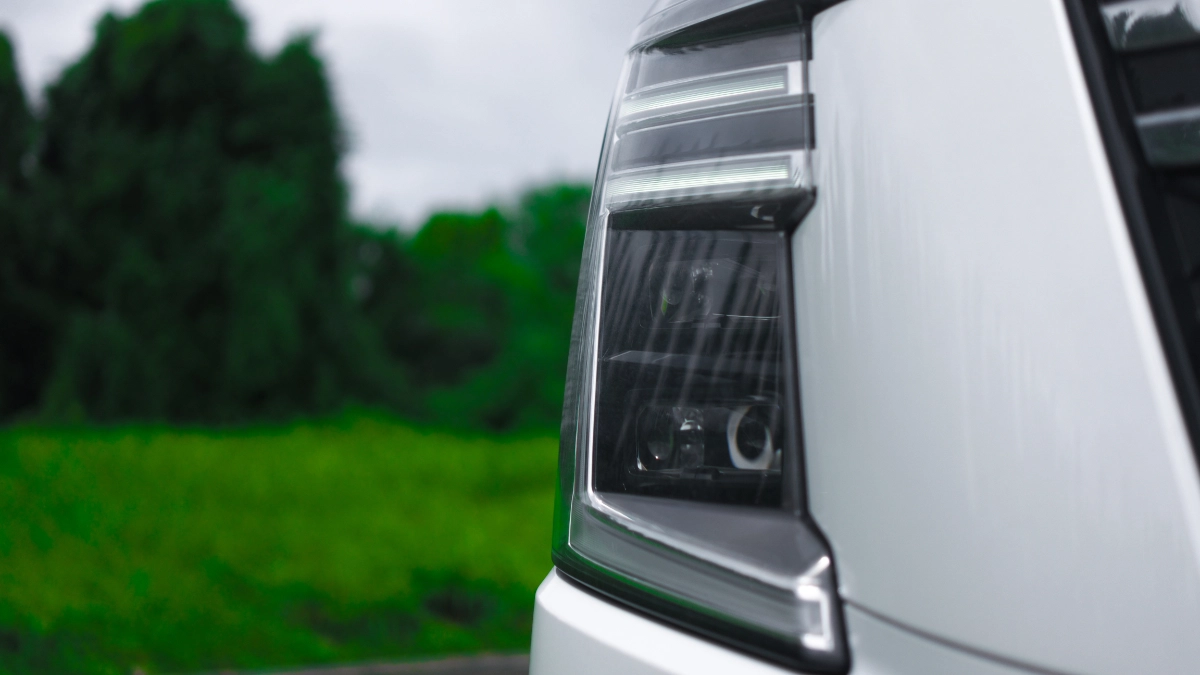
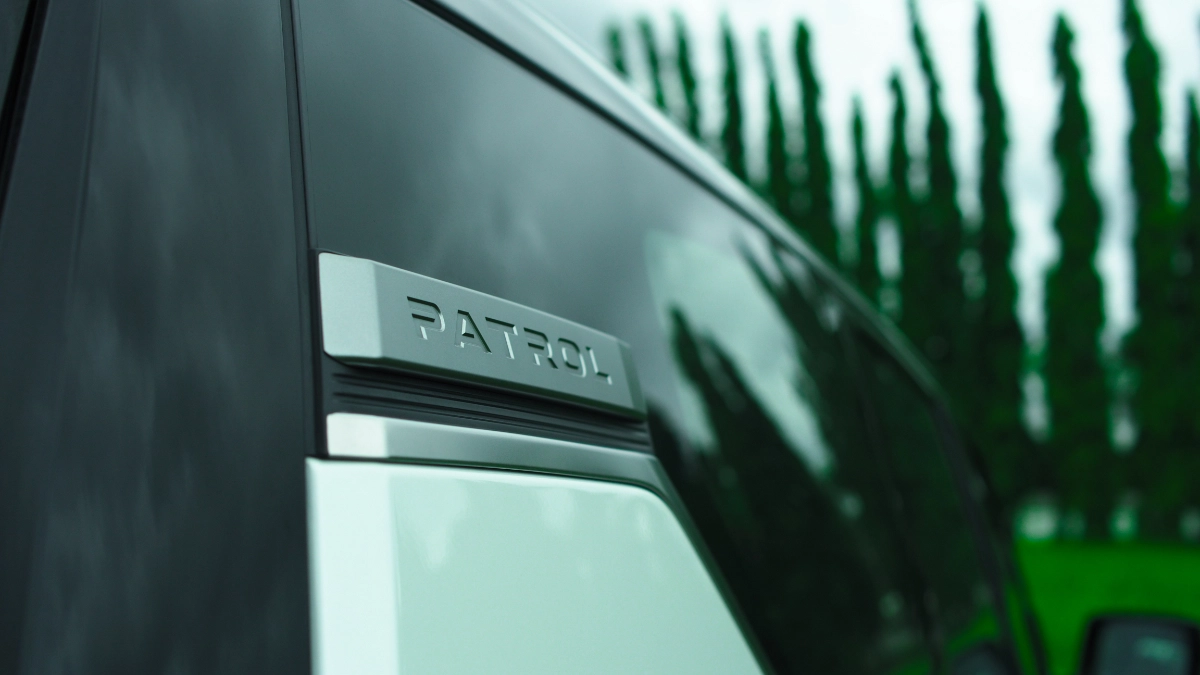
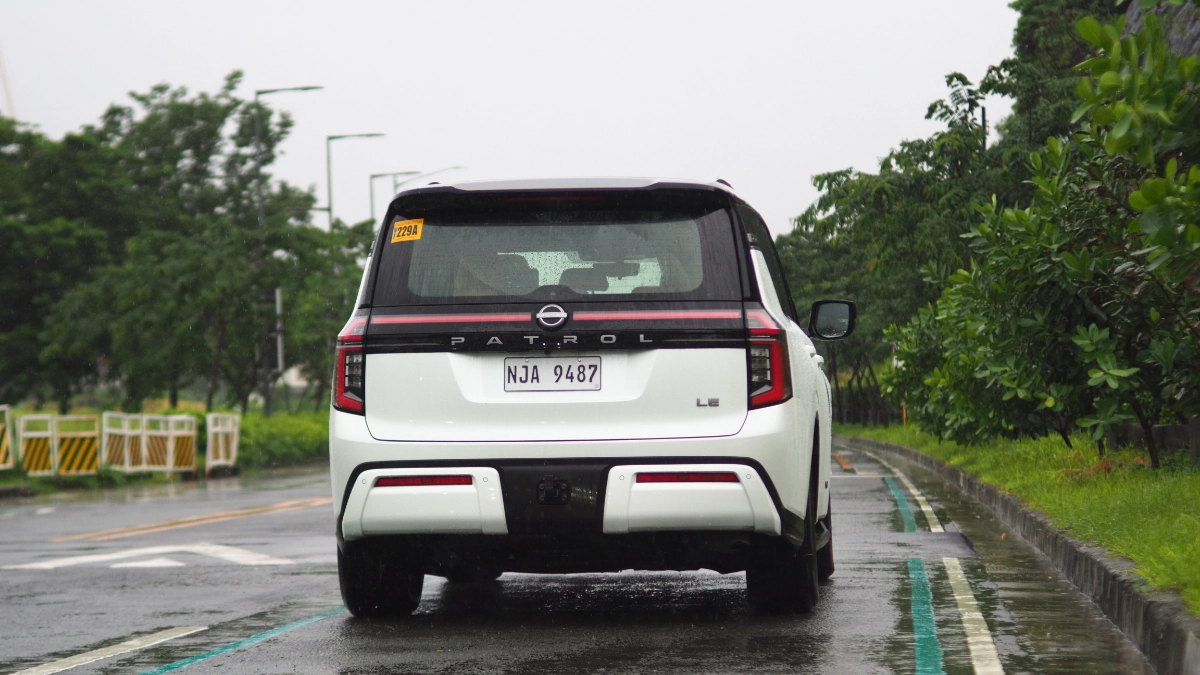
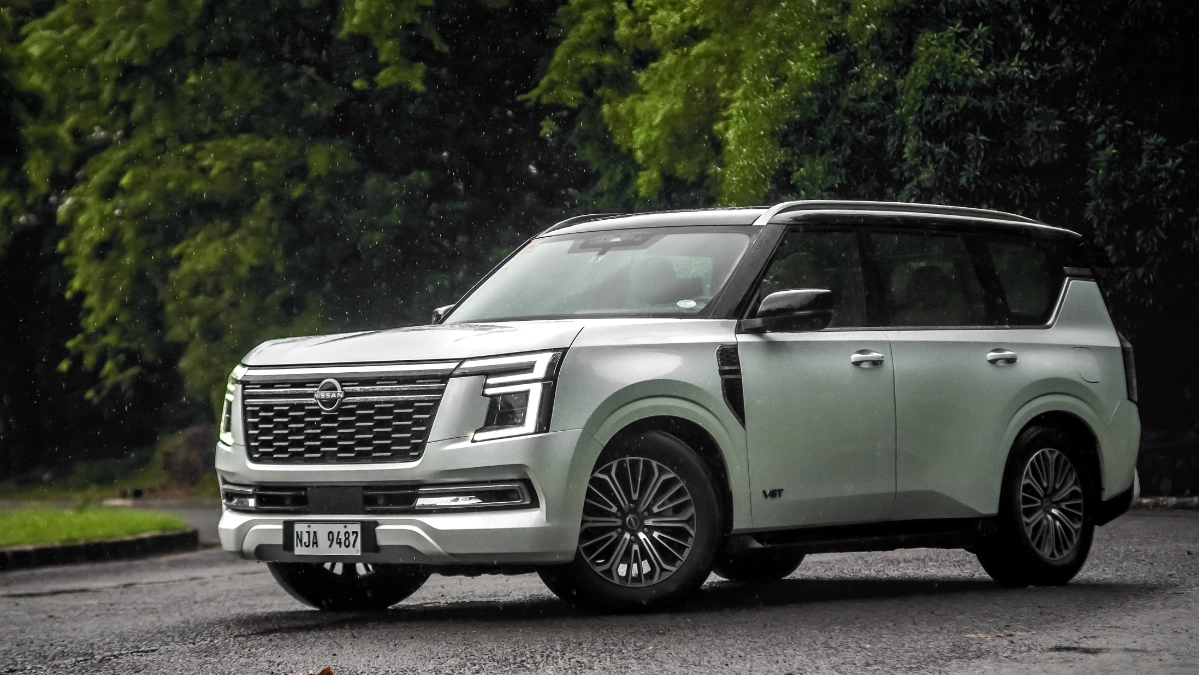
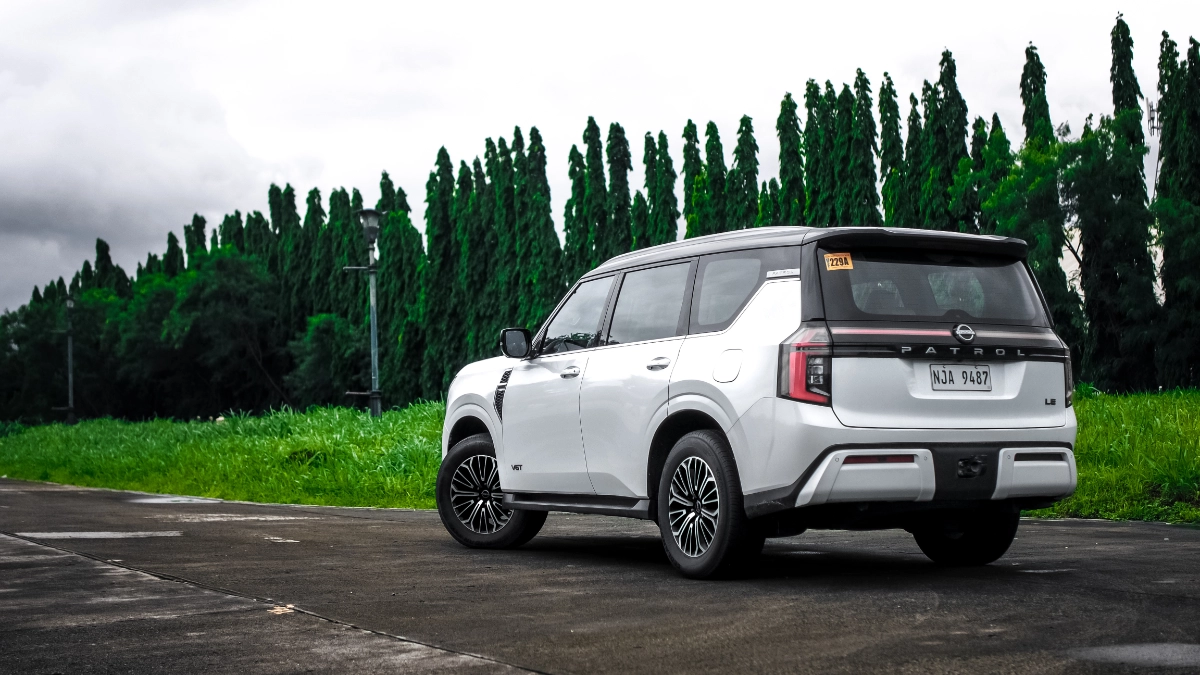
There are houses smaller than the Patrol. Toyota’s venerable Land Cruiser may have grown close in size, but the Patrol is still comfortably larger in every measure. Available only in black, ‘condo gray’ or ‘apartment block white,’ it is no longer an amorphously oversized lump resembling a ’90s Frontier or—like the last Y62 facelift—a 2010 Navara. Instead, it now looks like an honest-to-god square-jawed Japanese Cadillac Escalade. Minus the huge arse and some of that gold-chain swagger. But when you pull up and park this air-suspended Platinum edition at the hotel lobby, it does bring some swagger of its own, as the body gently lowers itself around those big 33-inch tires wrapped around 20-inch wheels, allowing you to step out in style rather than climb down the side of your rolling condo like a chump.
OTHER STORIES YOU MIGHT HAVE MISSED:
Nissan builds the final R35 GT-R after 18 years of production
5 Longest-running single-generation models that are still sold today
Interior
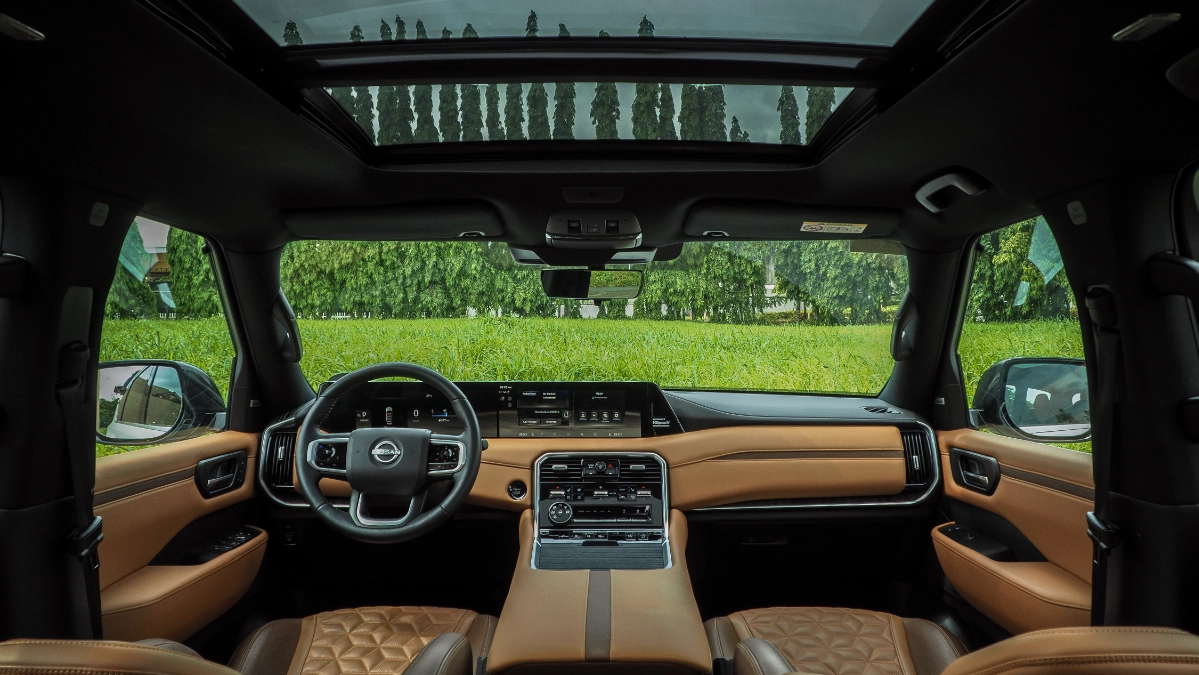
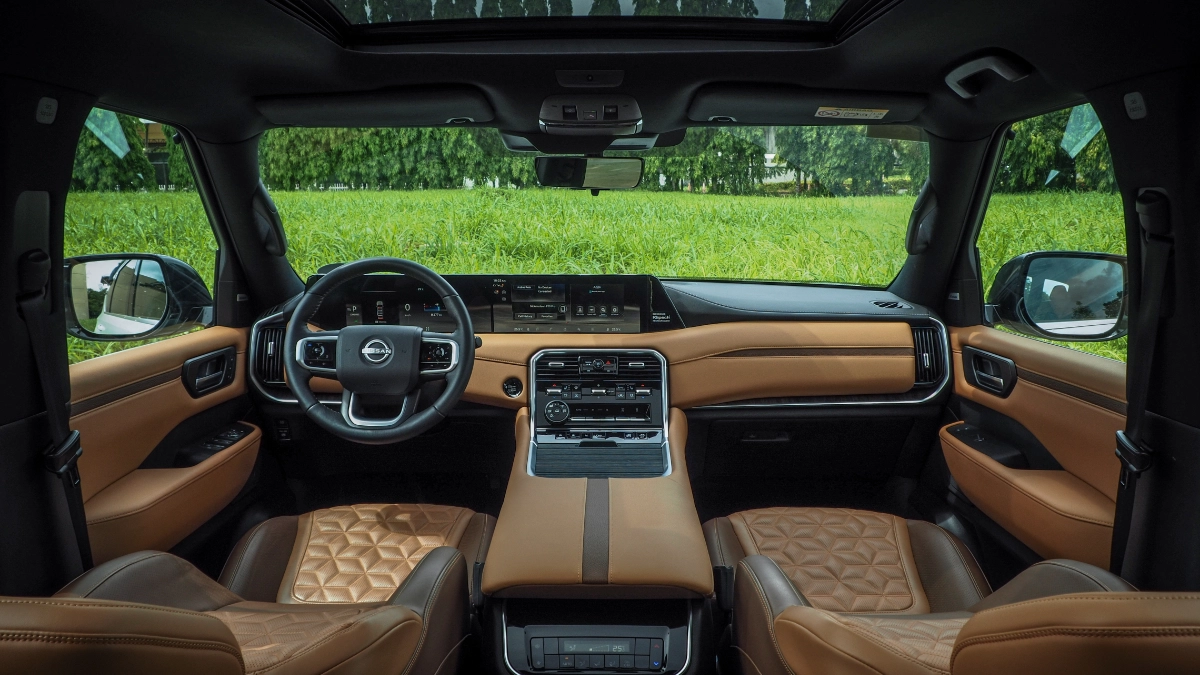
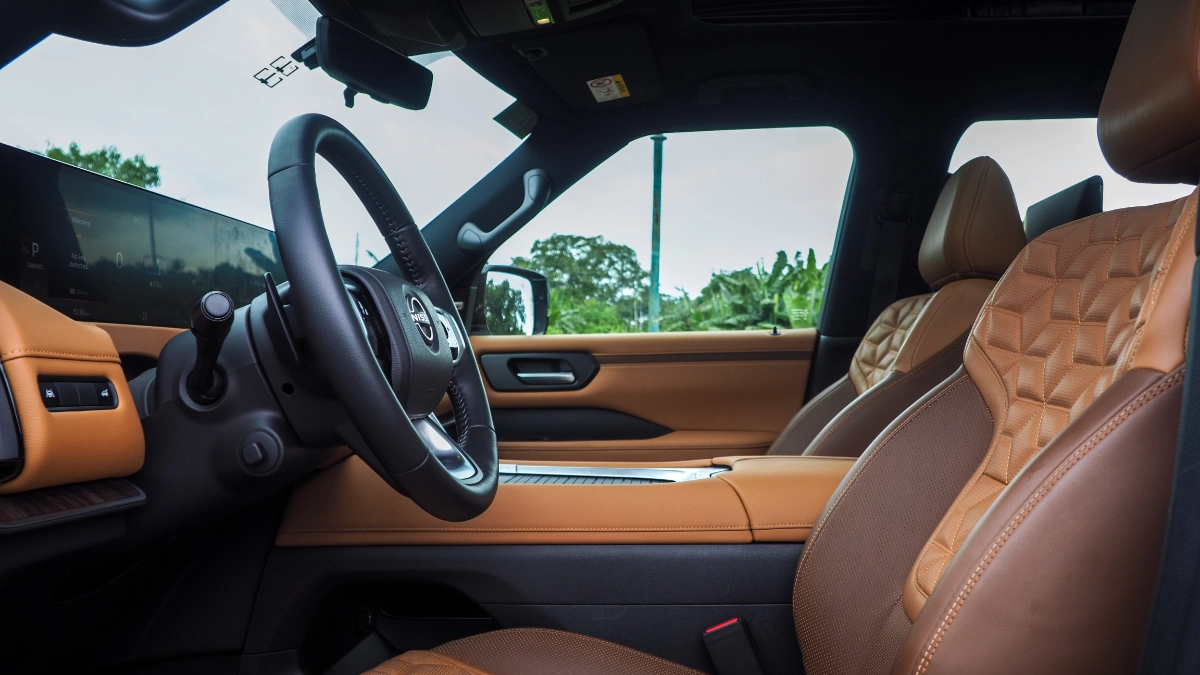
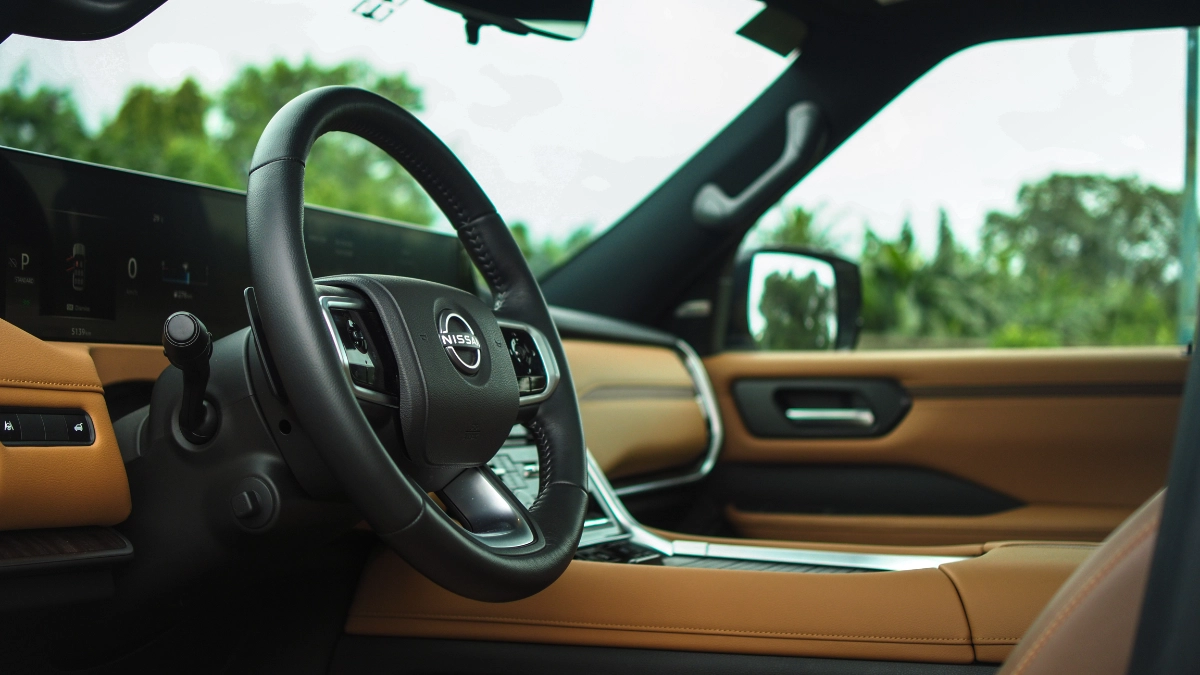
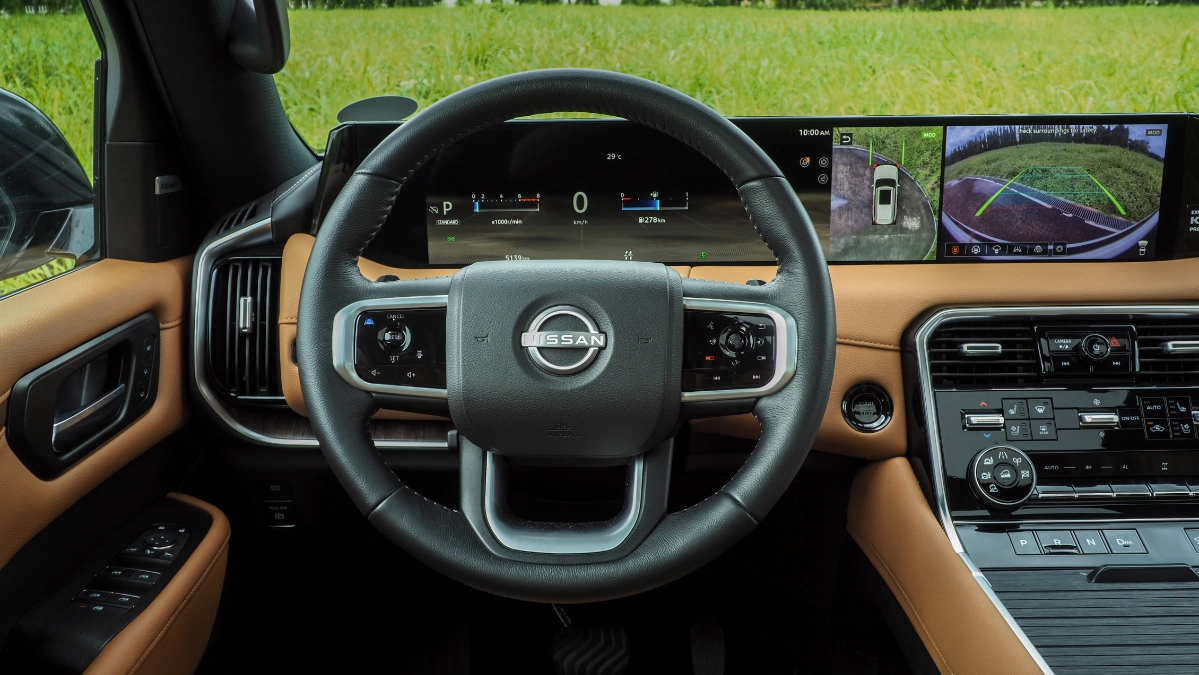
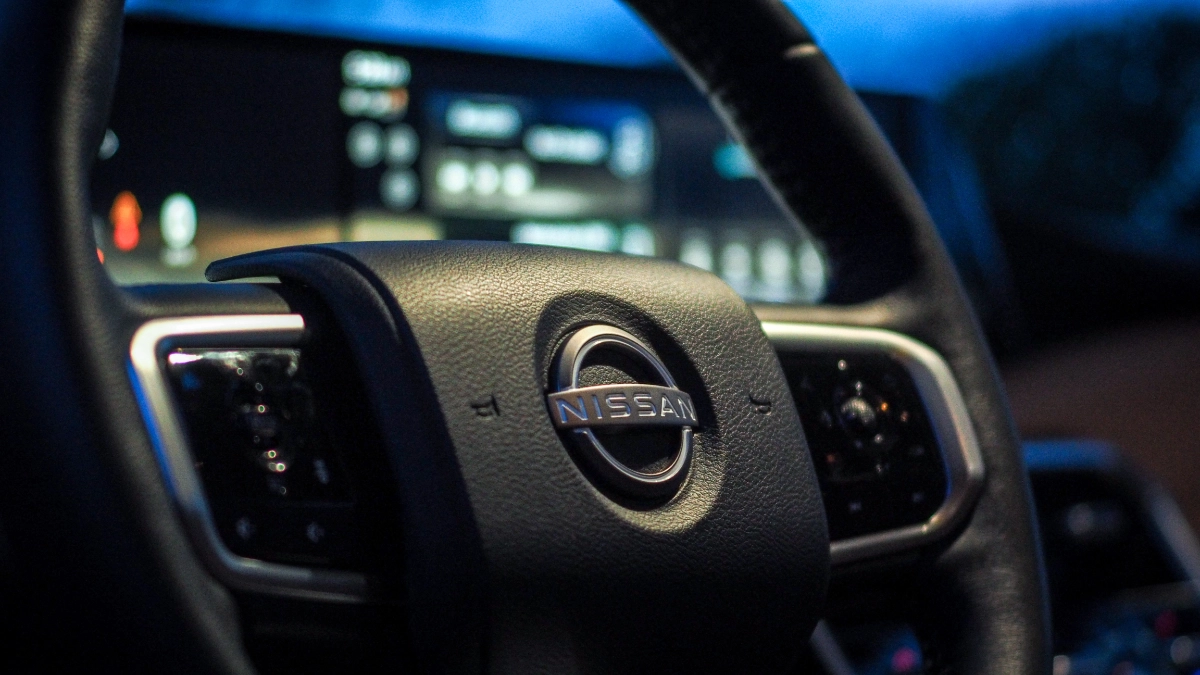
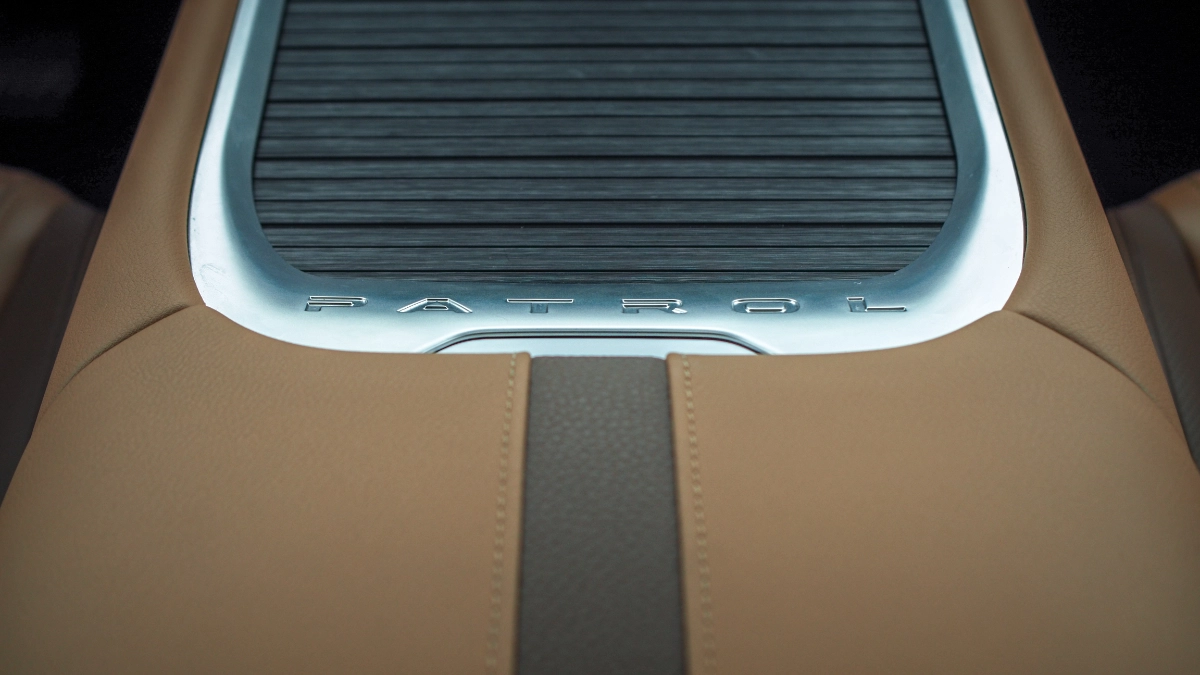
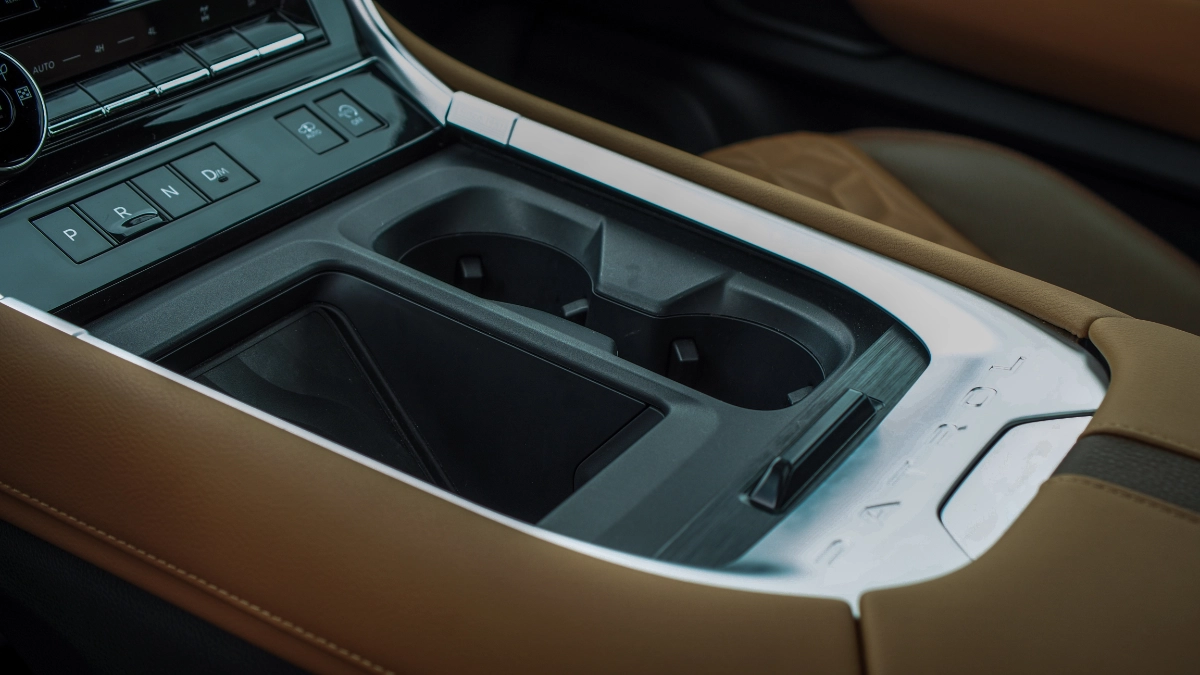
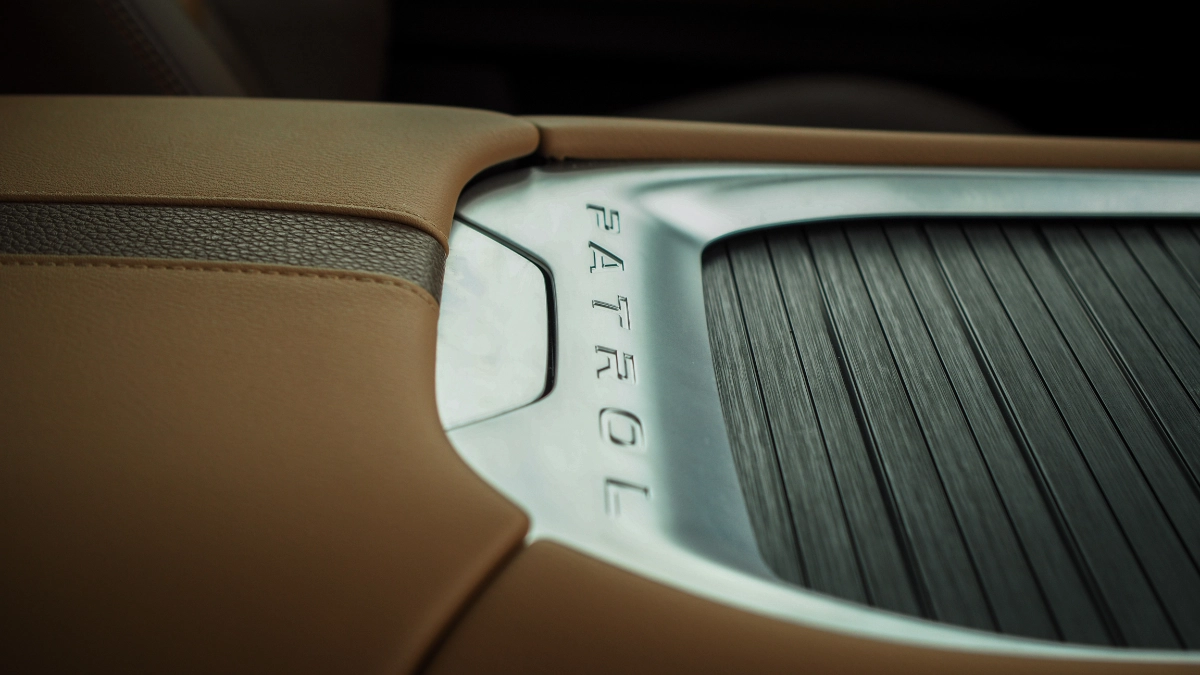
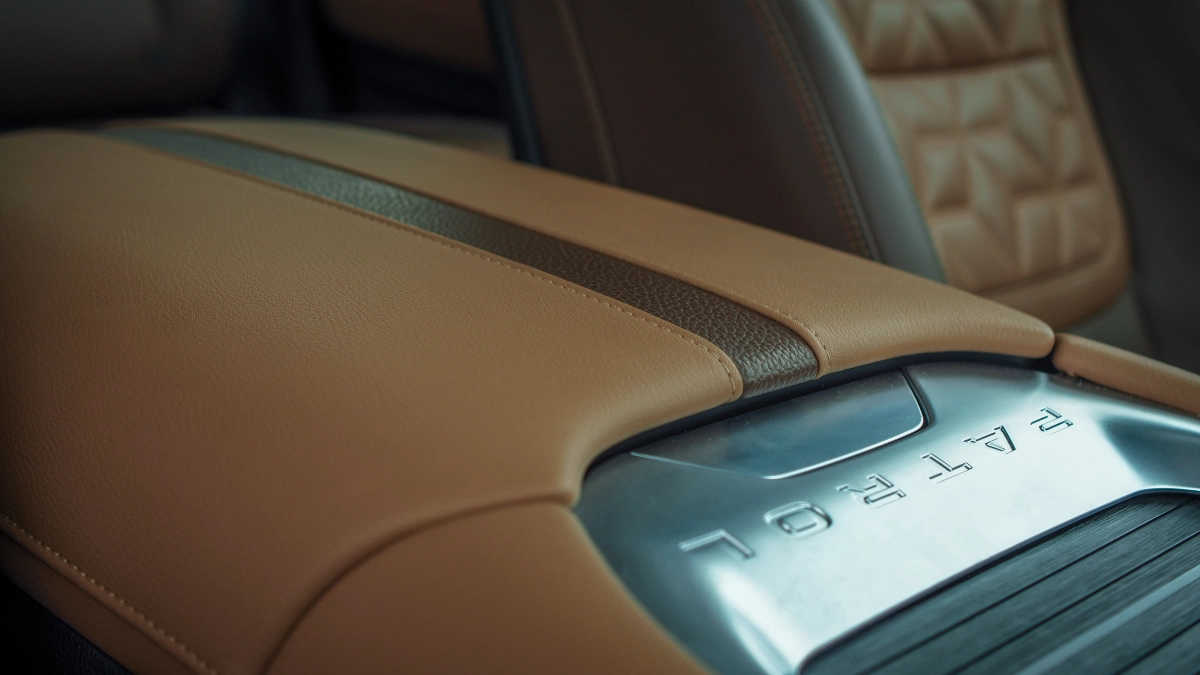
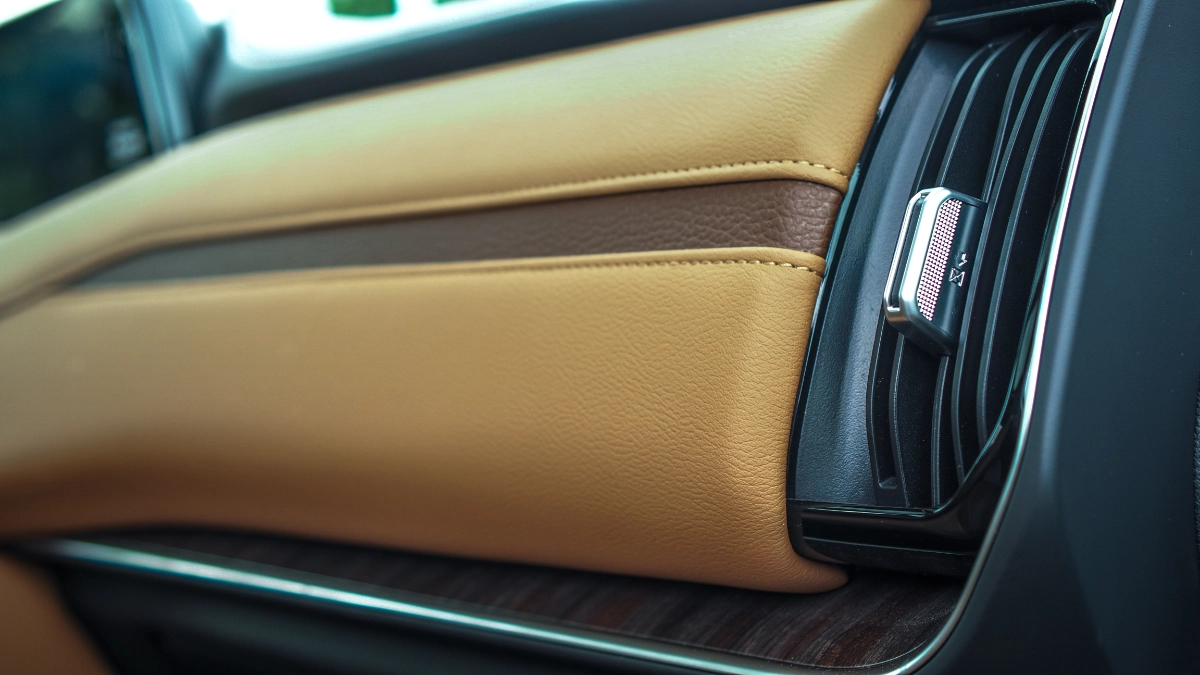
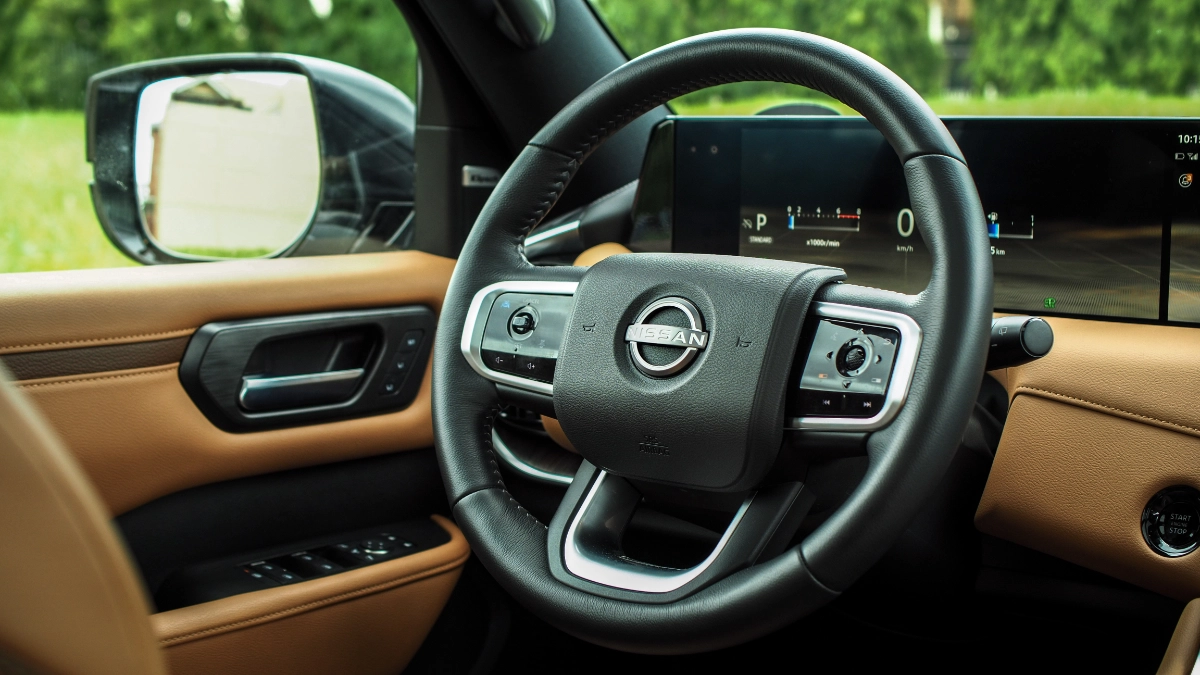
Inside, Nissan has thrown out the yacht-like ’90s era disco Cefiro interior for something that looks like it belongs on a modern luxury SUV. Large swathes of tan and brown leather cover every square inch of the interior, offset by silver accents and walnut-colored textured wood-grain surfaces. An otherwise huge dual-screen display looks subdued mounted on the leather dash, and the square air vents, center stack, and steering wheel feel very ’70s futuristic. Drive controls sit integrated into the HVAC stack, the PRND buttons almost an afterthought below the dizzying array of AC, seat ventilation, and off-road controls. A center box with an accordion wood-grain lid hides two cupholders and a wireless phone charging bay. Combined with wireless CarPlay and Android Auto, this allows you to keep frivolous phone-based distractions locked away while still enjoying the navigation, music, and messaging features you actually need.
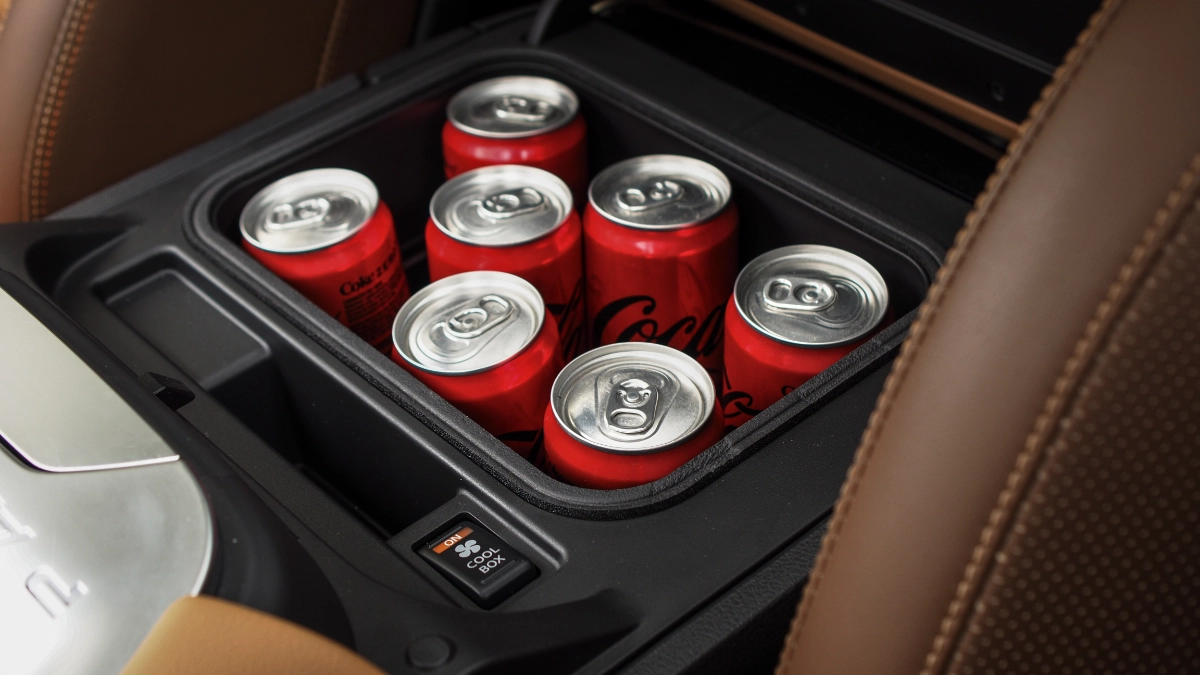
There’s also a giant ventilated cooler box in the center console that fits twelve regular soft drink cans or up to fourteen of the taller slim cans. I feel a new cubby-challenge video coming on in the near future.
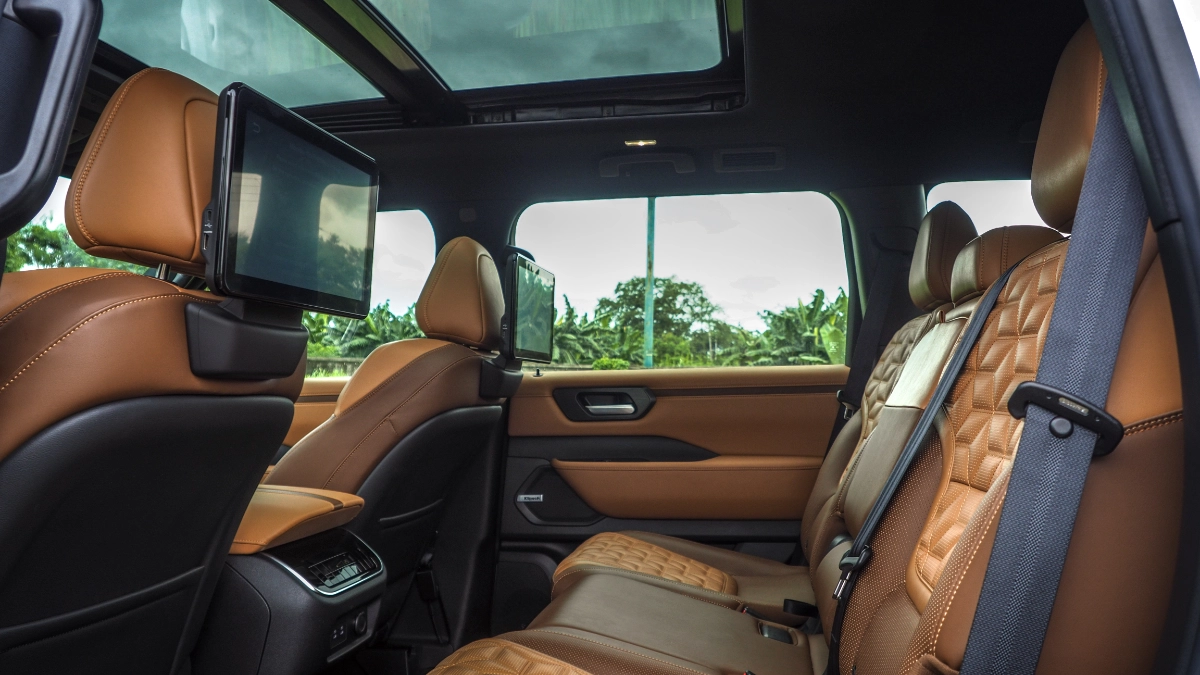
The seats themselves are big, wide, and comfortable, with power adjustment, in-seat ventilation, and rich, quilted leather. The front Laz-E-Boys feels like they have more substantial side bolstering than before, for better support. The second row also receives more sculpting, but is still a bit flat. Thankfully, the amenities are better mapped out, no more crawling on the floor to plug an HDMI cable into the bigger rear monitors, which also get USB-C input. Sadly, we couldn't get them set up properly to test; another thing to revisit with this car at a future date.
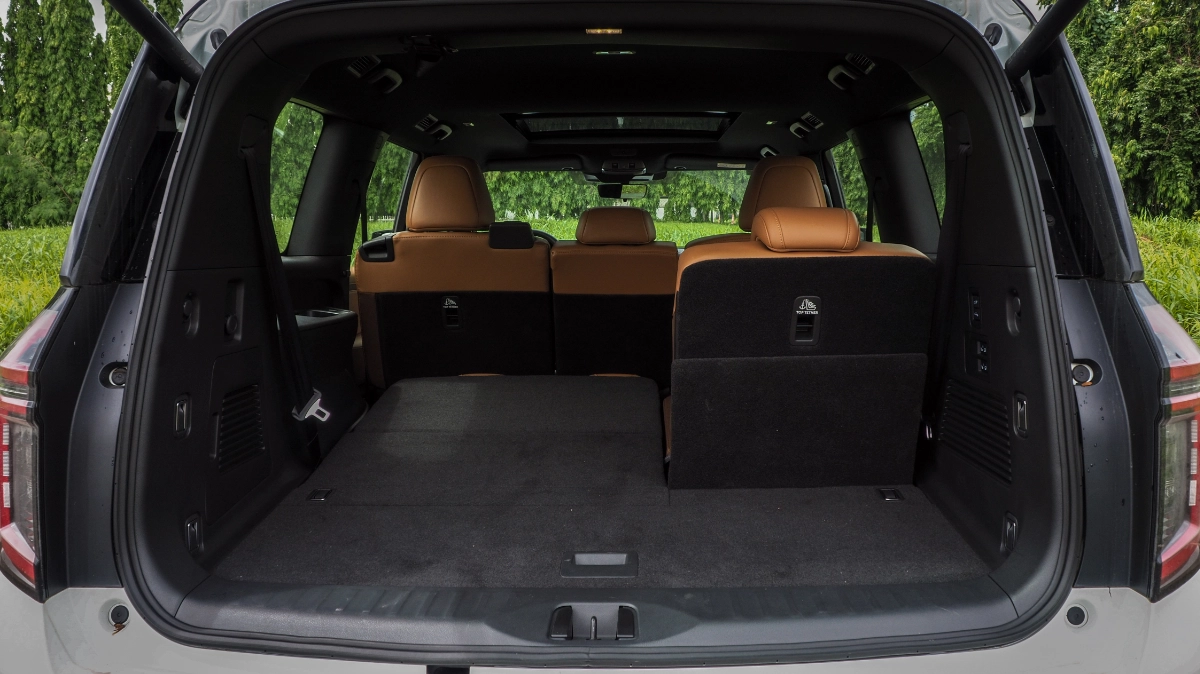
The third row is generously large. Enough for an adult Filipino couple to sit very comfortably. Yes, yes, the average Filipino is under 5’4, but there's loads of elbow and knee room back there, above and beyond what you'd get in any other Japanese SUV.
The cargo space behind that seat is equally impressive. 623 liters, even with all the seats in place. Collapse the third row using the power-fold controls under the power tailgate, and you get over 1,400 liters of space, expandable to over 2,600 with the second row tumbled forward. And with the air suspension automatically lowering the Patrol to its minimum ride height every time you park, it’s easy to load and unload as well. Making business deliveries is so much easier than in many other SUVs. Or even some vans.
Engine performance
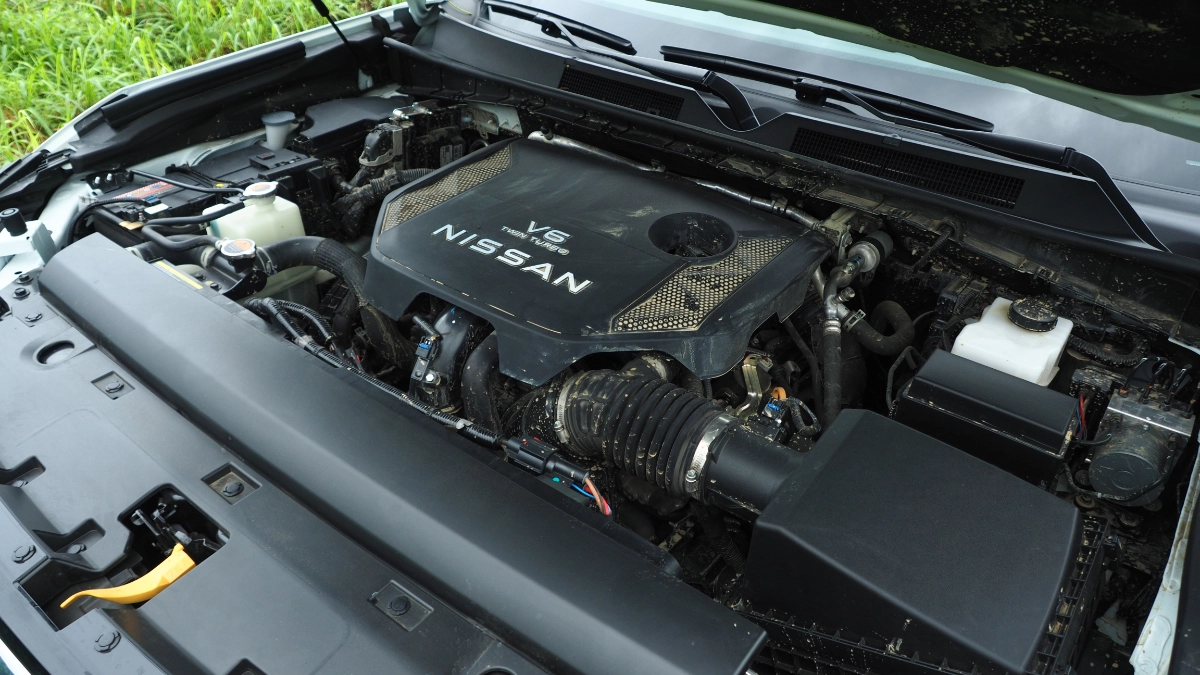
Of course, the Patrol isn’t the most practical delivery vehicle out there. Not with that fire-breathing twin turbo V6 under the hood. It’s a long-stroke version of the same six under the hood of the 400Z sports car, here making 428hp and 700Nm of torque. Mated to a nine-speed automatic, it’s good for 0-100kph in about 7sec flat versus a claimed six and a half, though with all the power amenities on this Platinum LE, that big heavy glass roof and the bad weather, I don’t hold that difference against it. Power delivery does feel a bit soft through the rev range. Like many turbocharged engines, the big six takes its time to spool up and peters out at high rpm, and even with the paddle shifters, it can take some time to dial up an overtake. The old V8 may have been slower, but it felt a bit more organic and urgent in its delivery.
Which would matter in a sports car, but in an SUV, that’s not a priority. What is a priority is that the V6T is relatively quiet, very smooth, and gets the job done with minimum fuss. It is also more economical than the V8, but honestly, you have to drive like an absolute miser to get over 11km/L on the highway, and in-traffic fuel economy is still stuck in the 3s and 4s. The huge 98-liter fuel tank gives you over 800km of range, but you’ll need to spend extra on high octane to keep the twin turbos happy. This is a car that you refill with your credit card rather than whatever change is in your wallet.
Ride and handling
To drive, the Patrol feels both better and not better than the old Patrol. The passive hydraulic interlinked suspension system remains, allowing the Patrol to use a softer suspension set-up while maintaining an even keel through turns, but is here bolstered by an adjustable height system that automatically lowers the vehicle from its standard 244mm ride height at highway speeds for better aerodynamics and high speed stability. Sadly, you can’t lower it to the same ground-scraping park height manually, even in Sport Mode. Not that it would improve handling, as even with all this fancy suspension technology, this is still a softly suspended SUV, with notable body roll in high-speed maneuvers. The steering is also disconcertingly light and disconnected. I’ve never experienced the giant 275/60R20 Yokohama Geolander XC-V tires on the Patrol before, and given how isolated the driving experience is, I still couldn’t tell you anything about these tires. This ain’t no 400Z, sorry.
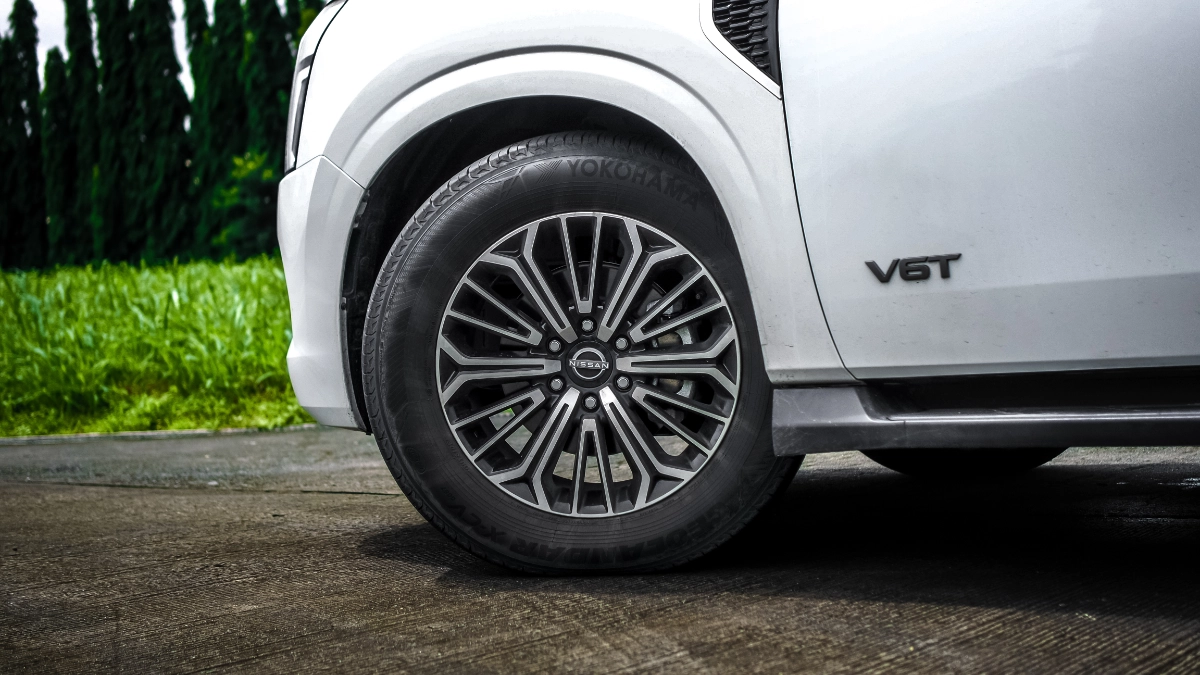
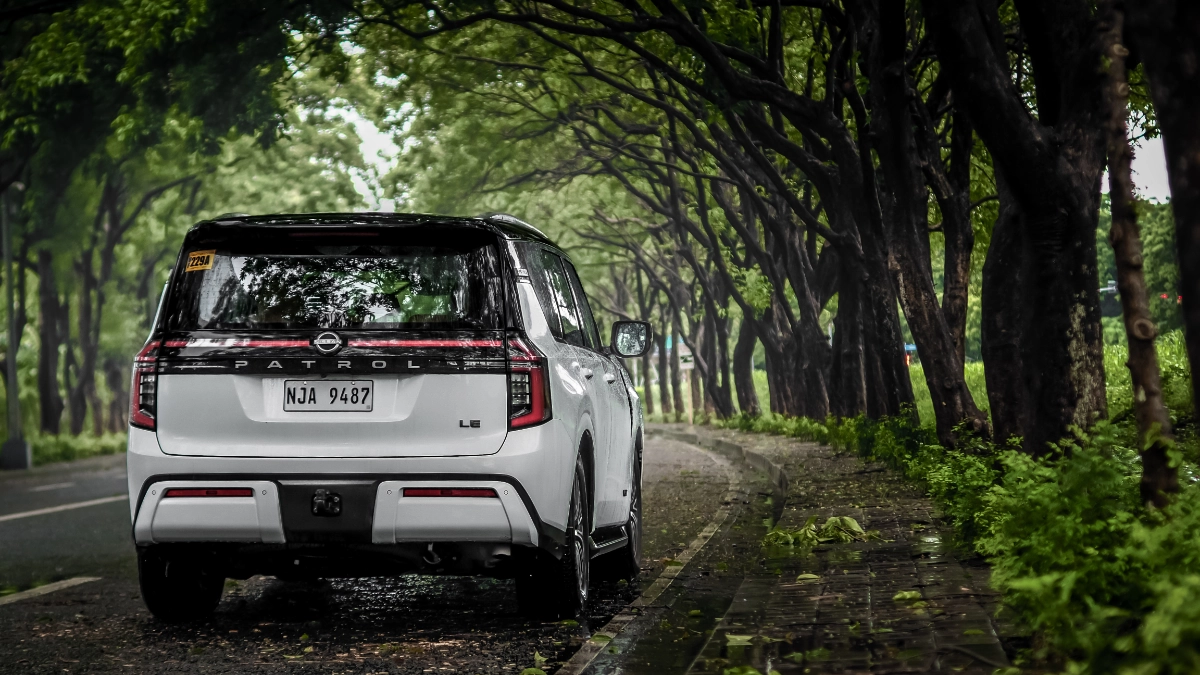
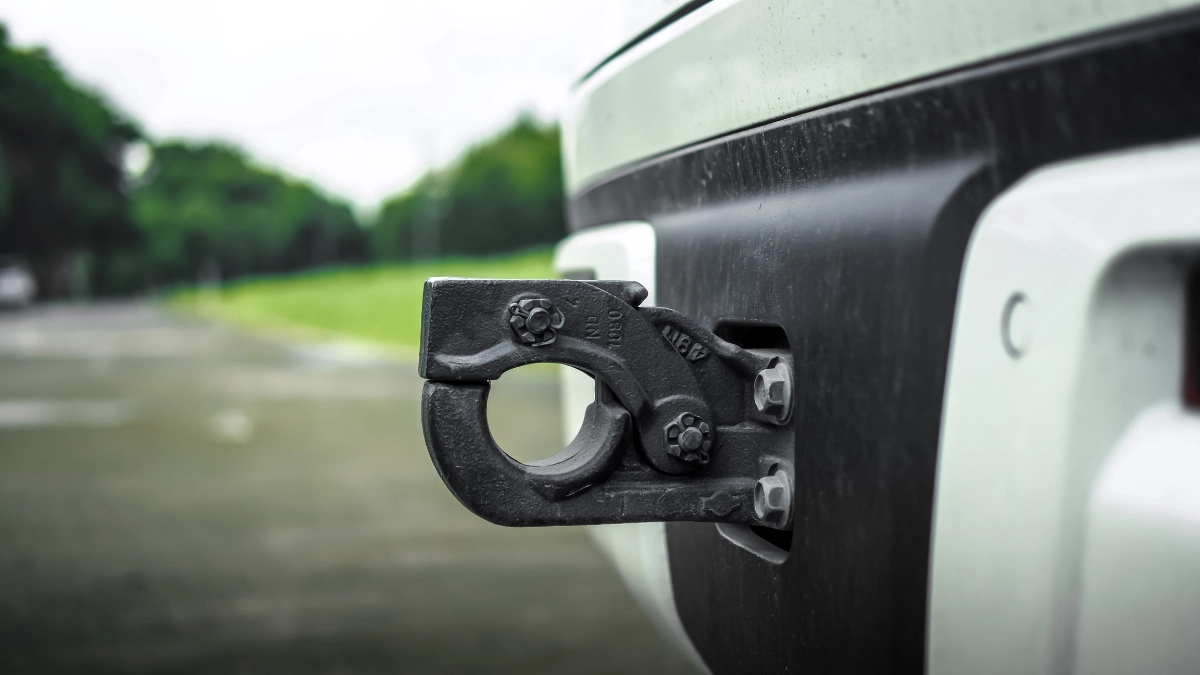
But it is much more comfortable than one. There is still some wheel jiggling over low-speed bumps from the giant 33-inch tires, but the ride is mostly serene, composed, quiet, and luxurious. There is very little for passengers to complain about as you slice through traffic. The same can’t be said for the driver, who will have to learn how to cope with the stress of piloting this cetacean monstrosity through a sea of scratchy motorcycle pegs, rusty jeepney fenders, and bullbar-encrusted pick-ups. Your only protection here is the towing pintle on the rear bumper, which, honestly, is more of a danger to your garage wall than to tenaciously tailgating truckers. There’s a 360-degree camera that you can toggle in traffic to ease navigation, but it can feel quite overwhelming—even in the quietest moments—to try to squeeze into gaps in traffic or parking ramps. Visibility was obviously not a big priority when designing this truck, with enough space under the hood to stuff an extra engine underneath.
Extra features
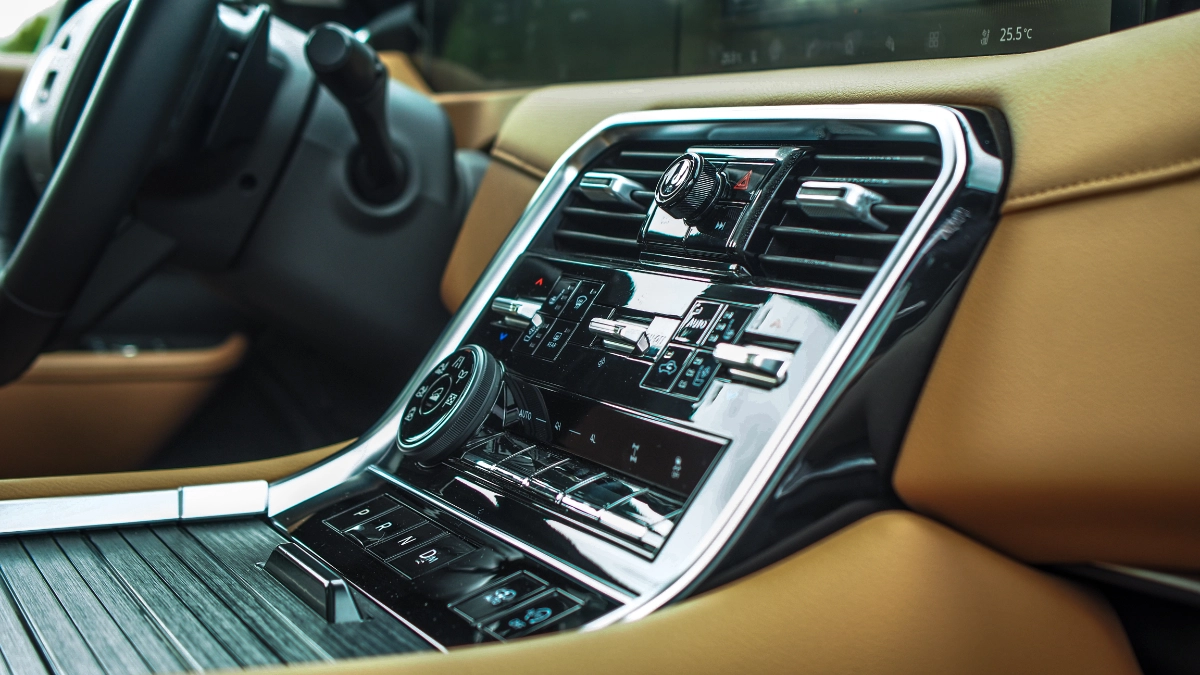
Thankfully, that 360-degree camera system works fine when parking, and there is an ‘invisible hood’ mode to allow you to see pedestrians shorter than a PBA player walking in front of you. There’s also a ProPILOT system with lane keeping and adaptive cruise that does a good job of making life easier on the highway, and more off-road goodness, including a power suspension lift, than you will ever use. Beyond that, you get all the aforementioned power amenities, a huge panoramic roof, and a Klipsch sound system that has enough bass to do the Imperial March justice for listeners three cars away in traffic. There is nothing here that will leave you wanting.
Verdict
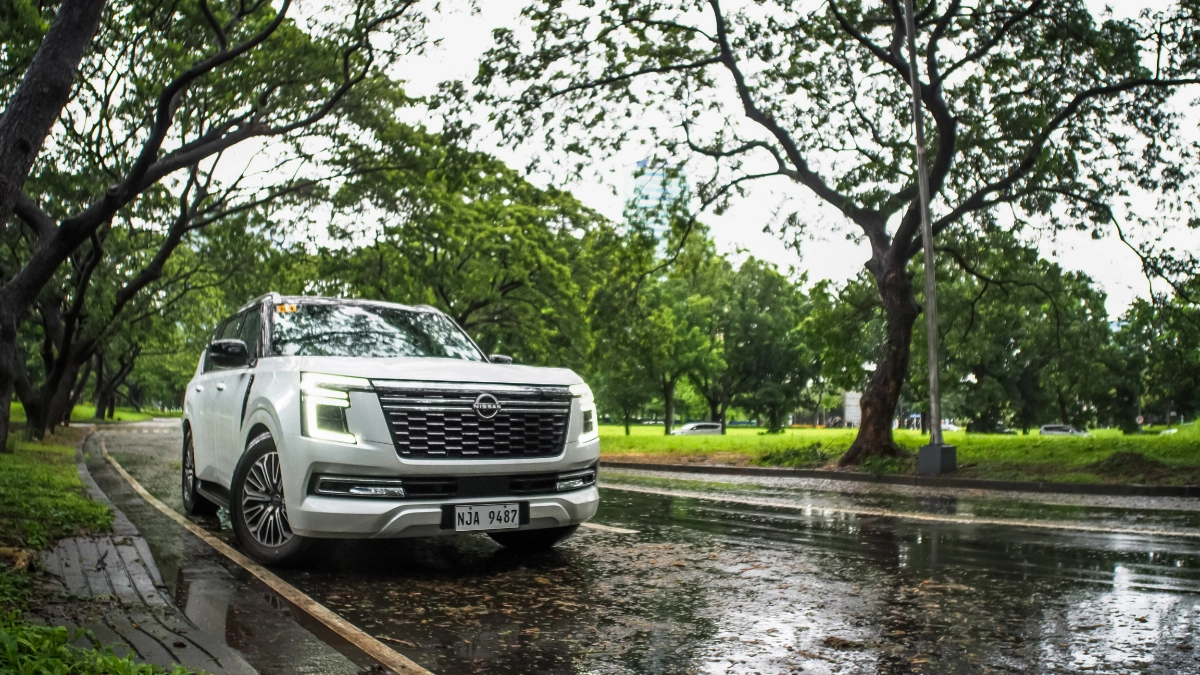
Except perhaps the price. The latest Patrol is the biggest, bestest white whale yet, and outdoes the Land Cruiser in almost every way—except brand equity. Toyota still trumps Nissan for peace of mind, though Nissan Connect services go a long way towards providing extra reassurance of on-the-road service and support.
A bigger issue is the price: The Patrol now costs just P300,000 less than the Land Cruiser, and is no longer the relative bargain it used to be. And in a market shying away from big gas-guzzling SUVs—the Ford Expedition, for one, is no more—that new V6T feels like a timid step forward rather than the giant leap that newer hybrids and EVs are. Even the Land Cruiser’s diesel, despite its drawbacks in terms of powertrain refinement, is a more eco-conscious option.
But for those who want no-compromise luxury, the unsinkable Nissan Patrol stands as an indomitable force of nature, whatever the weather.
Specs: 2025 Nissan Patrol V6T LE
Price: P5,385,000
Engine: 3.5-liter V6 twin-turbo VR35DDTT
Power: 428hp
Torque: 700Nm
Transmission: Nine-speed automatic transmission
Layout: 4WD
Seating: 7
Score: 9/10
More photos of the 2025 Nissan Patrol V6T LE: