
Wait, is this the new Suzuki Vitara?
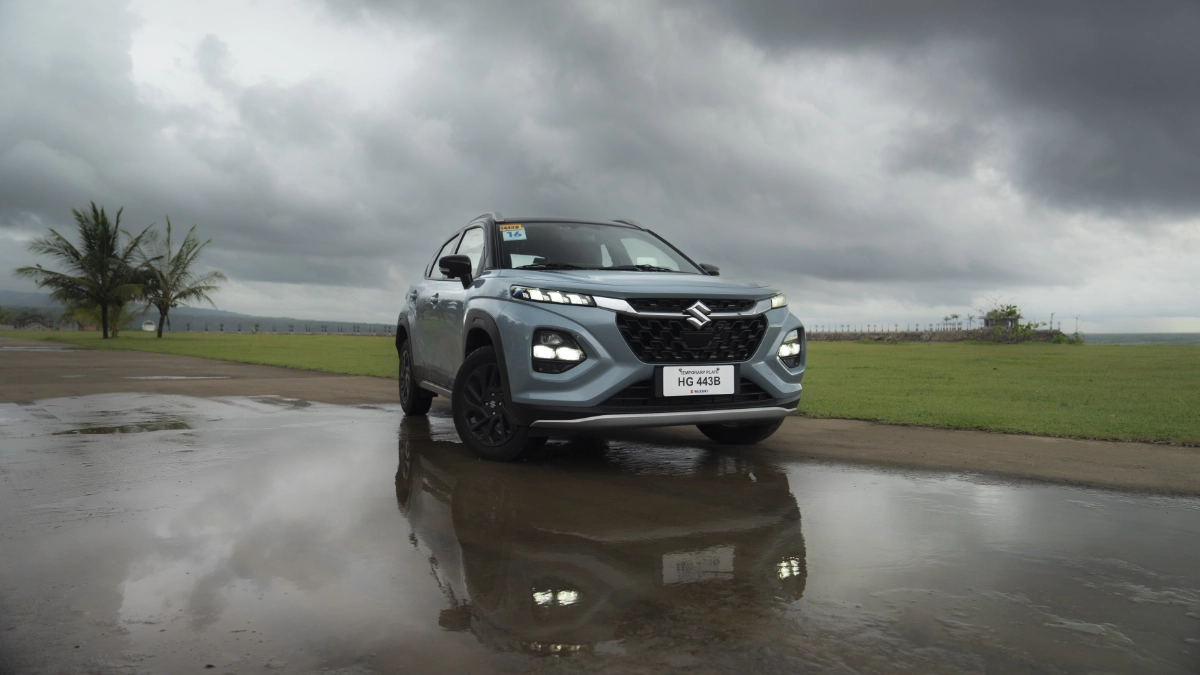
Let’s clear the air. During our drive with the Suzuki Fronx to Bataan, several social media users asked us if it was the next-generation Vitara—the answer is simply no. Locally, the Fronx is an all-new nameplate for Suzuki, and it will stand as the brand’s stake in the highly competitive subcompact crossover segment.
Whereas the Vitara may go up against the likes of the non-hybrid Toyota Yaris Cross, the Fronx stacks up against the Raize and other smaller crossovers. The folks in our inbox may be getting the Fronx confused with the new e-Vitara, but that is a completely different vehicle without a definite Philippine release. That is also a story for another time; let’s go back to the Fronx Hybrid.
So, what is the Suzuki Fronx Hybrid?
The Fronx is the latest addition to the Suzuki Philippines lineup and its newest electrified model. As mentioned, it will be competing in the subcompact crossover segment, which hasn’t seen a Suzuki-branded vehicle for some time.
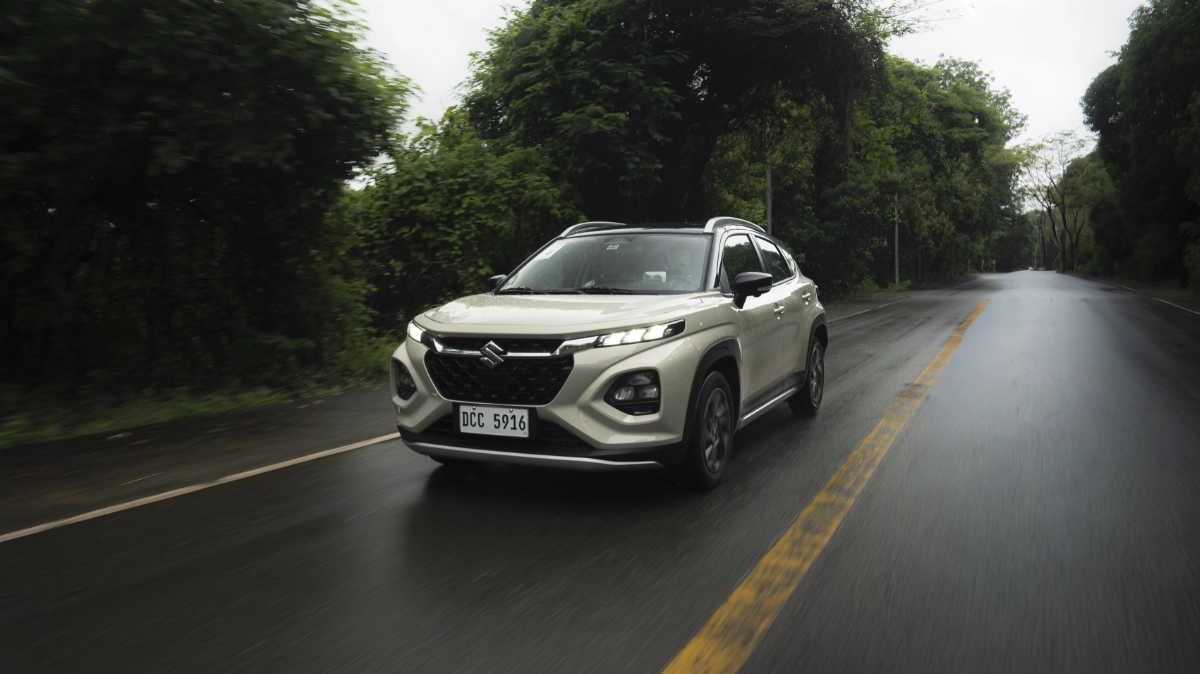
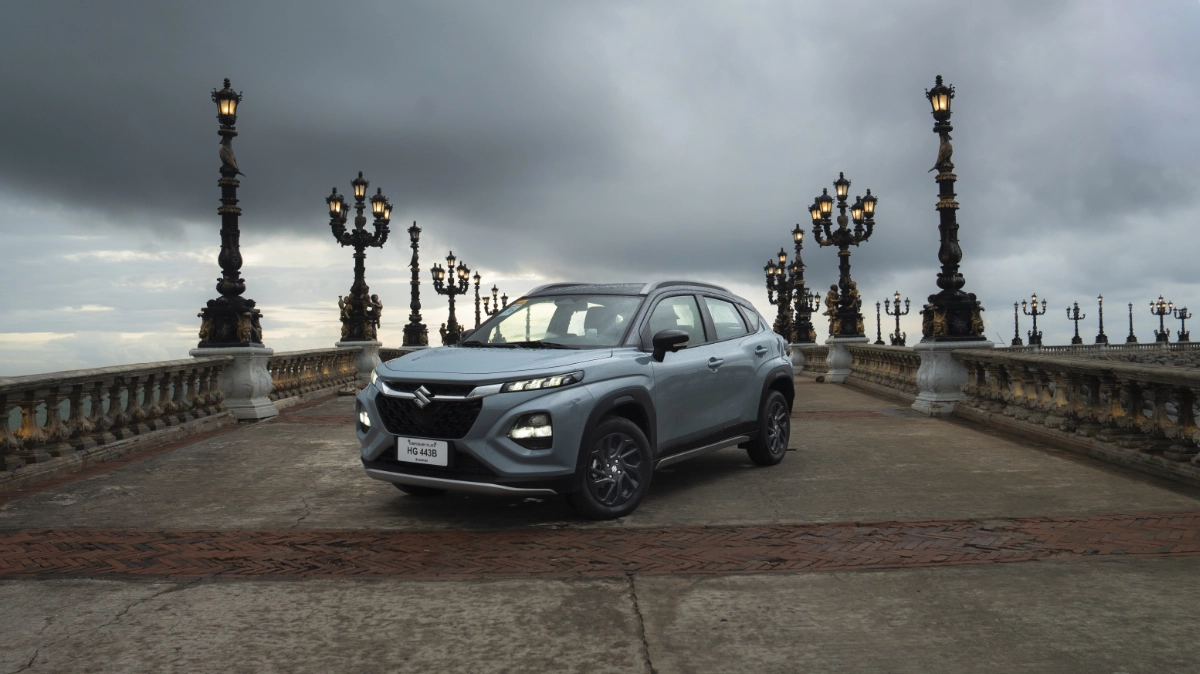
The vehicle may also attempt to usher in a new aesthetic for the Japanese carmaker. With the name Fronx being a portmanteau for ‘frontier’ and ‘next,’ the crossover is advertised with a more modern feel and a coupe-like design language. Upon first glance, it definitely stands out while still looking classically Suzuki. That coupe design is carried by a long sloping roofline, which is then complemented by SUV-inspired side skirts and bumpers. It definitely looks more sporty than elegant, but it’s generally easy on the eyes.
It stands with a wider stance, but actually has similar dimensions to the new Dzire Hybrid. More on that later.
OTHER STORIES YOU MIGHT HAVE MISSED:
Rumor: The Mitsubishi Destinator has already landed on PH soil
The Honda BR-V is available at up to P80k off this September
Is this another mild-hybrid Suzuki?
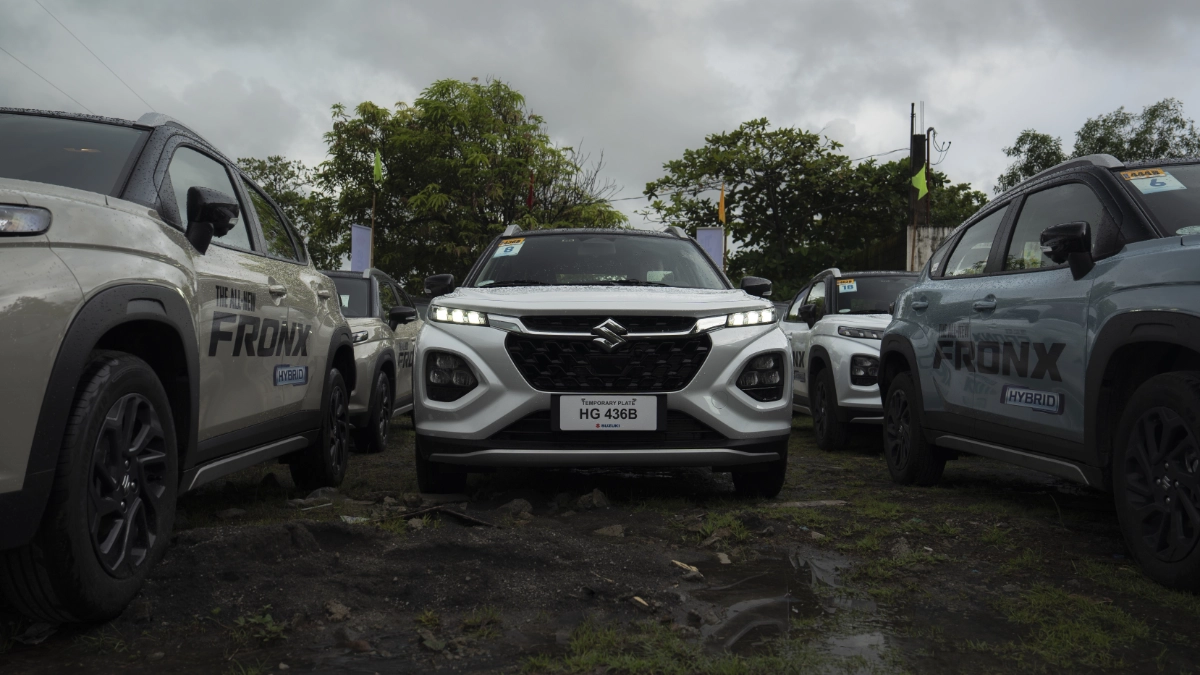
Yes, it is, and that means it will not be receiving coding-exempt green plates from the Land Transportation Office. Internally, the Fronx utilizes a K15C 1.5-liter four-cylinder and a 12V mild-hybrid system attached to a single motor. That is all mated to a six-speed automatic transmission, with power outputs set at about 99hp and 135Nm of torque. With those numbers, performance is close to that of the XL7 Hybrid, which also uses a similar mild-hybrid setup.
While not having green plates is a sore spot for the Fronx, fuel economy continues to be a strong asset for Suzuki’s electrified stable. On the drive up to Bataan, the Fronx returned between 17 and 21km/L, through city driving, clear expressways, and some tough provincial roads.
But how was the drive?
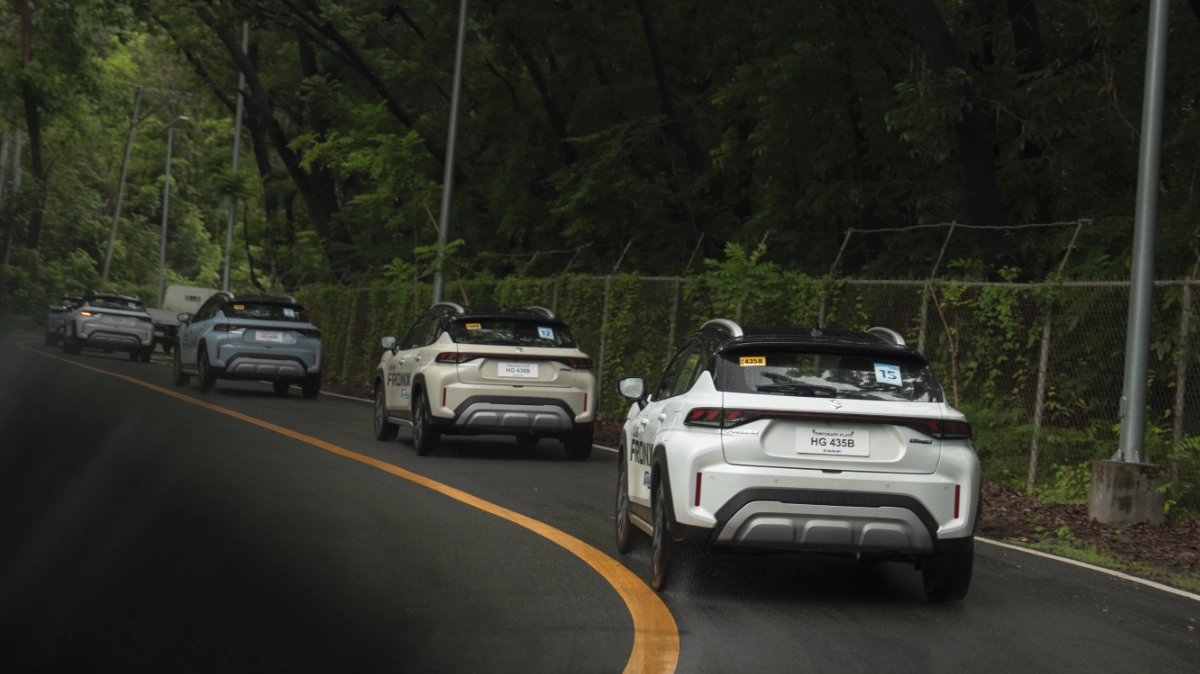
Performance isn’t the only thing the XL7 shares with the Fronx. The overall driving experience felt similarly comfortable, with both vehicles delivering soft, plush rides during our respective two-day drives. The driver and front passenger seats on the Fronx are wide and decently cushioned, which was a bit of a surprise given that the crossover is only 3,995mm long. We didn’t spend too much time in the second row, but it still felt spacious with a good amount of legroom.
However, like the XL7, the Fronx also struggled when going uphill and pushing speeds of over 80kph. On steeper inclines, we needed to press more intently on the accelerator, which made the 1.5-liter mill roar louder than it probably should. The accelerator and brake pedals themselves are soft, which lends well to city-driving and stop-and-go traffic, but for these longer road trips, stiffer pedals would’ve raised more confidence.
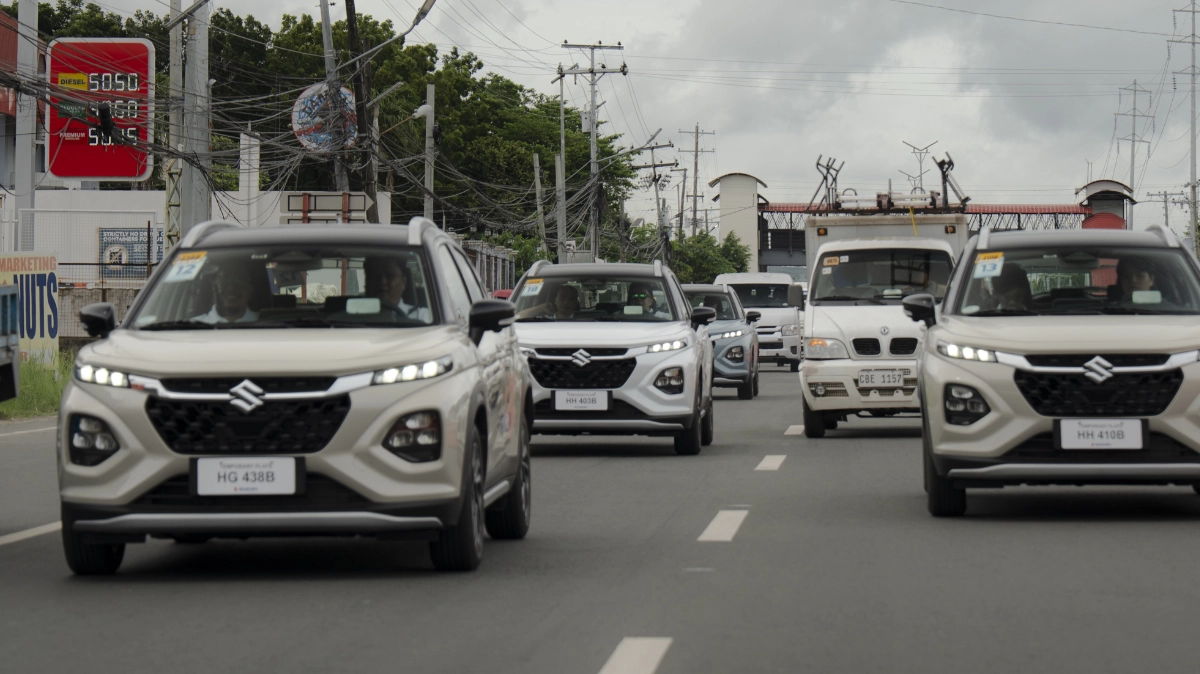
With the Fronx’s Dzire-like length and soft ride, it showed great potential as an urban daily driver. We got to drive the SGX variant of the Fronx, which comes with the full suite of Suzuki Safety Support—the brand’s own advanced driver-assistance system (ADAS). Loaded with things like adaptive cruise control and blind spot monitoring, it elevated what would’ve been a usual Suzuki driving experience. Wireless Apple CarPlay and Android Auto didn’t hurt either.
How much is the Fronx going to cost?
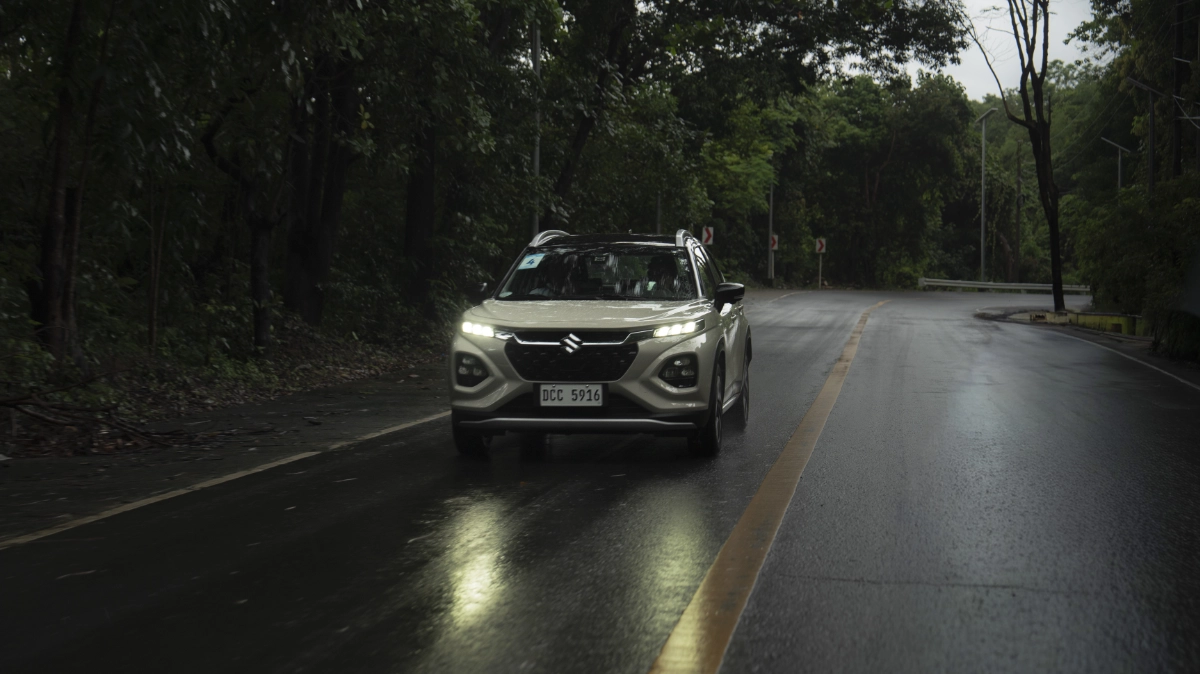
That will be revealed on September 12, when the Fronx officially goes live, but after driving it for two days, it is definitely difficult to infer. While it is smaller than the P1.252 million XL7 Hybrid, the onboard ADAS and infotainment offerings could jack up the price. Although Suzuki did cut some corners, even on the SGX variant. The tailgate is not powered, and there is no autolock function, which feels like a crucial corner to cut.
The interior is mostly plastic, but we counted about four or five different finishes throughout the cabin. It is hard to tell, but at least we won’t have to wait too long to find out.