Don’t you mean ‘mild’ hybrid?
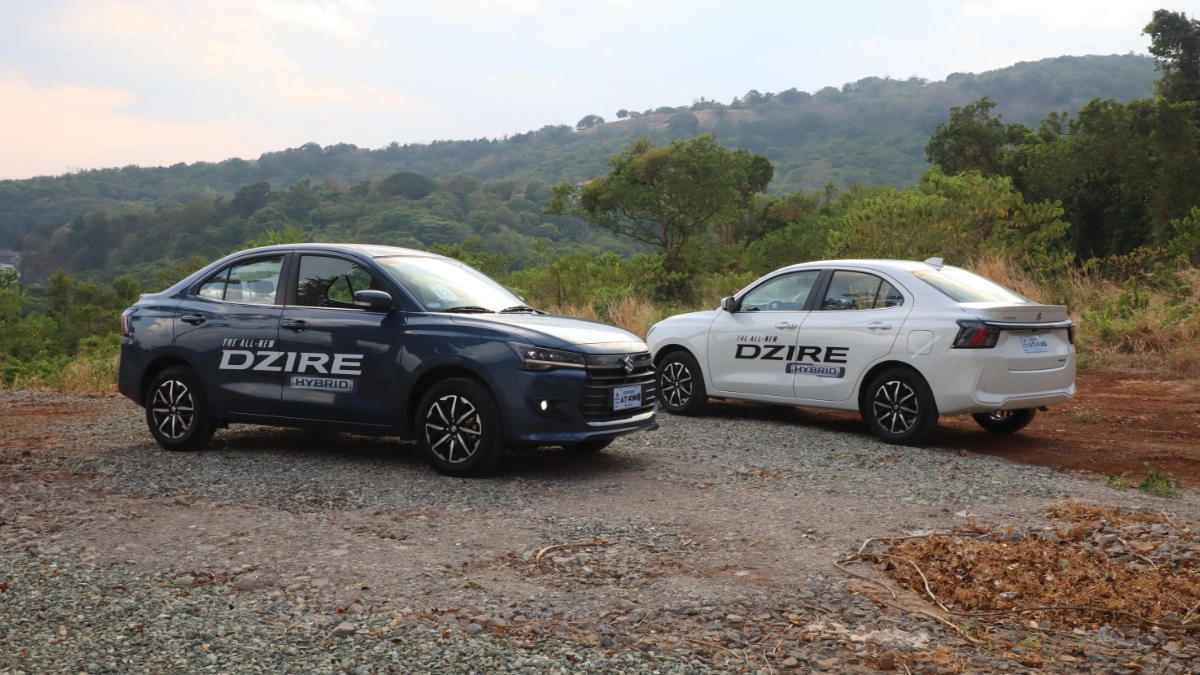
Yes, the new Suzuki Dzire runs on a mild-hybrid powertrain, but it technically still is a hybrid. Though many motorists, social media users, and heck, even the Land Transportation Office, will argue that.
While it cannot completely run on electric power, the 0.072kWh battery and electric motor add some respectable support to the 1.2-liter, three-cylinder engine that mainly runs the show. During our test drive from Taguig to Bagac, Bataan, the Dzire Hybrid still returned an above-average fuel efficiency, in a rather comfortable and smooth drive.
So, how is the Suzuki Dzire Hybrid’s fuel economy?
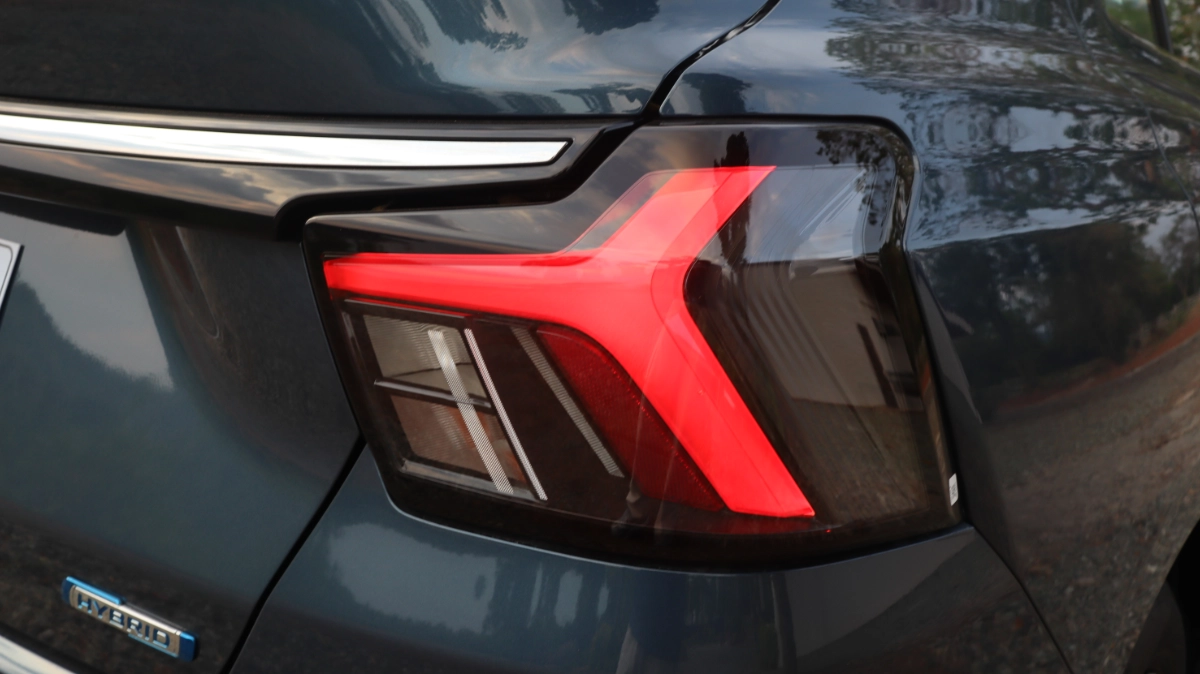
Covering about 250km over a five-hour drive through city and highway driving conditions, the Suzuki Dzire gave us about 24 to 27km/L. The other Dzire units bottomed out at around 15 to 18km/L, which is still an impressive output.
Gone is the AGS transmission that was mounted on previous Dzire iterations; in its place is a CVT, and it is a welcome change. The new transmission worked in great tandem with the compact powertrain, providing an easy and calm ride. It is by no means a punchy or perky vehicle, but at no point did we feel it to be underpowered. While on the expressways, it got up to 90kph at a reasonable pace, and handled crawling city traffic with no complications.
OTHER STORIES YOU MIGHT HAVE MISSED:
The Ford Fiesta could return as a Volkswagen EV-based hatchback
LTO files suggest Mitsubishi Mirage will get an update for the 2026 model year
Is it comfortable to drive?
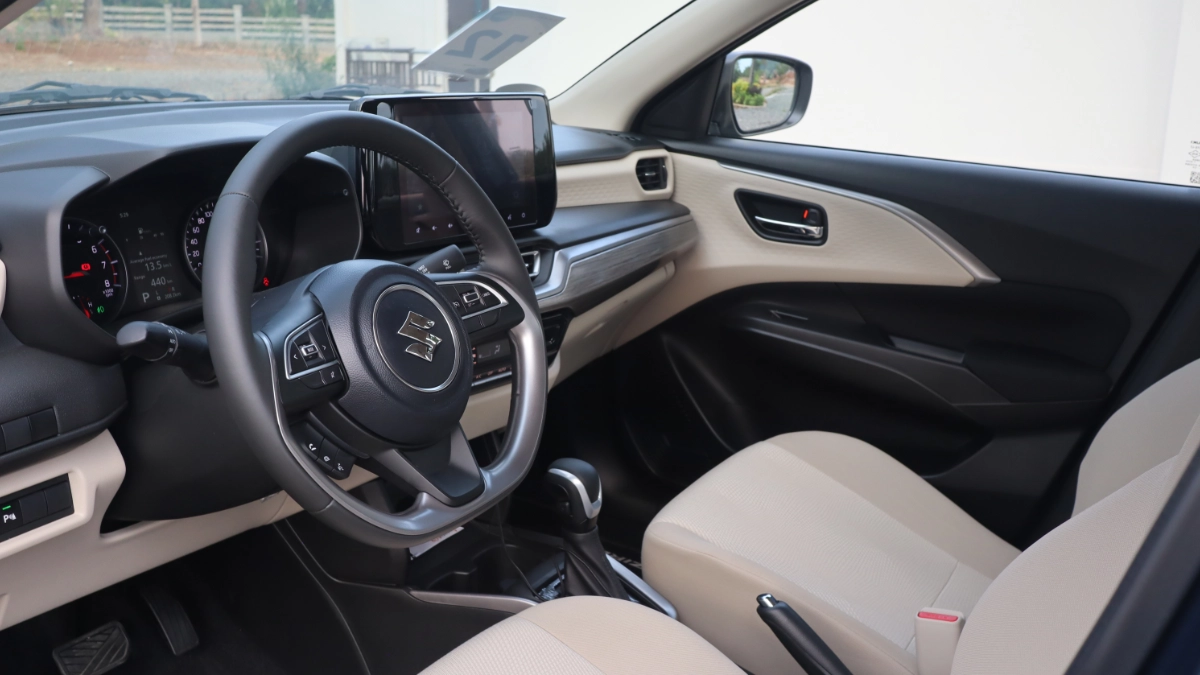
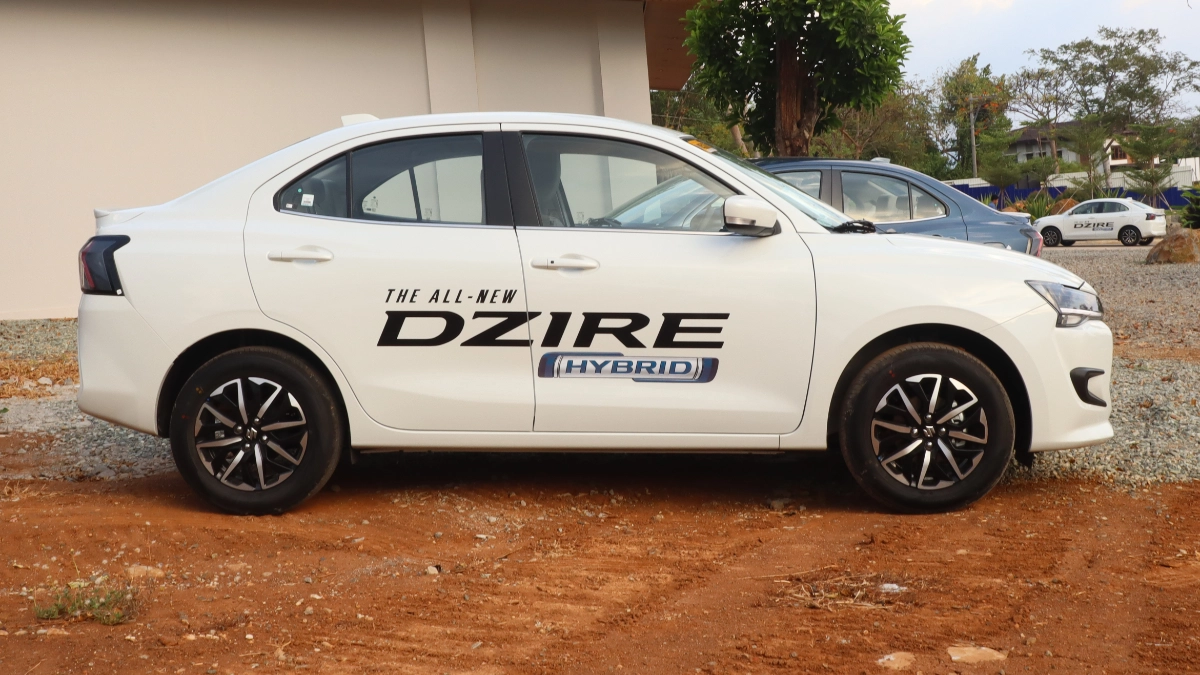
The Dzire Hybrid comes in at just under four meters long, making it a true subcompact sedan. And even with its limited real estate, the entire cabin felt fitted and comfortable. I stand at about five feet six with an average build, and it did not take much adjustments, if any, for me to find the right driving position. Given the car’s size, legroom up front was generous. Although at more relaxing seating positions, my thighs started to hang off the seat cushion.
The designers at Suzuki also retooled the cockpit to make it more driver-centric. The infotainment display has a more intentional angle towards the driver, and every button and shifter is less than an arm’s reach away.
While the CVT took care of the engine, operating the vehicle was a breeze. The weight on the steering wheel felt just right for the Dzire’s heaviness and size. While we did feel the bumps and bruises from the road, we weren’t being thrown around in the cabin, nor was there much road noise. It’s not air-tight silence, but given its price and size, it was impressive.
Is it worth the price?
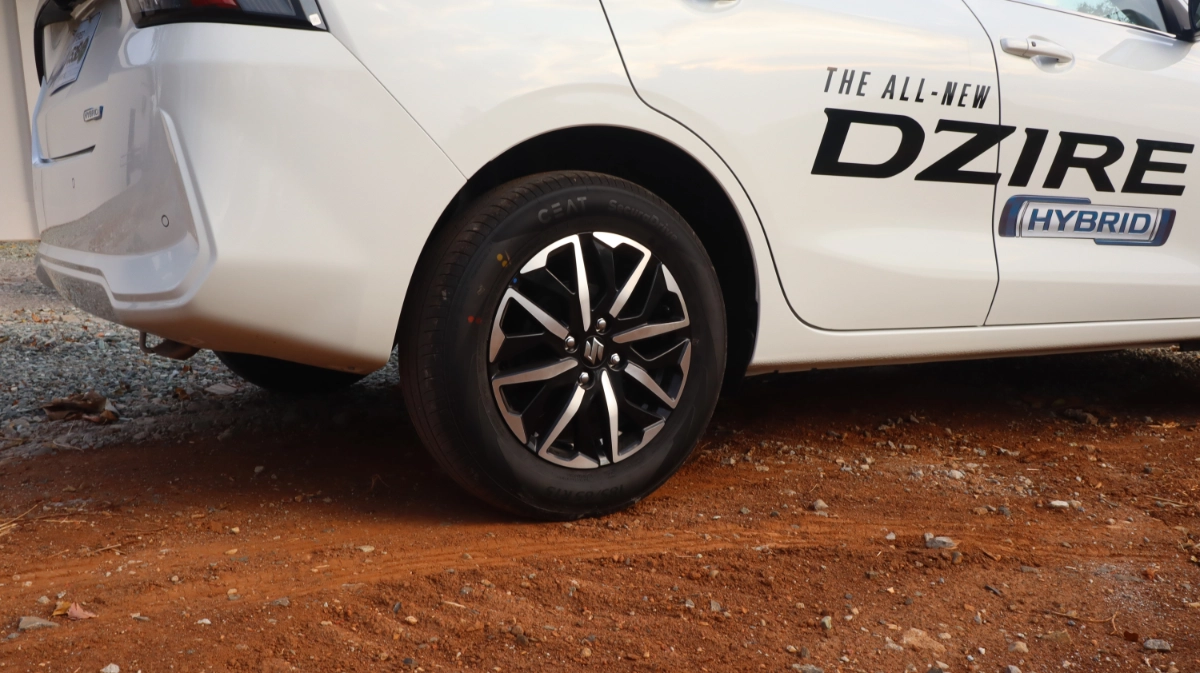
The Dzire Hybrid starts at P920,000 for the GL variant, and tops out at P998,000 for the GLX. It is difficult to name a direct competitor for the Dzire as similarly priced vehicles pack different powertrains and come in bigger sizes.
If it were officially exempted from the number-coding scheme around Metro Manila, then it may sway the vote towards ‘worth it,’ but at the time of writing, that is still up in the air.
Perhaps more than its mild hybrid system, the Dzire’s best quality is its ease of use. There is almost no learning curve to the Dzire, and the above-average fuel efficiency further sweetens the deal. A full review will be needed to answer that question, but from our two days with the Dzire, it is an impressively comfortable and easy sedan.
Will the Dzire Hybrid be exempted from number coding?
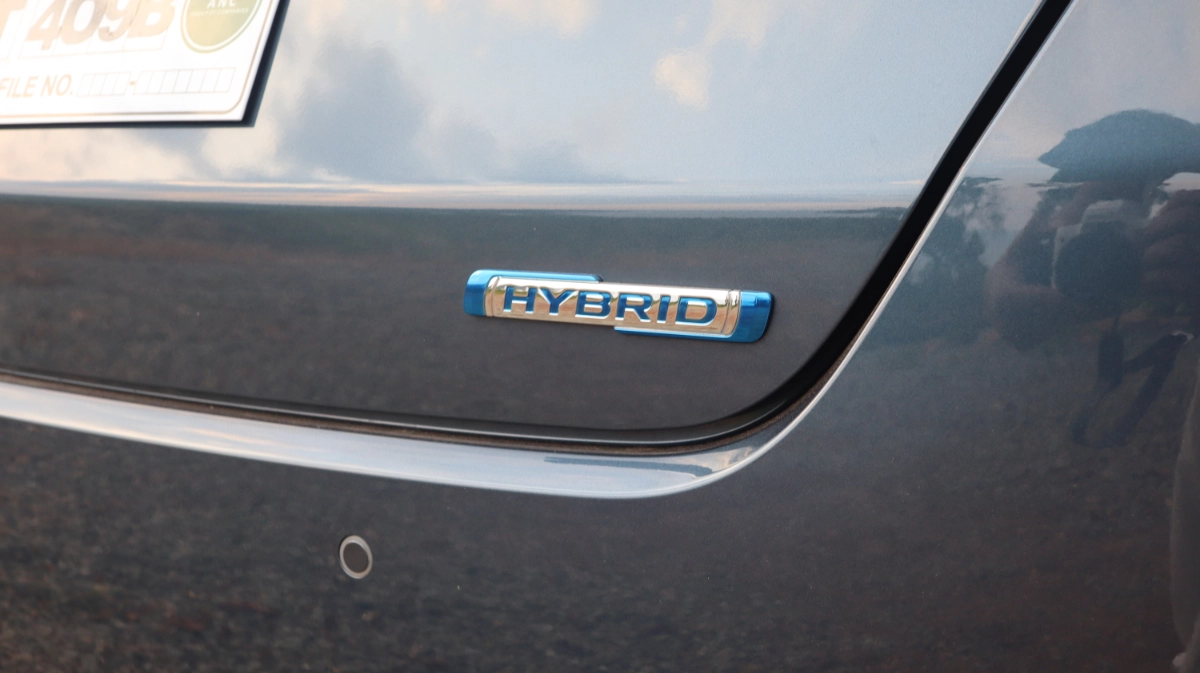
The folks at Suzuki Philippines are currently working with the LTO to get green plates on the Dzire Hybrid. If you recall, it did take some time before the Suzuki XL7 and Ertiga Hybrid got their green plates. Mild-hybrid systems continue to be a point of contention, but hopefully, we will get our answers about the Dzire Hybrid soon.