20) Aptera Motors solar-powered three-wheeler
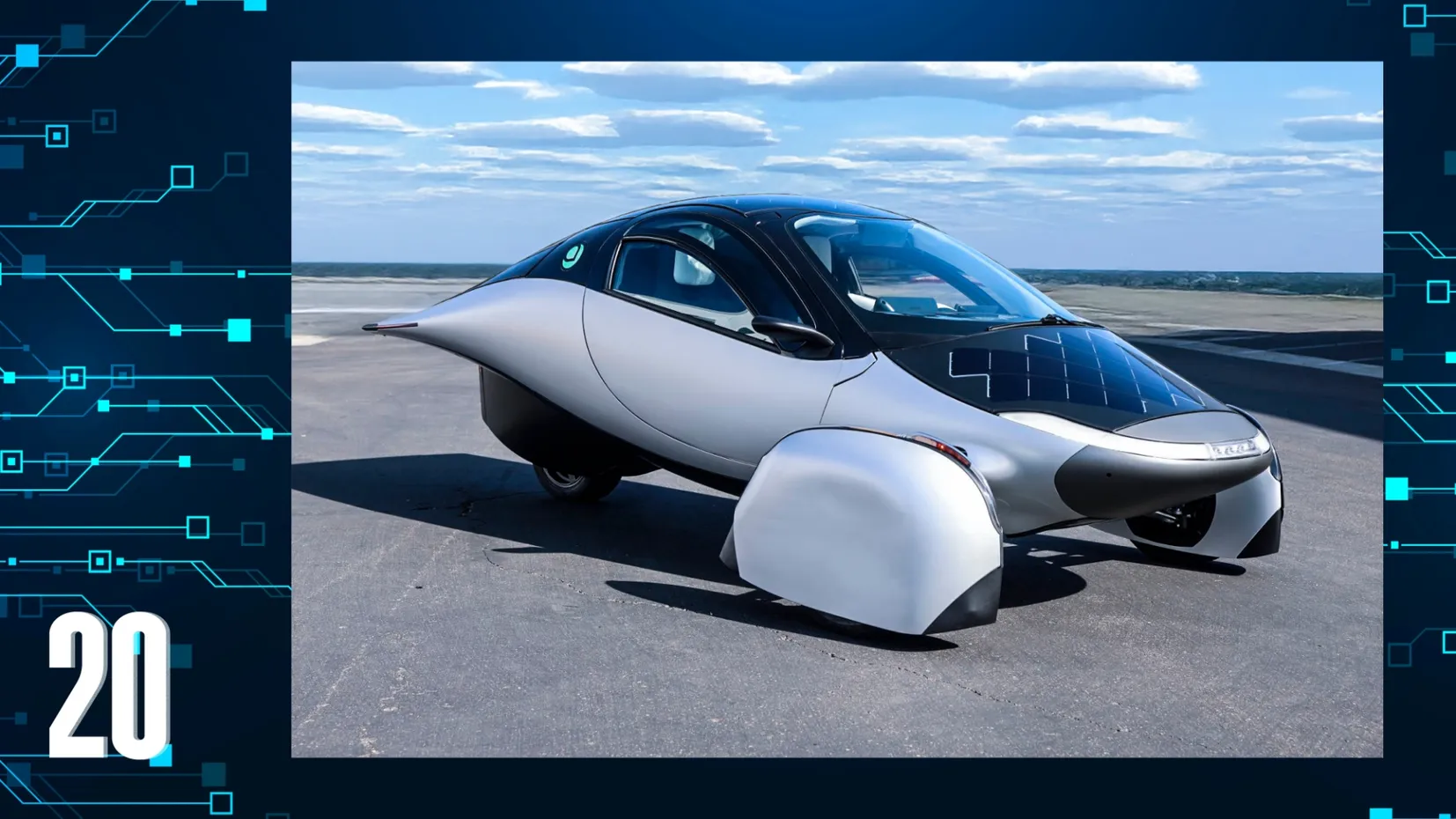
In 2010, the world got a first look at the Aptera Motors 2e, a tiny, electric, futuristic-looking three-wheeler. Sixteen years later, Aptera Motors’ three-wheeler looks like a modernized version of that car from 2010, and it has big solar panels.
But the car is still in limbo. The Aptera Motors website says: “We are committed to commencing production and delivery as soon as possible. However, the exact timing remains uncertain.”
Aptera Motors’ three-wheeler grabbed attention in the 2010s with its fun looks, but its delays over the past 16 years have distracted from its potential.
19) Lightning GT
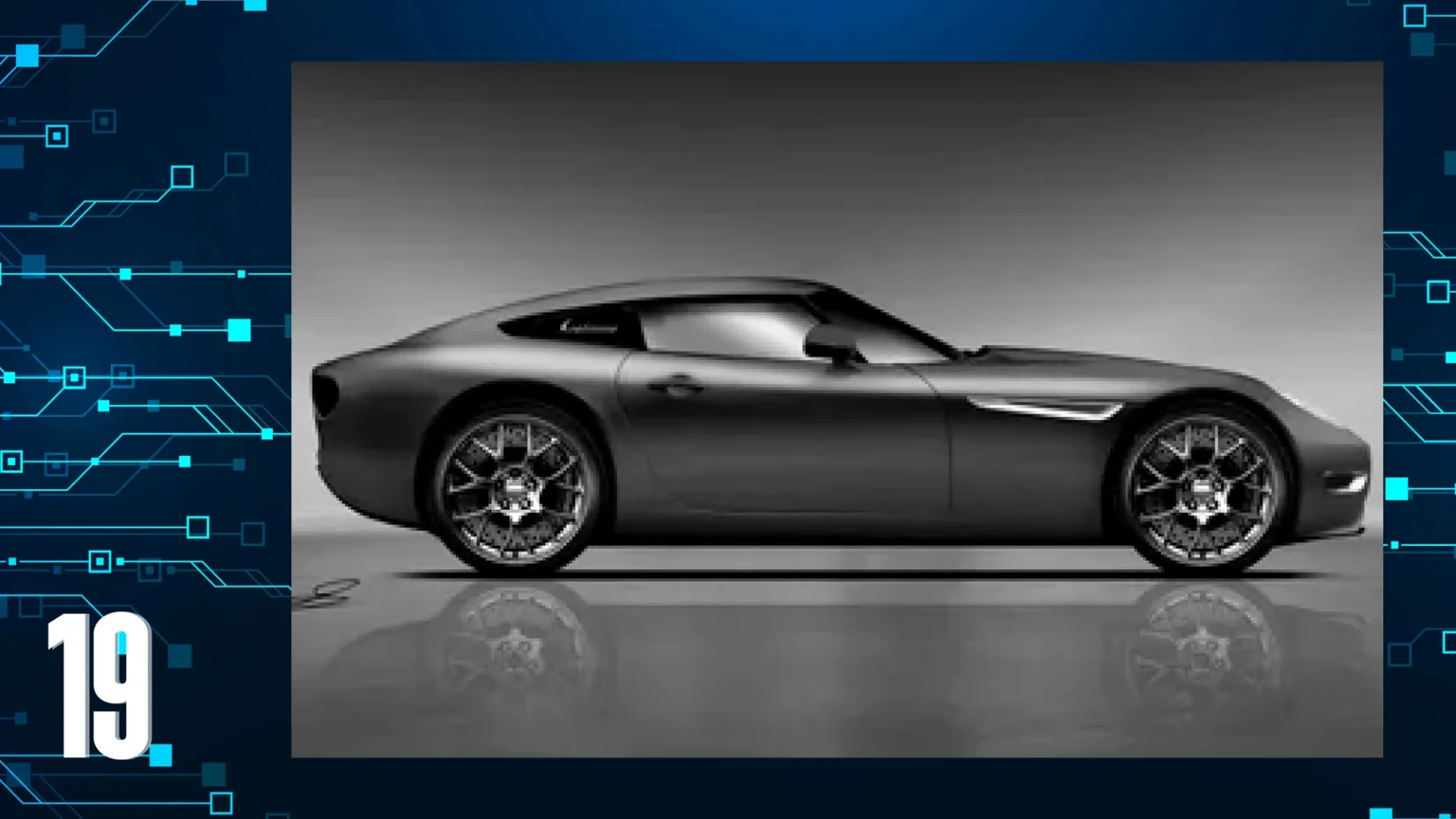
An electric vehicle called the Lightning GT got international attention in 2008, with outlets calling it a “green supercar.”
But the car didn’t pan out. The British Motor Museum claimed to have one of two Lightning GTs ever made in its possession through at least 2024, saying the car “showed the world electric cars could be both stylish and conventional.”
Too bad there apparently weren’t more than two of those stylish and conventional models.
18) Ford F-150 Lightning
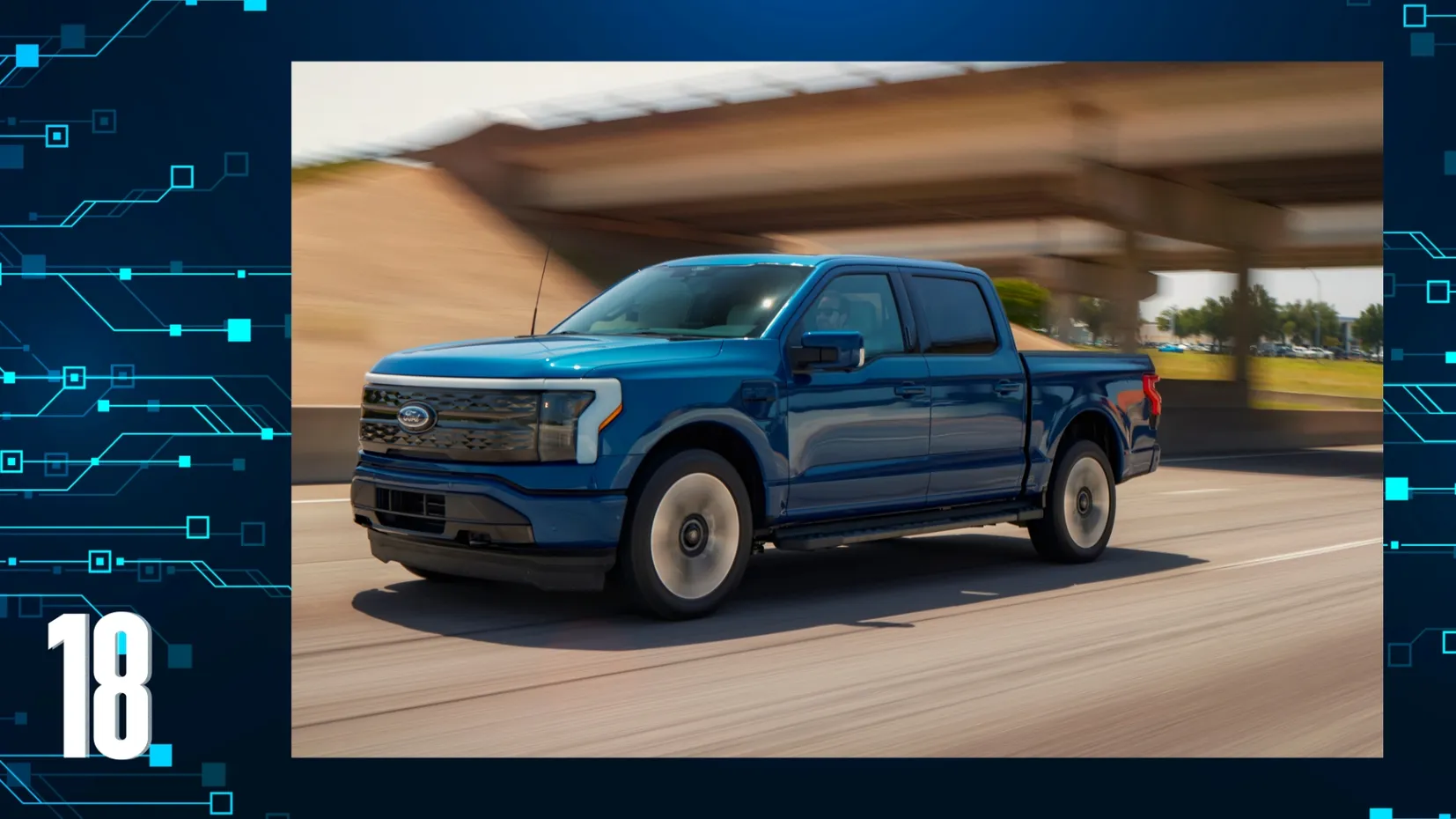
The all-electric Ford F-150 Lightning pickup truck debuted in 2021, with Ford saying, “The truck of the future is here.” It came at a time when new electric carmakers had flashy EV offerings, such as the Rivian R1T pickup.
Ford said at the Lightning’s debut that the target was 563hp and 1,049Nm of torque, giving it, at the time, the most torque of any F-150 ever. Ford also said the F-150 Lightning would be able to power homes when needed, such as during power outages.
At the end of 2025, the all-electric F-150 Lightning came to an end. Ford said it will be replaced by an extended-range Lightning with a generator, offering more than 1,126km of range.
OTHER STORIES YOU MIGHT HAVE MISSED:
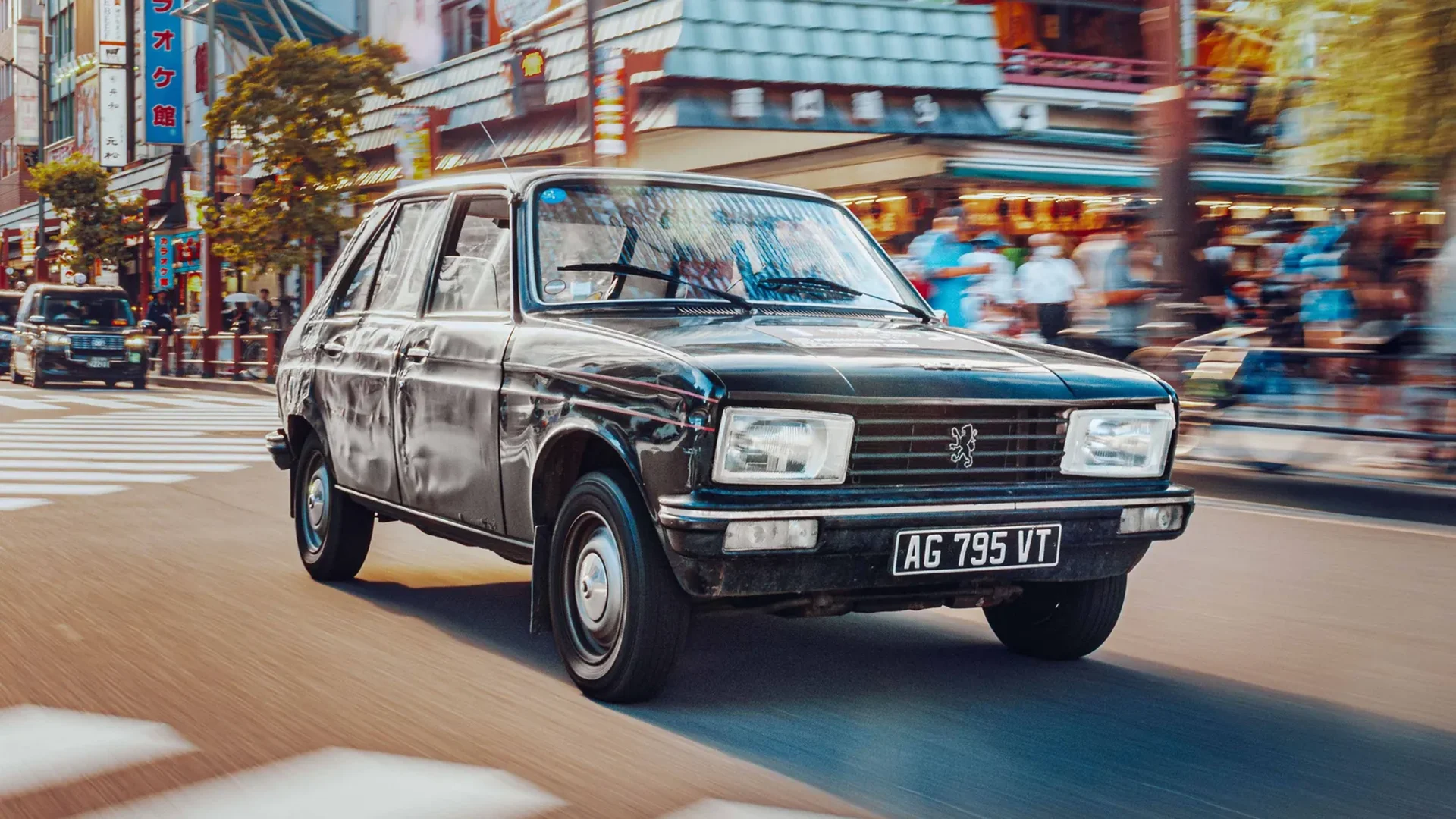
Because flying is too easy, this man drove his Peugeot 104 from Paris to Tokyo
Full gallery: Which of the 2026 Formula 1 liveries is your favorite?
17) Aston Martin Cygnet
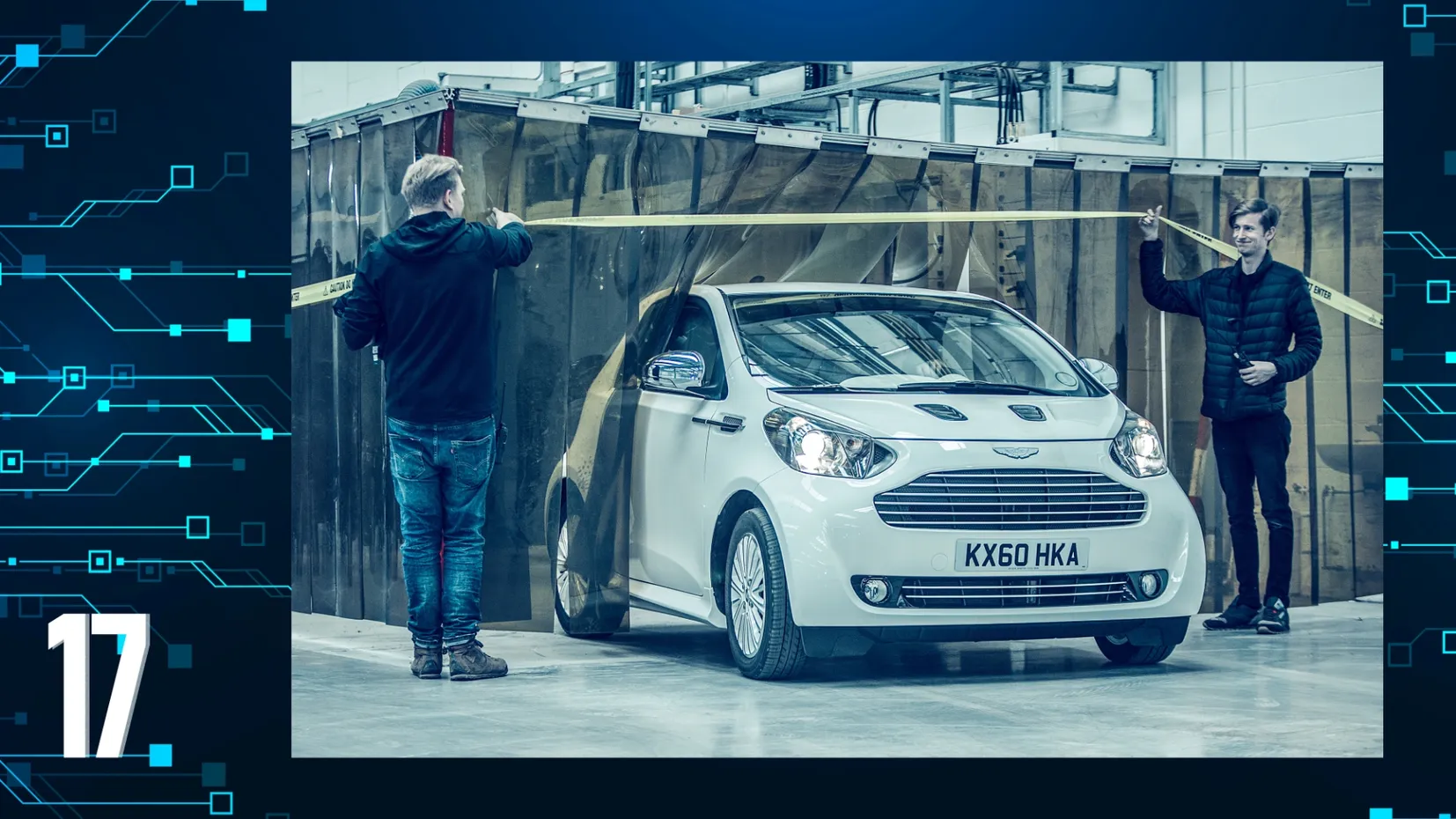
The Scion iQ was a tiny city car of the 2010s, which had both Toyota and Aston Martin (yes, really!) variants. Aston Martin’s version was the Cygnet, and Aston said it was “designed as a luxury solution to urban mobility.” It had about 97hp, and it could be bought with either a six-speed manual transmission or a continuously variable automatic.
The Cygnet was meant to lower Aston Martin’s emissions to meet EU regulations, and Aston Marton targeted annual sales of about 4,000 units when the car debuted. After three years of production, the carmaker sold fewer than 150 total, relegating the car to a quirk in history.
16) Audi A2
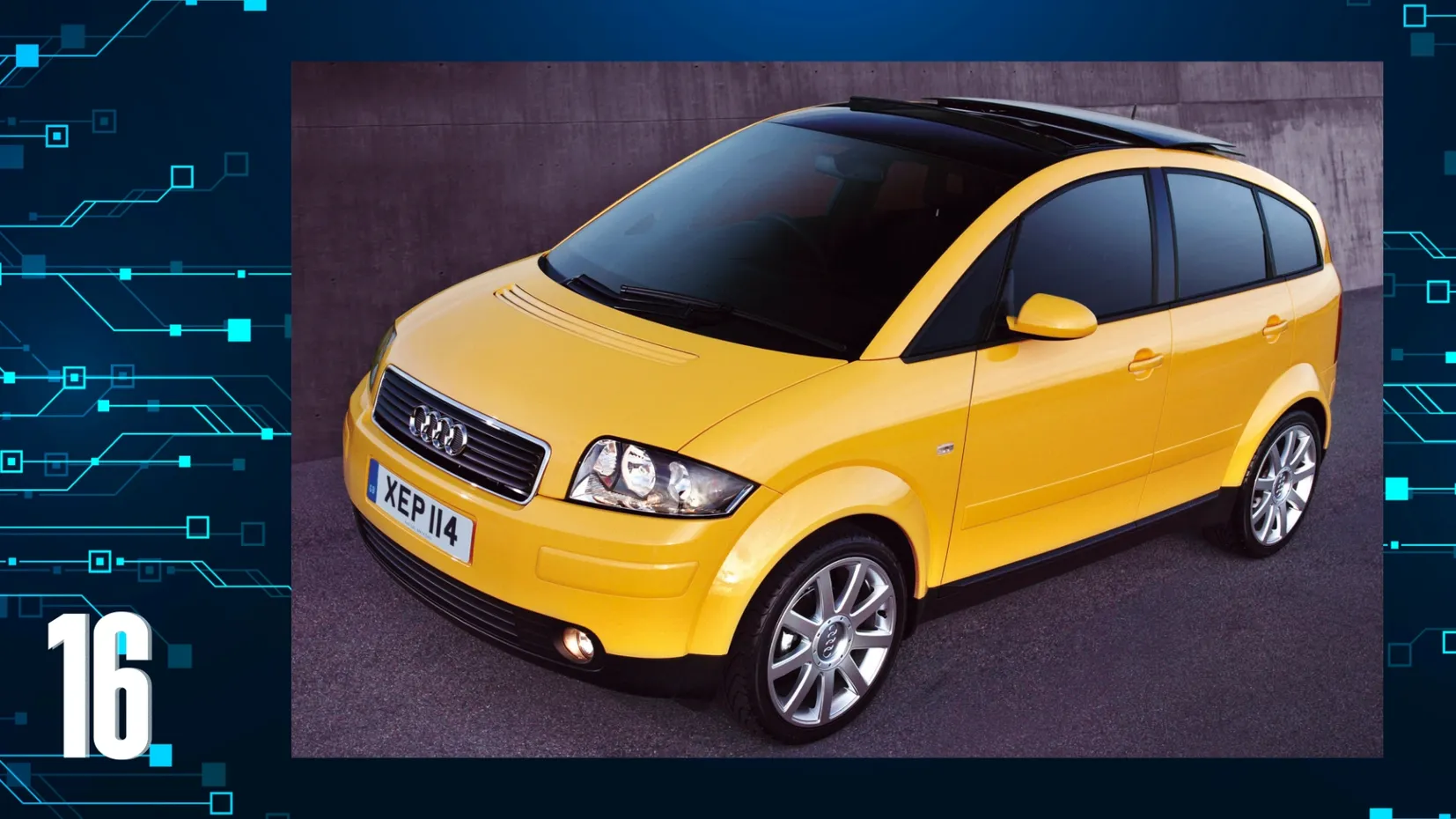
The Audi A2 was a minivan-shaped compact car that arrived at the turn of the century, and it had an aluminum body with the goal of making it light, aerodynamic, and economical with its fuel consumption.
According to Audi, 176,377 A2 models had been built by mid 2005—a number that “couldn’t meet the high expectations originally set for it.” Now that the car is approaching import age in America, it’s getting more traction among car enthusiasts.
15) Jaguar C-X75
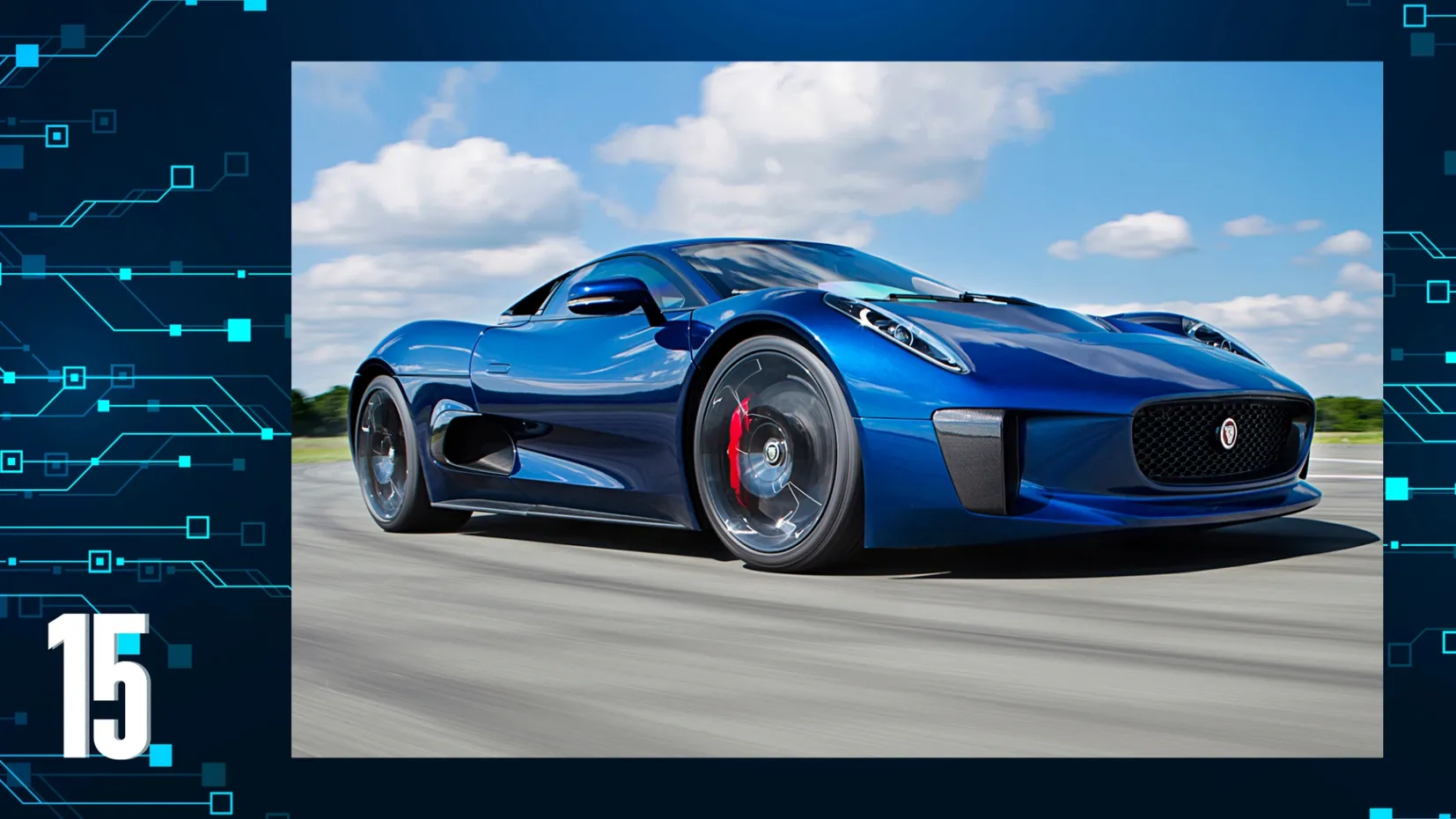
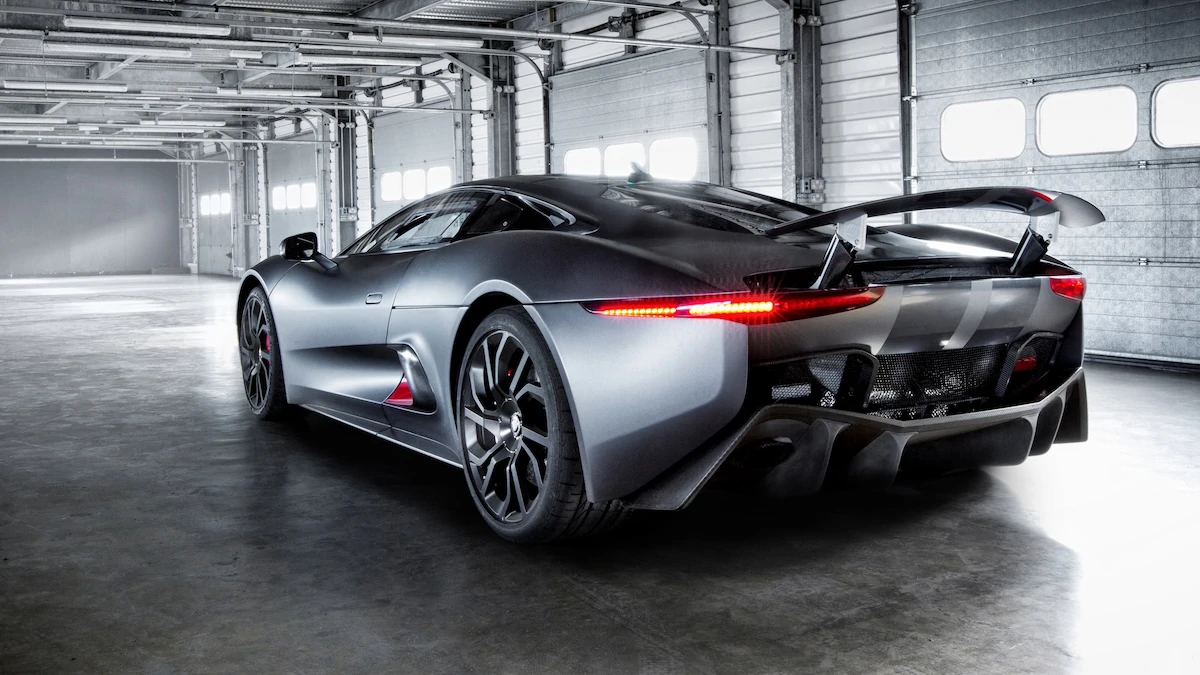
In 2010, Jaguar unveiled what it called “the most advanced Jaguar ever”: the C-X75. It was an all-wheel-drive, hybrid concept supercar with a 1.6-liter turbocharged and supercharged four-cylinder engine. The company planned to build 250 of these million-dollar models.
The C-X75 program ended in 2012. The economy was still reeling from the Great Recession, and Jaguar decided it wasn’t the right time for such an expensive supercar.
14) Honda EV Plus?
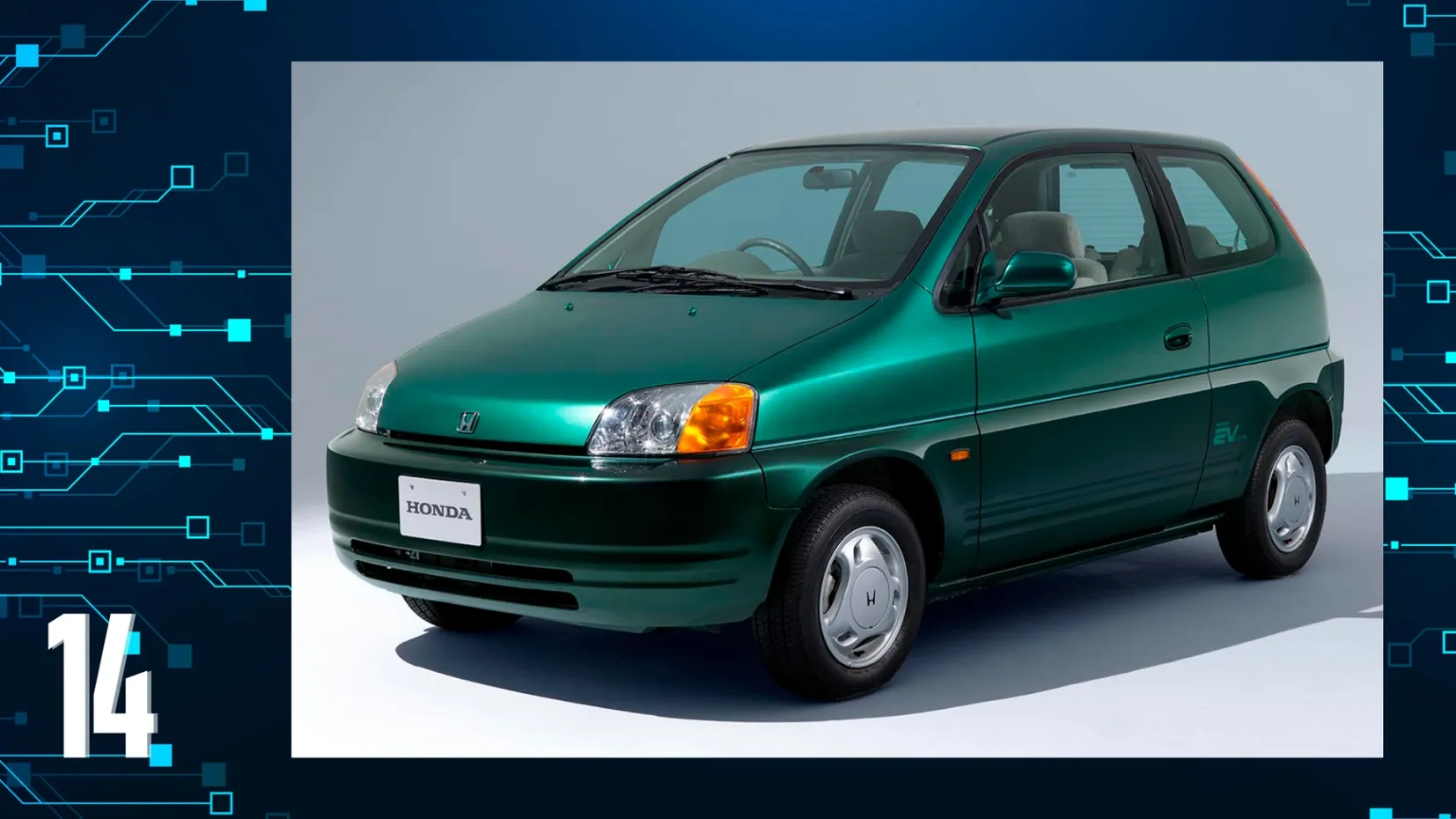
The Honda EV Plus arrived in the ’90s as an electric car with about 66hp, a nickel-metal hydride battery, and about 128km of range. Its MSRP was about $54,000 ($110,000 today), but Honda instead offered them as 36-month leases for a monthly payment of $499 ($1,000 today). Woof?!
Honda didn’t make many examples of the EV Plus, and in 1999, the Los Angeles Times reported that the company had quietly stopped making the car.
13) Fisker Ocean
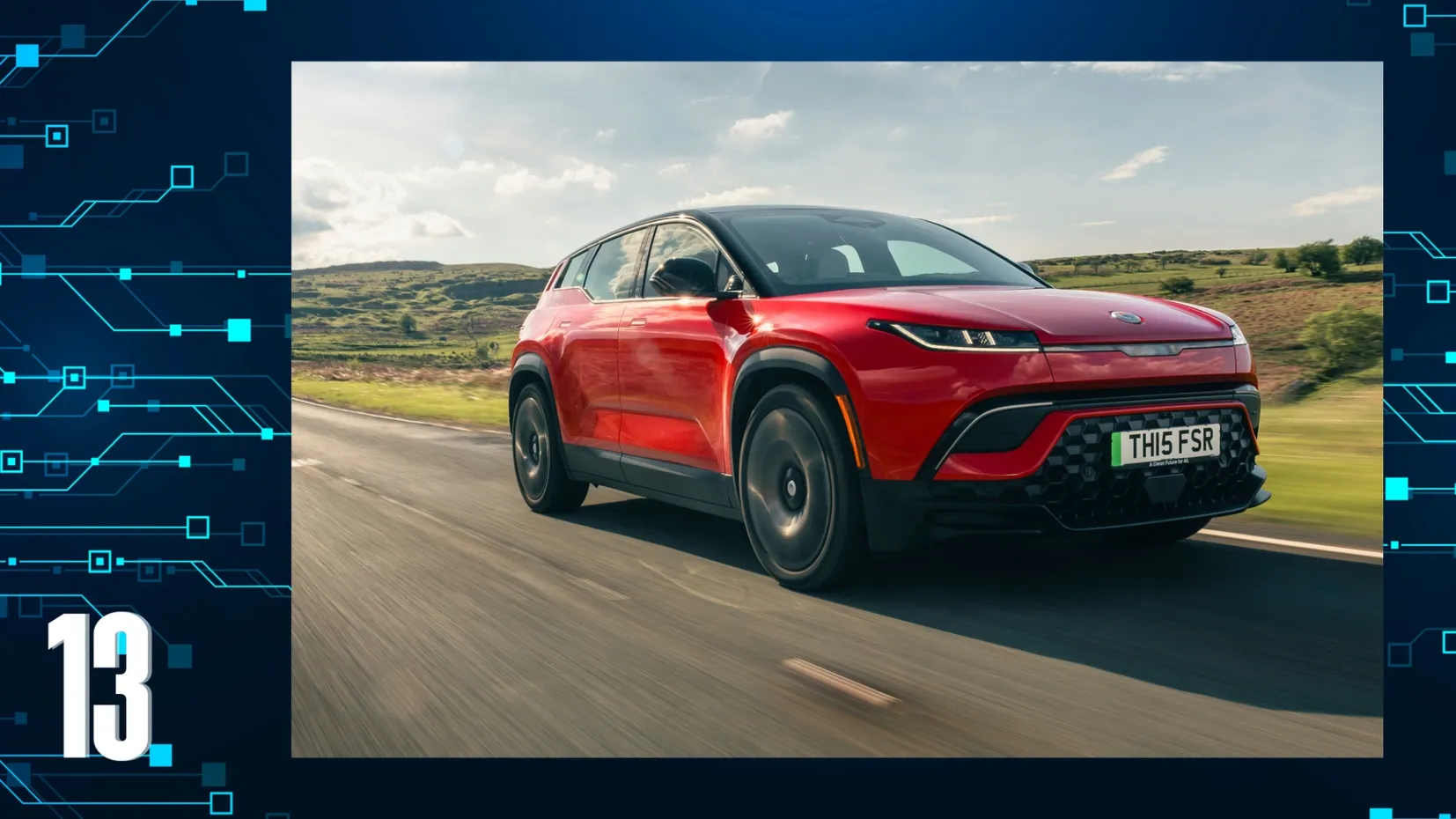
Fisker’s founder and namesake, Henrik Fisker, returned in 2016 with Fisker Inc. as a successor to Fisker Automotive. New Fisker released the Ocean SUV, whose fate was similar to that of the Karma sports car.
The Ocean was meant to be a modern electric SUV competitor with a large, rotating center screen and a ‘California Mode’ to open all the glass for a more convertible-style feel. Reviewers reported issues with the key fobs, software, California Mode, and more.
New Fisker was back on the bankruptcy train in 2024, putting an end to the modern era of the company and the Ocean SUV.
12) Fisker Karma
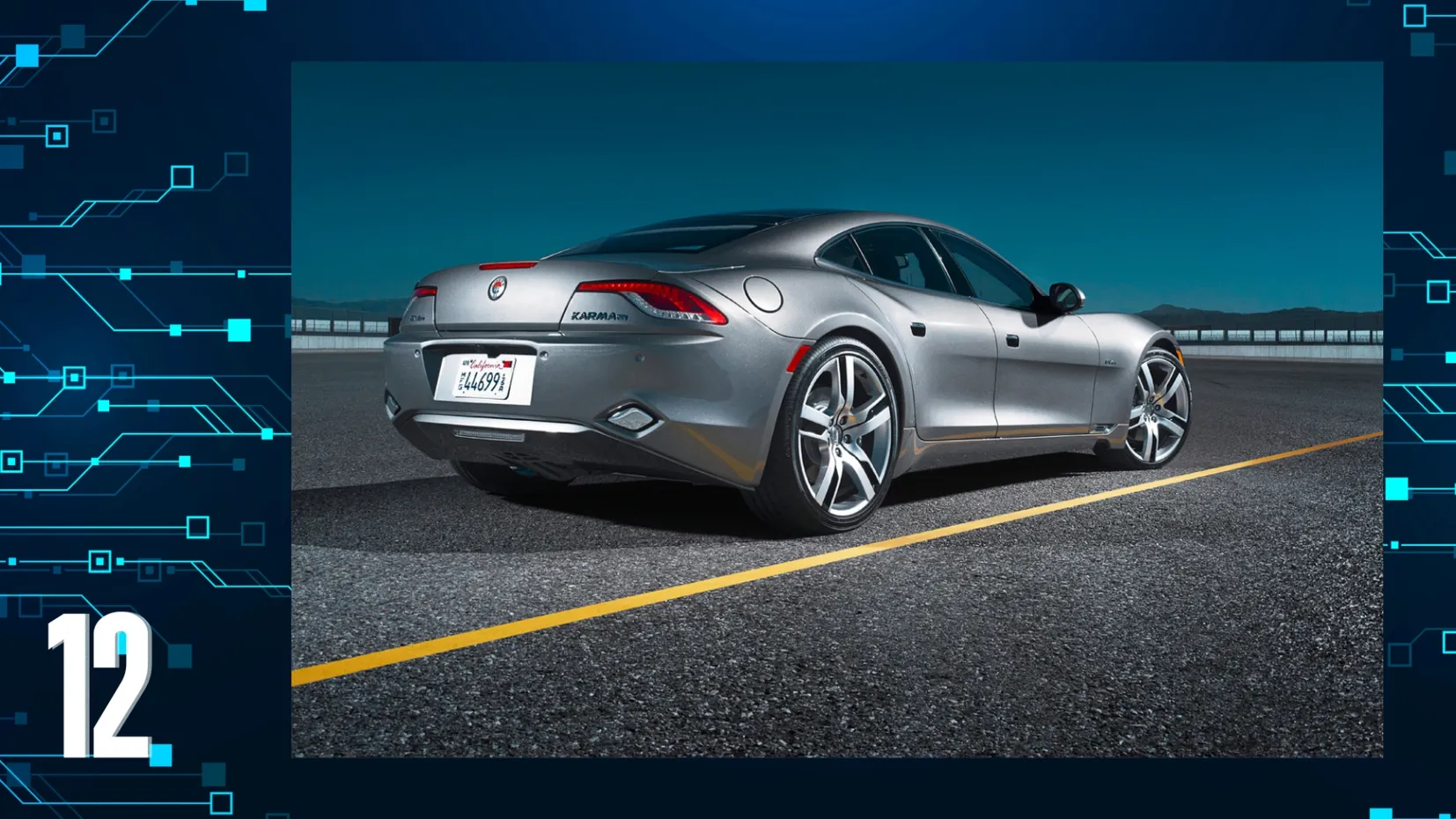
The Fisker Karma was a 2010s-era hybrid sports car from Fisker Automotive, which had all kinds of build-quality and reliability problems. There were panel gaps, fires, and explosions, to name a few.
Fisker was in bankruptcy court by 2014, and the Karma came back as the ‘GS-6’ under a new banner, Karma Automotive. Car reviewers criticized its performance and features, and in 2021, Motor Trend said: “In the end, the Karma GS-6 failed to score highly in any of our key criteria.”
The Fisker Karma’s beauty wasn’t enough to overcome its issues, relegating it in history as a car that never realized its potential.
11) Tesla Roadster (second generation)?
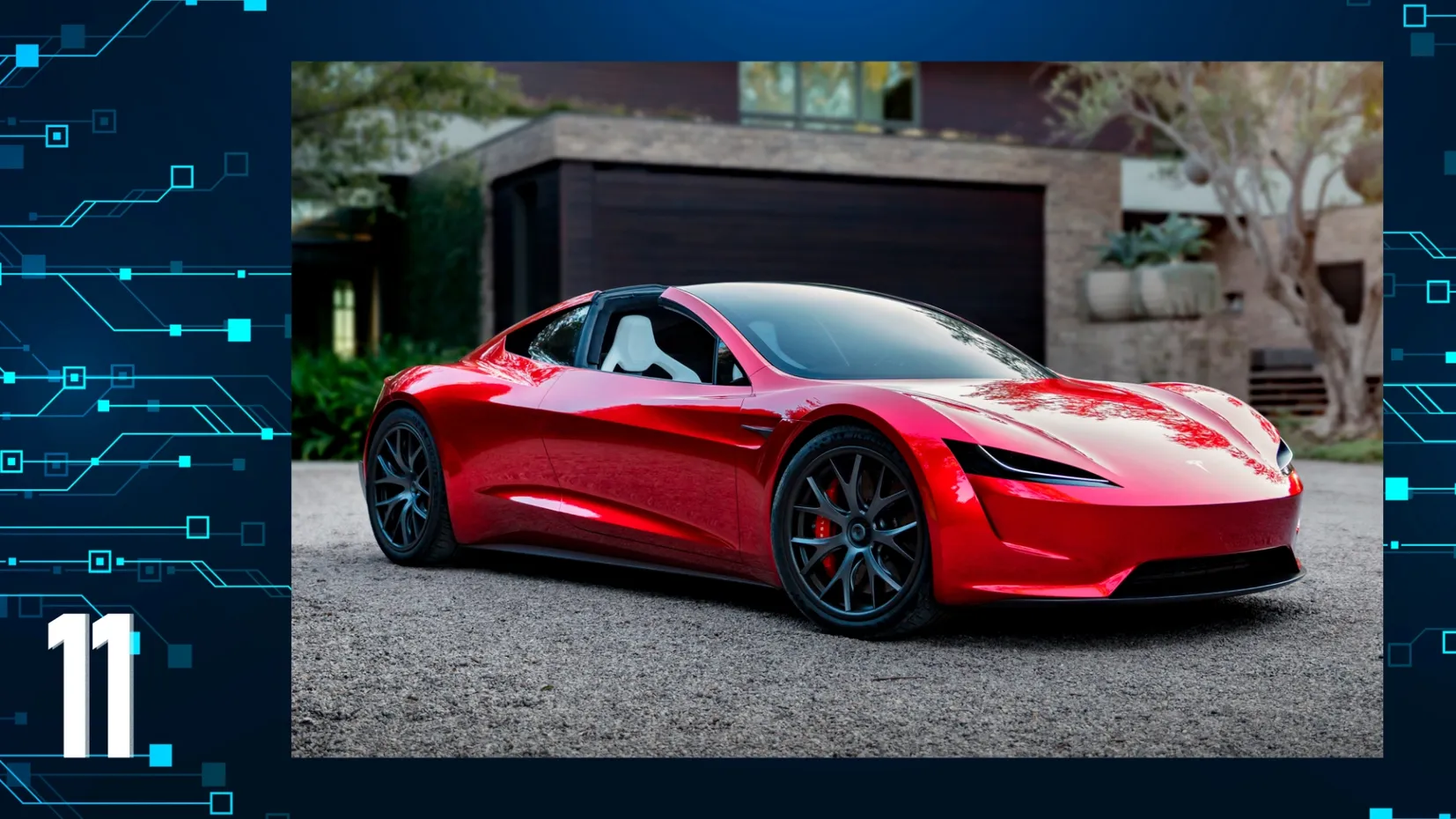
The original Tesla Roadster was a little electric sports car made from Lotus Elise architecture. Tesla showed off the second generation of the car in 2017, and people put down $50,000 deposits for it. The car is still not here.
In the time between, Tesla CEO Elon Musk has sent a Tesla Roadster into space, led a demonstration where the Cybertruck’s ‘armored’ glass got smashed by a metal ball, and bought Twitter (now called X).
Musk now says the production second-generation Tesla Roadster will debut on 1 April, 2026, which is April Fools’ Day. “I have some deniability, because I could say I was just kidding,” Musk said in late 2025.
NOTE: This article first appeared on TopGear.com. Minor edits have been made.