If someone told you a have-a-go inventor called Wallis had printed out a world-beating car in his garage at the end of a sleepy Rugby cul-de-sac, you’d tell them to lay off the cheese at night.
But alongside the great British land speed record holders, you can now add Wallis. Stephen Wallis. Designer, builder, and driver of the fastest remote-controlled car the world has ever seen.
In his workshop, among the mountain bikes, the RC cars and planes, the old appliances and tools, he explains how the rekindling of a childhood hobby led him to build a car as fast as a McLaren F1.
OTHER STORIES YOU MIGHT HAVE MISSED:
The Jaguar E-Type in Lego form has fans split
Kuromi, Hello Kitty, and Pompompurin take over Suzuka 8 Hours with Honda
“When I was a kid, I was really into RC cars. I never had a Tamiya—I had a Mardave Mini, then a Schumacher Cougar Club 10, which I used on the road outside my parents’ house before I got them to take me to race it. I did that for about four years—I’ve still got some trophies for that over here. Look, summer 1997, two-wheel-drive first place!
“Racing RC cars helped get me into engineering, and to pursue a career in working with machines.” Wallis is currently a lead mechanical engineer with literal motorcycle royalty Royal Enfield.
By the time he was pursuing engineering at university, bikes were his main focus, and racing radio control cars was put on the back burner as real life took over. But decades later, a chance find put him on the road to Guinness World Record glory.
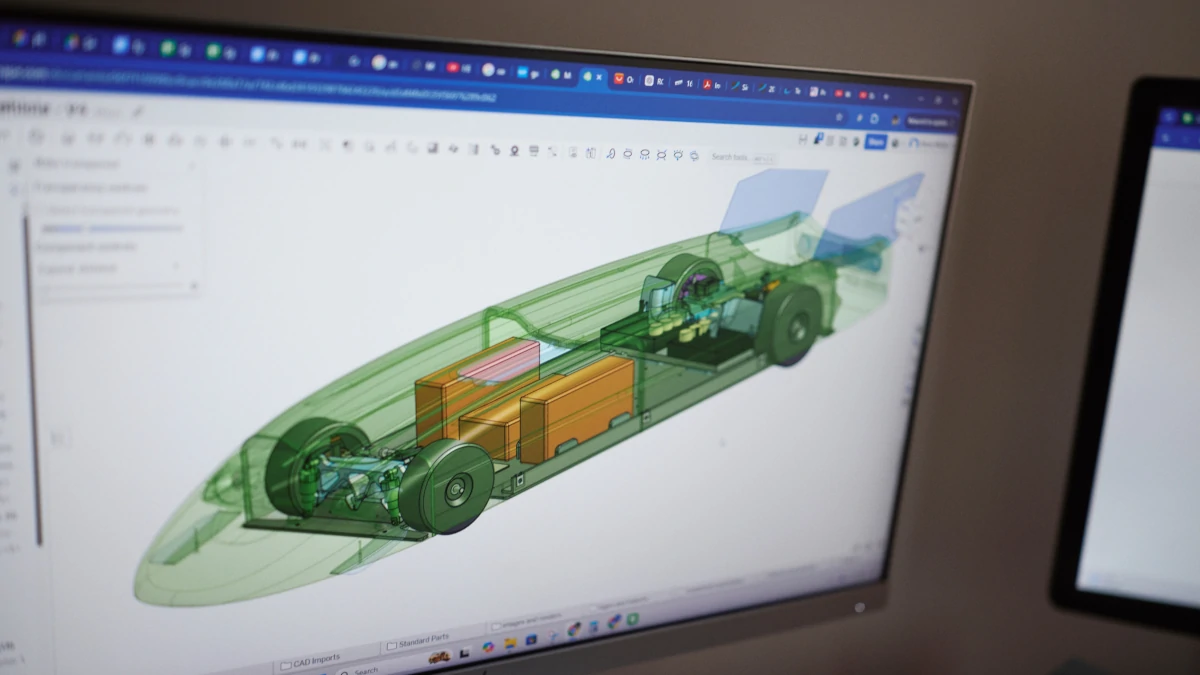
“I was inspired by this RC car I’d seen on YouTube called the Mammoth. It looked amazing, but it just wasn’t durable. It broke really easily because it had normal RC car suspension with a drone motor stuck to it. I thought I could do better. So, I started off with a spreadsheet and just started doing a bit of maths to work out if the motor would be spinning at the right speed and what sort of wheel size you’d need.”
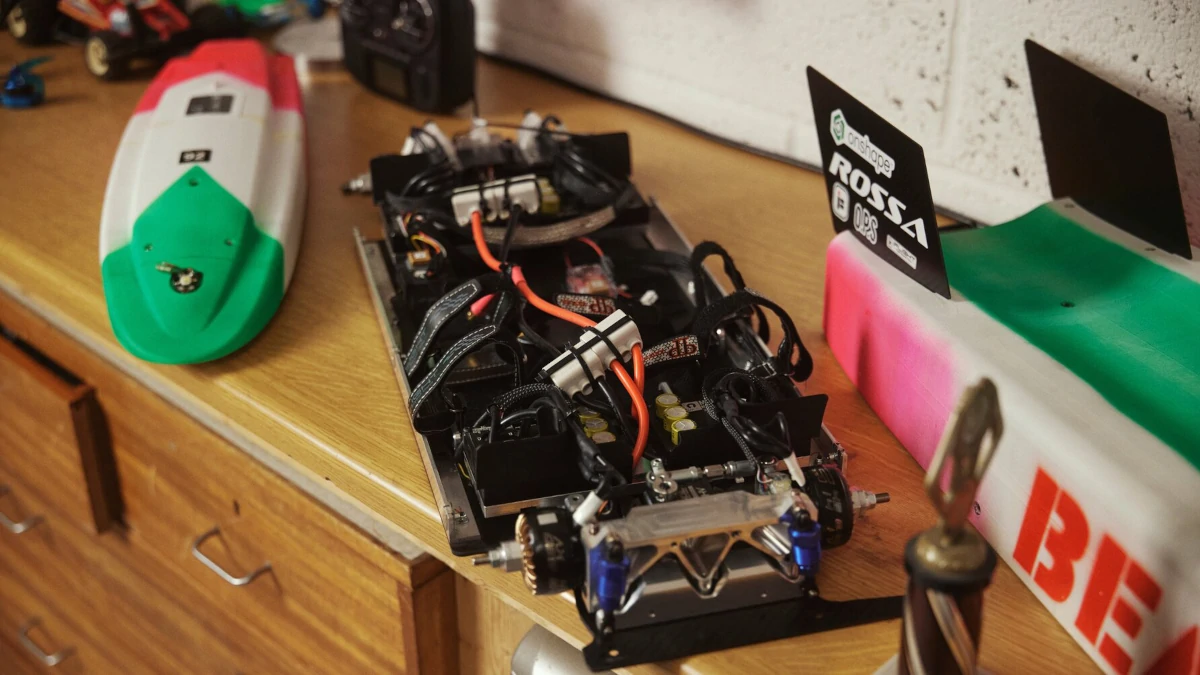
Though the design required some head scratching, the core idea at the heart of Wallis’ speed demon is forehead-slappingly simple. You know those racing drones with banshee-screaming motors for each rotor? What if you repurposed them to individually drive the wheels of a car? Same idea as a multimillion-dollar Rimac Nevera, but the size of a skateboard. Wallis reckons that including £380 (P31,350) of batteries, this car—much of it 3D-printed and CNC-machined, with carbon parts provided by friends—has cost him around £2,000 (P165,000).
Wallis built a smaller design as a proof of concept and easily cracked his 120mph (193kph) target: “For the bigger record car, each wheel had a 5kW motor, which is about 7hp. So about 28hp in total. But on the record run, I only used about 25hp—if I max it, it just shreds the tires.”
Tire management, it emerges, is the knife-edge limiting factor of miniature speed shenanigans. The custom solid rubber foam tires are toast after one run, subjected to unthinkable g as they rotate at 23,000rpm. That’s 380 revs per second.
So, Wallis upped his R&D game. Like Bugatti and NASA, he’s built his own high-speed tire test rig, which can simulate up to 260mph (418kph) with varying car weights, so he knows how long his brainchild has at vmax before veering off to make a horrible mess of the skirting board.
All the engineering challenges of full-size speed machines are here. I ask Wallis if direct drive is better than making a gearbox. “No gearing is good and bad,” he said. “There’s less to go wrong, but the downside is you’ve got no adjustment of gear ratios. All you can vary is the tire diameter and the voltage that you run.”
Is that dangerous? “To hit the really high speeds, I’m having to use seriously high voltages for an RC car. Usually, a 12-cell battery at about 50V is the maximum for an RC car, but I’ve been running 18 cells at 75V, which is the sort of voltage of a small electric motorbike.”
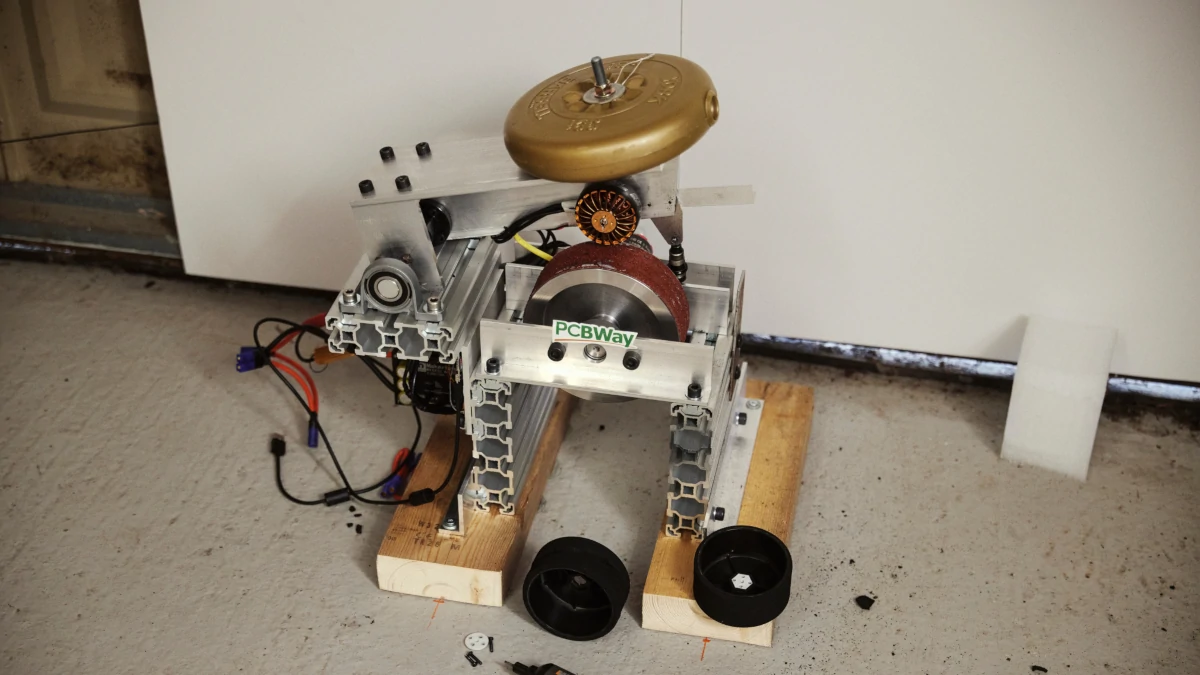
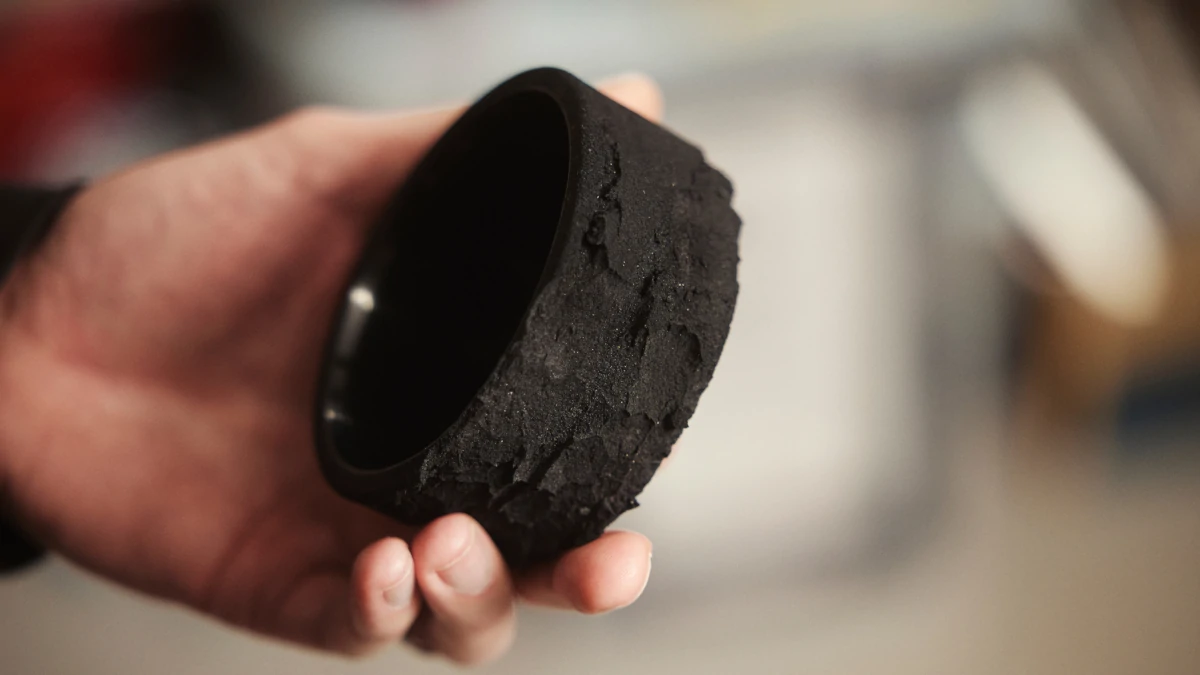
It’s not all been smooth sailing: “The first time I took out the big car [which he has christened ‘The Beast’], it went really badly. I blew up two motors just driving it around at low speed because I put too much current through them. They overheated and set the car on fire.” The 3D-printed bodyshell is still charred and sooty from the incident. “I only had one spare motor, so I managed to get some winding wire from some bloke off eBay and manually re-wind the motor.”
On September 19, 2025, The Beast had its date with destiny. The venue was an official Radio Operated Scale Speed Association (ROSSA) test day at Llanbedr Airfield, north Wales. Wallis explains how to drive a land-borne missile when you’re not on board.
“It’s not like a land speed record where you’re in the car and you can take a 10-mile run-up. You can only run it really as far as you can see. Fortunately, my eyesight’s all right and I could see to the end of the runway, so I could go right to the concrete pad at the end. That gave me a run of about 900-1,000 meters.”
From previous testing, he knew the car was comfortable in crosswinds—naturally, he’s simulated the bodyshell in a virtual CFD wind tunnel—but real driving skill was still called for.
“It’s only got eight degrees of steering, and it’s set up with what’s called ‘expo.’ So when you move the stick on the transmitter, the first bit of movement only moves the steering a tiny amount. You drive away from you to start the run slowly, then turn around when you get to your starting point. You’ve got to have good enough steering lock to do that 180.”
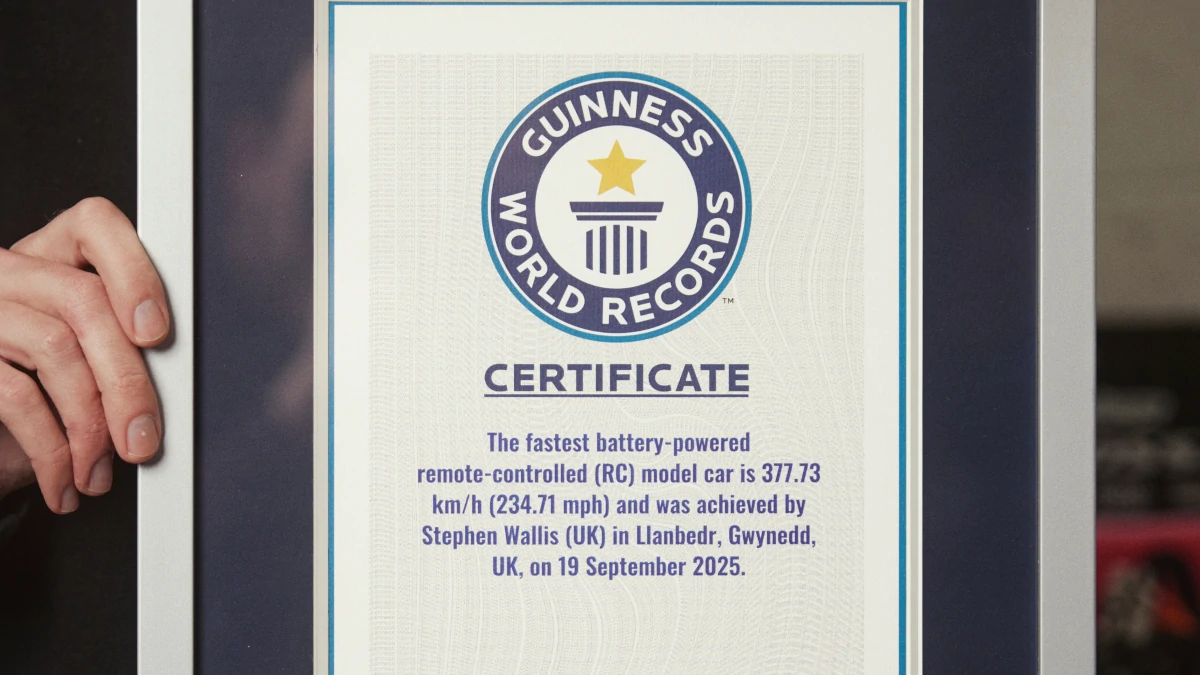
On the practice run, The Beast equalled the world RC speed record of 351kph (218mph). Next, with a slight tailwind, it managed a verified 377.73kph (234.71mph). That’s the figure on the Guinness certificate, which would be enough for most people. But no. Wallis likes a round number: “The next phase is called ‘Project 250’,” he grins.
“There’s great camaraderie in the RC car community. A couple of guys in America are after the record, but we’re all friends.” But if history teaches us anything, it’s to never, ever underestimate the sideburn-sporting plucky Brit tinkering in his garage.
To follow Wallis’ RC car adventures, check out his YouTube channel ‘Steve Eng.’
NOTE: This article first appeared on TopGear.com. Minor edits have been made.