There was a time last year when I thought I would have to leave Top Gear and switch jobs. It wasn’t a situation I wanted to be in, but it was where fate led me. I felt sad. Listening to “Jessica” by the Allman Brothers would almost move me to tears. My time in Top Gear was flashing before my eyes—shoots, events, drives, friends, core memories.
And as my career retrospected in my head, acceptance settled in, my sadness ebbed, and I felt peace. It was a good ride, and my heart was full.
Then the dice rolled another way, and Top Gear Philippines found a way to continue, with the same people, and still with me as the editor. My heart is overflowing with gratitude at how things worked out.
But that feeling of acceptance, of closure, never really went away. The job still excites me. And the automotive industry, now in the midst of its biggest tectonic shifts with the deluge of brands from China and the push for electrification, has never been more exciting. And we have a bird’s eye view of what’s happening.
Yet the more things change, the more they remain the same. A brand arrives, a new car is launched, events are attended, trips are arranged. Cover, eat, drive, write, repeat. When a foreign assignment lands in my inbox, I don’t ask for dibs (not that it was my habit before), and we decide as a team who is the best to go for a particular trip. These trips are always good experiences, but I want to share these experiences with the younger members of my team. Because, well, I’ve already done most of them.
But when Hyundai Motor Philippines called me and said there was a drive in the Nurburgring, an inner voice let out a tiny squeal. I have never driven on the Nurburgring. I’ve never even driven on public German roads. A new entry on my bucket list suddenly appeared, glowing, waiting to be ticked off.
Still, I discussed it with my management team, and I asked them if they wanted to take it. I felt it was the fair thing to do. Maybe one of them wanted this dream more. Still, I was given the green light to accept the assignment, and drive on the Green Hell. My inner voice yelped.
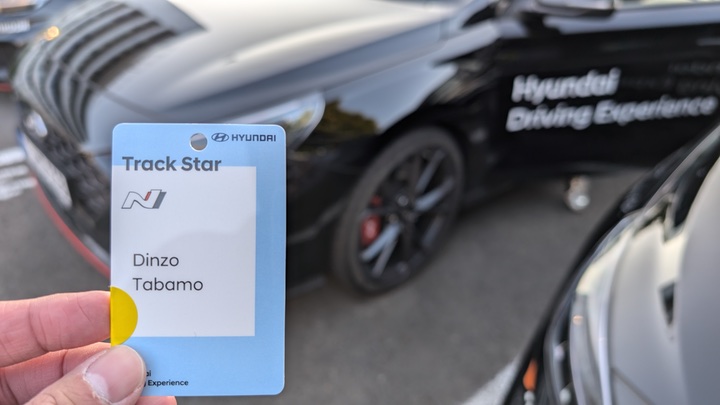
A few weeks later I was on a plane to Frankfurt, the nearest airport to the town of Nurburg. We landed in the morning, and in the afternoon we were briefed on what to expect. Our driving instructor gave a short history of the Nurburgring, and some special driving tips. Driver briefings normally don’t include how to countersteer in case your car starts oversteering in one direction. Perhaps as a warning, we were shown video clips of Nurburgring fails; cars spinning out and crashing into the barriers. And perhaps as a stronger warning, there will be a fine for those proven to crash because of recklessness.
The instructor was German and he was plainly serious. This wasn’t marketing banter or hype. Besides, no one needed to hype the Nurburgring.
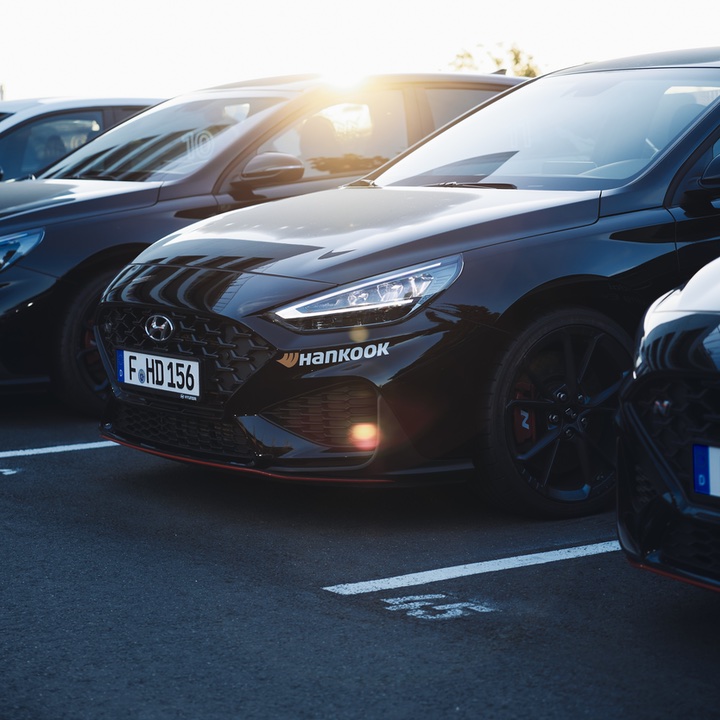
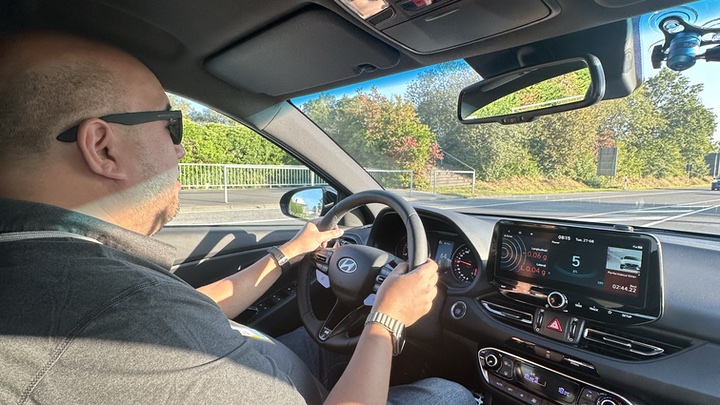
The next morning in the parking lot beside our hotel, black Hyundai i30Ns were parked. We were all divided into groups, and asked to choose a car. The turbocharged i30N is a wolf in sheep’s clothing; something you don’t see anymore in the category of tuned performance versions of normal cars. In this black color, especially, you would think it’s just a normal everyday hatchback. But car guys know there’s something ominous about the black 19-inch wheels and the red trim. The 271hp and 353Nm from the 2.0-liter turbo isn’t too shabby either.
A brief history lesson on the N badge. Years ago the Koreans decided they wanted to join the performance game. But they didn’t do it half-heartedly. So they poached someone from another company deep in the motorsport business—another company that went by a single letter. And to show how serious they were, Hyundai called their performance division ’N’, for Namyang and for Nurburgring. True enough, on the way to the ’Ring from the airport we passed a shimmering (literally) structure that housed Hyundai’s European Technical Center, right beside the buildings of Goodyear and Aston Martin Racing.
It’s one thing to slap some stickers on an existing car, add a few accessories and call it a sport variant. It’s a whole world of difference to set up shop thousands of miles from home, reside beside the biggest and oldest names in car performance, hone your cars on the most physically demanding track on earth, and build cars based on what you learned. And that’s what Hyundai has done.
I was about to find out the fruits of their labor. I pressed the starter button of the i30N and the motor thrummed to life. I blipped the throttle a bit, and a promising throaty sound filled the car.
Most of the i30N’s cabin looks like a normal Hyundai interior; comfortable, reliable materials designed to withstand the wear and tear of being a daily transport. But there are two blue buttons on the steering wheel that stand out. The one on the left switches through the driving modes. And the one on the right accesses the race programs that deactivate the traction and safety controls. We were told not to fiddle with the right button.
Enter the infotainment menus and beyond the normal audio and cabin controls is a g-force meter, and settings to alter performance features I didn’t have time to fully comprehend. Our instructor blurted out on the two-way radio that our five-car group was heading out. To the Nurburgring.
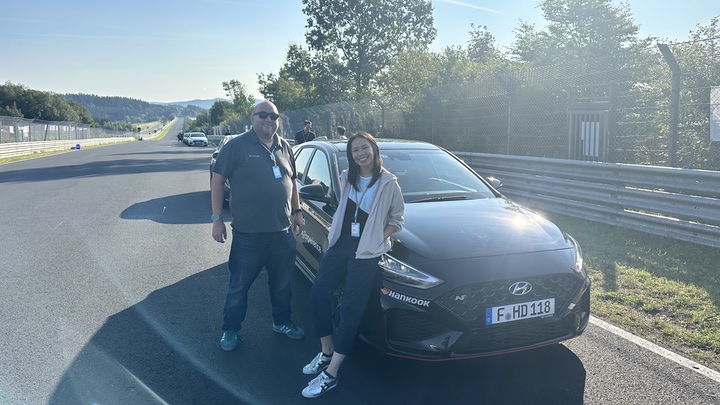
We didn’t drive on the famous track right away. First we were brought to a portion of the separate F1 circuit to do some slaloms and hard braking tests. Someone said this exercise was to warm up the cars. I suspect they were seeing how the drivers responded to basic driving drills; to see how participants followed directions. After one final briefing, we were off to the Green Hell.
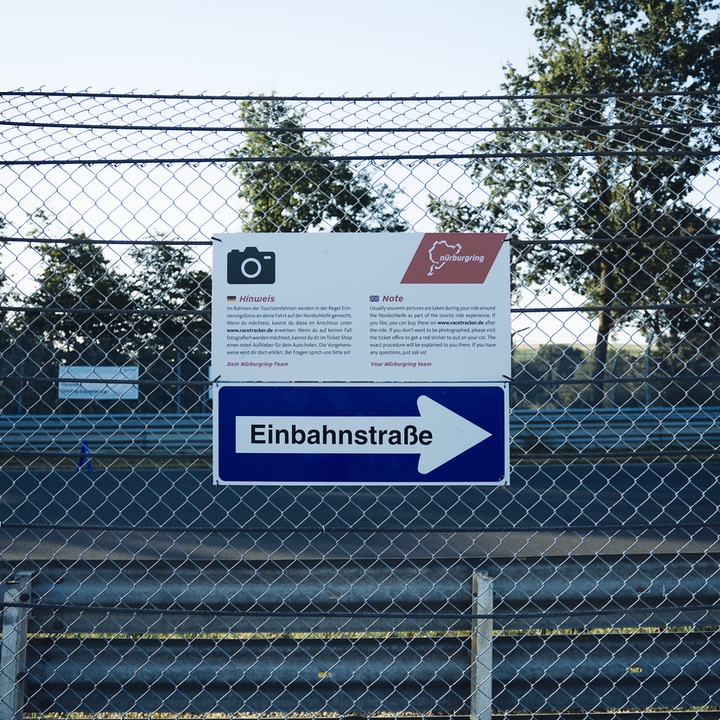
Before we did the actual drive, we did a practice lap. We followed our German instructor in the lead car, and five Hyundai i30Ns trailed him. I was in the fourth car. It was a relatively languid pace as the course was explained to us. My mind was distracted with the beauty of the track. It was a lovely sunny day, and the forest surrounding the track was lush with green. I noticed how smooth the roads were, with no potholes, ruts or broken asphalt. For the practice lap I soaked in the atmosphere of arguably the most challenging race track on earth.
Then it was time. I will do my best to describe an indescribable experience, and as someone who only knows the hype behind the ’Ring; I didn’t study the track prior to this drive.
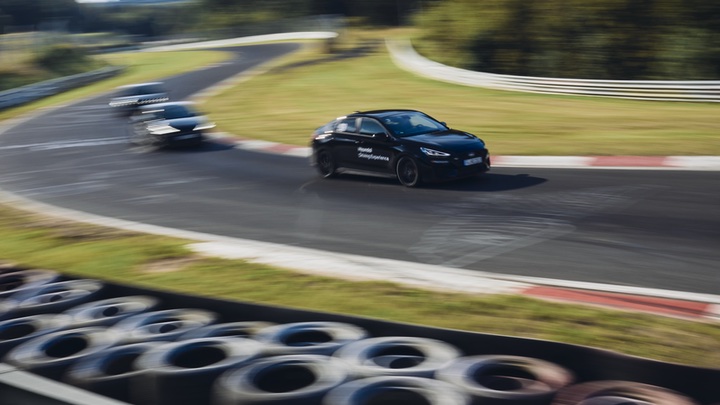
From the starting point, beside the Devil’s Diner restaurant, we sped up for a kilometer straight into two sharp right turns—and they were elevated so visibility was hard. Then it was gentle curves before we hit the flugplatz. If you watched the film Gran Turismo, this is the part where racing driver Jann Mardenborough’s Nissan GT-R took flight and hit a civilian.
Then we reached fuchsrohre, which is actually a scarier section for me. It was downhill and fast, with trees on either side. Thankfully there are barriers, but I didn’t want to test them either.
Almost halfway through the course was bergwerk, a notorious tight right-hand corner. This is where Niki Lauda almost burned alive in his Ferrari back in 1976.
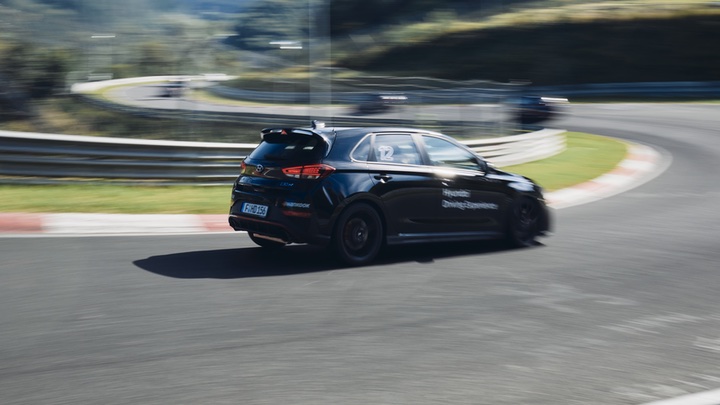
After kesselchen comes the ’Ring’s most famous part, the karussell (carousel). I saw a few sponsor signs, and then the road turned sharply, blindly to the left. There is a low, banked section that’s paved in concrete instead of asphalt. I dove into the section and the concrete separators sent judders through my arms. This was supposed to be an uncomfortable section, but I was smiling too hard to notice. From the karussell I had to accelerate hard, clip an apex, climb, and make a right at hohe acht.
One challenge of driving on the ’Ring is how so many things look the same to the uninitiated. And you start to see the challenge of making good time here: You have to memorize and study the ’Ring, and anticipate what the next turns will be. You have to think so far ahead, and still drive at the limit.
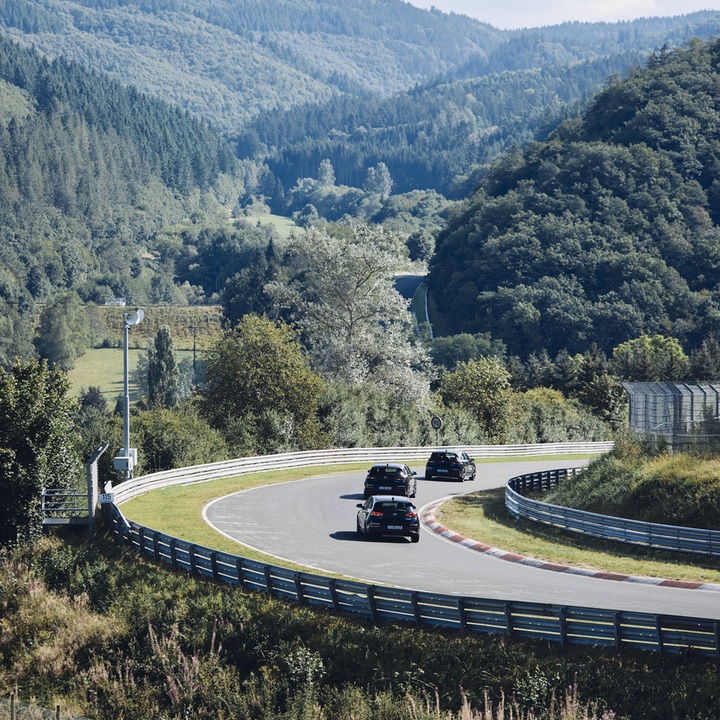
By the time we hit brunnchen we were about 75% through the track. This portion is affectionately known as YouTube Corner, because so many accidents have been filmed here thanks to a section where spectators have a good view of the cars going through a blind uphill right-hand corner.
At km17 is the pflanzgarten, an exhilarating section with jumps and right-hand corners with apexes strung together. I’m not sure where I miscalculated my entry speed, and I had to brake suddenly—maybe it was in Stefan Bellof S, or schwalbenschwanz. The ’Ring is not very forgiving of errors. But the i30N’s traction control caught my mistake, and I slid just a little before I mashed the gas pedal to make up for lost time.
The last section is a long almost 2km straight where the lead car sped up, and we all followed his speed. The i30N is not a new model, but it still showed me what it can do. I hit 210kph easily before we reached the end of the 21km course.
We slowed down a bit to gather all the cars in the convoy, then we did one more round of the Nurburgring. I was a bit more adjusted in the second round, but there was still so much to remember.
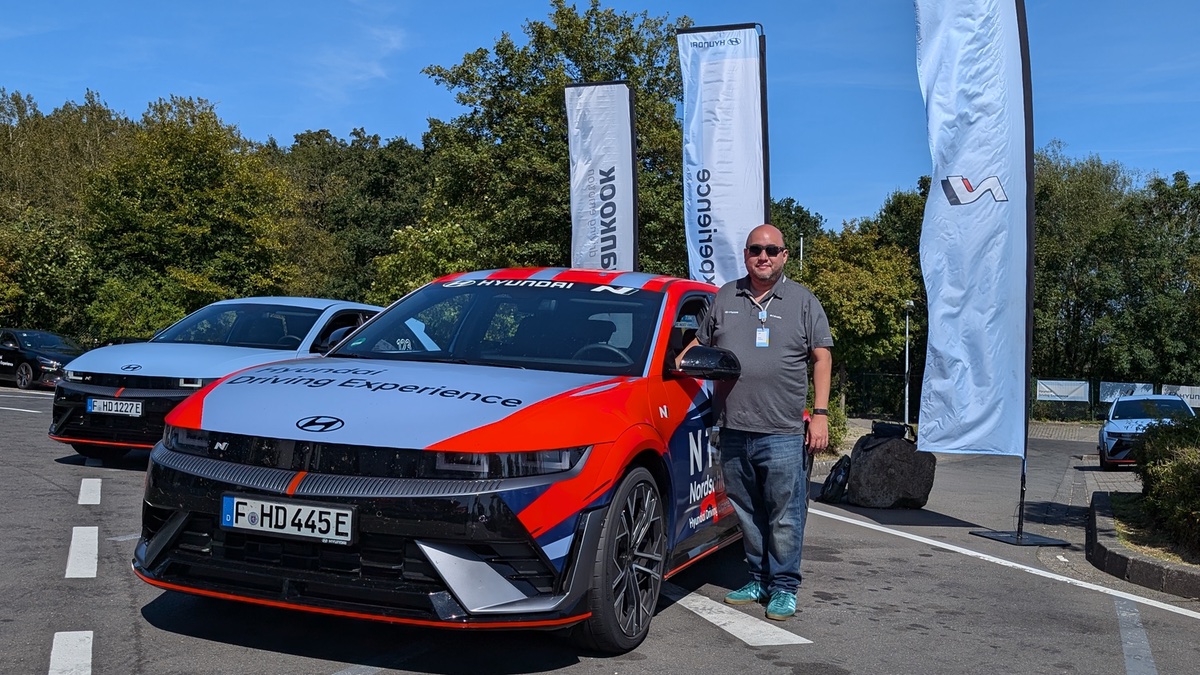
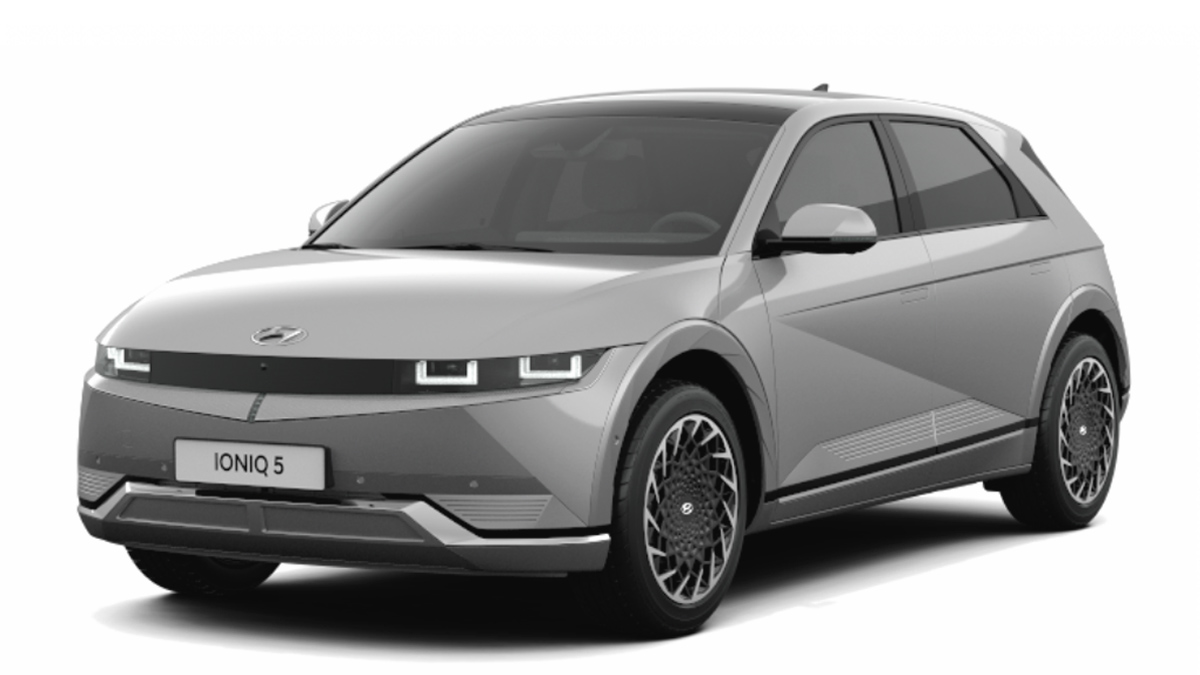
After two laps in the i30N, there was a bit of a rest as the cars were rotated to other participants. Then it was time to do laps in the Ioniq 5 N, Hyundai’s performance EV; a machine that was raised and developed in the ’Ring.
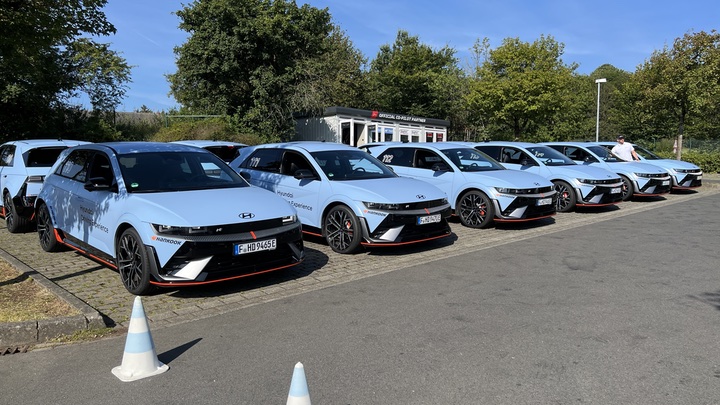
My meager learnings from seat time in the i30N went out the window. The Ioniq 5 N was heavier, more powerful, and brutally faster. I had to readjust my track ’strategy’ because I can’t dive into corners like I did with the lighter i30N. I had to enter turns and corners at different speeds because of physics. I did make up for lost time in the straights though, thanks to the 5 N’s 601hp and earth-shattering 740Nm of torque.
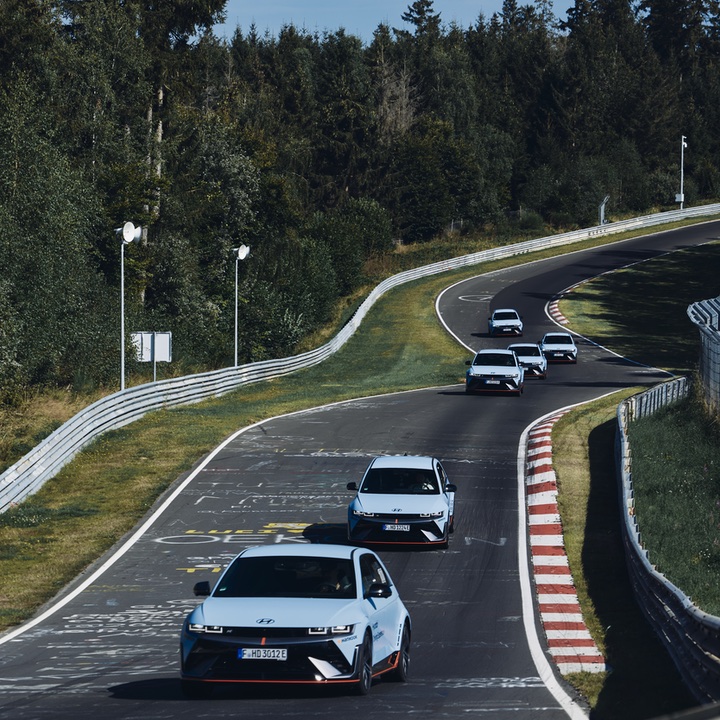
The Ioniq 5 N asked more from me, and I was almost glad it was over after two laps. This car asked for so much mental bandwidth when driving at speed. But what it asked it also gave. The angry piped-in sound and the sheer force of the car is something I won’t easily forget.
After lunch we were given an opportunity to do two more laps in the i30N. I was more confident this time, being more familiar with the car and the track. But I still made some errors the more I pushed. While driving at my limit, my mind was also trying to soak in the experience, to save it to my memory banks. I didn’t know when I would get another opportunity like this.
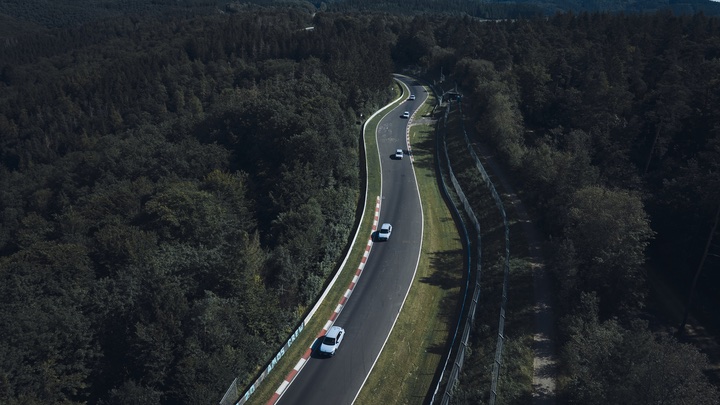
The driving event ended, and me, Uly (Carguide.ph), Vince (Autoindustriya), and Karen (Hyundai PH), my companions in this trip, all reveled in what we just did. The ’Ring exceeded our huge expectations, and then some.
The ’Ring will bare your soul. I don't have formidable driving skills, but the ’Ring used it all up--and wanted more. It's fun, no doubt, but it demands more the faster you go. And at the edge of your skills lies the real danger of spinning out—or worse. It's safe with all the barriers and all, but I didn't want to be the driver who got into an accident. I didn't want to be the driver who slowed down the group either. So two ideologies battle it out in your brain, at an increasing speed.
It’s hard to fathom that the Germans started building this road about a century ago. How did they know it would still be this good (with a few alterations over time) 100 years later? That it would test modern automobiles to their limit. And humans, too.
The Hyundai i30N was a revelation, and I’m sad it will likely not make it to our market given its age. It’s such a balanced, spry, telepathic and forgiving car. I’m glad the i30N was my introductory car to this amazing course. Had I done this in a supercar first, I might be a viral YouTube video by now.
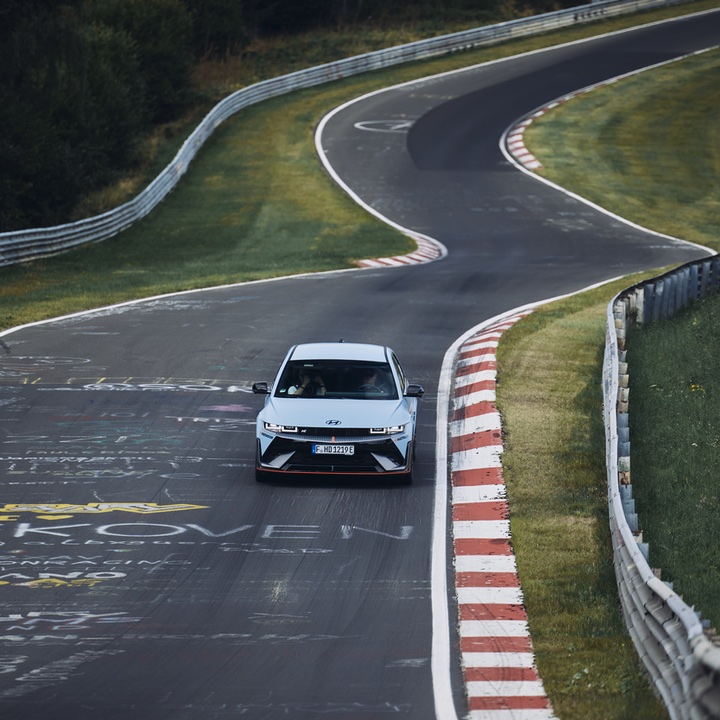
What Hyundai has done with N is nothing short of amazing. This is the land of Porsches and BMWs. I had never seen so many 911s in one place. But the Koreans have carved their own corner, literally and figuratively, in this wonderful Green Hell. Drive a Hyundai N vehicle and you will feel the company’s heartbeat, and it is racing.
This trip has also taught me that there are still roads to be conquered, challenges to be felt, and bucket lists to tick. I thought I was at the end of my journey as a motoring writer. It turns out I still have a lot to learn. And I’m excited for the road ahead.