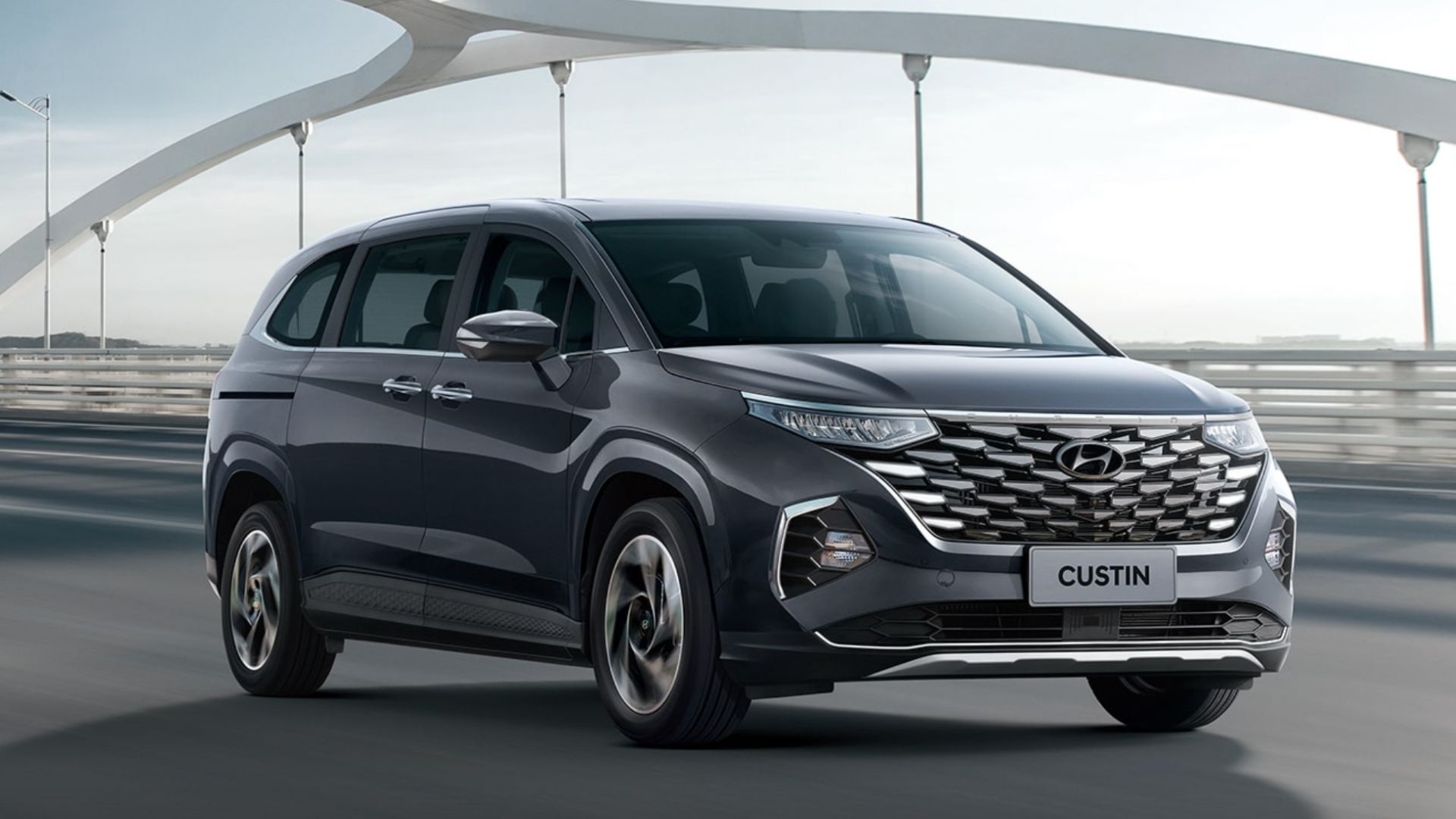

By now, it’s likely you know that the Hyundai Custin is (most likely) coming to the Philippines soon. It’s a minivan from the South Korean automaker, so it could be said that it fits into two categories: MPV and van.
It will be an interesting addition to the local Hyundai lineup given that the company already has a pair of people carriers already. The Stargazer has been doing a decent job bringing people in showrooms and catering to those on a budget, while the Staria builds on the foundations that the Starex set. But the Custin has a tougher crowd to please, one that can easily go for any of its possible competitors.
So, what exactly will the Custin be up against should it be launched here soon? Here are the contenders.
OTHER STORIES YOU MIGHT HAVE MISSED:
FIBA World Cup: Designated parking areas at SM MOA Arena from September 5 to 10
Anti-Road Rage Act of 2023 filed in Congress
Hyundai Custin: Spec rundown
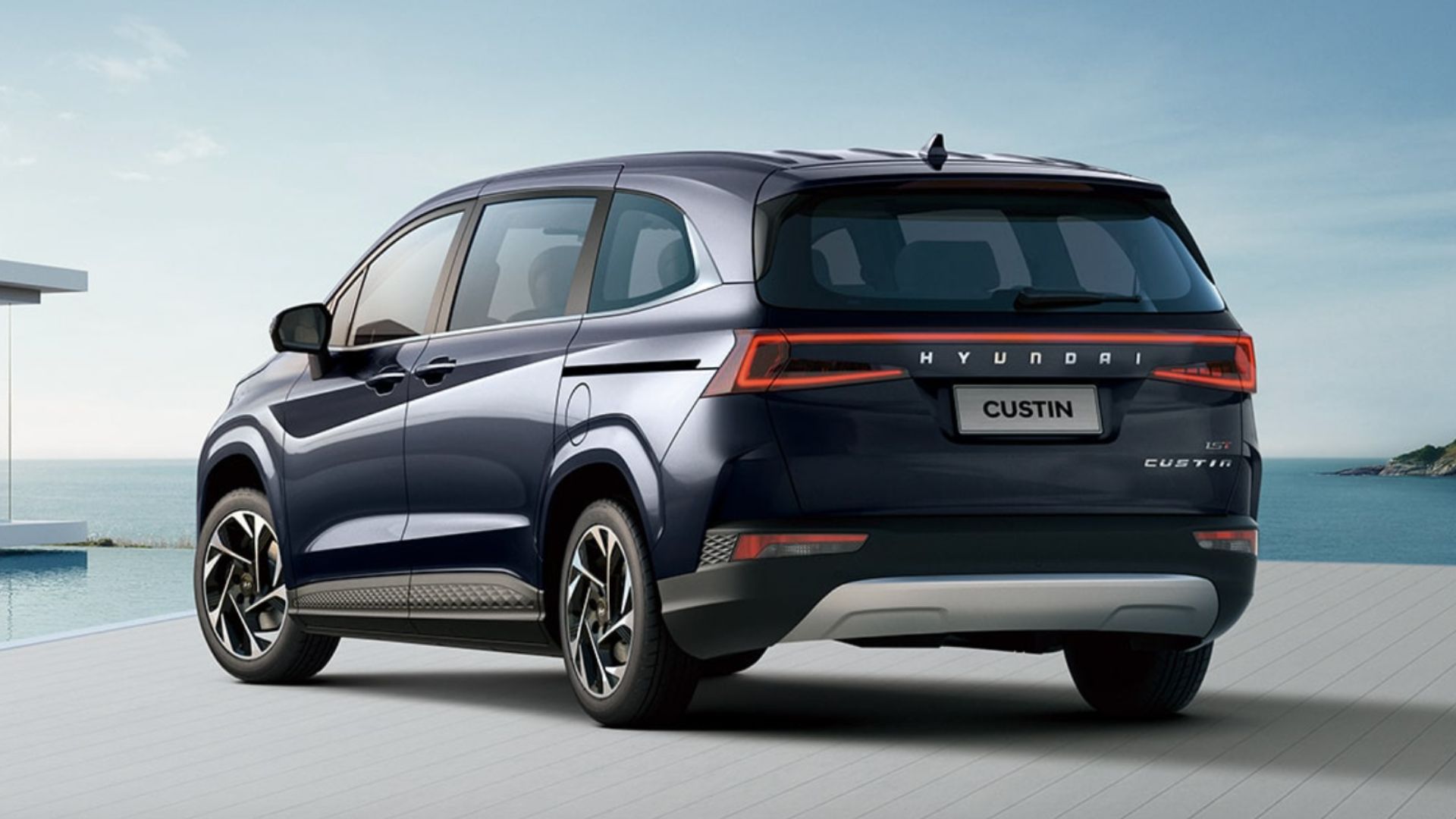
The Custin is a bit of an oddball product for Hyundai. As far as we know, it’s only sold in two countries, and it’s not even available in Hyundai’s home market. The two markets that get it are China and Taiwan and have had it since 2021. Known as the Custin in Taiwan, the minivan actually shares the same platform as the much larger Staria. However, it’s been modified extensively, so the Custin just under five meters long.
In terms of size, it measures 4,950mm long, 1,850 mm wide, and 1,734mm tall with a wheelbase of 3,055 mm. Yes, it’s a minivan, but the dimensions are anything but. As for the engine, there are two possible options, namely a turbocharged 1.5-liter with 168hp or a boosted 2.0-liter making 233hp.
GAC GN6

In terms of likeness, the GAC GN6 is perhaps the Custin’s closest rival on paper. The size is around the same, and it also uses a downsized turbo-gas engine instead of a diesel engine. Then again, that might not be much of a surprise since the Custin and GN6 have been butting heads in China for a few years now.
We’ve driven the GN6 in the past and reckoned it was a solid, comfortable minivan. It doesn’t drink too much fuel, and its tall roof, flexible seating, and huge cargo area make it immensely practical. At under P1.4-M, it’s got good value for money, too.
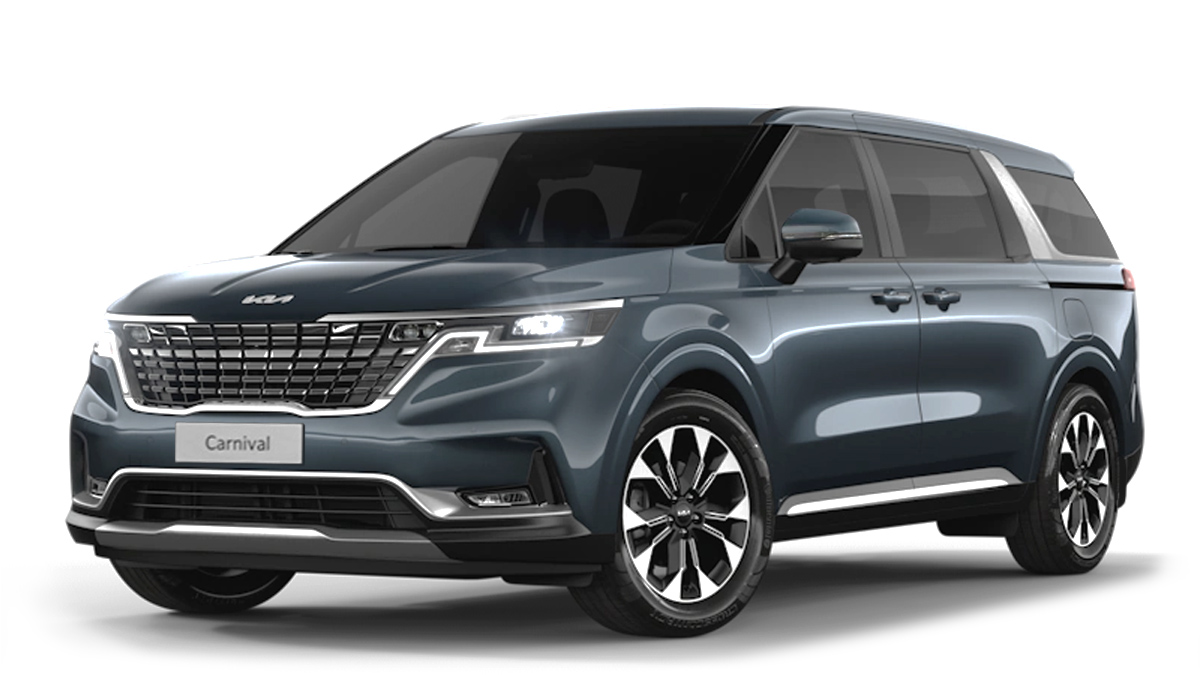
Kia Carnival
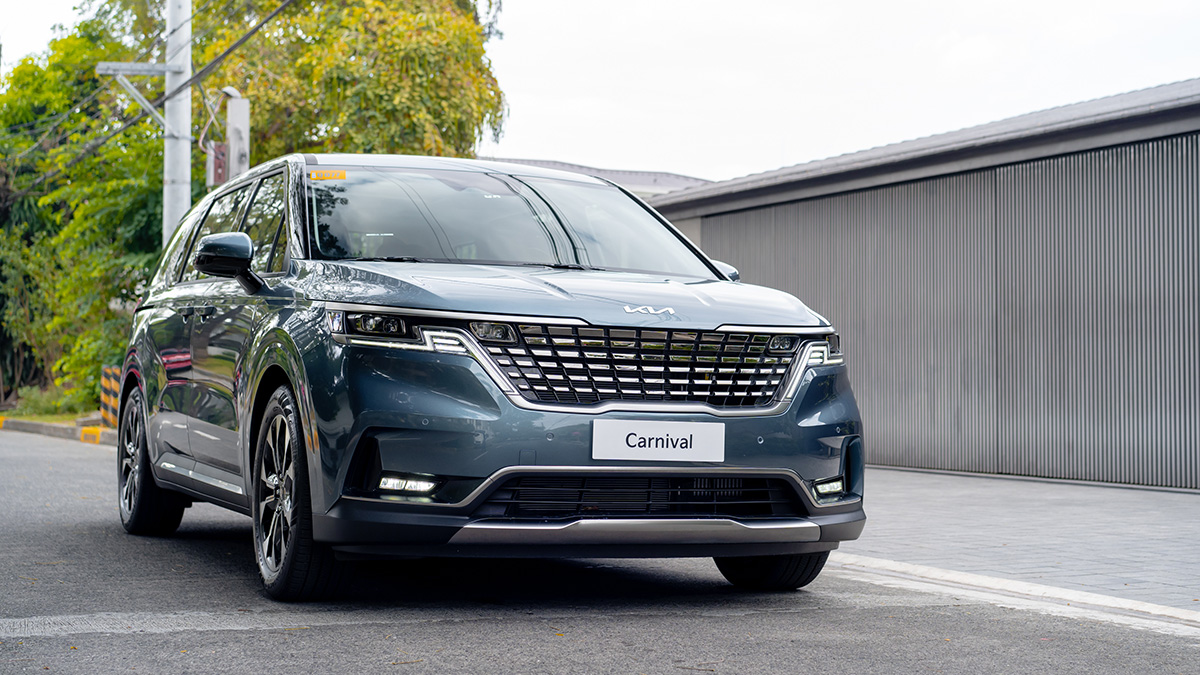
We’ve got a bit of a family feud going on here. Not only does the Custin share the same basic platform as the Staria, it’s also directly related to the Kia Carnival. The two minivans even have identical wheelbases, but the Kia is a slightly larger minivan as it also has to cater to the North American market. Nonetheless, it will be interesting to see how Hyundai product planners will spec the Custin to give it some differentiation from the Kia.
It’s possible that Kia will keep the 2.2-liter turbodiesel for itself and leave the turbo-gas engine for Hyundai. Either way, the Hyundai needs to undercut the Carnival if it wants to whisk away sales from its cousin.
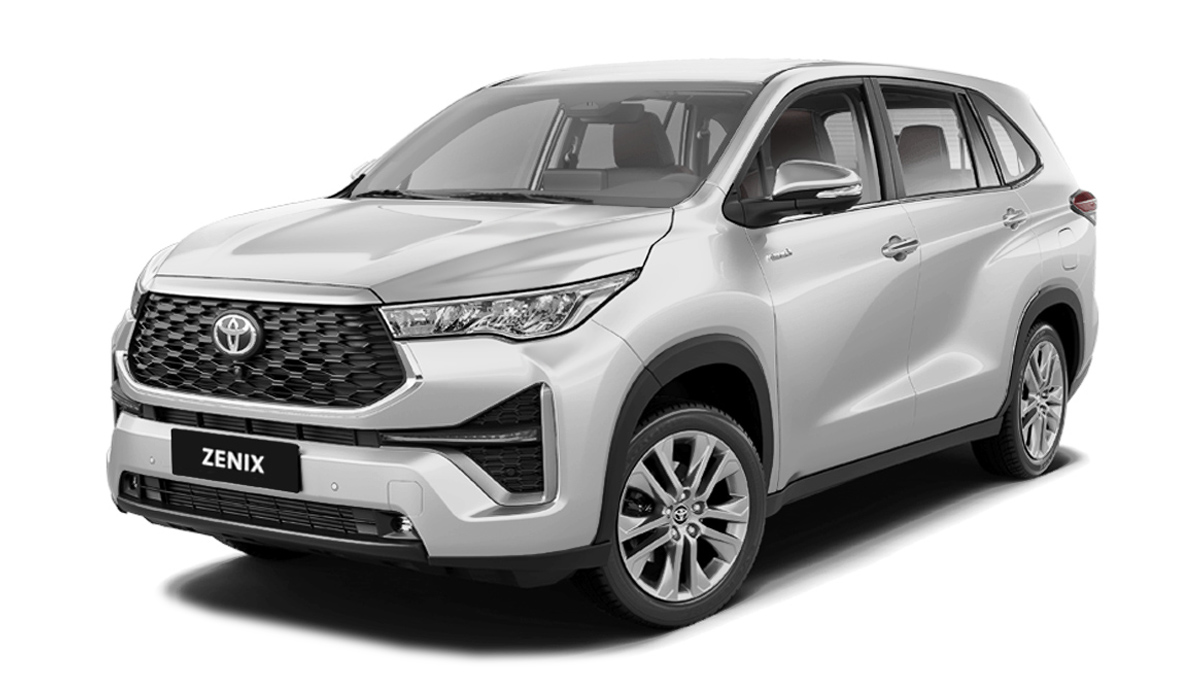
Toyota Zenix
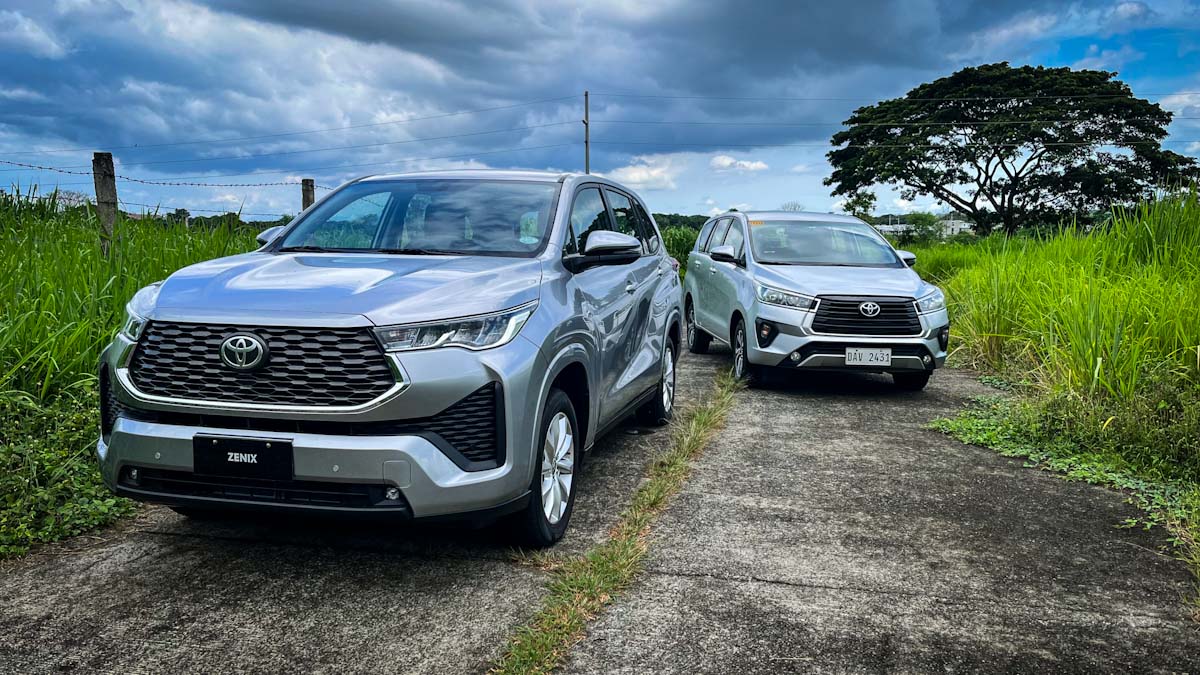
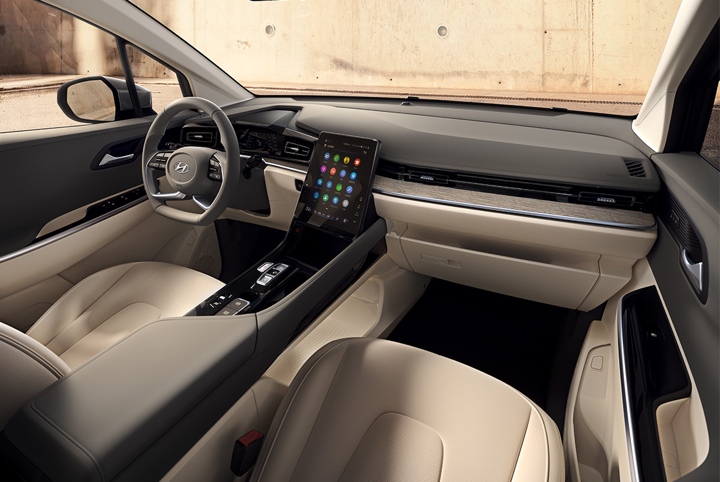
We could’ve chosen the Innova to match up against the Custin, but its truck-based roots put it in a class of its own. With that, we believe the new Innova Zenix is a better match for Hyundai’s minivan because of its unibody construction. The Zenix is also a more premium product with a huge boost in interior feel and materials compared to the Innova. After looking at interior photos of the Custin, we think the Zenix could put up a good fight.
At the very least, the Custin should ride and drive as well as the Zenix to lure buyers away from Toyota showrooms. It should also feel better inside to please those looking for an upmarket feel in their MPV.
What Hyundai should do
If Hyundai wants the Custin to succeed in the local market, it’s vital that it gets the pricing just right. We’re not expecting it to be priced like the GAC, but it should be around the same as the Zenix and less than the Carnival if Hyundai wants an edge.
But there’s another challenge facing the Custin, and it’s the Staria. The Staria kicks off at P1,850,000, but that’s for the bare-bones Commuter variant. The plusher mid-spec GLS + on the other hand starts at P2,320,000, and it seats eleven passengers. We reckon the key here is for pricing to be far enough away from the 11-seater Staria while not sacrificing standard equipment.
It’s a tough ask, for sure. Let’s see if Hyundai will be able to pull it off.