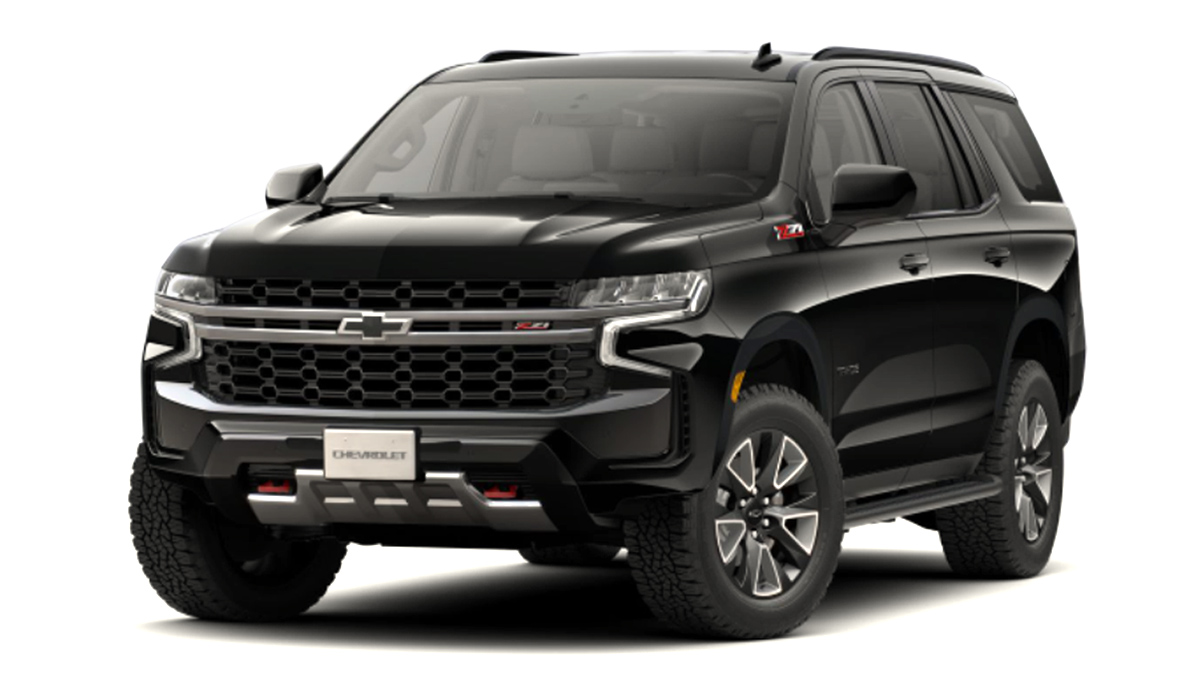
Bigger cars are safer, right? All that weight and metal should be more than enough of a cocoon should the worst happen. While it’s understandable to have that perception, a large, make that gigantic, vehicle isn’t always a guarantee.
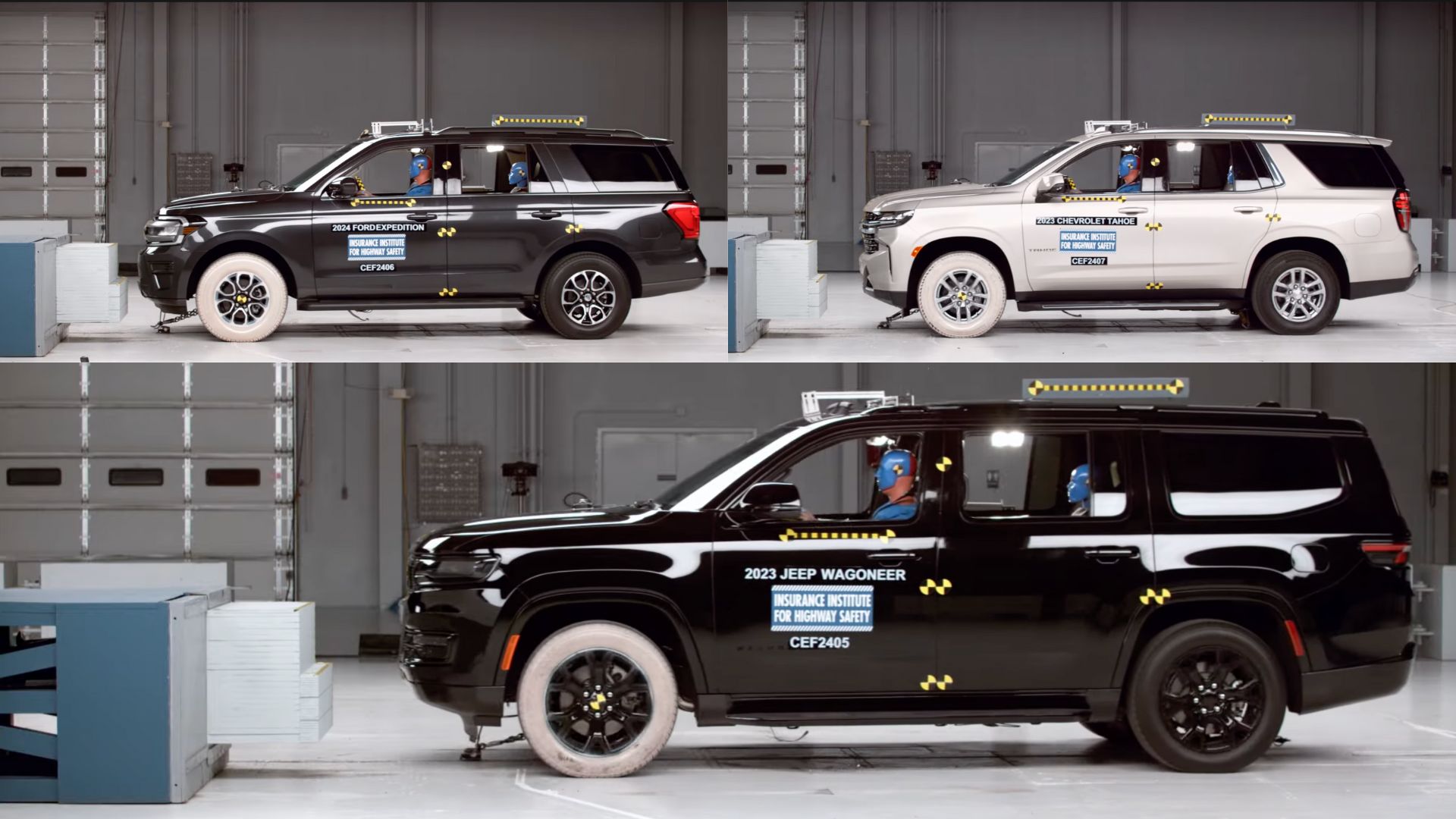
That was recently proven by the folks at the Insurance Institute for Highway Safety (IIHS). The institute recently tested three full-sized SUVs and put them through a barrage of tests. The models tested were the Chevrolet Tahoe, Ford Expedition, and Jeep Wagoneer.
OTHER STORIES YOU MIGHT HAVE MISSED:
Lexus gave us a special preview of the hottest new restaurant in the south
Bavarian (electric) Motor Works: We sample BMW's EVs from Manila to Batangas
We’ll start off with the good news first. Safe to say that all three performed exceptionally well in what’s called the moderate overlap crash test. It’s the typical offset crash test wherein they’re flung into a deformable barrier at 64kph. Not much of a surprise there.
All three also performed great in the side impact test. The IIHS had recently implemented the use of a heavier impact sled to represent a side crash with a large vehicle. Thanks to their size, the Expedition, Tahoe, and Wagoner shrugged off the test.
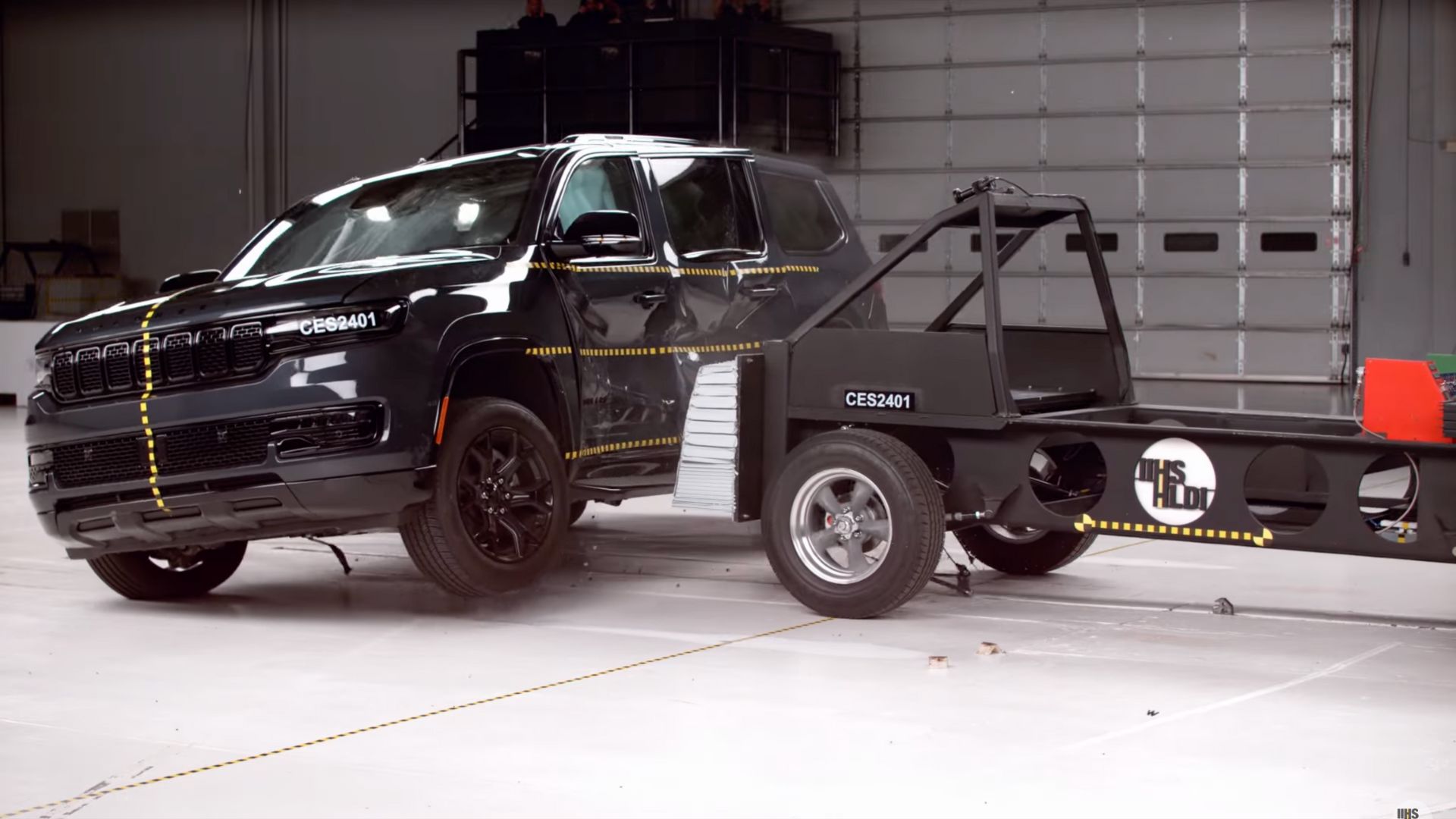
Out of all the SUVs tested, it was the Jeep Wagoneer that came out on top. It was rated Good in all crash tests, as well as in the advanced driver assist system department. The IIHS lauded the performance of its autonomous emergency braking system, proving effective in both day and night. It was enough to give this leviathan the institute’s Top Safety Pick tag.
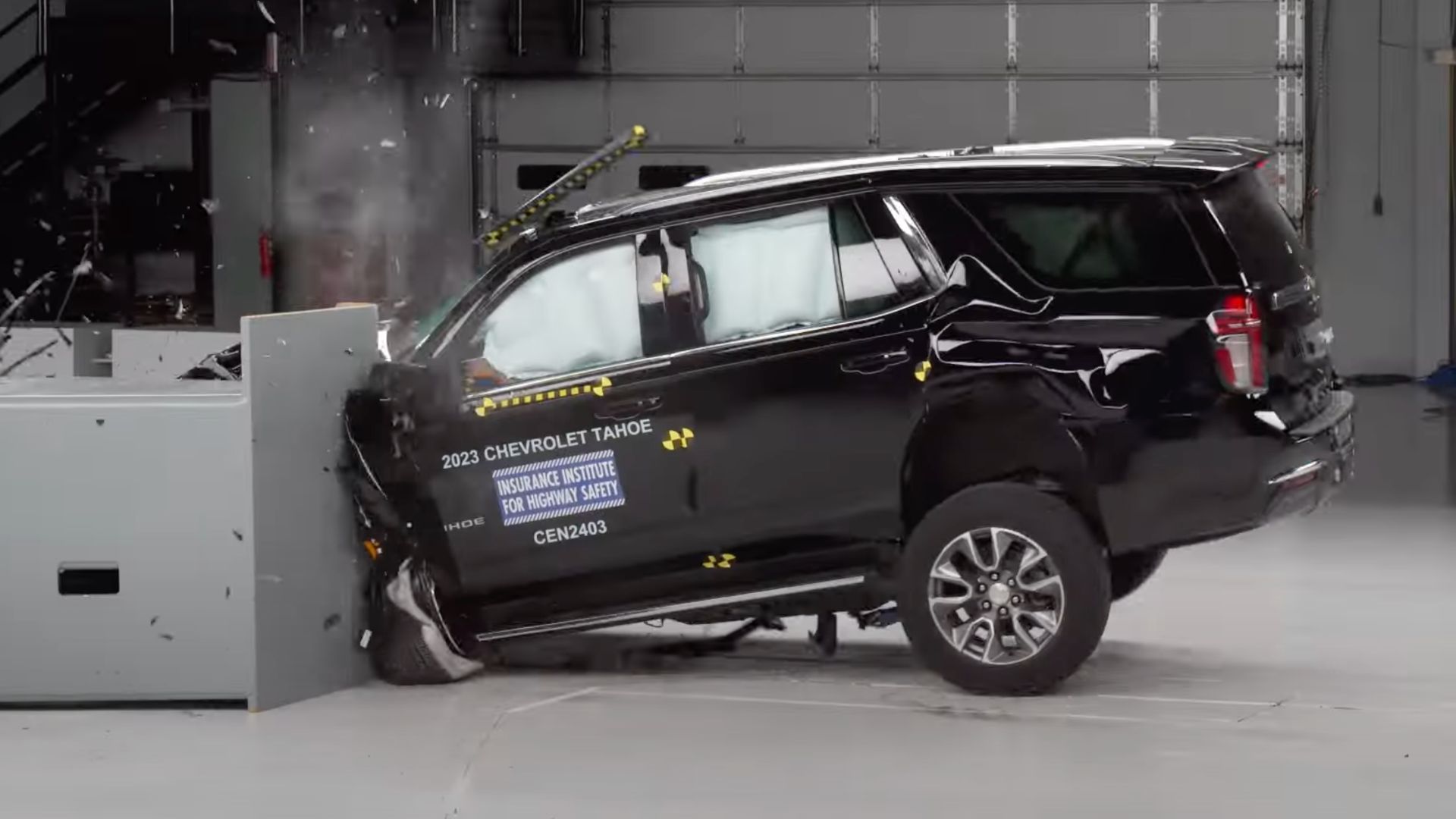
The bad news? Let’s start with the Chevrolet Tahoe. As mentioned, it performed the moderate overlap and side impact tests well to earn it a rating of Good. It was also given a Good rating in the tougher small overlap test, but only for the driver’s side. When the Tahoe hit the same barrier on the passenger side, the rating went down to Acceptable.
But what really dragged the Tahoe’s score down is in the advanced driver assists. Simply put, it wasn’t as effective as the Jeep or the Ford. Poor headlight performance was the other gripe.
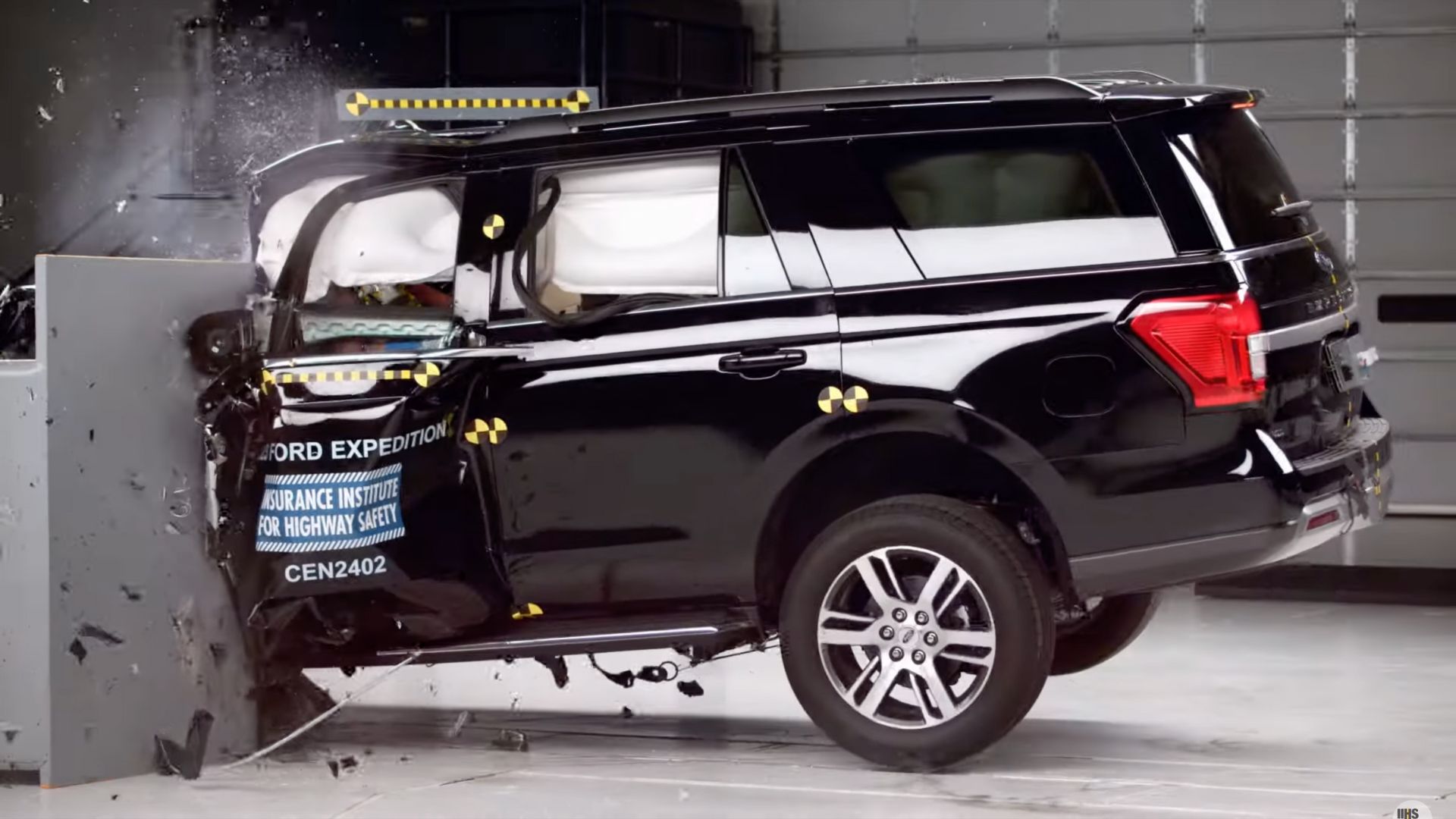
Moving to the Expedition, it faltered in the small overlap crash test in both driver and passenger side. The SUVs A-pillar collapsed in both instances and compromised what the IIHS calls the safety cage. Elevated injury measures were also found, particularly around the legs.
On the flipside, the moderate overlap and side impact tests were rated Good in the Expedition. It also claws back points thanks to its effective advanced driver assists. Headlights, while not as good as the Wagoneer, were still acceptable by the agency’s standards. It’s worth pointing out that the Expedition is the oldest of the three and we should expect better results in the updated model.
So, yes, large SUVs are safe for the most part, but IIHS’ tests also revealed a few weaknesses. Of course, tests like these aren’t meant to put the manufacturer down, but rather, give them points for improvement for the next generation to make them safer.