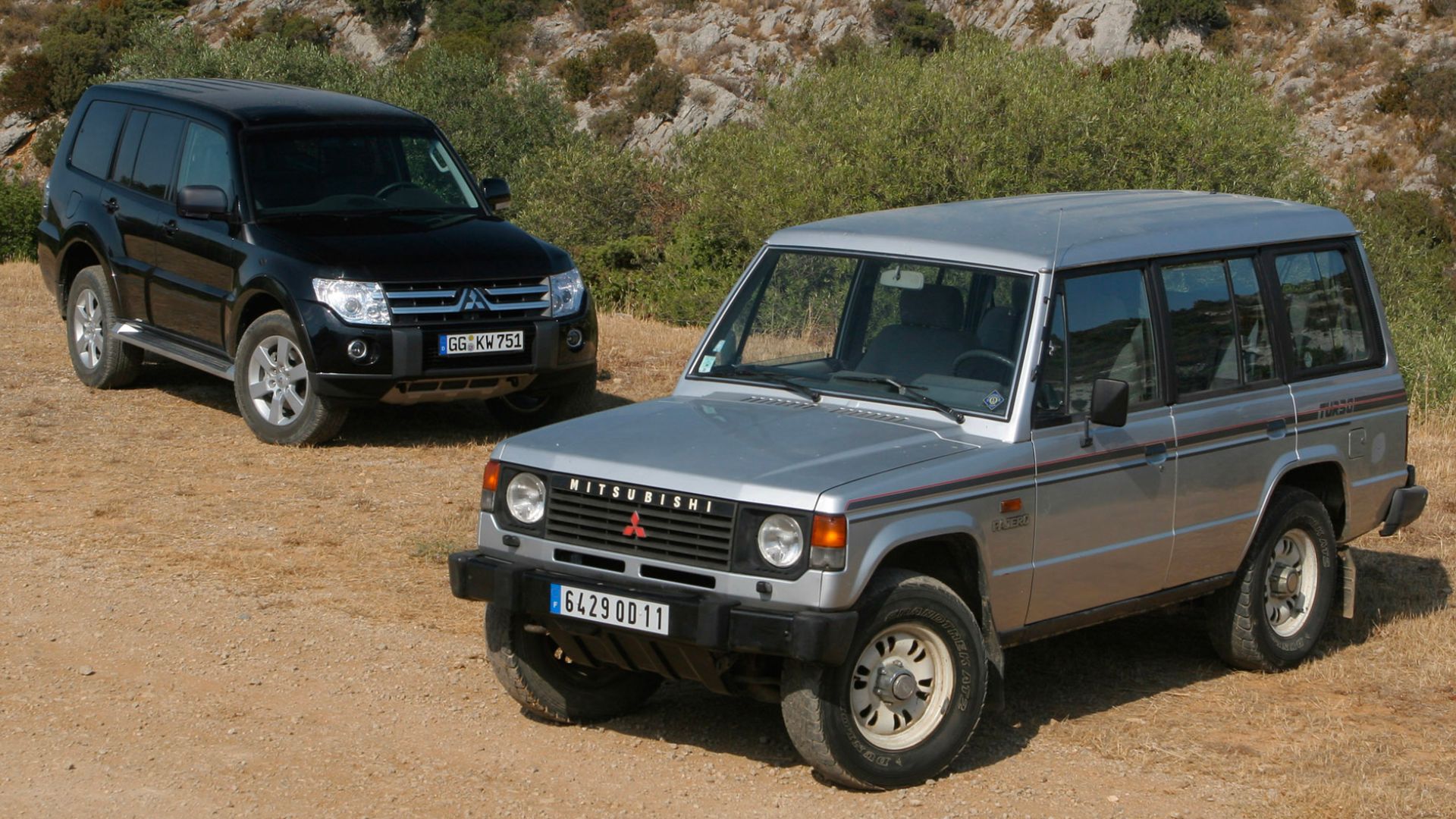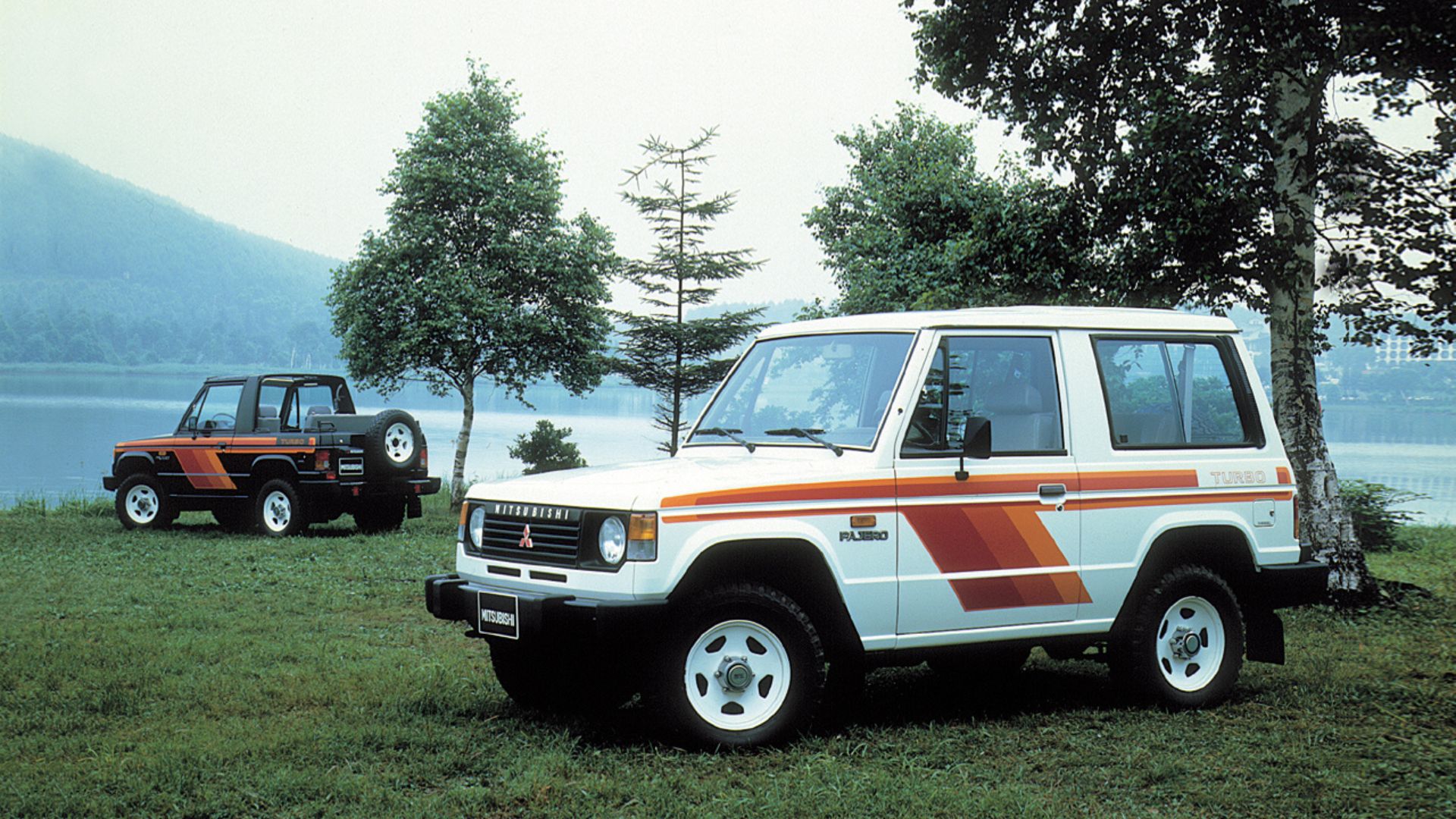

The Mitsubishi Pajero may no longer be with us (sad), but its legacy lives on. Already an icon even during its production, the much-loved SUV received a significant accolade two years after its discontinuation.
Specifically, it’s the first-generation Pajero that received a major milestone. That’s because it was selected as a significant historic car by the Japan Automotive Hall of Fame. Much deserved, we say.
OTHER STORIES YOU MIGHT HAVE MISSED:
The Toyota Veloz X Urban is for those who want a front-drive Rush
EICMA 2023: KTM has unleashed the all-new 990 Duke
An SUV before the SUV
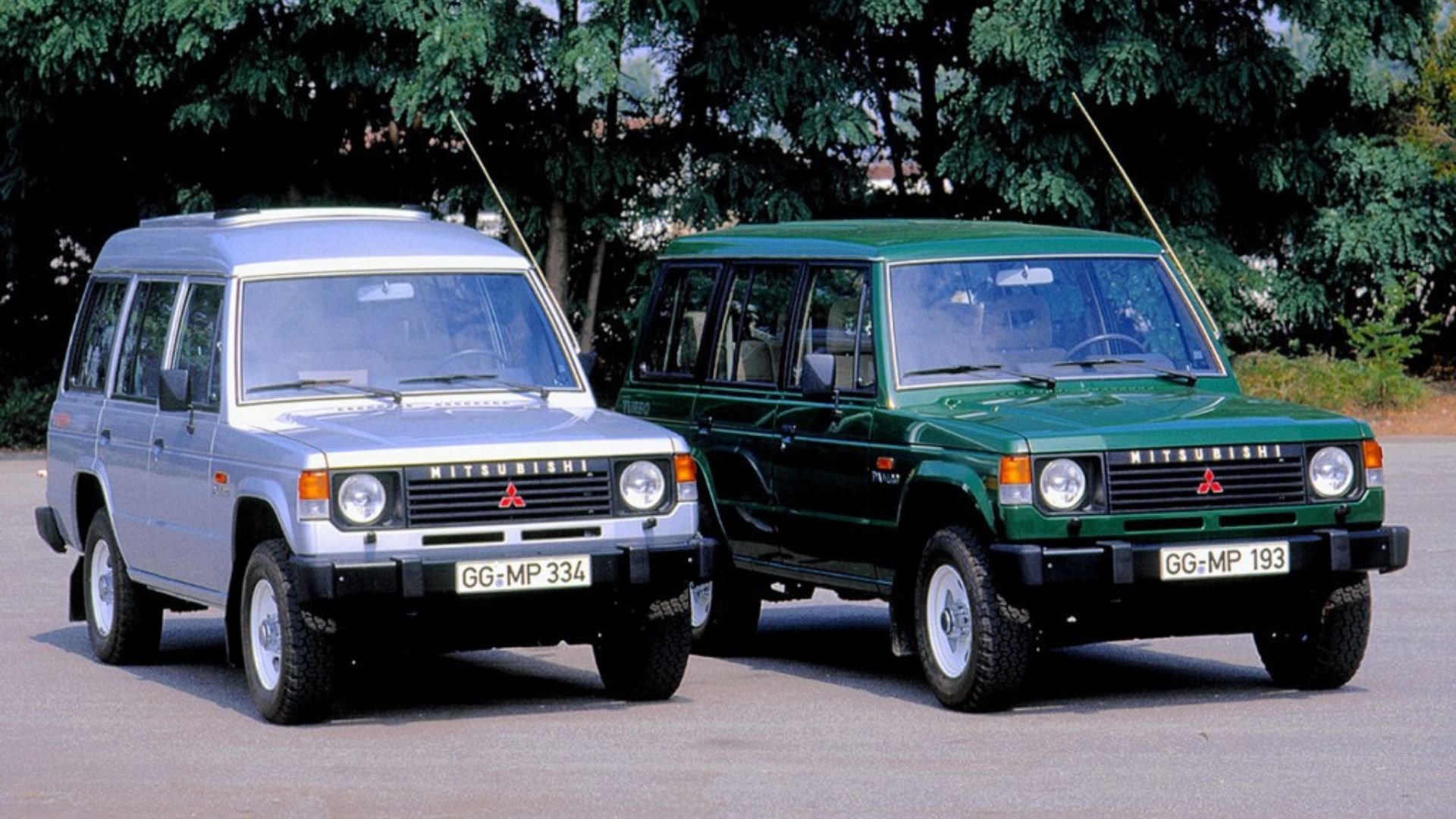
Launched in 1982, it was one of the most significant models in its segment, a Sport Utility Vehicle even before the term SUV was coined. Not only was it one of the models that sparked the 4WD boom in Japan, it also helped change the perception of 4WDs. The Pajero was one of the first 4x4s that proved off-road ability didn’t have to be sacrificed for on-road usability. Heck, it even forced Land Rover, one of the pioneers of the 4x4 genre, to come up with a competitor for it.
The first models
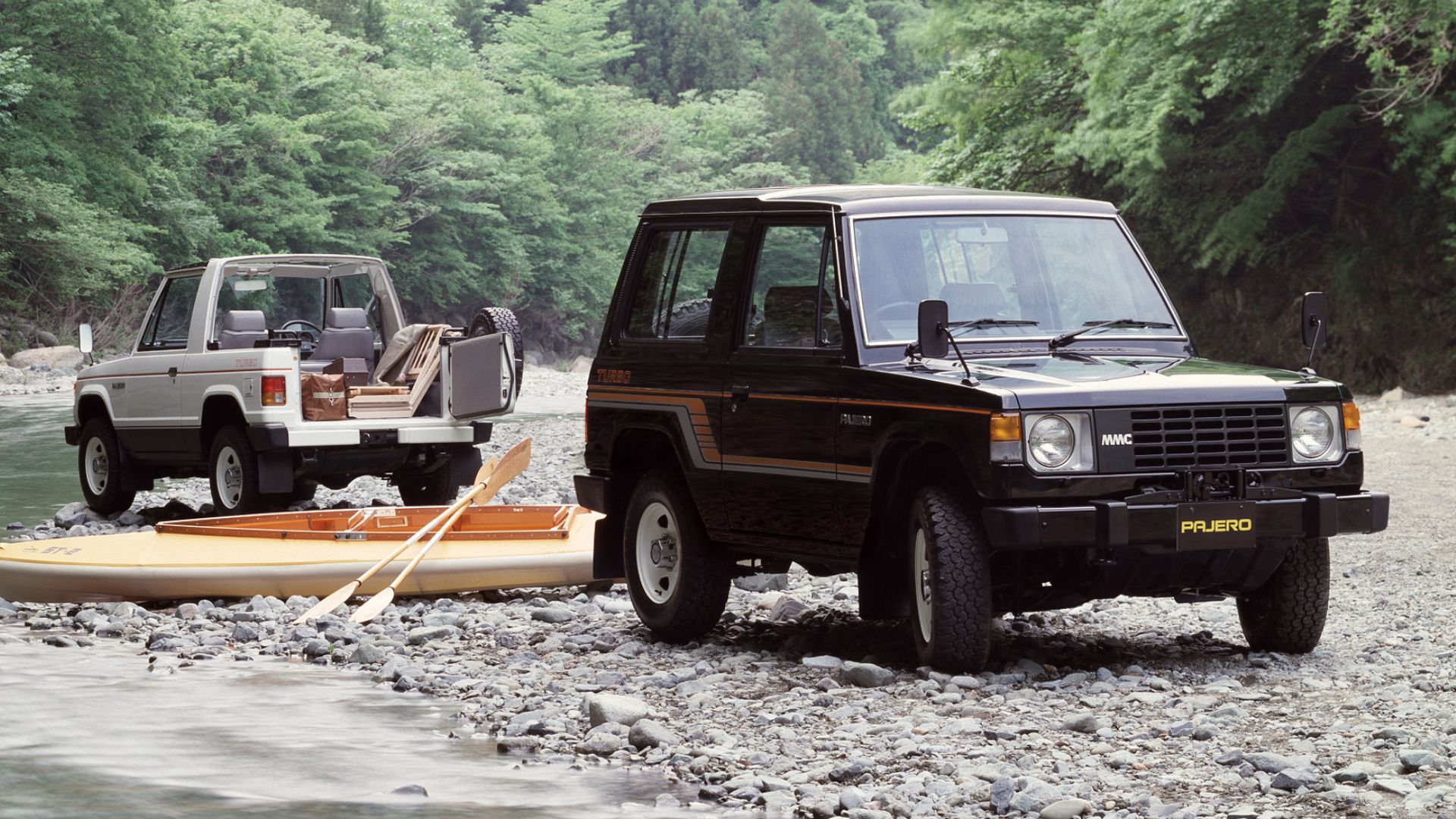
The original Pajero was first offered as a three door with gas, turbo-gas, diesel, and turbodiesel engine options. It was soon followed up by the more practical five-door model in 1983, expanding the engine lineup along the way. V6 power eventually followed, along with a 2.5-liter turbo-intercooler diesel. By the way, first-generation Pajeros were also assembled locally. In Cainta, Rizal, to be exact.
The Camel Trophy Mitsubishi Pajero. Wait, what?
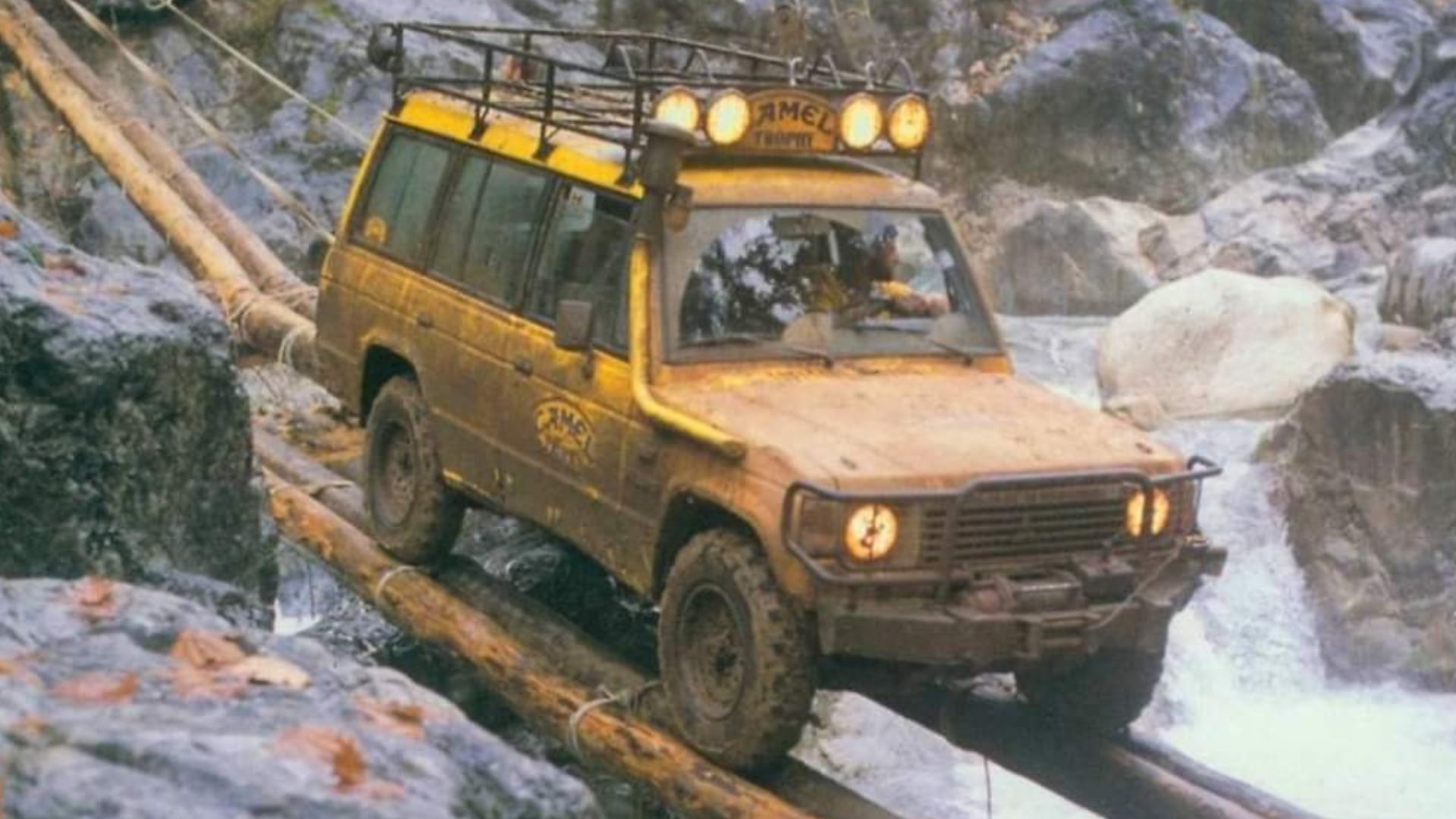
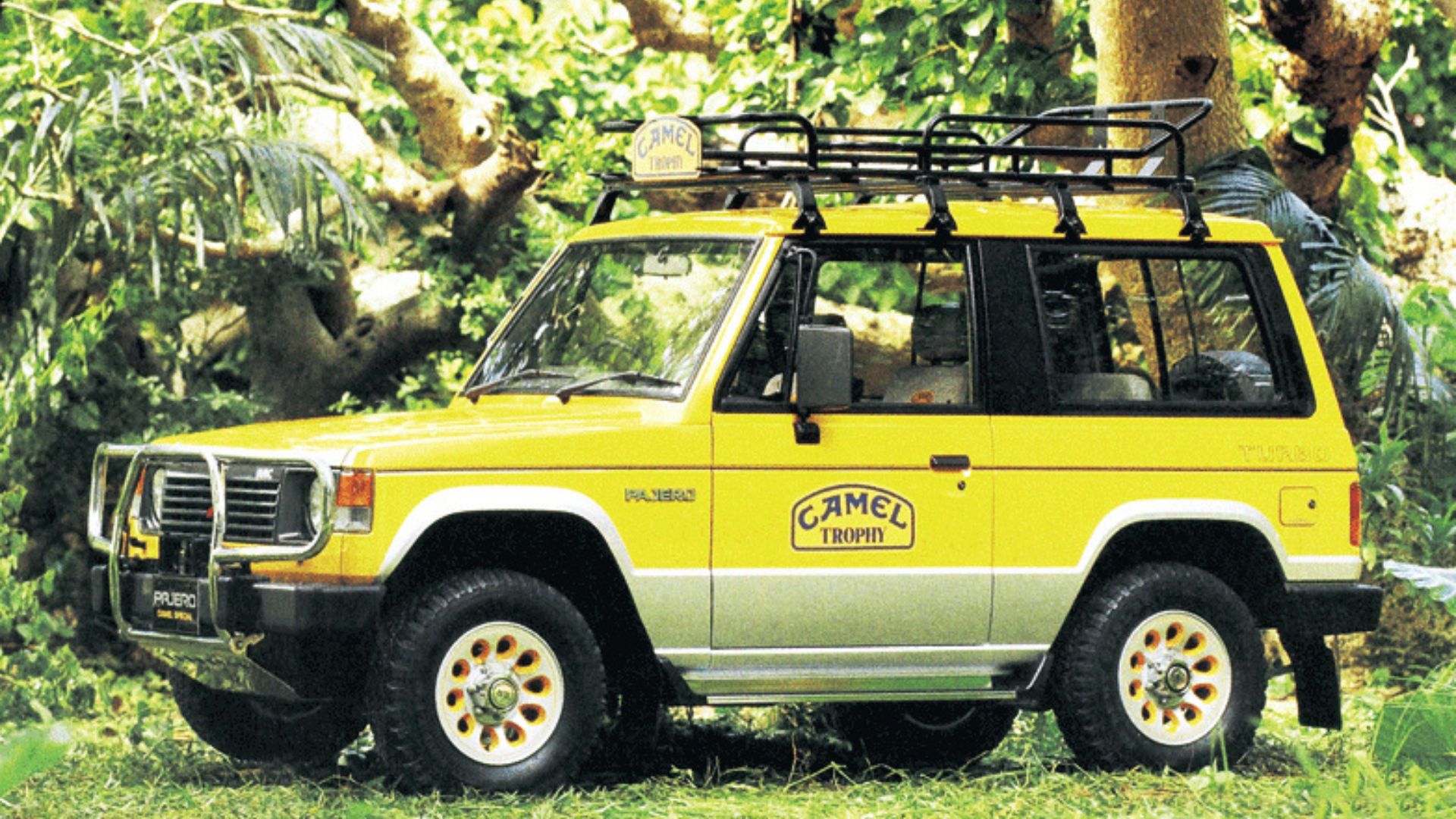
The Camel Trophy has long been associated with Land Rover. Images of Range Rover Classics, 90/110s, Defenders, and Discoverys would usually come to mind with any mention of the grueling event. But not a lot seem to be aware that the Pajero also competed in a field totally overrun by Land Rovers. Mitsubishi even celebrated that milestone by making the Pajero Camel Special.
Dakar champ
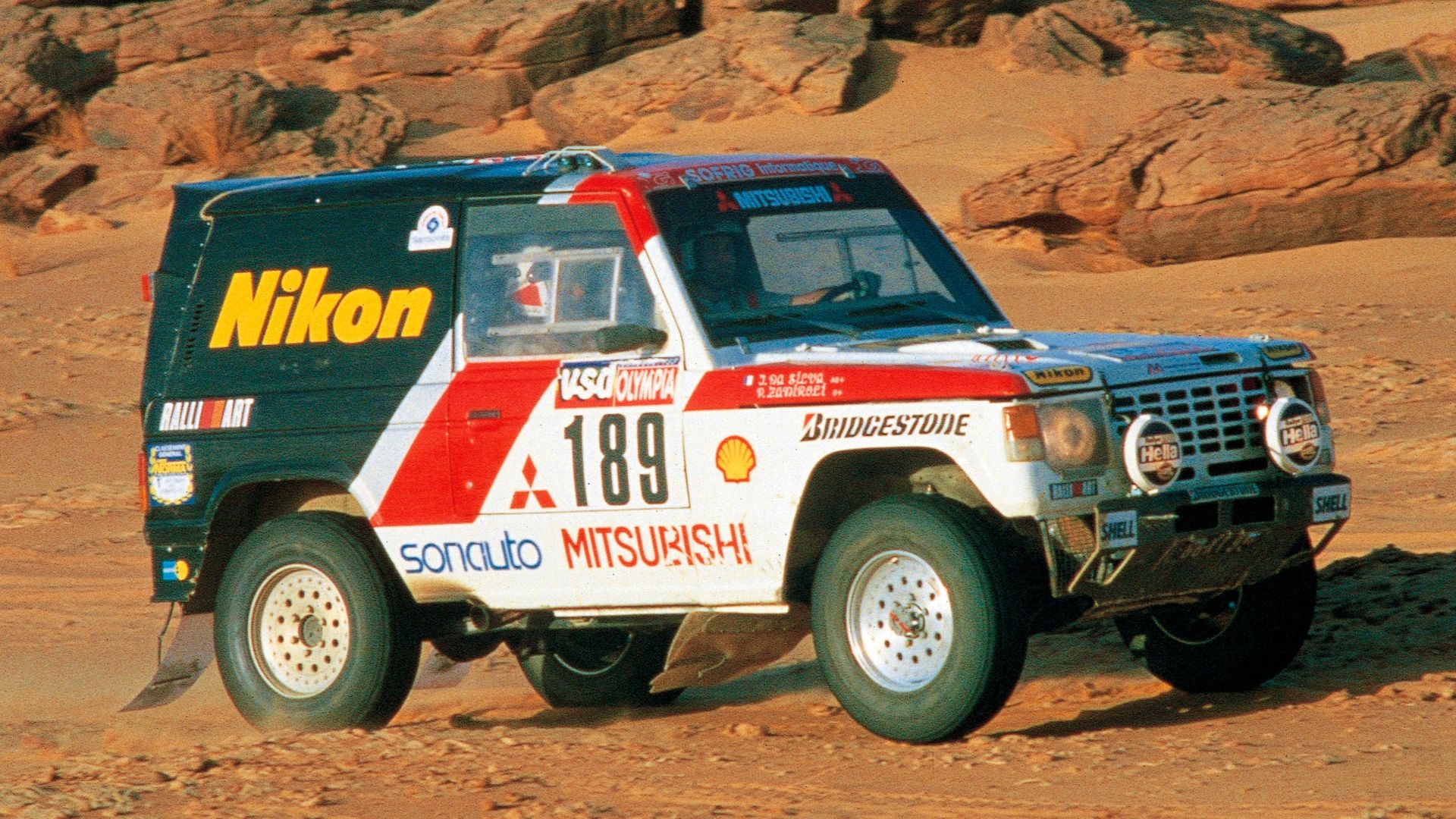
Of course, the first-get Pajero story wouldn’t be complete if we didn’t mention its motorsports background. It first competed in the Paris-Dakar Rally in 1983, a year after its public launch. In its first outing, it won the non-modified production car class, the first of many victories of Mitsubishi in the tough rally raid. The following year, it finished first in the modified production car class and third overall. But its big break would be in 1985, securing not just the class win but first overall.
The rest, they say, is history.