
Mitsubishi has a lot of reasons to celebrate its Strada pickup this year. Aside from the premiere of the all-new model, 2023 also marks the pickup’s 45th anniversary. With that, you could say that the debut of the redesigned truck was just in time for this milestone.
So, just how far has the Mitsubishi pickup come in nearly half a century? Let’s have a quick look at each of the six generations, shall we?
First generation (1978 to 1986)
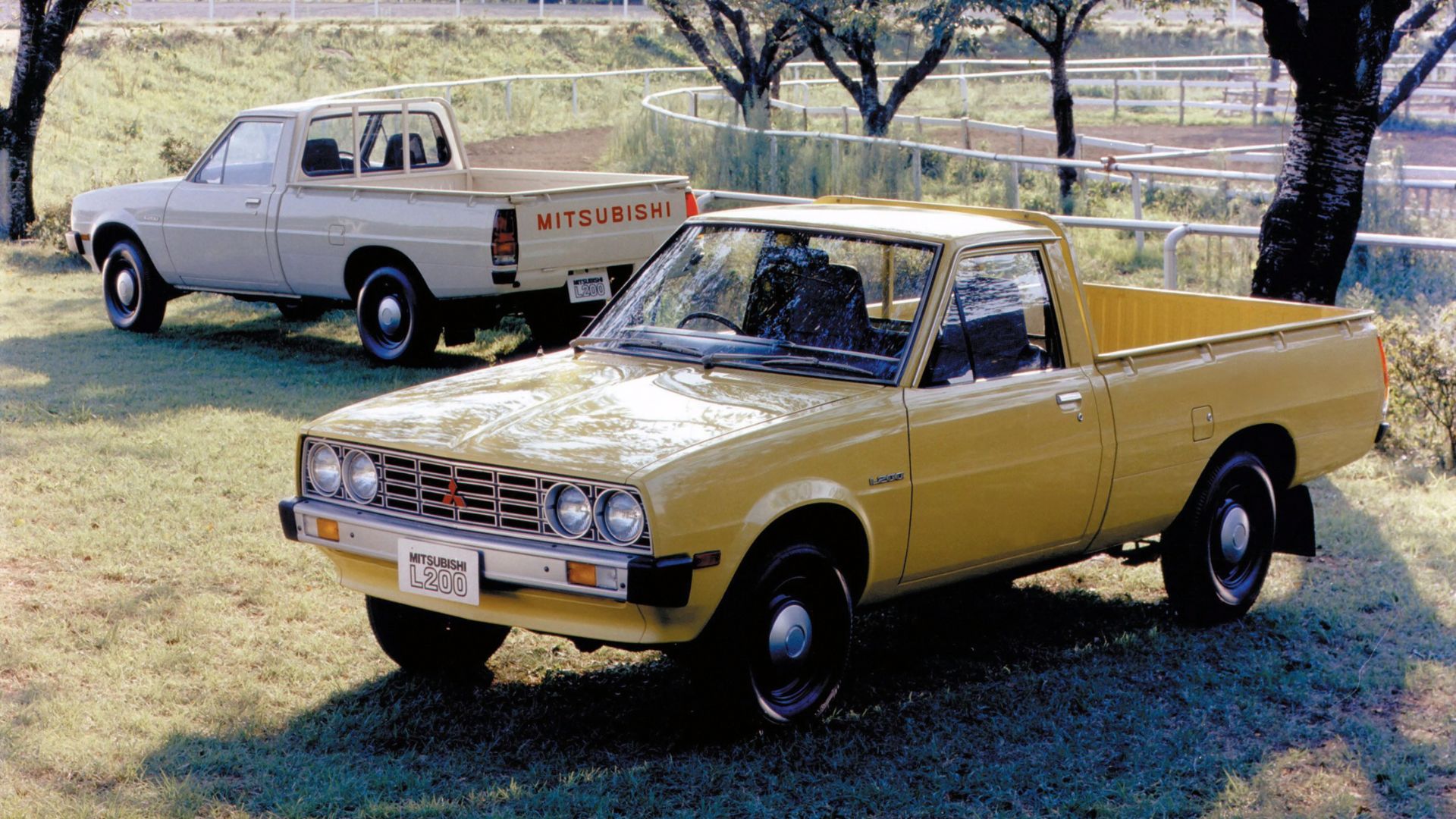
The first-generation Mitsubishi pickup is a far cry from what the model line has become today. In fact, the name Strada wasn’t even drummed up yet. Instead, it was either called the Fronte or the L200, the latter still being used today in other countries. It was sparse, basic, and utilitarian, just as one would expect from a pickup at the time.
In terms of variants, the first Mitsubishi pickup was limited. The only body option available was a single cab, and engine choices included a 1.6-liter gas (Japan), 2.0-liter gas, and 2.6-liter for North America. Most countries got a 2.3-liter diesel, us included. And yes, this model was assembled in the Philippines.
Second-generation (1986 to 1999)
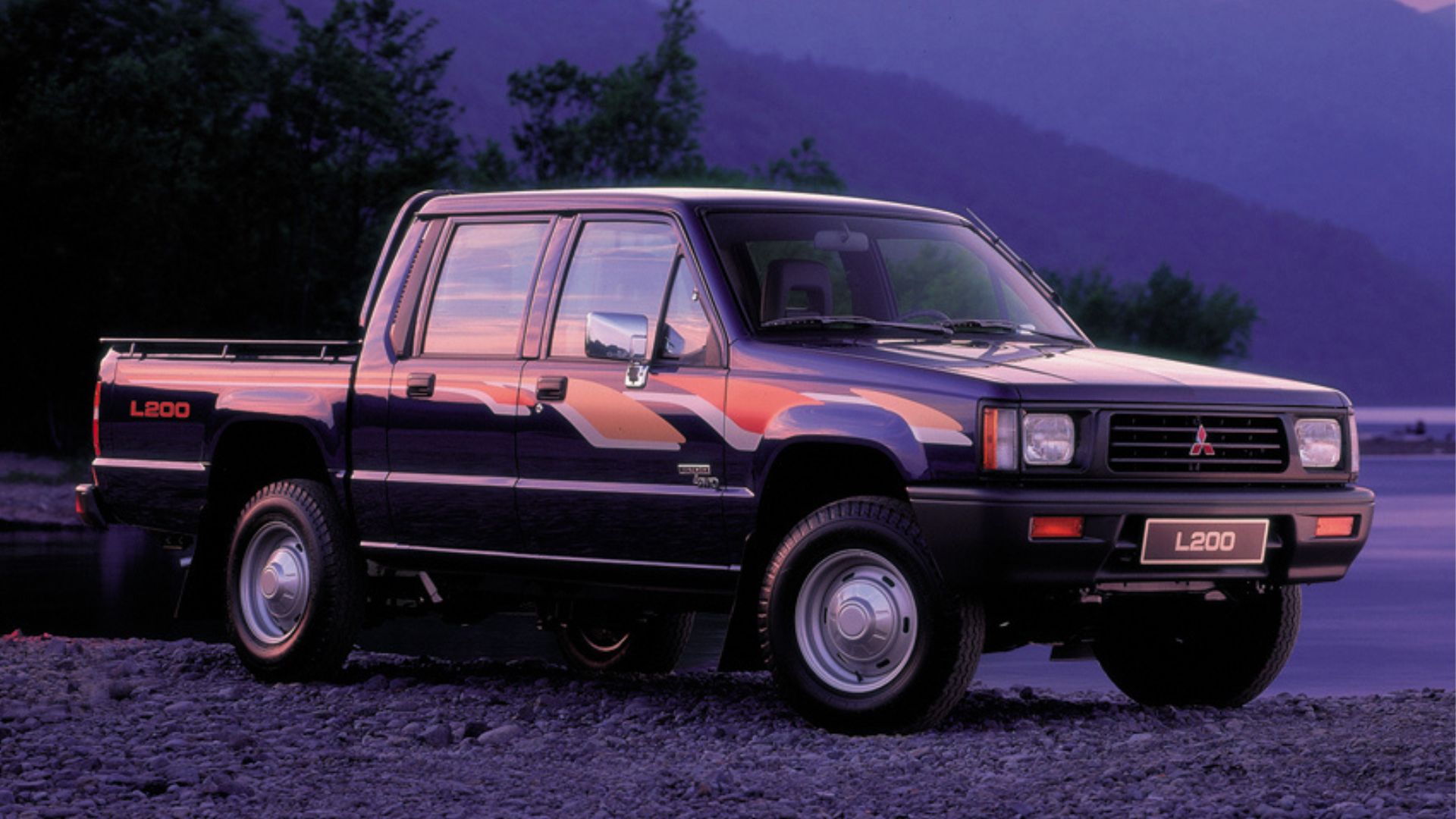
This is the generation that introduced most Filipinos to the name Strada. But even if it was introduced here in the early ‘90s, production started way back in ‘86. It was a huge jump from the first model, too. It was much larger than the model it replaced, and had a wider variety of engine choices, including the ‘immortal’ 4D56 diesel and even a V6.
Also introduced in this generation was the extended cab and dual cab bodies, allowing for more passengers on board. Four-wheel drive was also available from the get-go. Like the previous version, it was also made in the Philippines. The second-generation would also become the longest-running model, produced for 13 years.
Third-generation (1996 to 2006)
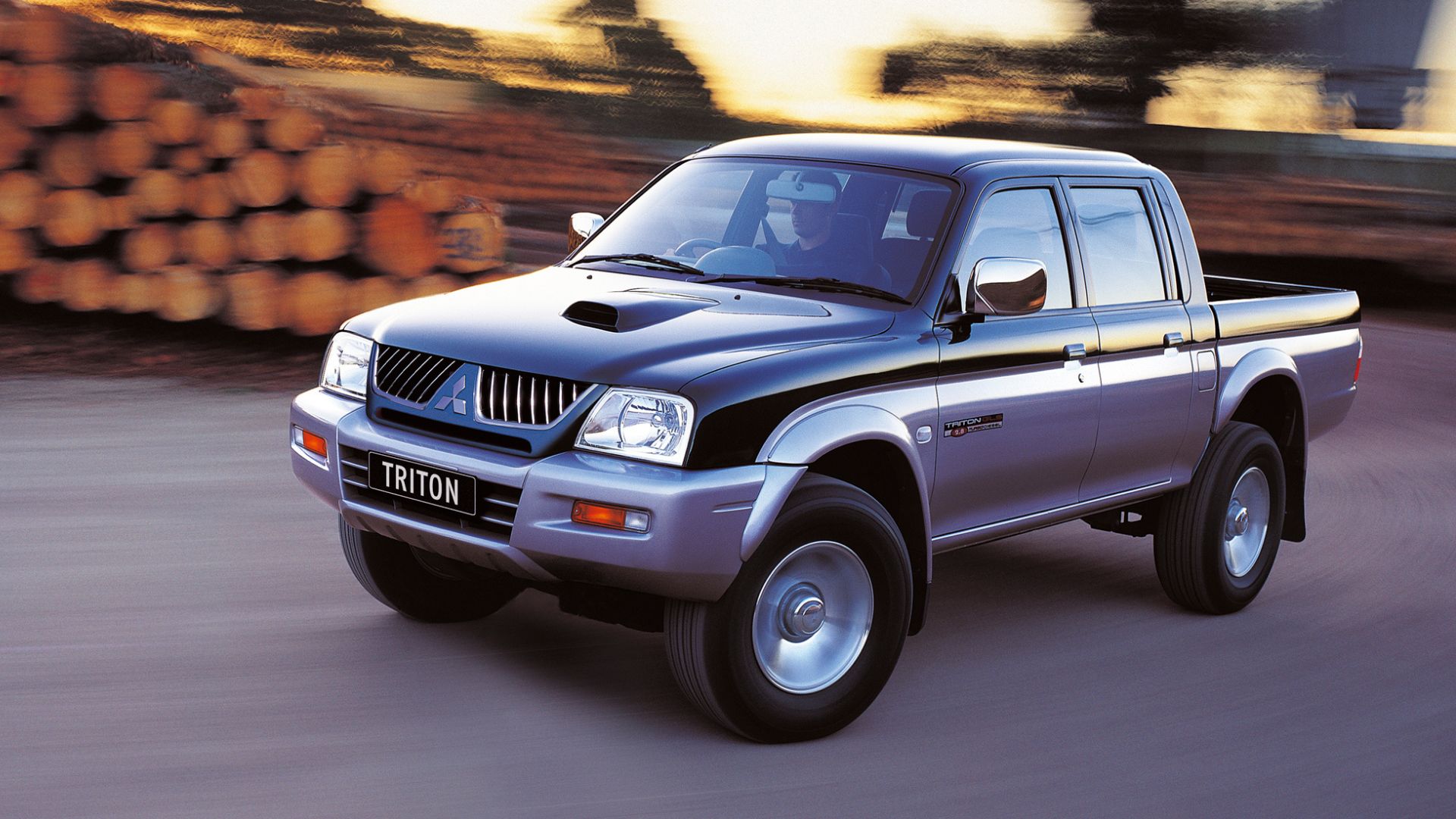
Mitsubishi decided to take a radical approach for the third-generation Strada. Also known as the Strada Endeavour locally, it had a more SUV-like front end. It was a far cry from the old Strada, and showed Mitsubishi’s daring approach in design. The third-gen Strada would also become the basis of another popular Mitsubishi model, the Montero Sport.
By this time, there was a greater variety of body styles available, but most of the engines were carried over. However, some markets got what’s called the 4M40 engine which was also used in the Pajero Fieldmaster. This Strada would be the last to be assembled locally.
Fourth-generation (2005 to 2015)
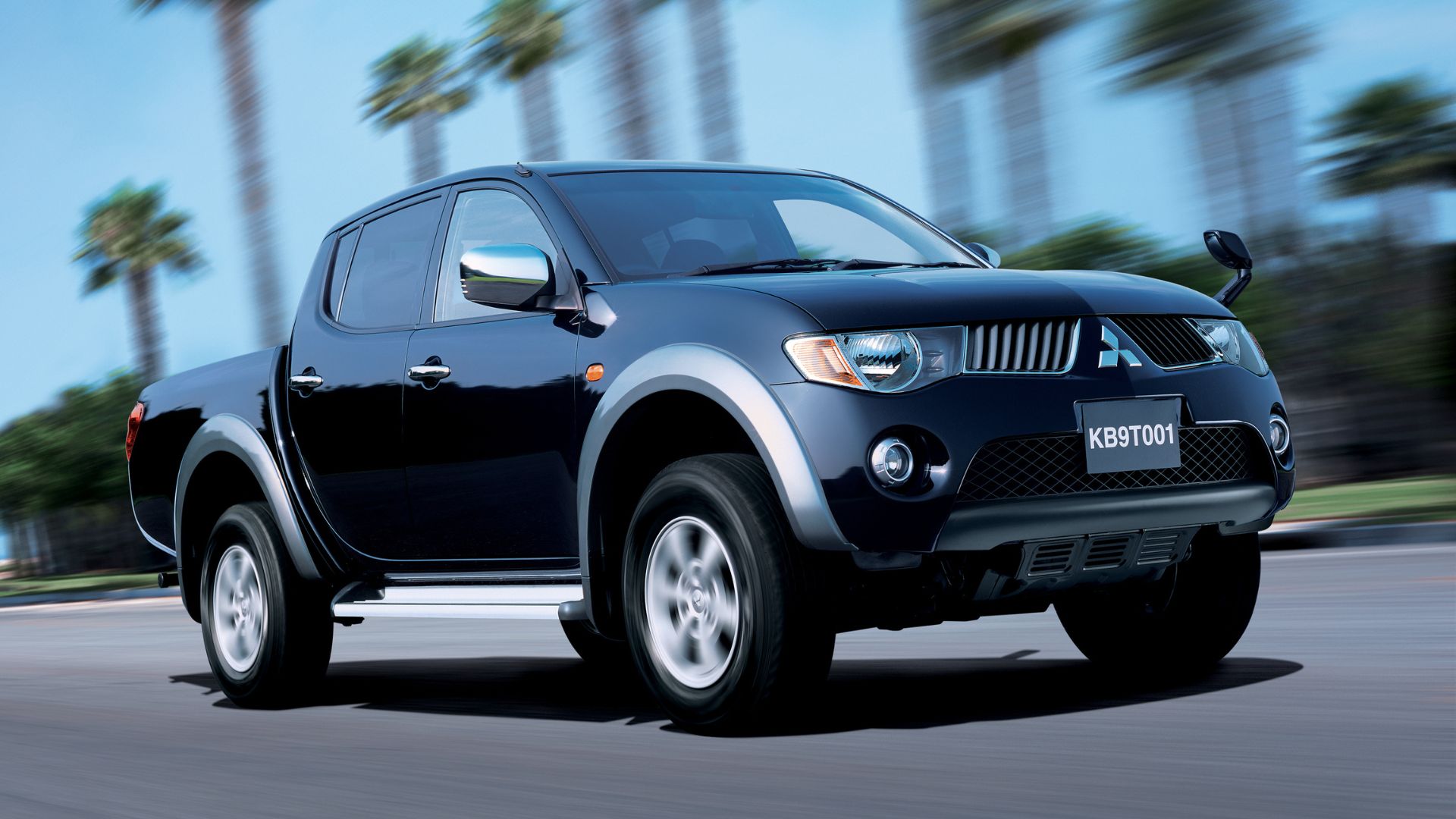
It could be said that the fourth-generation Strada is that one that exploded in popularity. At the same time, it featured yet another revolutionary redesign, something that would become a common theme in succeeding generations. It had a rounded look for a pickup, and the interior was a huge level up as well. It was also one of the more comfortable choices among its contemporaries, but it didn’t sacrifice utility.
While the venerable 4D56 carried on in this generation, the Strada got a big boost in power care of the 3.2-liter 4M41 in the GLS V variant. With that, one can say the Strada helped kick off the pickup horsepower war.
Fifth-generation (2014 to present)
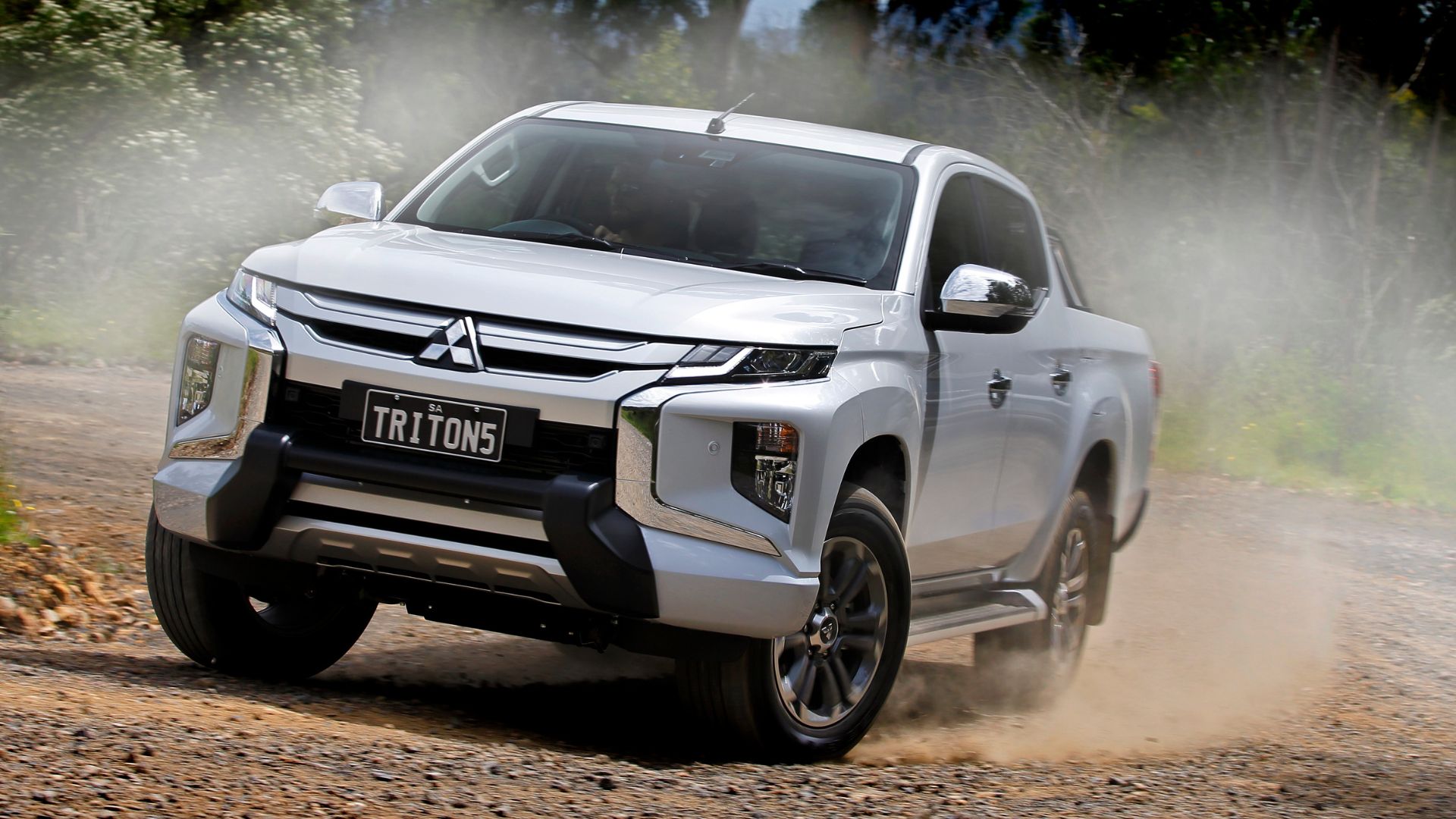
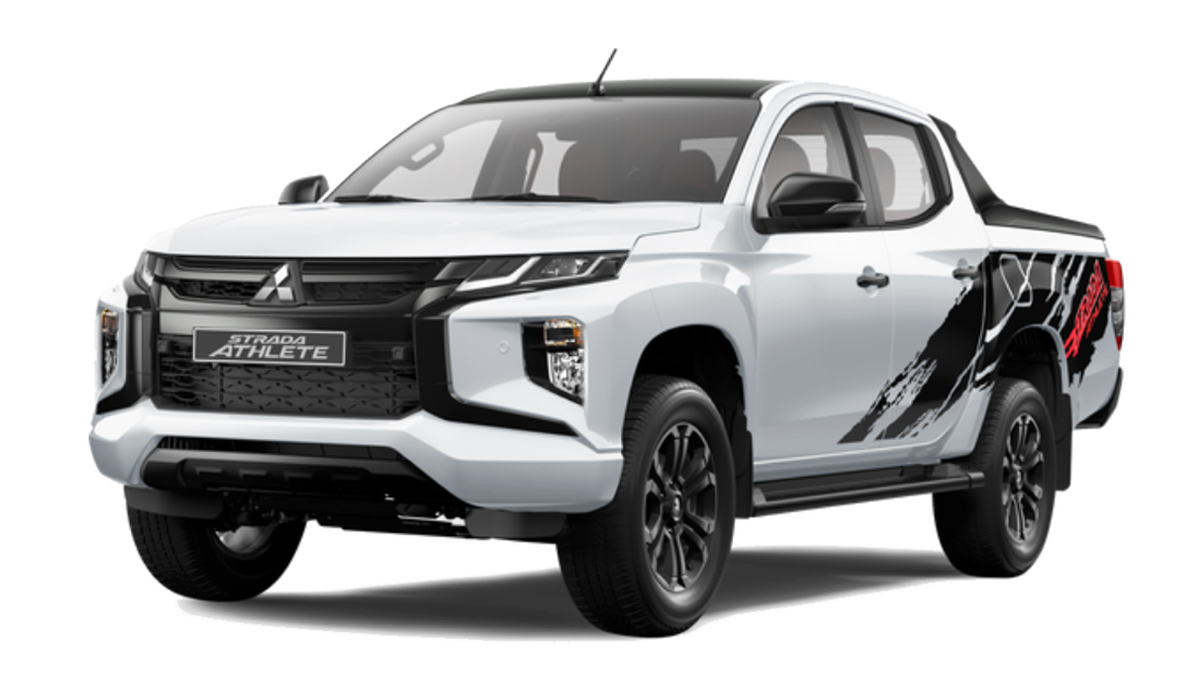
Following the success of the previous model, the fifth-generation Strada carried over all that was good with the prior version and enhanced it. Mitsubishi made it a point to make it more comfortable and refined. It initially looked more like an evolution of the old pickup, but the 2019 update aligned it with Mitsubishi’s design language at the time.
Speaking of updates, the fifth-gen Strada got a big boost under the hood to keep it toe to toe with its contemporaries. In 2016, it finally received the 2.4-liter MIVEC turbodiesel engine from the Montero Sport.
Sixth-generation (All-new in 2023)
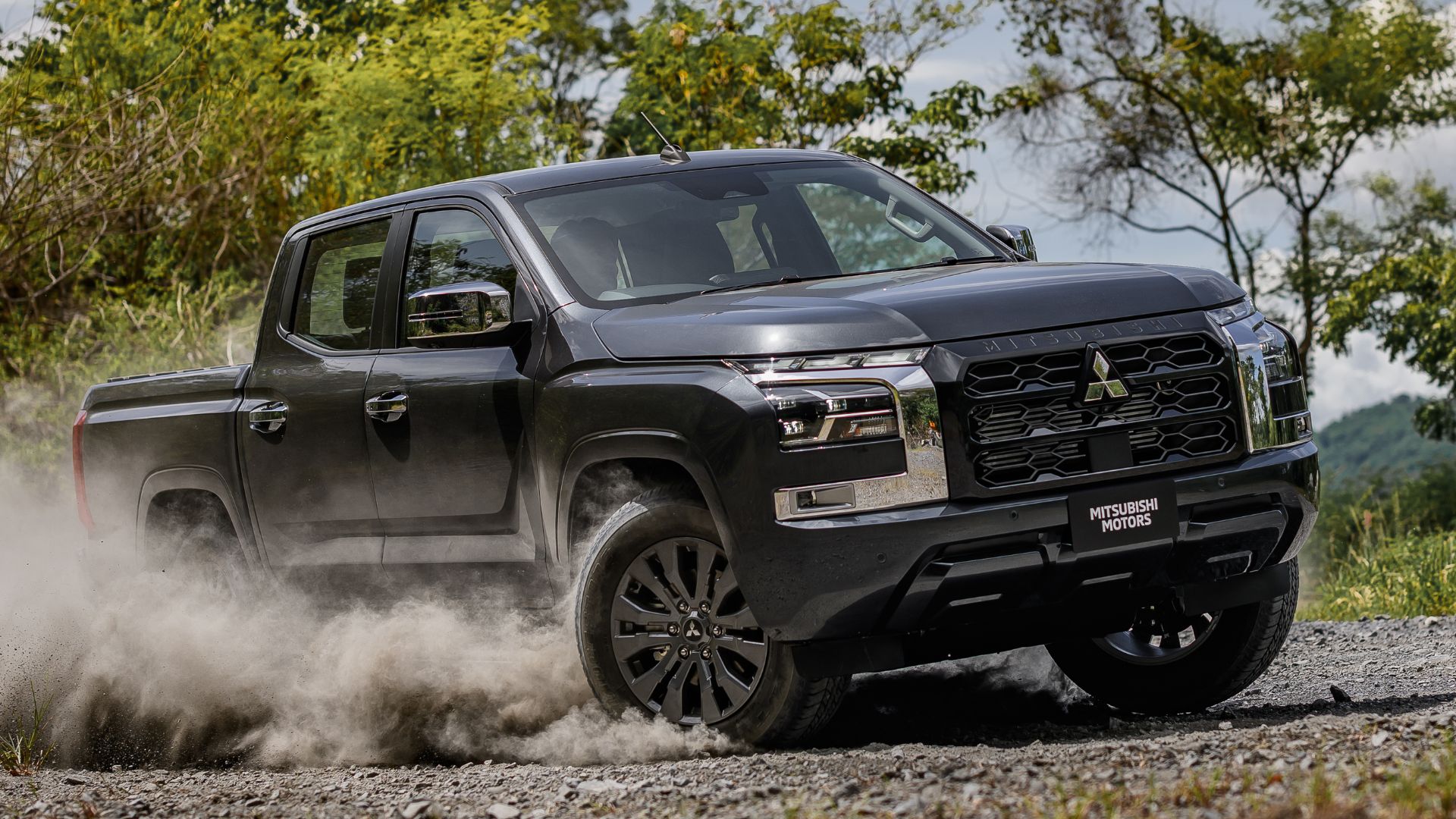
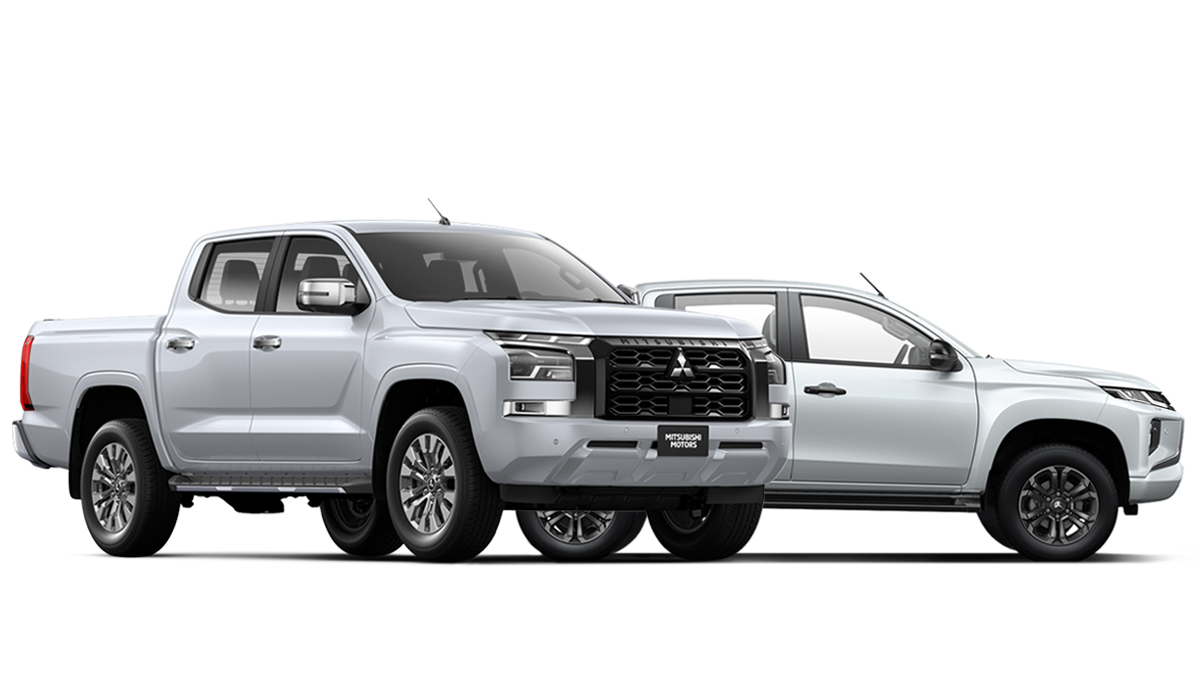
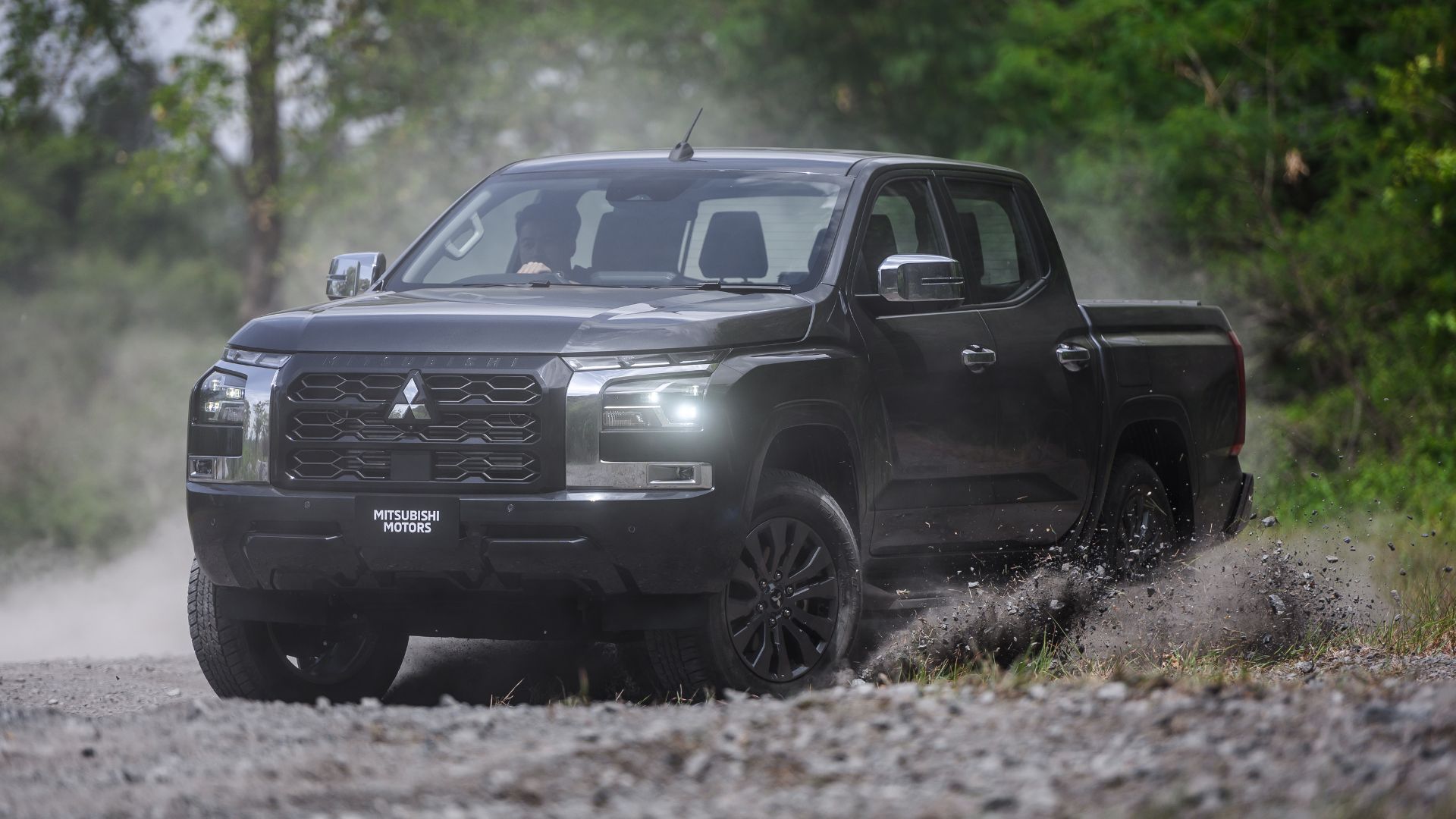
45 years since the first Mitsubishi pickup rolled out, we now arrive at the sixth-generation Strada. It’s the biggest, most powerful, and likely to be the most capable version to date. It’s yet another bold and daring redesign too, boasting a more upright and bolder design, along with a more prominent Dynamic Shield grille. It also has high-mounted lights and foglamps that follows Mitsubishi’s current design language.
This is also the first Strada to be available with twin-turbos under the hood. Its 4N16 (High-Power tune) now punches out 201hp and 470Nm of torque, an improvement of 22hp and 40Nm. Plus, it gains several advancements in its four-wheel drive system with the addition of Active Yaw Control, torque-sensing center locking differential, an electronic limited slip differential, and seven driving modes.
But aside from that, Mitsubishi says this is also the safest Strada it’s ever made. There’s now junction assist, front cross traffic alert, adaptive cruise control, traffic sign recognition, and autonomous emergency braking.
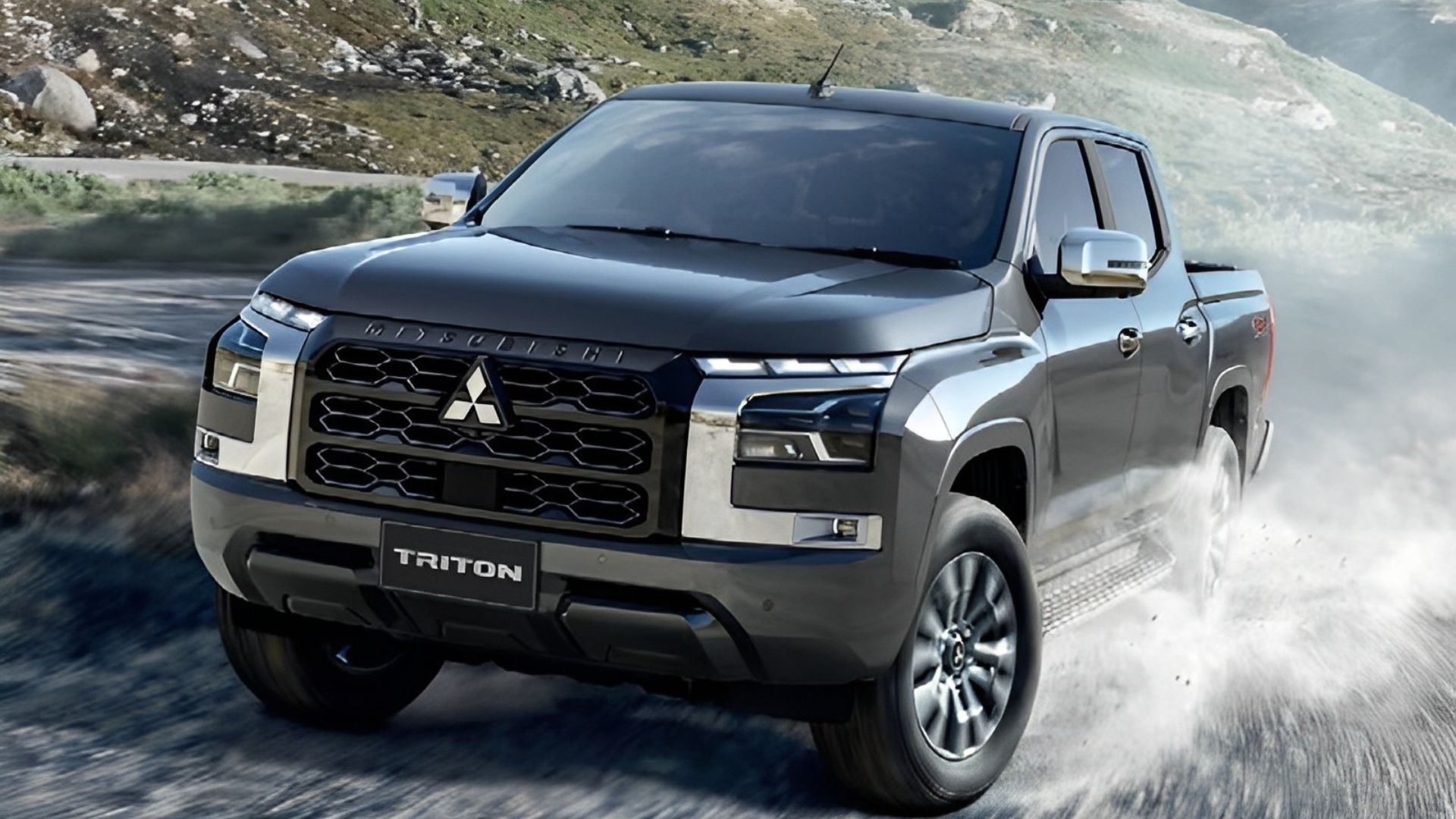
The past 45 years have been quite a ride for the Mitsubishi Strada. From a humble compact single-cab workhorse, it has evolved into one that can be used for work, play, and the daily rat race. Given how it’s grown over the years, we can expect future Stradas to become even stronger, more robust, and more high tech in the coming decades.
Happy 45th, Strada. Here’s to 45 more years.