For most of us, Japan is a bit of a dream destination. From the sights and sounds of Tokyo and Osaka, to the calm and gentle countrysides of the outskirts of Nagoya and Hakone, the Land of the Rising Sun has a spot for just about everyone. This being Top Gear Philippines, it’s a treat for us when it comes to cars and travel.
We recently spent about a week in Japan to cover the Japan Mobility Show 2023 and to drive some of the latest cars from the country’s biggest manufacturers. It was a fun-filled week, for sure, and it’s one we’d love to do all over again. But while we were, um, doing our jobs, we also couldn’t help but notice what motoring is like over there. From cars to driving standards, here are some of our key takeaways from our trip.
OTHER STORIES YOU MIGHT HAVE MISSED:
JMS 2023: The Nissan Hyper Force could be the 1,341hp, all-electric future GT-R
JMS 2023: We can't wait for the Mitsubishi D:X Concept to reach production
Japan is heaven for disciplined drivers
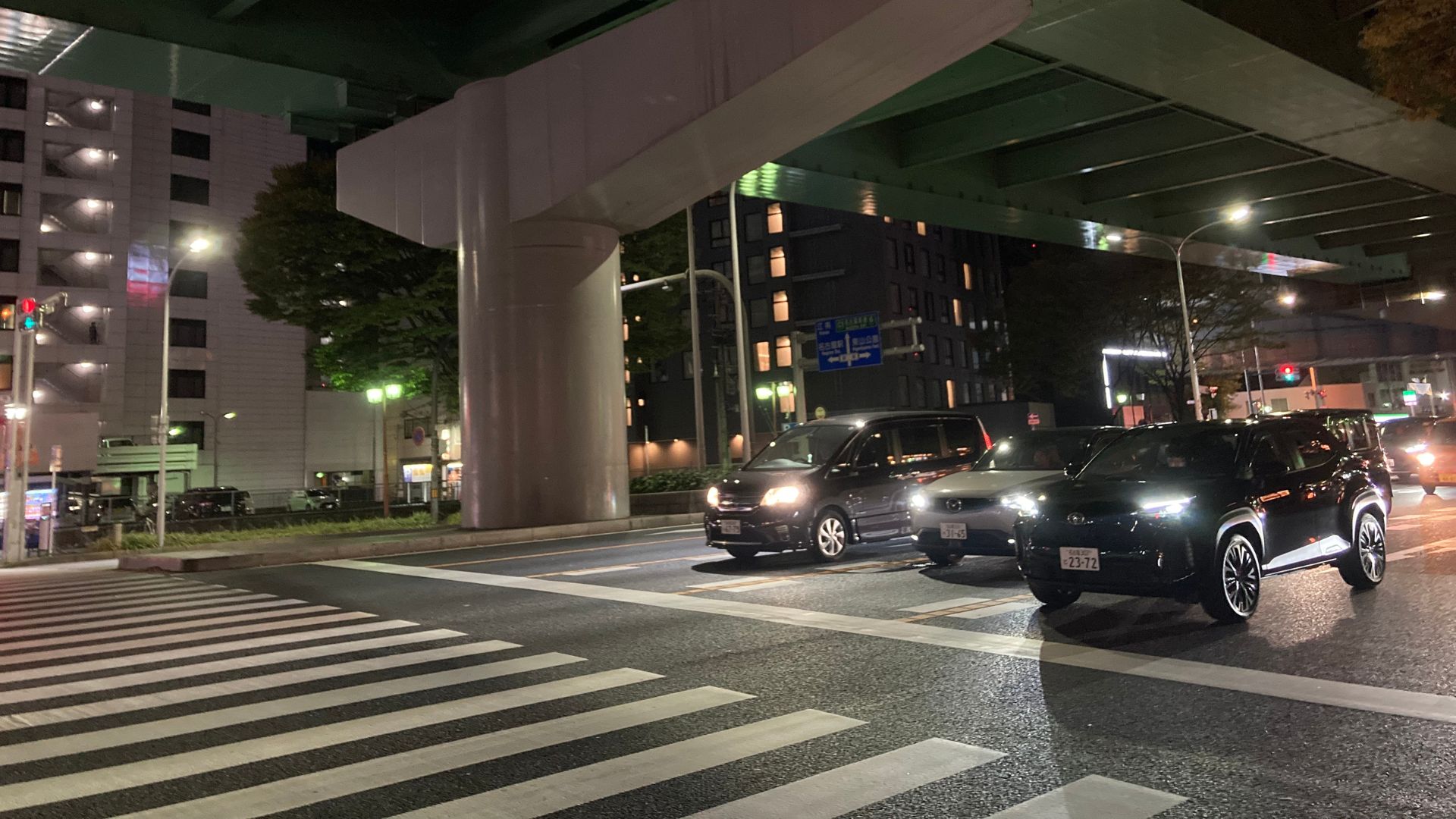
Let’s start things off by saying that Japan has a brilliant public transport system. You won’t really need to rely on a car to get around, and only use one if you really need it. But even with its excellent public transport network, we also noticed that the country’s drivers are disciplined as heck.
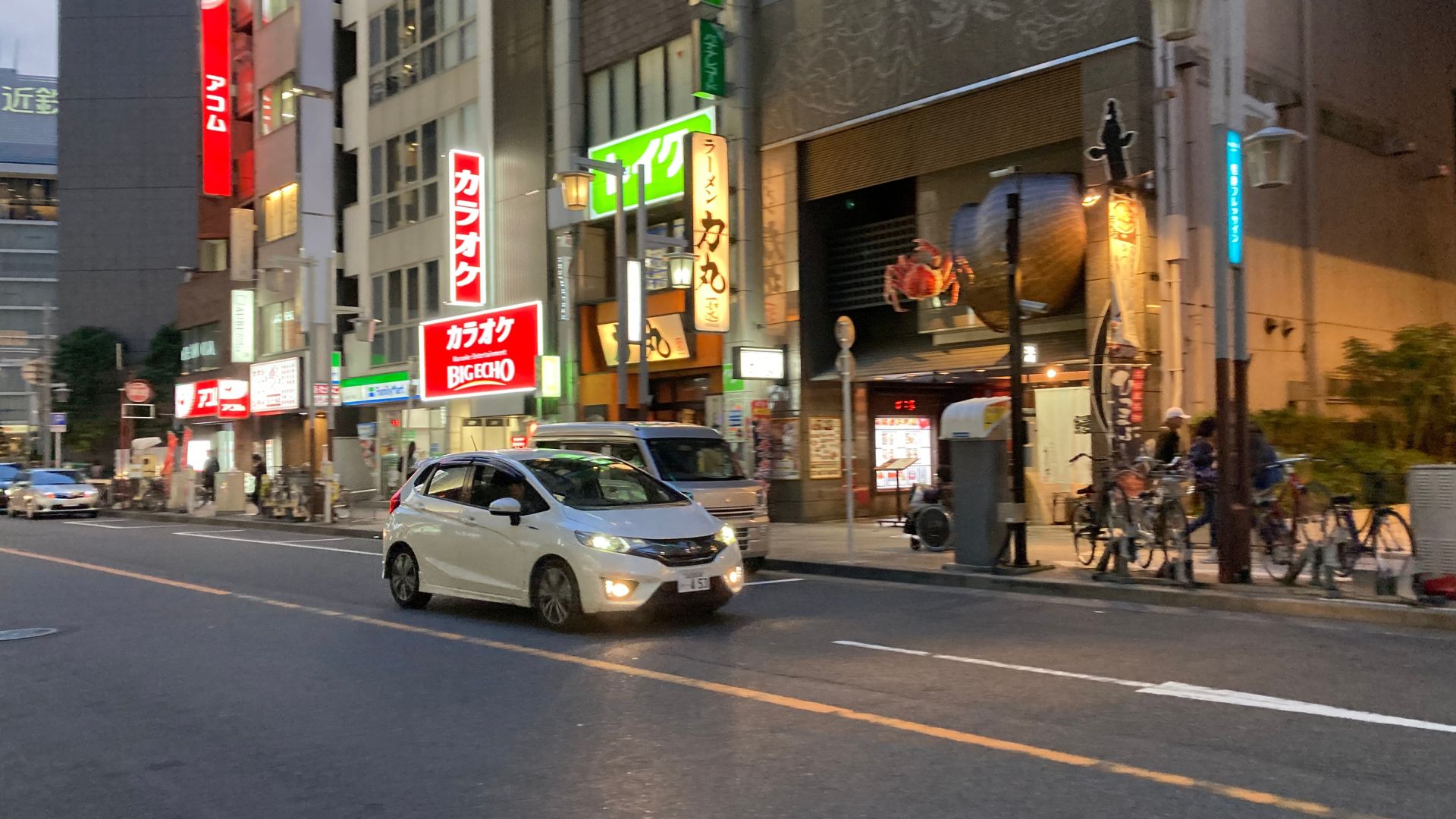
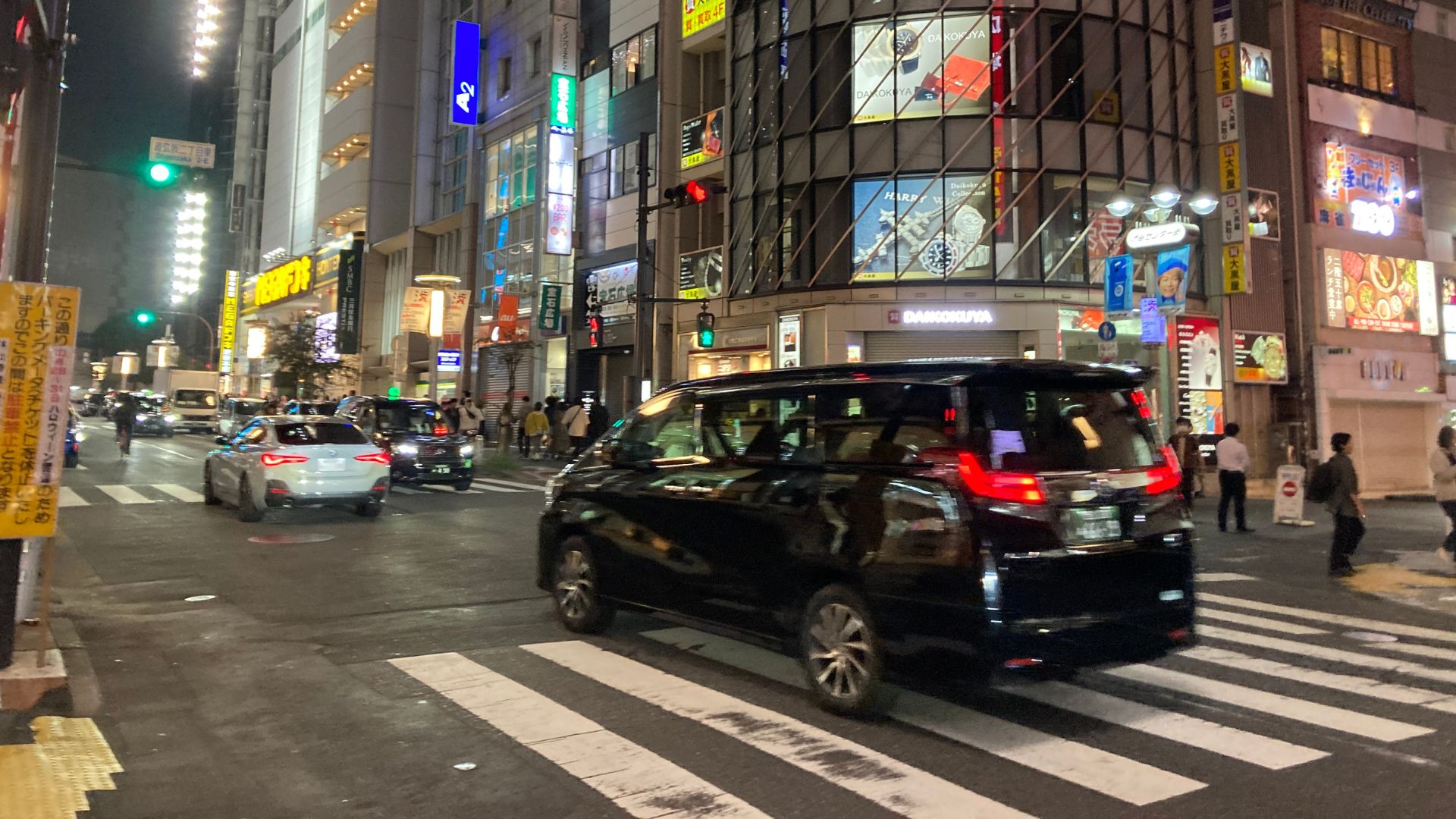
Around the city, not a single car dares to block the yellow box or beat the yellow light. You won’t even see cyclists disregarding traffic rules and regulations. Pedestrian lanes are sacred, with no one trying to inch through when there are people crossing. Okay, so it should be the norm everywhere, but how many times do you see sketchy driving (and riding) maneuvers do you see in a day in the Philippines? Our point, exactly.
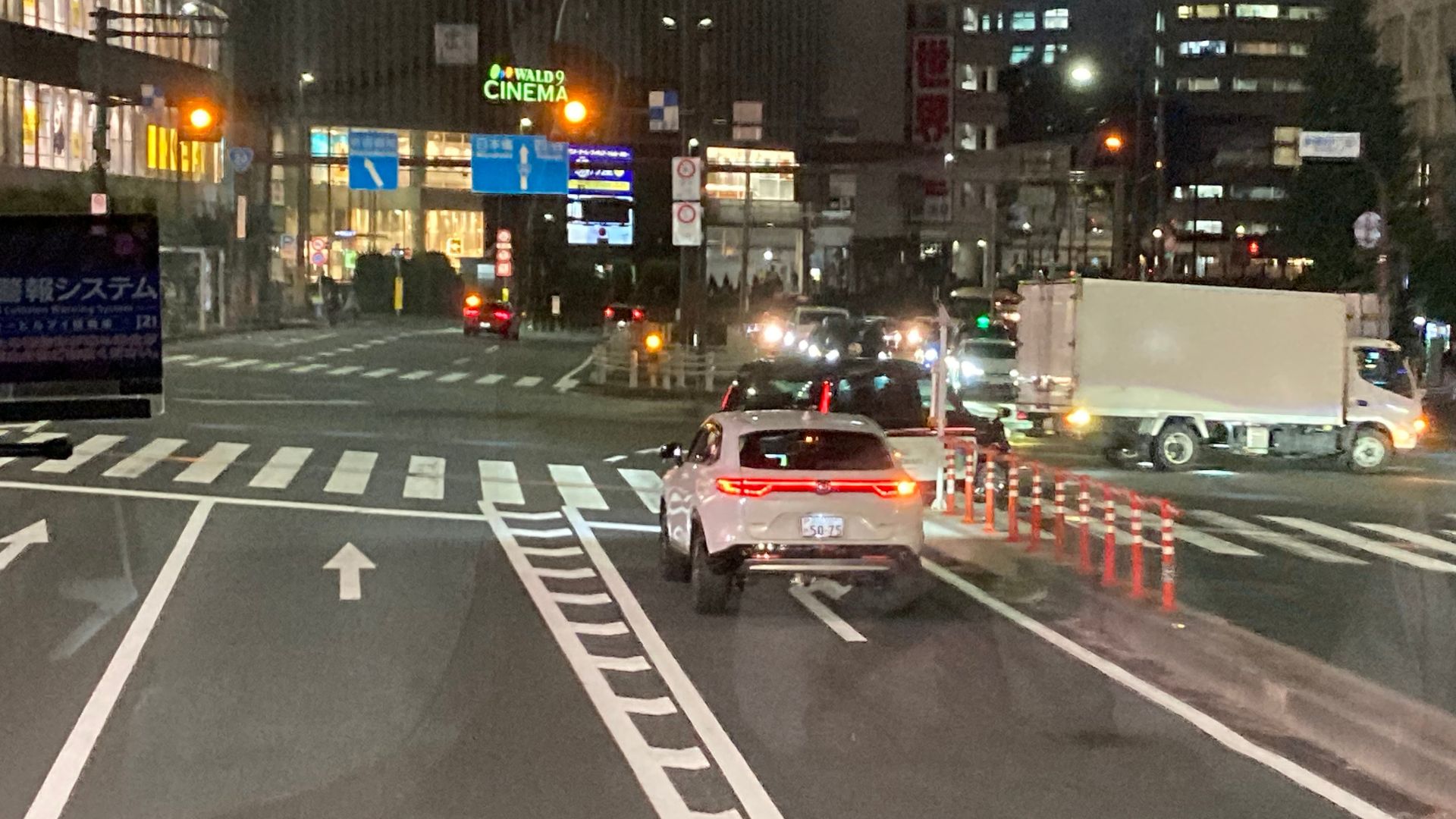
Other highlights? Zipper lanes are properly followed, everyone alternates at intersections, there are no passing-lane hoggers, and no one cuts lines in traffic. Speaking of traffic, Japanese drivers seem to (always) keep their distance to the car ahead of them...even during rush hour. We didn’t see any instances of questionable driving, riding, and cycling. It might sound like we’re generalizing here, but kamotes are virtually nonexistent over there. If you’re a stickler for rules when it comes to driving, Japan is the place to be.
You’ll barely hear a honk

So far, we’ve established that the Japanese are among the most disciplined road users out there, whether it’s vehicle or foot traffic. But another noteworthy thing we noticed is the distinct lack of horn usage. We’re not kidding when we tell you there will be days you won’t hear a honk, even in the metropolitan areas. We’re also not exaggerating that you can count the number of times you’ll hear it with your hands. It’s not even the angry kind of honk, either—more like a gentle pot-pot.
The pace is generally relaxed
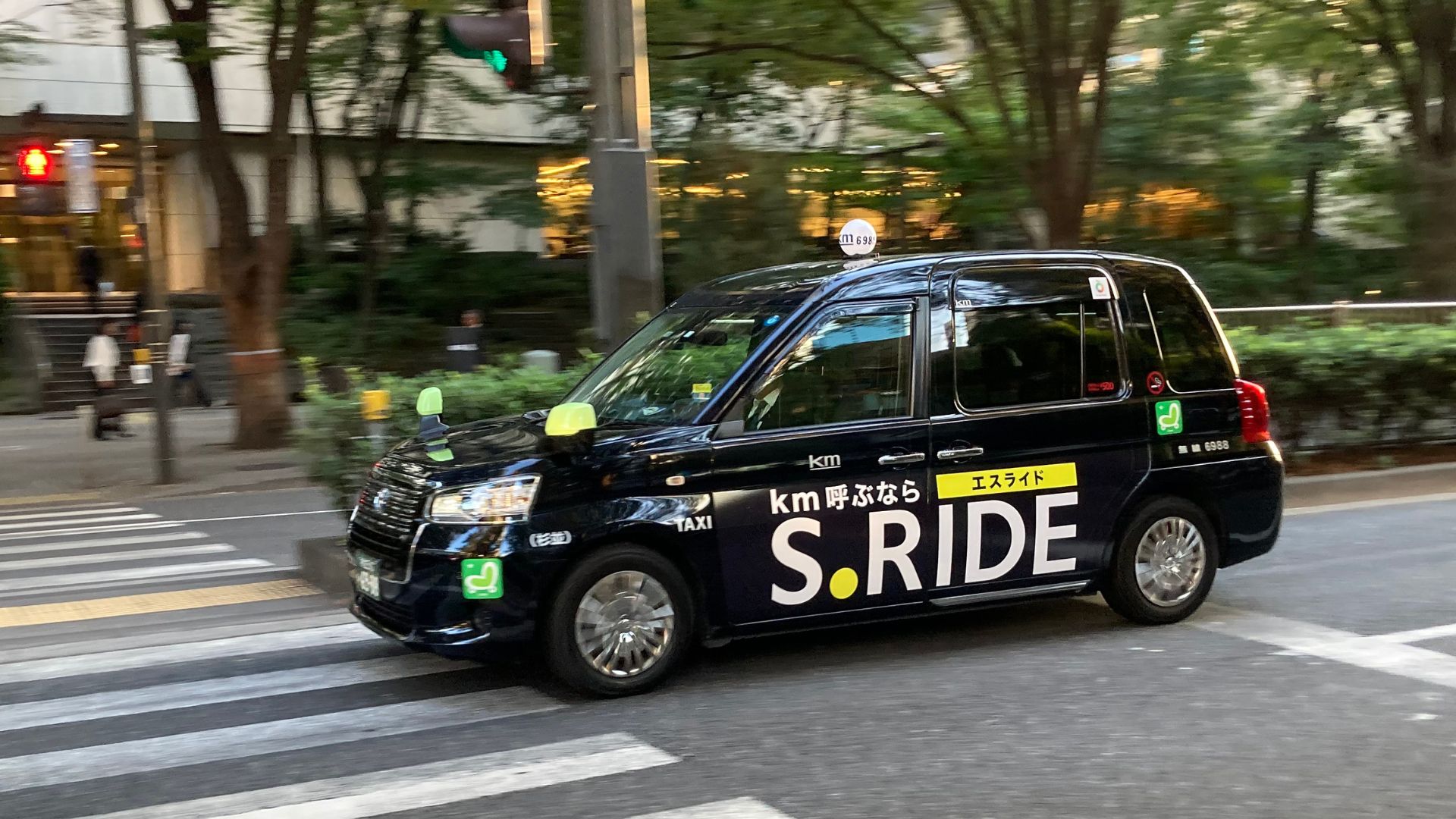
Because everything appears to be orderly, the flow of traffic is relatively smooth even during a jam. As mentioned earlier, you won’t see anyone being mere millimeters away from someone’s bumper or a motorcyclist ducking in and out of stationary traffic to make progress. From what we saw, the Japanese get off the traffic lights as quickly and responsibly as possible and maintain a cruising speed from that point onwards. Even then, there’s practically no tailgating and you get the sense that almost nobody is in a rush on the road. Walking is a different matter, though.
Yes, kei cars are totally fine on the expressway
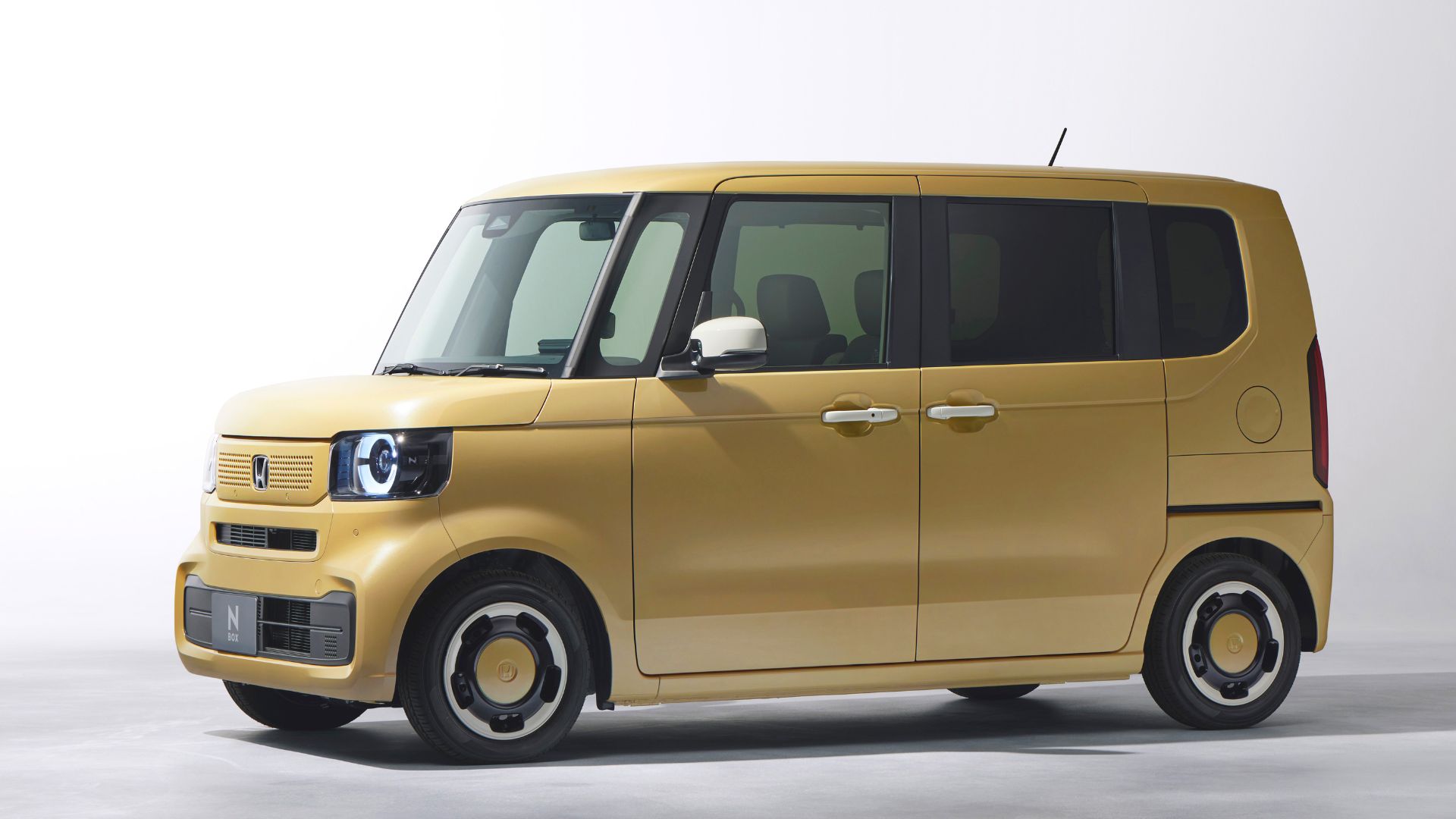
Japan is home of the kei car—vehicles that make something like a Honda Brio or a Toyota Wigo look massive. These tiny hatchbacks are powered by 660cc three-cylinder engines that, at first glance, isn’t a ideal for long-distance travel. But you’ll be surprised to know that these cars are perfectly fine along expressways. We saw several traversing highways and byways, so we’re pretty sure they’re up to the task. It also helps that most of these are turbocharged, too.
Crossovers are everywhere, but sedans are still around
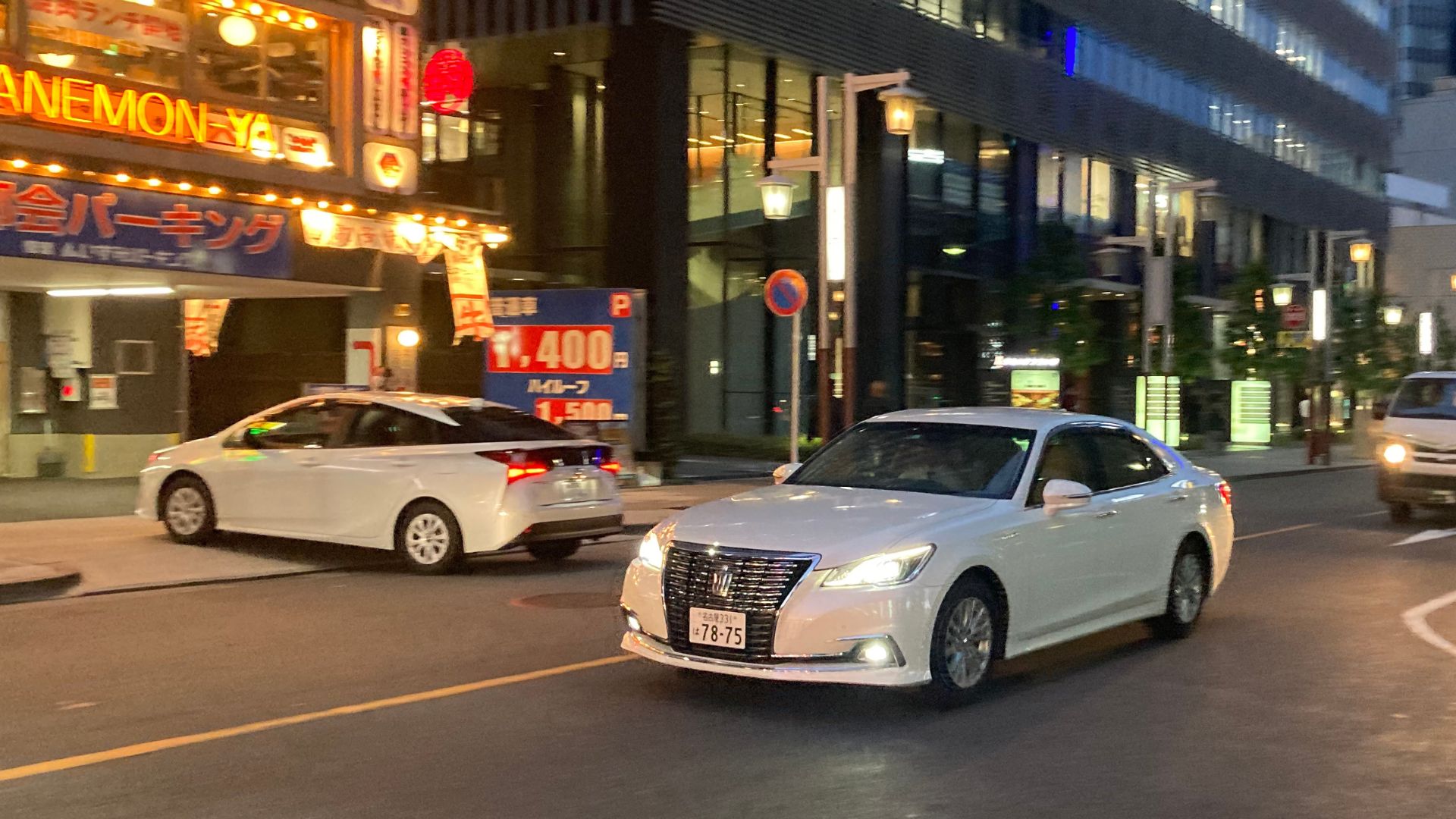
Crossovers are practically the norm these days. Japan is no exception to this, either. Even tiny kei cars are getting SUV-like cues to boost their appeal. Some of the more common crossovers we saw over there are the Toyota Yaris Cross, the Honda HR-V, and the Mazda CX-5.
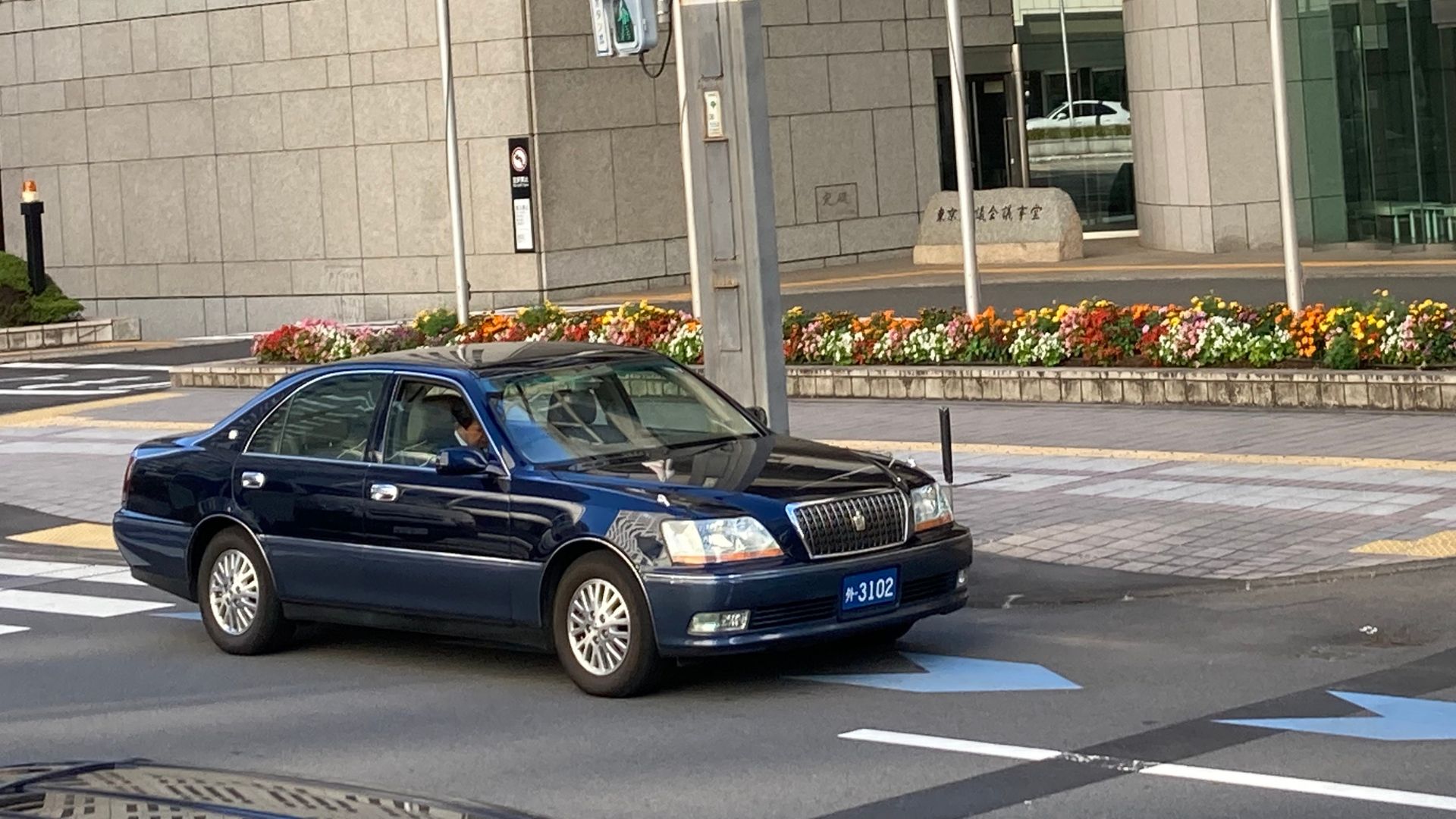
However, the Japanese still have an appreciation for the traditional sedan. The Toyota Crown is still the king over there, but sightings of Toyota Camrys, Honda Accords, and Nissan Altimas aren’t a super rare occurrence. We even saw a couple of Honda City sedans over there, known in Japan as the Grace. They’re not huge sellers, but they’re still a fairly common sight.
They love their vans and MPVs
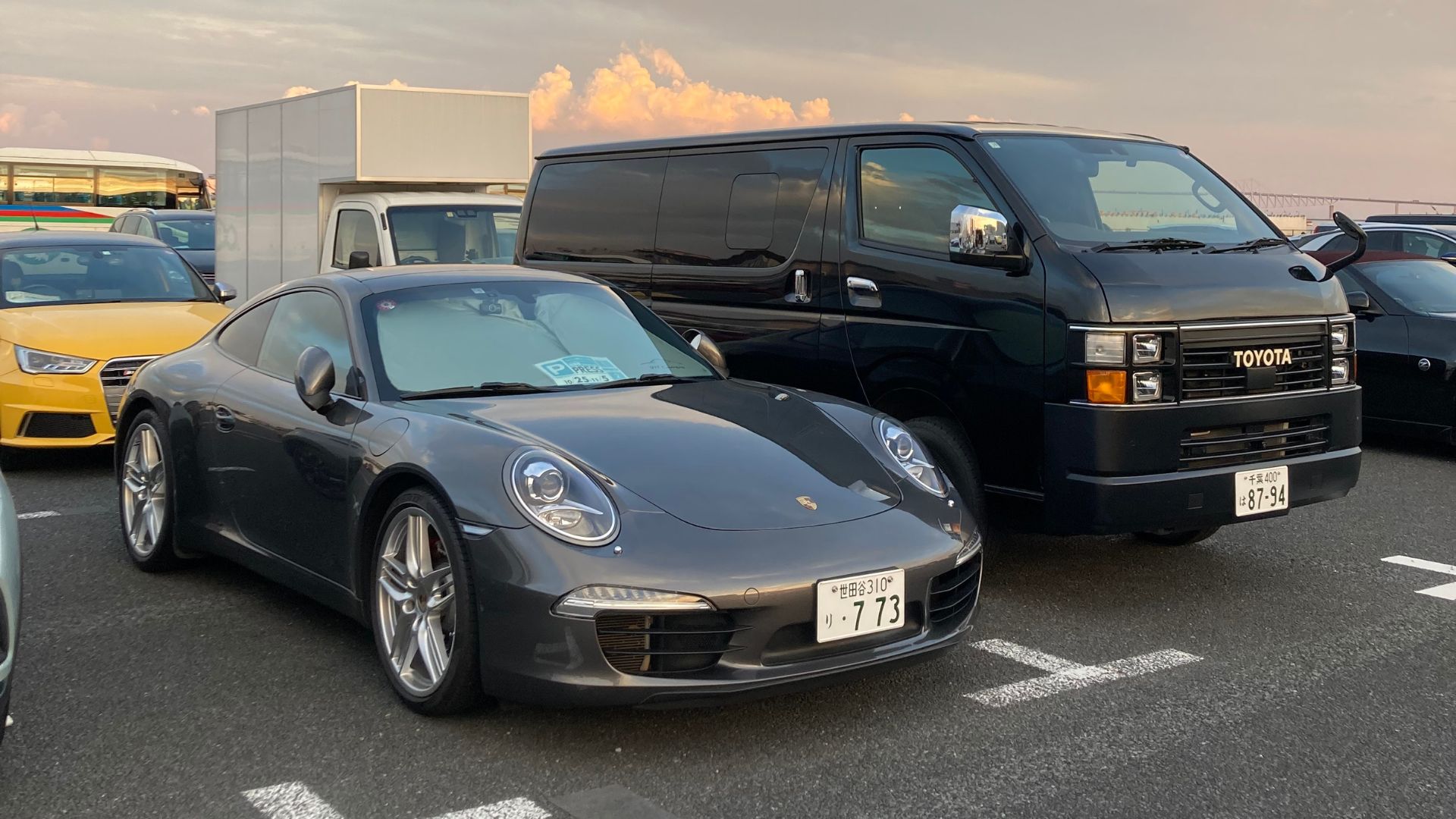
Hatchbacks are by far the most common body style we saw during our stay in Japan, and it’s not just because of kei cars. That’s perfectly understandable since space is at a premium over there, even outside the city. We saw Civic hatches, Corolla hatches, Mazda 3 Sportbacks, you name it. Toyota Yarises were just about everywhere, and so, too, were Honda Fits and Nissan Notes.
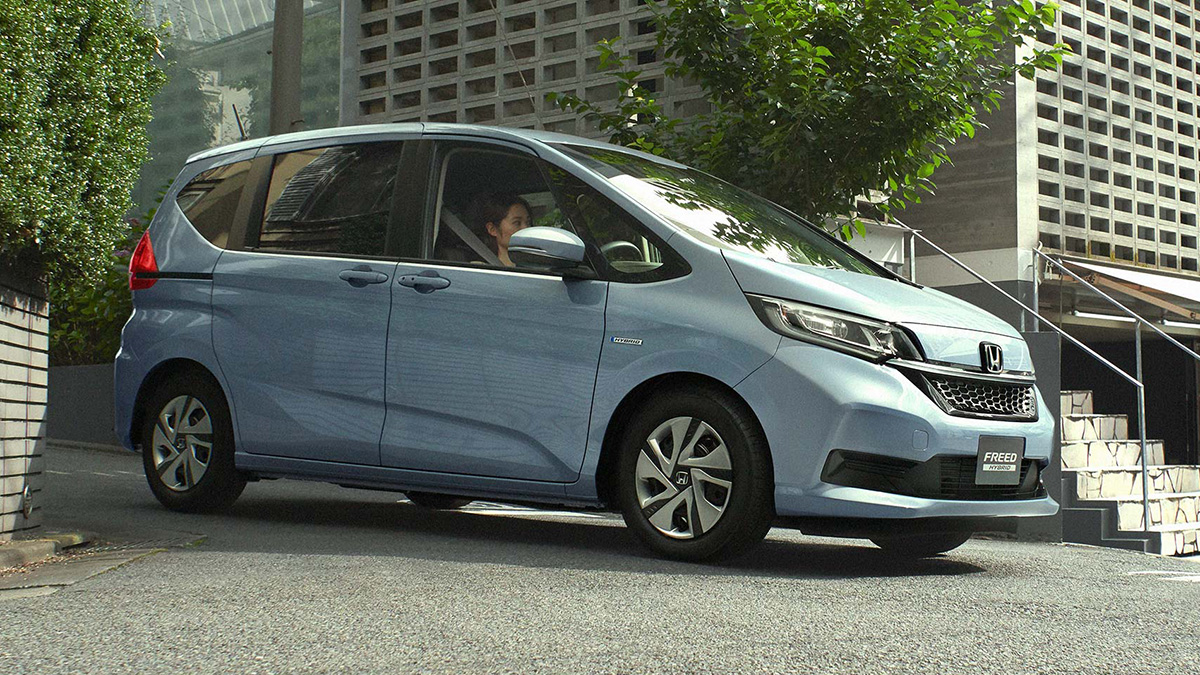
But we also saw that vans and MPVs of various shapes and sizes lined up the streets as well. There are small vans like the Honda Freed and Toyota Sienta, larger models like the Nissan Serena and Honda Odyssey, and much bigger ones like the Toyota’s Alphard and Vellfire cousins. We swear that with the amount of Alphards we saw over there, it might as well be called Japan’s Innova.
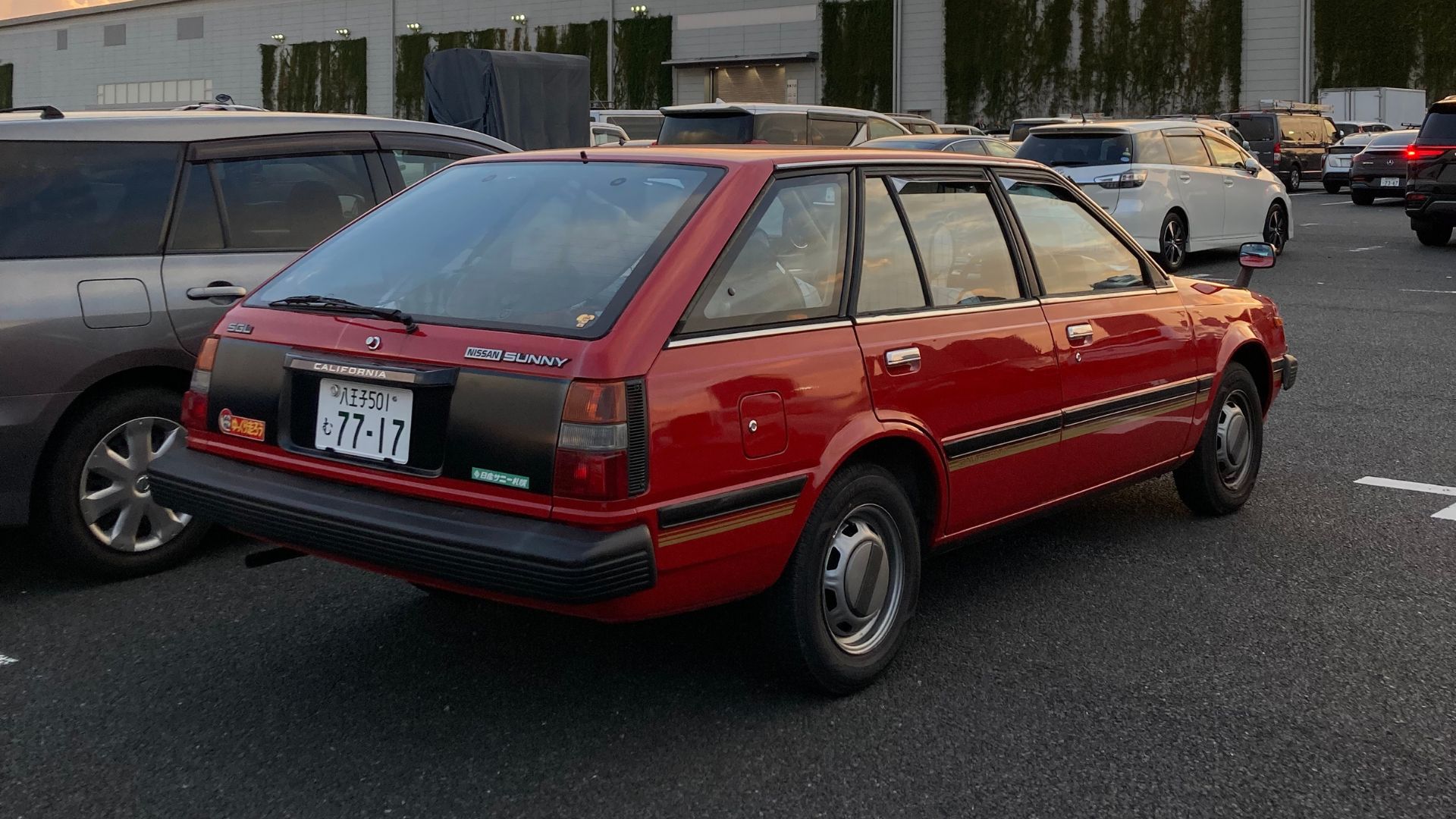
Side note: We love that Japan loves the station wagon, too.
Where are the pickups?
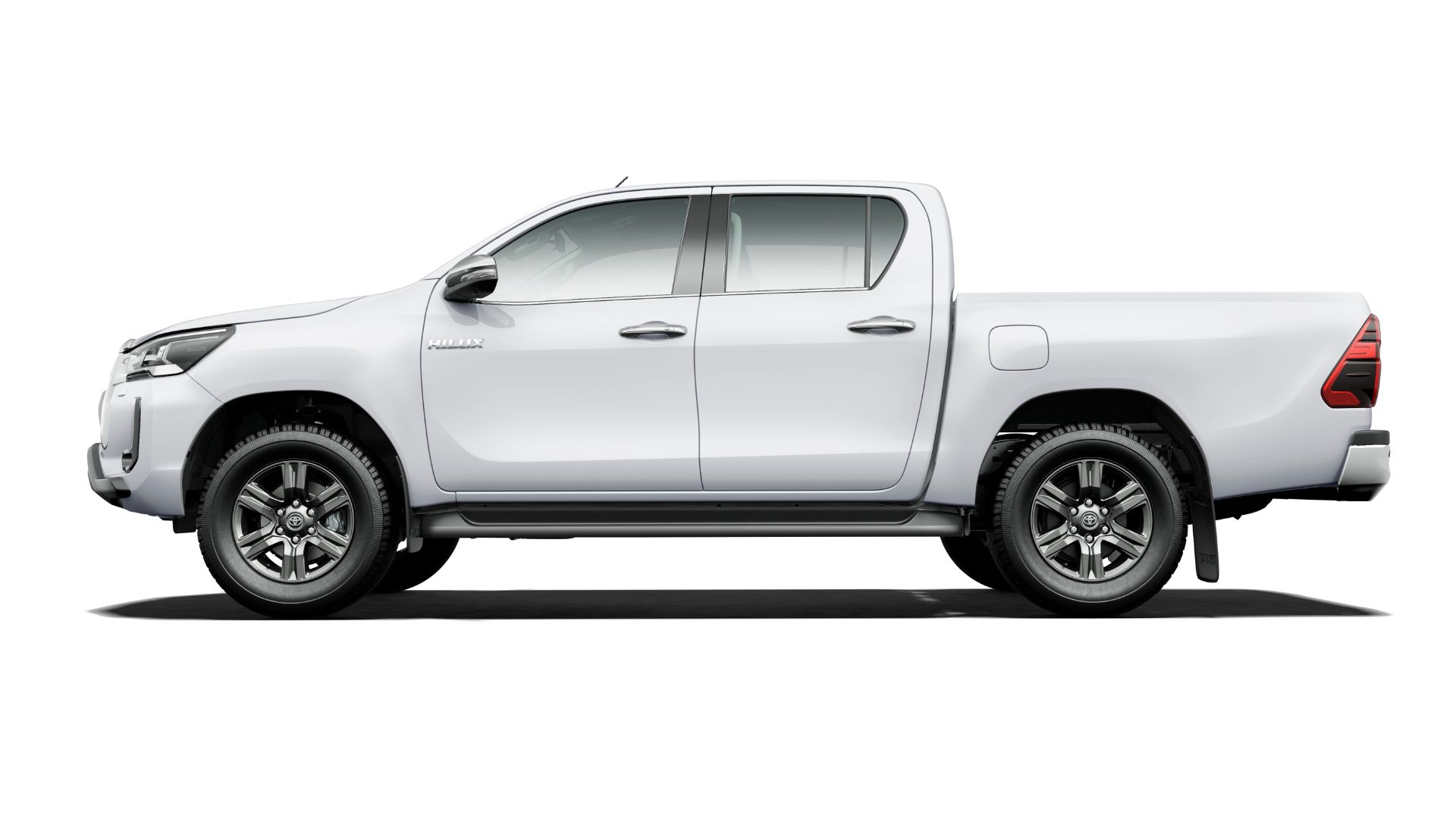
You might be surprised to know that pickups aren’t all too common in Japan. Sure, they’re everywhere in our country, but that’s totally not the case when we were Japan. In fact, the only Japanese pickup that’s officially for sale there is the Hilux, although the Triton will join it soon.
There are a few more of them outside of Tokyo, but it’s still not a common sight. It seems that most folks over there would rather use something like a kei truck or a small van to move things around. If they need something bigger, you’re more likely to see a larger van like a Hiace or an NV350, and if they want to carry stuff around with their family on board, it’s a large SUV like a Toyota Prado. We’re not kidding when we say there are far more Prados than Hiluxes in Japan.
Hybrids are the norm
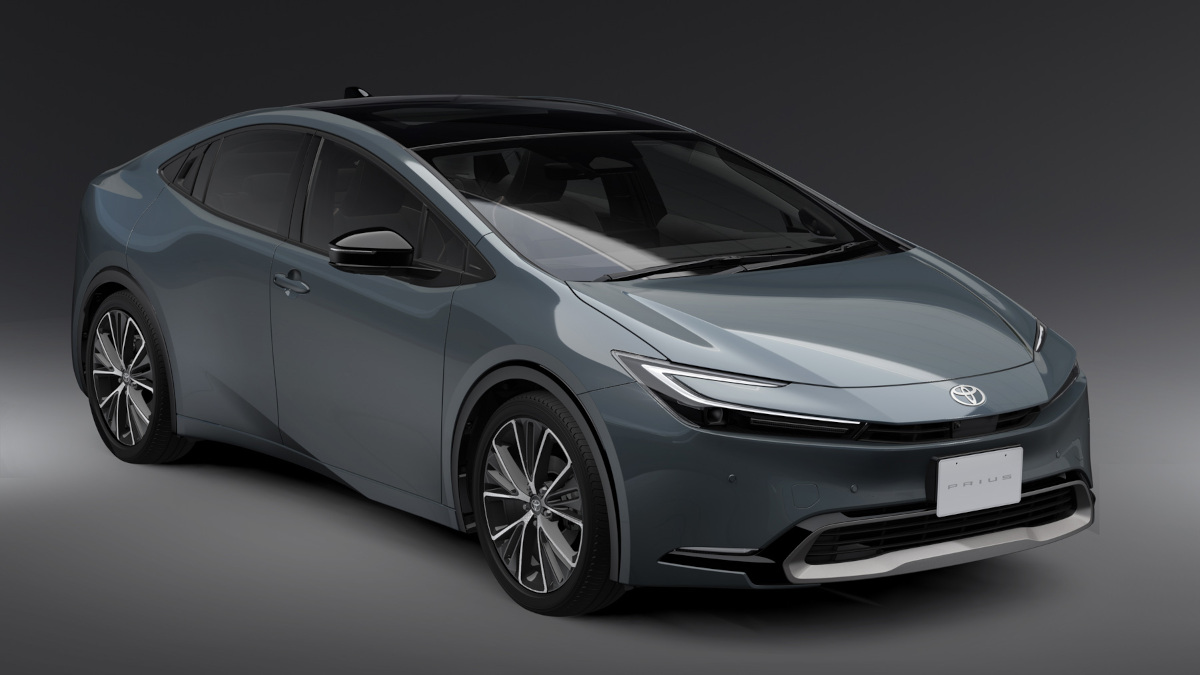
Pinoys are still generally skeptical about hybrid power, but it’s the norm in Japan. After all, the Japanese market has had hybrids for over 25 years. Safe to say that the country has embraced electrified power in just about every size segment. Small hatchbacks, sedans, and vans are mostly hybrid, some of which are about 15 years old already. Because of that, it’s also worth saying that the streets are relatively quiet as most run on battery power while in the city.
There aren’t a lot of old cars in Japan...
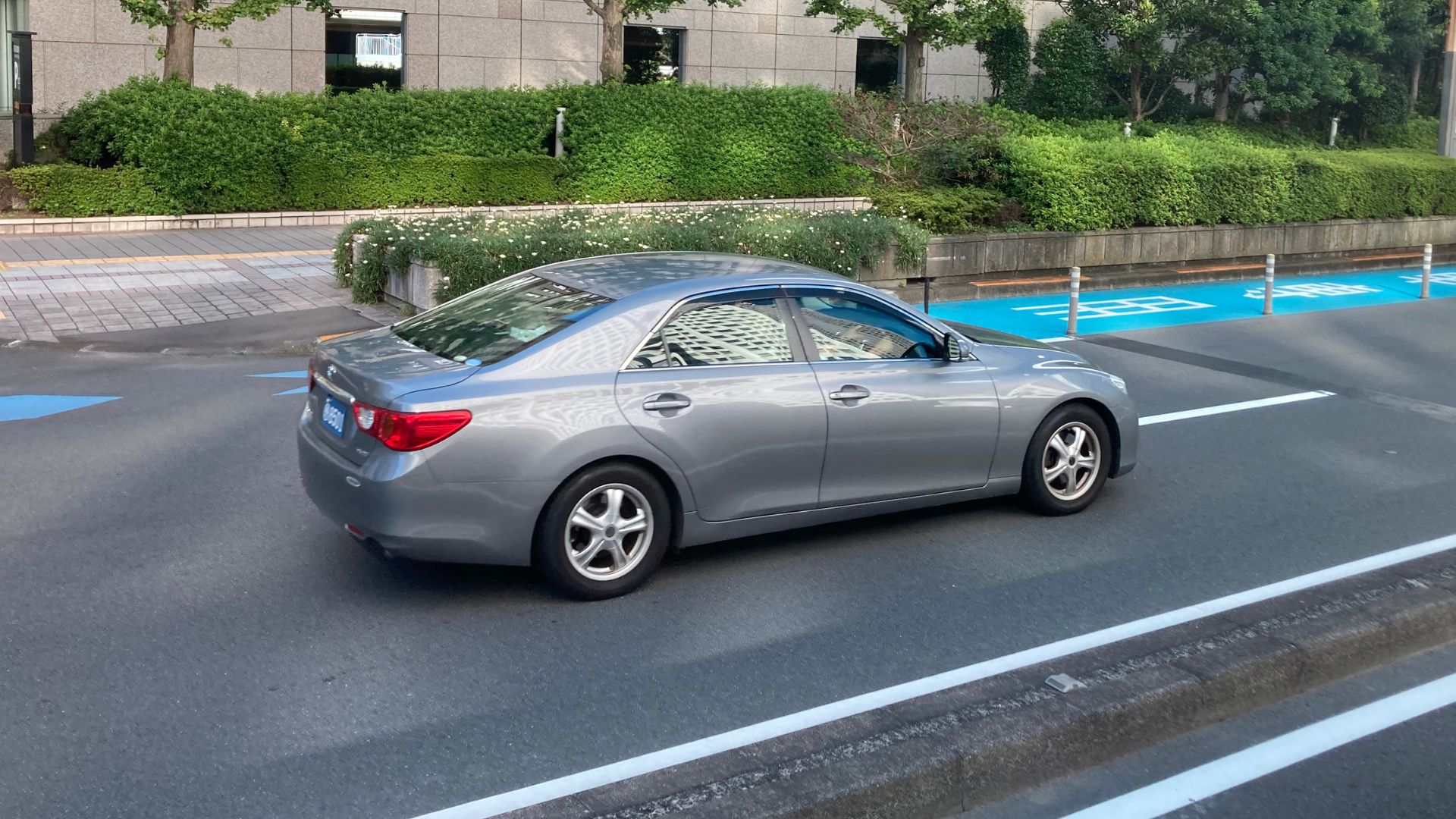
In Japan, cars have to go through inspection every two years for roadworthiness. Known as the JCI (Japanese Compulsory Insurance) inspection or shaken, it’s one of the strictest and most comprehensive in the world. It’s expensive, too, with basic costs starting at around ¥40,000. On top of that, you have to pay several more fixed expenses if the car is less than 13 years old.

The estimated total costs of that? It depends on how heavy the vehicle is. For a kei car, you’re looking at around ¥19,000. For something that weighs less than a ton (1,000kg), it’s approximately ¥29,000. For cars weighing over a ton, be prepared to dole out ¥37,000, while anything over 1.5 tons (1,500kg), that would be ¥45,200. We’ll give you time to convert those costs.
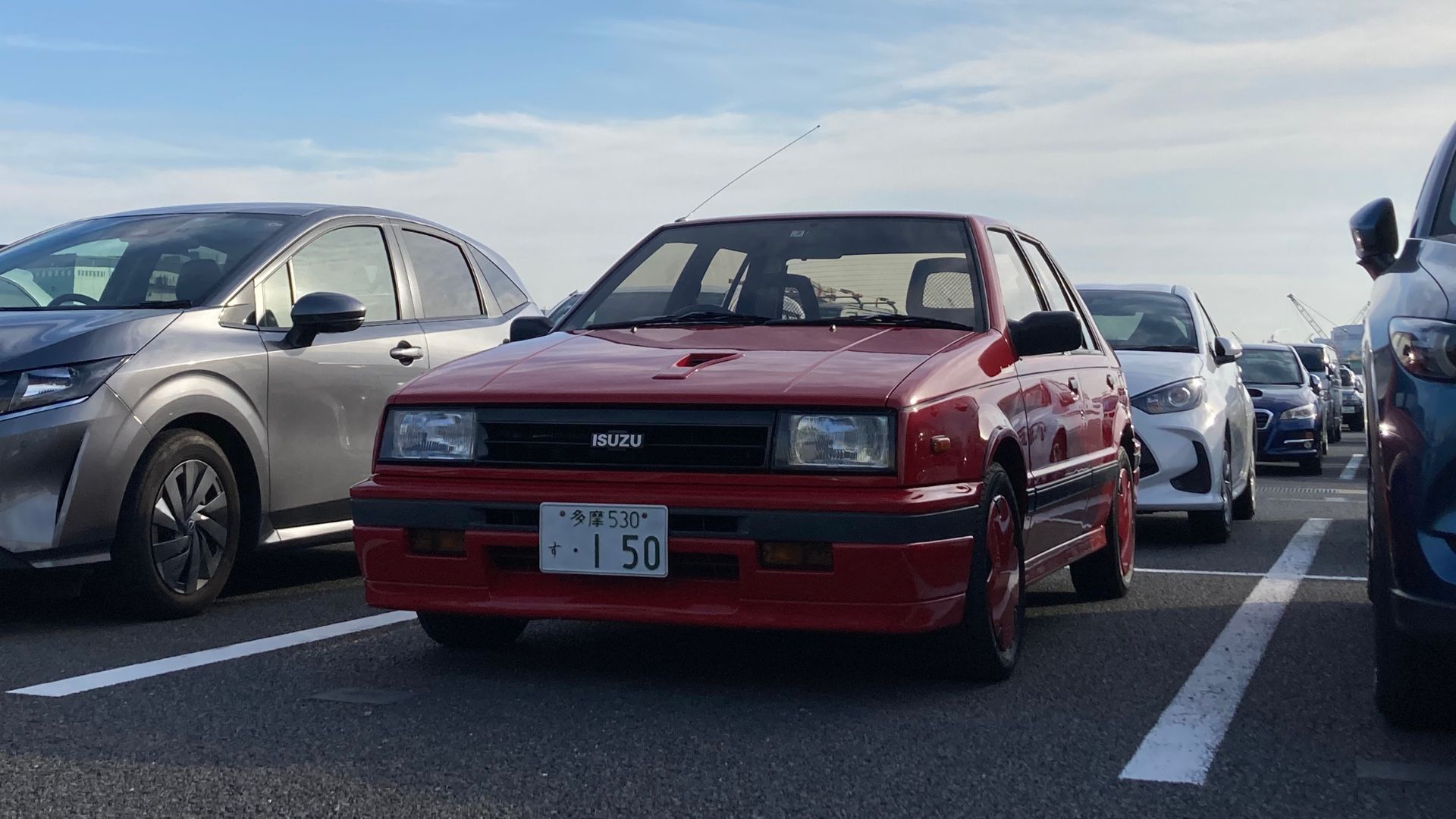
Because of that, most would rather just buy a brand-new car every so often instead of paying all those fees for an old car. Most of the cars we spotted were relatively new, with not much in the way of pre-2018 models. Of course, that doesn’t mean old cars do not exist in Japan. In fact, if you see one, you’ll be in for a treat.
...but when you see one, it’s in spectacular shape
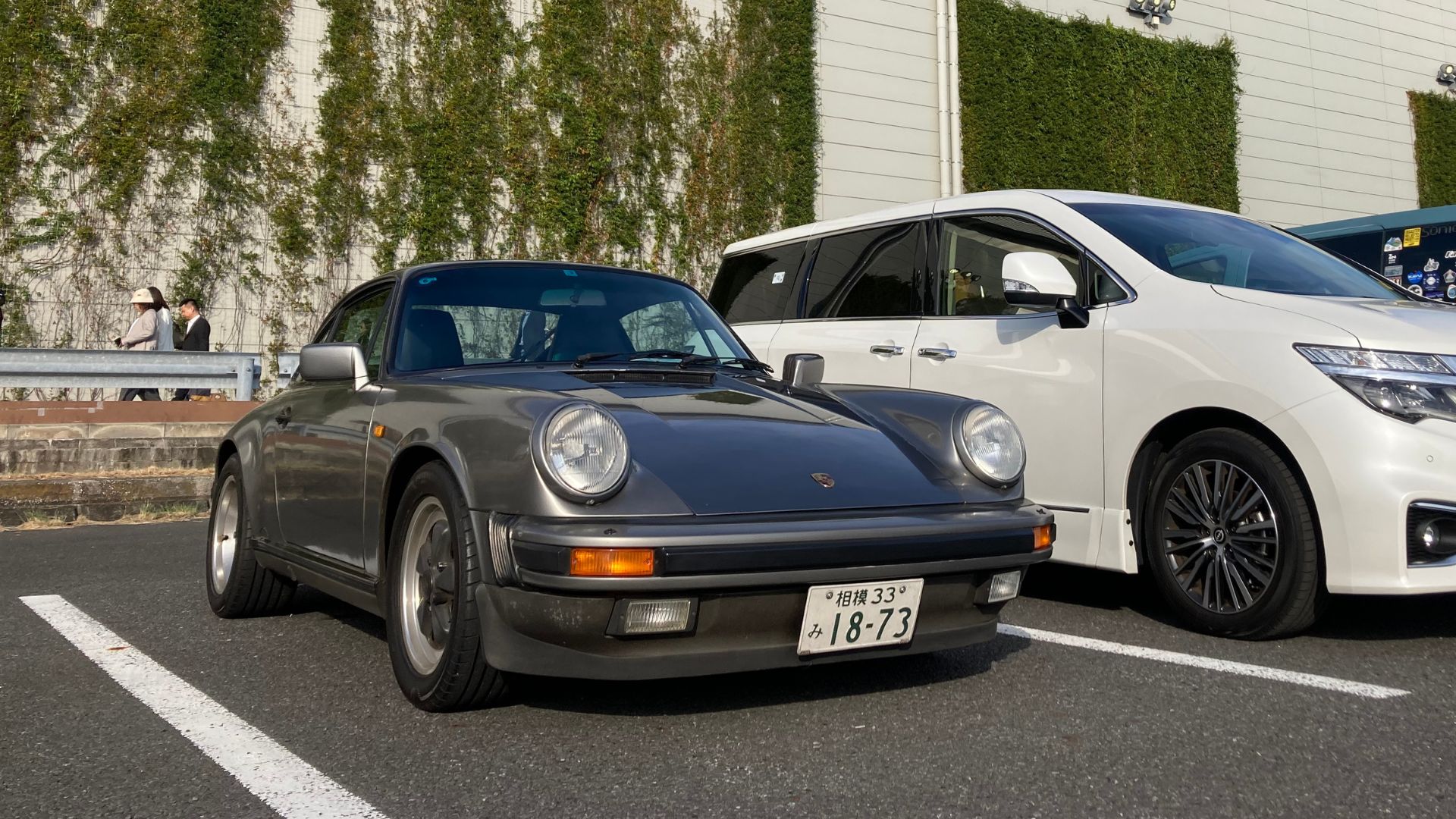
It could be said that those who keep their cars for a long time in Japan must really love what they got. That means they’re willing to pay for higher taxes and whatnot to keep their car on the road. It also means that it’s likely that those cars are very well taken care of by their owners. So if you see, say, a car from the 2000s or older, oftentimes it’s in great shape.
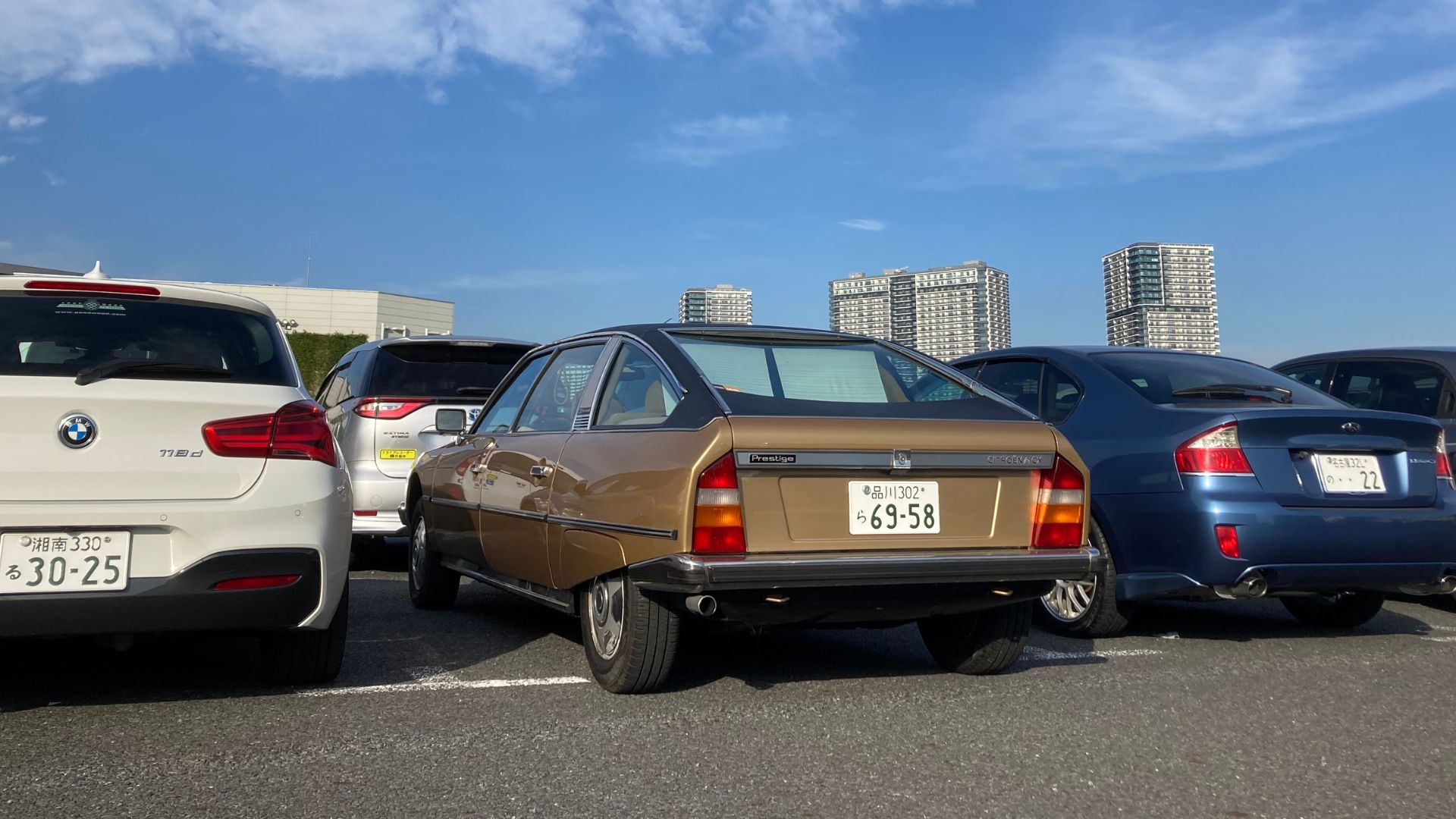
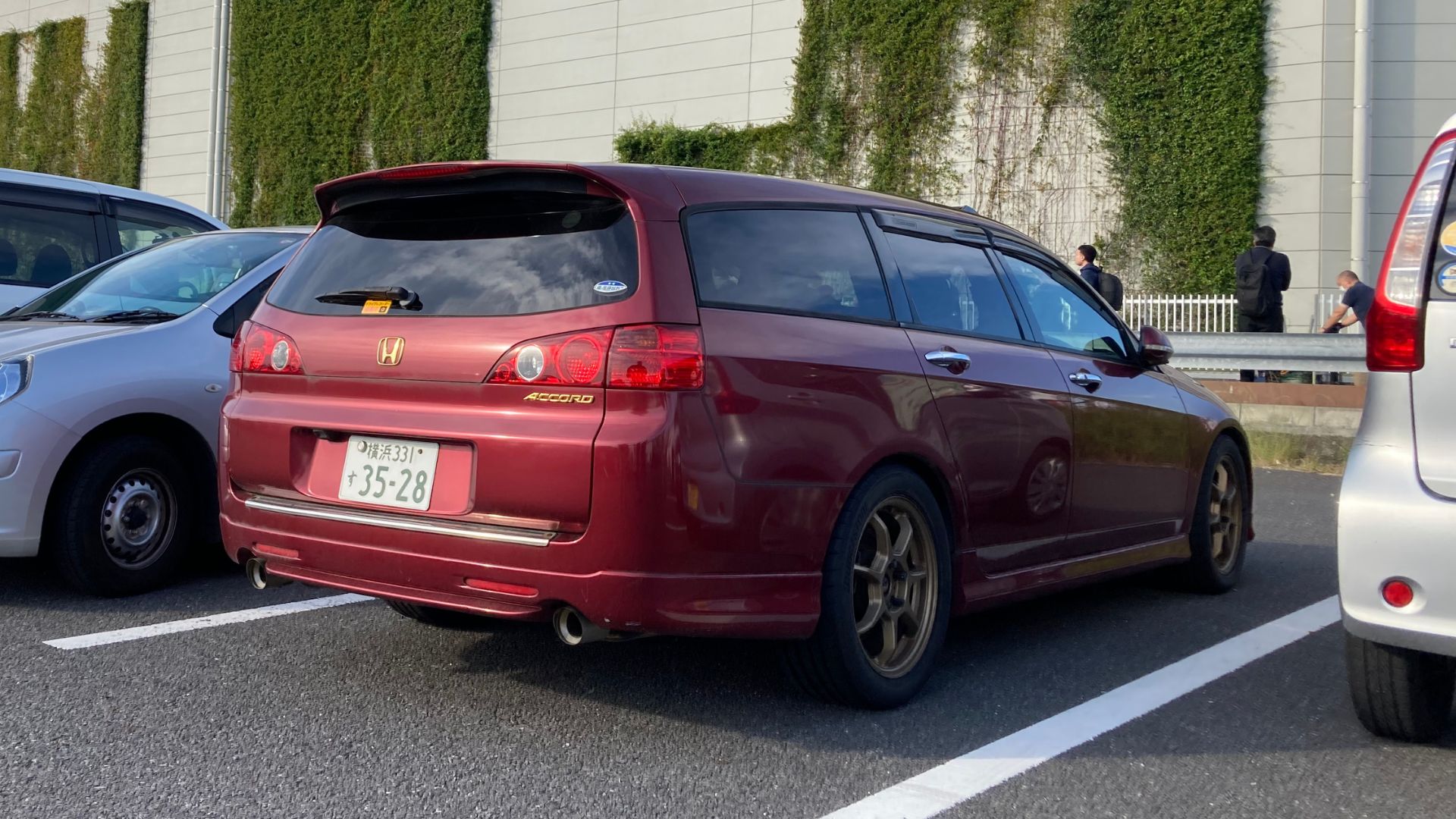
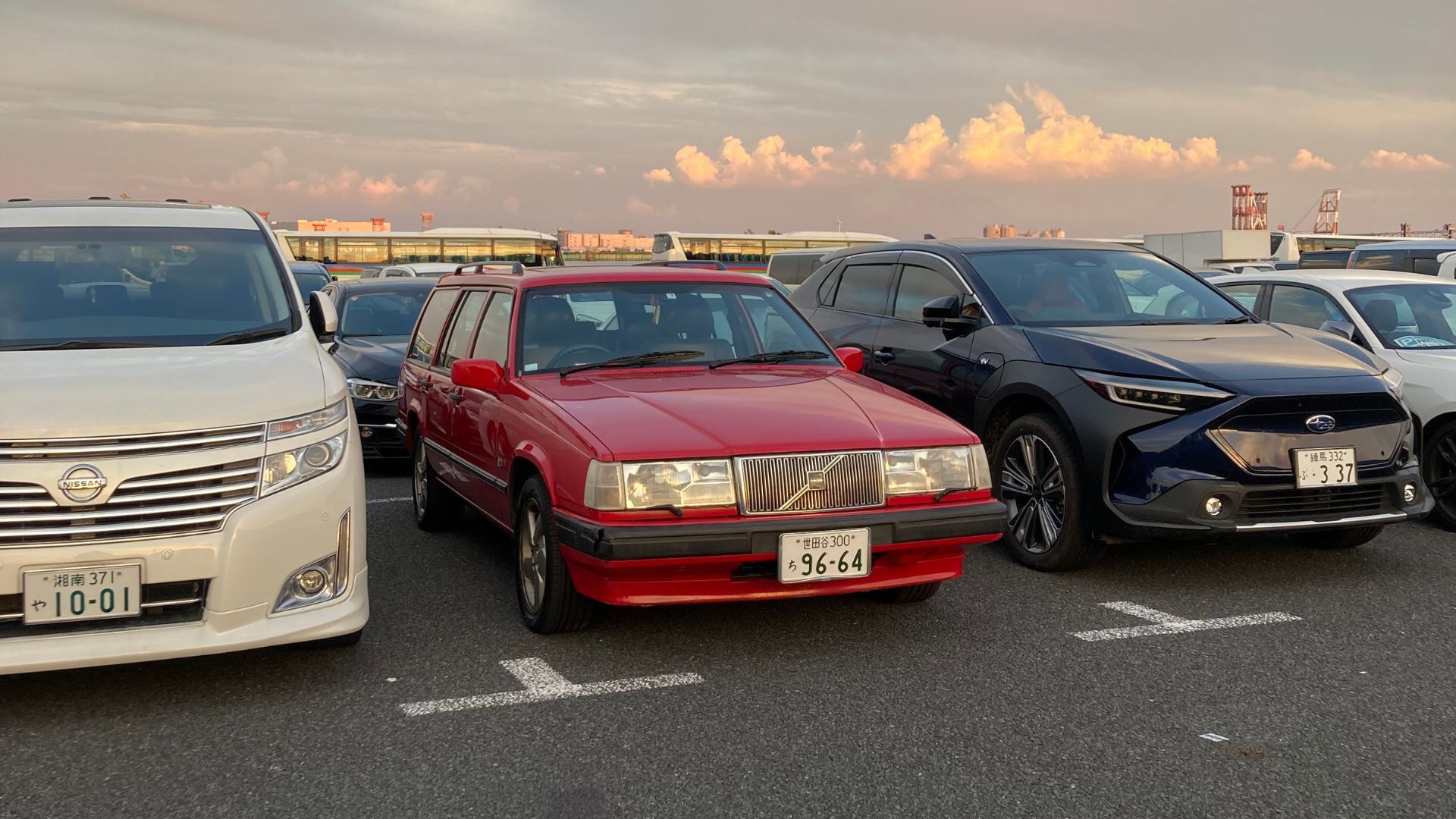
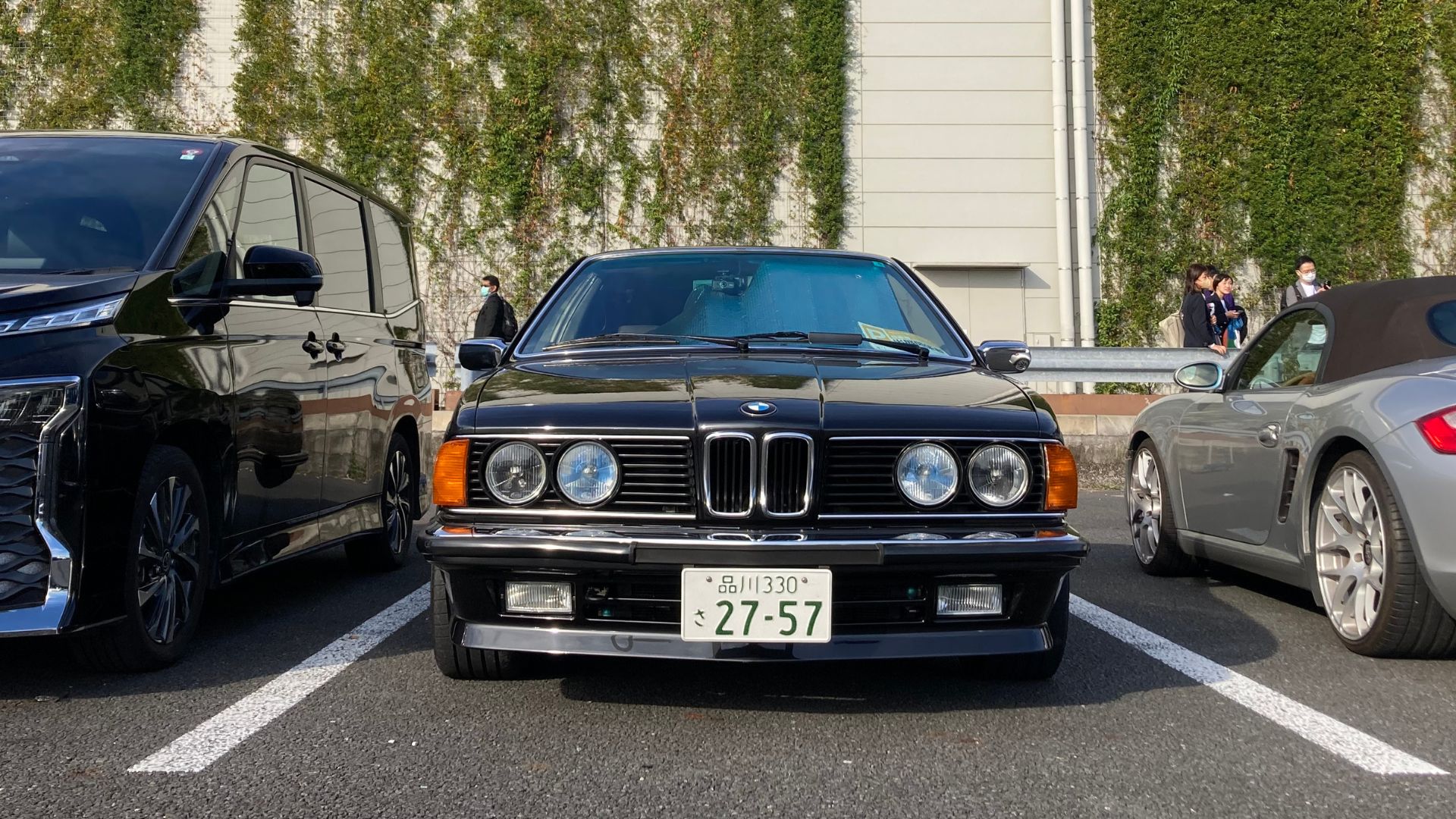
Almost all old cars we saw there looked like it had left the showroom just hours before. Heck, something as humble as a 2005 Prius looked fresh save for a few dings here and there. A Crown wagon from the ’90s we saw there looked like it had been cared for all its life, and so did an Accord wagon from the ’00s. A Citroen CX that we saw in a carpark was a sight to behold, too.
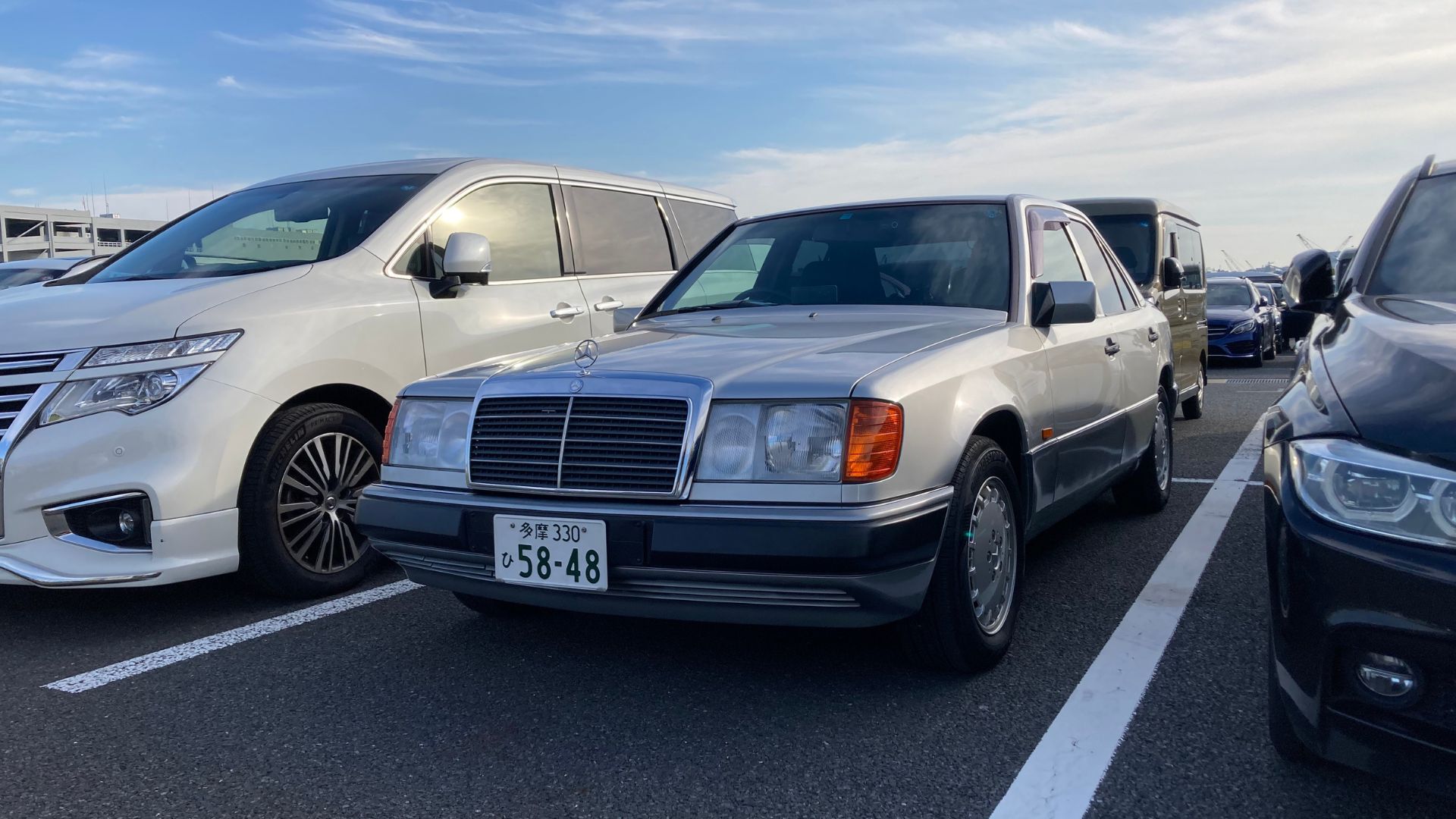
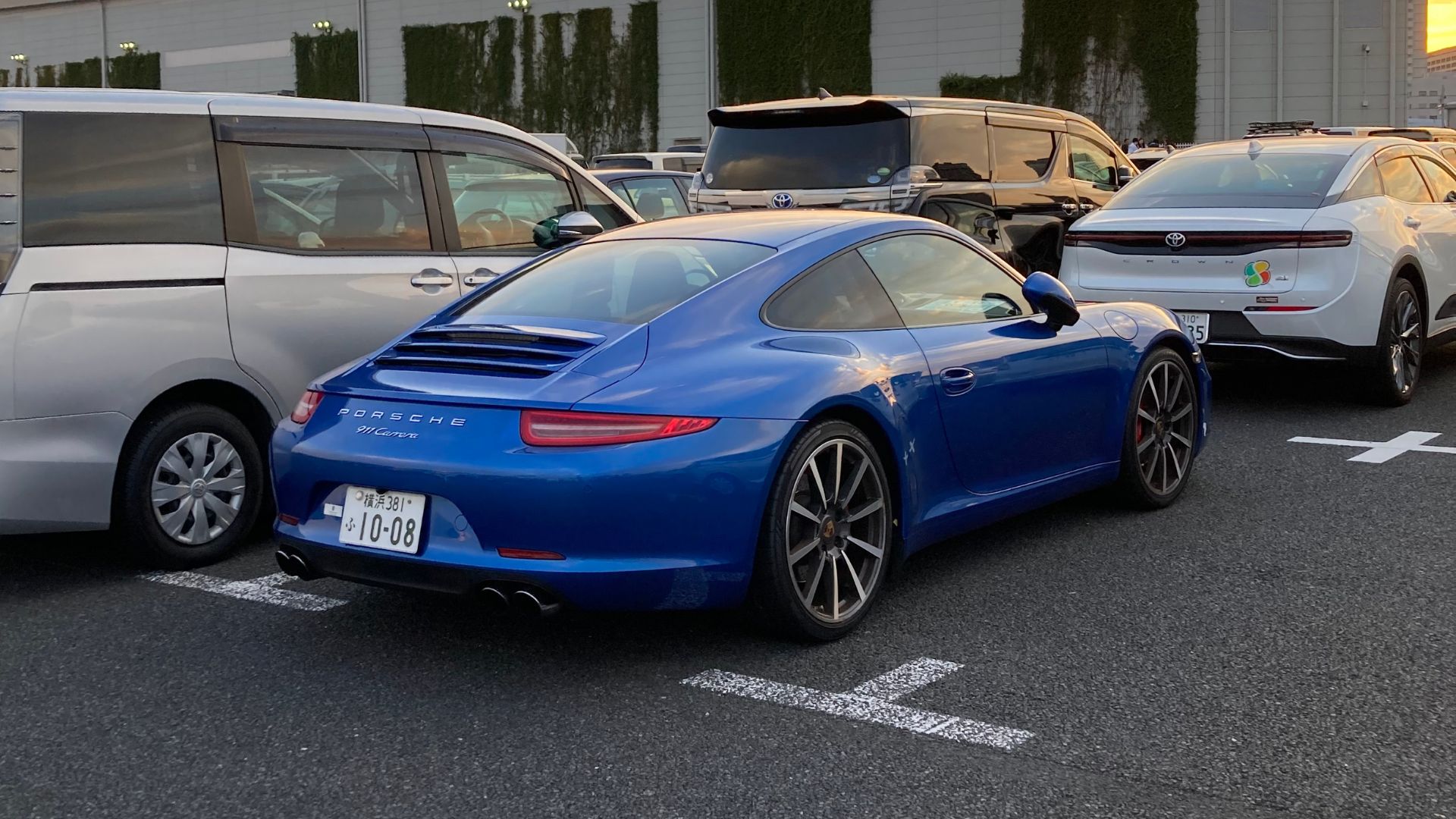
If anything, the older the car, the more pristine it looked. We saw old BMWs, classic Mercedes-Benzes, and a vintage Porsche 911, all in spectacular condition. The best part is, these are driven on the road and not kept away in a garage. And because of the stringent shaken inspection, you know that these are reliable too.
With all the observations we noted during our stay, we sure hope that we can adapt some tidbits from Japan in our country. That said, it won’t be an easy task. To get even close to that, we’ll need both the government and the public to get on board if everyone wants to improve motoring standards here.
Impossible? Maybe. But we still have a sliver of optimism in us.
PS: The motoring press in Japan have pretty sweet rides.