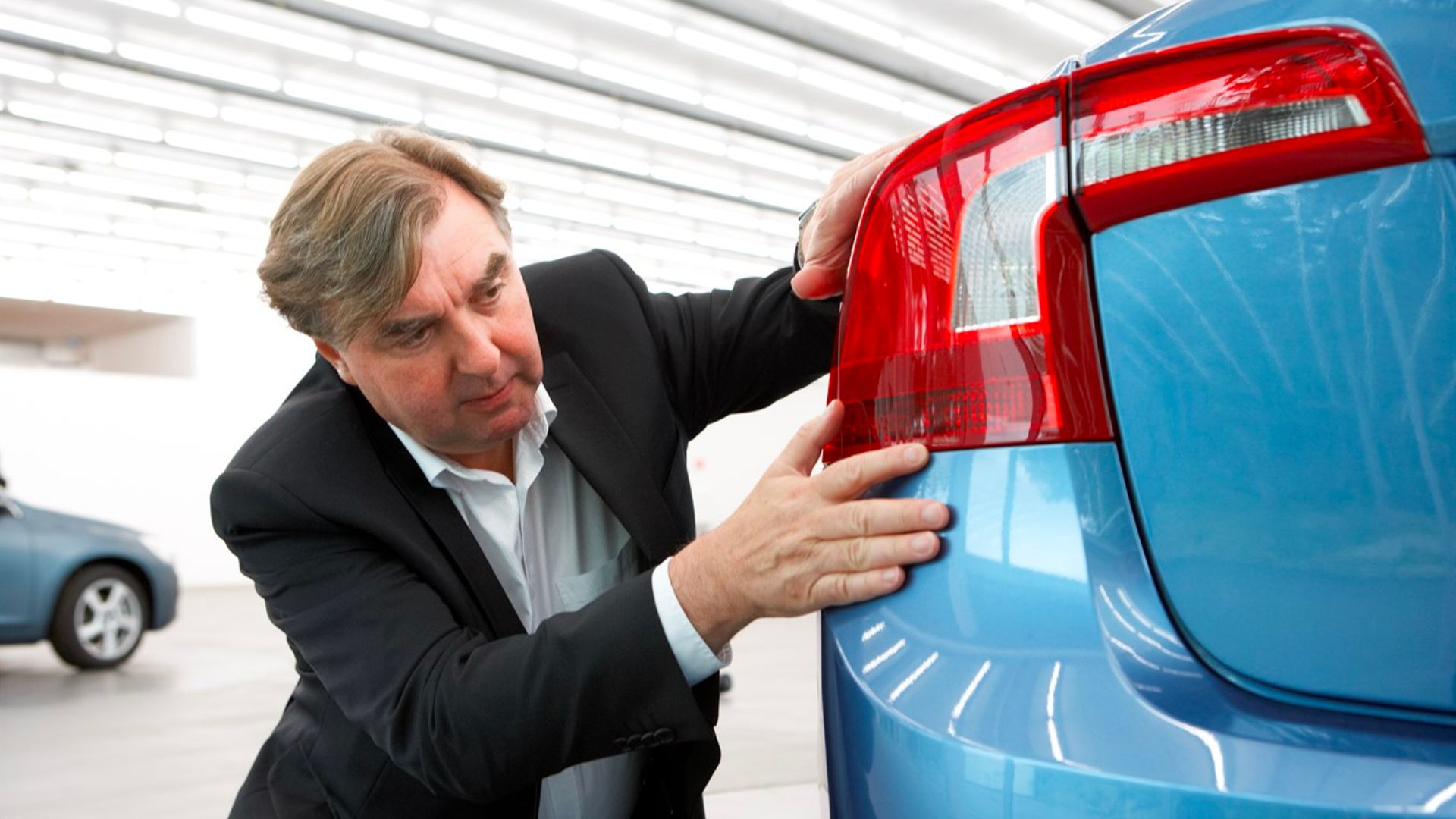

The world of automotive design lost a legend over the weekend. Peter Horbury, the former design chief of Volvo and Executive Vice President for Design of Geely Auto passed away on June 30, 2023. He was 73 years old.
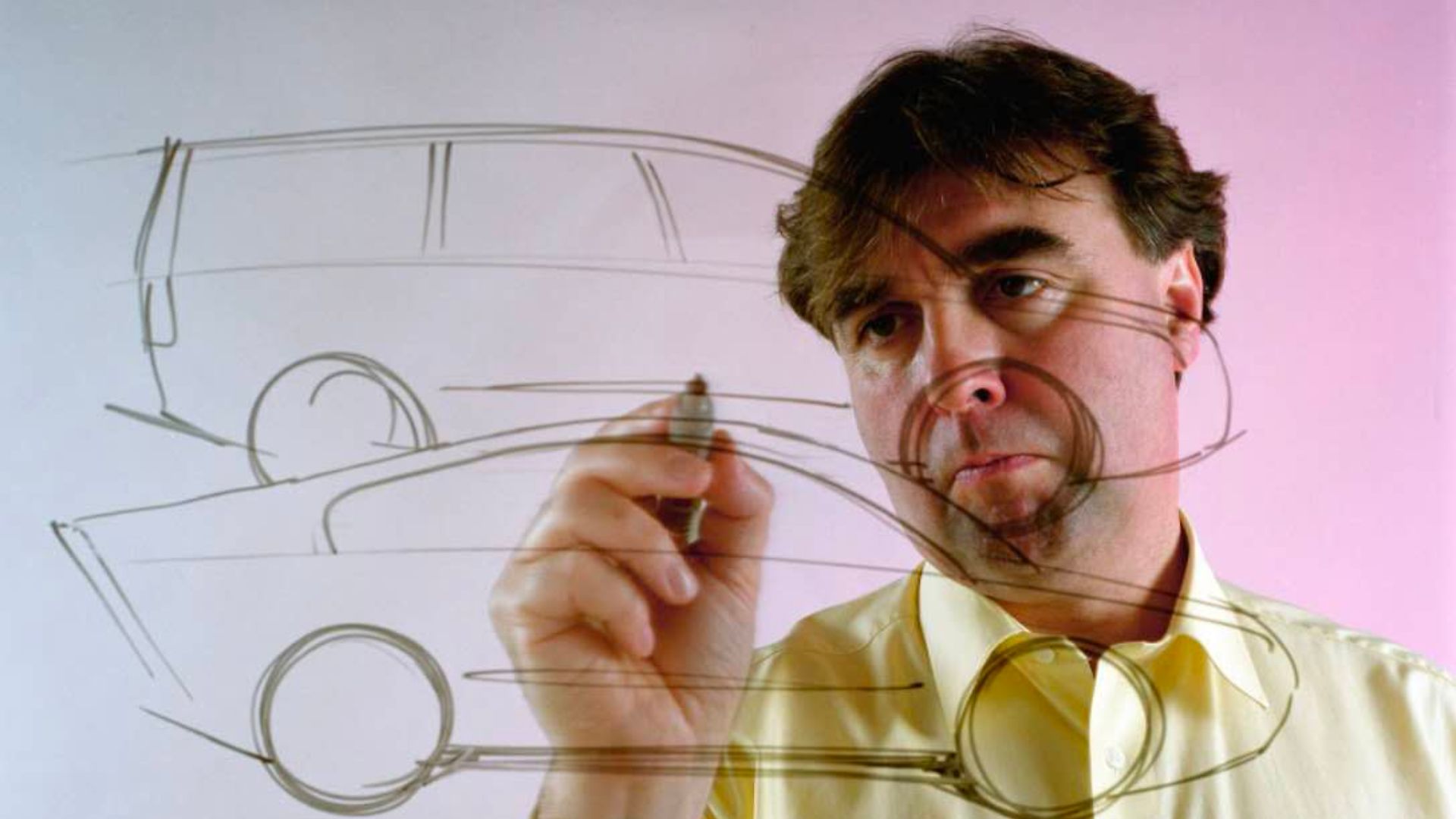
Born on January 27, 1950, Horbury is best known for leading the design revolution at Volvo that went into full swing from 1998 to the mid-’00s. Horbury first joined Volvo in 1979, and one of his first major projects was the interior of the 480 that was launched in 1986. But it was in 1991 when Horbury’s design influence kicked off a revolution at the Swedish company.
OTHER STORIES YOU MIGHT HAVE MISSED:
PH fuel price update: P0.70/L rollback for gas, diesel effective July 4
The LTO will not be accrediting new driving schools in the meantime
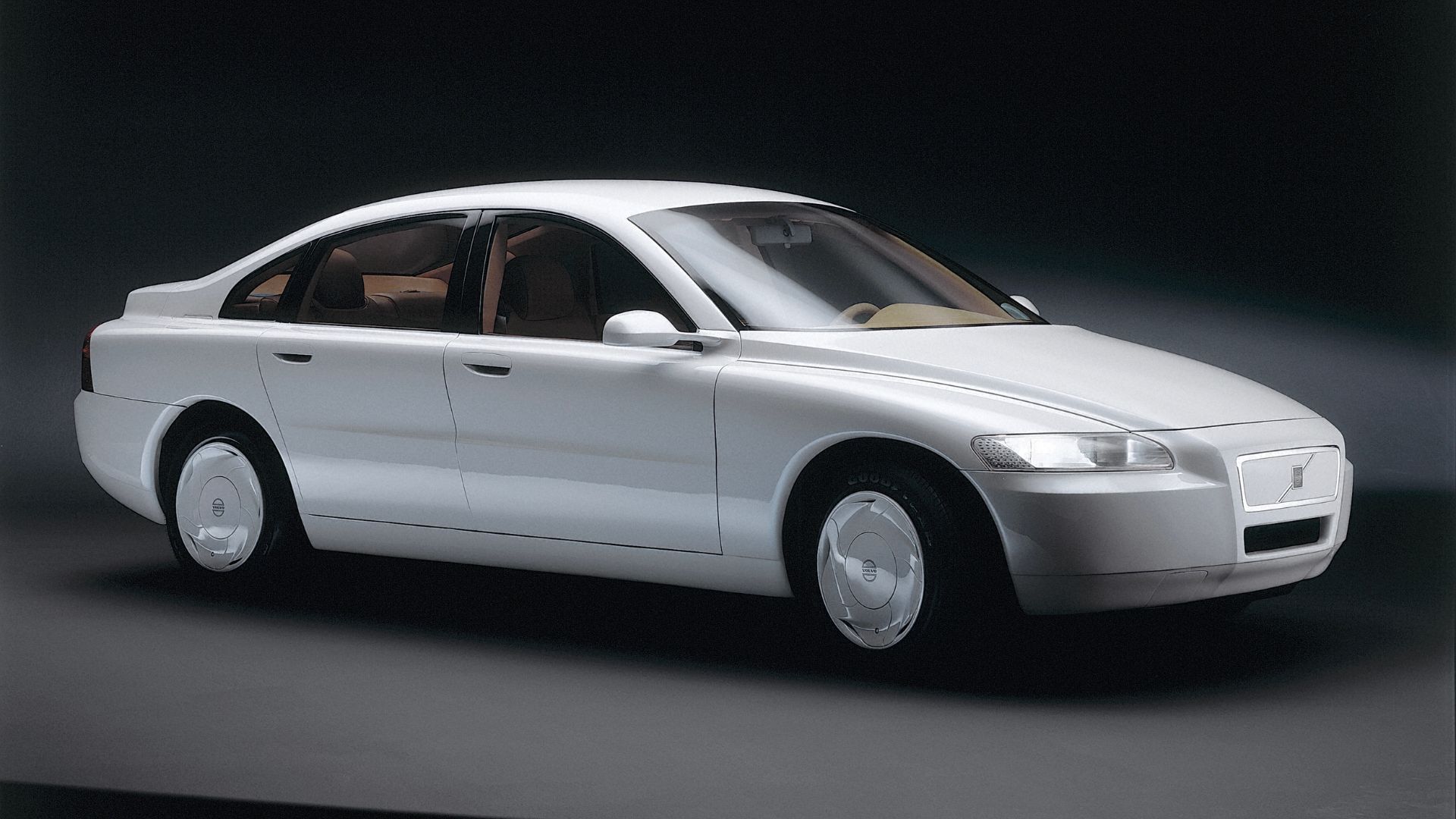
Volvo was keen to shed its ‘boxy’ image in the ‘90s, so Horbury and his team got to work on the ECC concept that was released in 1992. The ECC, also known as the Environmental Concept Car, would preview Volvo’s new styling direction for the new millennium. But before the ECC’s design cues would reach production, the British designer got to work on some of the brand’s most memorable cars from the ‘90s.
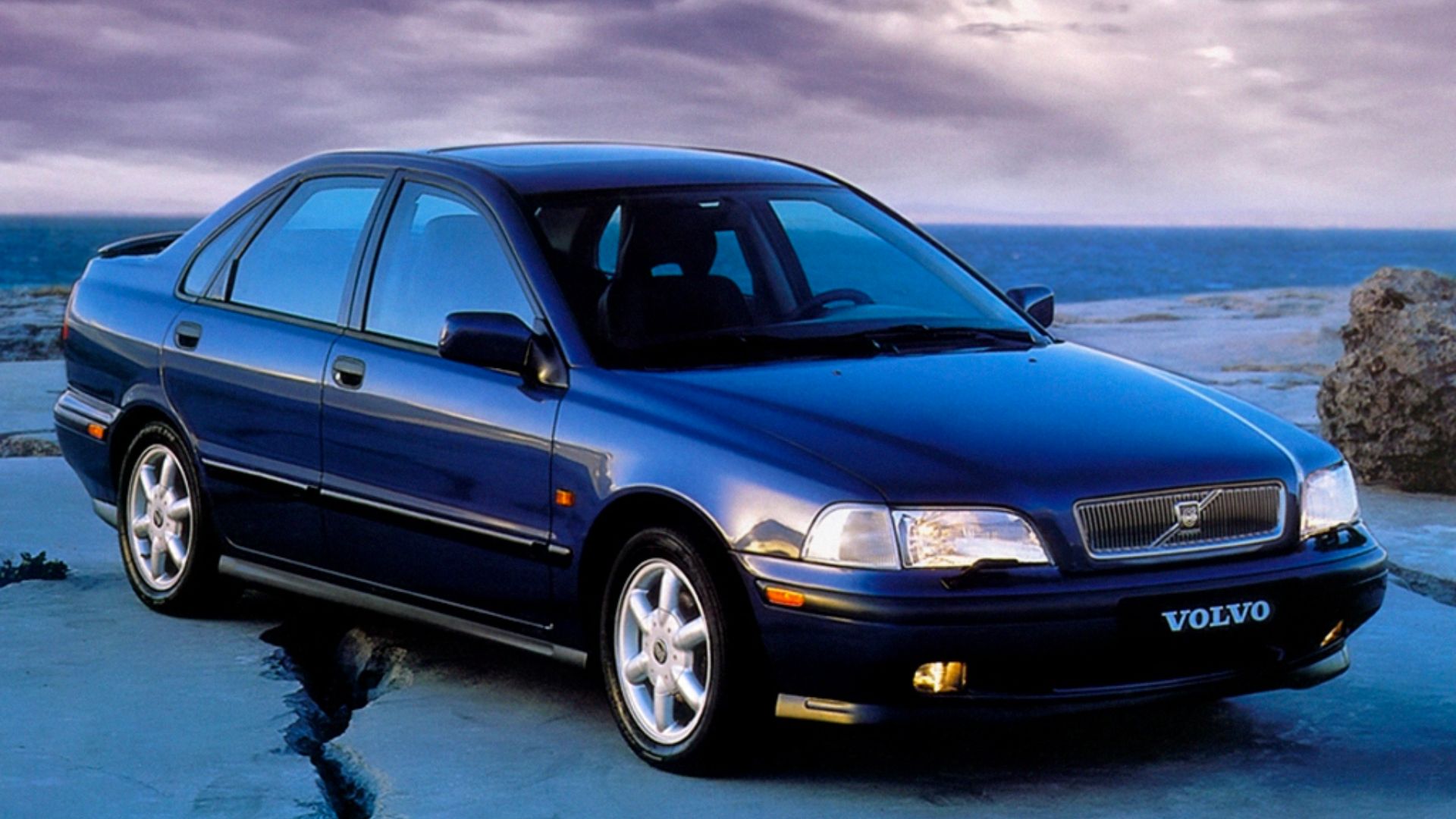
Horbury was responsible for giving a few curves on the 900 Series, later called the S90 and V90. The ‘rounder’ look was then applied to the first-generation S40 sedan and V40 wagon that debuted in late 1995. He was also tasked to give the 850 sedan and wagon a facelift, and the resulting models were the S70 and the first-generation V70. But Horbury’s piece de resistance of the ‘rounded box’ era was shapely C70 coupe from 1997.
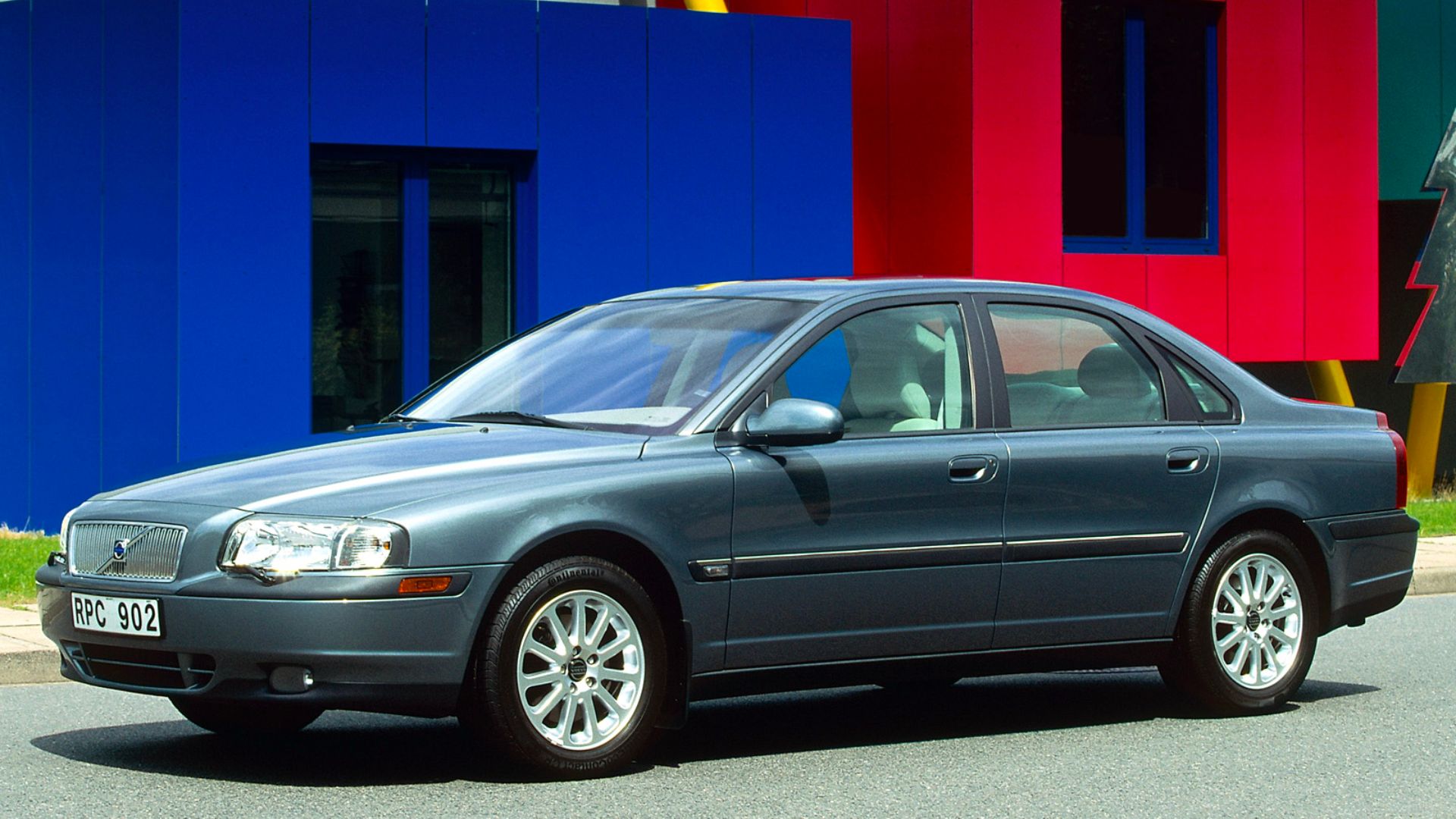
But in 1998, Horbury’s ECC concept car would come to life as a production model, six years after it was first shown. That model is the first-generation S80, and it could be said that the car’s exterior continues to influence Volvo’s cars to this day. It was sleek, coupe-like, and broad shouldered; nothing like the Volvos from the ‘70s to the mid-’90s. If anything, it was the first curvy Volvo since the Amazon and P1800.
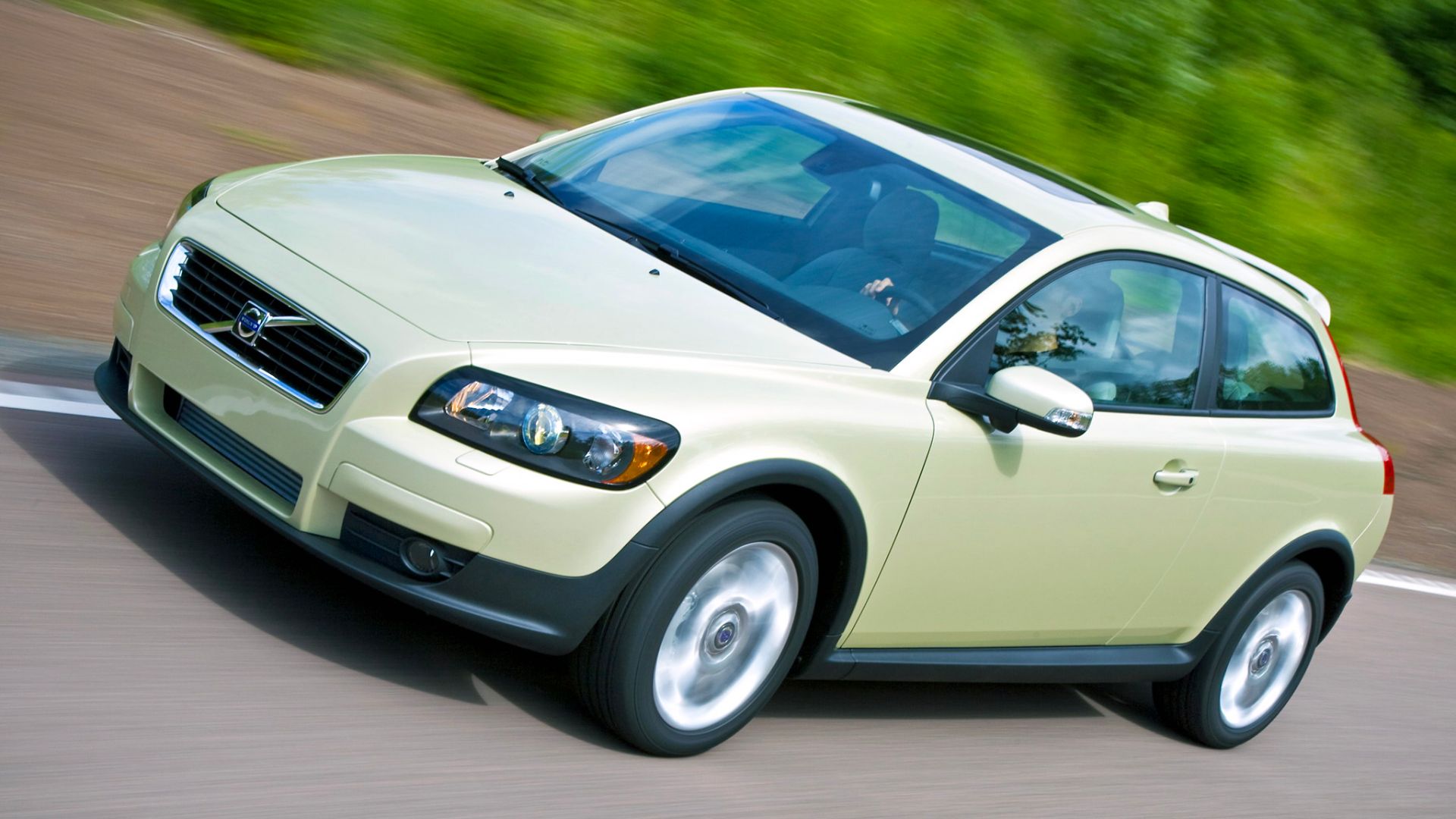
Horbury quickly followed that up in 2000 with the introduction of the S60 and second-generation V70. Another significant model penned under Horbury’s team was the XC90, and he and his team managed to capture the essence of Volvo in an SUV body. Other Volvo hits from Horbury include the second-generation S40 sedan, the V50 wagon, and C30 hatchback.
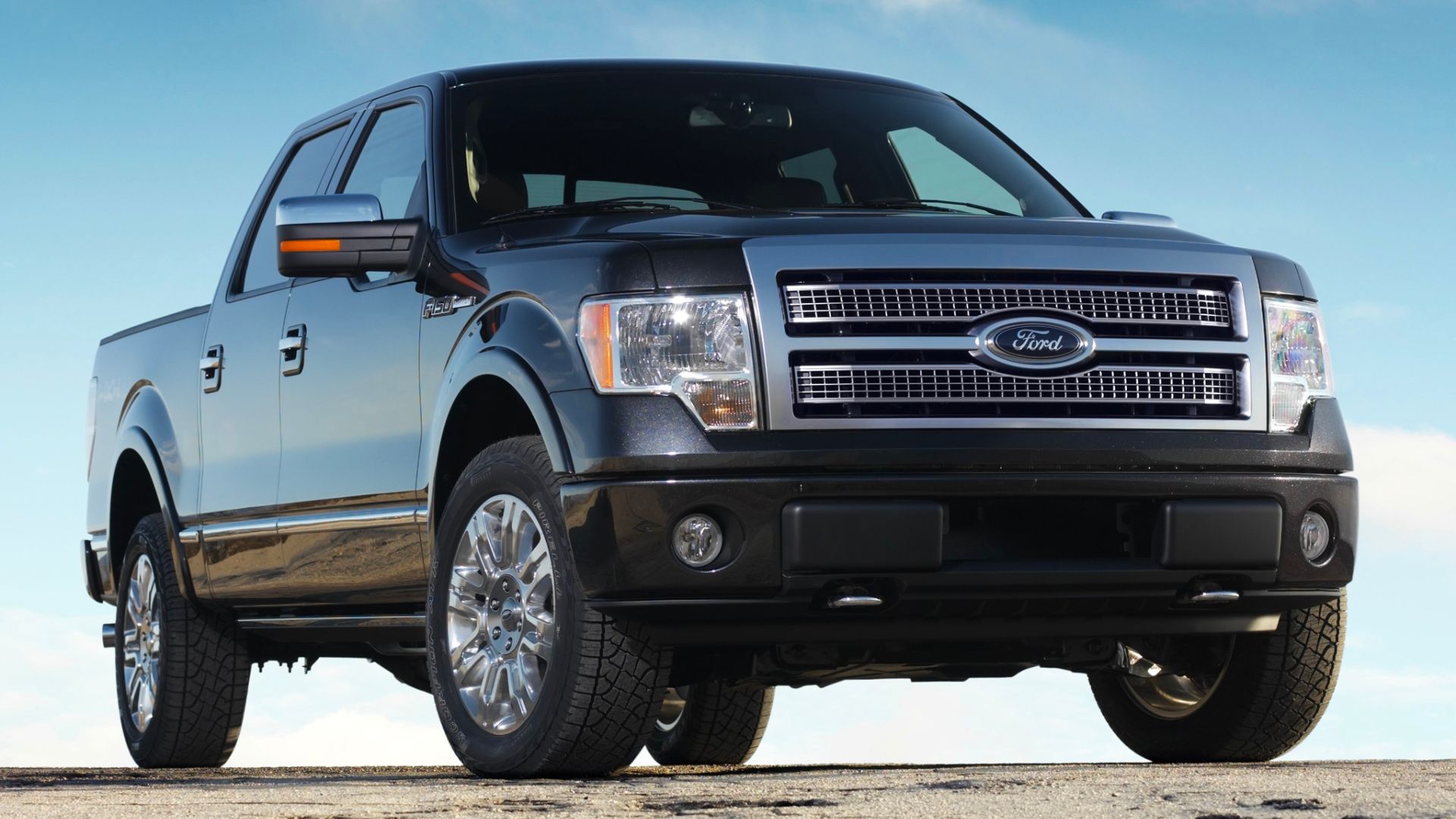
But beyond Volvo, Horbury also penned several significant Ford vehicles. If you’re wondering why the all-new Ranger and Everest look like that now, you can trace its design inspiration from the F-150 that he designed from 2009.
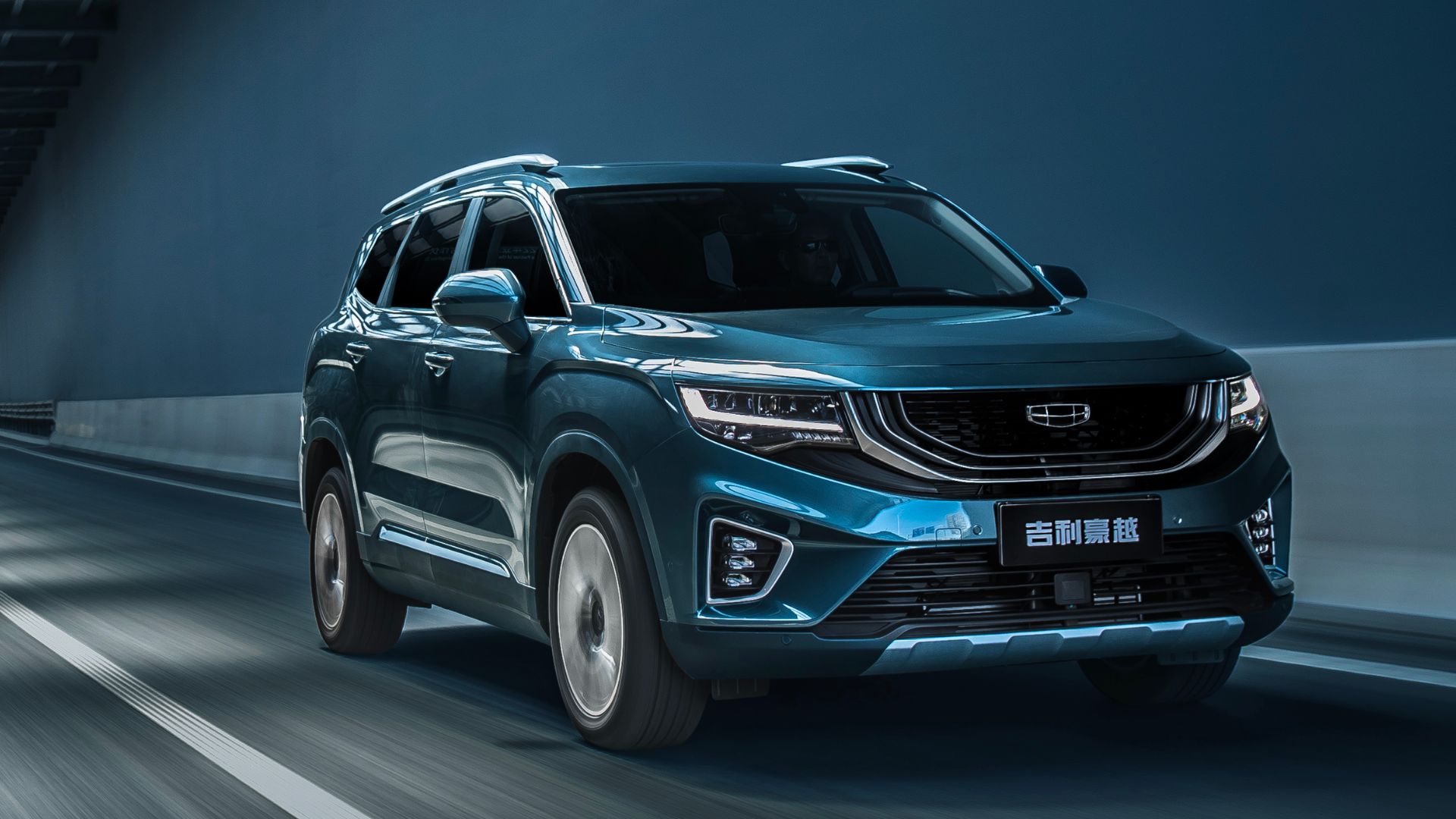
In 2011, years after Geely’s acquisition of Volvo, Horbury was tasked to oversee Geely’s designs. The British designer helped establish the Chinese brand’s design language, and it’s reflected in models such as the Coolray, Azkarra, and Okavango. Not only that, but he also modernized the iconic London black cab’s exterior, established Lynk & Co’s design language, and prior to his passing, also led Lotus’ design department.

All in all, Horbury’s career spanned over 40 years and left a legacy of stylish, iconic cars loved by millions. He started several design revolutions and helped kick off young brands by giving each marque a unique signature. Volvo would be a totally different brand today if he didn’t join the company, Ford’s trucks and SUVs wouldn’t look the way they are now, and Geely models wouldn’t be as stylish if it weren’t for his designs.
Peter Horbury might no longer be with us, but his impact in the world of automotive design will live on for a long time.