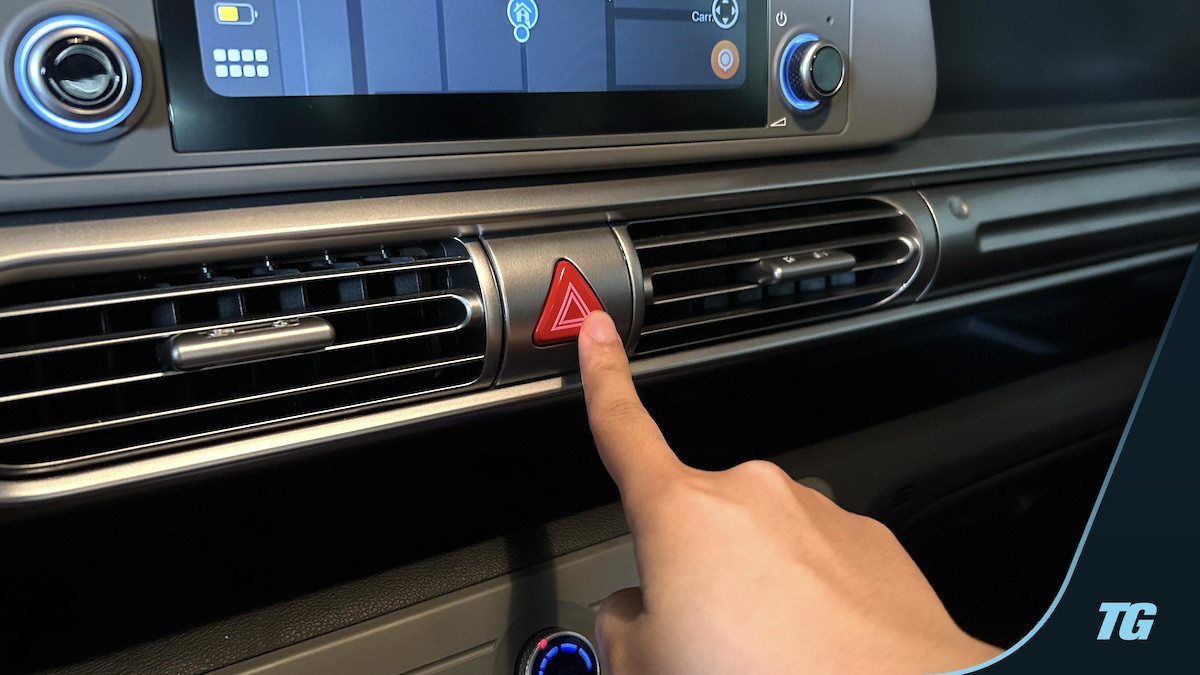
Want to start a long and heated discussion? Bring up the subject of the usage of hazard lights. You’re pretty much guaranteed to have debates and arguments along the way.
Yes, there are proper ways to use these lights, and loads of other improper applications. To simplify things, we’ve listed down when and when not to use it.
OTHER STORIES YOU MIGHT HAVE MISSED:
Christmas 2023: Number coding suspended on December 25-26 and January 1
Toyota Fortuner gets updates for 2024...and no price increase
Use your hazard lights if…
1) You have broken down
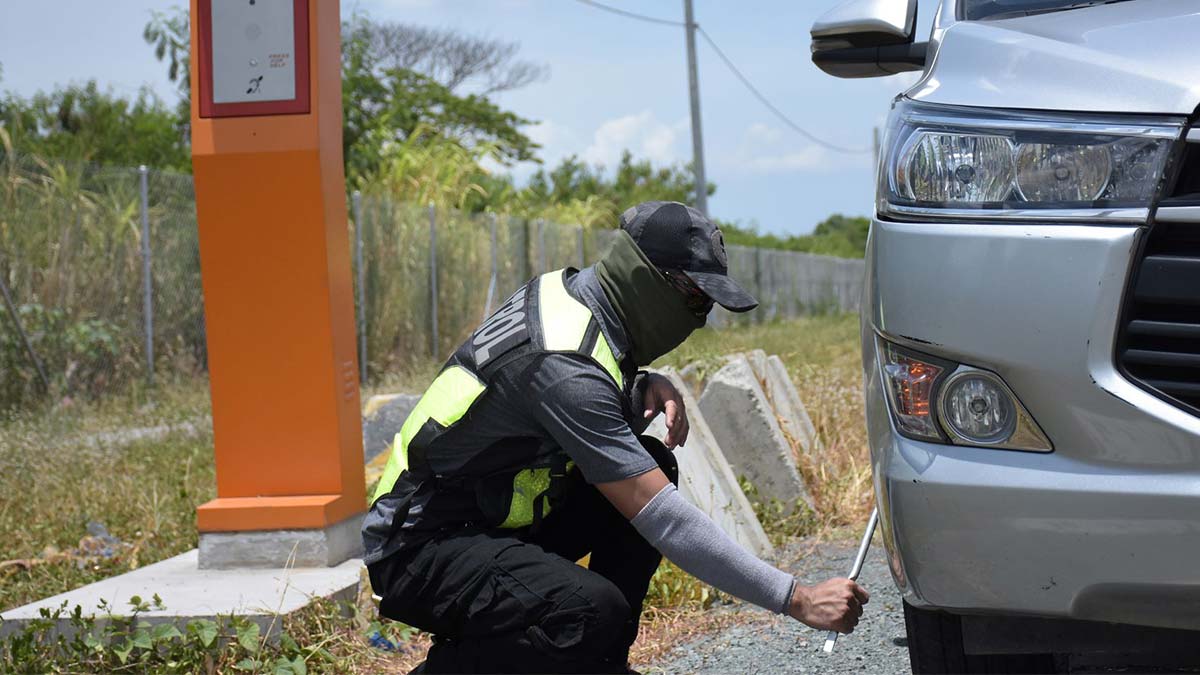
Per the rules of the Vienna Convention, something the Philippines is part of, states:
“Hazard warning signal may be used only to warn other road-users of a particular danger: (a) When a vehicle which has broken down or has been involved in an accident cannot be moved immediately, so that it constitutes an obstacle to other road-users; and (b) when indicating to other road-users the risk of an imminent danger.”
That means if your vehicle is rendered immobile, you must (and we mean absolutely MUST) switch on your hazards. The primary function of these lights is to warn other road users of a, well, hazard ahead.
A broken down car is a prime example of that. Whether it’s a stall, a blown tire, or anything that’s made a car immobile, drivers are obligated turn these on. It’s also worth pointing out that an early warning device must be placed at least four meters away from the vehicle. Not our words, that’s per LTO Memorandum Circular No. RTL-MC-02412.
2) You’re involved in an accident
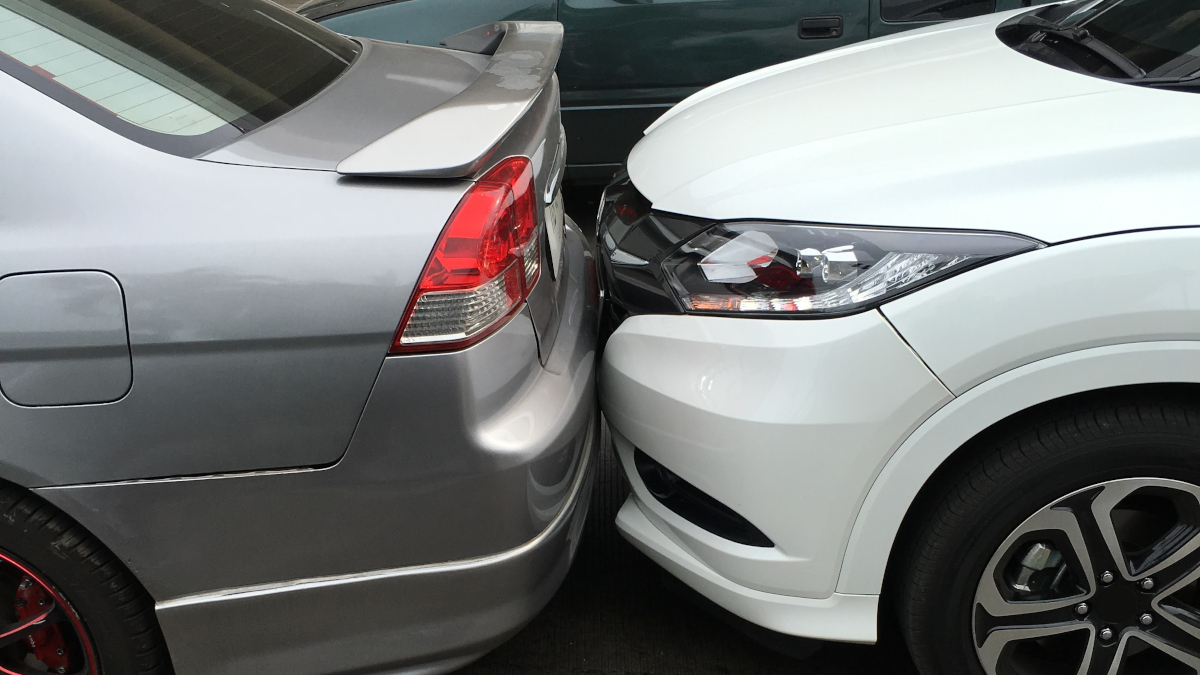
Technically, this can fall under ‘vehicle rendered immobile’, but we reckon it deserves a mention. In any accident, major or minor, drivers are required to stop if you’re caught in one. As the vehicles are stationary, it necessitates the use of these lights. A clear-cut rule, we say.
Do not use your hazard lights if…
1) You’re illegally parked
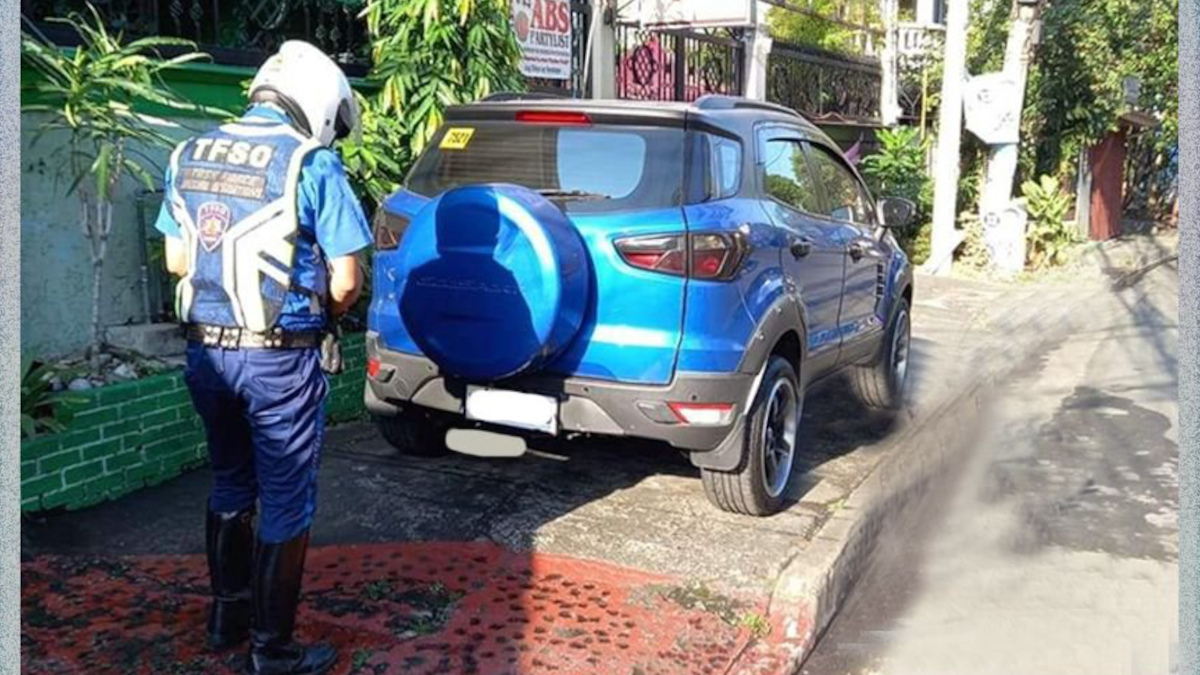
While hazards are meant to be used while stationary, this doesn’t mean it can be used anytime, anywhere. Yes, the car is stopped and can pose a danger to other road users, but illegal parking is exactly that. Illegal. Simply put, hazard lights are not ‘park anywhere’ lights. Simple.
2) You’re driving in heavy rain
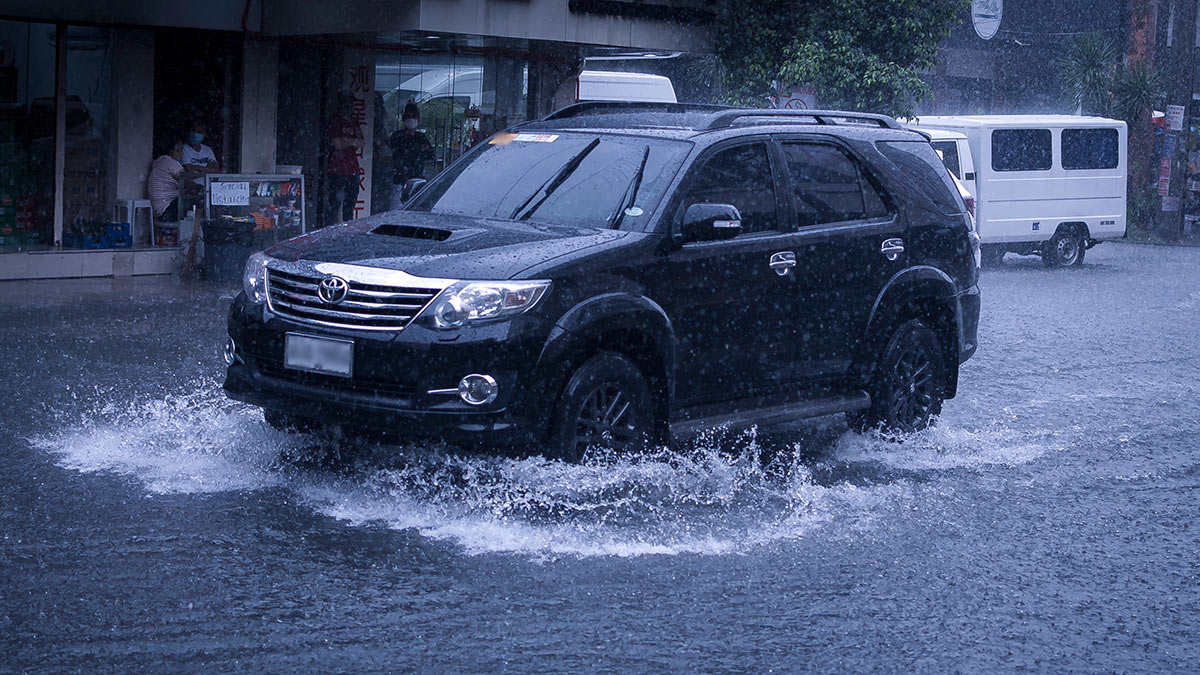
Ah, yes, the long standing debate. There are those who argue that hazards must be used in heavy rain for added visibility. However, that’s not the case at all. So, why shouldn’t you activate those lights? We’ll let the LTO explain.
‘Do NOT turn on your 4-way flashers (Hazard Lights). You lose the function of your turn signals if your Hazard Lights are on. Only use the 4-way flashers (Hazard Lights) in case of an emergency. (Stalled engine, Accident ahead)’.
Other reasons? These lights may confuse other road users into thinking there is a stalled vehicle ahead. The flashing lights might also make it challenging to see who’s really stepping on the brakes.
So how to make yourself more visible in heavy rain? Just turn on your headlights. Make the tail lights are properly functioning, though.
3) You’re (illegally) counterflowing or driving recklessly
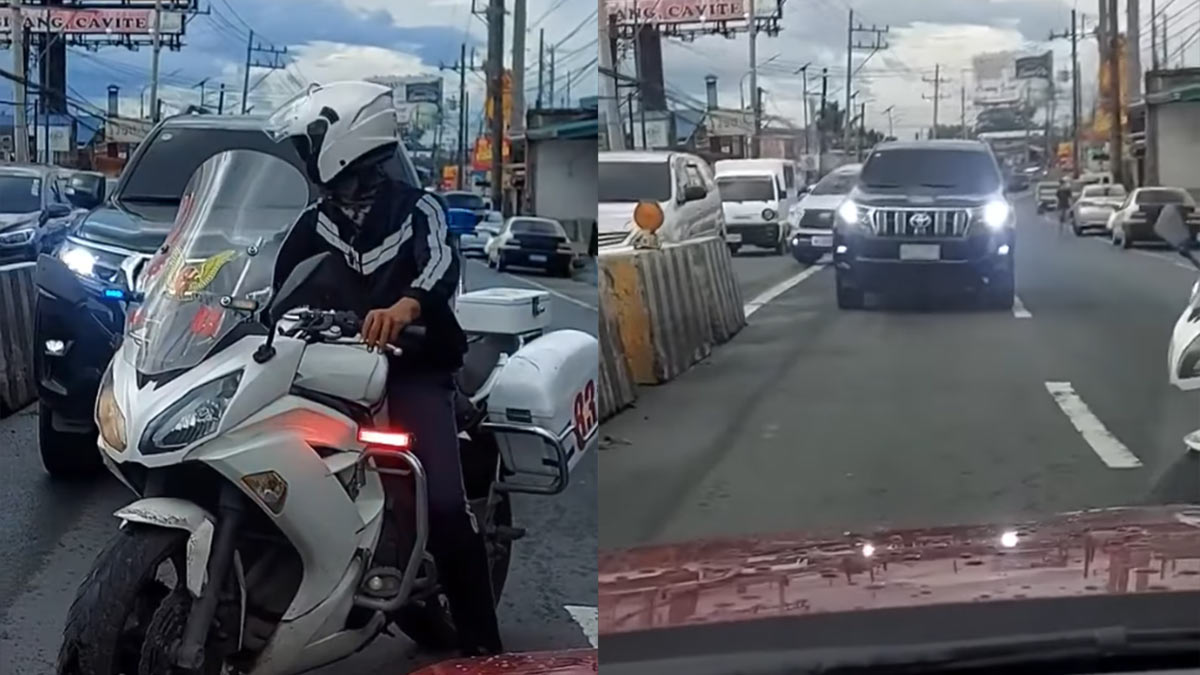
Some drivers think that turning on the hazards excuses them from illegal behavior. For starters, it’s the wrong mindset to have, treating the hazard button like a temporary immunity from traffic violations. Hazard lights were never intended to be used that way and never will be.
Of course, we’re not expecting everyone to agree with the list. There will always be those who insist with what they grew up with and continue some of these practices. But even if just one person changes their hazard light usage, it’ll make the roads that little bit safer.